Mysore Palace
Mysore Palace, India
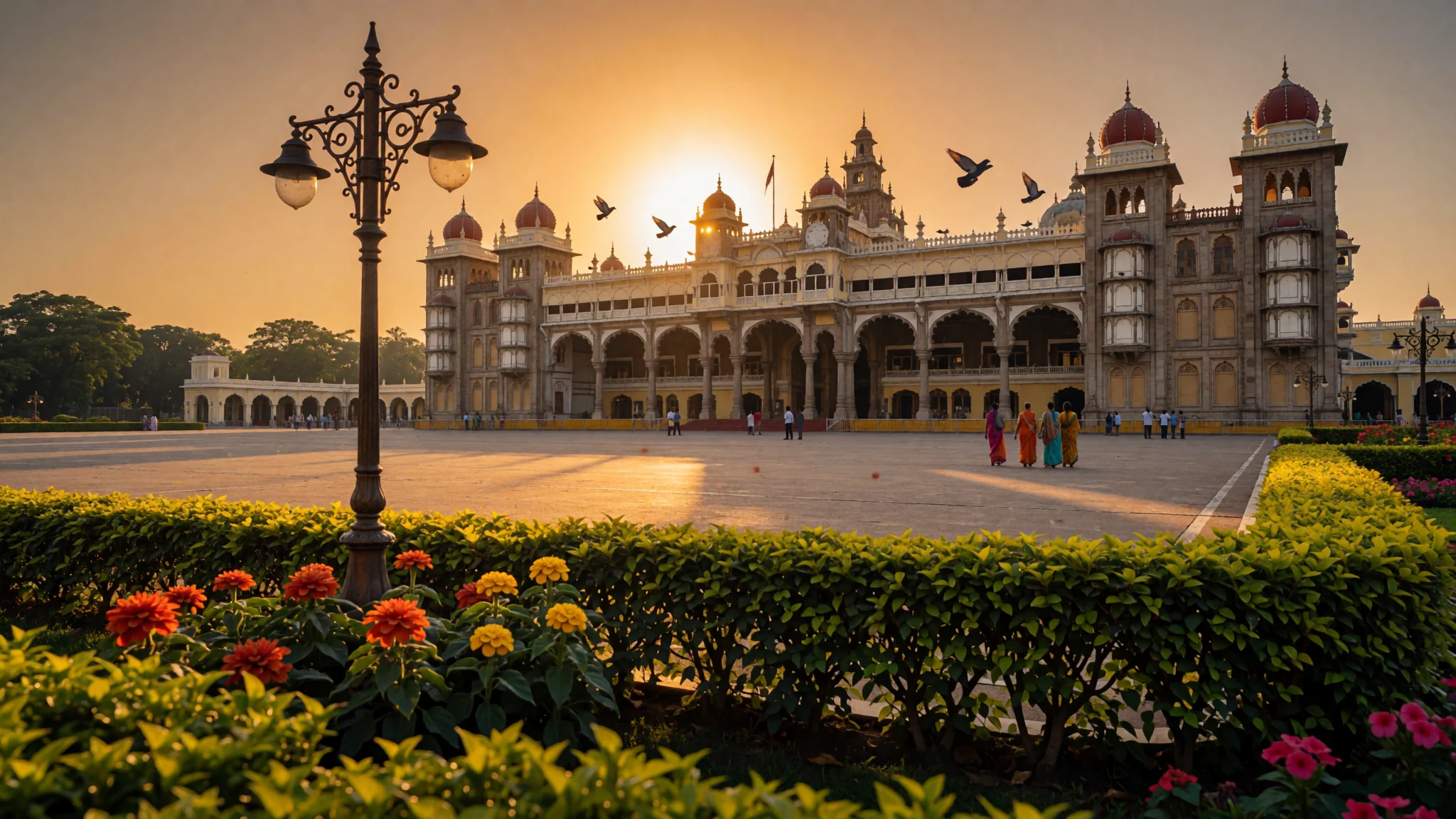
Mysore Palace is a royal residence whose Indo-Saracenic halls and carved interiors make it the clear highlight of the city.
The place
Mysore Palace, also known as Amba Vilas Palace, stands in the centre of Mysuru in Karnataka, southern India. The Wadiyar royal family made it their home, and it served as the administrative heart of the Kingdom of Mysore. The present building was begun in 1897 after an earlier palace was lost to fire, and it was finished in 1912. Henry Irwin, a British architect with earlier experience on the Madras High Court, is credited with the design, and Edwin Wolleston Fritchley also took part. The style blends Indo-Saracenic forms with Indo-Islamic, Rajput, Hoysala and Gothic touches, so the façade feels both familiar and unexpected. Walking through, the first impression is of carved and decorated surfaces: rosewood doors and ceilings with inlaid ivory, marble figurines, collections of caskets and portraits of royal family members. The Durbar Hall, where the court once gathered, is the room most people come to photograph. Outside, the grounds hold older shrines and gardens, and the building is especially striking when it is lit at night and during festivals. Parts of the complex can close for ceremonies and maintenance, so it is wise to allow flexible time. Mysore is a relaxed city, so the palace is usually the anchor of a visit rather than a rushed stop on a longer tour.
Its story
Mysore Palace has stood on the same ground for centuries, though the buildings on it have been burned, pulled down and rebuilt. In 1524, a fort with earthen walls was raised in the village of Puragere, the settlement that later grew into the city. The first palace recorded there dates from 1638, when the ruler Kanthirava Narasaraja I rebuilt a structure that a lightning strike had destroyed. For much of that period Srirangapatna was the real capital, and the palace served mainly as a stopping point for the maharaja on visits to worship at the Chamundeshwari Temple.
Decline came in the later 18th century. Tipu Sultan found the town neglected, and in 1793 he pulled down the palace and parts of the fort walls, reusing the stone for a new fortress called Nazarabad. After Tipu died at the Battle of Srirangapatna in 1799, the British placed the young Krishnaraja Wodeyar III on the throne and set about rebuilding. The job took four years, and the new palace was largely timber, built in a Hindu style. Once it was finished, Mysore became the capital, and the first durbar, or royal assembly, was held there in 1805 during Navaratri. The Dasara festival has been celebrated on the palace grounds since the early 19th century, and it closes with elephants parading on Vijayadashami.
The present palace is the answer to a later loss. Work began in 1897, after an earlier building burned, and the new structure was completed in 1912. Its story is therefore one of repeated rebuilding, each phase reflecting the political power of its moment: a small fort, a royal residence under the Wadiyars, a palace damaged by Tipu's campaigns, and finally a grand building in the Indo-Saracenic manner.
What to see
- Mysore Palace interior — City centre
The palace itself is the main reason to come, and the detail lives inside. Rosewood doors and ceilings carry inlaid ivory work, and the galleries hold marble figurines, collections of caskets and paintings of the royal family. Go in the morning when the rooms are quieter, and allow time for the Durbar Hall, the most photographed room.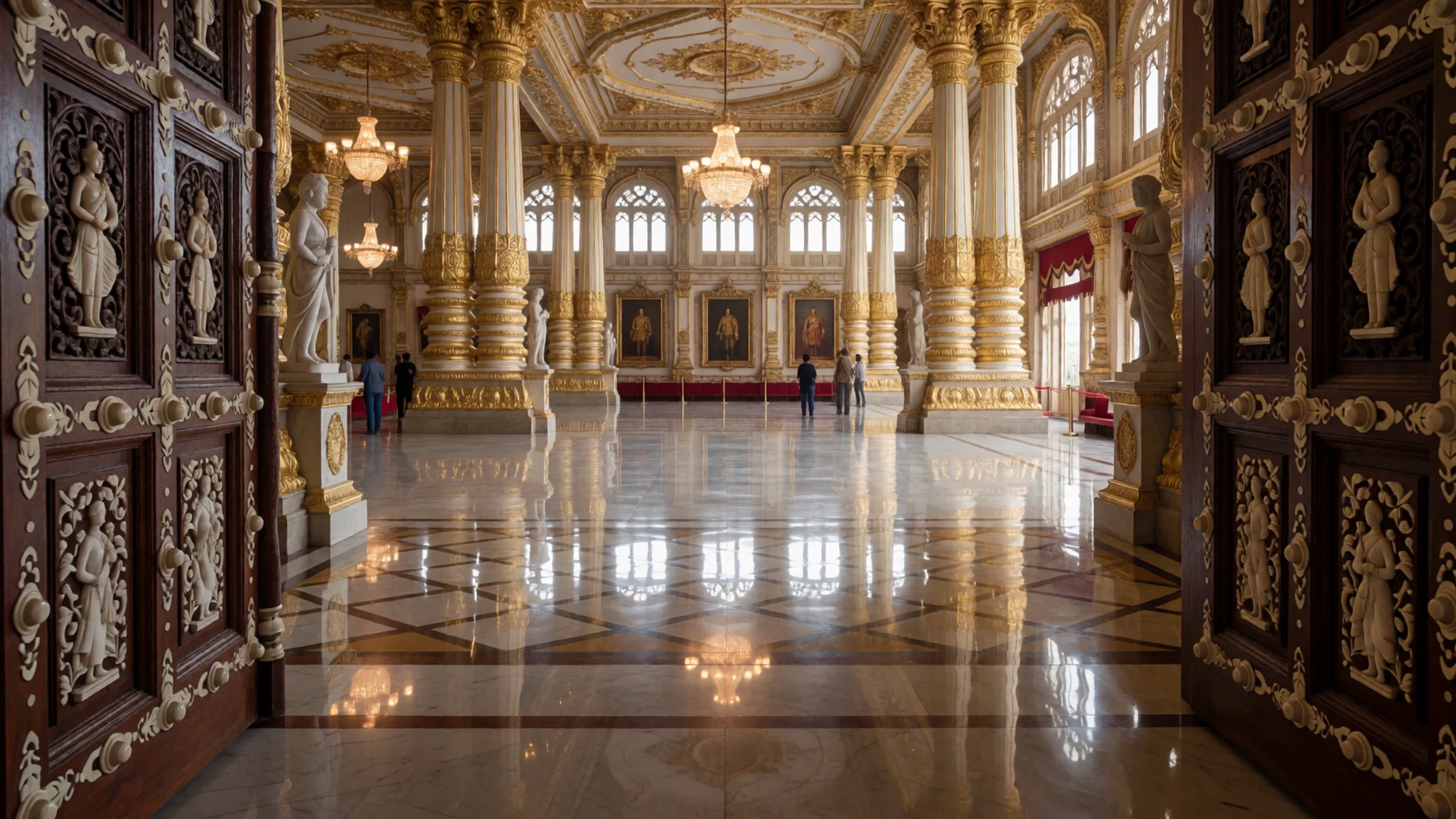
- Lakshmi Ramanaswami Temple — Palace grounds
Within the palace grounds stands this temple, which is a working place of worship rather than a museum piece. It keeps its own rules for dress and behaviour, so the visit feels calmer than the palace galleries. Covered shoulders and knees are expected, footwear comes off at the threshold, and photography should follow whatever the staff and worshippers indicate.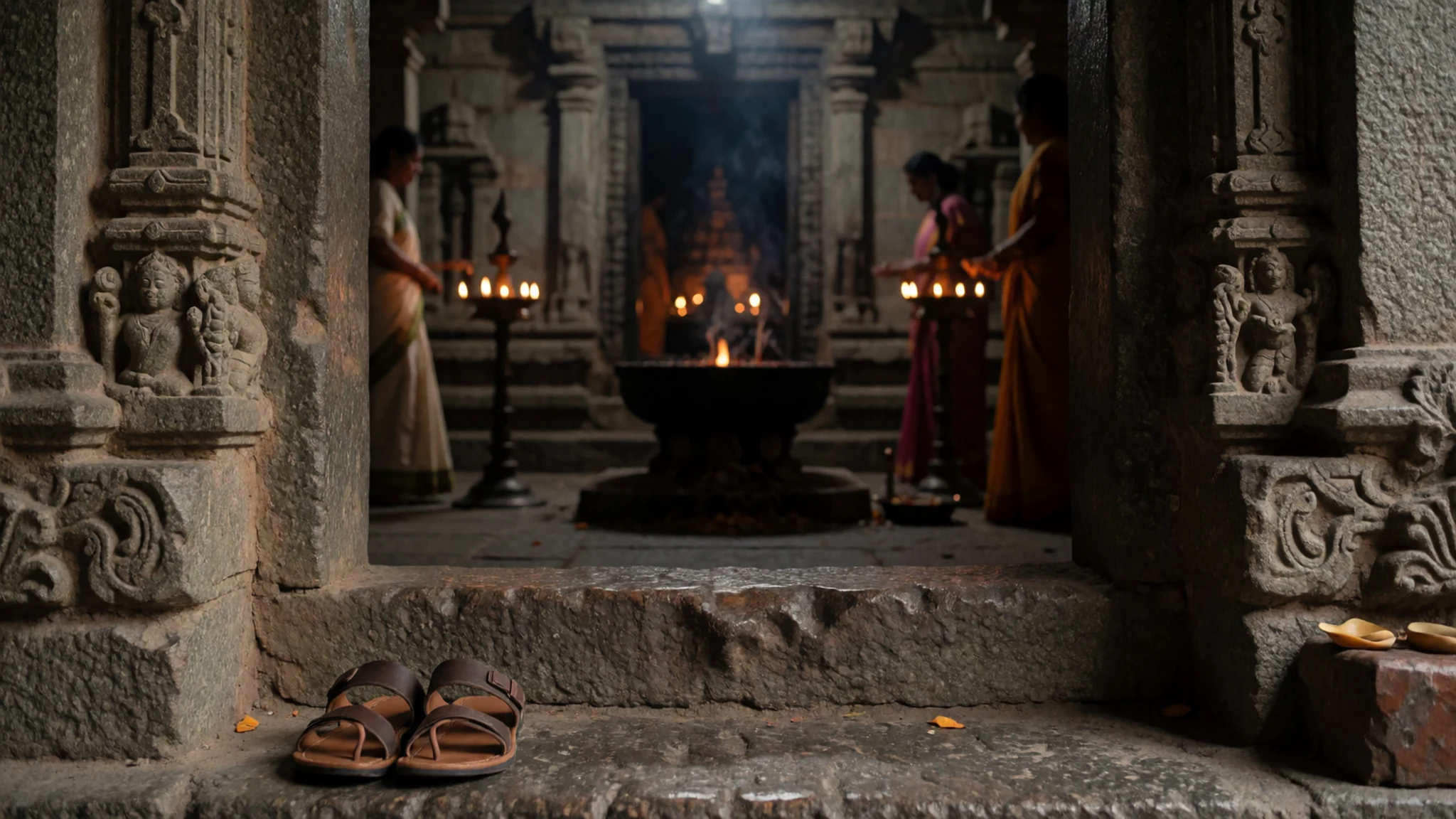
- Chamundeshwari Temple — Chamundi Hill, south-east of the centre
This temple to the goddess Chamundeshwari, also called Chamundi Devi, is a major shrine linked to the royal family's worship. Its architecture is considered marvellous, and the hill setting gives wide views over the city. Go early, before the midday heat, and expect steps and a steady crowd on festival days.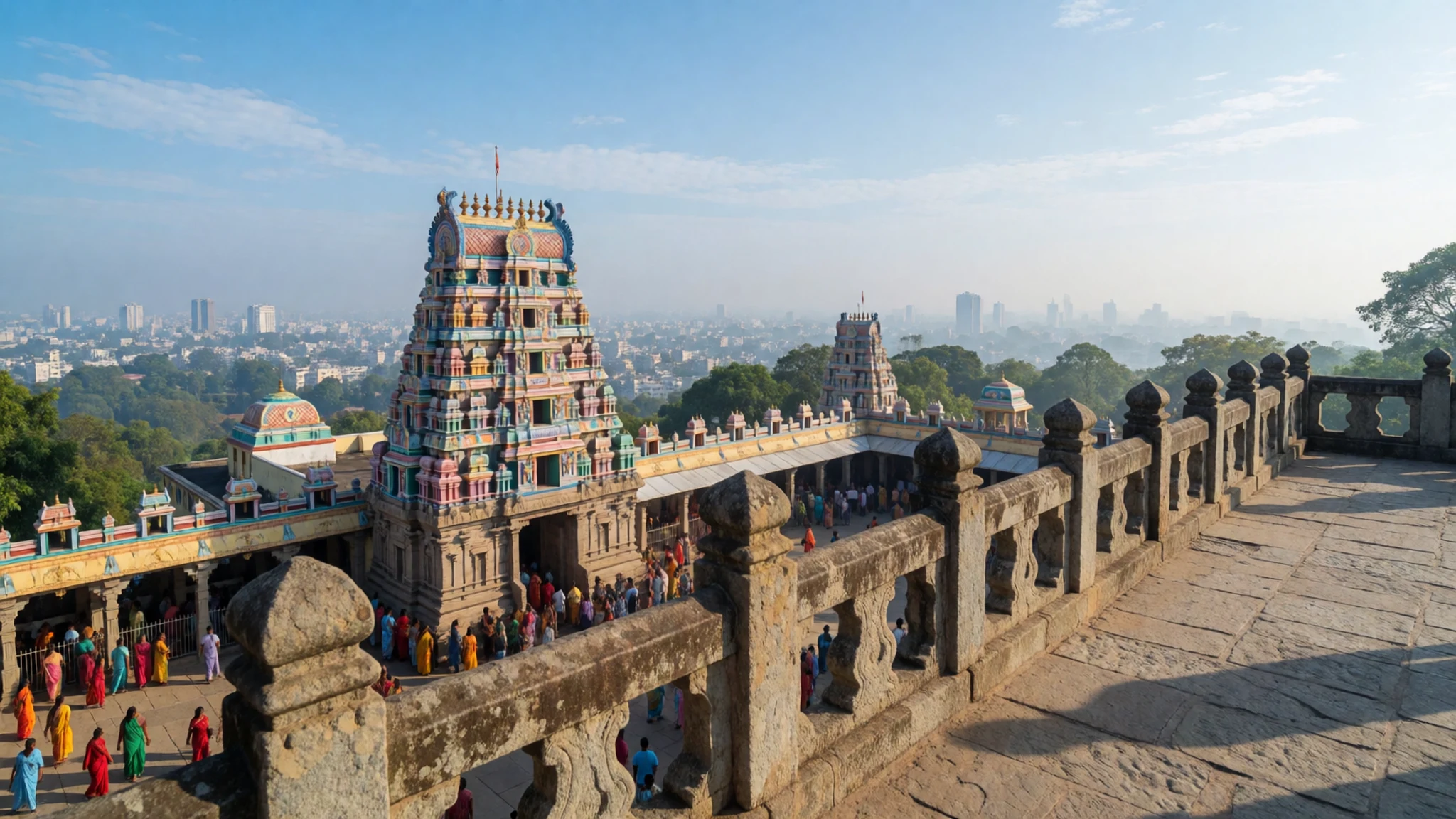
- Jayalakshmi Vilas — North-west of the centre
A palace built by a maharani regent for her daughter, with around 200 rooms, an exotic dancing hall and a Kalyanmantap with intricately carved wooden pillars. It is visited far less than the main palace, so it offers a quieter look at how royal households lived. Check the official site or ask locally before going, because access can change.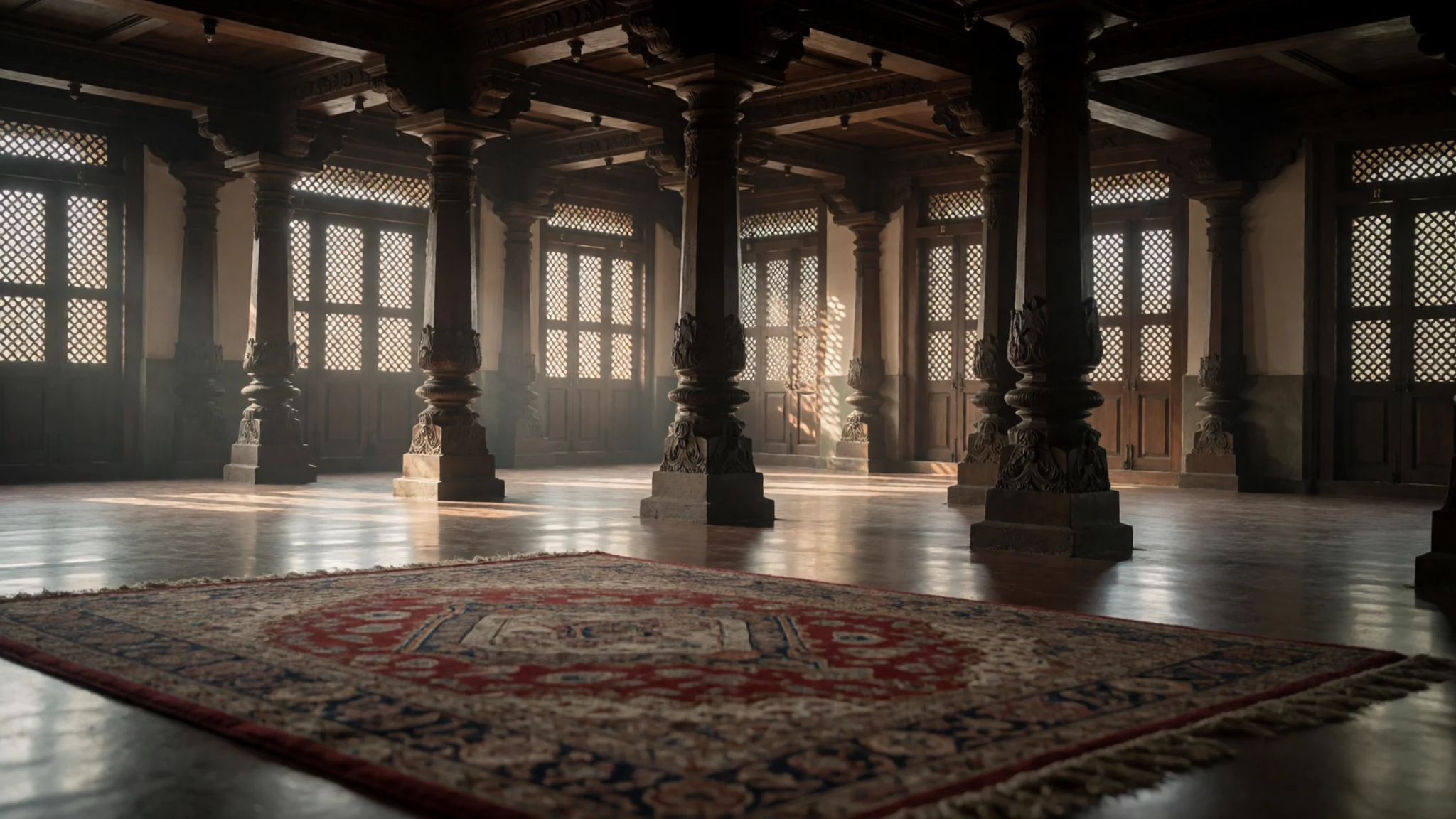
- Lalitha Mahal Palace — East of the centre
This palace served as a summer residence for the Viceroy of India and has since been turned into a luxury hotel. The grounds are best seen by staying or dining there, rather than as a public sight. It makes a pleasant change of scene from the older royal buildings, and it is a short drive east of the centre.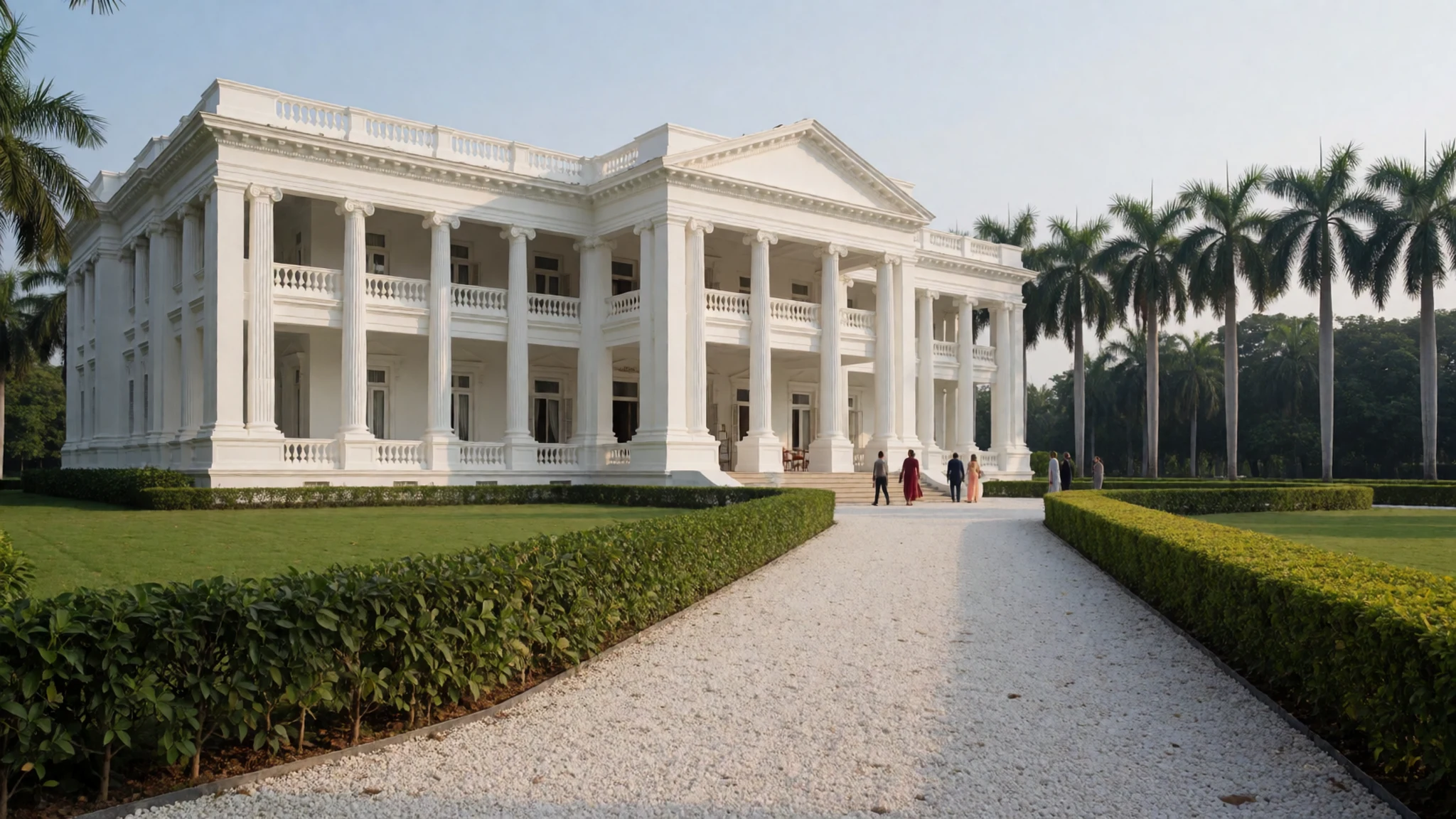
- Mysore Zoo — Near the centre, in the east of the city
The zoo was set up under royal patronage in 1892, which makes it one of the oldest zoos in the world. It has a long breeding programme and holds animals from more than 40 countries. It suits a slow late-morning visit once the temples are done, and the shade of its older trees helps in the heat.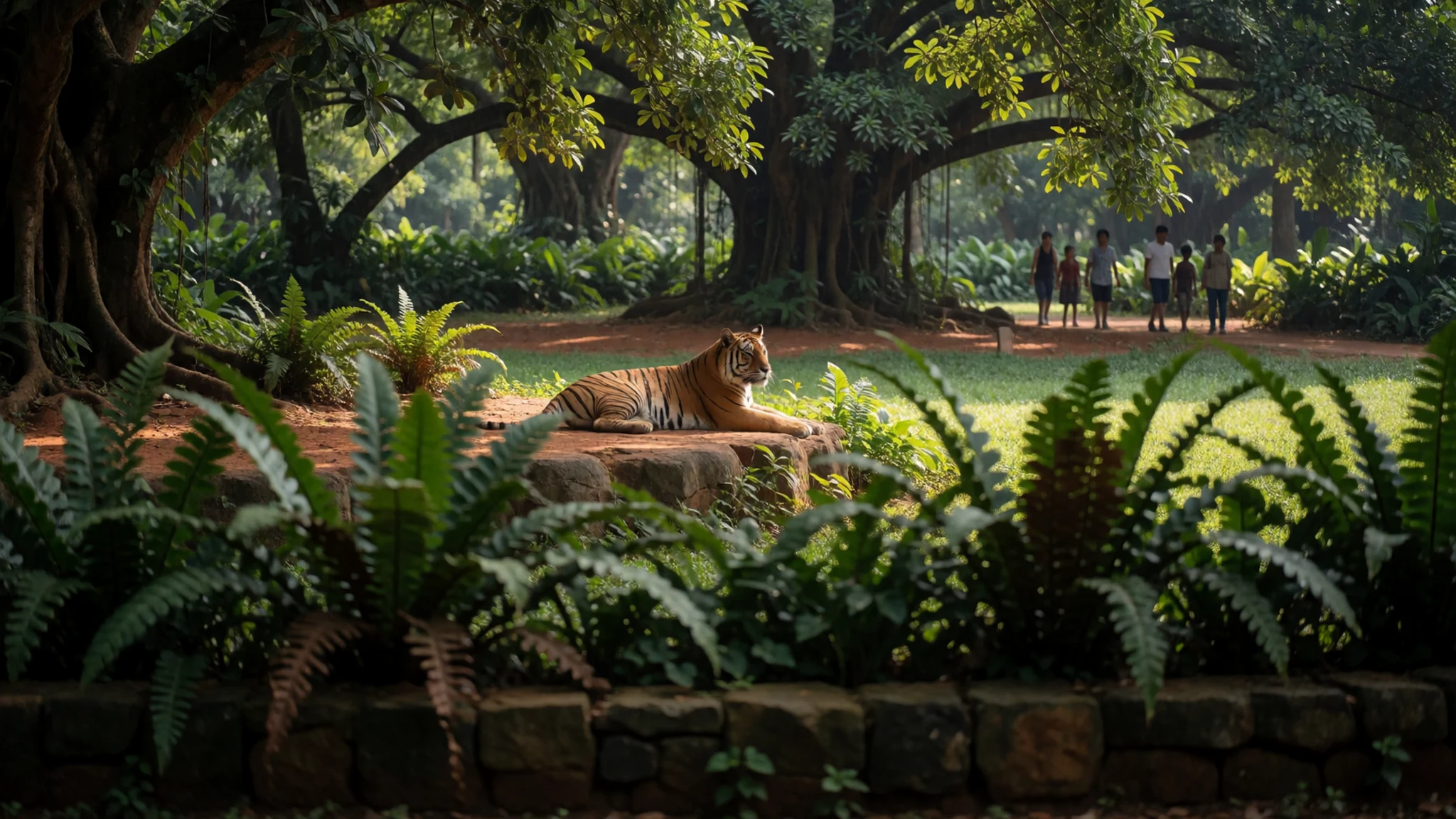
Culture
Mysore Palace is a royal residence that still carries ceremonial weight, and the city takes pride in it. The Wadiyar family's link to the building is part of everyday talk in Mysuru, and the Dasara festival, held on the palace grounds and closing with an elephant procession on Vijayadashami, is when the whole city turns out. Expect crowds, slow queues at the entrance and groups who stop often in the galleries, especially at weekends and during festivals. Much of the decoration is fragile carved wood and painted ceiling, so staff may ask visitors to keep moving through some rooms and to stay back from the walls. The Lakshmi Ramanaswami temple within the grounds is a working shrine, and the Chamundeshwari Temple on its hill draws worshippers all day. Dress modestly, and remove footwear at temple thresholds, which is standard at Indian shrines. Photographing people at prayer without asking is considered rude, so ask first or keep the camera lowered. Remove your shoes at every temple doorway, and ask before photographing anyone at prayer.
What to wear
Mysore Palace sits in a city long associated with silk, and traditional dress here reflects that. Mysore silk, a fine silk weave linked with the city's workshops, is the textile most associated with formal occasions, and a silk saree with a zari border is a familiar sight at weddings and festivals. Men traditionally wear the dhoti, a long wrapped cloth often in white or cream, with an angavastram draped over the shoulder. Today Mysuru looks much like any Indian city: students and office workers wear jeans, shirts and kurtas, while women mix sarees with salwar kameez or western clothes depending on the setting. Temple visits still call for covered shoulders and knees, and many women choose a saree or long kurta for shrines. For a visit to the palace itself, light cotton clothing suits the heat, and a scarf or shawl helps when entering shrines. A visitor should choose comfortable sandals or shoes that come off easily, because they will be removed at temple doorways and the walk is over stone and gravel. Dress for the climate rather than the palace: a light cotton shirt, loose trousers or a long skirt, and a sun hat cover most needs.
What to eat
- Mysore Pak — Sweet shops around the city centre
Mysore Pak is the sweet the city is best known for. It is made from gram flour, sugar or jaggery, and a generous amount of ghee, then cut into rectangular pieces. Buy it fresh from a sweet shop rather than keeping it for days.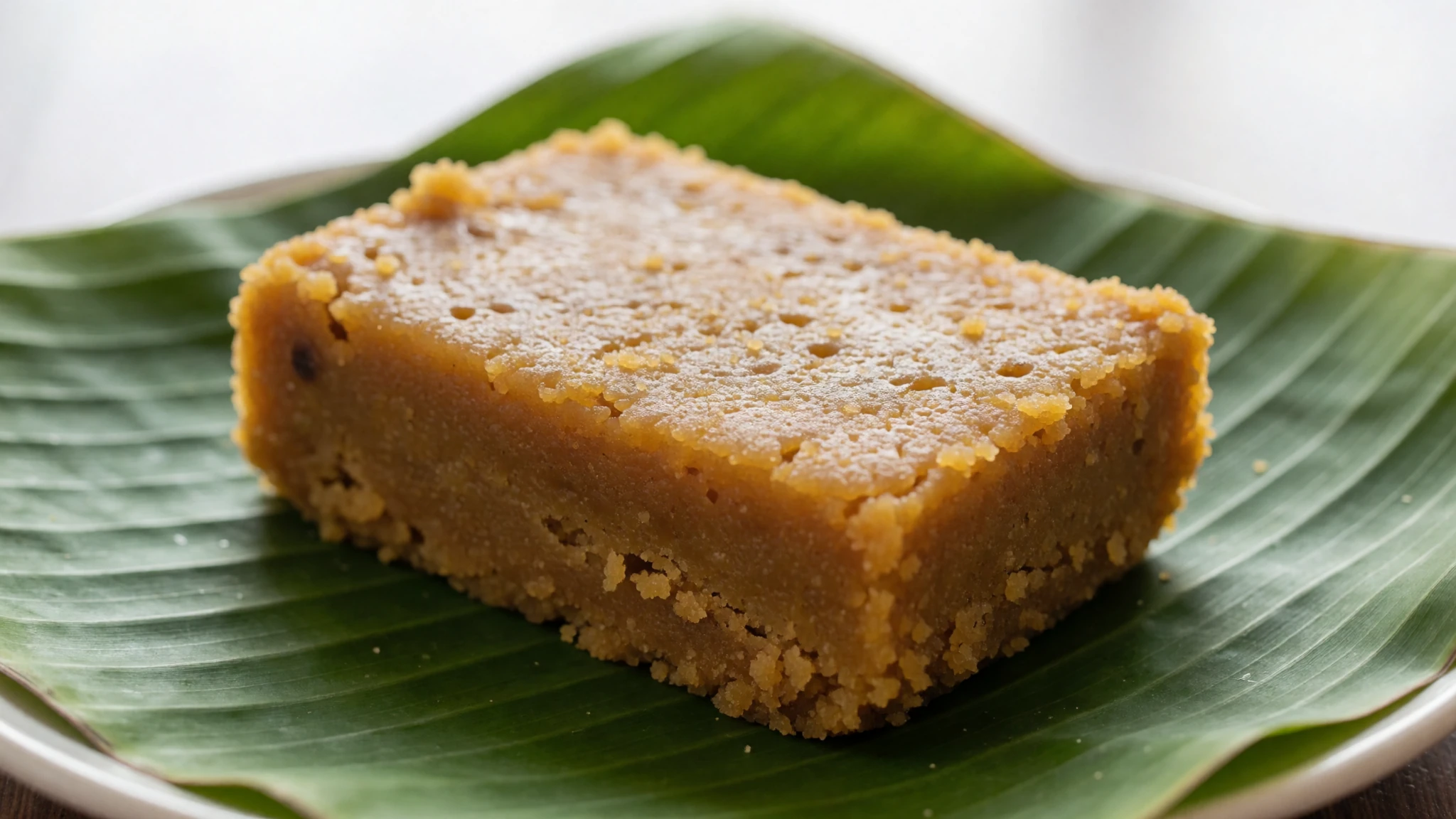
- Masala dosa — Old-style tiffin rooms and breakfast eateries around the city centre
A thin fermented crepe of rice batter and black lentils, filled with a spiced potato mixture and served with chutney and sambar. It is the classic breakfast here, and the best examples come from old-style eateries that have served it for years.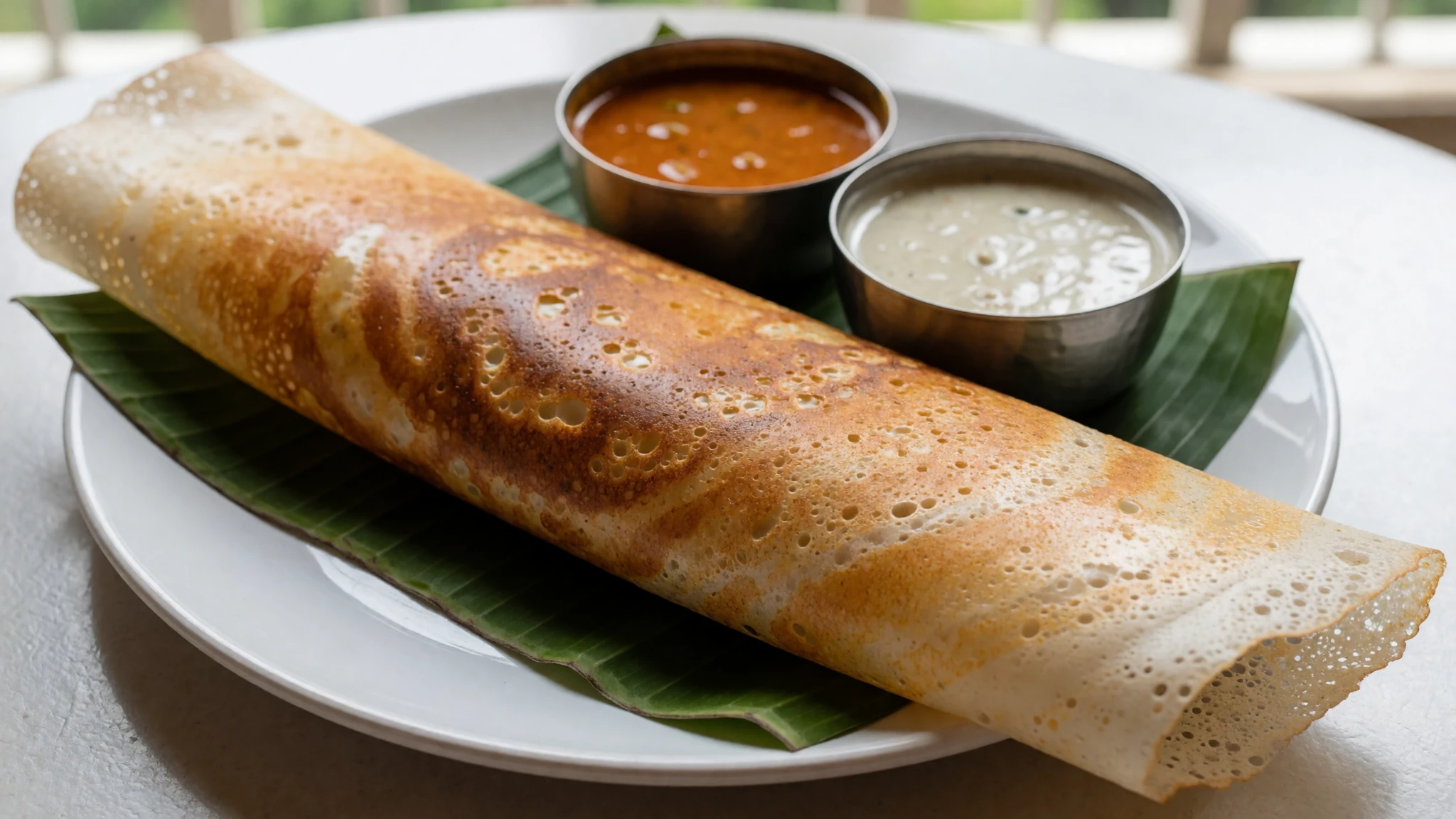
- Filter coffee — Tiffin rooms and small cafés near the palace area
Strong South Indian coffee brewed through a metal filter, then mixed with hot milk and sugar. It is served in small steel tumblers and makes a good pause between palace galleries.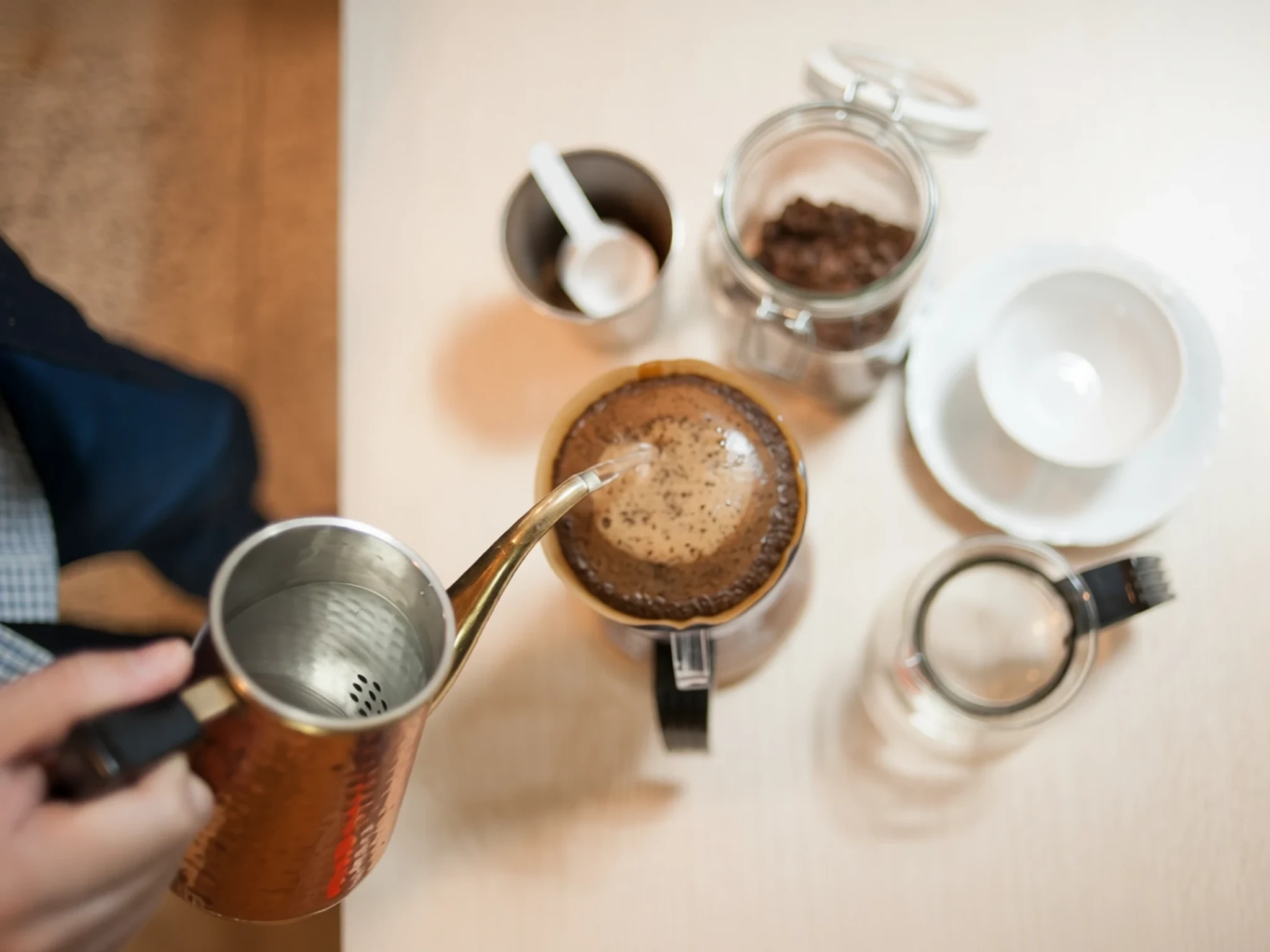
- Vegetarian thali — Vegetarian meal houses with lunch service in the central districts
A set lunch on a steel plate with rice, dal, vegetable curries, pickle, yoghurt and a sweet. It is a full meal for a modest price and suits a midday break after the palace. - Idli — Breakfast counters in the city centre and near the bus stands
Soft steamed cakes made from fermented rice and lentil batter, served with coconut chutney and sambar. They are light, so they suit a breakfast before an early start at the temples.
Plan it
Best time. December to February is the most comfortable stretch, with cooler and drier weather for walking the grounds and climbing Chamundi Hill. April and May get hot, and the monsoon brings rain from June to October.
How long. 2–3
Getting there. Bengaluru (BLR) is the nearest international airport, about 185 km north-east. From there, trains and road transport run to Mysuru Junction, the city's main station, with frequent services between the two cities.
Budget. low
Tips
- Book train tickets between Bengaluru and Mysuru early, especially for festival weeks
- Visit the palace early in the morning to avoid the heaviest crowds
- Climb Chamundi Hill before the midday heat
- Carry water and a hat, since the grounds are open and sunny
- Carry some cash for small shops and tiffin rooms, and check the official site for current opening arrangements
Etiquette
- Remove shoes at temple doorways and at any step up to a shrine
- Ask before photographing people, especially those at prayer
- Dress with covered shoulders and knees for temples
Nearby
Sources
- Wikidata Q456575 (CC0)
- Wikipedia: Mysore Palace (rev 1381188391) (CC BY-SA 4.0)
- Wikivoyage: Mysore (rev 5385476) (CC BY-SA 4.0)
- Photo: Palace view from the corner (CC BY-SA 4.0)
- Photo: Majestic by day, magical by night (02) (CC BY 4.0)
- Photo: Durbar Hall of Amba Vilas Palace (CC BY-SA 4.0)
- Photo: Majestic by day, magical by night (04) (CC BY 4.0)
- Photo: Courtyard of Amba Vilas Palace (CC BY-SA 4.0)
- Photo: Dome of Mysore Palace (CC BY-SA 4.0)
- Photo: Cart, Mysore Palace (CC BY 3.0)
- Photo: Lakshmi Ramanaswami Temple in the Mysore Palace grounds (CC BY 3.0)


