Mỹ Sơn
Mỹ Sơn, Vietnam
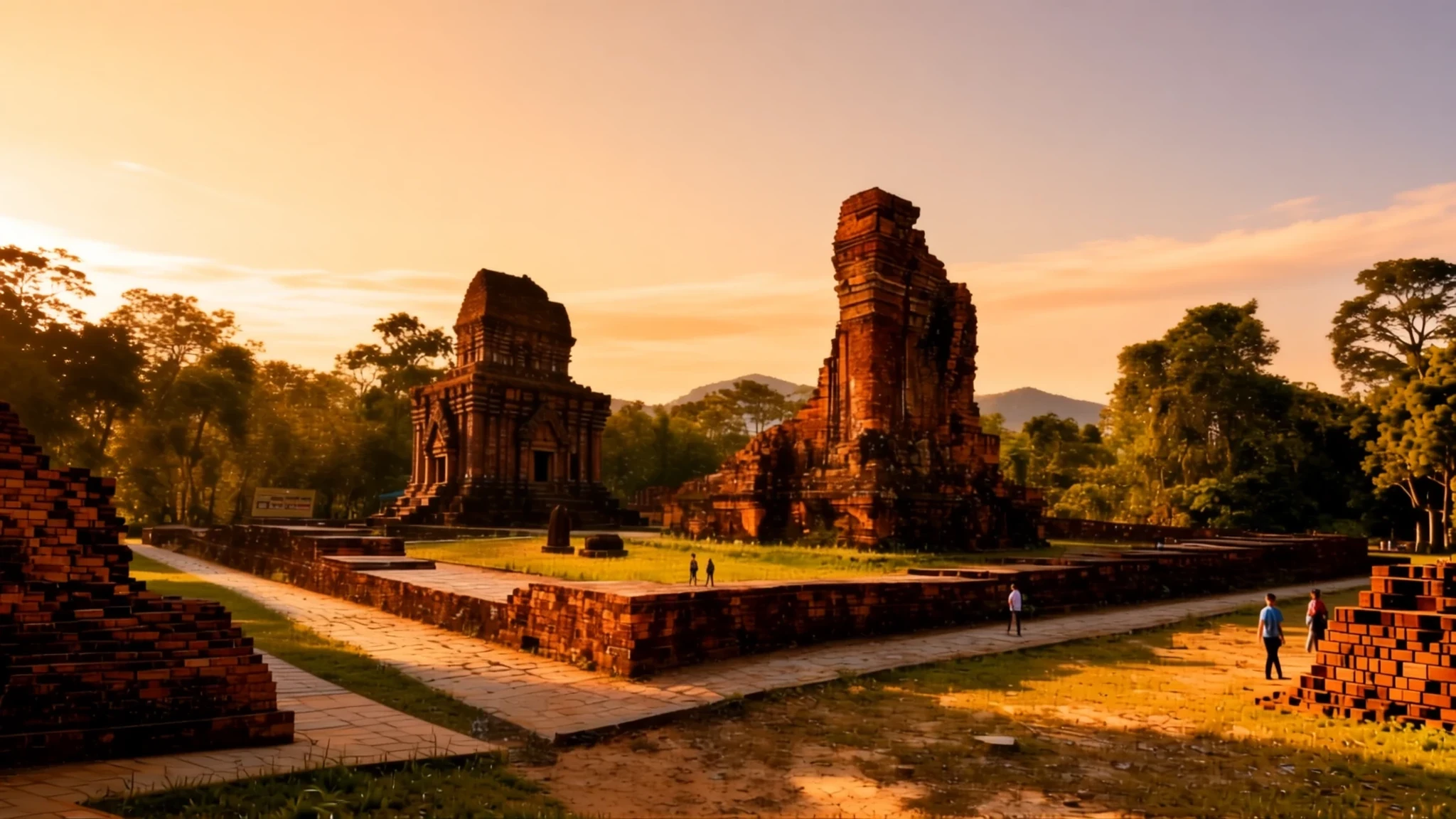
Ruined Hindu temples in a central Vietnamese valley, built by Cham kings and best seen at dawn before the tour buses arrive.
The place
Mỹ Sơn is a cluster of abandoned and partly ruined Shaiva Hindu temples in central Vietnam, set in a valley about two kilometres wide and ringed by two mountain ranges. The site lies in the commune of Thu Bồn, in Da Nang city, about 68 km south-west of the centre and 36 km south of Hội An. The Cham kings who ruled this part of the coast built the temples between the fourth and thirteenth centuries, and the complex once held dozens of shrines and tombs. Today the monuments range from carefully restored towers to low brick foundations, and the valley feels quiet even when the car park is busy.
The valley was chosen for religious ceremonies by successive Champa dynasties, and it served as a burial ground for royalty and national heroes. It was closely tied to the nearby Cham cities of Indrapura, at Đồng Dương, and Simhapura, at Trà Kiệu, which lies roughly 10 km away. Brick is the main building material, and the carved doorways and pillars reflect the Indianised culture of the Champa kingdom.
Mỹ Sơn is regarded by scholars as one of the foremost Shaiva temple complexes in Southeast Asia, and it is the leading site of its kind in Vietnam. Its importance is religious as much as architectural. Shrines here honour Shiva under local names, and stone inscriptions in Sanskrit and Cham record the gifts and foundations of kings. Some of the best-preserved sculpture has been moved to museums, so the temples can look emptier than they once were.
Its story
The earliest historical events recorded at Mỹ Sơn belong to the reign of King Bhadravarman I, who ruled in the late fourth century and spent much of his later reign at war with the Chinese-controlled north of Vietnam. He built a hall housing a lingam to worship Shiva under the name Bhadreśvara, meaning Blessed Lord. The name joins the king's own name with īśvara, the Sanskrit word for lord that was commonly used for Shiva.
Bhadravarman also had a stele raised to record the foundation. Its inscription states that the king dedicated the whole valley to Bhadreśvara, and it closes with a plea to later rulers not to destroy what he had given out of compassion for him. Drawing on the idea of karma, the text warns that anyone who destroyed the gift would take on the king's wrongs, while the king would gain the good deeds of the destroyer.
Over the centuries the complex grew to dozens of temples and tombs, built in several phases. Inscriptions in Sanskrit and Cham help historians date the work, although the earliest structures are now gone. Mỹ Sơn is thought to have been the religious heart of the kingdom, while the government sat in nearby Simhapura or Đồng Dương.
The valley's story took a violent turn during the Vietnam War. US bombing destroyed much of the architecture in a single week, and much of the surviving stonework has since been restored or stabilised. Mỹ Sơn may well rank as the site on mainland Southeast Asia with the longest record of habitation, a reflection of how many generations have lived beside its ruins.
What to see
- Champa Museum — Near the ticket office
The Champa Museum sits beside the ticket office and explains the site's history through many of its artefacts. Much of the best-preserved sculpture was removed from the ruins and is shown here or in the small museum in Group A, which means the carvings lose their original setting. Visit it first, because it closes about half an hour before the ruins and is easy to miss on the way out.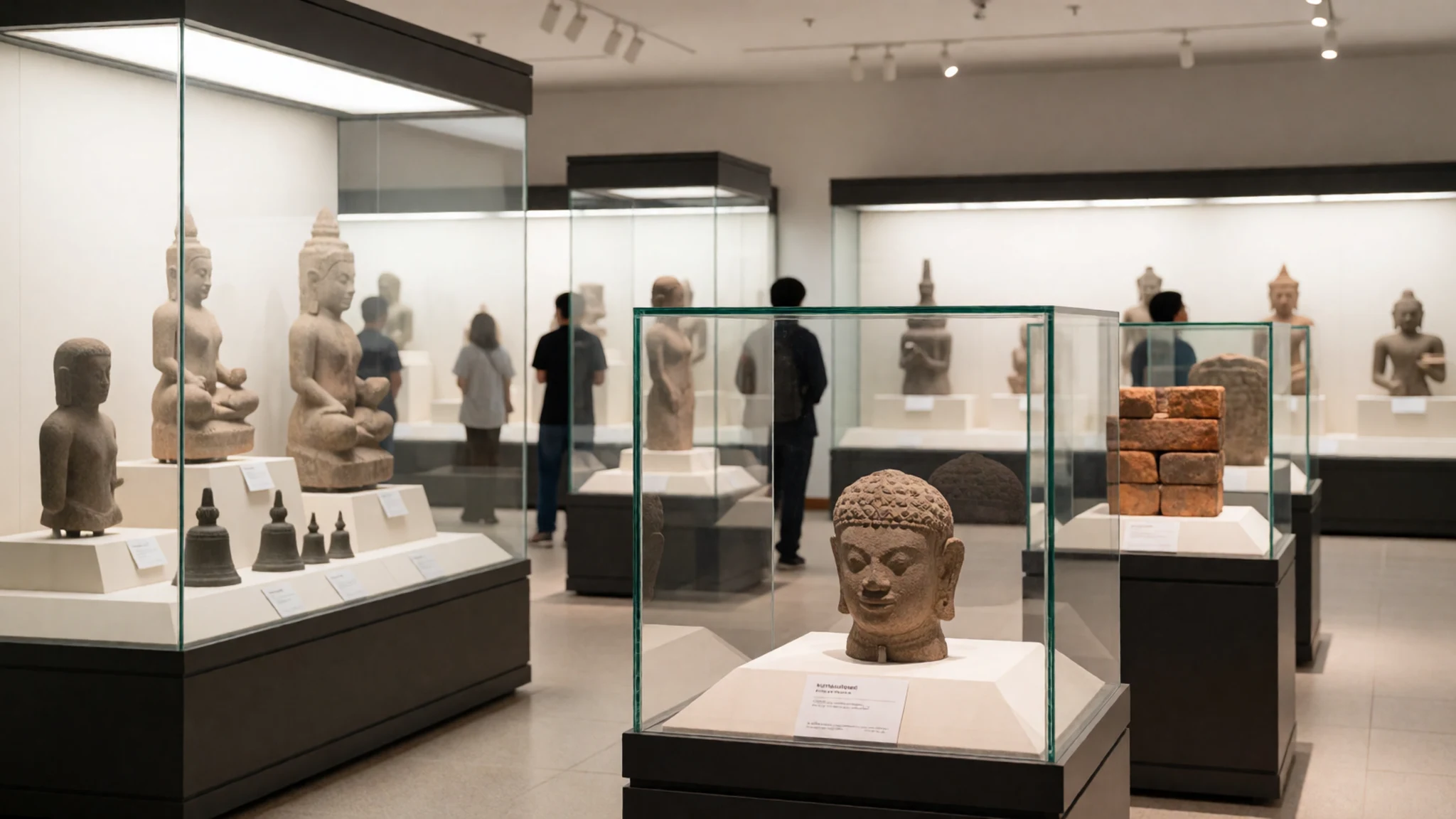
- Group A — A short walk from the museum on the marked tracks
Group A is one of the three main clusters of temples, reached by the well-marked walking tracks. Its towers show the brick and sandstone craft of the valley at close range. The small museum here displays sculpture taken from other groups, so the stone figures are easier to examine than in the ruins themselves. Allow an hour or so to walk around at an unhurried pace.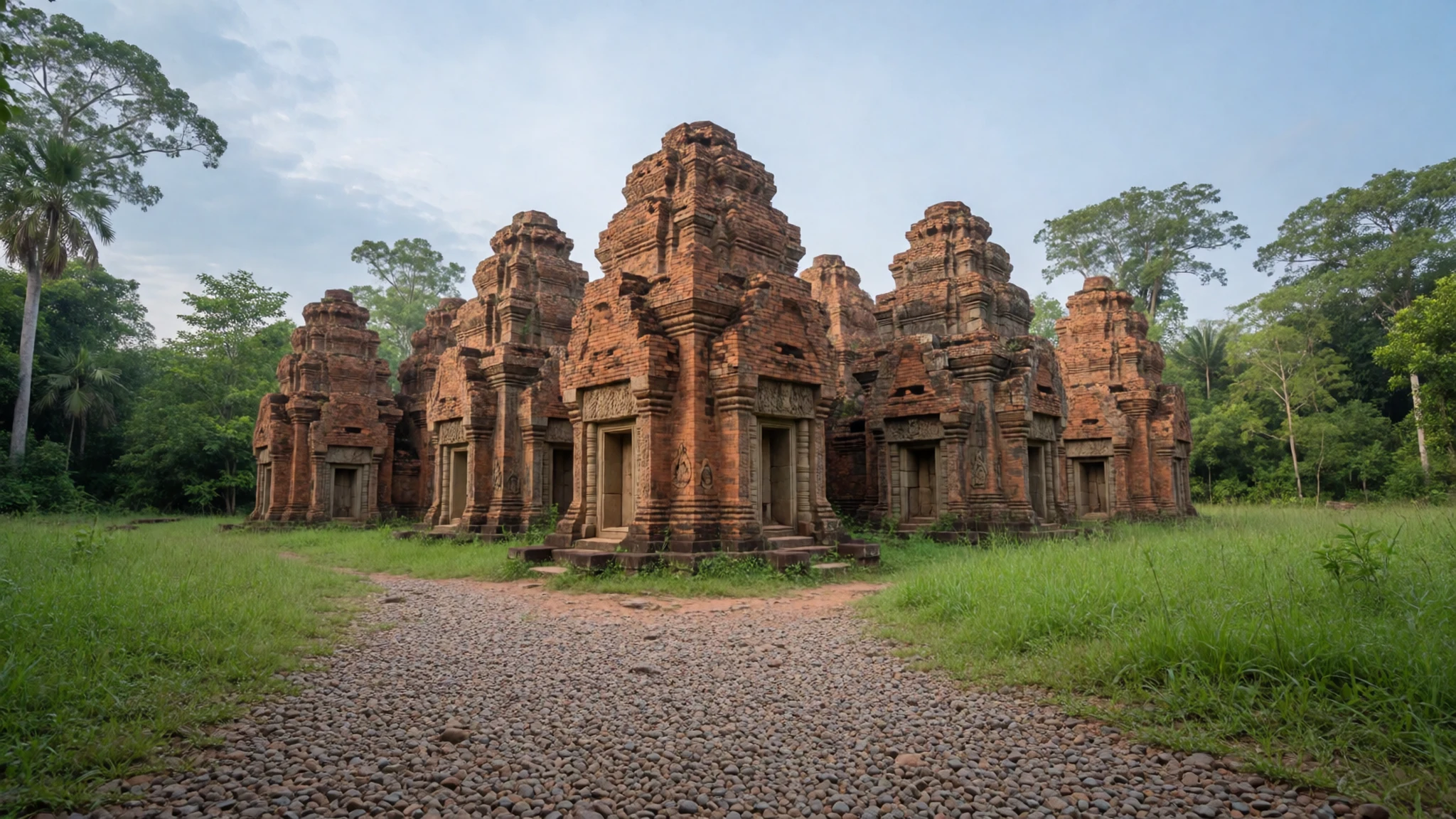
- Groups B, C and D — The central sanctuary area
Groups B, C and D form the heart of the complex, with the largest cluster of towers standing close together. Early morning light falls across these temples and reveals how their layout follows the sun. The stone bases and doorways carry carvings of gods and decorative patterns. Walk slowly here, because the uneven brick and grass around the foundations can be slippery after rain.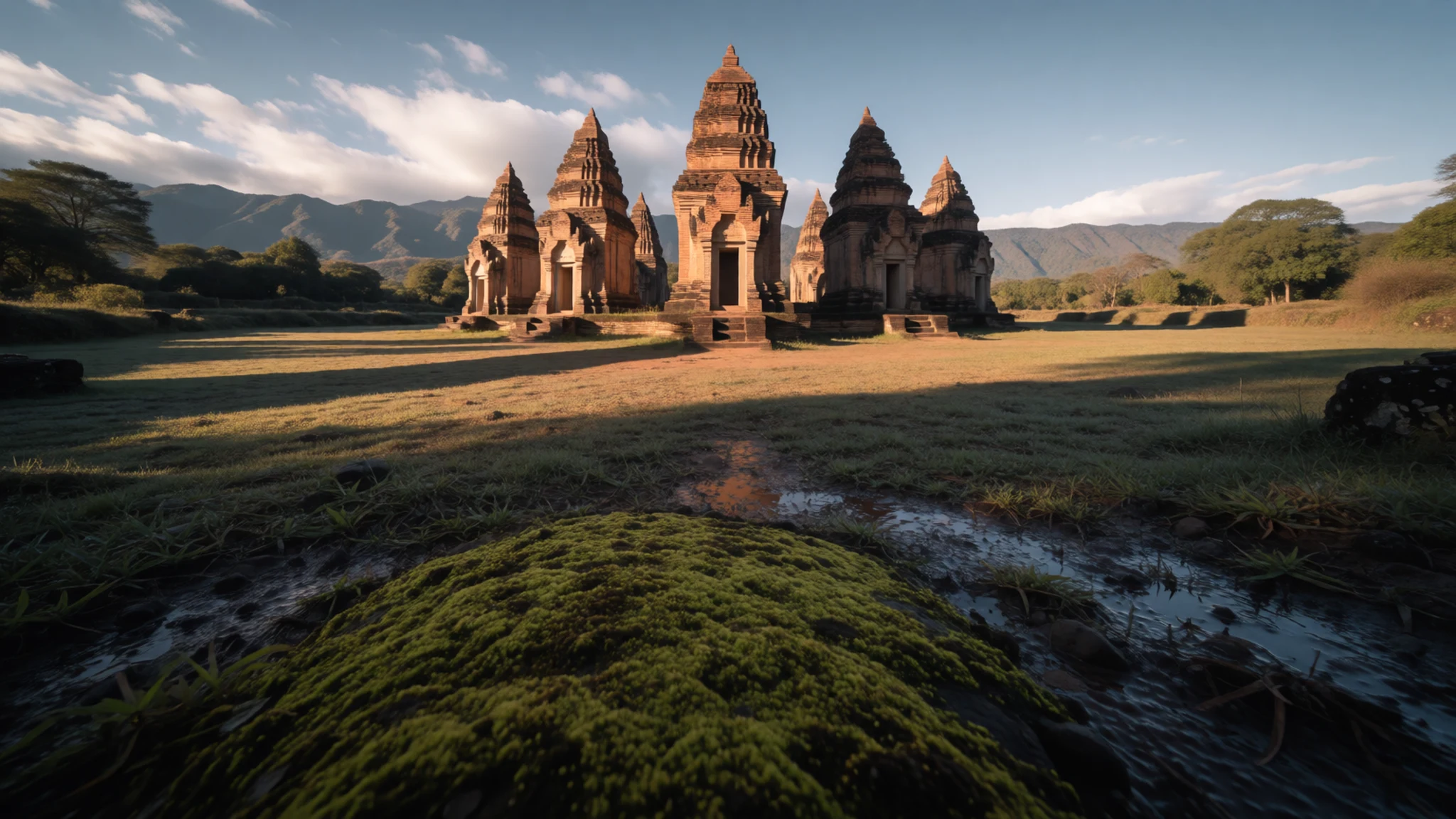
- Group E and the Kalan sanctuary — The eastern cluster beyond the central area
Group E includes the Kalan sanctuary, which many visitors photograph for its tall, weathered brick tower. The tower stands in a quieter part of the valley, so it is often possible to view it without crowds. Its brickwork shows how the builders bonded stone without mortar, and the surrounding paths give good angles on the structure. Keep to the marked tracks while you walk between the groups.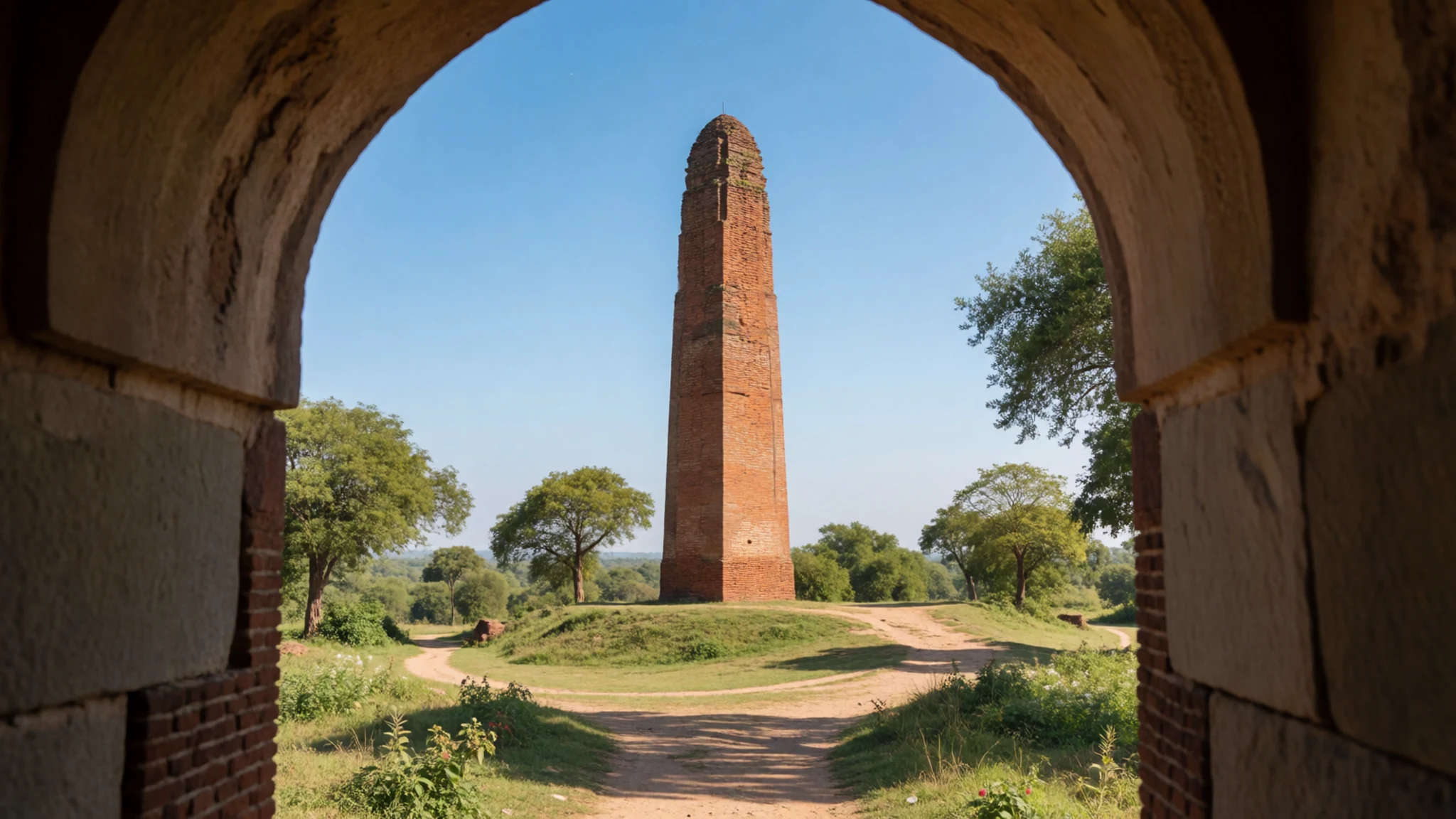
- Groups G and H — Separate ruins a little further from the main paths
Groups G and H are smaller and sit apart from the main complex, so they are a little harder to find. Group H faces east and once formed a complete temple compound, though only fragments survive. If the signs are unclear, do not spend the whole day searching for them, because these ruins are modest in size compared with the central groups.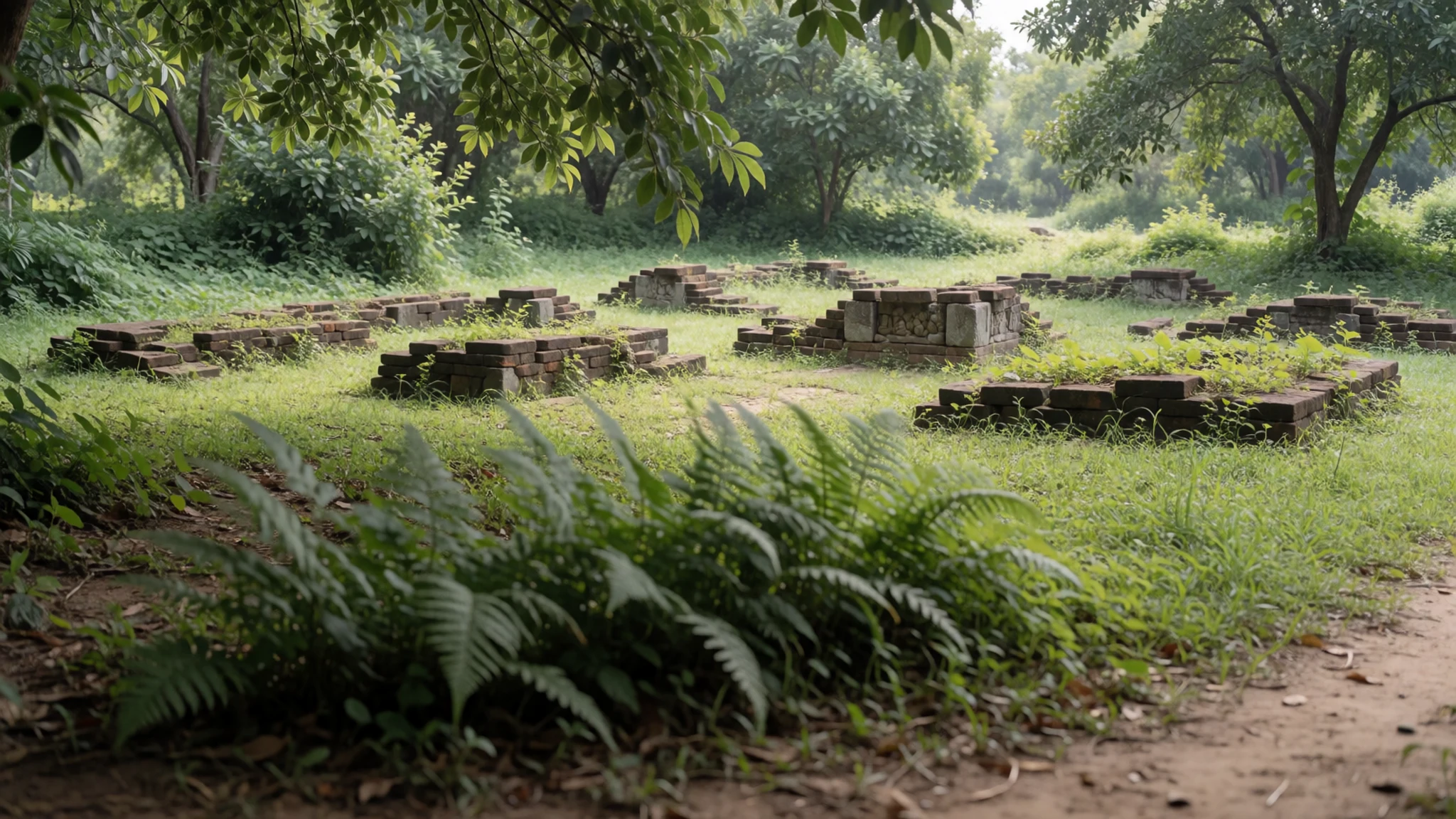
Culture
Mỹ Sơn is a heritage site and archaeological ground rather than a working temple, but Vietnamese visitors and worshippers still approach its shrines with reverence. The lingam and yoni sculptures represent Shiva and carry religious meaning for many people, so they are treated with respect. Visitors often climb on the brick walls for photographs, and this damages fragile stonework that has survived for centuries. Ask before photographing anyone who is praying or making offerings, and keep your voice low near the shrines. Do not climb on the walls, the carved bases or the sculptures, and dress modestly when you enter the sanctuaries.
What to wear
Mỹ Sơn is the setting for a fashion story that begins with the Cham people, whose kingdom built the temples and whose textile traditions survive in parts of central Vietnam. Traditional Cham dress has long included wrapped cloth skirts and fitted tunics made from cotton and silk, often in deep colours and woven patterns. Ceremonial clothing and headwear were tied to the seasons and to family occasions, and those textile skills are now kept alive mostly through craft workshops and local festivals.
Day to day, most people around the site wear ordinary Vietnamese clothing: light cotton shirts, loose trousers and, in the countryside, the conical leaf hat that shades workers in the fields. Many visitors choose the same practical outfits, along with a sun hat and sunglasses.
For a visit, choose loose, breathable cotton with sleeves and covered shoulders, since the humidity is high and the sun is strong in the middle of the day. Modest clothing matters at the shrines, so long trousers or a long skirt are a sensible choice. Wear closed, sturdy shoes with good grip for the uneven brick paths, grass and muddy tracks, and carry a light rain layer in the wetter months.
What to eat
- Cao lầu — Eateries in the old town of Hội An, on the way back from the site
Cao lầu is a noodle dish tied closely to Hội An, made with thick rice noodles, pork, greens and crisp croutons. Its flavour comes from local herbs and the water used to prepare the noodles. Most cooks serve it in small bowls, and it is worth trying in the old town before or after your visit.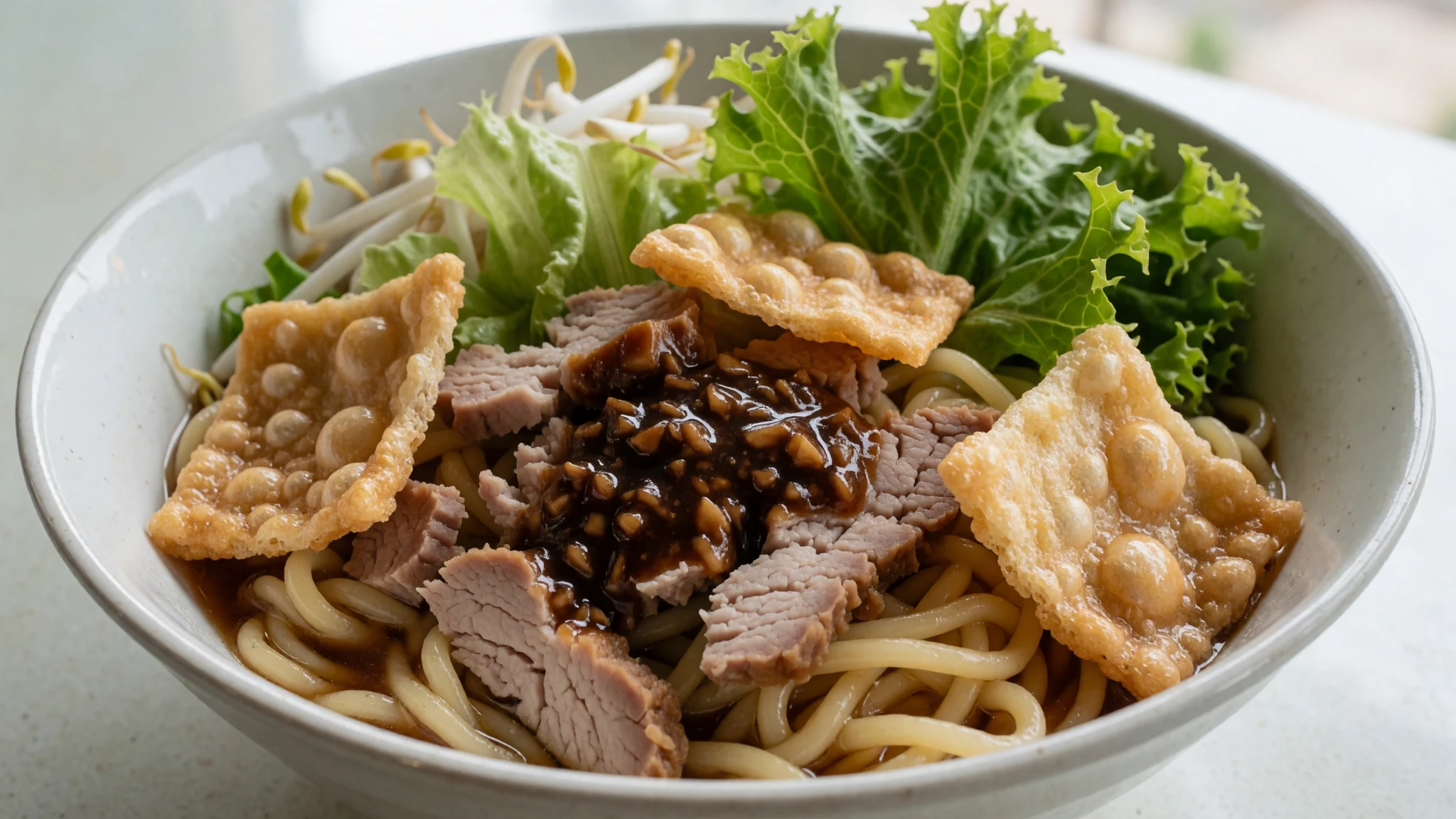
- Mì Quảng — Roadside cafés on the road from Hội An
Mì Quảng is a turmeric-coloured noodle dish from central Vietnam, served with a small amount of broth, herbs, peanuts and rice crackers. It is a common lunch on the road between Hội An and the valley. Eat it at a busy stall, where the turnover keeps the food fresh.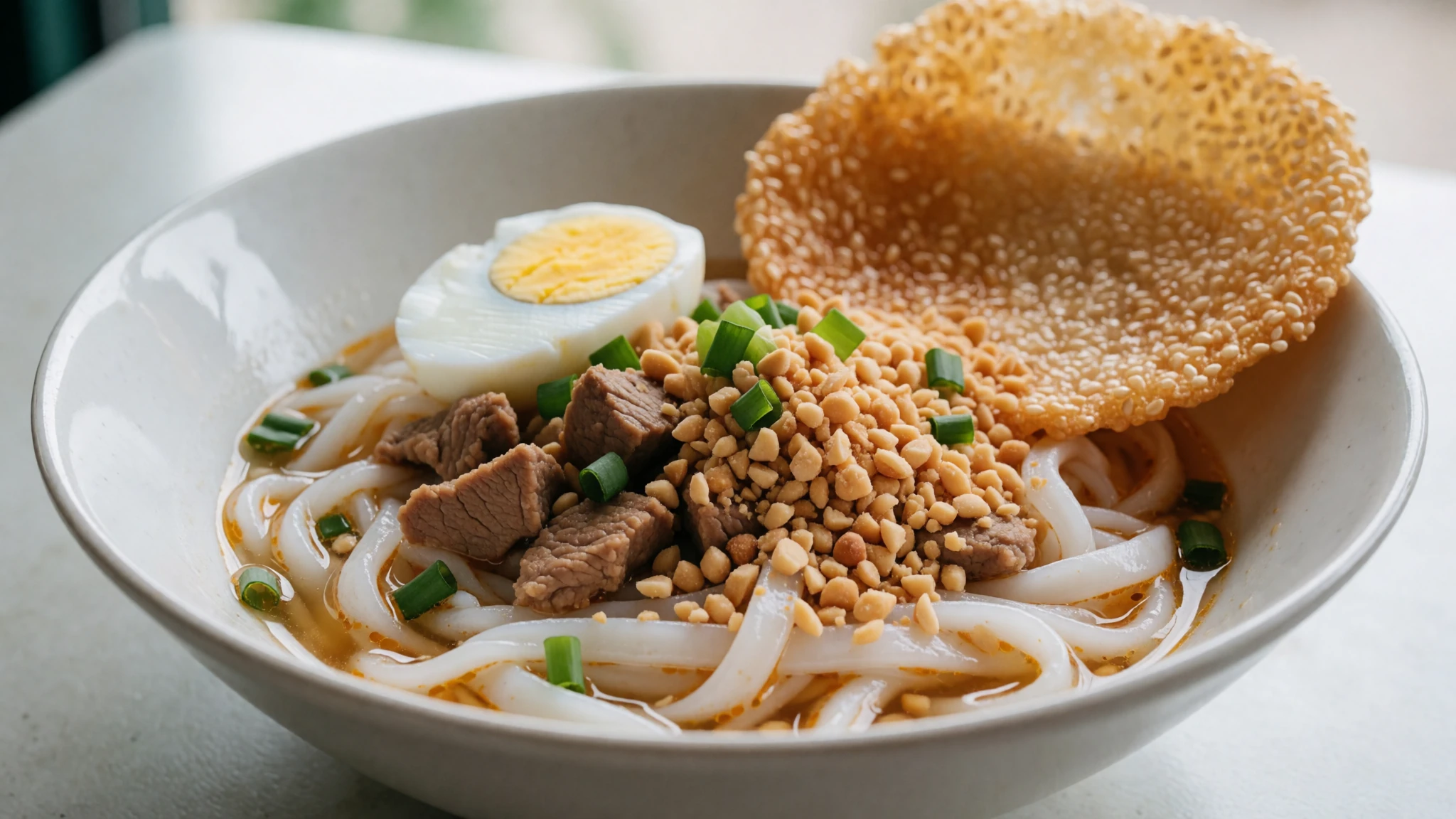
- Bánh xèo — The morning market or a neighbourhood eatery in Hội An
Bánh xèo are crisp rice-flour pancakes filled with prawns, bean sprouts and pork, folded over fresh herbs and dipped in sauce. Each pancake is cooked to order in a hot pan, which makes morning markets and busy local eateries the best places to find them. Expect a short wait while the batter sets.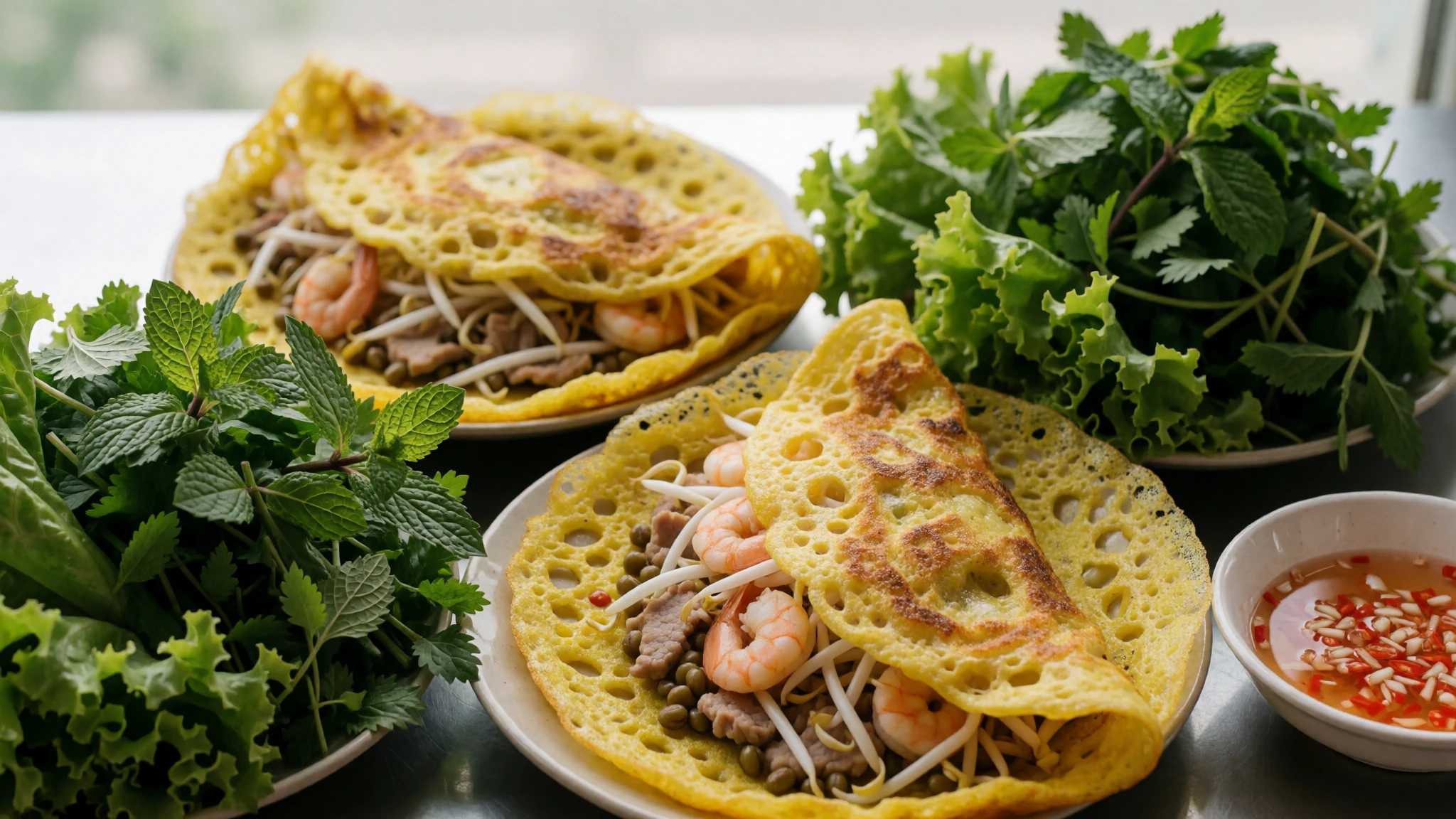
- Fresh coconut and iced tea — Roadside stalls near the site entrance
Fresh coconut water and sweetened iced tea are the easiest ways to rehydrate in the heat of the valley. Stalls near the car park sell both, often with ice from a cooler box. Choose coconuts that are cut open in front of you, and carry water for the walk around the temples.
Plan it
Best time. February and March are the most comfortable months, with the least rain and highs near 33 °C, while April and May are the hottest. The wetter months from September to December bring heavy rain and occasional flooding, and the summer months are hot and humid. Early mornings are good in any season for soft light and smaller crowds.
How long. 1–2
Getting there. Fly into Da Nang, then take a taxi, a car with driver or a motorbike taxi to Hội An. The site is about 43 km from Hội An along a signed road, so the last leg is the drive from the town of Nam Phước. Check the official site for current ticket information before you set off.
Budget. low
Tips
- Arrive early in the morning, when the low sun lights the towers and the tour groups have not yet arrived.
- Visit the Champa Museum first, because it closes before the ruins.
- Carry water and a hat, since there is little shade between the groups.
- Bring cash for parking and small purchases, and check the official site for current payment options.
- Allow time for a tour-group dance display in late morning; check the official site for the timetable.
Etiquette
- Keep to the marked walking tracks and do not wander into the scrub, since unexploded mines may still lie in the area and help is a long way off.
- Do not climb on the walls, carved bases or sculptures.
- Ask before photographing people who are praying or making offerings.
Nearby
Sources
- Wikidata Q391406 (CC0)
- Wikipedia: Mỹ Sơn archaeological site (rev 1380445650) (CC BY-SA 4.0)
- Wikivoyage: My Son (rev 5260004) (CC BY-SA 4.0)
- Mỹ Sơn Sanctuary Kalan E7, Chainwit. (CC BY 4.0)
- Mỹ Sơn Sanctuary Group B, C and D, Chainwit. (CC BY 4.0)
- Tempelanlage Mỹ Sơn, Vietnam, Superbass (CC BY-SA 4.0)
- Mỹ Sơn Temples of Group A, Chainwit. (CC BY 4.0)
- Mỹ Sơn Temples Group G, Chainwit. (CC BY 4.0)
- Group H Cham Hindu monument of My Son, Ms Sarah Welch (CC0 1.0)
- Đà Nẵng, Mỹ Sơn, Sznyr (CC BY-SA 4.0)
- Linga 1 (My Son), Khương Việt Hà (Public domain)


