Murudeshwar
Murudeshwar, India
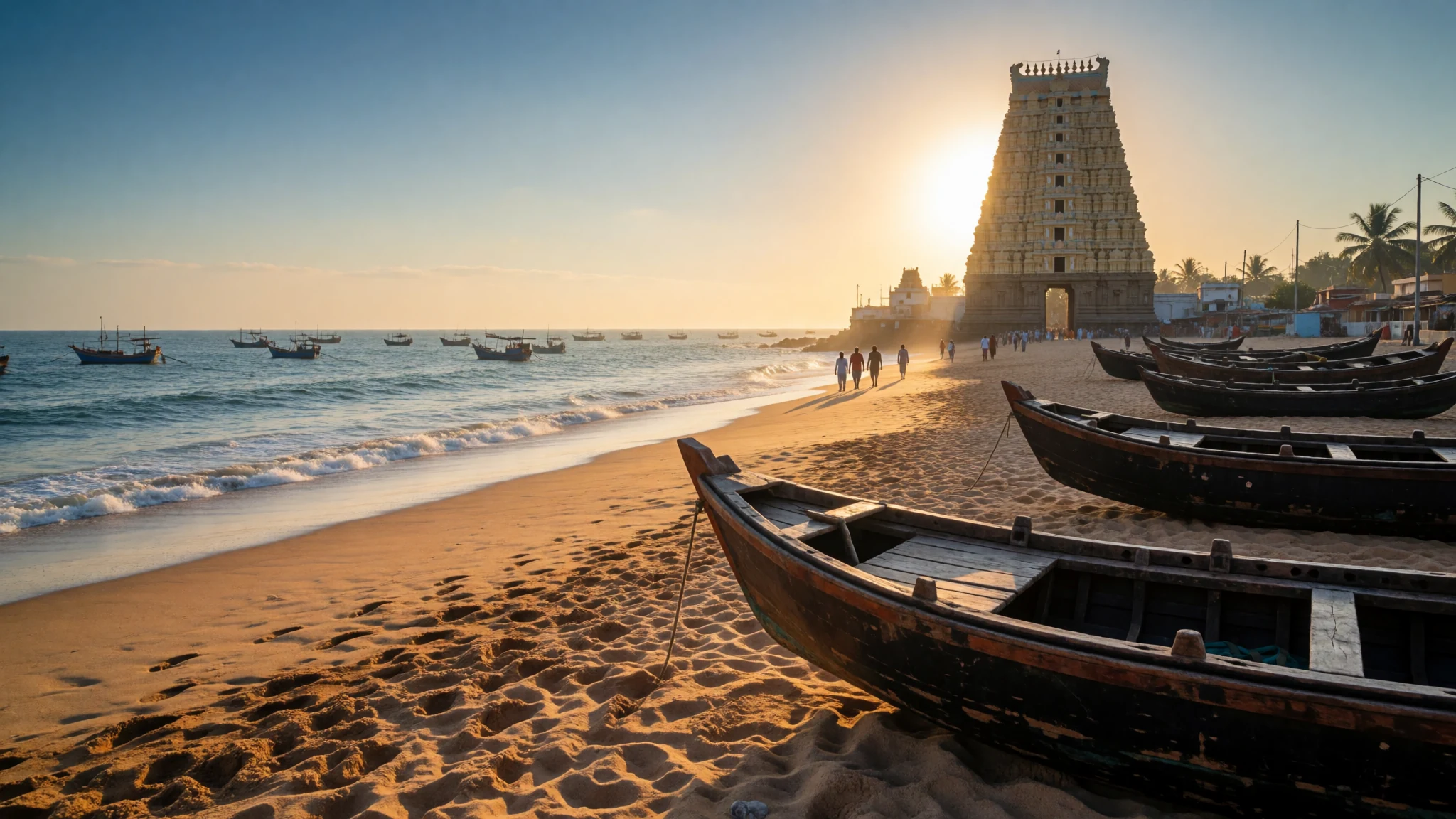
Come to Murudeshwar for towering coastal shrines, hard sand shores beside the Arabian Sea, and offshore coral diving.
The place
Murudeshwar sits on the southwest coast of India within Uttara Kannada district, occupying a dramatic spit of land that projects directly into the Arabian Sea. The geography here shapes the entire settlement: water borders the town on three sides, creating a natural peninsula where coastal winds meet ancient pilgrimage traditions. The landscape is defined by the massive temple complex and its colossal deity, which dominate the horizon for miles around. Unlike many quiet fishing hamlets along this stretch of Karnataka, Murudeshwar combines active religious devotion with a dramatic marine setting. Hard, compact sand beaches stretch away from the central headland, providing a wide expanse where waves break gently against the shore. The air carries a constant salt tang, mixed with the murmur of pilgrims and the distant put-put of local fishing boats heading out toward the horizon. Inland, the terrain rises slightly through palm groves and small neighbourhood lanes before meeting the Konkan railway line, which connects the town to major hubs along the western seaboard. The surrounding district features green coastal vegetation, red-soil tracks, and traditional tile factories that have long supplied the region with sturdy roofing materials. Whether approached by train along the coastal escarpment or driven down the highway from neighbouring Goa, Murudeshwar presents an unforgettable silhouette of sacred architecture rising directly from the saltwater edge.
Its story
The story of Murudeshwar is deeply intertwined with Hindu mythology and the worship of Lord Shiva, whose presence is felt in every corner of the town. According to ancient epics, the name itself derives from mythological events involving divine tests of faith and the securing of celestial power along the western coastline. For generations, the promontory served as a modest sacred site where local devotees offered prayers to the sea and the resident deity. In modern times, the character of Murudeshwar transformed dramatically through the vision and philanthropic efforts of businessman and patron R.N. Shetty, who funded the ambitious expansion of the temple complex and the creation of its monumental modern landmarks. Sculptors and artisans worked meticulously to raise the giant effigies and towering gateway that now define the skyline, turning a quiet coastal outpost into a major destination for travellers across India. Alongside these monumental religious additions, the town retains its layered historical echoes, including a weathered coastal fort behind the temple grounds that local tradition connects with eighteenth-century rulers such as Tipu Sultan. This blend of ancient mythological reverence and twentieth-century monumental architecture has created a unique cultural landscape. Today, Murudeshwar stands as a testament to regional devotion, where modern engineering meets ancient spiritual heritage against the backdrop of the relentless Arabian Sea tides.
What to see
- Murudeshwar Temple and Raja Gopura — Central temple complex by the shore
This prominent coastal shrine features a massive gateway tower with numerous storeys, complete with an internal lift that grants visitors an expansive aerial panorama of the entire temple grounds, the nearby ocean, and the surrounding coastline.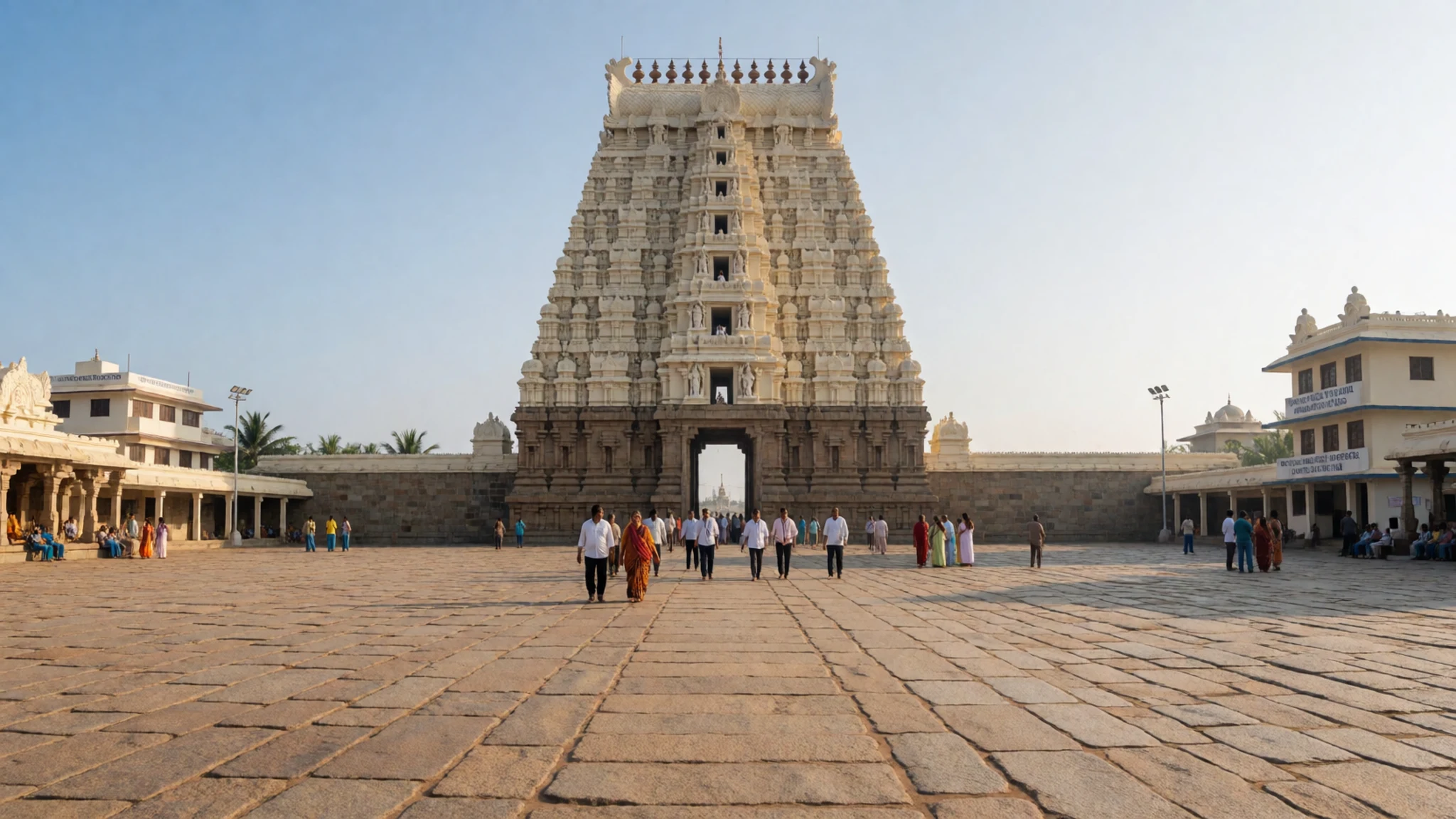
- Statue of Lord Shiva — Temple complex waterfront area
An enormous seated effigy of the deity dominates the coastal landscape, designed with multiple arms and positioned to catch direct sunlight throughout the day so that the metallic finish glimmers brightly against the blue backdrop of the sea.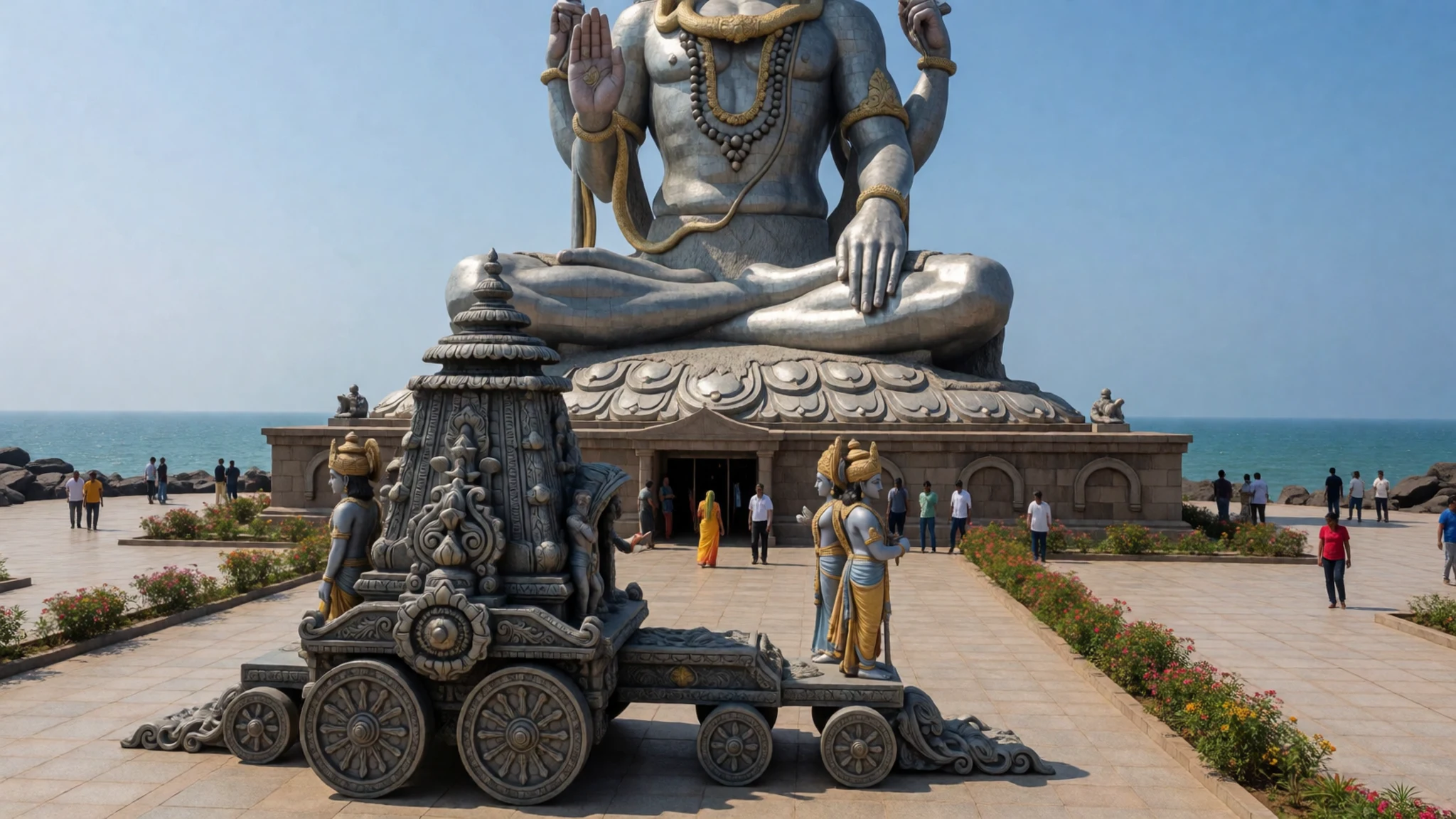
- Murudeshwar Beach — Surrounding the central peninsula
Stretching along three sides of the projecting landmass, the shore offers hard-packed sand suitable for walking, swimming in designated calm areas, browsing handicraft stalls, and enjoying wide, unobstructed views of the towering statues.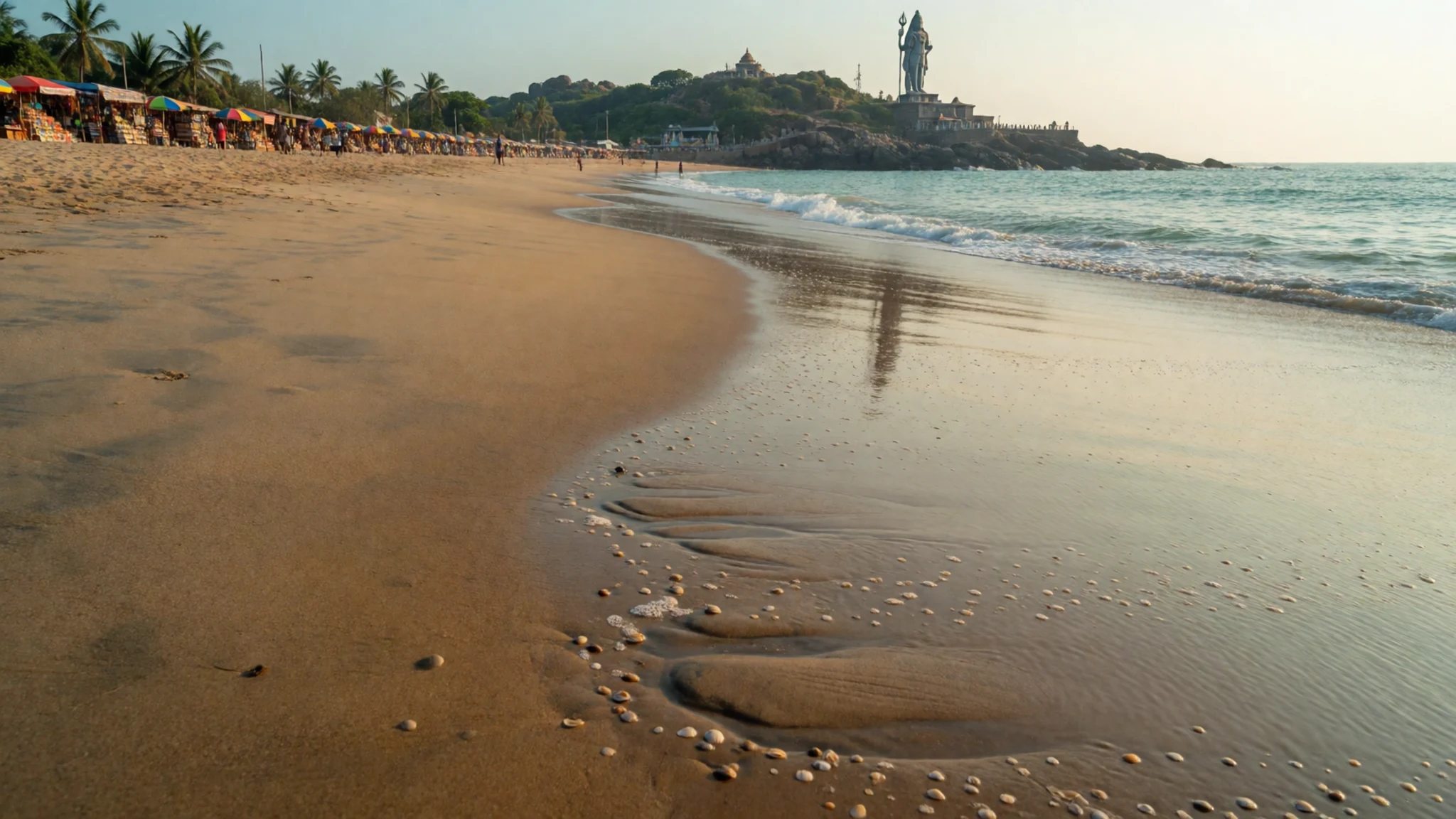
- Netrani Island Diving — Offshore in the Arabian Sea
Located several nautical miles offshore in the open Arabian Sea, this nearby island serves as the primary regional destination for organised scuba diving excursions, offering clear waters and diverse marine life for underwater explorers.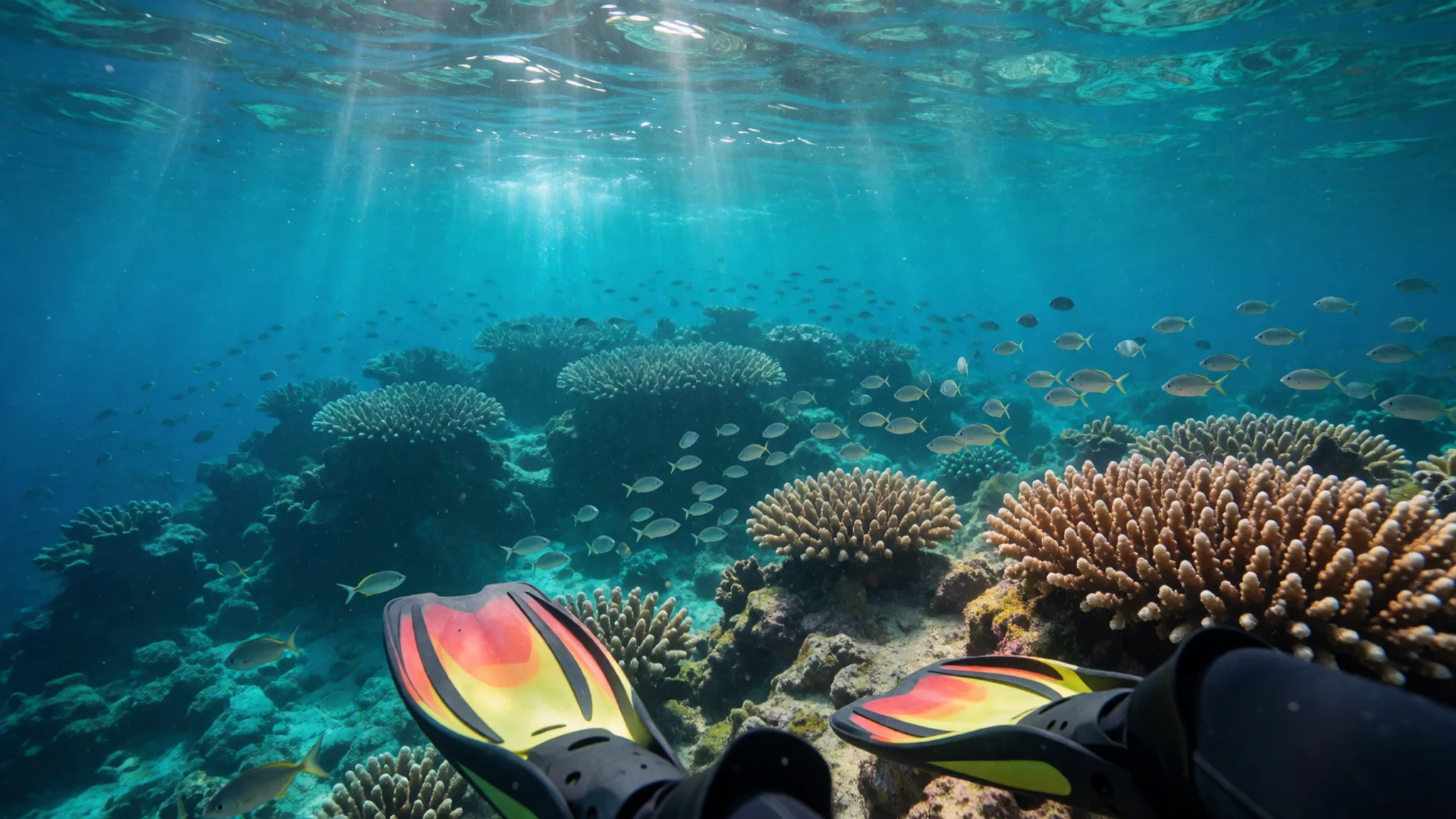
Culture
Life in Murudeshwar revolves around the rhythm of temple rituals, coastal weather, and the daily comings and goings of pilgrims and coastal residents. Traditional Karnataka customs blend seamlessly here with maritime culture, where families working in local fishing, tile manufacturing, and hospitality welcome visitors from all over the country. Festivals dedicated to Lord Shiva bring the temple courtyards to life with devotional music, chanting, and immense crowds gathered under the evening lights. Visitors walking through the town will notice a strong community ethos rooted in hospitality, respect for sacred spaces, and quiet observation of daily prayers. Traditional arts, modest attire, and communal dining traditions remain central to daily routines in the neighbourhood lanes. Always remove your footwear before stepping onto the polished stone floors inside the temple courtyards.
What to wear
In Murudeshwar, traditional attire reflects the humid coastal climate of coastal Karnataka and the religious atmosphere of a major pilgrimage site. Local men frequently wear cotton dhotis or lungis paired with light shirts, while women traditionally wear cotton or silk sarees and modest kurtis in vibrant colours suited for festival days and temple visits. Everyday wear for younger residents and workers leans toward comfortable western-style shirts, trousers, and sandals that handle the sandy terrain and tropical heat with ease. For visitors, lightweight, breathable cotton clothing is essential to stay comfortable under the strong sun and high humidity. When visiting the Murudeshwar Temple and surrounding sacred enclosures, both men and women should dress modestly with shoulders and knees fully covered out of respect for local religious customs. Sturdy slip-on footwear or sandals that can be removed quickly and easily at temple entrances are recommended for everyone exploring the coastal paths and stone courtyards.
What to eat
- Coastal South Indian Thali — Local restaurants near the temple gates
A complete meal featuring steamed rice, spiced vegetable preparations, lentil sambar, rasam, and local coconut-based gravies, typically served on a fresh banana leaf at eateries throughout the town. - Neer Dosa — Morning stalls and neighbourhood canteens
Delicate, thin crepes made from a watery batter of soaked rice and coconut, prized for their soft texture and commonly paired with spicy chutneys or vegetable kurma for breakfast. - Mangalorean Fish Curry — Seaside eateries and dining halls
A fiery and tangy seafood dish prepared with fresh catch from the Arabian Sea, cooked in a rich paste of roasted red chillies, coriander, tamarind, and freshly grated coconut. - Fresh Coconut Water — Beach promenade and temple approach road
Cool, refreshing green coconut water sipped straight from the shell, sold by street vendors stationed along the beachside promenade and near the railway station approach.
Plan it
Best time. Visit between October and March when the monsoon rains have ceased, bringing pleasant coastal breezes and comfortable temperatures for exploring the beach and outdoor monuments.
How long. 2–3
Getting there. Arrive by train on the Konkan Railway line at Murudeshwar station, or fly into Mangalore International Airport and travel north by road along National Highway 66.
Budget. mid
Tips
- Arrive early in the morning to experience the temple courtyards before the midday heat and larger crowds build up.
- Carry sufficient cash, as smaller handicraft stalls and local vendors may not accept digital payments or cards.
- Stay hydrated by drinking bottled water and fresh coconut water during walks along the open beach.
- Check official notices for temple opening hours, as the complex closes during mid-afternoon before reopening in the evening.
Etiquette
- Remove your shoes before entering temple enclosures and designated sacred spaces.
- Dress modestly with covered shoulders and knees when visiting religious shrines.
Nearby
Sources
- Wikidata Q2992986 (CC0)
- Wikipedia (rev 1381389295) (CC BY-SA 4.0)
- Wikivoyage (rev 5372404) (CC BY-SA 4.0)