Mumbai
Mumbai, India
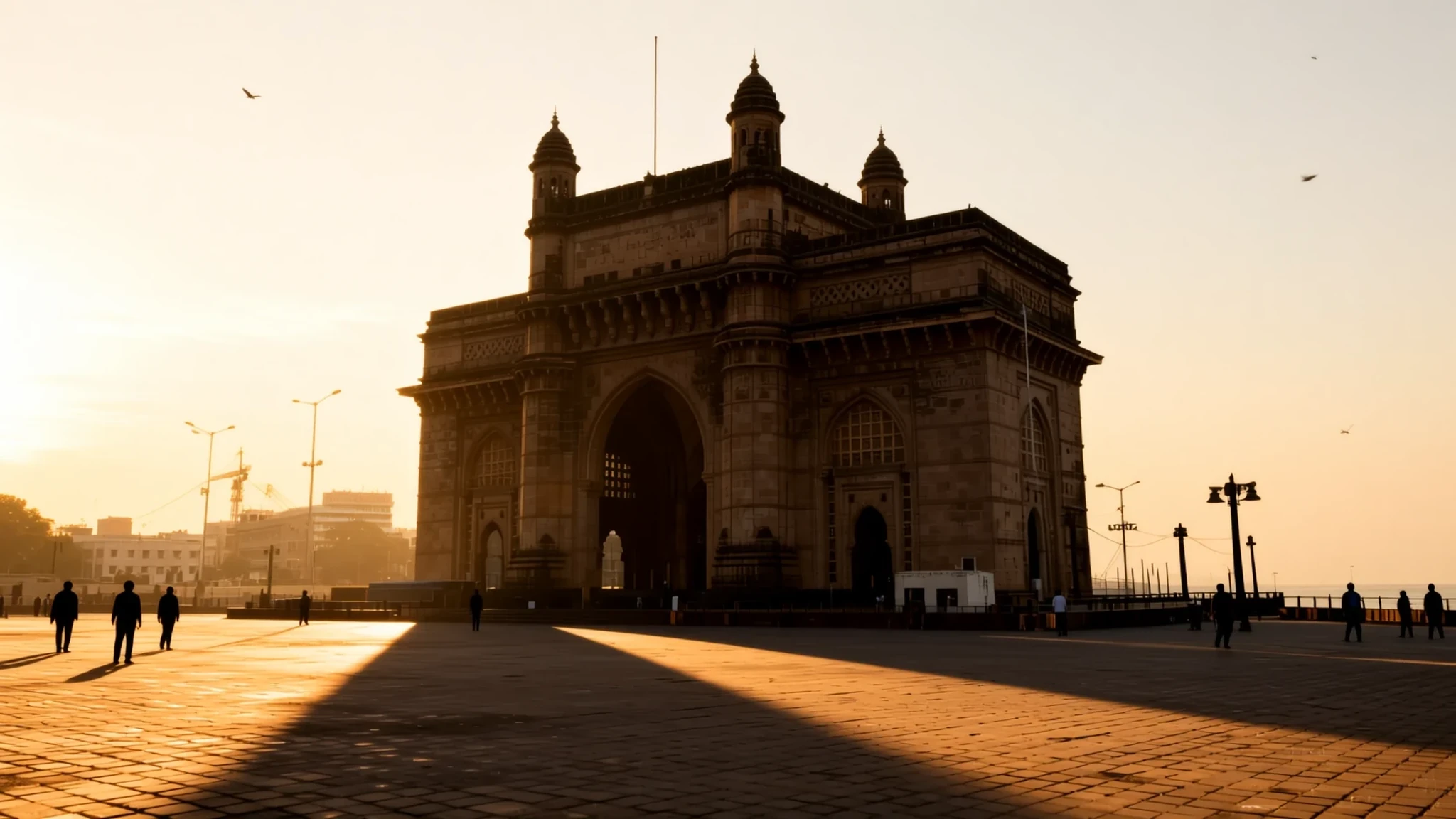
Mumbai is India's pulsating financial capital, where colonial architecture meets bustling markets, cinematic dreams and a legendary coastline.
The place
Mumbai sits on the Konkan coast along the western edge of India, featuring a deep natural harbour that has anchored maritime trade for centuries. Originally an archipelago of seven distinct islands, the city was joined together through extensive land reclamation projects over several centuries. It functions as the capital city of Maharashtra and serves as the primary financial hub of the country. Administration is handled by the Brihanmumbai Municipal Corporation. The climate is tropical and humid, bringing intense monsoon rains that reshape the rhythm of daily life from June onwards. Urban density is exceptionally high, making Mumbai one of the most populous metropolitan areas globally, drawing migrants from every corner of the nation in search of opportunity. The urban landscape contrasts grand Victorian-era public buildings with sprawling suburban neighbourhoods and modern infrastructure like the Bandra-Worli Sea Link. Despite the relentless pace and heavy traffic, the city retains a distinct seaside character, with long promenades along Marine Drive where residents gather to catch the evening breeze off the Arabian Sea. Neighbourhoods vary wildly, from the historic galleries of Kala Ghoda to the bustling commercial districts and quiet residential lanes shaded by rain trees. It is a city that never truly sleeps, powered by suburban trains that carry millions of commuters every single day.
Its story
Human habitation in the Mumbai region traces back to the South Asian Stone Age, with early artifacts discovered near Kandivali. Long before colonial powers arrived, the islands were inhabited by the Marathi-speaking Koli fishing community, who worshipped the deity Mumbā, giving the city its modern name. Control shifted through a succession of classical and medieval dynasties, including the Maurya Empire, the Satavahanas, and the Shilaharas, before falling under the sway of regional sultanates. Ancient maritime traders and Greek geographers noted the cluster of islands in early texts, while monks carved remarkable monastic sanctuaries into the basalt rock at Kanheri and Mahakali during the early centuries of the Common Era. The islands were subsequently ceded to the Portuguese and later transferred as part of a royal dowry to the British Crown, who leased them to the East India Company. British engineers set about joining the fragmented islands through ambitious land reclamation and causeways, transforming the natural harbour into a premier trading gateway for the British Raj. The opening of the Suez Canal accelerated this growth, turning the port into a bustling hub of commerce and textile manufacturing. In the twentieth century, the city played a pivotal role in the Indian independence movement, hosting key sessions and protests before the nation gained sovereignty in the year 1947, after which it expanded rapidly into the modern metropolis seen today.
What to see
- Heritage Walks in South Mumbai — South Mumbai
Join specialised architectural walks led by local experts to explore the Gothic Revival and Indo-Saracenic masterpieces scattered across the historic districts. These tours reveal hidden courtyards, detailed stonework and colonial administrative buildings that define the old core.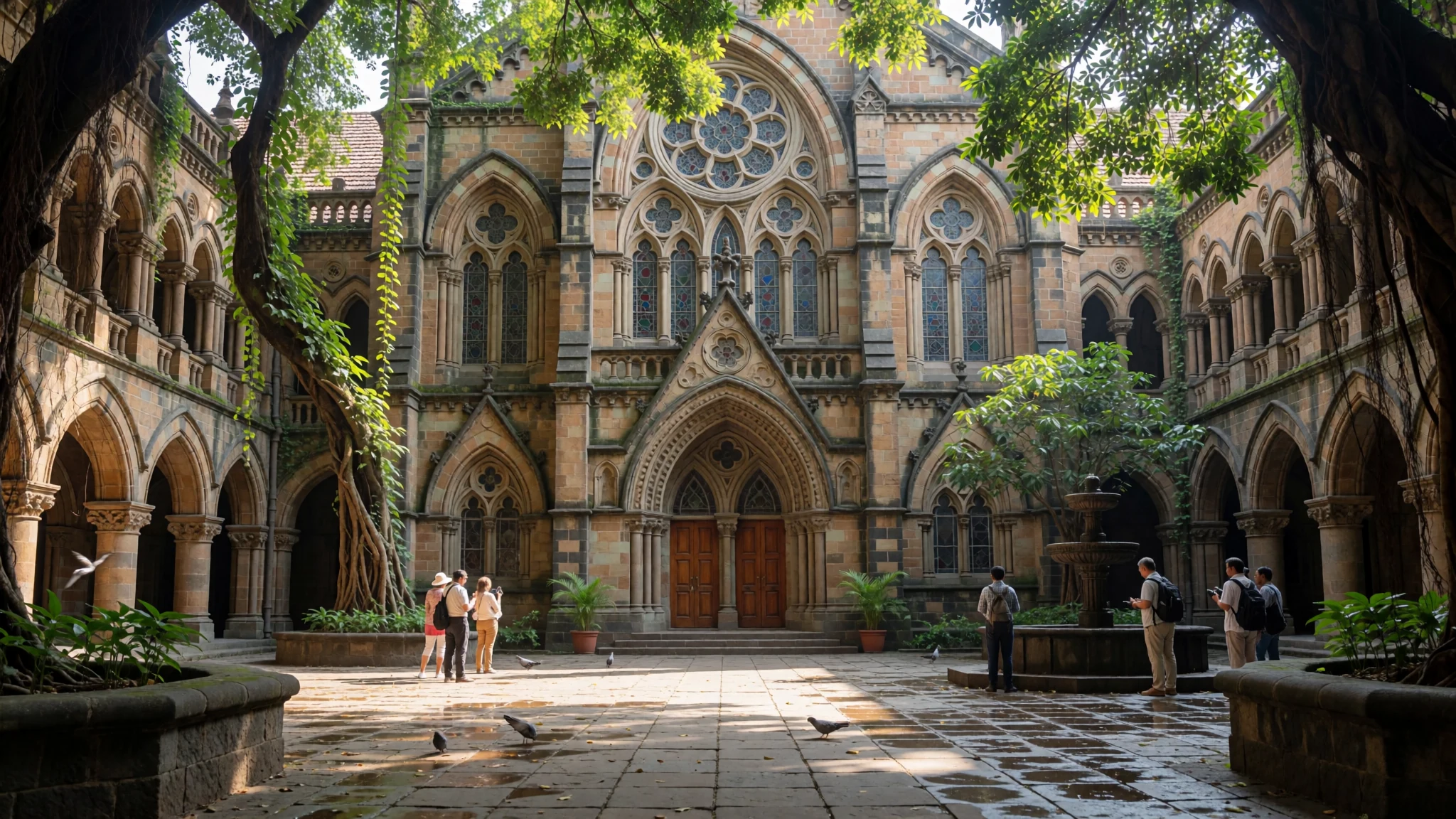
- Banganga Tank — Malabar Hill
Step away from the city noise at this ancient water tank nestled on Malabar Hill. Surrounded by steps and small shrines, it is an atmospheric freshwater spring that hosts an annual classical music festival every January.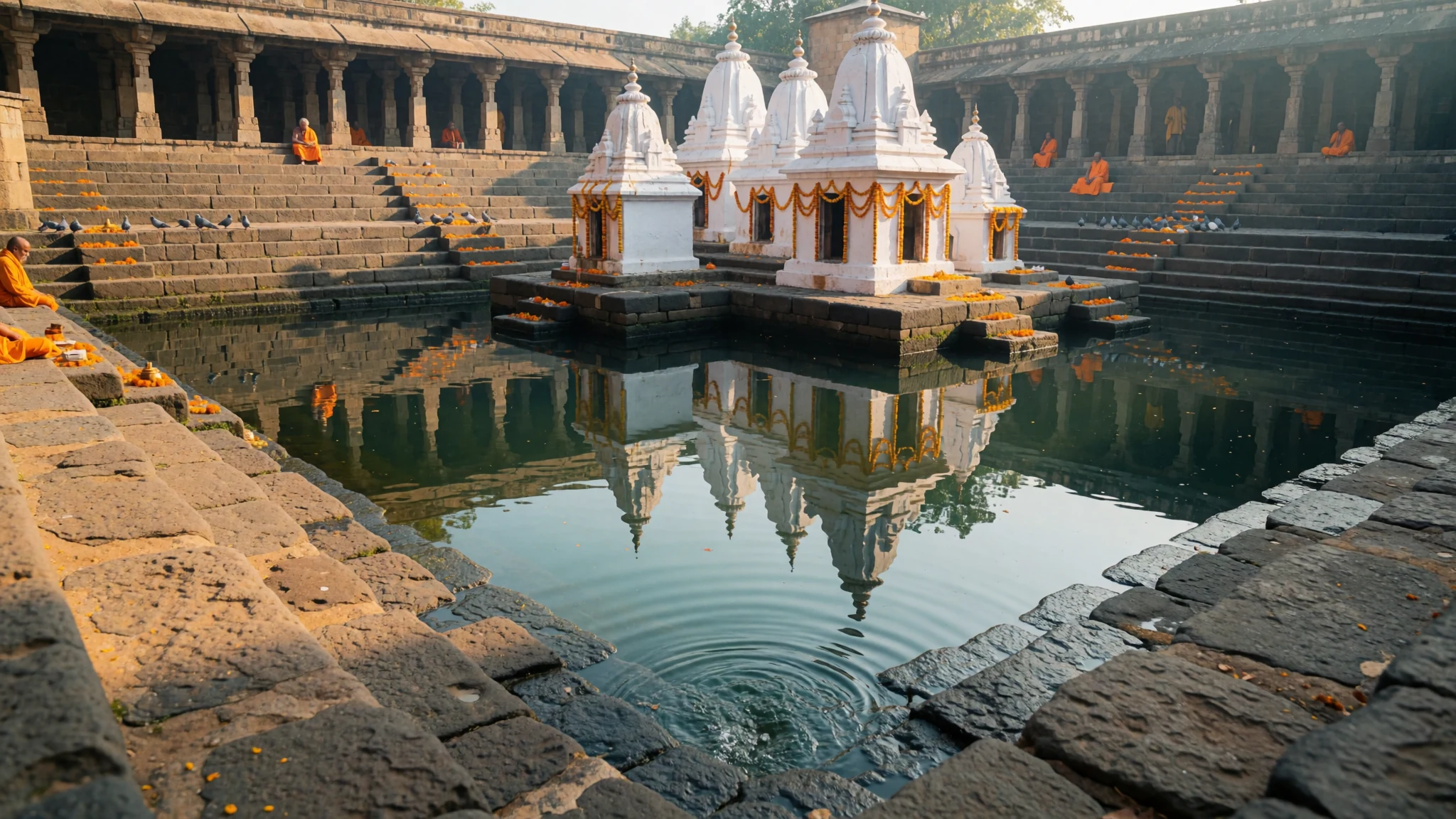
- Elephanta Caves — Elephanta Island
Take a short ferry ride across the harbour to Gharapuri Island to explore rock-cut cave temples dedicated to Shiva. Dating from the early medieval period, the basalt chambers feature monumental relief sculptures carved directly into the living rock.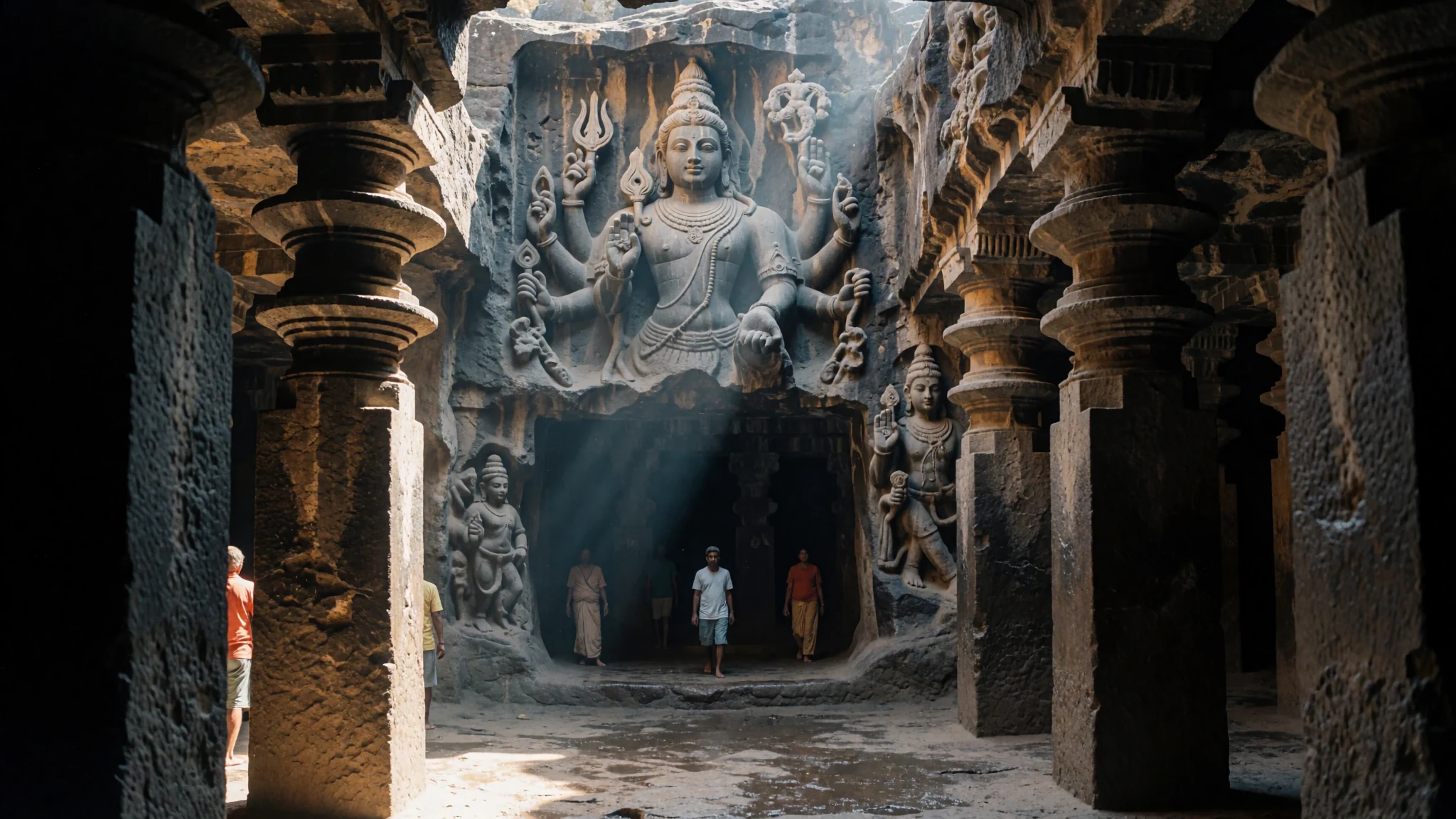
- Kala Ghoda Art Precinct — Kala Ghoda
Wander through this crescent-shaped cultural district known for its art galleries, museums and heritage structures. It serves as the creative heart of the city and hosts a massive open-air arts and crafts festival every year.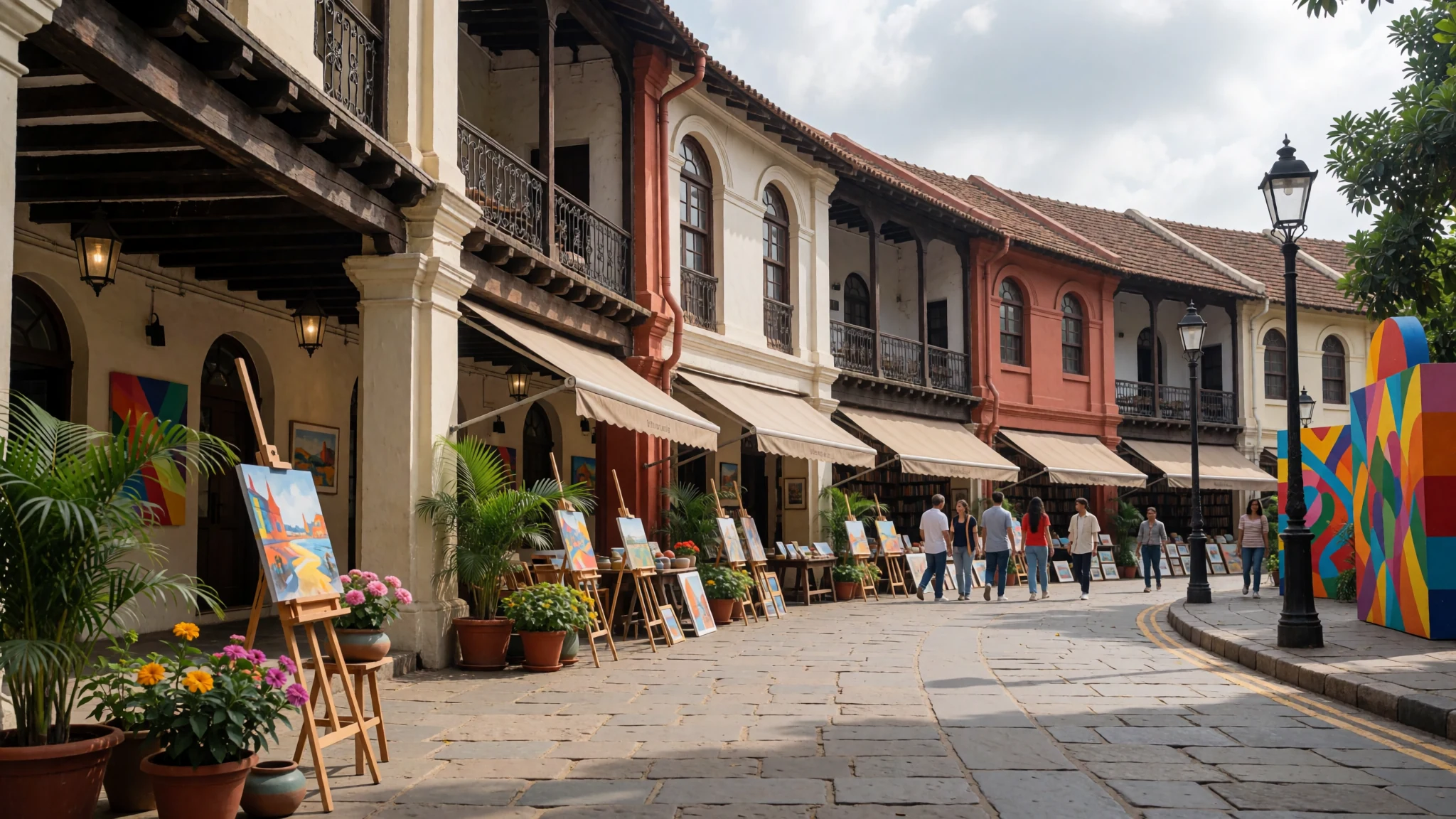
Culture
Mumbai possesses a pluralistic culture shaped by waves of migration, maritime trade and a thriving arts scene. It is the undisputed birthplace of Indian cinema, commonly known as Bollywood, producing hundreds of films annually alongside robust regional language theatre traditions in Marathi, Hindi and English. Contemporary art thrives in both state-funded galleries and independent spaces across the city. Festivals are celebrated with immense public enthusiasm, from the grand processions of Ganesh Chaturthi to Sufi shrine gatherings and Parsi feasts. Traditional Maharashtrian customs blend seamlessly with cosmopolitan influences, creating an open society where diverse communities coexist. Always dress modestly when visiting temples, mosques and dargahs, ensuring your shoulders and knees are covered.
What to wear
Traditional attire in Mumbai reflects Maharashtra's textile heritage, most notably the nine-yard Nauvari saree traditionally worn by Maharashtrian women, woven from cotton or silk for durability during physical labour or festive occasions. Men occasionally wear traditional kurtas and dhotis during festivals or weddings, though western garments have long been standard for daily life. Today, Mumbaikars embrace a fast-paced urban aesthetic; young professionals and students favour contemporary western wear, denim, smart-casual shirts and kurtis, balancing comfort in the tropical heat with modern office trends. Visitors should pack lightweight, breathable cotton or linen fabrics to stay comfortable through the high humidity and coastal warmth. Modest clothing is recommended when exploring bustling markets or residential neighbourhoods out of respect for local customs. Comfortable walking shoes are essential for navigating uneven pavements, and a light rain jacket or umbrella is indispensable if visiting during the monsoon season.
What to eat
- Vada Pav — Street stalls citywide
Often called the Mumbai burger, this iconic street snack consists of a spiced potato fritter sandwiched inside a soft bread bun with various chutneys. It can be found at street stalls across every neighbourhood.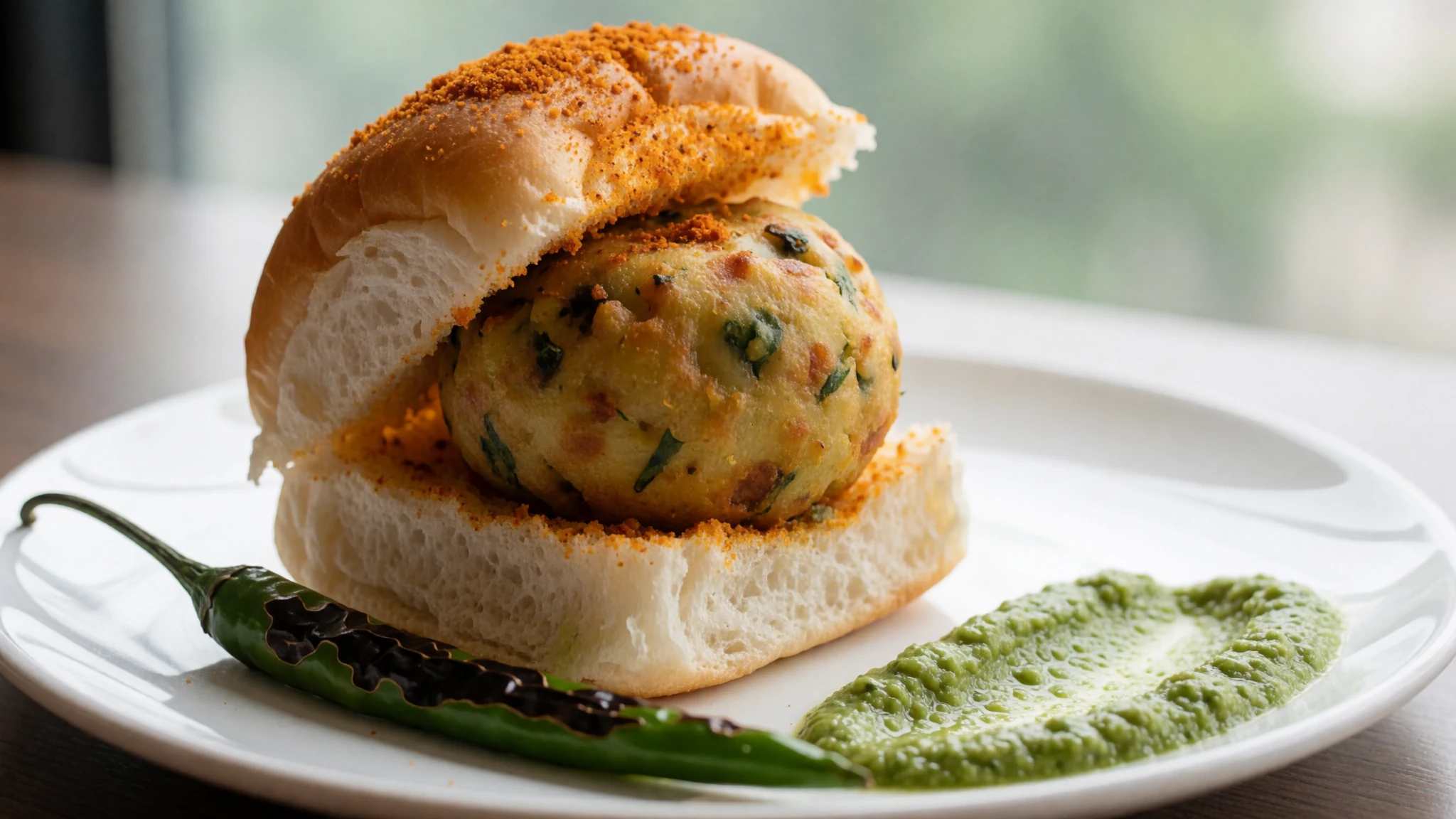
- Pav Bhaji — Chowpatty Beach
A thick, spiced vegetable mash served piping hot with generous amounts of butter and soft toasted bread rolls. Beachfront stalls, particularly around Chowpatty, are famous gathering spots for this dish.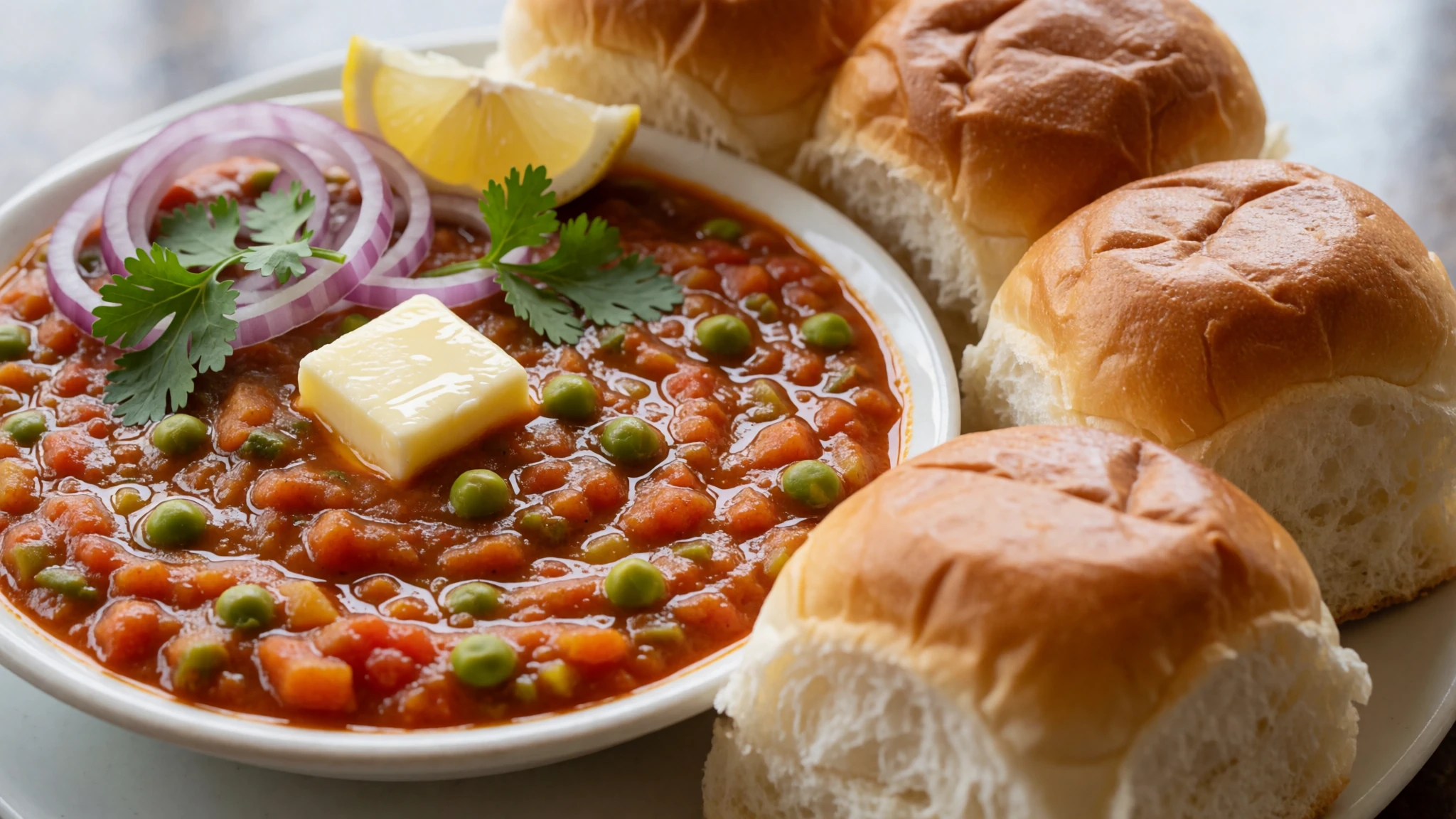
- Bun Maska and Chai — Historic Irani cafes
A comforting staple of traditional Irani cafes, featuring soft bread slathered with butter paired with strong, spiced milk tea. These historic cafes are scattered throughout the older quarters. - Bombay Duck — Traditional seafood restaurants
Despite the name, this is a local lizardfish coated in spices and flour before being deep-fried until crisp. It is a coastal delicacy best enjoyed at traditional seafood eateries across South Mumbai.
Plan it
Best time. December to February offers the most comfortable weather, with cooler days and nights and very little rain; avoid the heavy monsoon downpours from June to September and the intense heat of March to May.
How long. 3–4
Getting there. Fly into Chhatrapati Shivaji Maharaj International Airport, then take a prepaid taxi or local rail connection into the city centre; long-distance trains arrive daily at major termini such as Chhatrapati Shivaji Terminus.
Budget. mid
Tips
- Use local suburban trains outside of peak rush hours to experience the city transport network efficiently
- Carry cash for small street food vendors, local markets and auto-rickshaws
- Drink only bottled or purified water and avoid ice from street stalls
- Start morning sightseeing early to beat both the afternoon heat and heavy street traffic
Etiquette
- Remove your shoes before entering homes, temples and sacred spaces
- Ask permission before photographing local residents in markets or religious sites
Nearby
Sources
- Wikidata Q1156 (CC0)
- Wikipedia (rev 1382806491) (CC-BY-SA 4.0)
- Wikivoyage (rev 5398907) (CC-BY-SA 4.0)
- Photo 1 (CC BY-SA 4.0)
- Photo 3 (CC BY 3.0)

