Multnomah Falls
Multnomah Falls, United States
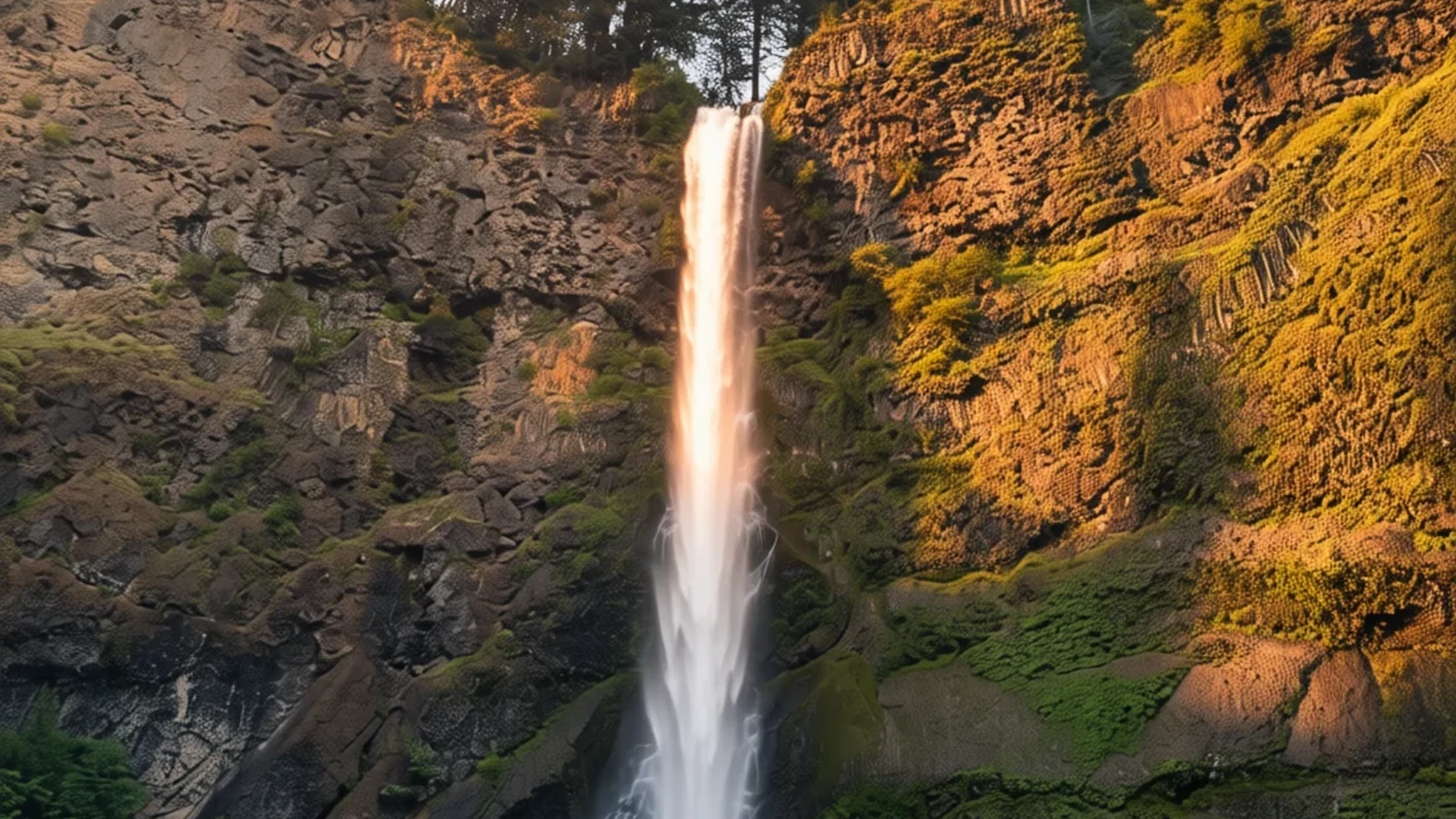
Oregon's tallest waterfall, a two-tier drop beside a historic bridge and an easy day trip from Portland.
The place
Multnomah Falls lies on Multnomah Creek in the Columbia River Gorge, east of Troutdale in Multnomah County, Oregon. The falls drop in two tiers down dark basalt cliffs, and at about 191 metres above sea level they are the tallest waterfall in the state. Most visitors arrive by road, because the historic river highway and the interstate both run close by, and the falls are a familiar stop on any journey through the gorge.
The Multnomah Creek Bridge, built in 1914, is a highway bridge on the Historic Columbia River Highway that crosses the creek below the falls. Above it, a switchback trail climbs to a viewpoint that looks down the cliff face, a steeper walk that rewards the effort with a higher and different angle.
The site draws very large crowds. Bridge and paths get congested from late morning in summer, and parking can fill early. The gorge around the falls is steep, green and wet. Moss and ferns cling to the rock, and spray drifts across the path after rain. The lodge beside the stream, built as part of the early landscaping, is a fitting place to wait out a shower. Even on warm days the air stays cool in the shade, so a light layer is worth carrying.
Its story
The falls took shape around 15,000 years ago, when enormous floods of water swept across the region from the collapse of glacial lakes. Those floods, known as the Missoula floods, scoured the gorge and left the waterfall at the end of a hanging valley, where a side stream now meets the main river.
The name comes from the Multnomah people, who lived along this stretch of the river. Their own account of the falls tells of a young woman who gave her life to the Great Spirit to save her village from sickness. After she went over the cliff, water began to flow from the top. The story is a cultural account rather than a historical record, but it explains the falls in the terms of the people who knew this country first.
Outsiders recorded the falls in 1805, when the expedition led by William Clark and Meriwether Lewis came down the gorge. Lewis noted several streams falling from the mountainside into the river, and the falls were among the sights of that stretch. Scholars have not settled how the name itself arose.
Development came much later. Simon Benson shaped the site in the early twentieth century, adding a path, a viewing bridge and, in 1925, the lodge that still stands at the foot of the falls. The lodge and the surrounding footpaths were later added to the National Register of Historic Places. Earlier, in the mid-nineteenth century, many settlers crossing the continent reached the fertile Willamette Valley at the end of the Oregon Trail, and the gorge belonged to that wider movement of people into the Northwest.
What to see
- Multnomah Falls and the footbridge — Columbia River Gorge, east of Troutdale
The falls themselves are the reason to come. The upper tier drops in a long white ribbon, and the lower tier pours into a pool close to the path. The Benson Footbridge spans the lower falls about 105 ft (32 m) above the cascade, and standing on it gives the most photographed view of the upper falls. Arrive early in the day if you want the bridge to yourself, because midday and afternoon crowds fill it quickly.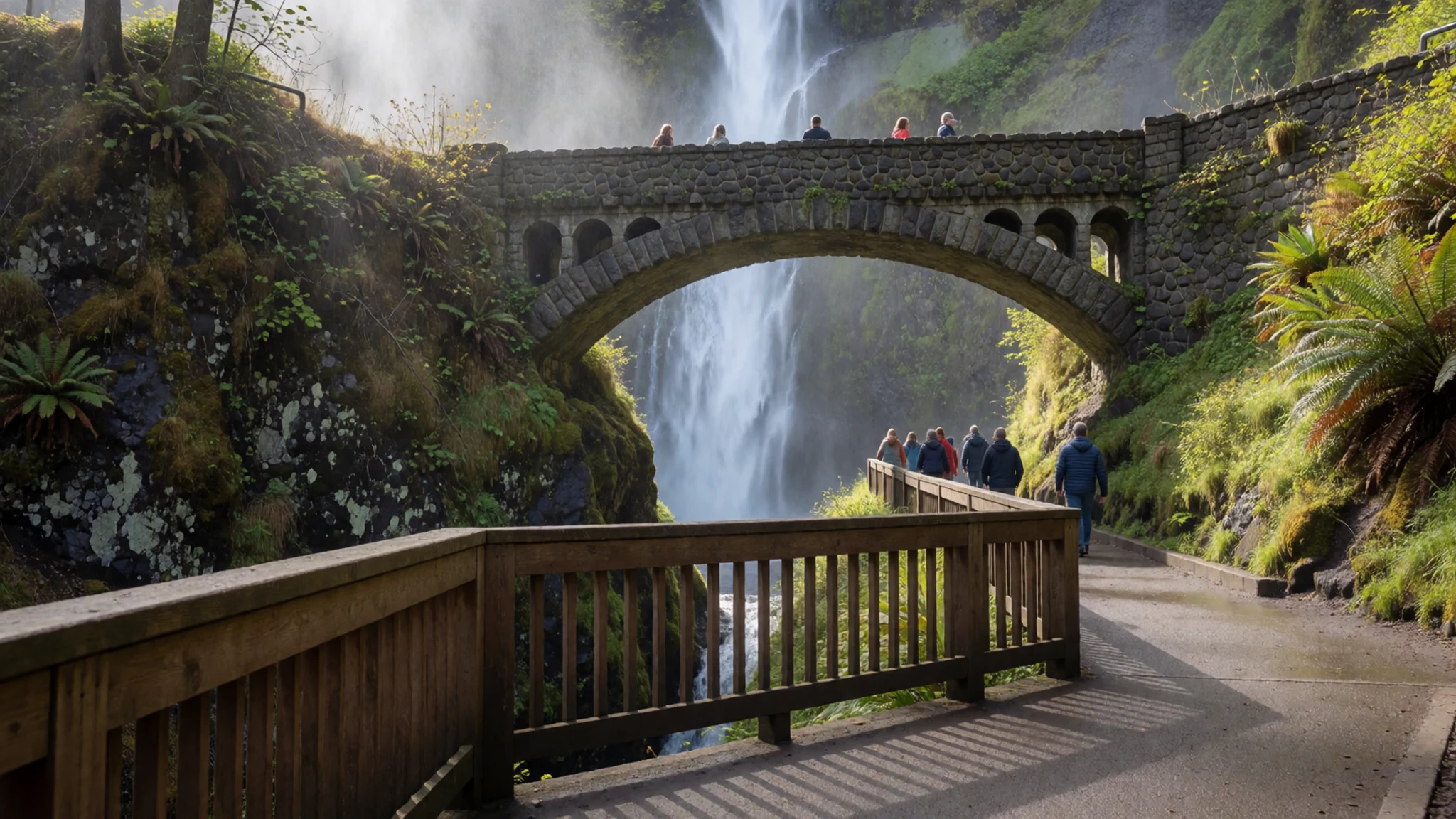
- Multnomah Falls Lodge — Foot of the falls, beside the main path
The lodge was completed in 1925 as part of the landscaping around the falls, and it sits close to the foot of the cascade. Its stonework and timber give it the feel of a mountain lodge rather than a city building. Visitors use it as a meeting point and a shelter, and the building is part of the site's National Register listing, so it is worth a look inside and out.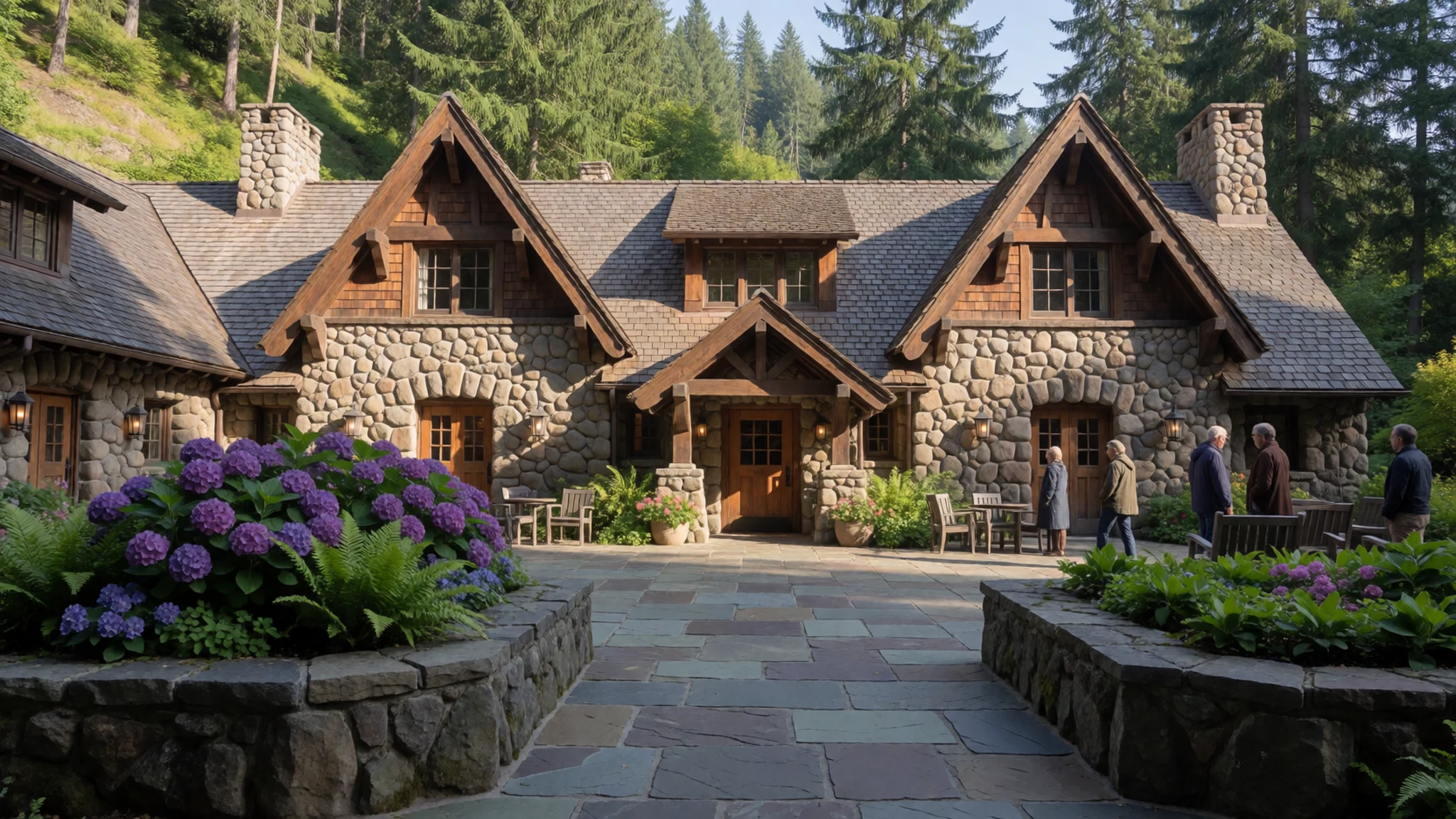
- Upper viewpoint on the switchback trail — Trail above the falls
A switchback trail climbs the hillside above the falls to a viewpoint that overlooks the cliff edge and the upper tier. The path is steep and can be slippery after rain, so wear shoes with good grip. From the top you see the creek running toward the gorge and the wider sweep of the river valley beyond it, which is a very different perspective from the bridge below.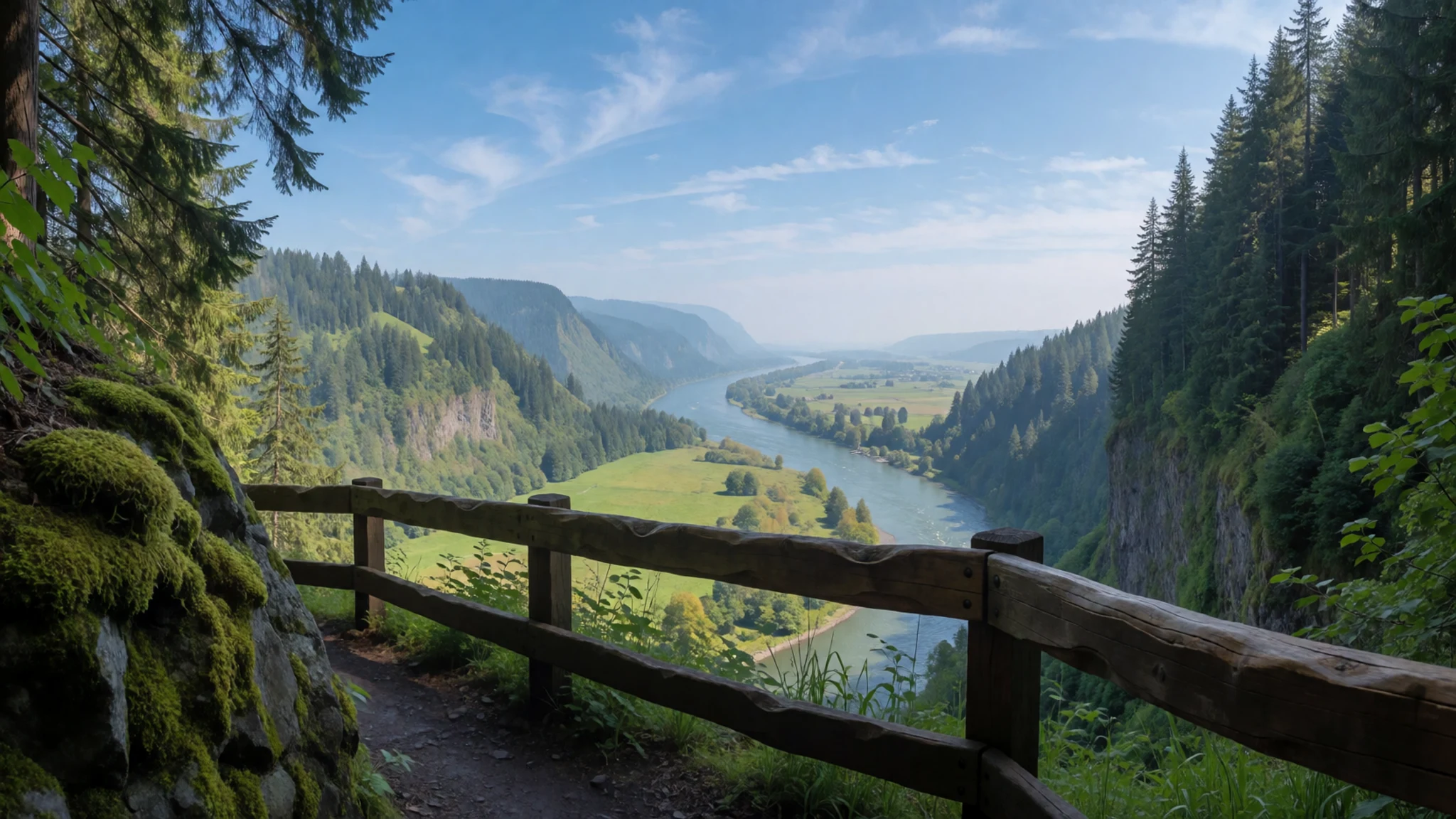
- The gorge road and rail line — Columbia River Gorge, along the river
The Columbia River Gorge is narrow, and the road and railway run close to the water on the same stretch that carries the falls. Trains pass along the riverbank in view of the cliffs, and a freight train can make a good photograph from the roadside. Keep a safe distance from the tracks, and never stand on the line itself.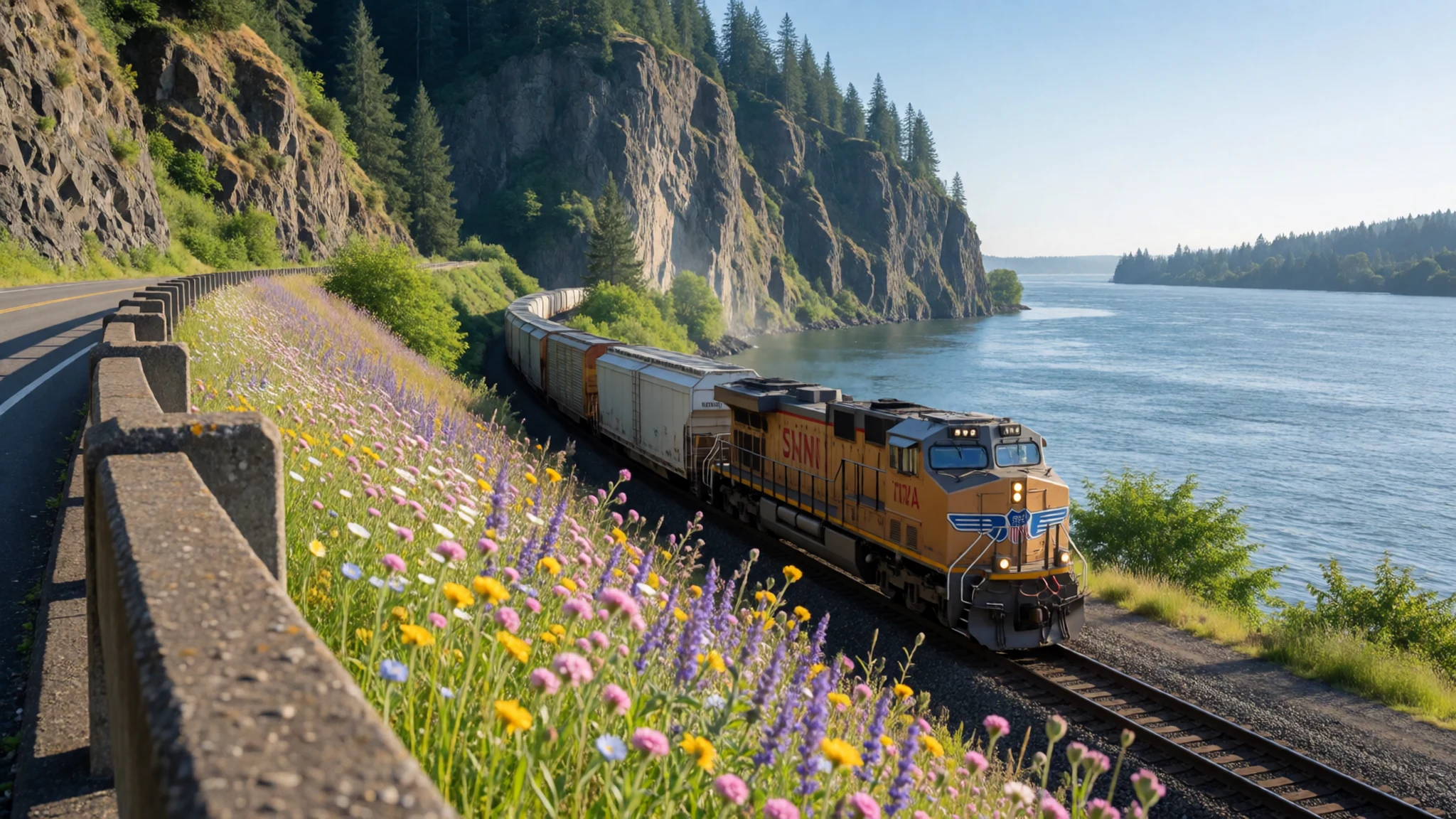
- The gorge in autumn — Whole gorge, especially the lower trail
Autumn brings cooler, damper air and a softer light to the gorge. The cliffs take on deeper colours and the falls often run strongly after autumn rain. The paths are quieter than in summer, but they are slippery and the ground stays wet, so keep to the marked route and carry a rain layer.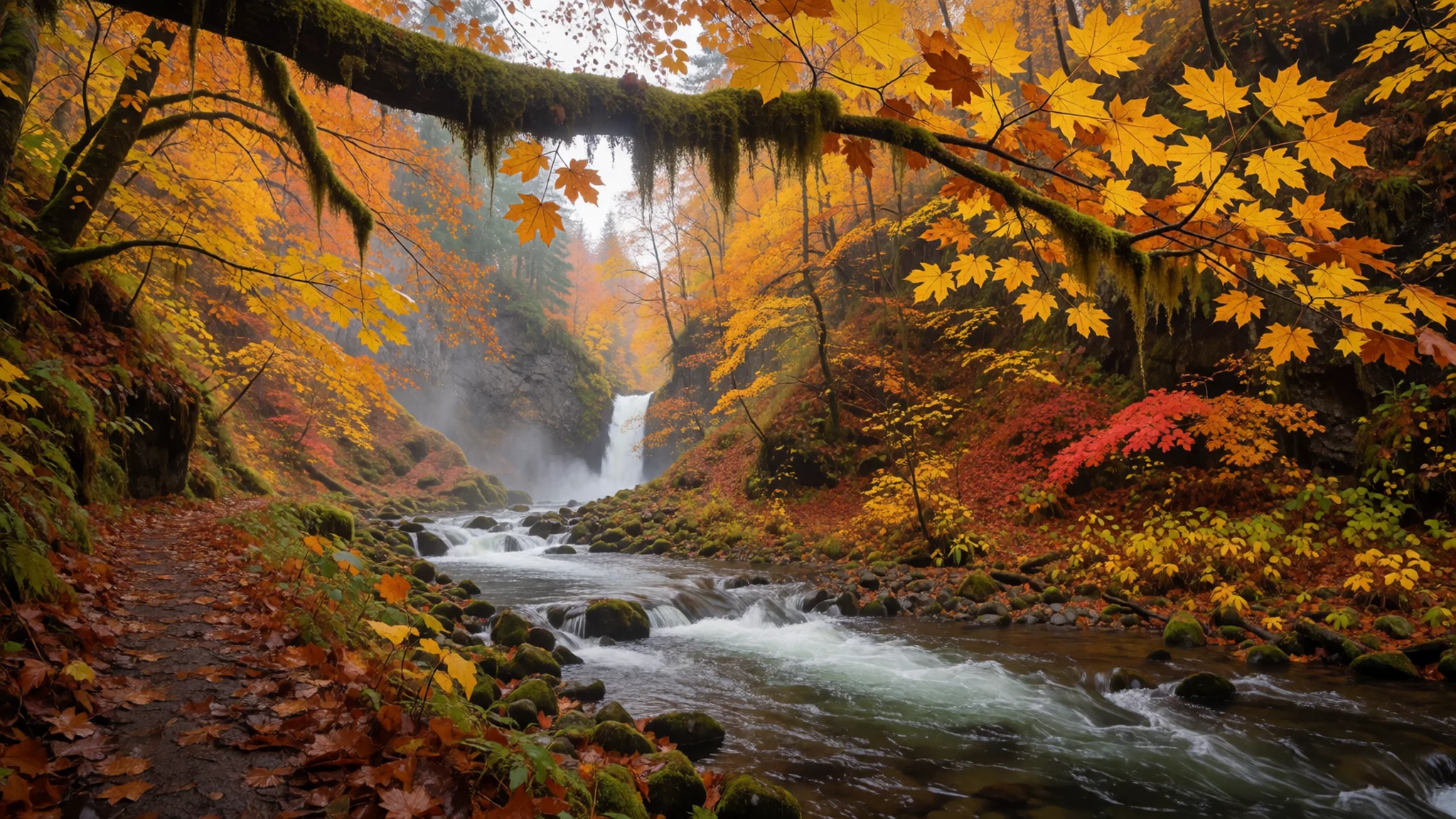
Culture
Multnomah Falls is a place where people take the scenery seriously, and the wider state does too. Oregonians are proud of their landscape, and damage to it, whether dropped litter, trampled plants or harm to wildlife, draws a sharp response rather than a shrug. Portland and the Willamette Valley are cosmopolitan and relaxed, closer in feel to San Francisco and Seattle. Eastern and southern Oregon are more conservative, with a rural outlook nearer to Idaho and Nevada, so manners and small talk shift as you travel. At the falls, families, joggers and walkers share the paths in an easy way, and the crowds are generally good-humoured. Keep to the marked paths, stay behind the railings near the edge, and take every scrap of litter home with you.
What to wear
Multnomah Falls lies in country that was lived in for thousands of years before settlers arrived, and the Multnomah people gave the falls their name. The surviving sources say little about their traditional clothing, so this reading does not describe particular garments or textiles. What can be said is that the Pacific Northwest has always had a practical, weather-led approach to dress, shaped by rain and cool air rather than by any formal code.
Today people at the falls wear practical outdoor clothing: waterproof shell jackets, fleece layers, hiking trousers and trainers with good grip. Portland has a more deliberately relaxed city style, with muted colours and layers that suit a damp climate. Eastern Oregon is more conventional in its dress.
For a visit, pack a waterproof layer whatever the forecast says, because spray and rain can soak the steps and the trail. Choose footwear with real grip for wet stone and slippery paths, and bring a warm layer, since the shade of the gorge stays cool even in summer. Modesty norms are relaxed, as this is a public natural site rather than a religious one.
What to eat
- Smoked salmon — Fish counters and smokehouses in Portland and along the Columbia River
Smoked salmon has been part of the local diet since before European contact, and it remains a typical Oregon food. It appears as cold-smoked fillets on crackers, in bagels and in salads. Look for it at fish counters and smokehouses in Portland and along the Columbia River, where the cured fish is often sold by the piece to take on the trail.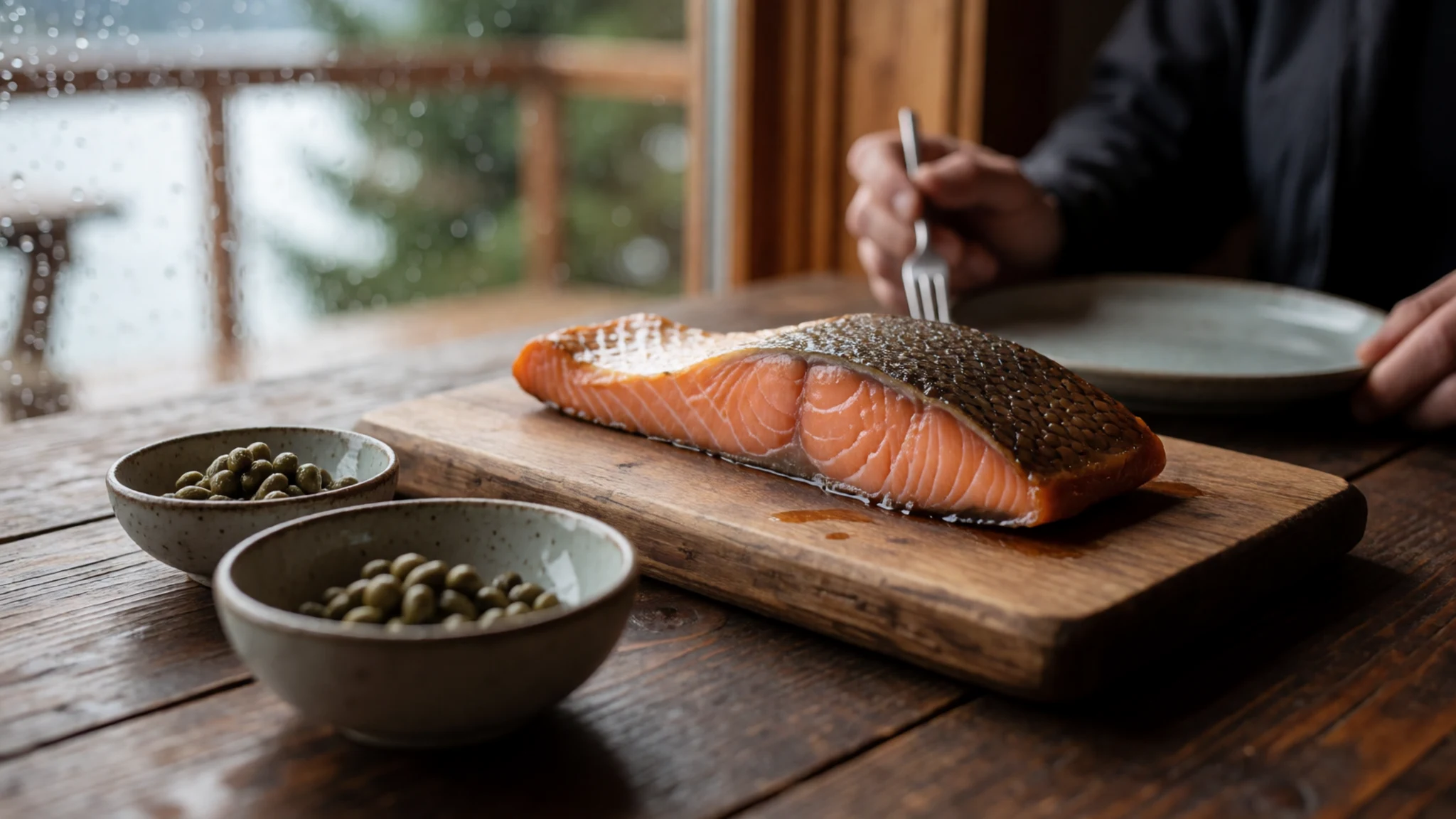
- Marionberry pie and jam — Farm stands and bakeries in the Willamette Valley, in season
The marionberry was first bred in Oregon, and its tart, dark fruit turns up in pies, crumbles and jams across the state. In summer, farm stands and small bakeries in the Willamette Valley sell it fresh or preserved. A jar of marionberry jam is an easy gift to carry home from the gorge.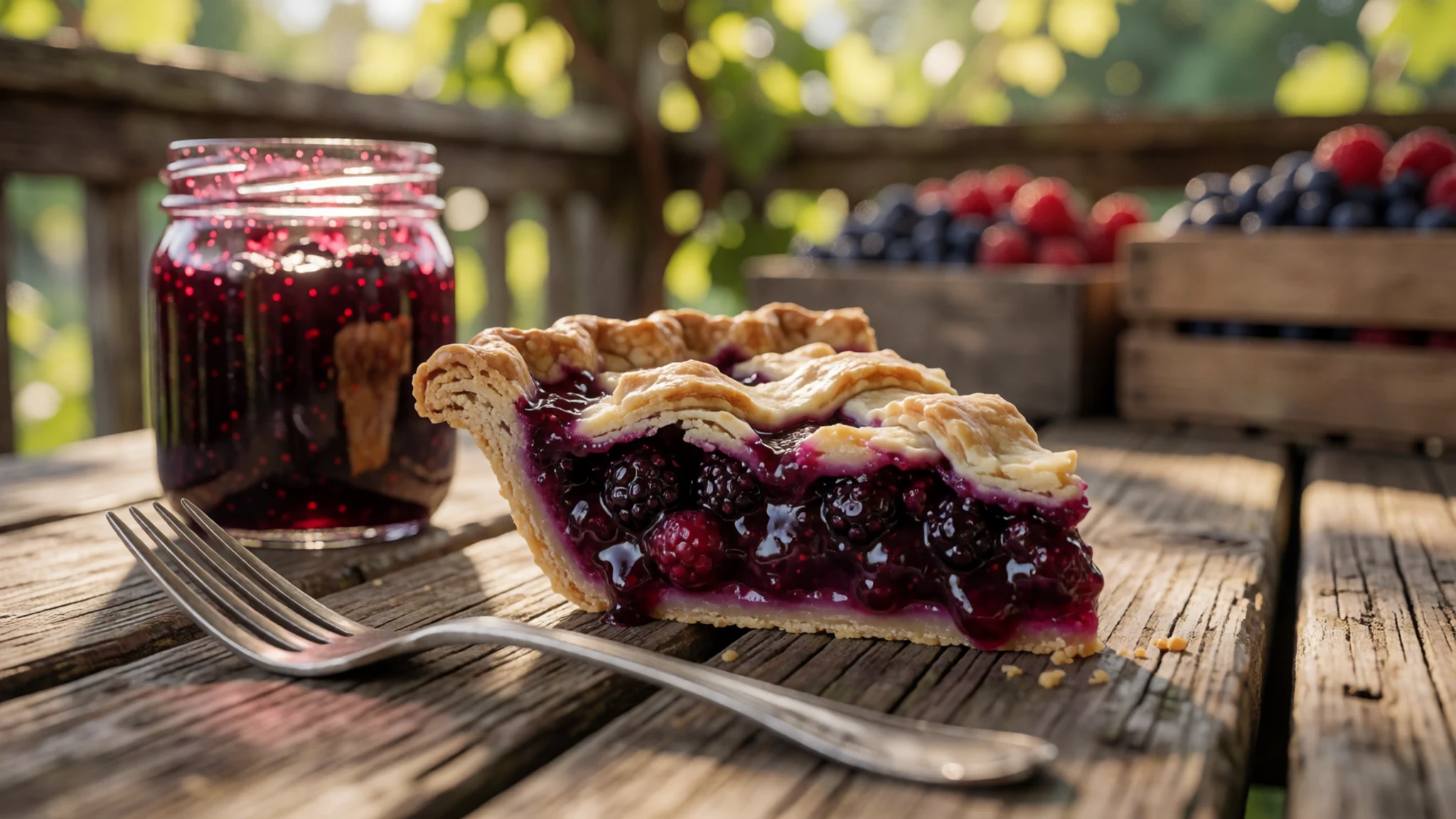
- Hazelnuts — Farm shops and bakeries across the Willamette Valley
Hazelnuts are grown widely in the Willamette Valley, and they feature in roasted snacks, pastries and chocolate. Many orchards run farm shops where you can buy nuts straight from the producer. Hazelnuts make a light, durable snack for a long day on the trails. - Food-cart pods in Portland — Food-cart pods in Portland's inner neighbourhoods
Food carts gather in pods on city blocks, serving a wide range of cuisines from small kitchens on wheels. The pods are lively in the evening and tend to be busiest at weekends. Eating at a pod is one of the most relaxed ways to try the city's food, and the choice changes from month to month. - Pub food at a McMenamins inn — A McMenamins pub in Portland or elsewhere in the state
McMenamins runs pubs, inns and breweries in restored historic buildings across the state, and its kitchens serve hearty pub food with local beer. The buildings are worth a visit in their own right. Portland locations are the easiest to reach from the gorge, and the atmosphere suits a relaxed evening after a day on the trails.
Plan it
Best time. Spring and early autumn suit the falls best: water flow is usually strong in spring, and the paths are calmer than in midsummer. Winter is grey and wet, so pack for rain. Midsummer brings the biggest crowds to the bridge and parking, so an early start matters most then.
How long. 1–2
Getting there. Fly into Portland International Airport (PDX), then drive east along the Columbia River Gorge on the interstate or the historic river highway. A hire car gives the most flexibility, and a coach tour is an option if you prefer not to drive.
Budget. low
Tips
- Arrive early in the day, before the bridge gets crowded
- Check the official Forest Service page for parking and access updates before you go
- Wear shoes with good grip for wet steps and the switchback trail
- Carry a rain layer, even in summer, because spray drifts across the path
- Combine the falls with other stops along the gorge road for a full day
Etiquette
- Stay on the marked trail and keep back from the cliff edge and railings
- Leave plants, rocks and wildlife where you find them
- Keep voices low at the viewpoints so others can hear the water
Nearby
Sources
- Wikidata Q37319 (CC0)
- Wikipedia (rev 1382319425) (CC BY-SA 4.0)
- Wikivoyage (rev 5398902) (CC BY-SA 4.0)
- Photo 01 — John Fowler, Multnomah Falls on 2 August 2012 (CC BY 2.5)
- Photo 02 — Ian Poellet, Multnomah Falls Lodge, Oregon (CC BY 3.0)
- Photo 03 — Another Believer, Multnomah Falls (December 2013) 09 (CC BY 3.0)
- Photo 04 — Steve Diamond, The Shire (CC BY-SA 4.0)
- Photo 05 — Another Believer, Multnomah Falls (December 2013) 29 (CC BY 3.0)
- Photo 06 — Charles Roscoe Savage, Multnomah Falls, Columbia River, Oregon (Public domain)
- Photo 07 — Ron Reiring, Union Pacific at Multnomah Falls (CC BY 2.5)
- Photo 08 — Another Believer, Multnomah Falls, Oregon, October 2011 (CC BY 3.0)


