Moussa Ali
Moussa Ali, Eritrea
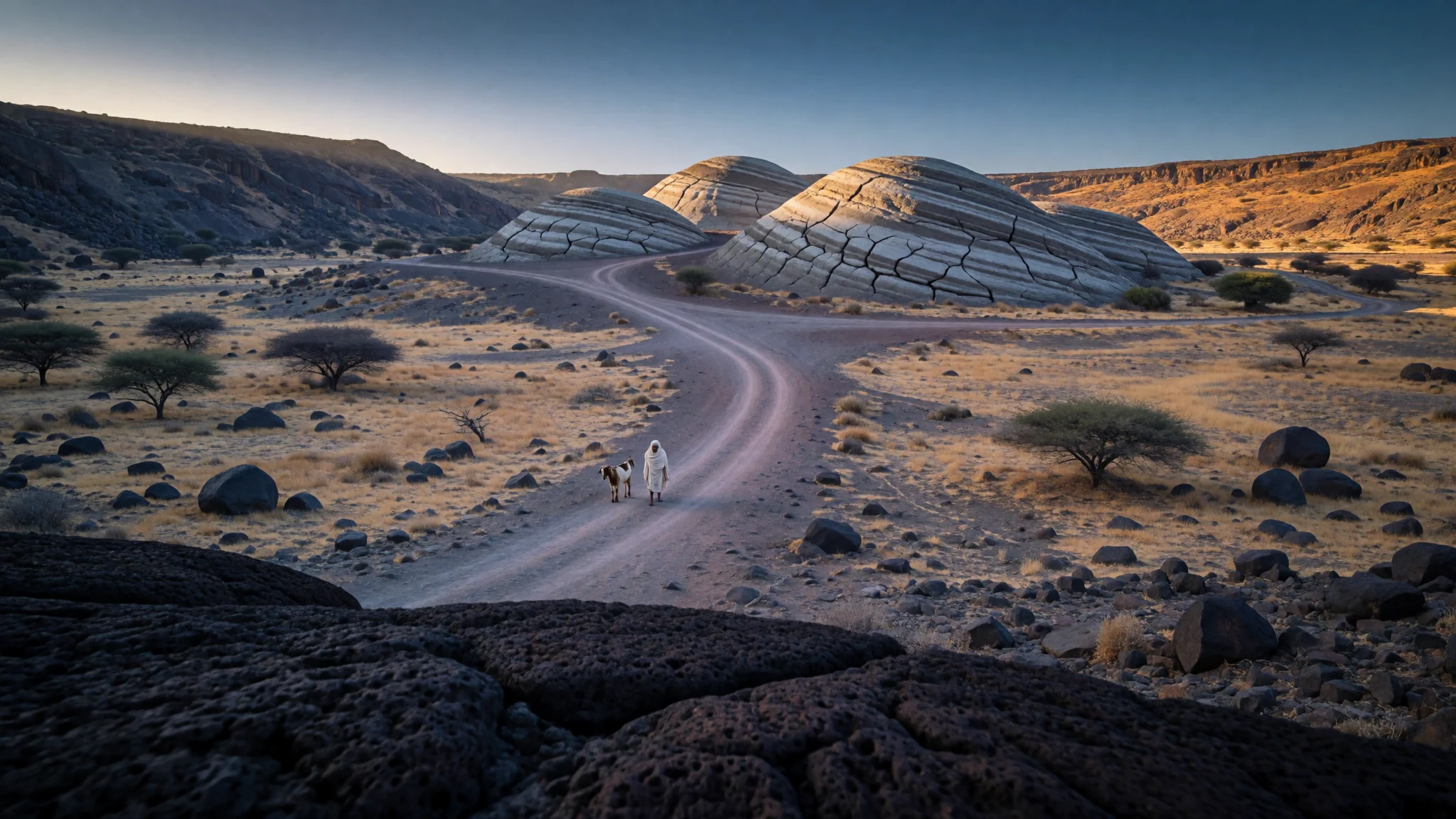
Mousa Ali is a remote volcano where Eritrea, Ethiopia and Djibouti meet, for travellers who value hard geography over easy sightseeing.
The place
Mousa Ali (Moussa Ali in French spelling, موسى علي in Arabic) is a stratovolcano at the point where Eritrea, Ethiopia and Djibouti meet. The facts record its height as 2,028 m, and it is the highest point in Djibouti. It sits at the northern end of the Great Rift Valley, in hot, dry Afar country, and it is a landmark rather than a destination with facilities.
The mountain has two summits. The southern one is the higher; the northern one lies on the Ethiopian side and is lower. Between them is a wide caldera, a collapsed bowl a little under a kilometre across, containing lava domes and old lava flows of rhyolite, a pale, silica-rich volcanic rock. The last known eruption came before the Holocene, so this is a dormant giant, not a smoking one.
Three administrative regions meet here: Tadjourah in Djibouti, the Southern Red Sea Region in Eritrea and the Afar Region in Ethiopia. The nearest Djiboutian town is Dorra, to the south-south-east. Another volcano, Manda-Inakir, stands to the south-west, and the road linking the Ethiopian town of Manda with the Eritrean port of Assab passes to the north-west.
Weather on the mountain can be erratic and sometimes severe. December and January are the cool months; June to September is noticeably warmer. There are no marked trails, visitor centres or published opening arrangements in the sources used here, so this is a place to read about carefully and reach, if at all, with local guidance.
Its story
Mousa Ali marks one of the odder border points in the Horn of Africa, because nobody sat down and agreed it. A treaty of 1908 placed the tri-point sixty kilometres inland from the Red Sea, but never fixed the exact spot on the ground. In December 1948 the British, then administering Eritrea, declined to attend a meeting meant to settle it, and the question drifted.
For decades it hardly mattered. British administration of Eritrea ended in 1952, and Ethiopia took a growing role there before absorbing it in 1962. For the years of that union the line through this area was an internal boundary, not an international one, so no one needed to pin down a tri-point at all.
The matter returned when Eritrea and Ethiopia became separate states with a disputed frontier. In 2002 the Eritrea-Ethiopia Boundary Commission placed the tri-point at the summit of Mousa Ali. Ethiopia had argued for a position further east, closer to Dadda'to in Djibouti, but the commission's decision put the meeting point on the volcano.
The human story is older than the lines. The Afar people have lived in this region for generations, and two groups of them are known together as the Adrummi, a name explained locally as meaning something like "white as Byzantines". The mountain is therefore both a geological feature and a place where recent diplomacy landed on very old pastoral land.
What to see
- The southern summit — Tri-point of Djibouti, Eritrea and Ethiopia
The southern summit of Mousa Ali is the high point of Djibouti and the reason the mountain matters. The slopes are barren and volcanic, and the views over the Afar lowlands are wide and austere. Reaching it needs local guidance and current security advice, because it sits on a sensitive border.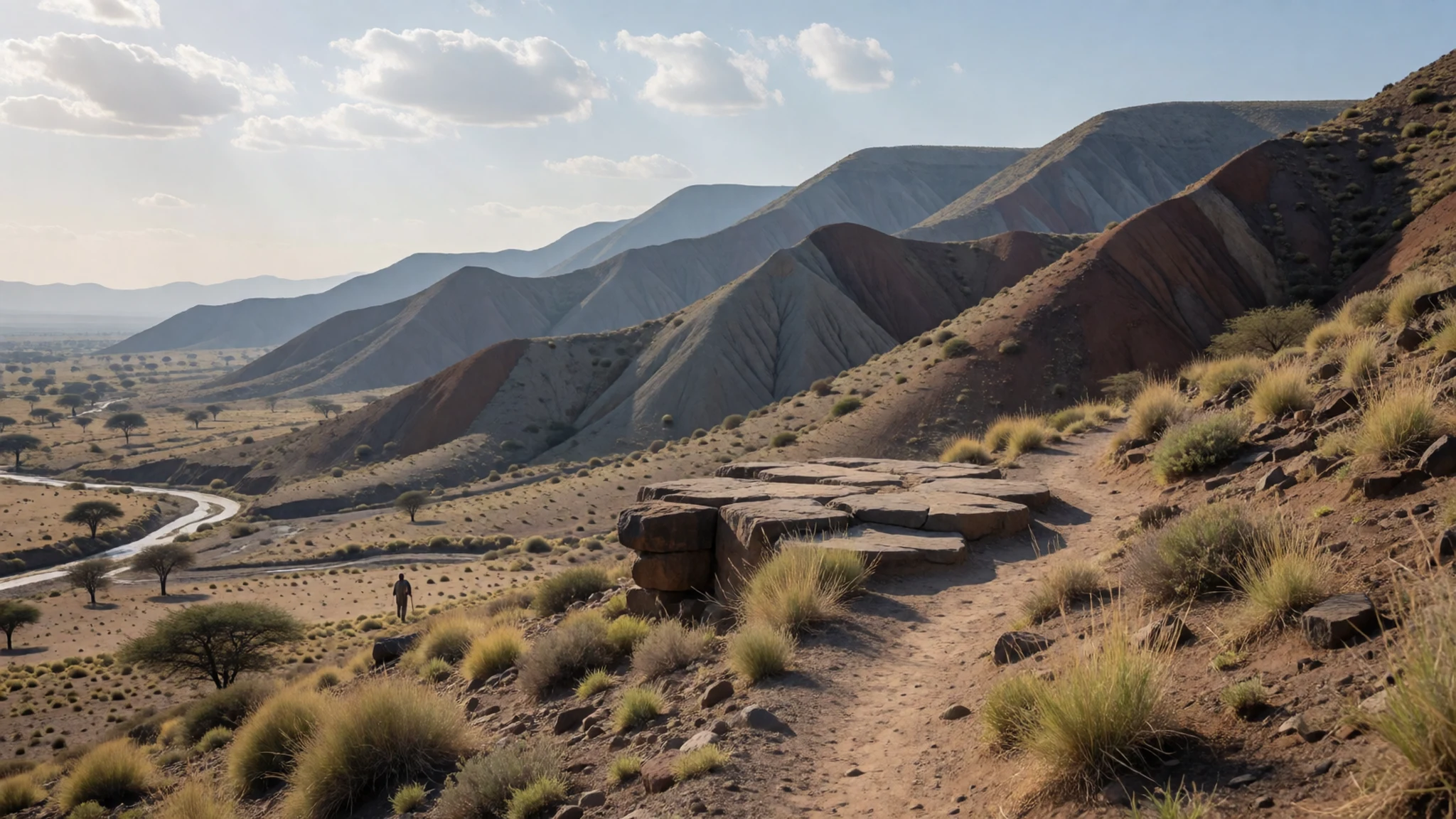
- The caldera — Between the north and south summits
Between the two summits lies a broad caldera holding rhyolite lava domes and old flows. It is the clearest sign that this was once an active volcano. Geology enthusiasts will find pale, glassy rock and a landscape with almost no shade, so heat and water planning matter.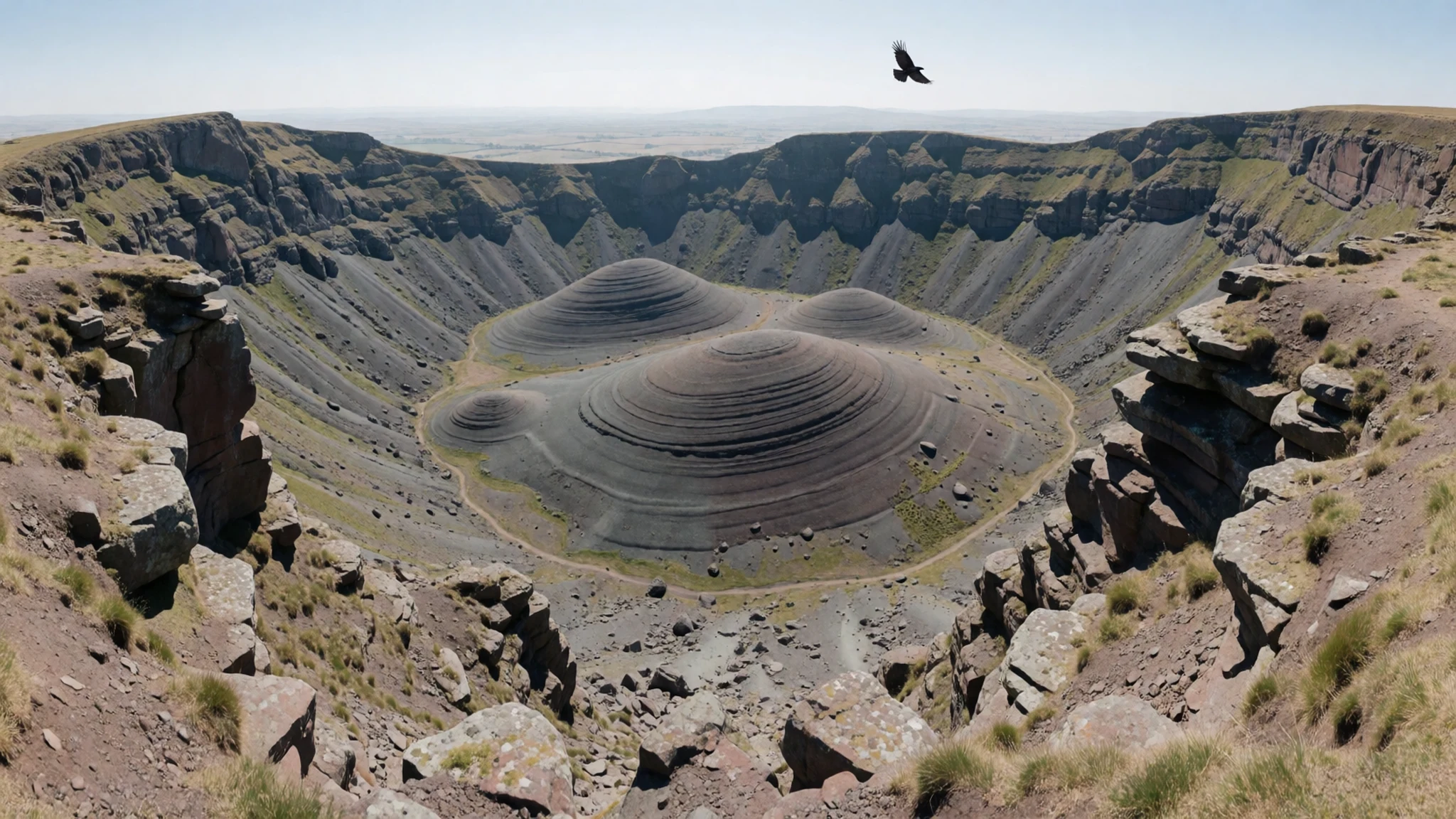
- Danakil Depression and Erta Ale — Afar Region, Ethiopia
Further into Ethiopia, the Danakil Depression is the region most travellers actually book. Erta Ale is its famous volcanic feature, a lava lake. Tours are organised from the Ethiopian side, with escorts and logistics, and it gives a safer taste of the same rift landscape.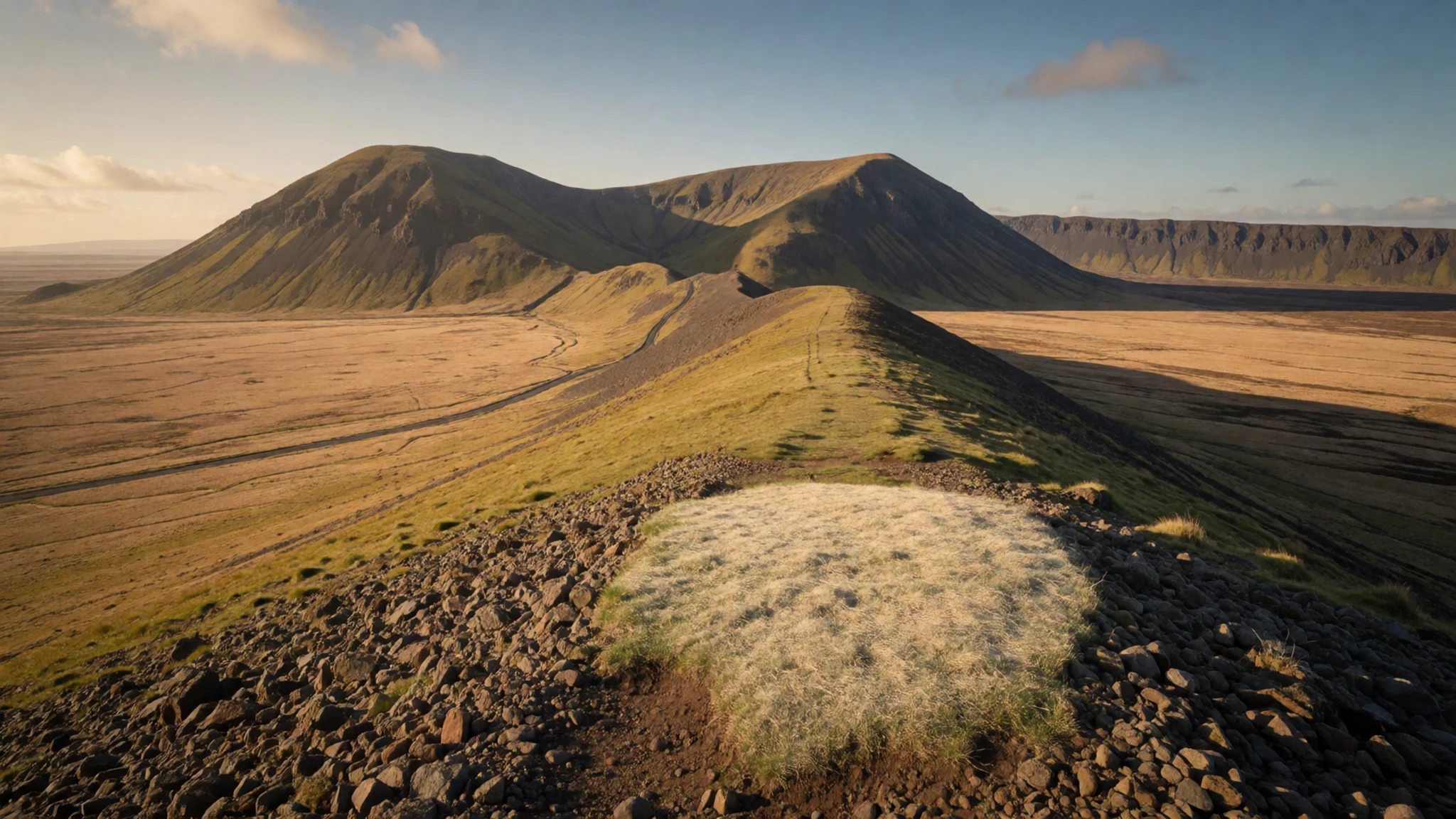
- Lalibela — Amhara Region, northern Ethiopia
Lalibela is known for its rock-hewn churches, cut down into the stone of the northern Ethiopian highlands. It is a sharp contrast with the hot lowlands of Mousa Ali: cool, devout and busy on feast days. It is a sensible addition to any trip that starts in Addis Ababa.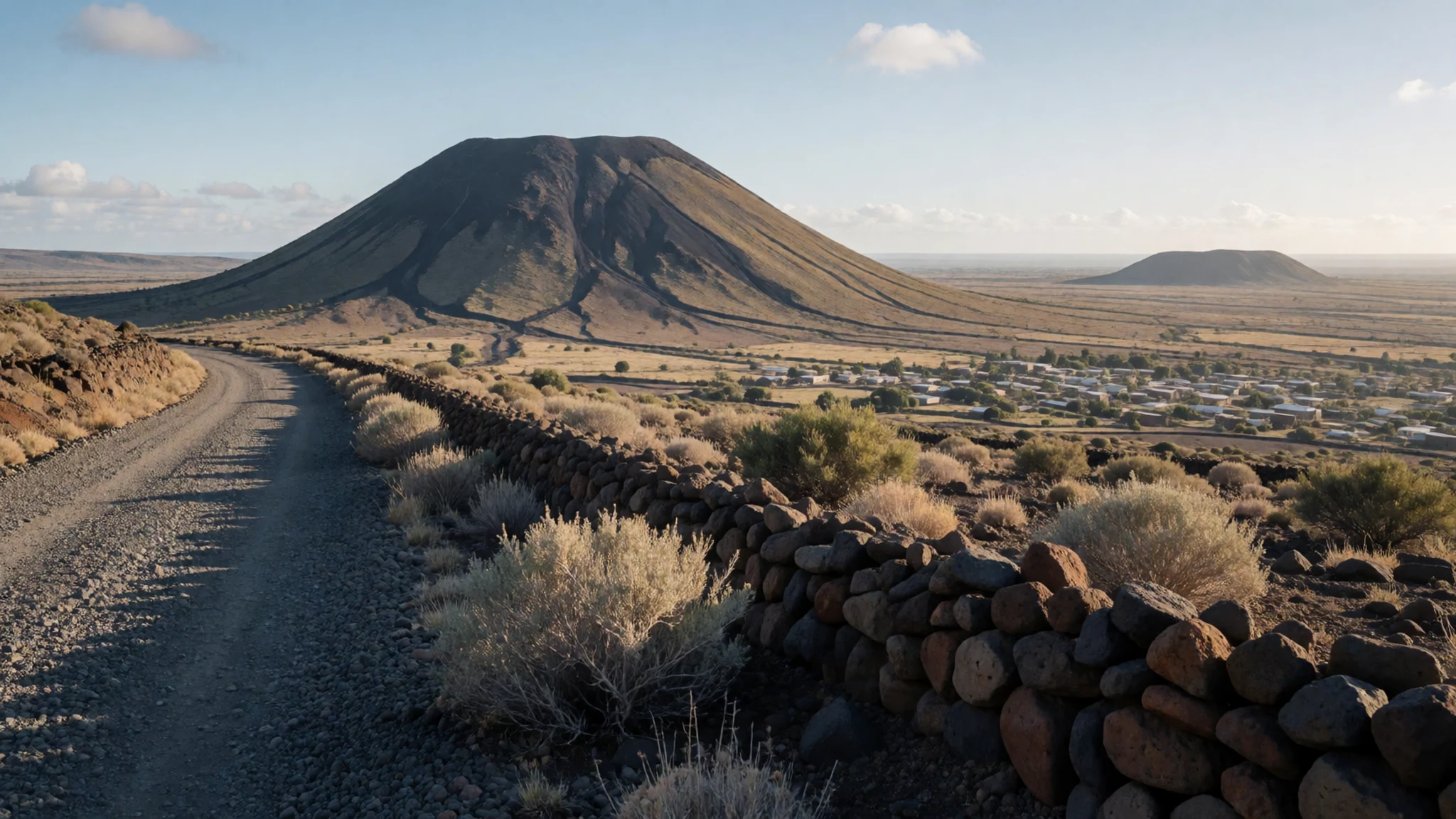
- Axum — Tigray Region, northern Ethiopia
Axum is the town of the huge carved obelisks, and it anchors the northern historic circuit that also takes in Bahir Dar, Gondar and Lalibela. Domestic flights connect these stops affordably, and the circuit works in either direction, so it suits a first visit to the region.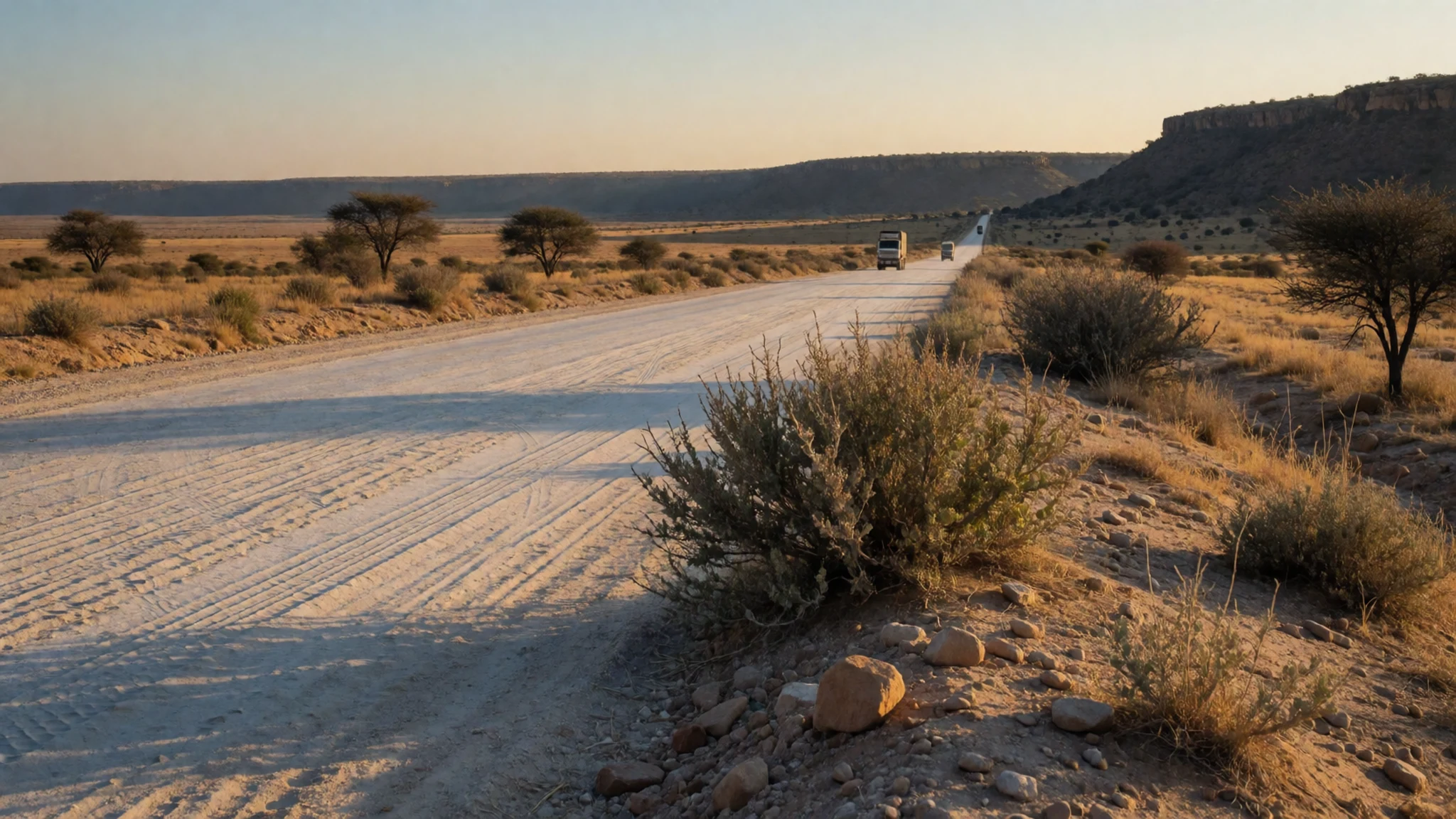
Culture
Mousa Ali sits in Afar country, and the culture around it is Afar pastoral life, shaped by heat, distance and the movement of herds. The sources for this reading say little about Afar customs in detail, so the broader Ethiopian guidance is the most reliable thing to hand, and it comes down to respect and listening.
Ethiopians are proud of their culture, identity and country, and religion is a sensitive subject. The Ethiopian Orthodox church and Islam both matter deeply to daily life. Instead of arguing over which approach is better, it's more useful to invite people to describe their traditions, celebrations and beliefs, and to simply listen. Arguments about faith can cost a visitor a great deal of goodwill and hospitality.
Outside the big cities, locals can occasionally be wary of visitors, and they may bristle quickly when they sense they are being looked down on rather than respected as peers. Formal manners help. Among traditional communities, a foreign man keeping a polite distance from women is read as good manners, and if a woman is with a man, it is courteous to ask his permission before speaking to her. Foreign women may find that men address their questions to a male companion; this is meant as respect, not a slight.
In a border zone with ongoing tensions, local people also have good reasons to be careful about strangers and cameras. Ask the guide to introduce you, and ask permission before photographing anyone, their animals or their camp.
What to wear
Mousa Ali is in Afar territory, and the sources used here describe Ethiopian dress only in general terms, so what follows is cautious. Across the highlands, the best-known traditional textile is handwoven white cotton, worn as a shawl or wrap and often finished with a coloured woven border. In hot lowland areas, light wraps and cloths suit the climate, and Muslim communities favour modest dress, with head coverings for many women.
What people wear day to day depends on place. In Addis Ababa and larger towns, western-style shirts, trousers, dresses and jeans are common, with traditional cotton worn for church, weddings and festivals. Out in the lowlands, practical loose clothing, scarves against the sun and sturdy sandals are the norm for herders and drivers.
A visitor should dress for heat, sun and modesty together. Loose, long-sleeved cotton or linen shirts and long trousers or skirts cover the skin, keep the sun off and respect local norms; shoulders and knees are best covered, especially for women. A wide-brimmed hat and a scarf help with dust and glare. Footwear matters most: closed, broken-in boots or sturdy shoes with good grip suit volcanic rock and loose stones. Pack warmer layers too, because December and January are cool and the weather on the mountain can turn.
What to eat
- Injera with wot — Ordinary Ethiopian restaurants and eateries in any town
Injera is a spongy, tangy flatbread made from teff, a highland grain, and it is the base of nearly every Ethiopian meal. It comes topped with wot, spiced stews of meat or legumes. Doro (chicken), yebeg (lamb) and asa (fish) are popular.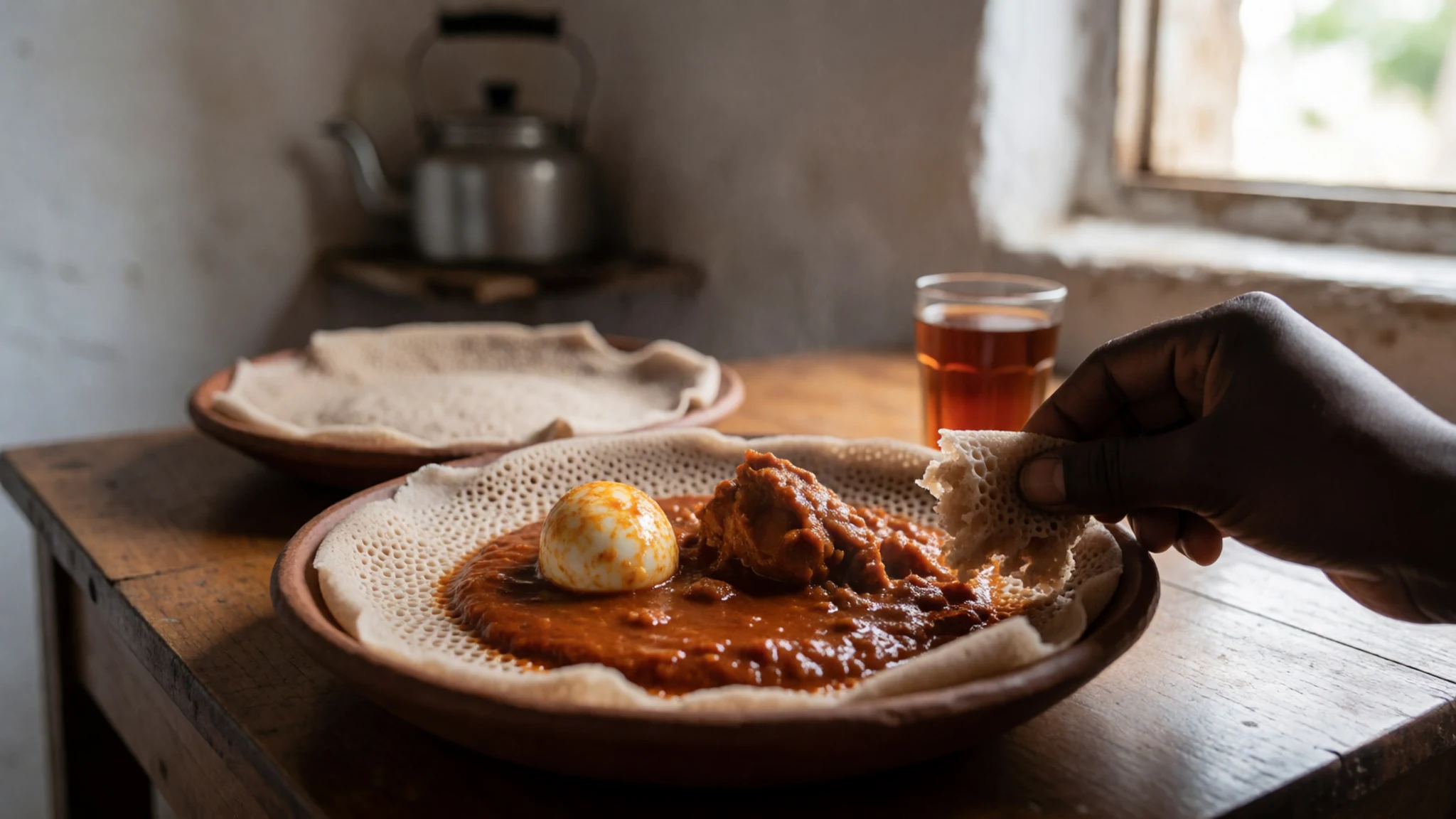
- Tibs — Restaurants and roadside eateries across Ethiopia
Tibs is spiced beef or lamb fried in nitre kibbeh, a seasoned clarified butter. It is one of the country's best-known dishes, quick to arrive and rich in flavour. It is usually eaten with injera, scooped up by hand, using the right hand only.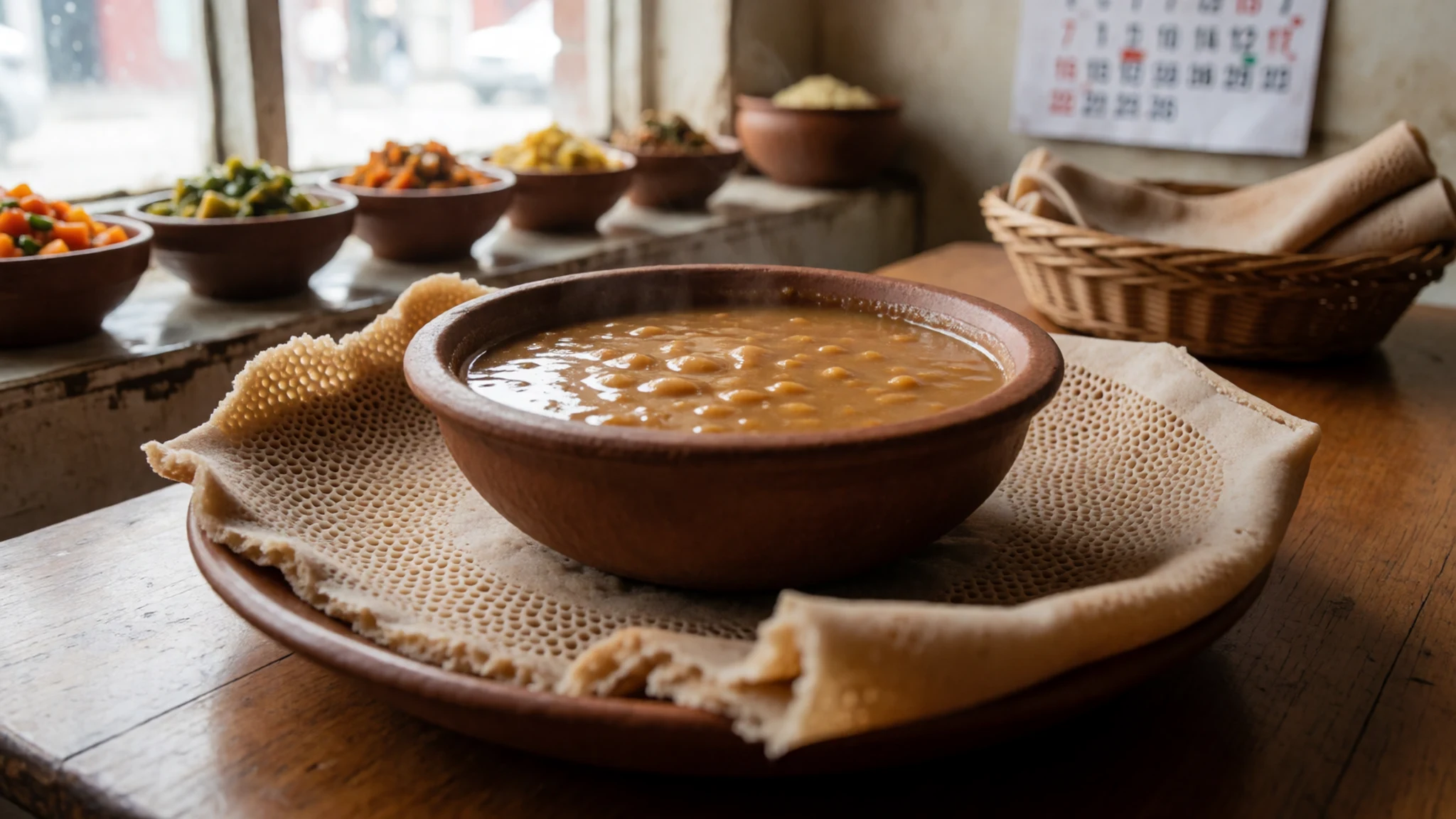
- Shiro wot — Almost any restaurant, particularly on fasting days
Shiro is a thick, oily bean stew served with injera, and it is the easy choice for vegetarians. It is especially common on fasting days, when devout Ethiopians eat an essentially vegetarian diet. Pork is rare, as both the Ethiopian Church and Islam prohibit it. - Firfir — Local breakfast eateries and family-run restaurants
Firfir is fried, shredded injera, a good way to use leftover bread. It can be served plain, with all sorts of vegetables, or with meat in a spiced sauce. It makes a hearty breakfast or a simple, filling meal on the road. - Ethiopian coffee ceremony — Private homes, and cafés or restaurants that host the ceremony
Coffee here is roasted in a flat pan over charcoal, ground with a pestle and mortar and brewed in a clay pot. A ceremony involves at least three cups, usually with popcorn. Being invited into someone's home for it is a mark of respect. - Tej — A tej beit in an Ethiopian town
Tej is a honey wine, similar to mead, and it is usually drunk in a tej beit, a bar devoted to it. It is sweet and stronger than it tastes. Many Muslim communities do not drink alcohol, so it is a highland town experience.
Plan it
Best time. December to February, when the area is at its coolest and daytime conditions are most tolerable. June to September is warmer, and weather on the mountain can be erratic and sometimes severe at any time of year.
How long. 2–3
Getting there. Fly to Addis Ababa Bole International Airport; most visitors need an e-visa, applied for only on the official site, https://www.evisa.gov.et. The last leg to the tri-point is remote overland travel through Afar country, so it must be arranged locally with an experienced guide.
Budget. high
Tips
- Check your government's current travel advice first, because the border areas are sensitive and inter-ethnic conflicts are ongoing
- Do not attempt the mountain without a local guide and vehicle arranged in advance
- Carry plenty of water, sun protection and cash, as there is little or no infrastructure
- Allow for erratic weather and keep your plans flexible
- Consider Erta Ale or the northern historic circuit if the border zone is not advisable
Etiquette
- Ask permission before photographing people, camps or animals
- Dress modestly and greet people politely, using the right hand for giving and eating
- Avoid arguments about religion or politics
Nearby
Sources
- Wikidata Q1951029 (CC0)
- Wikipedia: Mousa Ali (rev 1369587741) (CC BY-SA 4.0)
- Wikivoyage: Ethiopia (rev 5427666) (CC BY-SA 4.0)
- Djibouti relief location map — Carport (CC BY 3.0)
- Gufa Volcano — NASA Landsat (Public domain)

