Mount Wutai
Mount Wutai, People's Republic of China
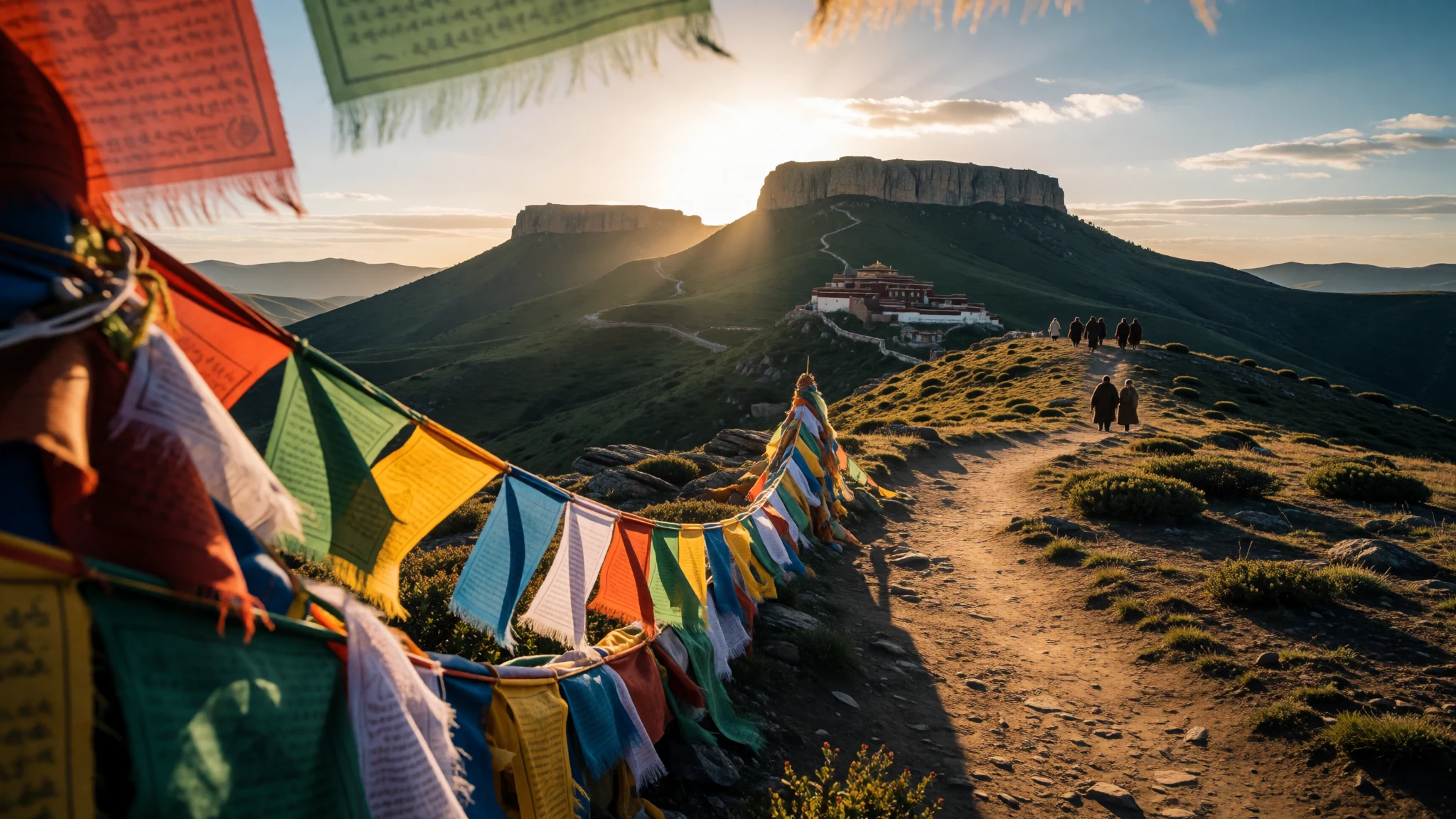
Mount Wutai blends high, flat-topped peaks with living Buddhist monasteries, making a calm pilgrimage that still feels scenic and real.
The place
Mount Wutai (Wutaishan, also known as Mount Qingliang) sits in Shanxi Province in north China, where the Qingshui headwaters run out from the mountains. The landscape is unusual: the core of the park is wrapped by a cluster of broad, flat-topped peaks—more like mesas than sharp summits—laid out in a rough cardinal-direction pattern.
The visitor experience is less about “one big landmark” and more about moving between temple zones, viewpoints, and the towns that support them. The religious heart centres on the area around Táihuái, with its monastery circuit and temple precincts. From there, people follow a route through prominent places such as Xiǎntōng Temple and Tǎyuàn Temple, and then out towards other peaks and smaller sites.
Mount Wutai is also a peak-pilgrimage in its own right. It is associated with Manjusri, the Bodhisattva linked with wisdom, and the wider site is described as hosting many sacred monasteries—so much of what you see is structured by devotion rather than sightseeing convenience.
Practical reality check: this is a popular pilgrimage destination, so queues and crowds can show up hard on busier days, especially around the more time-consuming cave and climb sections. Accommodation in and around Táihuái makes logistics easier, and the park’s layout means a short trip can still feel full if the days are paced.
For the best overall feel, plan on a multi-day visit: one day in the town temples, a day around the plateaus/central peaks, and time for a couple of farther-out sites.
Its story
Mount Wutai pulls visitors in for two reasons that work together: scenery that’s different from most “mountain trips”, and a temple landscape that’s still very much a working pilgrimage. The mount itself is described as “Five Plateau Mountain”, which is a handy way to think about what’s on the ground—flat-topped rises rather than jagged cliffs. That shape affects the whole day: the viewpoints come in stages, and the walking feels like connecting terraces, courtyards and paths.
In Táihuái, temples are close enough that the day can be flexible. Xiǎntōng Temple and Tǎyuàn Temple form a major pair within the town area, both on the west side of the Qīngshuǐ river. People come looking for architecture, statues and the feel of ritual spaces; they also come for the simple comfort of a vegetarian-focused site where food routines stay consistent.
Out on the peaks, the rhythm changes. Dàiluó Peak becomes the kind of place where views arrive after climbing, and the “how you get there” matters as much as the view itself. Further still, some sites are reached via shorter road climbs, while others involve long waits—especially around Fómǔ Cave, where the time spent queued can range wildly depending on weekday versus weekend patterns.
Mount Wutai rewards patience more than rushing. It’s easy to overplan because there are many monasteries and smaller stops, but the best days tend to be the ones paced around routes: morning temple time, midday walking between clusters, and slower late afternoon returns to Táihuái. When the cold sets in, the practical payoff is comfort—hot, familiar vegetarian meals and a town base rather than constantly moving lodgings.
If the trip is short, the goal isn’t to “tick everything”; it’s to absorb the monastery circuit and the plateau character, then leave space for the inevitable queue and weather shifts.
What to see
- Xiǎntōng Temple — Táihuái (west of the Qīngshuǐ river)
Xiǎntōng Temple is a major stop in Táihuái, on the west side of the Qīngshuǐ river. It’s closely associated with the shift from Daoism to Buddhism in this area, so the vibe here feels distinctly devotional rather than purely historical.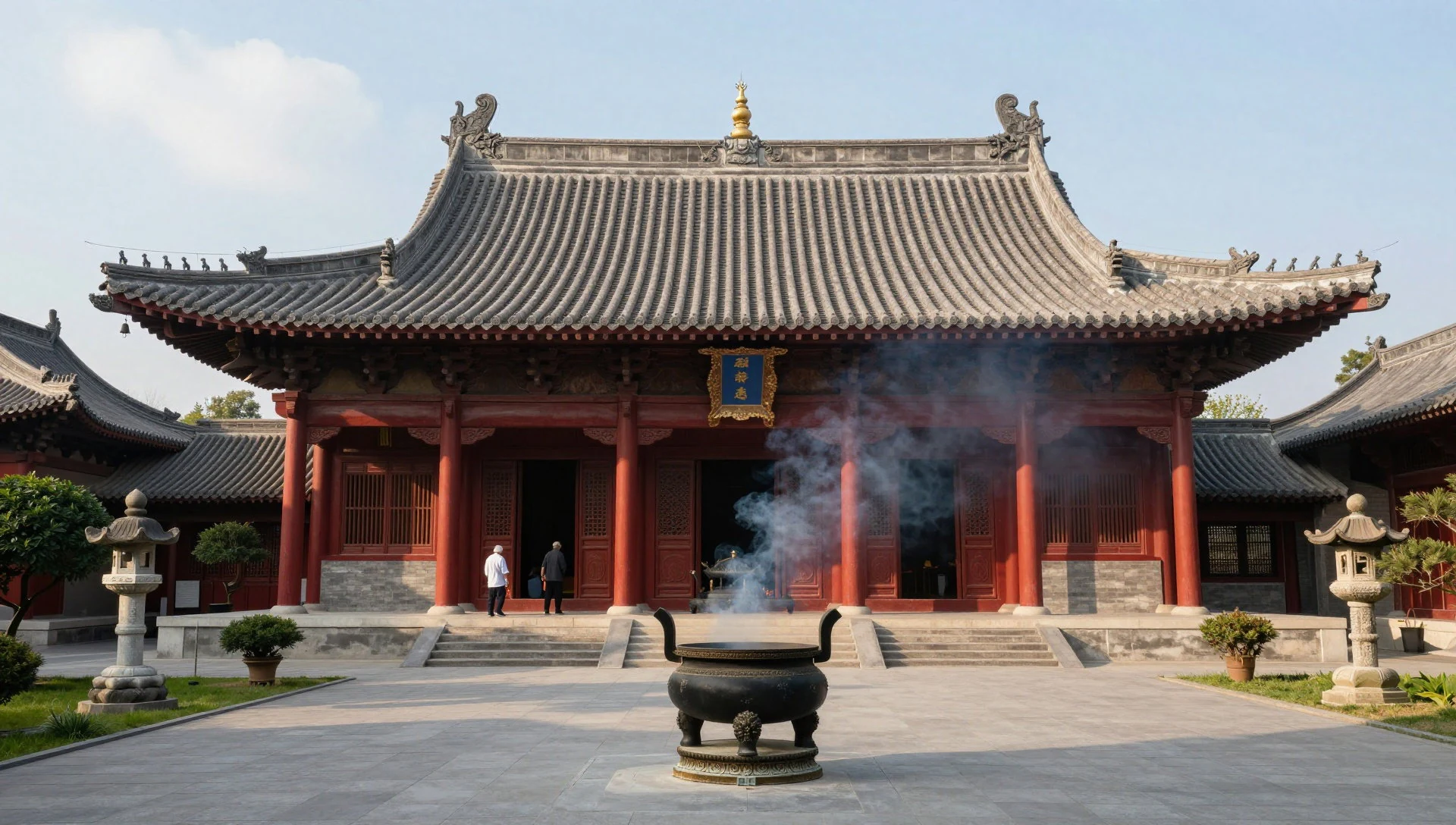
- Tǎyuàn Temple — Táihuái (west of the Qīngshuǐ river)
Tǎyuàn Temple sits in the Táihuái area, also on the west side of the Qīngshuǐ river. Its white stupa in the centre is a visual landmark for many visitors and makes a neat orientation point when planning the temple circuit.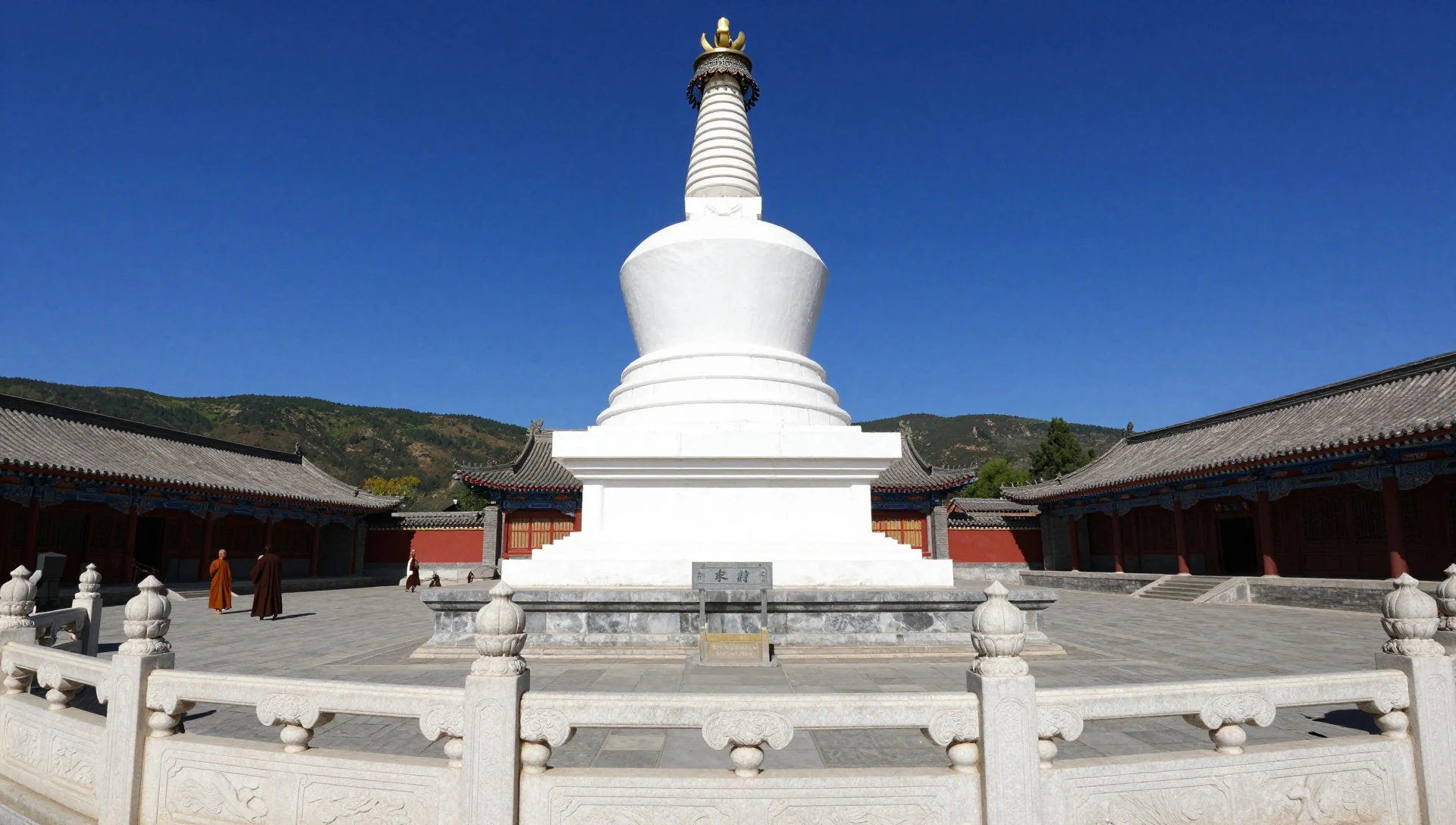
- Dàiluó Peak viewpoint — East of the Qīngshuǐ river (Dàiluó Peak)
Dàiluó Peak is on the east side of the Qīngshuǐ river, with views back towards Xiǎntōng Temple, Tǎyuàn Temple and much of Táihuái. The climb is a workout, but the panorama perspective is the point of the day here.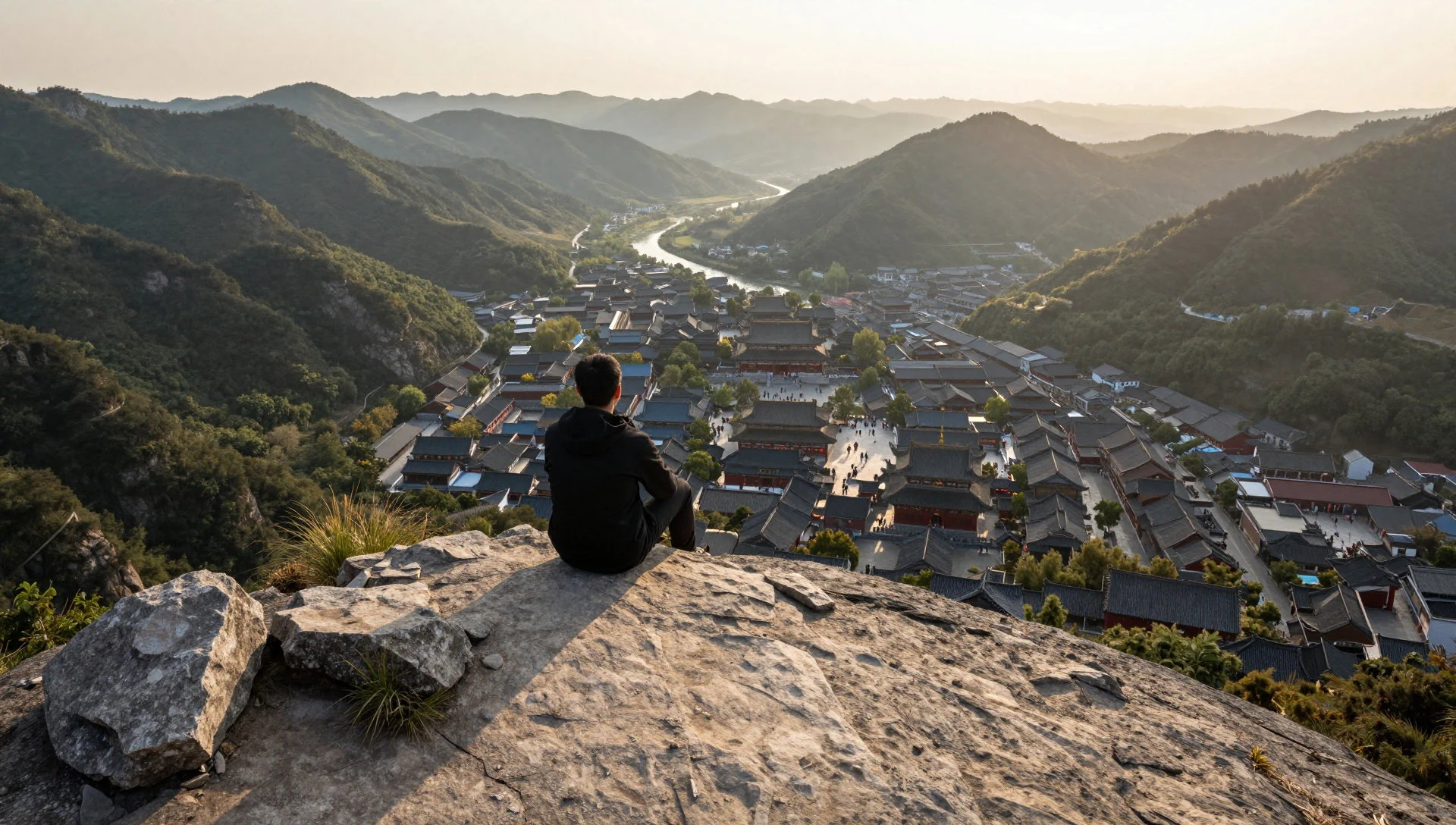
- Báiyún Temple — Táihuái temple area
Báiyún Temple is highlighted as a centre for Buddhist nuns, and it tends to feel more immersive than a quick “photo stop”. The sites described around here also work as a turning point in the typical flow of visiting, because some routes end at this area.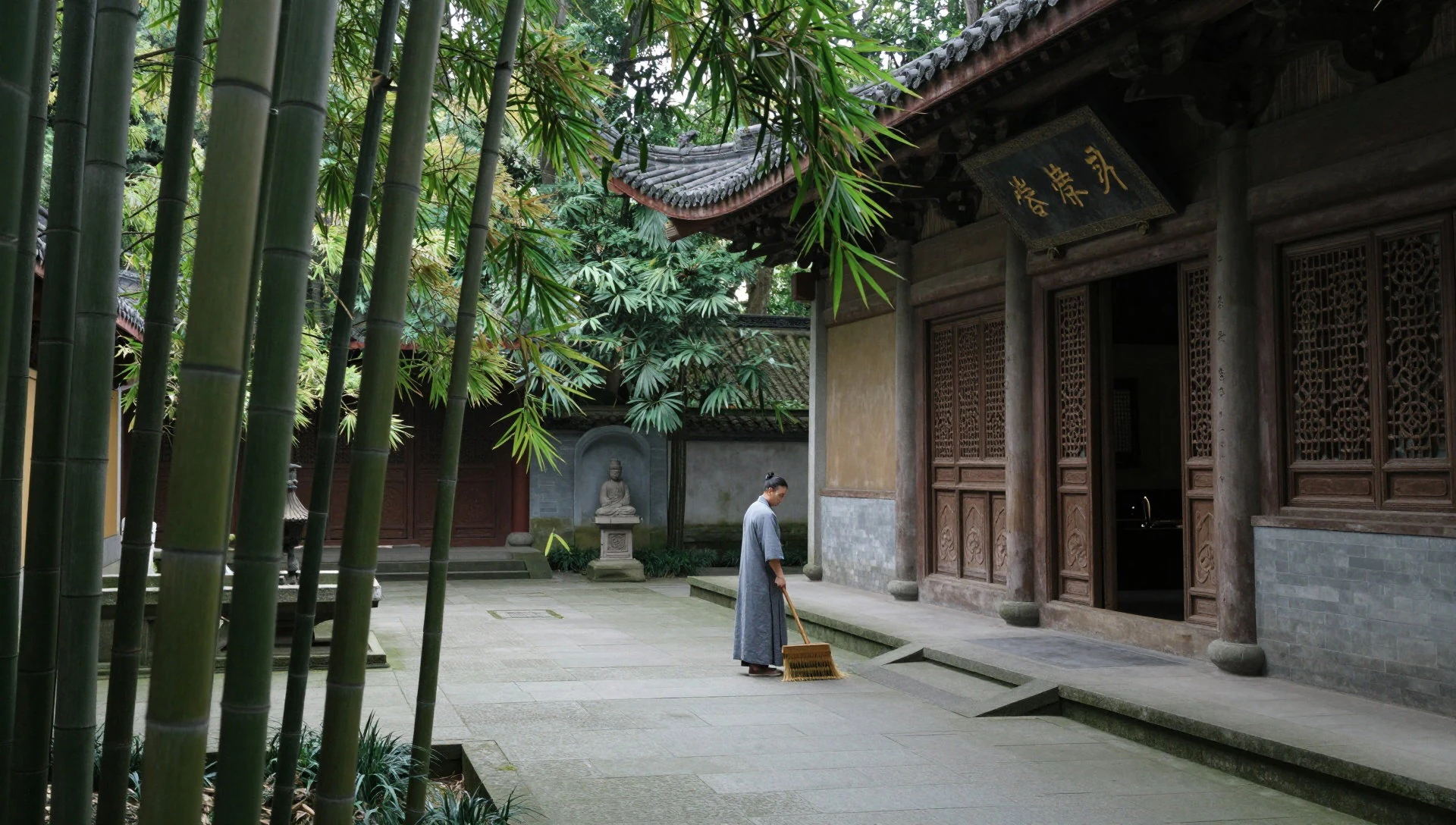
- Fómǔ Cave — Temple routes near Táihuái (towards the cave climb)
Fómǔ Cave involves climbing up steps from the end of the road, which can take nearly another hour on top of the journey to the trailhead. Expect the queue to be the wild card: waits can be short on weekdays but stretch dramatically at weekends.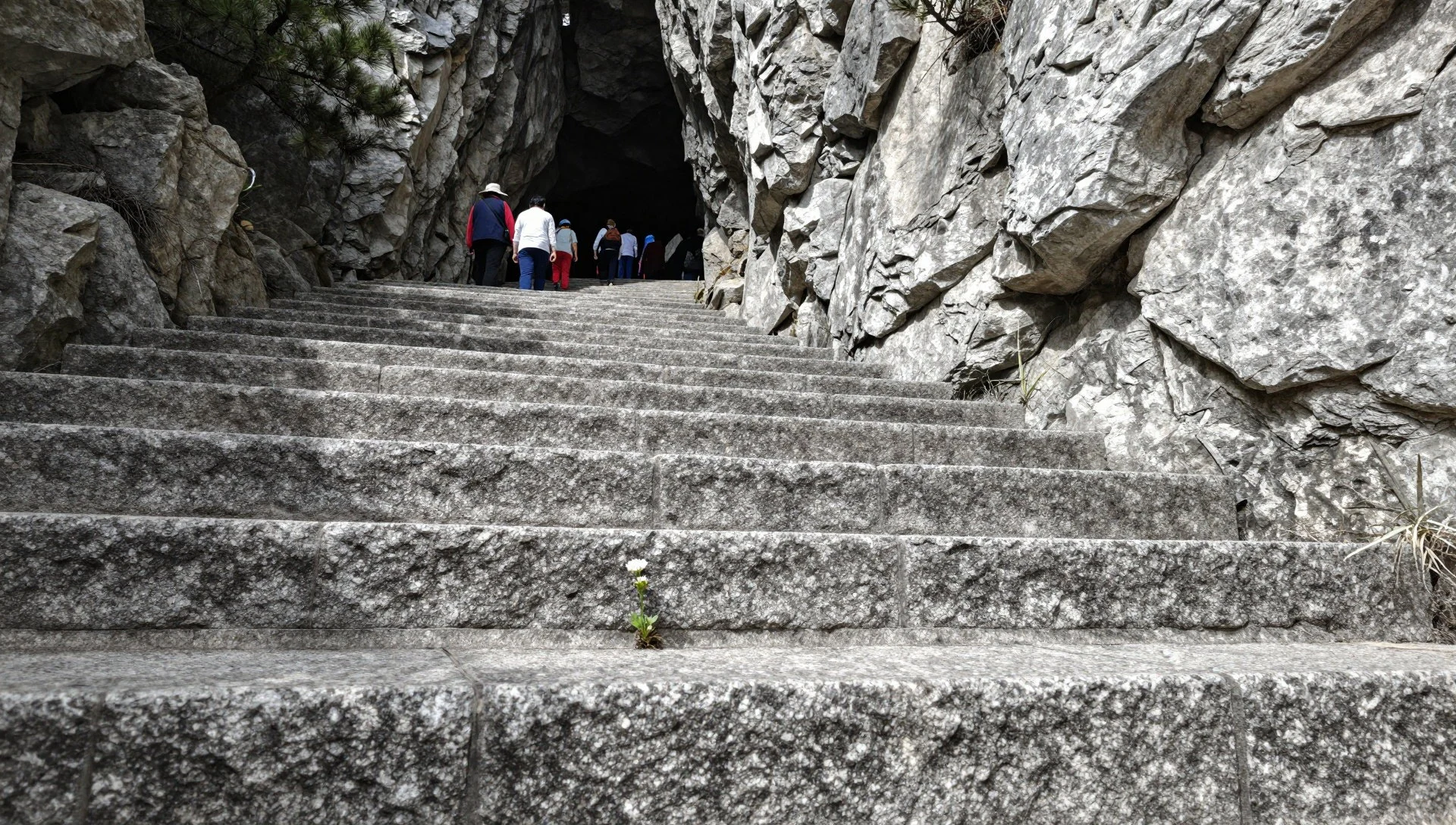
Culture
Mount Wutai’s culture is built around pilgrimage etiquette and signage. Some doors and thresholds use “no entry” or “no photography” signs, including “游客止步/闲人免进” for restricted areas and “禁止拍照/请勿拍摄” for camera limits. Even when there isn’t a sign, the respectful approach is to ask resident monks or the relevant staff before taking shots inside religious spaces.
Another cultural note is how people behave at the more spiritual stops and shops. The brief warns to beware of monks at shops offering to tell fortunes, and to be cautious around monks at a smaller temple below Zhenhai Temple—both are small “street-smart” reminders rather than blanket fears. The day-to-day mood is generally orderly, but it isn’t silent: expect conversations, footsteps on stone, and queue management as visitors wait for popular viewpoints and cave access.
A practical mindset helps: this is not a museum crawl. The “right” tone is calm and observant, following how locals enter and move through doors and courtyards.
Visitor etiquette: When stepping over a threshold plank into temple doors, enter and exit on the right using your right foot first, and respect any “no photos” signage.
What to wear
At Mount Wutai, clothing is mostly about temperature and modesty. The region is described as having cool weather, and the advice is to wear long trousers in the evening in summer. Winters are very cold from November to March, so layers matter more than fashion statements.
Traditional dress here is naturally Chinese, but the more useful thing to plan for is the encounter with sacred spaces. When people wear traditional styles, it’s typically as ceremonial clothing during festivals or in cultural performances, not as everyday uniform for most visitors. Monastic and pilgrim environments also encourage a quieter, more covered look—think long sleeves and trousers rather than bare legs.
What travellers actually wear day-to-day is practical: comfortable long trousers, a warm top for mornings and evenings, and a layer that handles temperature swings. For temple visits, avoid anything overly revealing; choose neutral colours if possible, and keep clothing understated.
Shoes are the real make-or-break item because the routes include stair climbs and uneven temple paths. Wear grippy footwear suitable for steep steps, and keep a light warm layer handy for the colder periods when the air can feel sharp near dawn and dusk.
What to eat
- Vegetarian-style temple food (素) — Around Táihuái town and within the monastery catering scene
Mount Wutai is known for abundant vegetarian food, so many small places and monastery-focused offerings revolve around plant-based meals. If going on a shrine circuit, it’s a reliable way to keep energy up between walks.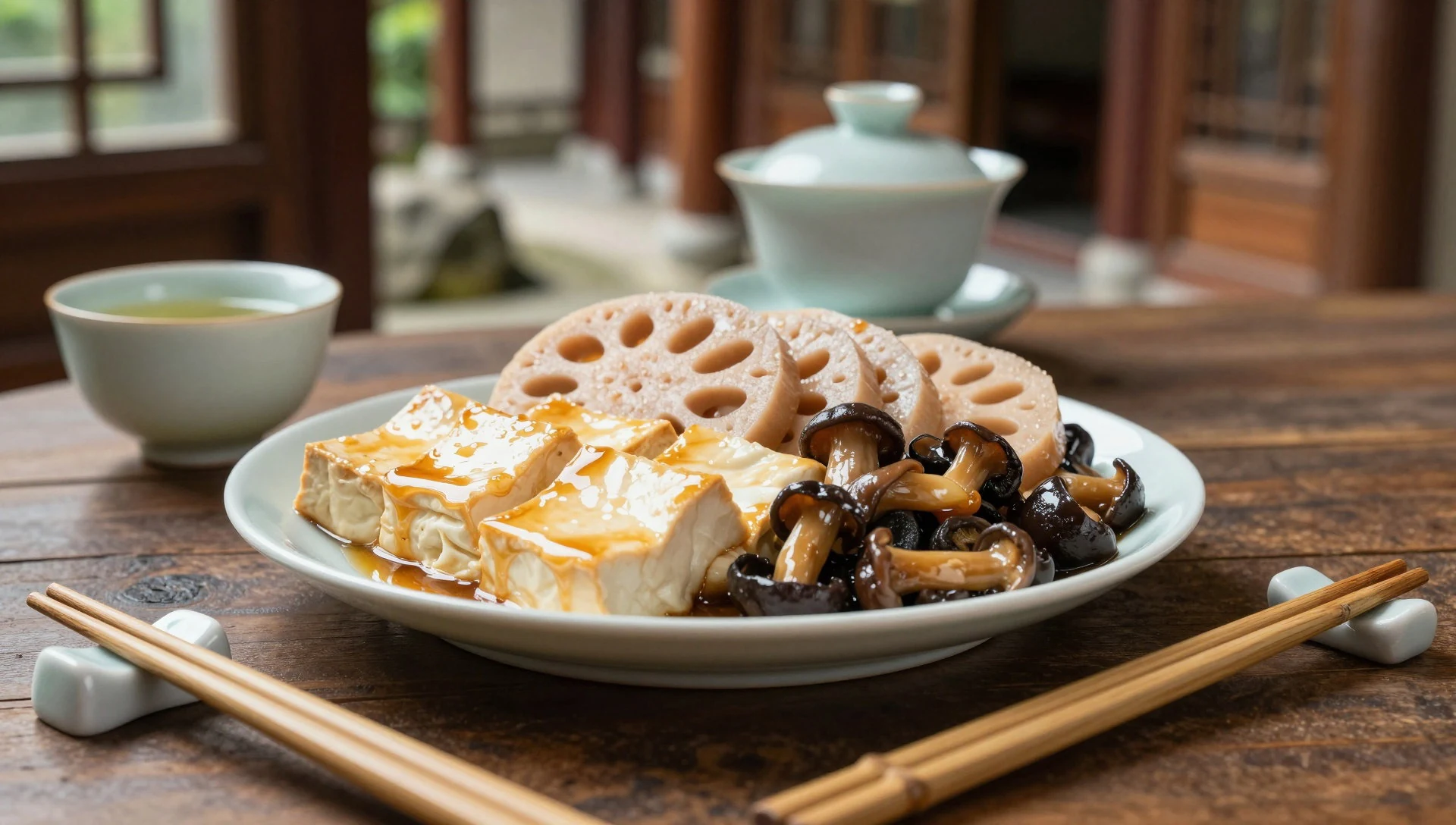
- 刀削面 (dāoxiāomiàn) — knife-cut noodles — Small restaurants around Táihuái
Knife-cut noodles are described as a Shanxi specialty, typically served with sauce and varying toppings. It’s a filling lunch option that sits well after morning temple walking, and it’s widely available in the small restaurants around the area.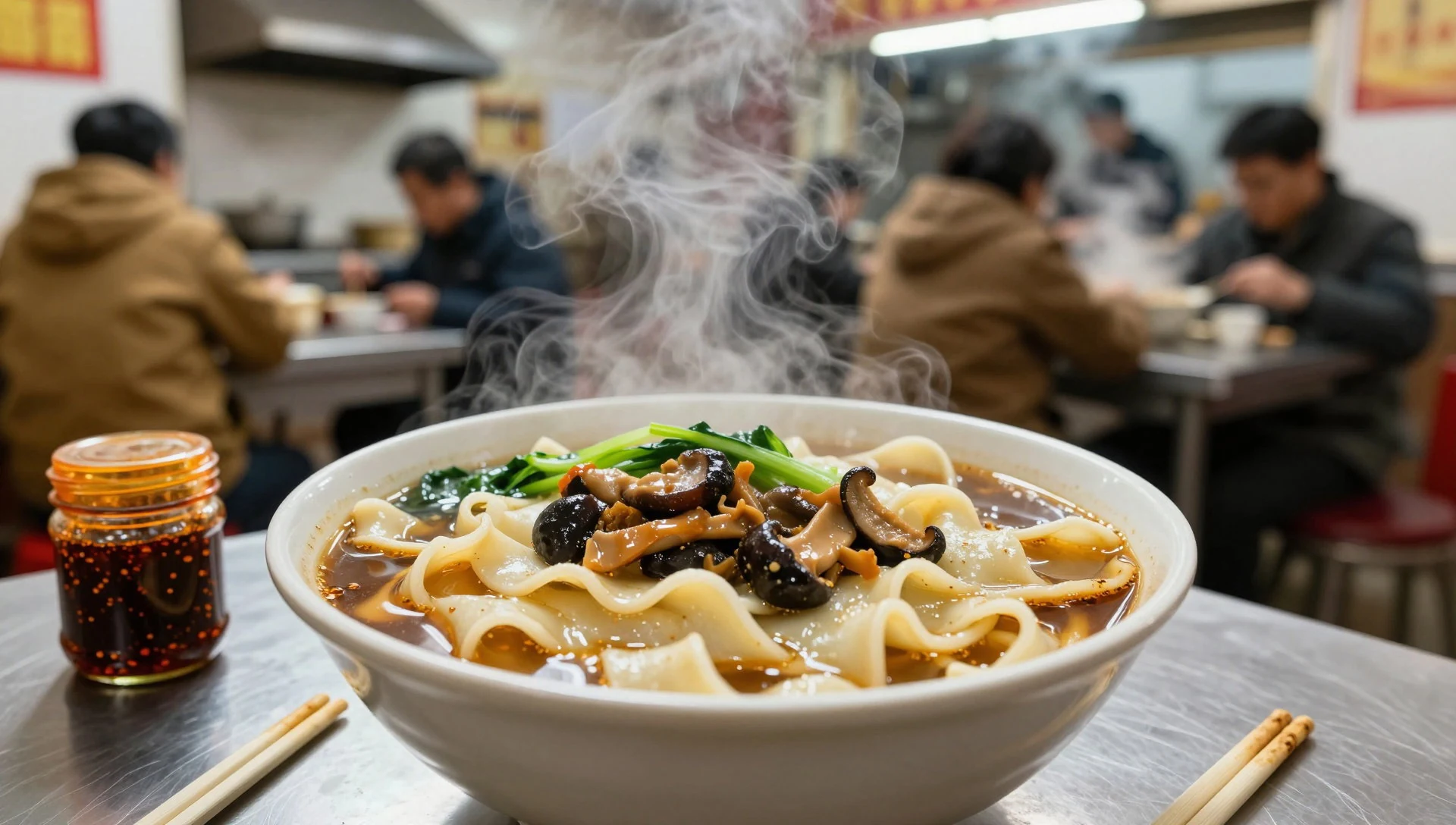
- 台蘑 (tái mó) — local mushroom — Look for it in stews and noodle sauce at local eateries around Táihuái
Tái mó is the local mushroom delicacy, often described as used in stews or turned into a sauce for noodles. The exact variety can be confusing, but the point is that it’s a signature ingredient visitors look out for. - 豆花 (dòuhuā) — tofu pudding — Street breakfast stalls near Táihuái
Dòuhuā, or tofu pudding, is described as a cheaper breakfast option on the street. It’s smooth, filling without weighing you down, and works well before stepping into temple routes. - 油条 (yóutiáo) — fried dough sticks — Street breakfast areas around Táihuái
Yóutiáo, fried dough sticks, is another described street breakfast option. It pairs well with simple breakfasts and is easy to grab before starting the day on the monastery circuit.
Plan it
Best time. March–April for blossom, late October–November for maple colour; June is the rainy season and August is hot and humid.
How long. 3–4
Getting there. Taiyuan and Datong are the nearest airports, and Mount Wutai can be reached by bus from these cities in about 4–5 hours; trains may stop at Shahe Town (Wǔtái Shān Station), followed by about a one hour taxi or minibus ride to Wutaishan.
Budget. mid
Tips
- Use Táihuái as the base so mornings start close to the temple circuit
- Plan Fómǔ Cave as the flexible block because weekend queues can be long
- Start temple walks earlier to avoid the busiest queue windows
- Bring water and warm layers; temperatures drop noticeably later in the day
Etiquette
- Follow signage like “no entry to tourists” and “no photos” inside restricted temple areas
- When stepping over door planks at temple thresholds, enter and exit on the right using your right foot first
- If there are no “no photos” signs, ask resident monks or staff before filming inside
Nearby
Sources
- Wikidata Q120314 (CC0)
- Wikipedia (rev 1369587160) — Mount Wutai (CC BY-SA 4.0)
- Wikivoyage (rev 5314166) — Wutaishan National Park (CC BY-SA 4.0)
- Photo photos/01-wutai-2009-431.jpg (CC BY-SA 4.0)
- Photo photos/02-mount-wutai.jpg (CC BY 3.0)
- Photo photos/03-xiantong-temple2.jpg (CC BY-SA 2.5)
- Photo photos/04-.jpg (Public domain)
- Photo photos/05-dailuoding-temple5.jpg (CC BY-SA 2.5)
- Photo photos/06-lingfeng-temple-pagoda4.jpg (CC BY 3.0)
- Photo photos/07-great-white-pagoda2.jpg (CC BY-SA 1.0)
- Photo photos/08-zunsheng-temple-11.jpg (CC BY-SA 2.0)


