Mount Olympus
Mount Olympus, Greece
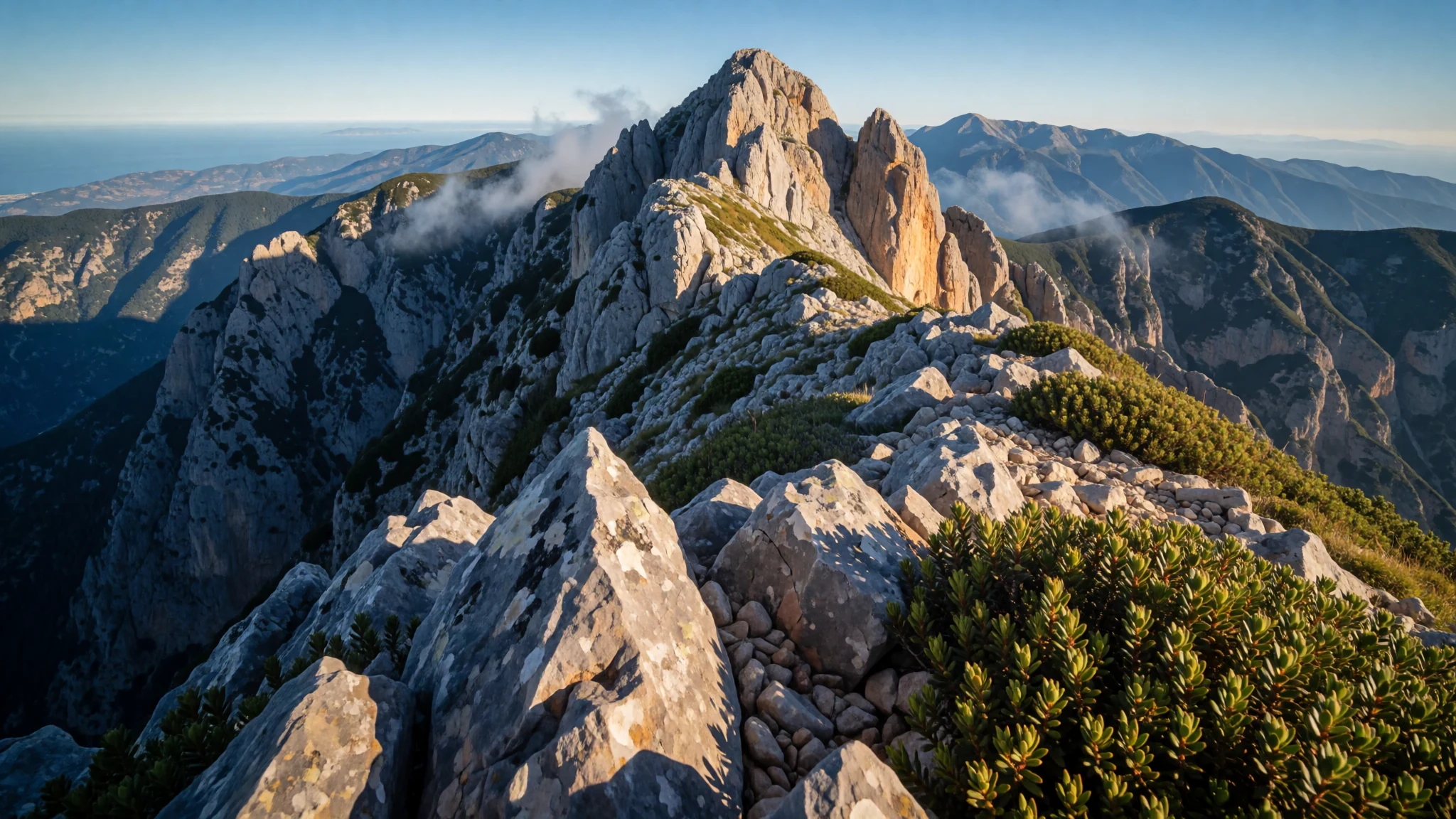
Climb the legendary mythological home of the Greek gods, featuring dramatic limestone peaks, rich biodiversity and exceptional alpine hiking trails.
The place
Mount Olympus is an extensive and dramatic massif situated near the Thermaic Gulf of the Aegean Sea in Greece. Straddling the border between Thessaly and Macedonia, the mountain sits between the regional units of Larissa and Pieria, roughly southwest from Thessaloniki. The topography is defined by dozens of jagged peaks and deep, carved gorges that create an isolated tower rising abruptly from the coastal lowlands. The highest point is the rocky pinnacle known as Mytikas, which stands as the highest point in the entire country and among the most prominent elevations in Europe.
As the first designated national park in Greece, Mount Olympus protects an extraordinary concentration of biodiversity, rare flora, and ancient forests. Visitors approach the park primarily through the foothills town of Litochoro, which serves as the main base for mountaineers and day walkers setting off toward the high country. Weather systems moving in from the sea collide with the rugged limestone walls, producing sudden mists, heavy alpine snows that linger for much of the year, and an ecosystem that transitions rapidly from Mediterranean scrub to windswept rock. The mountain's dramatic vertical relief, combined with its profound cultural legacy, draws hikers, botanists, and travellers from across the globe to test themselves on its legendary paths.
Its story
In ancient times, Mount Olympus served as a natural border separating Thessaly from Macedon, placing its slopes at the centre of historical events during the rise of Macedon and subsequent classical conflicts. Centuries later, during the period of Ottoman rule, the deep ravines and dense forests of the mountain provided an ideal sanctuary and base of operations for rebellious klephts and armatoloi who resisted imperial control. These mountain fighters established independent armatolika and fought continuous skirmishes on land and sea, persisting even after shifting regional alliances and conflicts. Following liberation, the region continued to see turbulent chapters, including significant resistance actions during the twentieth-century conflicts involving Greek, New Zealand, and Australian forces. Beyond its geopolitical history, Mount Olympus has cast a long shadow over human imagination as the mythical seat of the twelve Olympian deities, where ancient poets and travellers believed the gods gathered in marble halls above the clouds to rule over mortal affairs.
What to see
- Mytikas Peak — High alpine zone
Reaching the highest rocky pinnacle of Mount Olympus requires a steep scramble across exposed limestone from the neighbouring ridge of Skala. The final climb demands a good head for heights and careful footing, rewarding successful hikers with panoramic views across the Greek mainland and the distant sea.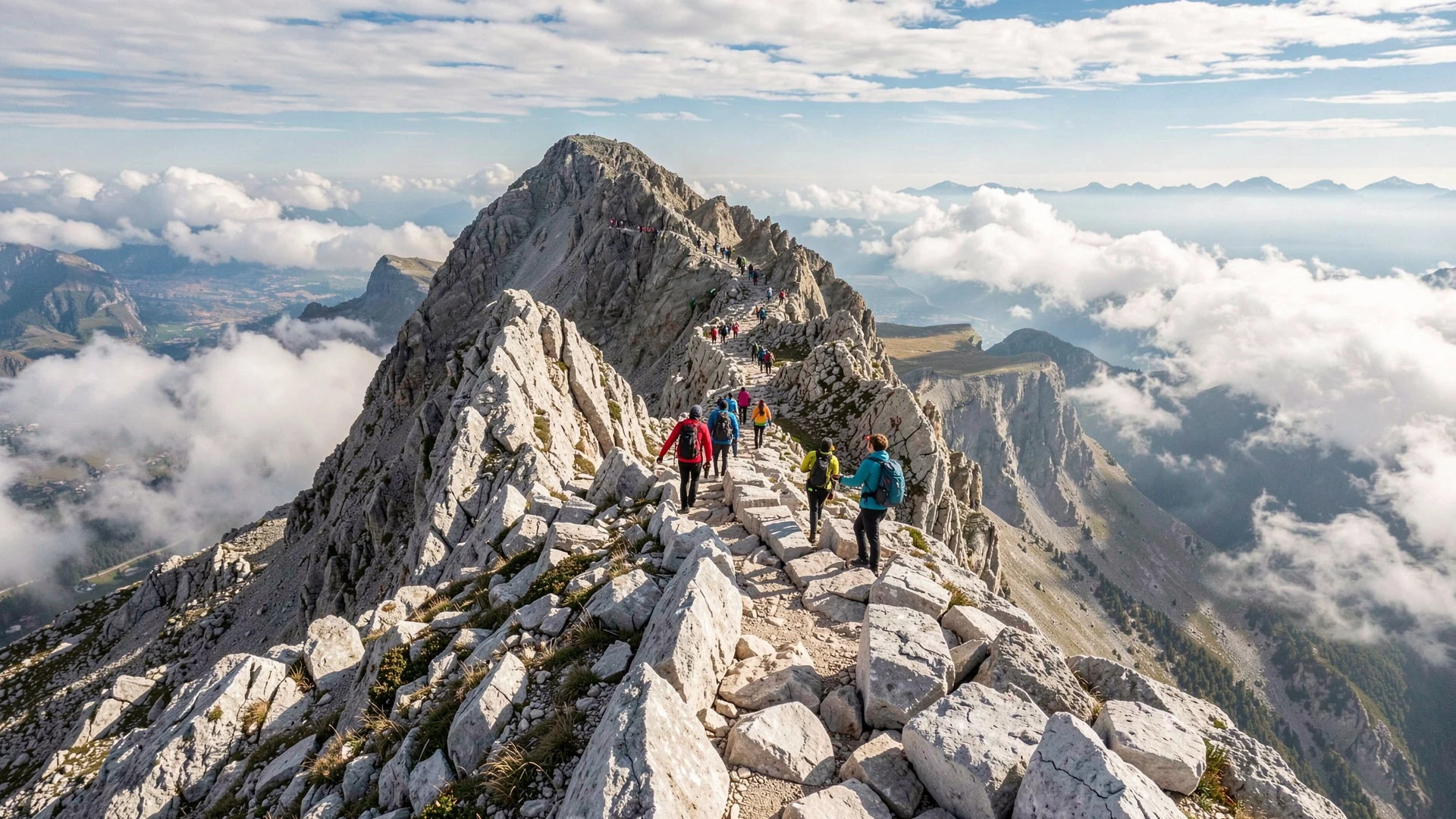
- Agios Dionysios Monastery — Enipeas gorge
Tucked away inside the dramatic Enipeas river gorge, this historic monastic site offers a peaceful woodland halt amid rushing waters and towering beech trees. The atmospheric ruins and adjacent restored buildings provide a wonderful glimpse into the spiritual heritage intertwined with the mountain's rugged natural landscape.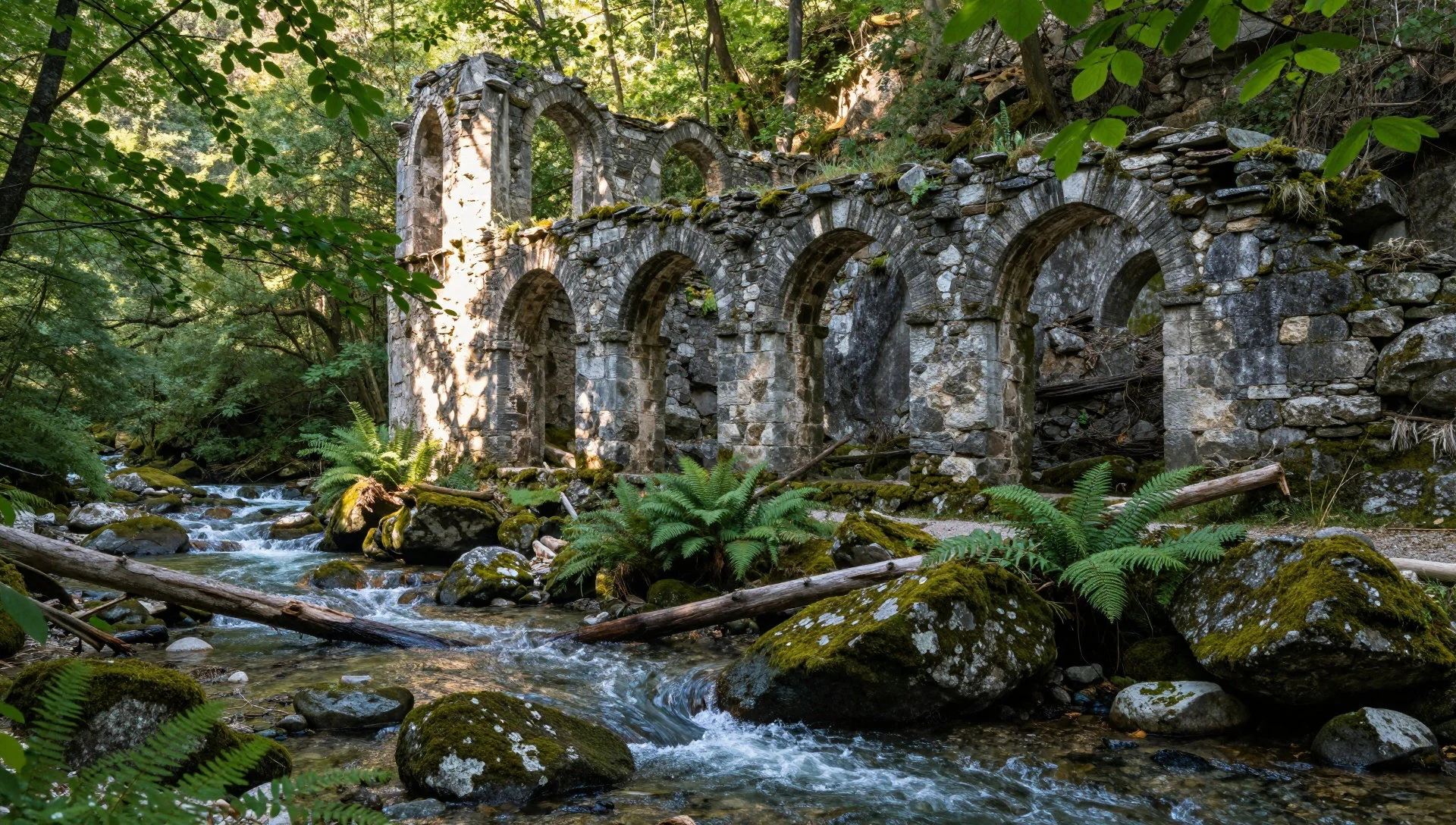
- Ourlias Waterfalls — Eastern foothills
Cascading down the eastern slopes of Mount Olympus, these rushing waterfalls form cool rock pools surrounded by lush forest greenery. It is a refreshing stop along the lower footpaths, perfect for taking a quiet break and listening to the rushing mountain streams before heading higher.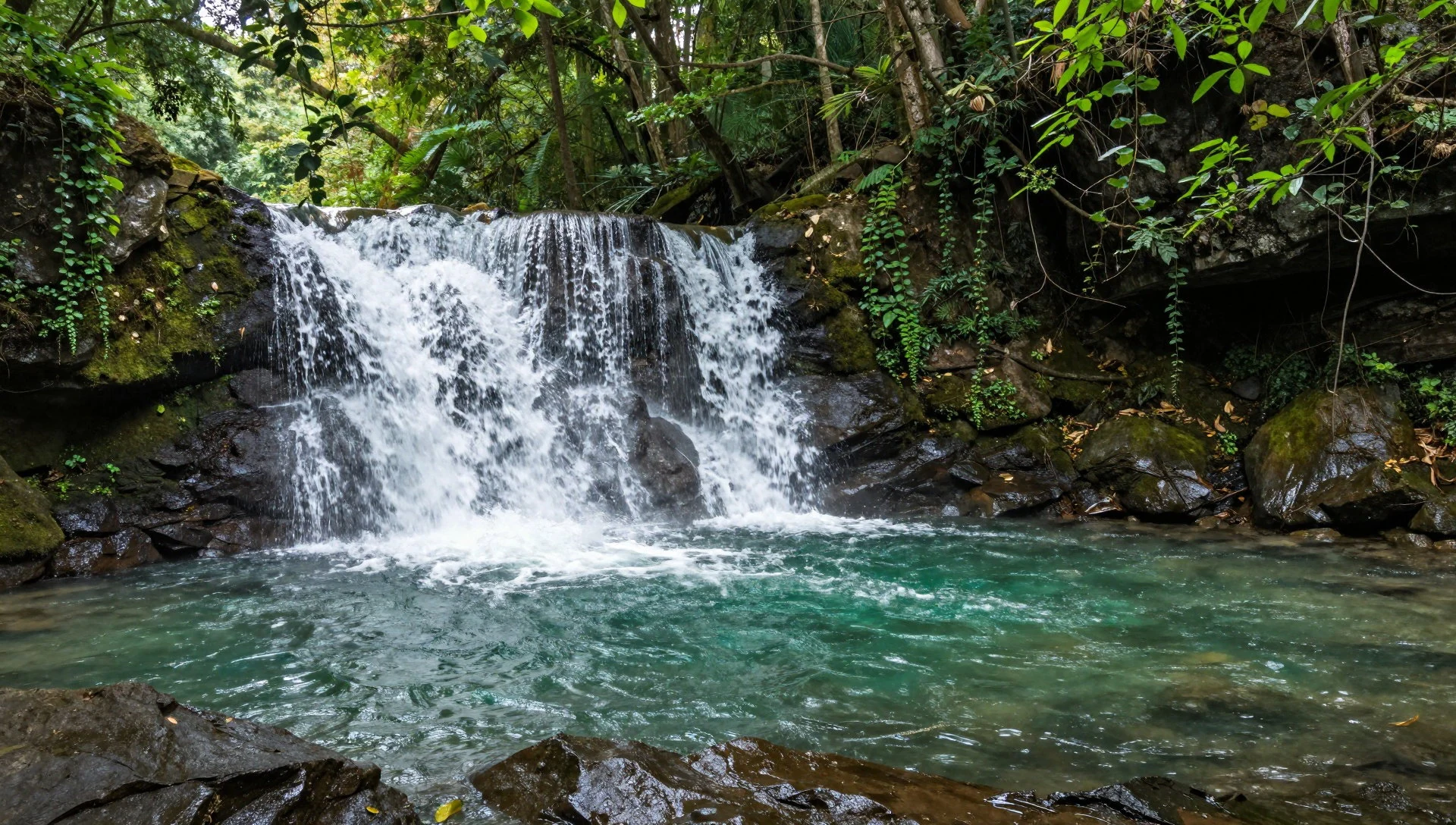
- Olympos National Park Information Centre — Litochoro
Located conveniently in the foothill town of Litochoro, this visitor hub serves as the essential first stop for anyone planning a trek. Helpful staff provide up-to-date trail maps, safety advice on sudden weather shifts, and detailed exhibits explaining the unique geology and endemic flora of the park.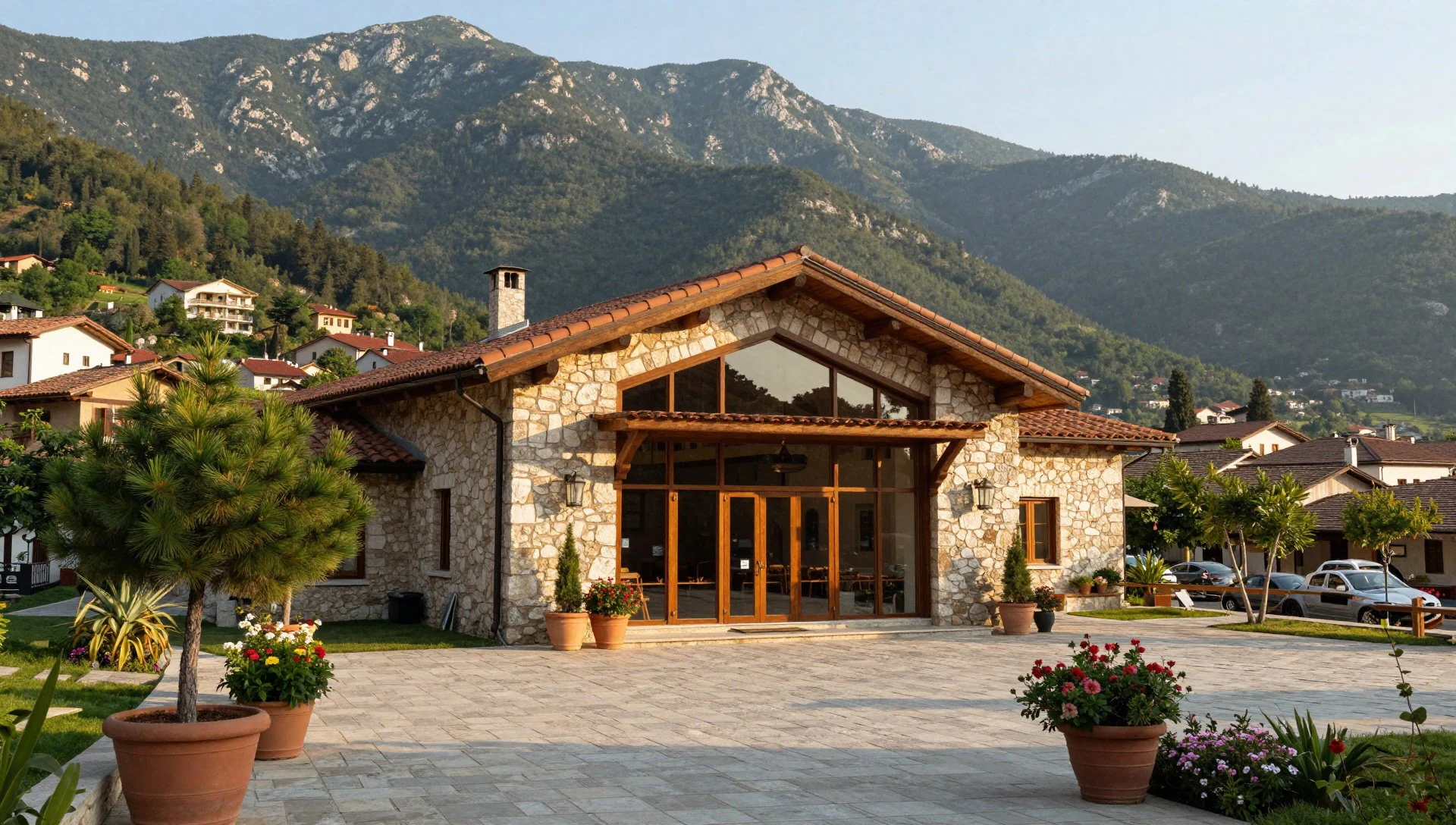
- Refuge Giosos Apostolidis — High plateau
Perched high on the windy plateau high above the tree line, this stone refuge offers warm shelter, basic meals, and beds for weary mountaineers tackling the upper summits. Staying overnight here allows visitors to catch unforgettable alpine sunrises over the Aegean Sea before the morning mists roll in.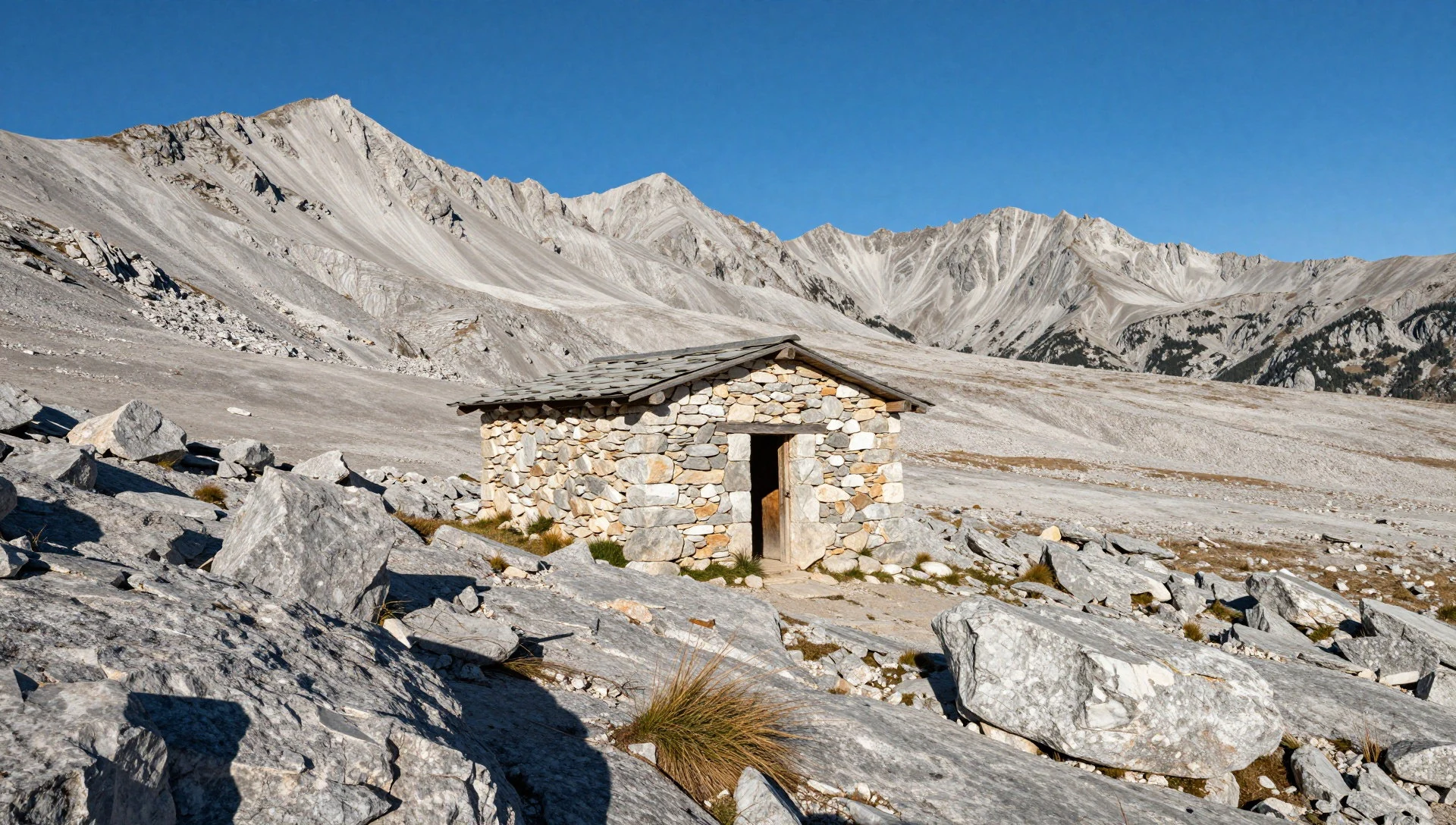
Culture
Mount Olympus is woven deeply into the cultural fabric of Greece, bridging ancient pagan mythology with modern national identity. For generations, local communities living in the surrounding villages have maintained traditional ties to the forest, working as shepherds, foresters, and mountain guides who know every hidden spring and ridge path. The region celebrates its heritage through local festivals, traditional acoustic folk music, and seasonal gatherings that mark the agricultural and pastoral cycles of the northern foothills. Visitors will find that hospitality in the mountain taverns and refuges is warm, direct, and rooted in a deep pride for their legendary landscape. When visiting historic monasteries or churches nestled on the lower slopes, ensure you dress respectfully with covered shoulders and knees before stepping inside.
What to wear
Traditional attire around Mount Olympus historically reflected the practical needs of mountain life and pastoral work, featuring sturdy woollen garments, woven capes, and leather tsarouchia shoes designed for rocky terrain and cold winters. Today, locals in towns like Litochoro wear standard contemporary European casual clothing, while working shepherds and rural villagers still favour durable utility trousers and woollen layers suited to outdoor labour. For travellers heading onto Mount Olympus, technical outdoor wear is essential regardless of the season. Bring sturdy, broken-in hiking boots with good ankle support, windproof and waterproof outer layers, moisture-wicking base garments, and a warm fleece or down jacket because high-altitude temperatures can plummet rapidly even after a hot sunny afternoon in the valley.
What to eat
- Olympus Feta and Local Cheese — Traditional village taverns in Litochoro
Produced from the milk of sheep and goats grazing on the high mountain pastures, local feta and hard cheeses boast a rich, savoury tang. Enjoy them at any traditional family tavern in Litochoro, often served simply with fresh bread and olive oil.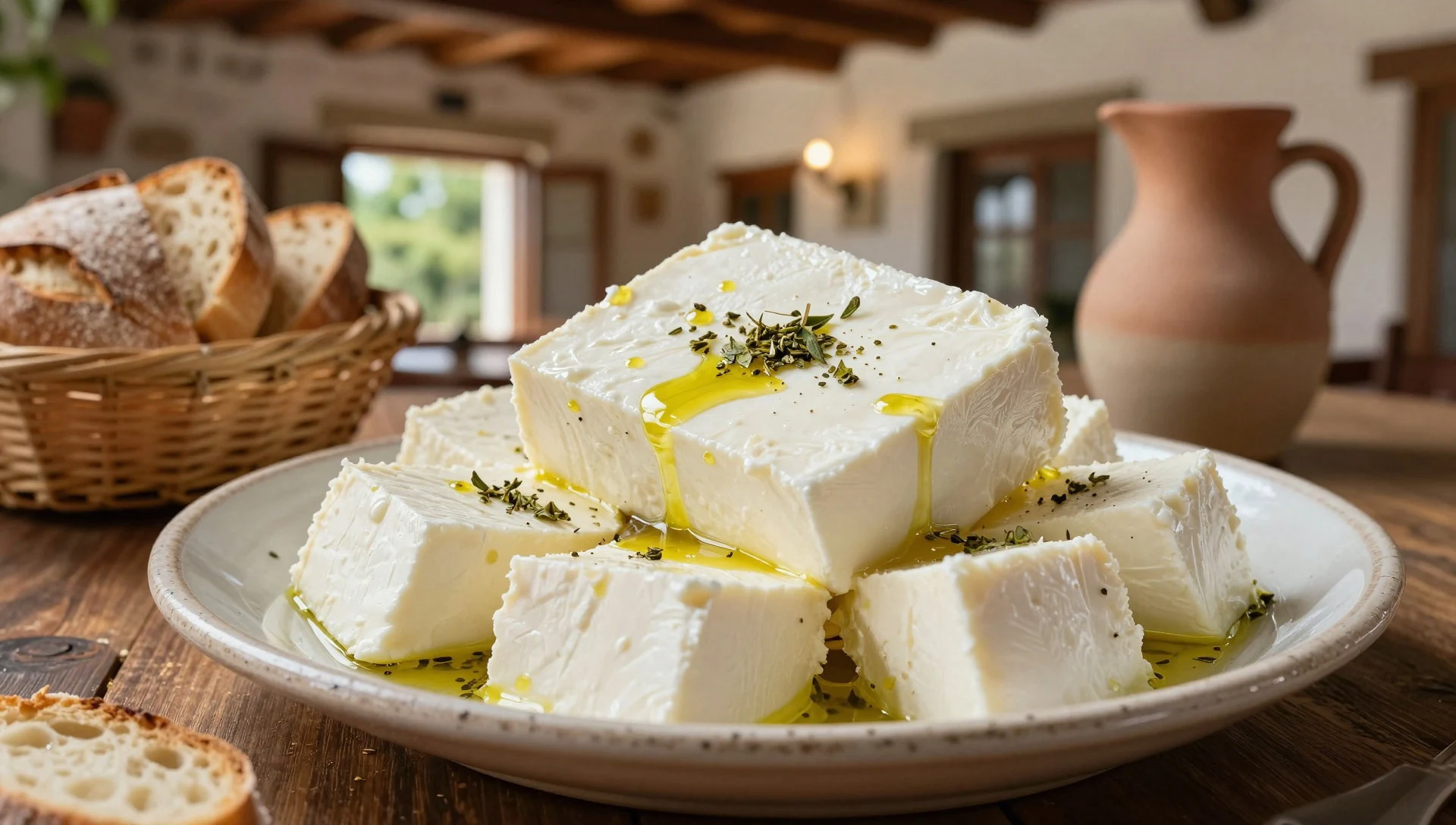
- Wild Greens Pie (Hortopita) — Local bakeries in Litochoro
A traditional northern Greek pie made with hand-rolled crispy phyllo pastry stuffed with wild mountain greens, leeks, and mountain herbs. You can find hearty slices at local bakeries in the foothills before setting off on the trail.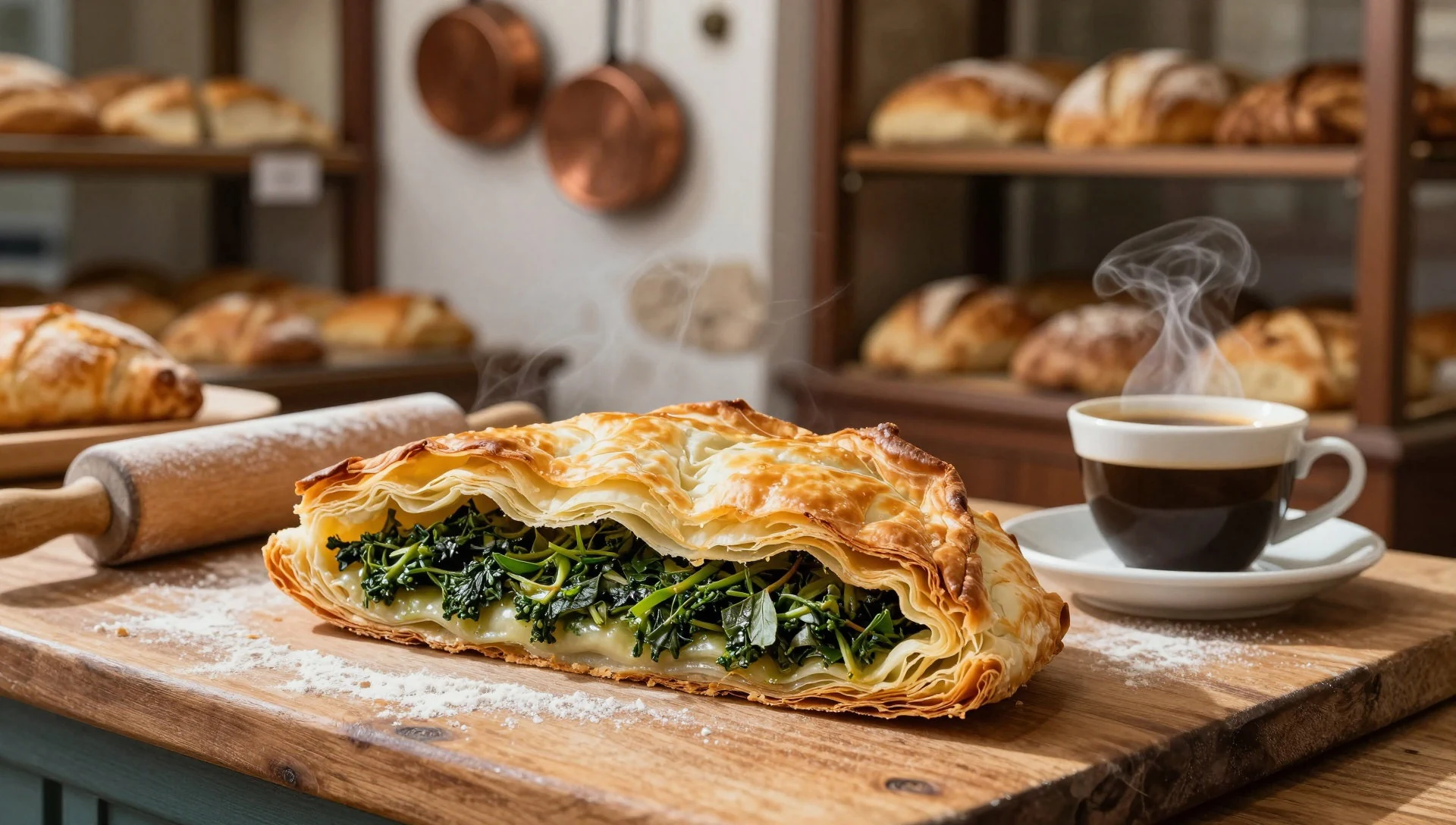
- Katsikaki (Local Goat) — Mountain taverns around the foothills
Free-grazing mountain goat roasted slowly with garlic, oregano, and lemon juice until tender and flavourful. It is a classic hearty dish served in rural taverns surrounding the massif after a long day of walking. - Stifado — Village eateries around the massif
A rich, warming stew of slow-cooked meat simmered with small pearl onions, red wine, tomatoes, cinnamon, and aromatic cloves. It is a comforting meal found in local eateries across the regional villages during cooler weather. - Greek Mountain Tea (Tsipourou / Malotira) — Mountain refuges and village cafés
An herbal infusion brewed from dried ironwort flowers harvested directly from the rocky slopes of Olympus. Sip a hot cup sweetened with local honey at a mountain refuge or village café after returning from a high-altitude hike.
Plan it
Best time. June to September is best for high-altitude hiking when snow on the upper peaks has largely melted, though sudden storms can occur at any time.
How long. 2–3
Getting there. Fly into Thessaloniki international airport, then take an intercity bus or train to Katerini or Litochoro station, followed by a short local connection to the town.
Budget. mid
Tips
- Start your hikes very early in the morning to avoid afternoon cloud cover and thunderstorms on the upper ridges.
- Book overnight stays at the mountain refuges well in advance during peak summer months.
- Carry sufficient cash, as card machines are unreliable or unavailable at high-altitude refuges.
- Pack layers for all weather conditions, as temperatures drop sharply with elevation gain.
- Bring a sturdy water bottle and fill up at verified springs along the lower trails before heading above the tree line.
Etiquette
- Carry all your rubbish back down with you to help protect the fragile biosphere reserve.
- Dress respectfully with covered shoulders and knees when visiting monasteries on the lower slopes.
Nearby
Sources
- Wikidata Q80344 (CC0)
- Wikipedia (CC-BY-SA 4.0)
- Wikivoyage (CC-BY-SA 4.0)