Mount Etna
Mount Etna, Italy
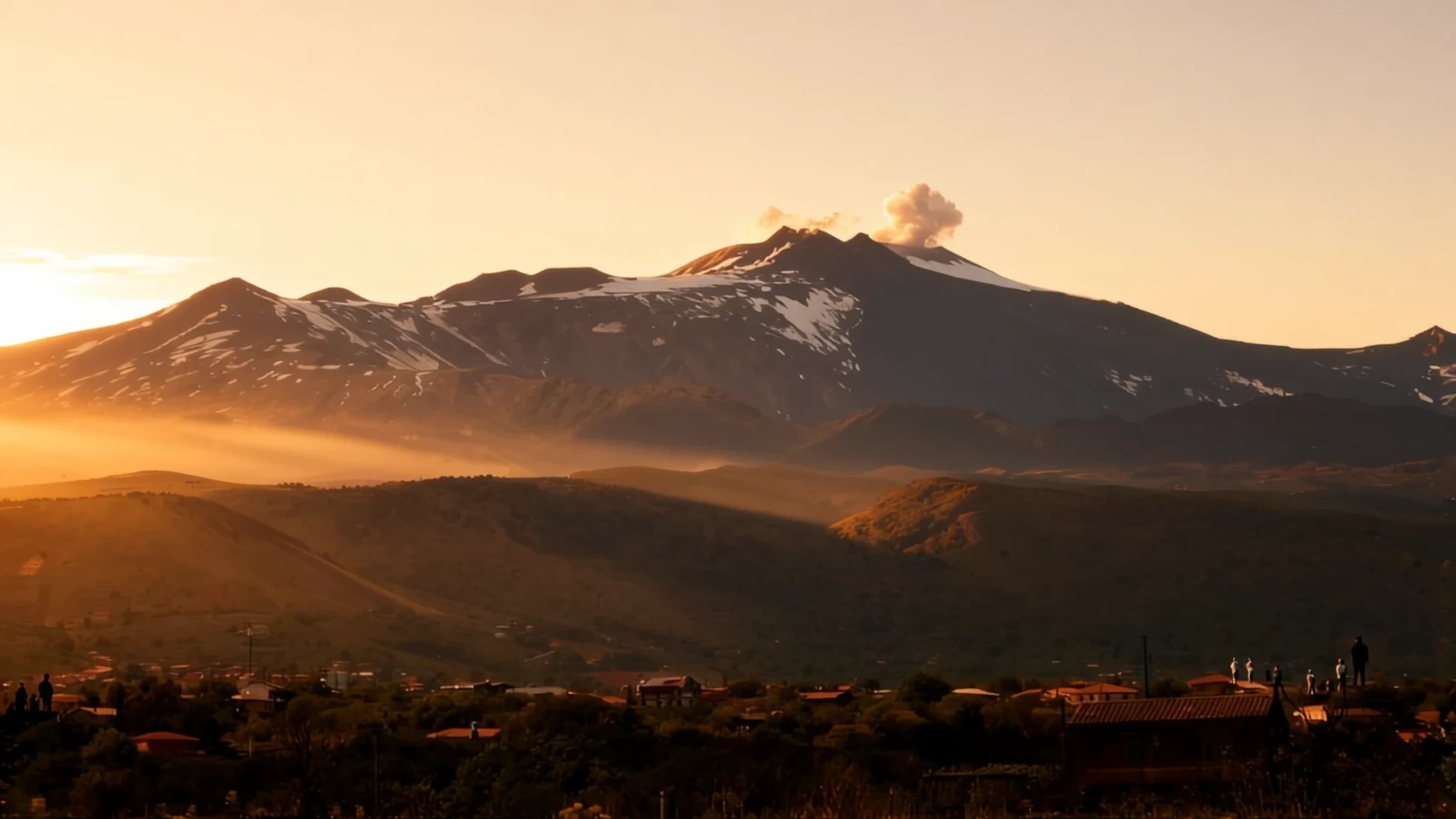
Etna is one of the most active volcanoes in the world, and you can walk, ski or drive up its flanks from the Sicilian coast in a single day.
The place
Mount Etna is a volcano that remains active and builds up in layers, located on Sicily's eastern seaboard. It rises within the Metropolitan City of Catania, lying between the cities of Messina and Catania. Its summit stands at 3,357 metres (11,014 ft) by the figure we hold, and the peak height shifts with summit eruptions, so the number can change from one year to the next. The mountain sits above a convergent plate boundary where the African and Eurasian plates meet, which helps explain why it keeps rebuilding itself.
Etna is among the most active volcanoes on the planet and is almost never fully quiet. Its volcanic soils are unusually fertile, so vineyards and orchards climb the lower slopes and spread across the Plain of Catania to the south. Villages sit close to the mountain, and the United Nations has designated it a Decade Volcano because of its recent activity and the people living nearby.
The landscape changes quickly with altitude. Near the coast there are citrus groves, olive trees and stone-built towns. Higher up, the vegetation thins into black lava fields, pumice tracks and scrubby broom. In winter the upper slopes hold snow, and two small ski areas operate on the flanks at modest altitudes. Cloud can roll in quickly, so the view from the top is never guaranteed.
Its story
Etna's eruptions come in two broad kinds. Most happen at the summit, where a cluster of craters, including the Northeast Crater, the Voragine, the Bocca Nuova and the twin craters of the Southeast Complex, keeps building and rebuilding its cones. Summit outbursts can be dramatic, with fountains of lava and ash, but they seldom threaten the towns below. Flank eruptions are different. They break out on the sides of the mountain through hundreds of vents, and some open only a few hundred metres above sea level, close enough to reach inhabited ground.
Those flank vents have shaped daily life. Many villages and small towns stand on or against the cones of past eruptions, and the ground beneath them is young in geological terms. Over the last four centuries there have been dozens of flank eruptions and countless summit ones, and much of the recorded activity comes from recent decades. Observation has improved over time, so the record for recent centuries is far clearer than for earlier periods.
The mountain itself is geologically young. Volcanic activity began beneath the sea off the old coastline of Sicily, hundreds of thousands of years ago. Over time the centre of activity shifted, first to the southwest of the present summit and then towards the current cone. Each stage built on the last, and the layered lava flows visible on the lower slopes record that long sequence of growth.
What to see
- The summit craters — Summit area, reached from Rifugio Sapienza
The summit craters are the active heart of the mountain. Most visitors reach them by cable car and then a 4WD bus up a pumice track to the viewpoint at Torre del Filosofo. The ground is black where vegetation has not yet returned after recent eruptions, white when late snow lies on it, and grey when cloud closes in. Access depends on current activity, so check conditions before you go.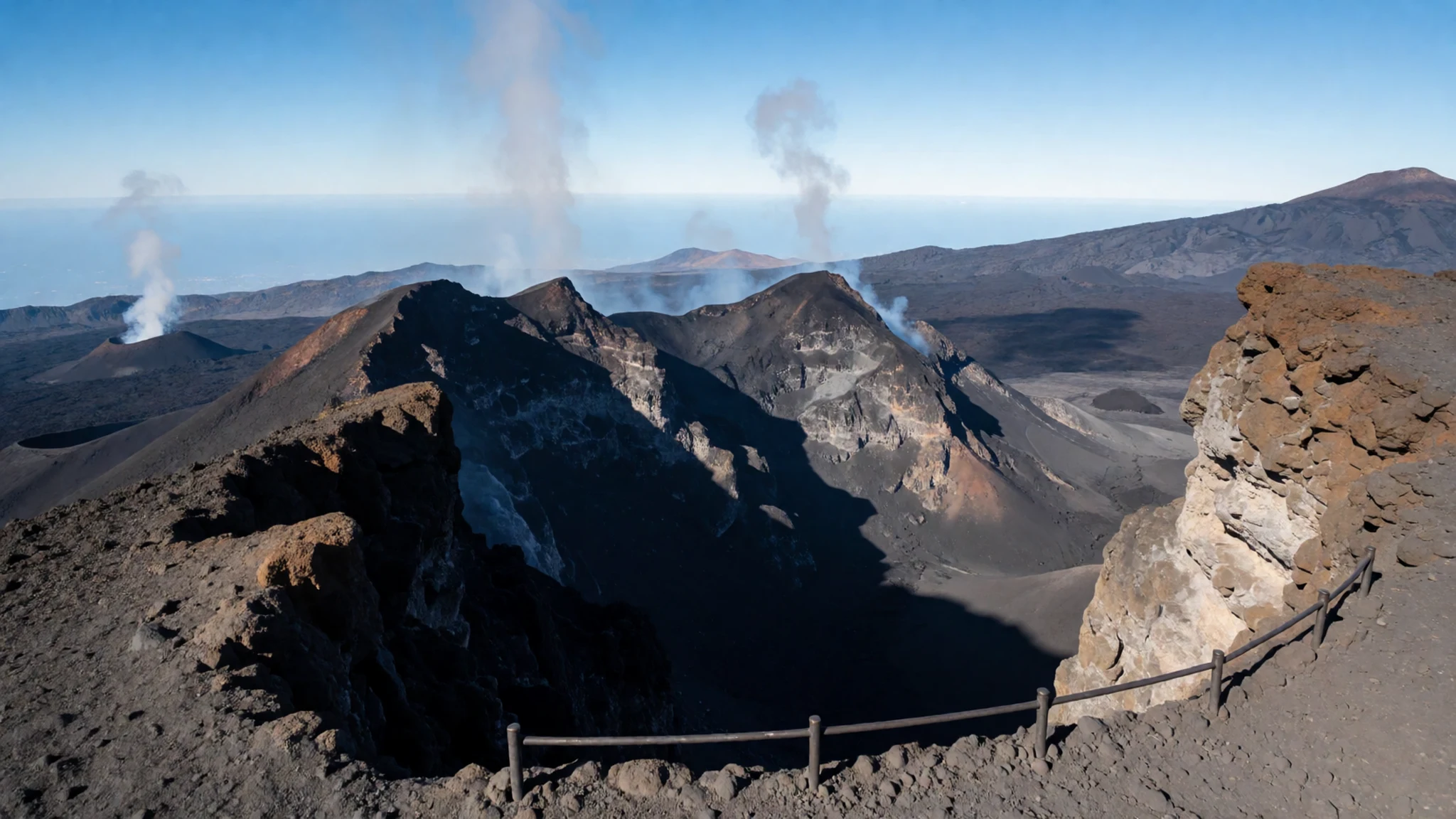
- Piano Provenzana and the north slopes — Etna North, reached by the road from Linguaglossa
The northern flank is quieter and greener than the south. Piano Provenzana is a broad plateau with a few cafes, a kiosk and a small ski area. Lava fields stretch across the slopes, and on clear days the coast and the sea come into view below. It works well for a slower day of walking and a long lunch, without the crowds of the southern approach.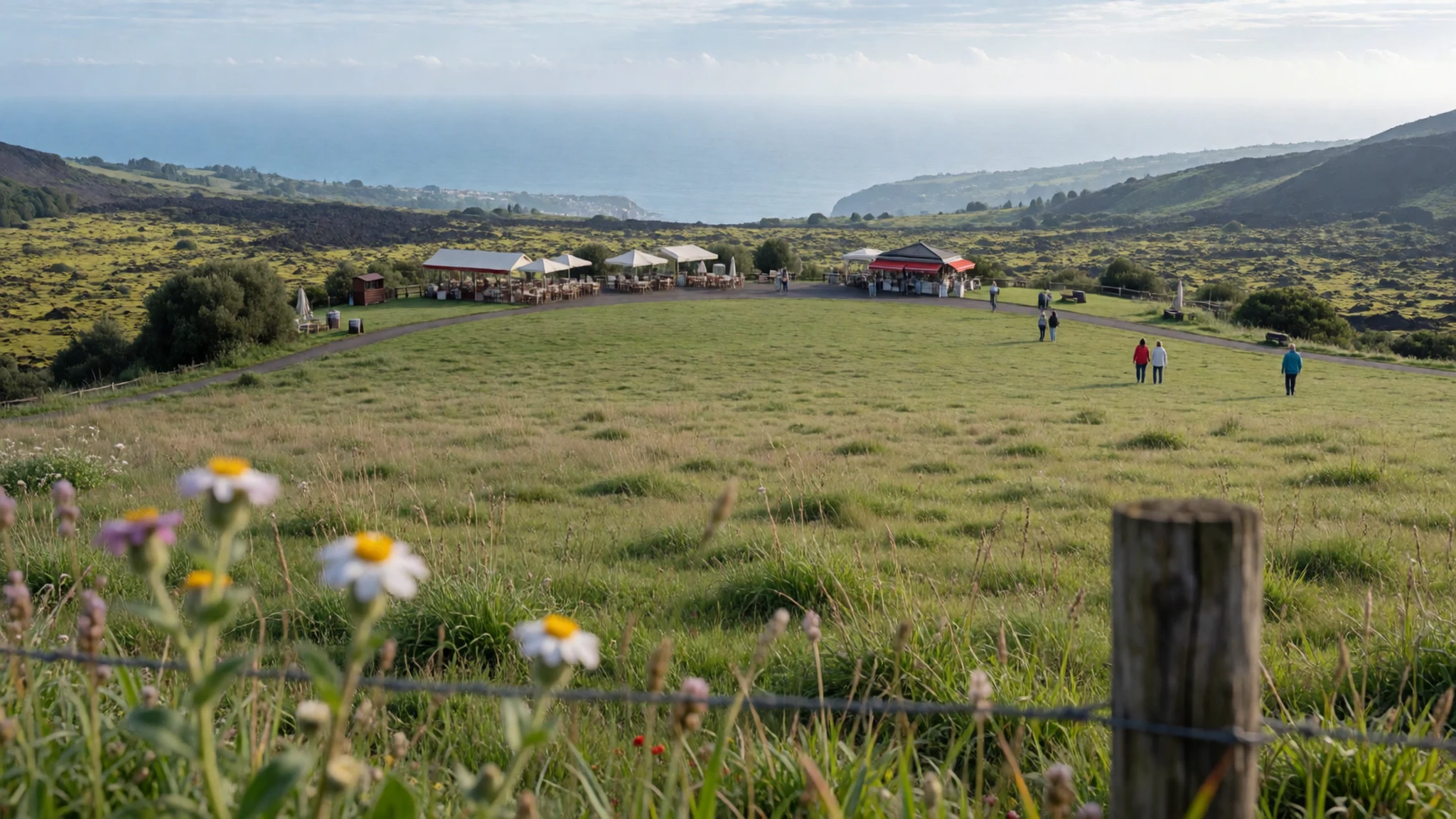
- Etna South ski area — Above Rifugio Sapienza, on the southern flank
Etna South is a short ski area with one gondola, one chairlift and a few towbars. It offers about 6.3 km of piste on the southern side, served from the Sapienza cable car. The season is short because the altitudes are low by Alpine standards, so it suits a lively day on snow rather than a long ski holiday. Check the season dates before planning.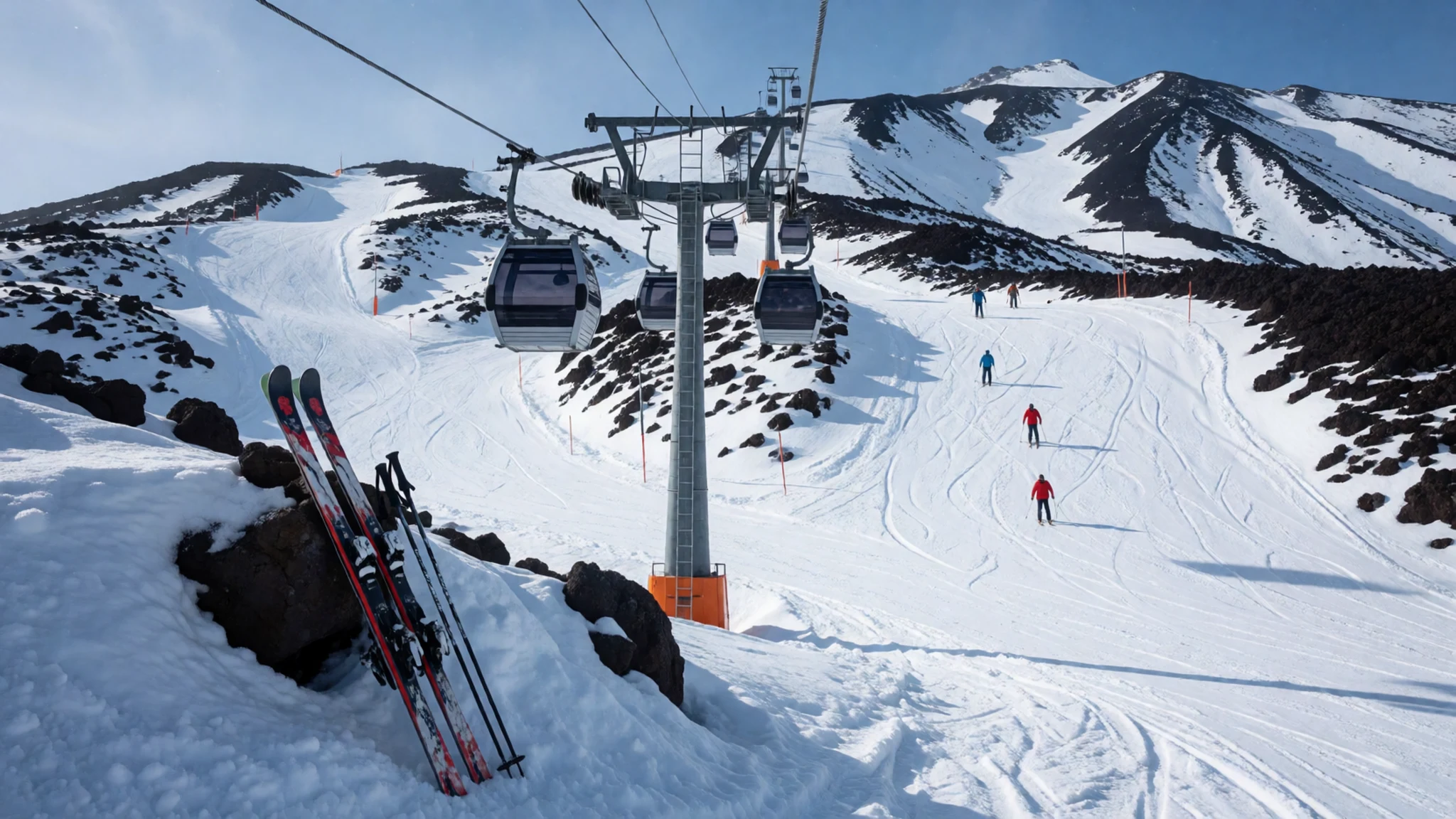
- Guided walks with licensed mountain guides — Northern and southern flanks, from local guide groups
Licensed guide groups on both flanks lead walks, climbs and summit excursions. Their guides know how the lava fields, craters and weather shift from season to season, and they can adjust routes when activity changes. Tours range from gentle walks among old lava flows to full summit ascents. Booking a guide is the safest way to reach the higher ground.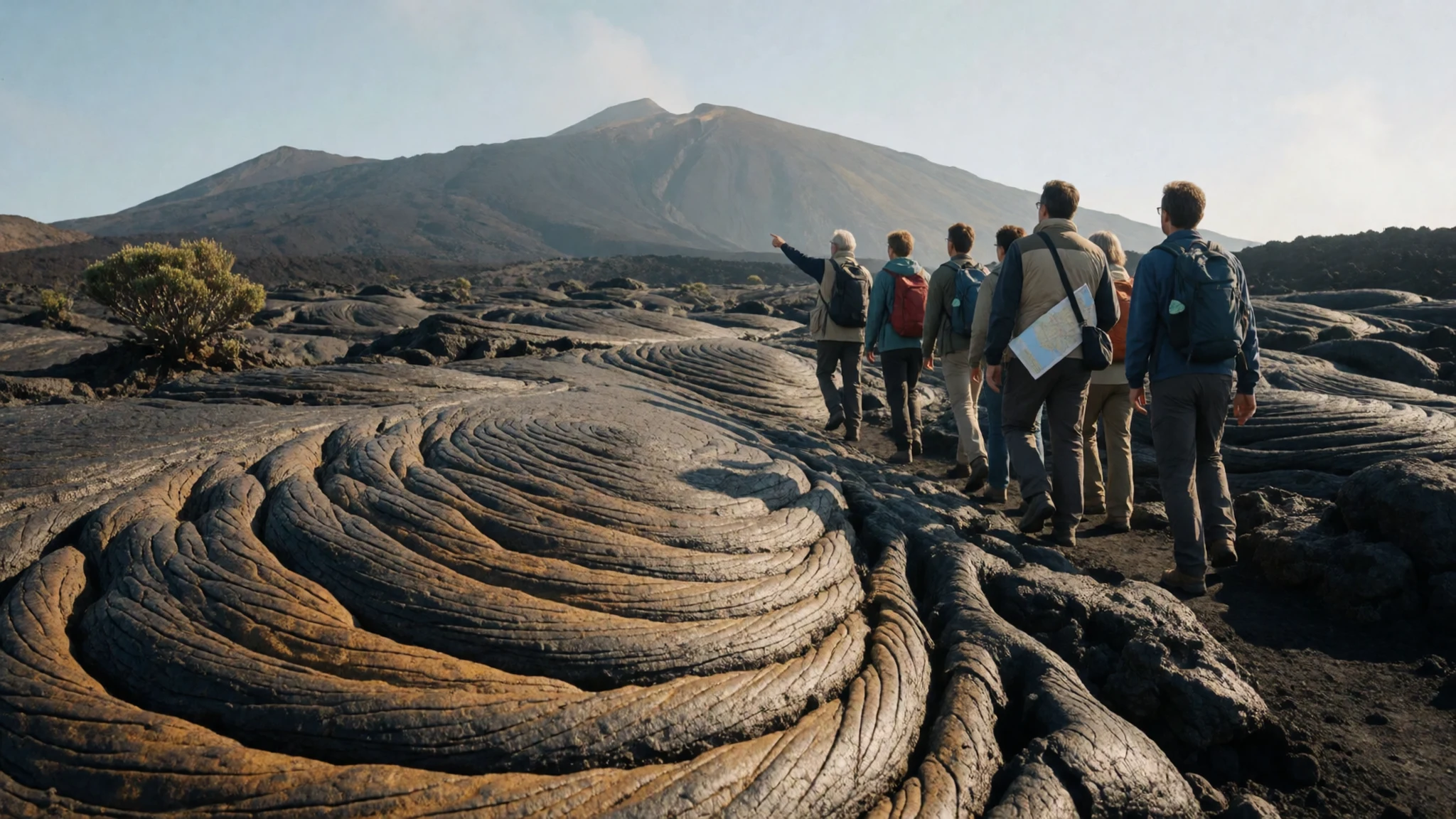
- Donkey trekking on the north side — North flank, starting near Etna North
Donkey treks offer a slower way to see the north side. Guides lead animals along quiet tracks through lava fields and woodland, stopping to explain the geology and the old agricultural terraces. The pace suits families and those who prefer not to walk the steep ground. Ask about routes and timings when you book, since conditions vary with the weather.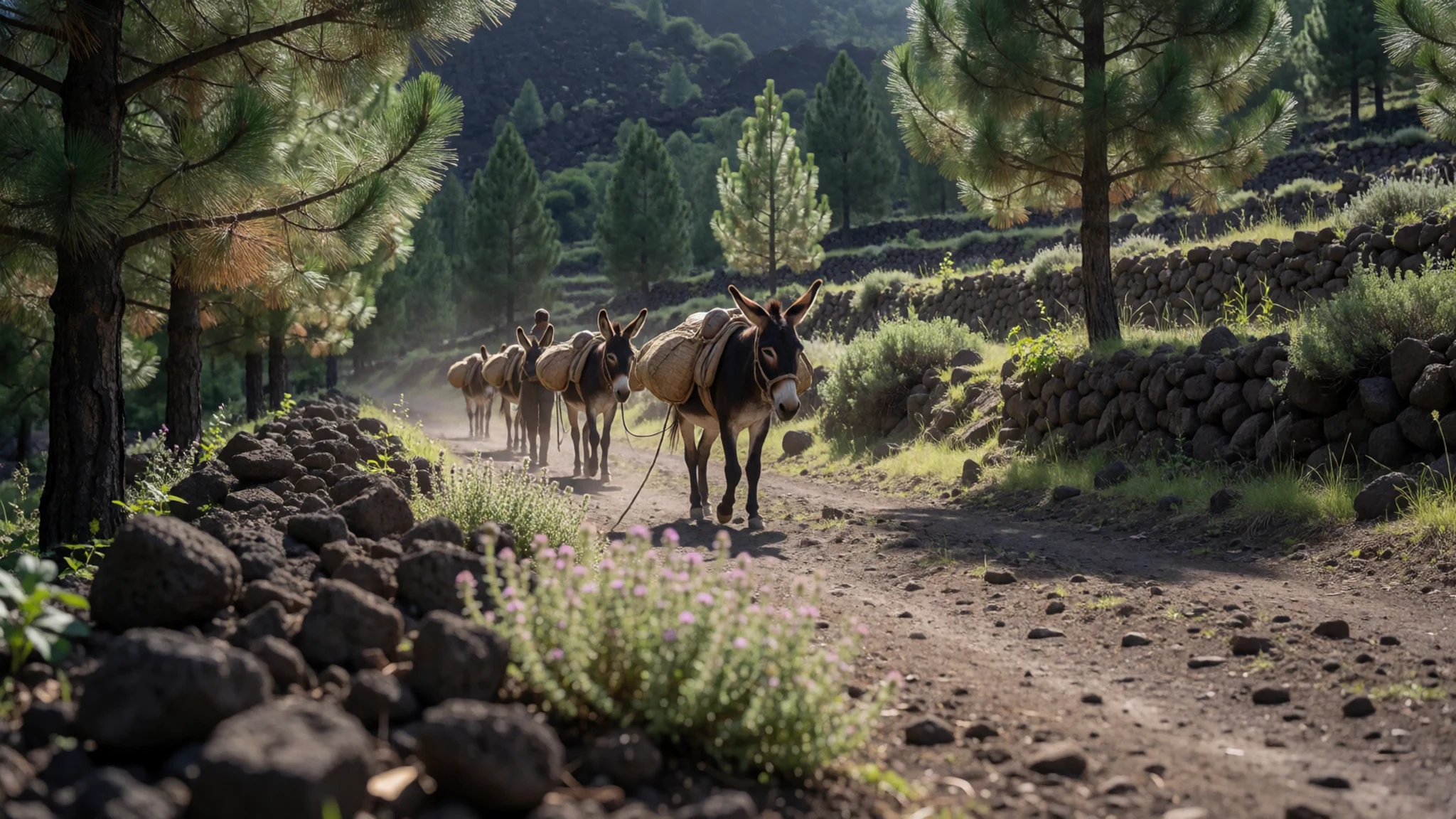
Culture
Etna is a working volcano, a farming region and a place where people live close to a restless landscape, so the local customs centre on safety and courtesy. Licensed guides lead most of the walks onto the upper slopes, and the wider community depends on the mountain for farming, tourism and winter sport. Access to the summit follows conditions set by the authorities, so visitors should respect closure notices, stay on marked paths and keep clear of cordoned areas. Villagers on the flanks have lived with eruptions for generations, so arriving as a considerate guest rather than an onlooker goes a long way. Wine estates on the slopes are part of the local economy, and it is sensible to book tastings ahead rather than arriving unannounced. Lunch is a relaxed affair at the cafes and eateries near the trailheads, and the high trails are quiet, so keep voices low. Never walk past a barrier or closure sign, even when the view looks tempting.
What to wear
Etna has no single traditional costume of its own. Rural dress across Sicily was practical: wool and linen, dark colours and layers suited to fieldwork and the weather. Most of that clothing now survives in festivals, folk displays and museums rather than in daily life, so a visitor is more likely to see it at a village celebration than on the street.
What people wear now reflects a region of farming and winter sport. Locals dress in jeans, jumpers, practical jackets and sturdy boots for fields and trails, with smarter clothes for evenings in town. On the ski slopes, people dress for cold and snow rather than for display.
If you visit, dress in layers. Temperatures on the upper slopes can fall sharply, the wind can be strong, and the ground is loose volcanic sand and rock. Pack a windproof outer layer, a warm hat and gloves even in summer, and footwear with good grip for pumice and scree. Sunglasses and sun cream matter, because the dark ground reflects light. Cover shoulders and knees when you visit village churches.
What to eat
- Pasta alla Norma — Trattorie in the old centre of Catania
This Catanese dish pairs pasta with fried aubergine, tomato and salted ricotta. It is one of the most familiar dishes served across the city and in the eateries of the wider Catania area. Ask for it in a traditional trattoria, where it is usually made to order and served warm.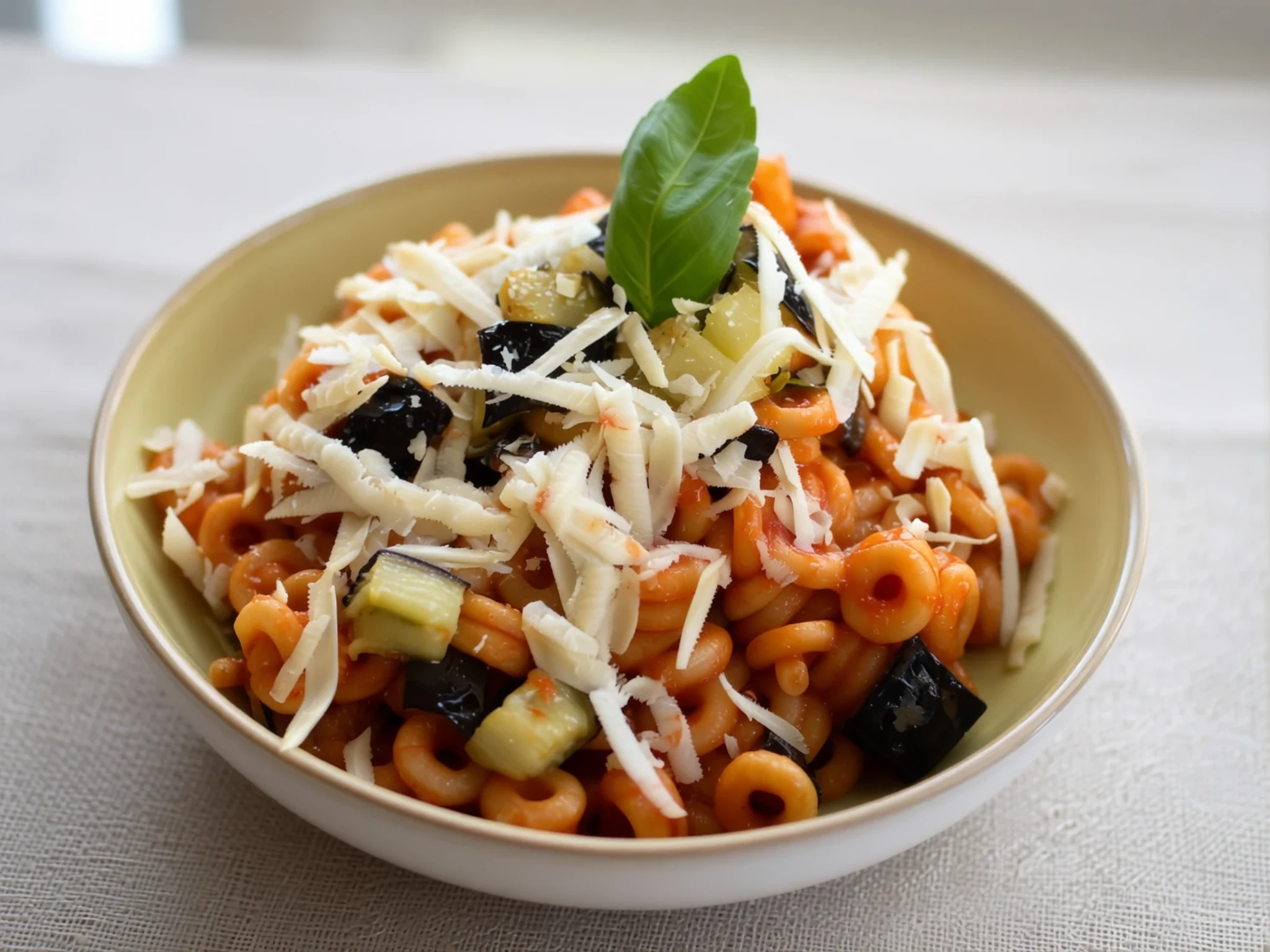
- Arancini — Street counters and bakeries in Catania
Arancini are fried rice balls, often filled with ragù, peas and cheese. Sold hot from street counters and bakeries, they make a cheap and filling snack before a climb. Eat them soon after buying, while the coating is still crisp.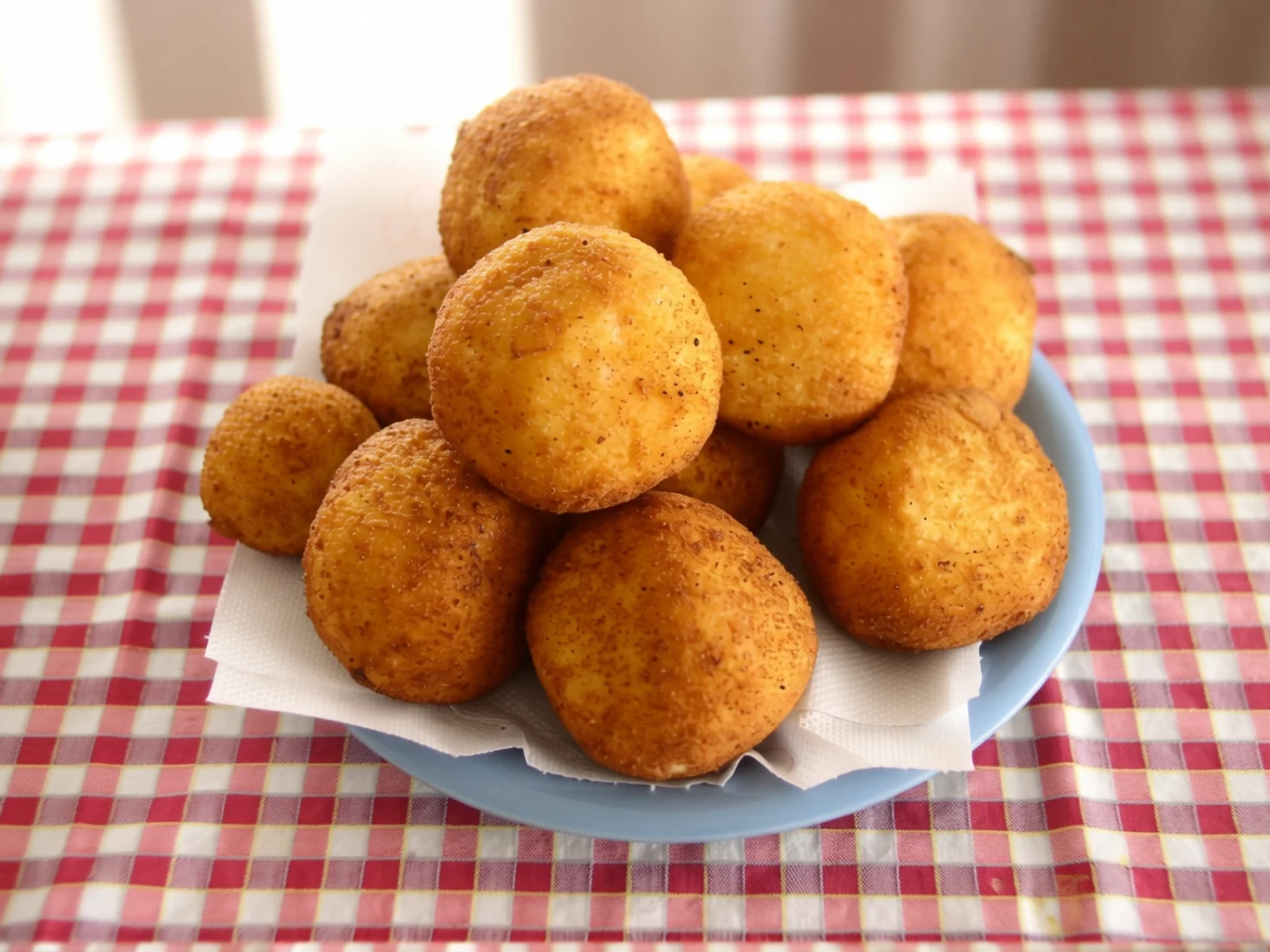
- Mountain cafe food and hot drinks — Cafes and kiosks at Piano Provenzana and Rifugio Sapienza
The cafes and kiosks near the northern and southern trailheads serve sandwiches, pastries and hot drinks suited to a day in the cold. Menus are simple, and the food is practical rather than elaborate. Carry some cash, as small kiosks may not take cards. - Fuoco dell'Etna liqueur — Bar Etna, at the top cable-car station above Sapienza
Fuoco dell'Etna is a strong local liqueur that warms the body after a cold walk. The bar at the top cable-car station is high enough to be among the highest in Sicily, with prices to match the altitude. Save it for after the summit, not before. - Wines of the Val Demone — Wine estates on the slopes and the Val Demone route
The slopes of Etna contain the Val Demone wine region, which is among the most famous areas in Sicily for growing grapes. Volcanic soils give the wines a distinctive character. Visit a winery on the northern or eastern slopes, and book tastings in advance.
Plan it
Best time. Late spring and early autumn are the most comfortable seasons for walking the flanks. Winter brings snow and the two short ski areas, but the upper slopes are cold and often cloudy. High summer is hot at the coast and can still be hazy on the mountain. Weather on the summit is variable in every season, so check conditions before you set out.
How long. 2–3
Getting there. Fly into Catania, which is the main gateway for air, rail and long-distance bus travel. From there, drive the coast road, or take the AST bus 607 from Catania's main bus station up to Rifugio Sapienza. The bus runs once a day in the morning, with an extra service in summer, and the trip takes about two hours. Check the official timetable before you travel.
Budget. mid
Tips
- Take the first morning bus if you plan to reach the summit, so you have time to climb and return
- Book a licensed guide for summit routes and check closure notices on the official site (www.ct.ingv.it)
- Pack layers, water and sun protection, because it is much colder and windier near the top
- Carry cash for small cafes, kiosks and markets, as cards may not be accepted
- Expect crowds on the summit bus in summer and arrive early
Etiquette
- Stay behind barriers, closure signs and cordoned areas at all times
- Keep to marked paths, as the volcanic ground is loose and unstable
- Leave lava and rock where you find them
Nearby
Sources
- Wikidata Q16990 (CC0)
- Wikipedia (rev 1381555985) (CC BY-SA 4.0)
- Wikivoyage (rev 5411636) (CC BY-SA 4.0)
- Photo: View of Mount Etna from Reggio Calabria (Jacopo Werther) (CC BY-SA 4.0)
- Photo: Mt Etna and Catania (BenAveling) (CC BY-SA 1.0)
- Photo: Mount Etna overview, SRTMGL1 (Morn) (CC BY-SA 4.0)
- Photo: Etna multidirectional hillshade (Strijbosf) (CC BY-SA 4.0)
- Photo: Mount Etna 2021 eruption (Official U.S. Navy Page) (CC BY 2.5)
- Photo: Etna storia geologica (Antonov - Antonio Valdisturlo) (CC BY-SA 4.0)
- Photo: Mount Etna from the south (Wilson44691) (CC0 1.0)
- Photo: Etna eruption of 1766 (Alessandro D'Anna) (Public domain)


