Mount Desert Island
Mount Desert Island, United States
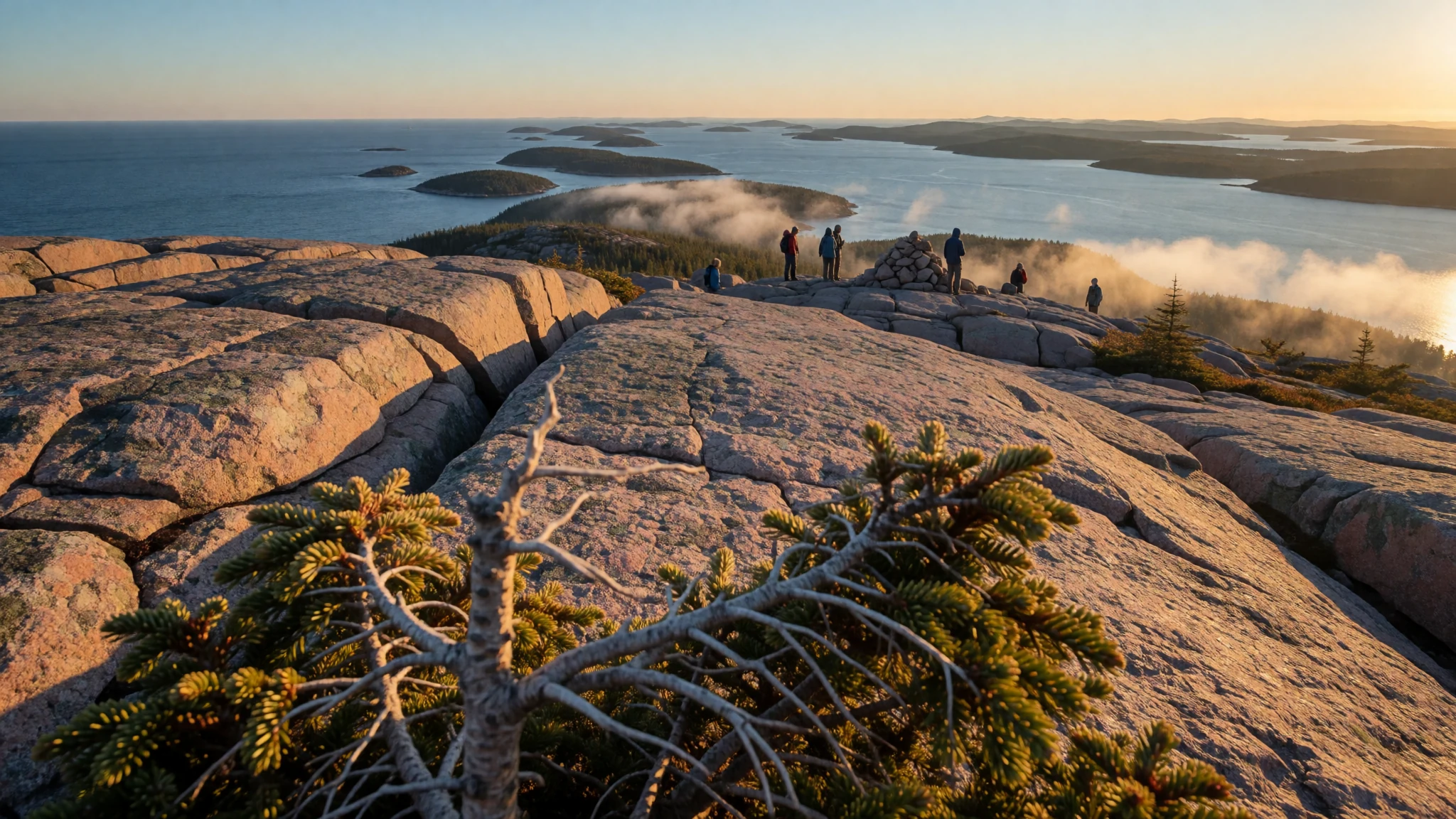
Mount Desert Island offers granite peaks rising straight from the Atlantic, granite headlands, and classic coastal Maine harbour towns.
The place
Mount Desert Island is the largest island off the coast of Maine in the United States, positioned in Hancock County. With a recorded land area measuring roughly a hundred square miles, it ranks among the notable landmasses along the eastern seaboard of the country. The permanent population sits around ten thousand residents, yet during the warmer months, millions of travellers arrive to explore the protected federal parklands and coastal villages. The landscape is shaped by ancient geological processes involving volcanic activity and tectonic shifts, which pushed metamorphic rock and granite layers above the ocean surface long ago. Massive continental ice sheets later carved deep glacial valleys across the terrain, leaving behind freshwater tarns, fjords, and exposed summits of pink granite. Forested hills roll down to sheltered bays and tidal estuaries where marine life thrives in cold Atlantic waters. Traditional summer settlements like Northeast Harbour and Bar Harbour preserve a distinct maritime heritage, featuring wooden wharves, historic captains' houses, and narrow lanes shaded by spruce and birch trees. Weather conditions change quickly across the coastline, shifting from bright morning sunshine to thick sea fogs rolling in off the Gulf of Maine within minutes. Visitors navigate a network of winding roads, granite carriage paths built for horse-drawn coaches, and footpaths that traverse the rugged topography from sea level to windswept vantage points.
Its story
Mount Desert Island carries a deep indigenous history stretching back thousands of years before European vessels arrived in the Gulf of Maine. Archaeological digs on Mount Desert Island have uncovered ancient shell middens revealing continuous seasonal occupation by the Wabanaki nations, including the Penobscot and Passamaquoddy peoples. Indigenous groups historically migrated between sheltered coastal camps during colder months to harvest marine resources and inland forests during warmer periods. Early French explorers mapped the rocky shores early in the seventeenth century, led by navigators searching for mythical settlements and documenting the barren, treeless granite summits that gave the place its descriptive French title. Maritime commerce grew significantly in later centuries through the timber trade, shipbuilding, and the heavy granite quarrying industry that provided stone for municipal buildings across eastern cities. By the nineteenth century, landscape painters and writers discovered the striking scenery, transforming the quiet fishing communities into fashionable summer retreats for wealthy industrialists and artists. Philanthropic families eventually donated extensive tracts of private land to establish the first national park east of the Mississippi River, preserving the wilderness for public access while balancing conservation with local maritime traditions.
What to see
- Cadillac Mountain — Acadia National Park
Rising above the surrounding coastline, Cadillac Mountain offers sweeping panoramas across Frenchman Bay and the offshore islands. Travellers drive or hike to the elevated granite cap to watch the changing light across the landscape. On specific winter mornings, the summit provides some of the earliest views of the sunrise anywhere in the United States.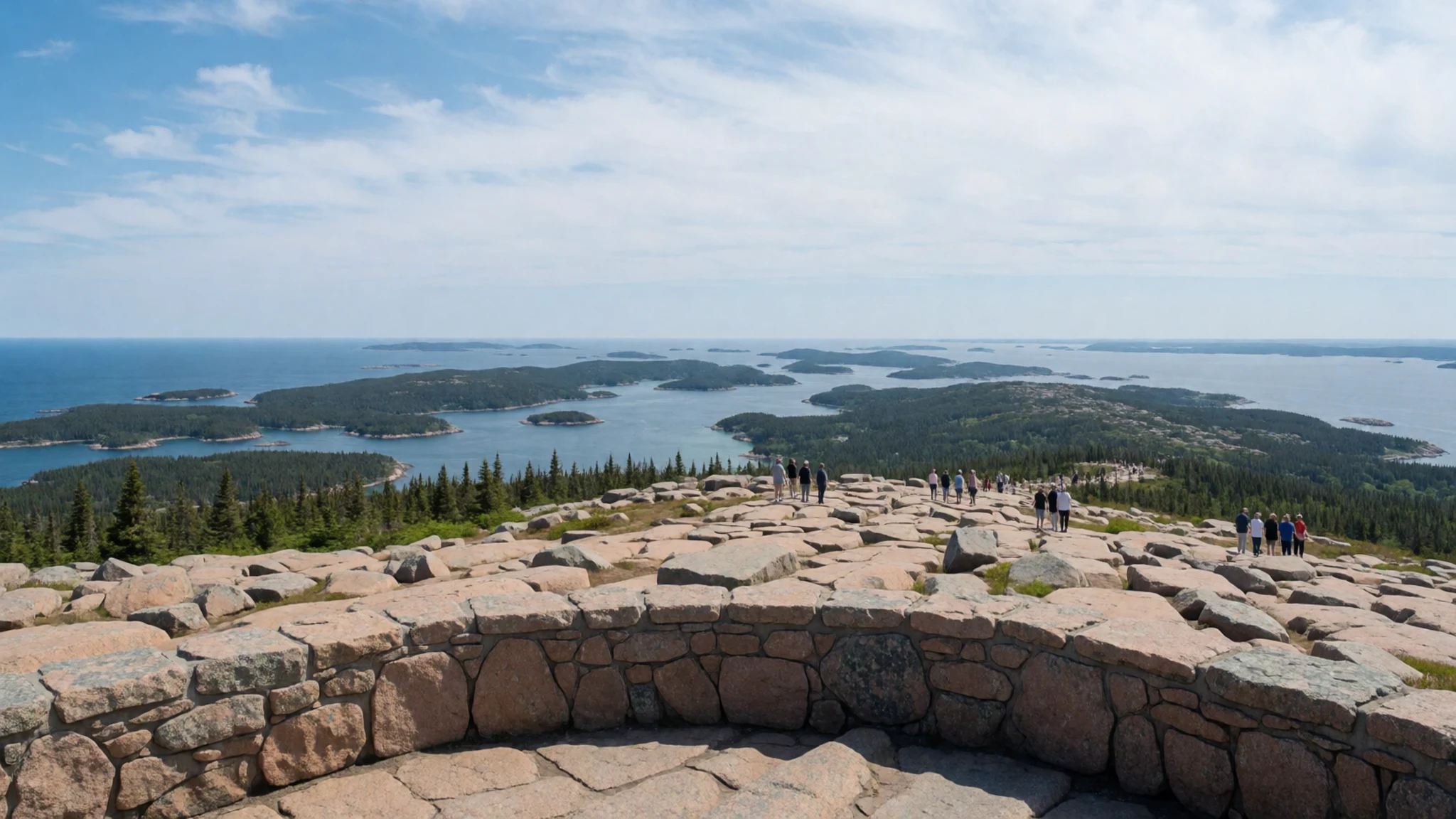
- Bass Harbor Head Lighthouse — Bass Harbour
Perched dramatically on rugged ocean-facing cliffs at the southern tip of the area, this historic maritime beacon has guided mariners since the nineteenth century. Visitors walk a short timber pathway down to rocky ledges to view the white wooden tower and fog bell building set against crashing waves and dark pine forests.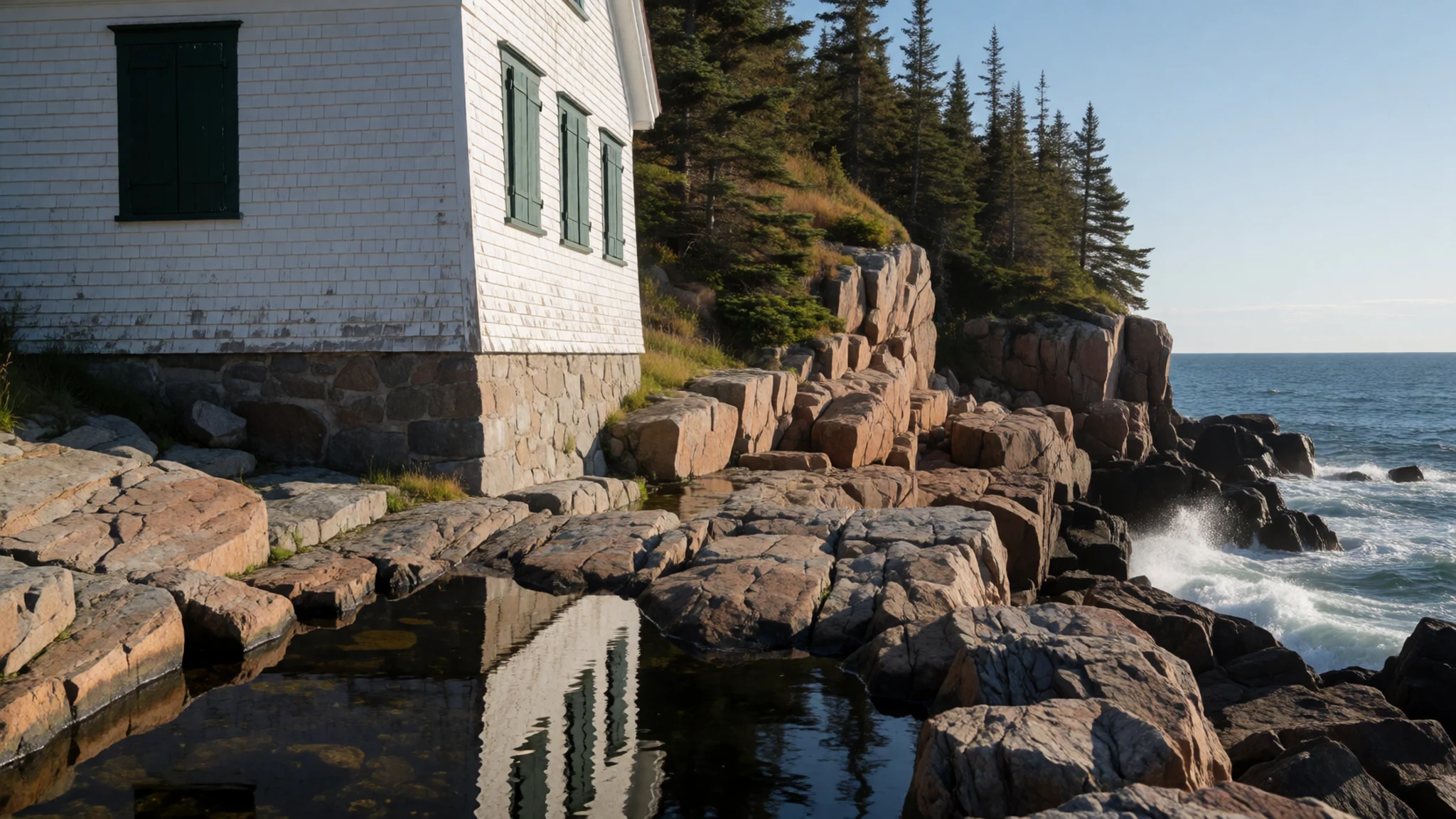
- Somes Sound — Central Coast
This striking glacial fjord cuts deep into the heart of the landmass, nearly dividing the territory into two distinct halves. Steep granite walls drop directly into cold tidal waters where pleasure yachts and lobster boats navigate the narrow channel. Scenic overlooks along the shore provide peaceful places to watch maritime traffic.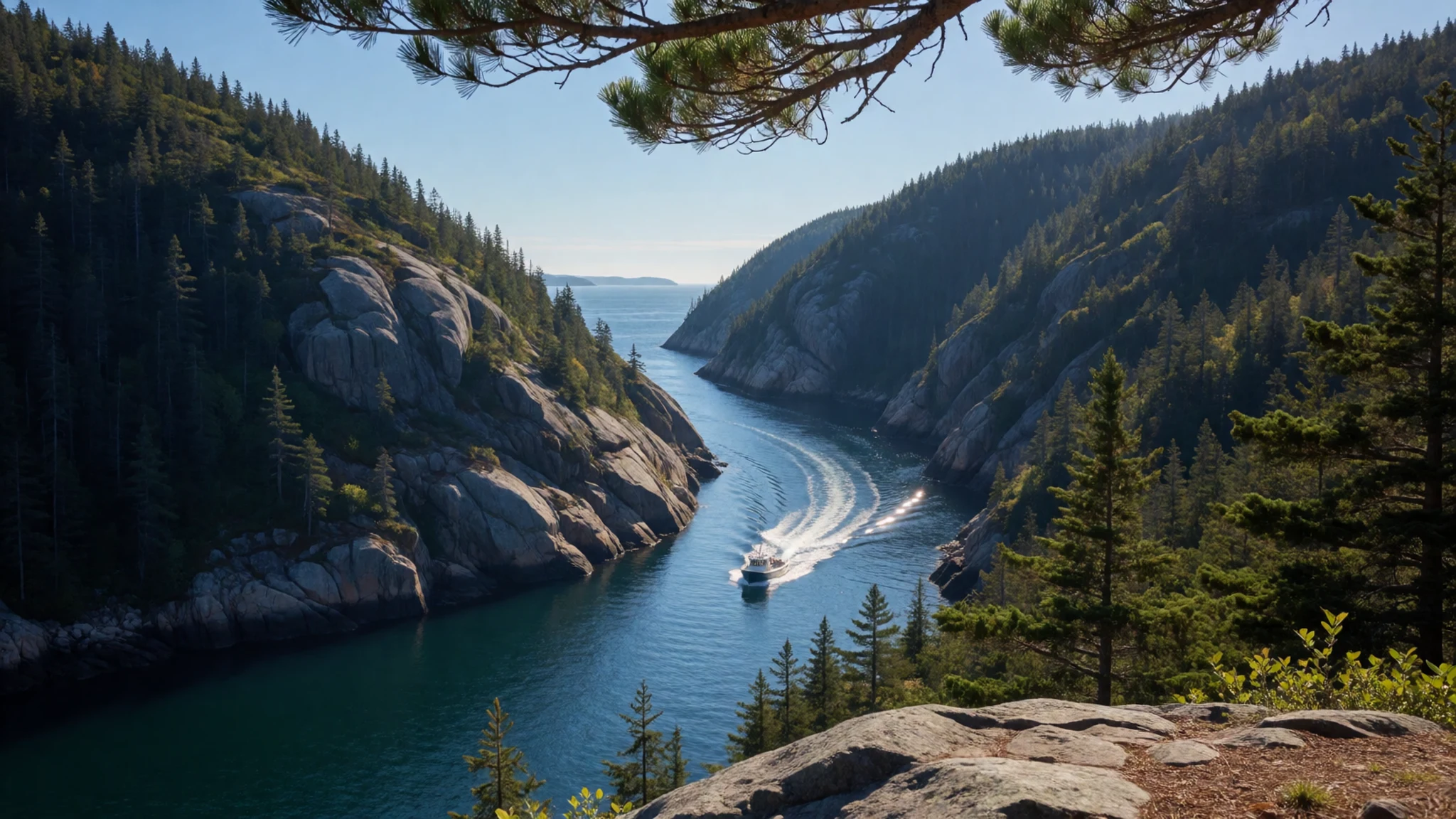
- Jordan Pond — Park Interior
A glacial tarn nestled between rolling peaks, featuring exceptionally clear water reflecting the surrounding hills known as the Bubbles. A level gravel trail circles the shoreline across boardwalks and tree roots, offering gentle walking conditions while providing classic views across the water toward the steep rocky slopes above.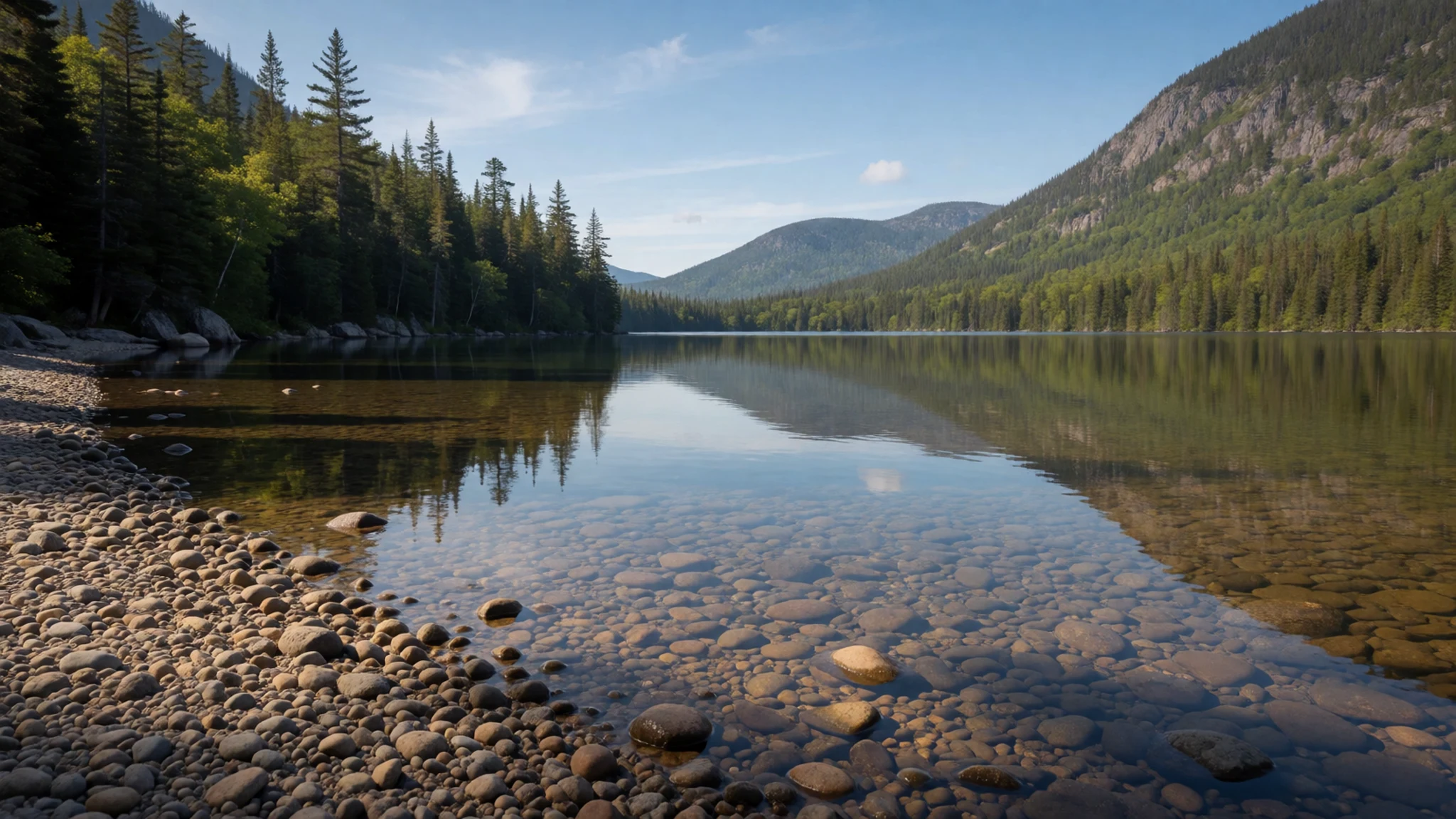
- Park Headquarters — Town Hill
The central administrative hub serves as the ideal starting point for exploring federal lands on Mount Desert Island. Rangers answer questions, issue recreation passes, and provide trail maps. Visitors can also sign up for educational programmes and interactive discovery challenges that highlight the local natural history and geology.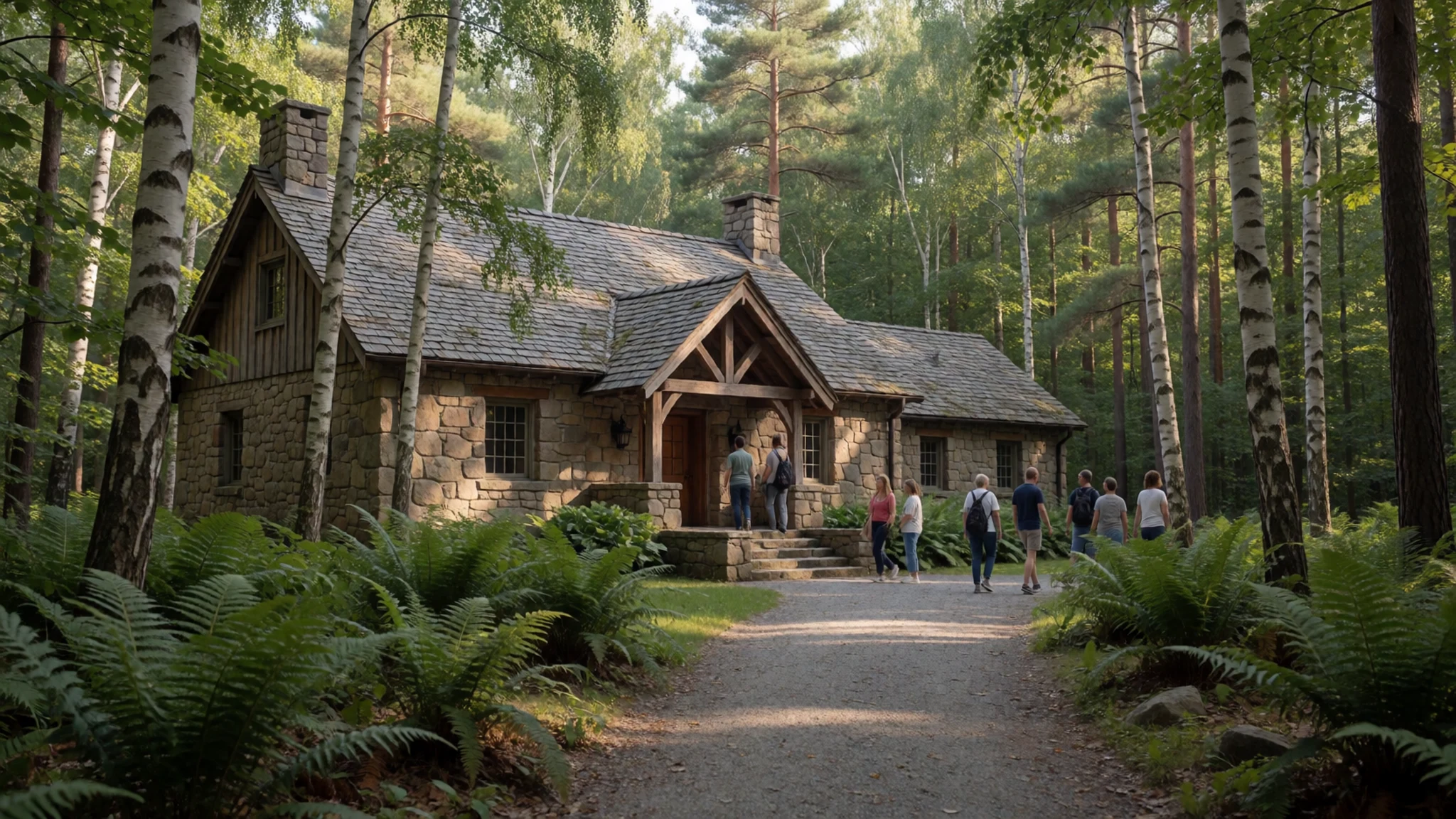
Culture
The cultural fabric of Mount Desert Island is rooted in generations of seafaring, boatbuilding, lobster fishing, and seasonal hospitality. Local communities maintain a strong sense of independence and stewardship toward the natural environment, balancing the demands of summer tourism with traditional coastal livelihoods. Traditional arts focus on maritime crafts, wood carving, and landscape painting inspired by the distinctive northern light and coastal mogs. Community gatherings often centre around local town halls, seasonal festivals, and volunteer fire department suppers where neighbours and visitors share fresh seafood. Visitors are expected to respect private property boundaries and keep dogs on leads when walking near local homes and working waterfront wharves.
What to wear
Traditional work attire across Mount Desert Island historically favoured durable woollens, heavy canvas, and oilskin coats designed to withstand cold ocean spray, freezing rain, and harsh winter gales on open water. Modern residents and working fishermen continue this practical approach, wearing sturdy flannel shirts, heavy-duty denim, rubber boots, and wind-resistant fleece layers suited for changing coastal conditions. Visitors should dress in practical layers regardless of the season, packing a waterproof jacket, a warm sweater, and sturdy walking shoes or hiking boots with good grip for uneven granite trails. Lightweight trousers and breathable shirts work well for warm summer afternoons, while evening breezes require a fleece or windbreaker. Formal attire is rarely needed here, as casual, utilitarian clothing remains the standard in restaurants, shops, and village streets.
What to eat
- Steamed Lobster — Local lobster pounds around Southwest Harbour and Bernard
Freshly caught crustaceans cooked simply in seawater at traditional shoreline lobster pounds, served cracked with melted butter and corn on the cob.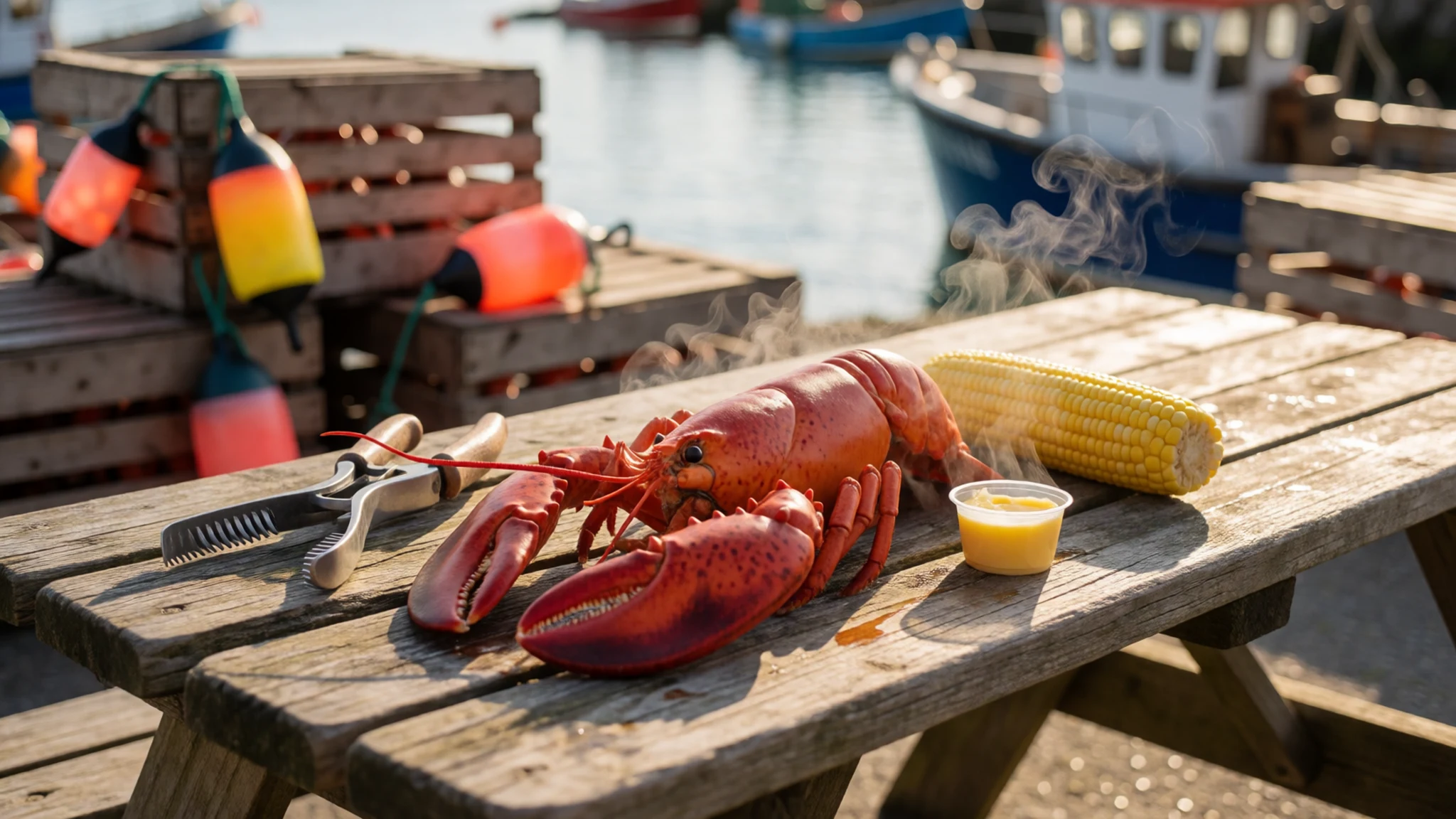
- Soft-Shell Clams — Traditional seaside eateries across Hancock County
Tender local clams harvested from tidal flats, traditionally steamed and served in their broth alongside drawn butter for dipping.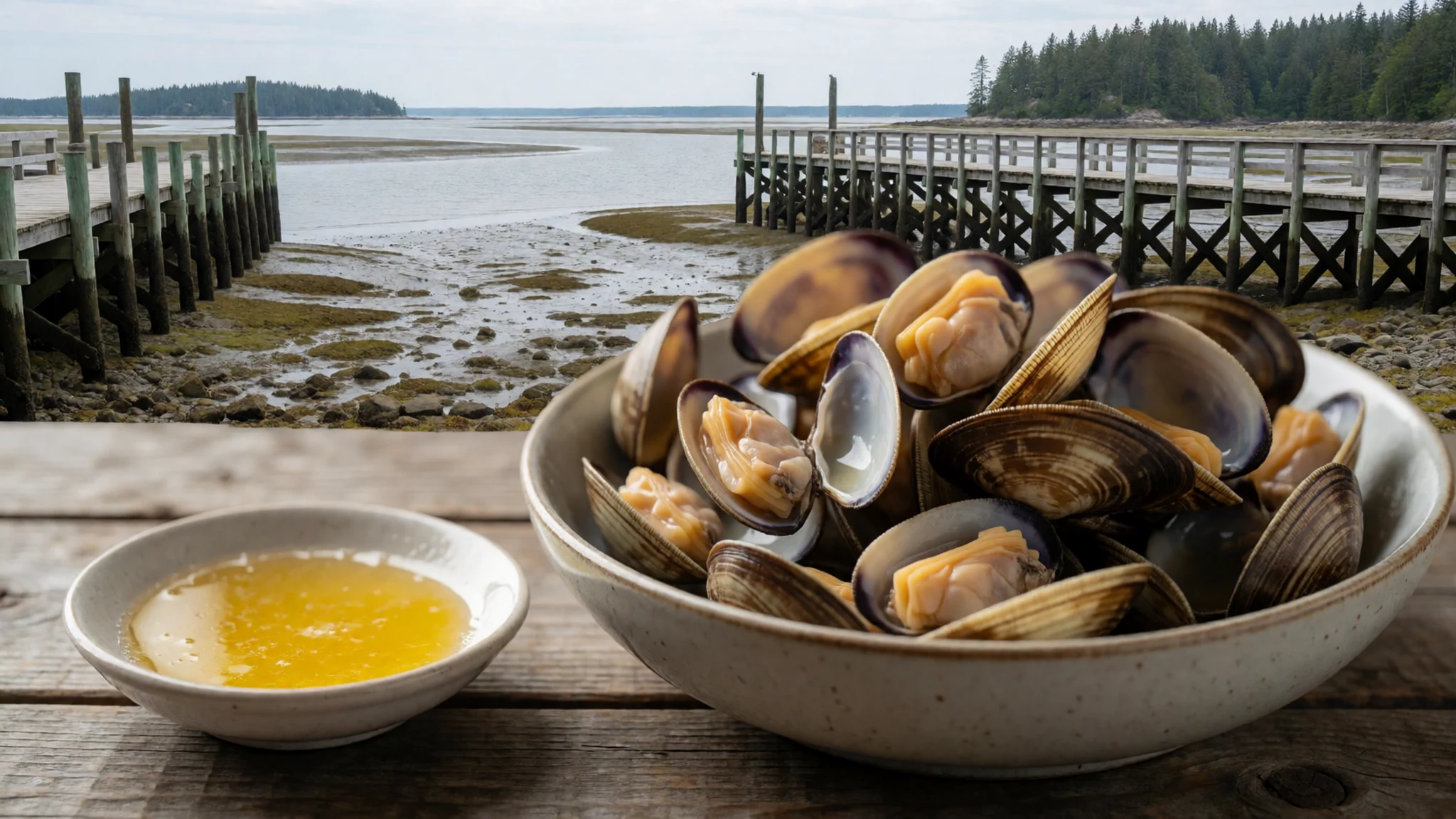
- Lobster Roll — Harbourside shacks and roadside food stands
Fresh tail and claw meat lightly tossed with a touch of mayonnaise or melted butter, served piled high inside a toasted split-top white bread roll. - Clam Chowder — Coastal diners and village restaurants
A rich, comforting soup made with diced potatoes, salt pork, onions, milk, and tender clam meat simmered together in a traditional coastal style.
Plan it
Best time. June to September brings warm weather, open trails, and operating ferry services, though July and August see peak visitor crowds and heavy traffic. October offers brilliant autumn maple foliage.
How long. 3–4
Getting there. Fly into Hancock County - Bar Harbor Airport in Trenton for a short drive onto the island, or travel by road via Bangor and Ellsworth along Route 3.
Budget. mid
Tips
- Arrive at popular trailheads and sunrise viewpoints early in the morning to secure parking spaces
- Carry waterproof outerwear and warm layers because coastal temperatures drop quickly when fog rolls in
- Book accommodation several months in advance if visiting during the peak summer holiday season
- Keep emergency contact numbers handy and check local weather reports before heading out onto coastal waters
Etiquette
- Respect working wharves and avoid blocking lobster gear or fishermen's equipment
- Stay on designated park trails to protect fragile mountain vegetation and prevent erosion
- Pack out all litter and respect wildlife by maintaining a safe distance from nesting seabirds and deer
Nearby
Sources
- Wikidata Q1315822 (CC0)
- Wikipedia (CC BY-SA 4.0)
- Wikivoyage (CC BY-SA 4.0)