Montreal
Montreal, Canada
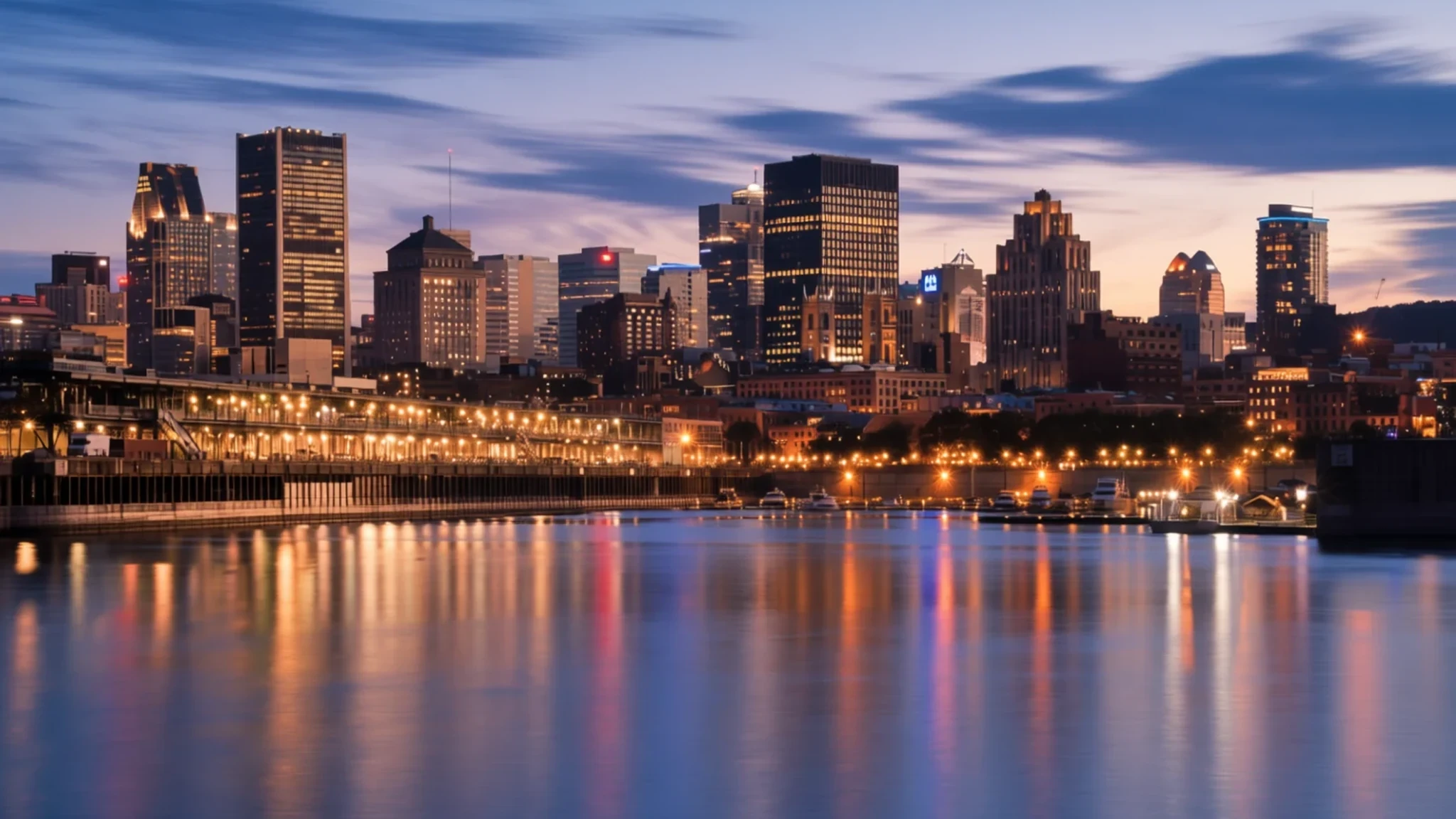
Montreal blends French and English life, a lively festival calendar and a food scene that rewards wandering, all around a wooded mountain.
The place
Montreal sits on an island in the St Lawrence River in the province of Quebec, and it is the largest city in that province. The city proper has about 1,762,949 residents, and the wider metropolitan area holds about 4.3 million. The source text provided is not a description of Montreal; it is a conditional instruction referencing a different city (likely given the phrase 'second largest'). Proceed with the standard Montreal facts. The city takes its name from Mount Royal, the wooded hill that rises at its heart and gives the city much of its green space. Founded in 1642 as Ville-Marie, it began as a mission and fur trade settlement and has grown into a place where two languages share every street sign and menu.
French is the everyday language for most residents, and the city is one of the most bilingual places in Canada, so English is easy to hear in shops and cafés too. The downtown core is a compact grid of office towers, underground walkways and shopping streets, while the older quarter near the port has cobbled squares and stone buildings. In summer the streets fill with festivals, from jazz and comedy to film and free outdoor theatre, and the city's cultural industries in television, publishing and music are among the strongest in the country. Winters are long and cold, so much of city life moves indoors and underground, while the warm season brings terraces and bike paths along the river.
Montreal is also a city of neighbourhoods. The Plateau has triple-decker houses and busy cafés, Mile End has bagel bakeries and independent shops, and Griffintown is becoming a district of lofts and galleries. Walking is the best way to notice how each one feels different.
Its story
Montreal's recorded history begins with the Indigenous communities who lived on the island and along the river long before European contact. Archaeological evidence suggests people had settled the island thousands of years earlier, and by the time of contact they grew maize and built fortified villages. The Saint Lawrence Iroquoians, a distinct group from the Haudenosaunee nations to the south, had a village called Hochelaga at the foot of the mountain. When the French explorer Jacques Cartier visited, he described a community of considerable size, and within a few generations the Iroquoian villages of the valley had disappeared. Historians point to disease, migration and conflict as the likely causes.
Early in the seventeenth century, Samuel de Champlain set up a fur trading post on the island, on the site now occupied by Pointe-à-Callière. The settlement grew slowly around the river trade. In 1642 colonists founded Ville-Marie, a mission town, and the mountain above it gave the place the name that stuck. Its position on the St Lawrence made it a natural base for the fur trade, and canoes heading into the continent's interior set out from its wharves.
Conflict between France and Britain shaped the next century. The town was taken by British forces in the mid eighteenth century, and the mix of French and English traditions that followed gave the city the bilingual character it has today. Through the nineteenth century the port, canals and railways made Montreal the commercial centre of Canada. It kept that position until Toronto overtook it in population and economic weight later in the twentieth century, but the city remained a French-speaking metropolis with strong English business and institutions.
What to see
- Mount Royal (Parc du Mont-Royal) — North of the city centre, between the university and the Côte-des-Neiges district
The park climbs the wooded hill that gives the city its name, and it is the easiest place to see the whole layout of downtown. Paths wind up through maple and oak, and from the summit lookout the towers sit below against the river. The climb is gentle rather than steep, though it feels longer than it looks. Go early for quiet, or near sunset when the light is good and the lookout is busy.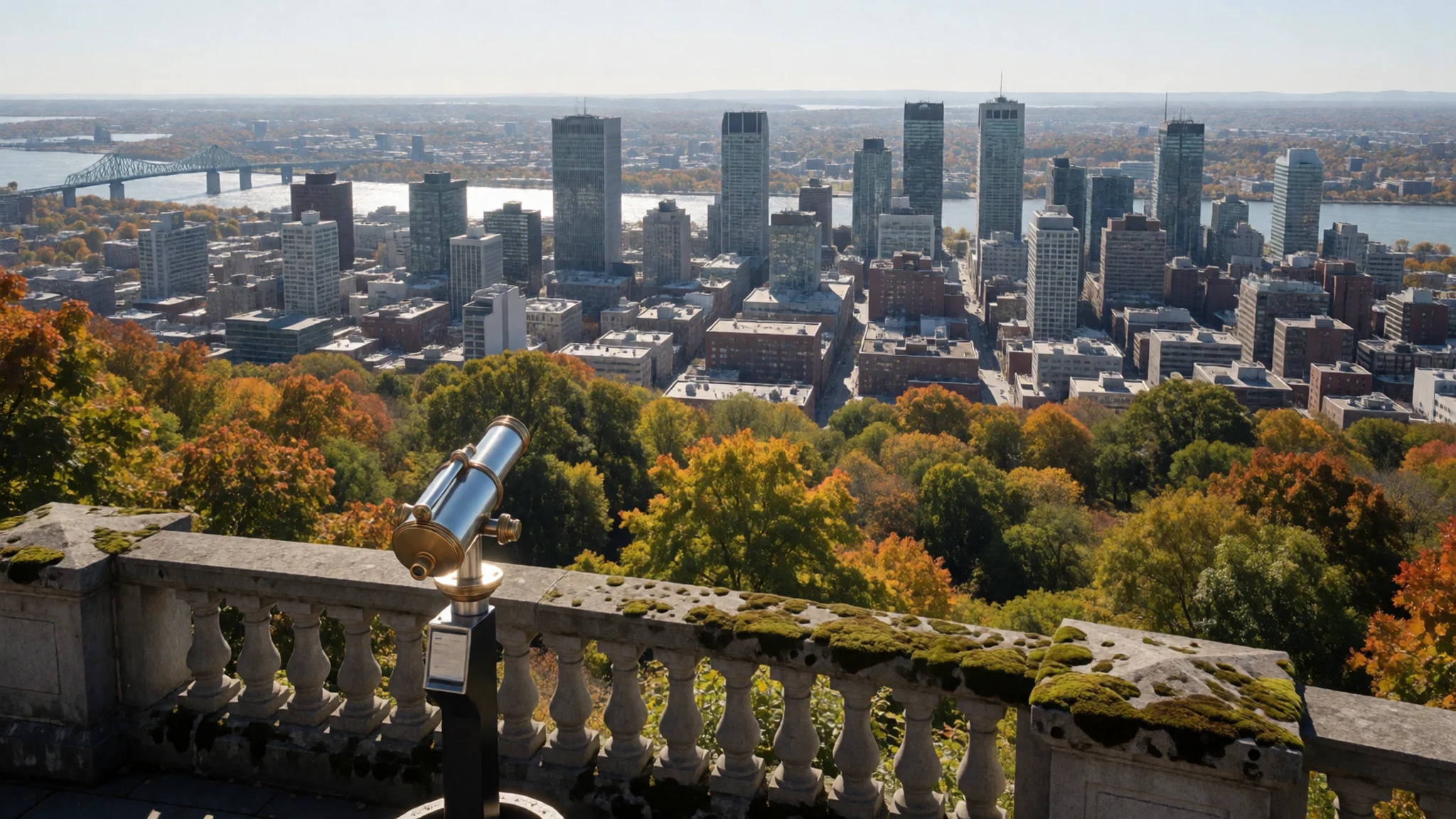
- Notre-Dame Basilica — Place d'Armes, Old Montreal
Notre-Dame Basilica stands on Place d'Armes in Old Montreal, a Gothic Revival church whose twin towers are familiar from many photographs. Inside, the carved wooden choir stalls and the large organ draw visitors who come for the architecture as much as the music. Services continue through the week, so the church is quieter during mass and busier at midday. Check the official site for current opening times and any charges for guided visits.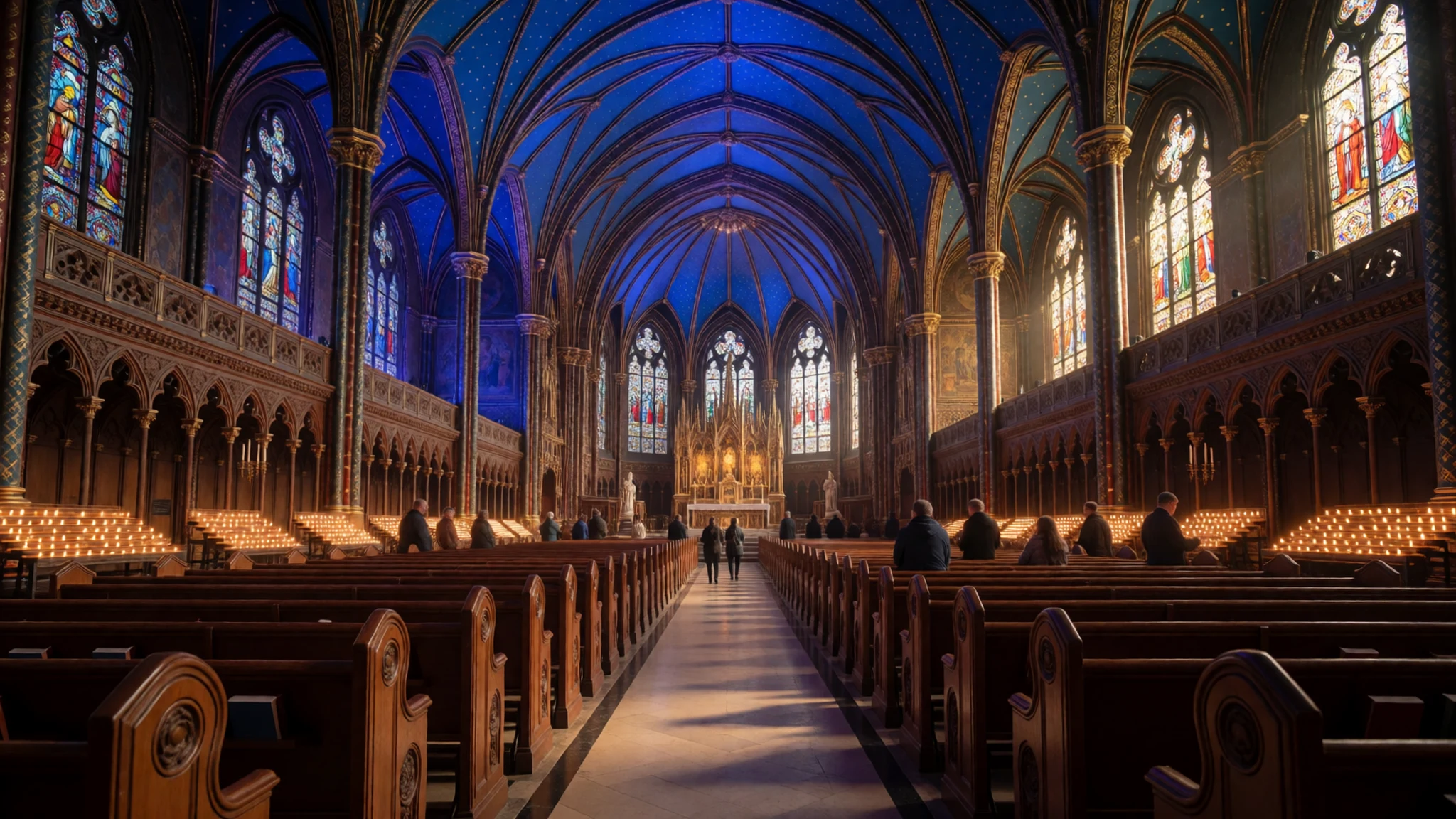
- Rue Saint-Paul — Old Montreal, near the old port
Rue Saint-Paul runs through Old Montreal, lined with restored stone buildings that once held merchants and warehouses close to the port. Today it has galleries, boutiques and cafés, and the cobbles are hard on heels. Walk slowly here and look up at the upper floors, where the old stonework and iron details are easy to miss.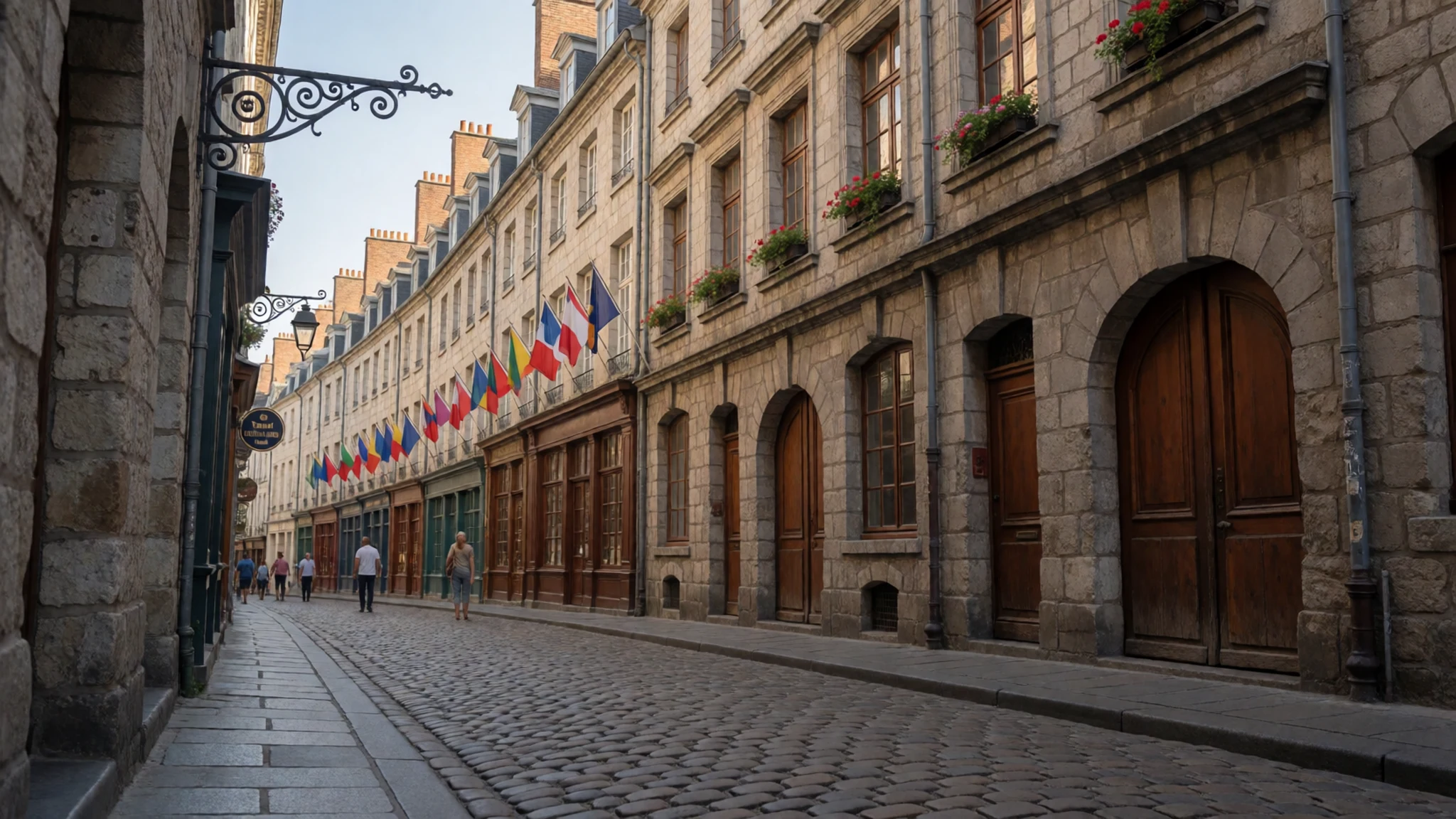
- Saint Joseph's Oratory — Northern slope of Mount Royal
Saint Joseph's Oratory sits high on the northern slope of Mount Royal, a large basilica built around a devotional shrine. Its great dome is visible from many parts of the city, and the long flights of steps in front draw walkers and pilgrims alike. Visitors come to pray and to admire the building, so keep voices low and dress with some care inside. Hours and any admission arrangements change, so check the official site before going.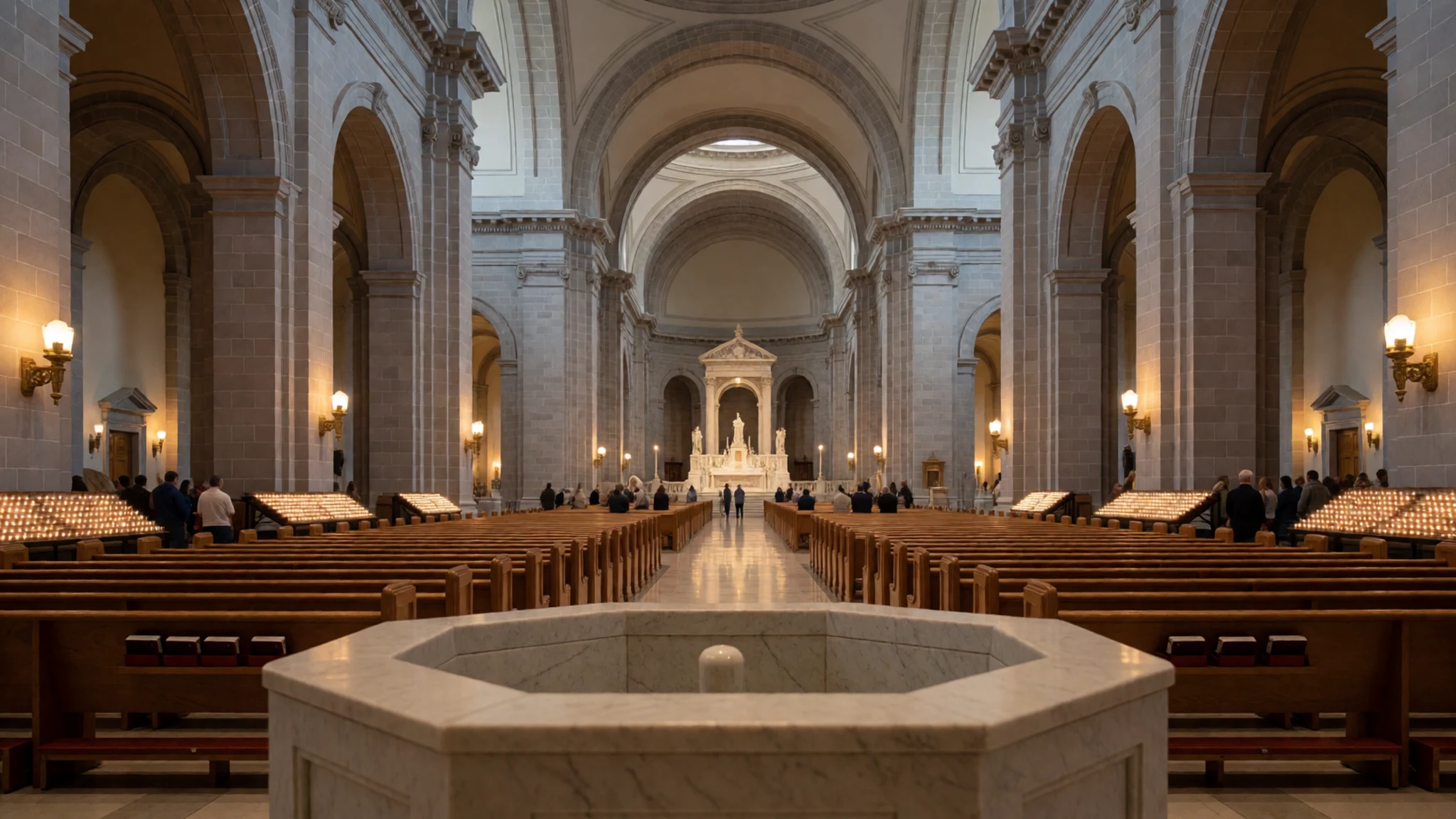
- Montreal Botanical Garden (Jardin Botanique) — Beside Parc Maisonneuve, east of downtown
The Jardin Botanique is one of the largest botanical gardens in the world, and it packs a great deal into one site. It has a First Nations garden, an insectarium, a tree house and many themed gardens and greenhouses. The greenhouses stay warm even in winter, so they make a good cold-weather stop. Allow at least half a day for the full site.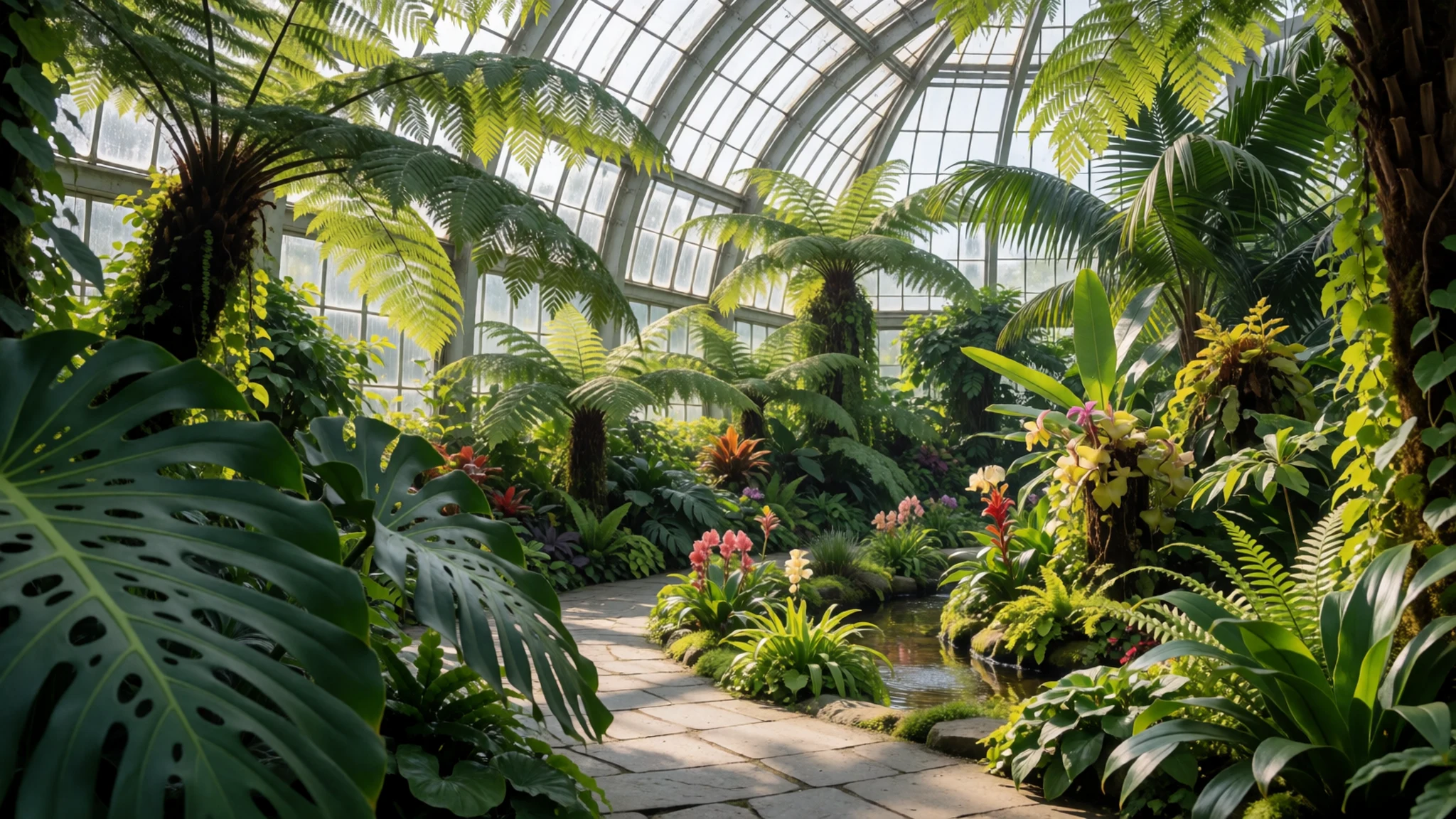
Culture
Montreal sees itself as a city of culture, and the claim is hard to argue with. That Canada’s hub for French-speaking media (TV, radio, theatre, film and publishing) exists here, with a solid output of talent in visual art, dance, jazz and rock. Its many cultural communities give daily life a mix of languages, foods and festivals. Sitting at the meeting point of French and English traditions has shaped the city's conversation, so people often switch languages mid-sentence.
Summer is when the city is most animated. A large number of festivals run through the year, and downtown streets fill with free outdoor shows, music and comedy. The jazz festival is one of the biggest in the world, and a comedy festival each July fills theatres and street corners alike. UNESCO has also named Montreal a World Book Capital, and the bookshops and literary events of the city reflect that reputation.
Language is part of everyday courtesy. Greet shop staff in French first, even with a few words, and most people will switch to English if needed. Tipping in restaurants is expected, so check the bill for a service charge before adding more. Keep your voice low and cover your shoulders inside Notre-Dame and Saint Joseph's Oratory, which are working places of worship.
What to wear
Montreal has no single traditional dress, but its older communities have strong textile traditions. Indigenous peoples of the region wear ceremonial dress at powwows and celebrations, with beadwork, ribbon work and woven or quilled pieces, often using wool, leather and cloth. From Quebec's French heritage come the knitted wool toque and the ceinture fléchée, a woven sash with bright geometric patterns that appears at folk festivals and winter events.
What people wear now is practical and fairly understated. Dark coats, scarves and boots dominate from late autumn to early spring, and locals layer for a city that moves between heated interiors and icy pavements. In summer lighter clothes appear, and the Plateau and Mile End have a relaxed, slightly bohemian style, with vintage shops, simple black clothing and a strong local design scene.
For a visit, dress for the season first. Winter needs a warm coat, a hat, gloves and boots with good grip for icy pavements, while summer days can be warm and humid, so breathable layers work well. Modest covering is expected inside churches and at religious sites, and comfortable walking shoes matter, since the city is hilly and Old Montreal has cobbles.
What to eat
- Smoked meat sandwiches — Traditional delis along boulevard Saint-Laurent and in the Plateau
Smoked meat is brisket cured and spiced, then steamed and sliced thick, usually piled on rye bread with mustard. The classic version is served at traditional Jewish delis, where the meat is cut by hand. Portions are generous.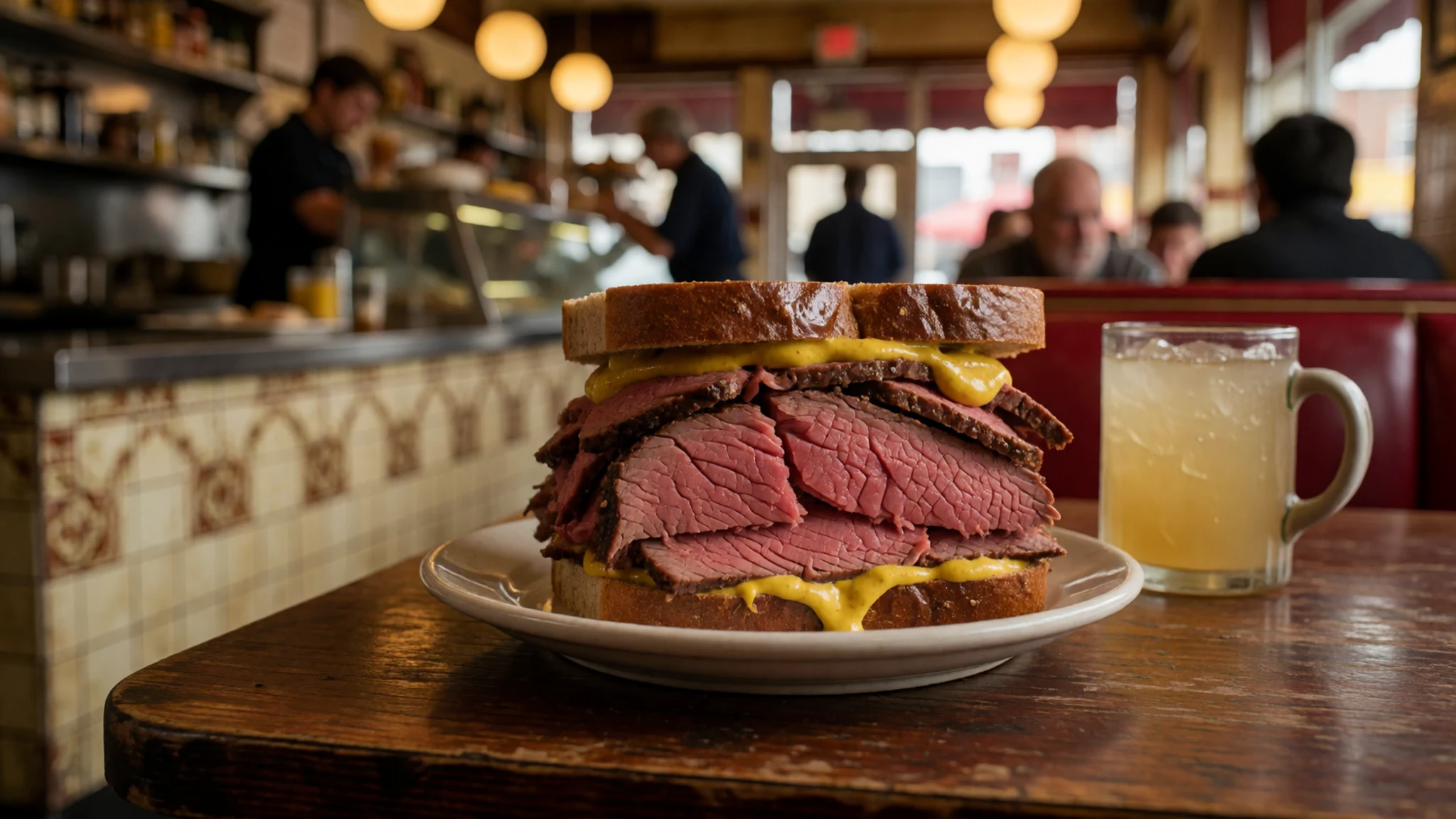
- Montreal-style bagels — Neighbourhood bagel bakeries in Mile End and the Plateau
Montreal-style bagels are smaller and denser than the New York kind, boiled in honey-sweetened water and baked in a wood-fired oven. They come out with a slightly sweet crust and a chewy middle. Eat them warm, plain or with sesame or poppy seeds, straight from the bakery.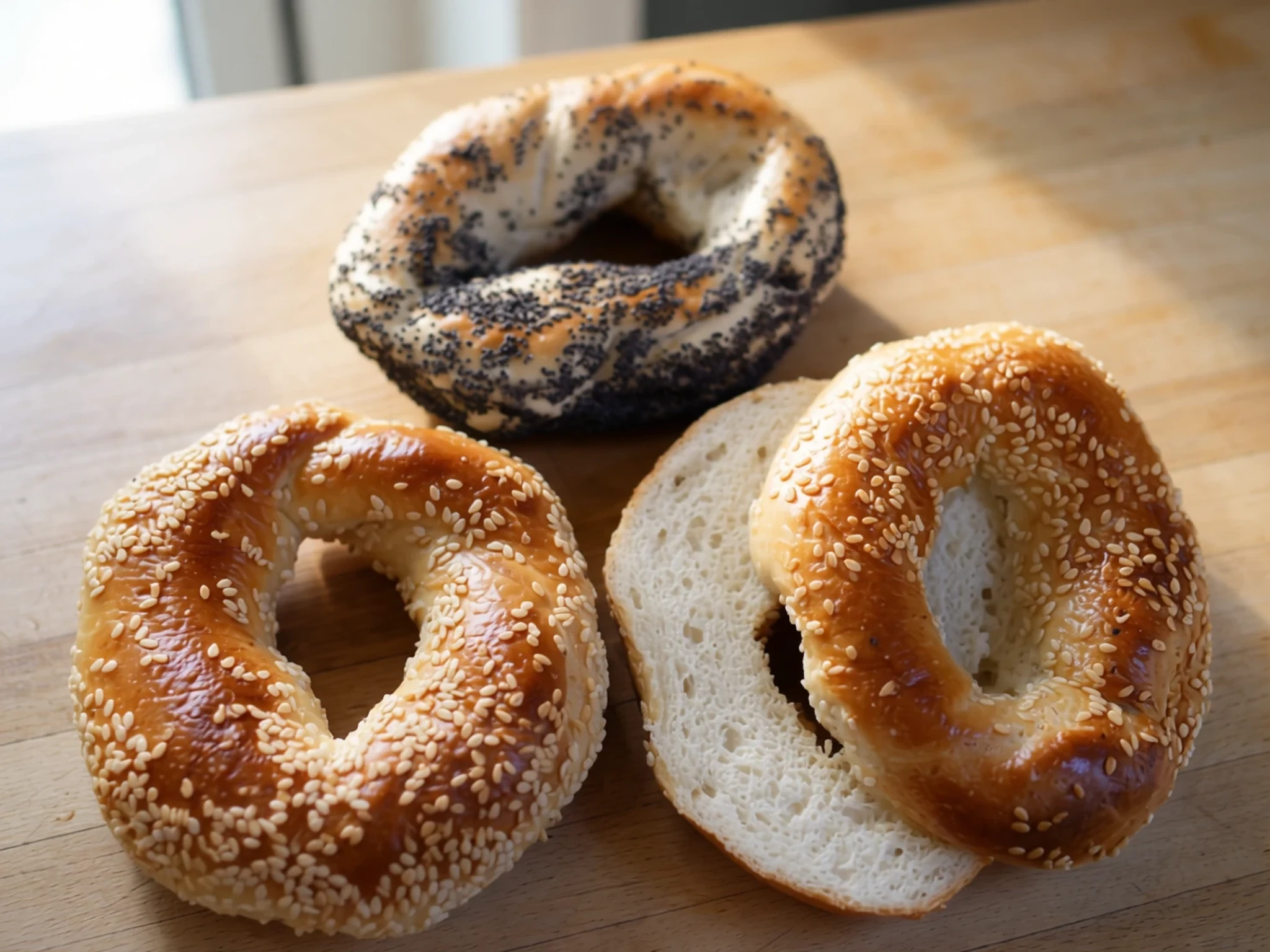
- Poutine — Casual counters and diners across the city
Poutine is fries topped with fresh cheese curds and hot gravy, so the curds soften without fully melting. It is filling and served at casual counters and diners across the city. Ask for extra gravy for a saucier version and eat it quickly before it cools.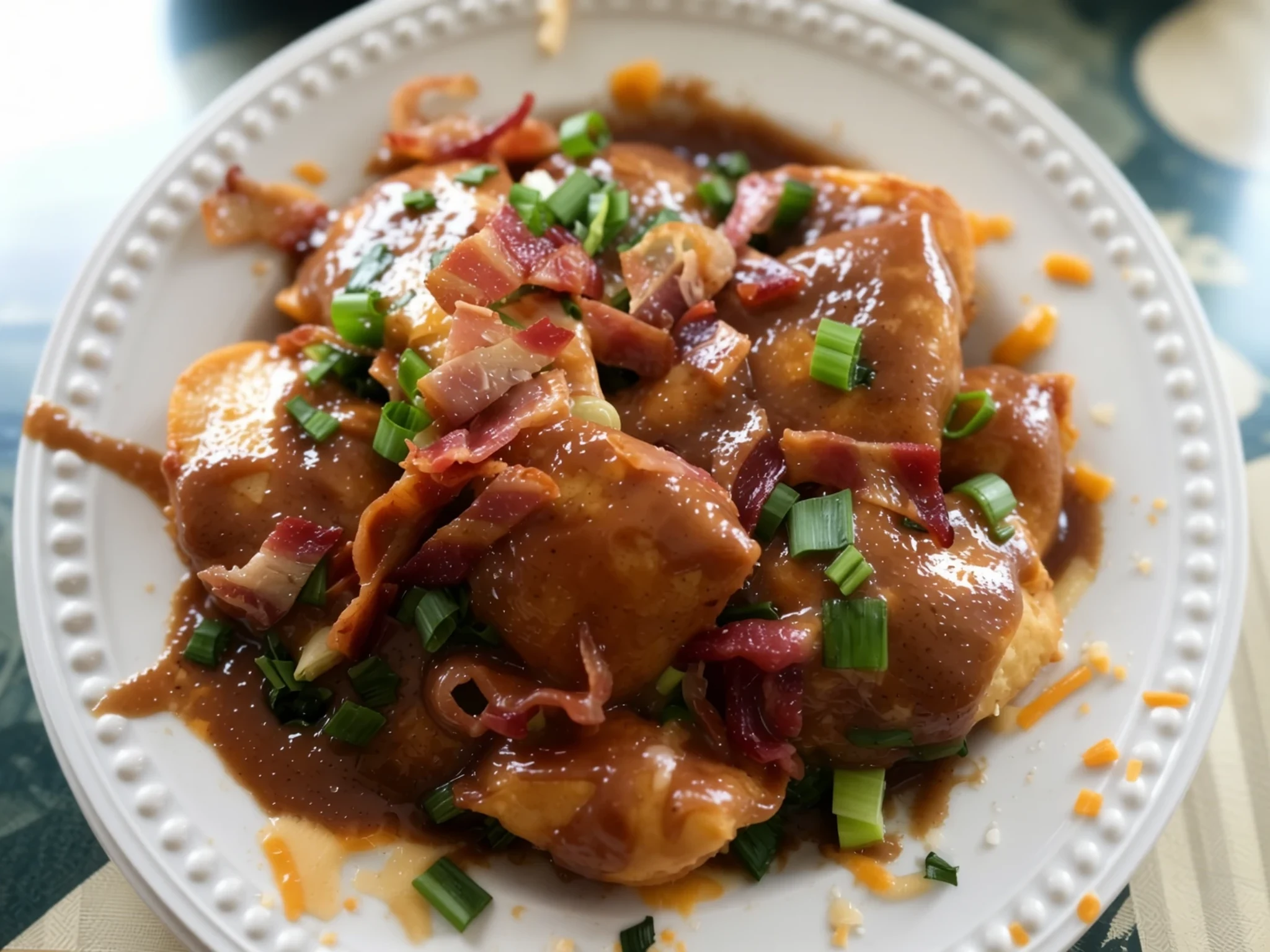
- Chocolate desserts and drinking chocolate — Specialist chocolate cafés in the downtown and old town
Specialist chocolate cafés, such as Juliette et chocolat, are the place for very rich drinking chocolate and elaborate chocolate desserts. The hot chocolate is thick and dark, closer to a pudding than a drink, so it suits a cold afternoon. Portions are generous. - Microbrewery pub food — Microbrewery pubs such as Les Trois Brasseurs, downtown
Microbrewery pubs, including Les Trois Brasseurs, serve house beers with a pub-style menu that has a European flair. Grilled meats, sausages and hearty mains are typical, and the room is busy and noisy in the evening. It is a sensible choice for a meal before a hockey game.
Plan it
Best time. June to September, when the parks and terraces are open and the festivals run. Winter is long and very cold, so plan indoor days then; the underground walkways keep much of downtown easy to reach.
How long. 3–4
Getting there. Montréal-Pierre Elliott Trudeau Airport (YUL) lies west of the city centre. Taxis and the airport bus reach downtown, and the bus can use a lane that bypasses traffic. The trip can take up to an hour in heavy traffic. Check the official site for current bus and shuttle options.
Budget. mid
Tips
- Book rooms early for summer festival weeks, when downtown fills quickly
- Climb Mount Royal early or near sunset to avoid the lookout crowds
- Carry a layer even in summer, since evenings cool and the wind off the river can bite
- Use the underground walkways on bitterly cold days
- Carry some cash for small bakeries and market stalls, though cards are widely accepted
Etiquette
- Greet shop staff in French first, even with a few words
- Keep voices low inside Notre-Dame and Saint Joseph's Oratory during services
- Ask before photographing people at festivals and street performances
Nearby
Sources
- Wikidata Q340 (CC0)
- Wikipedia: Montreal (rev 1382926382) (CC BY-SA 4.0)
- Wikivoyage: Montreal (rev 5411419) (CC BY-SA 4.0)
- Photo: Downtown Montreal from Mount Royal (CC0 1.0)
- Photo: Montreal skyline (CC BY 4.0)
- Photo: Old Montreal, St Paul street (CC BY-SA 4.0)
- Photo: Notre-Dame Basilica (CC BY-SA 1.0)
- Photo: Montreal downtown (panoramio) (CC BY 3.0)
- Photo: Saint Joseph's Oratory (CC BY 3.0)
- Photo: Olympic Stadium (CC BY 3.0)
- Photo: Capitulation of Montréal (Public domain)


