Boston
Boston, United States
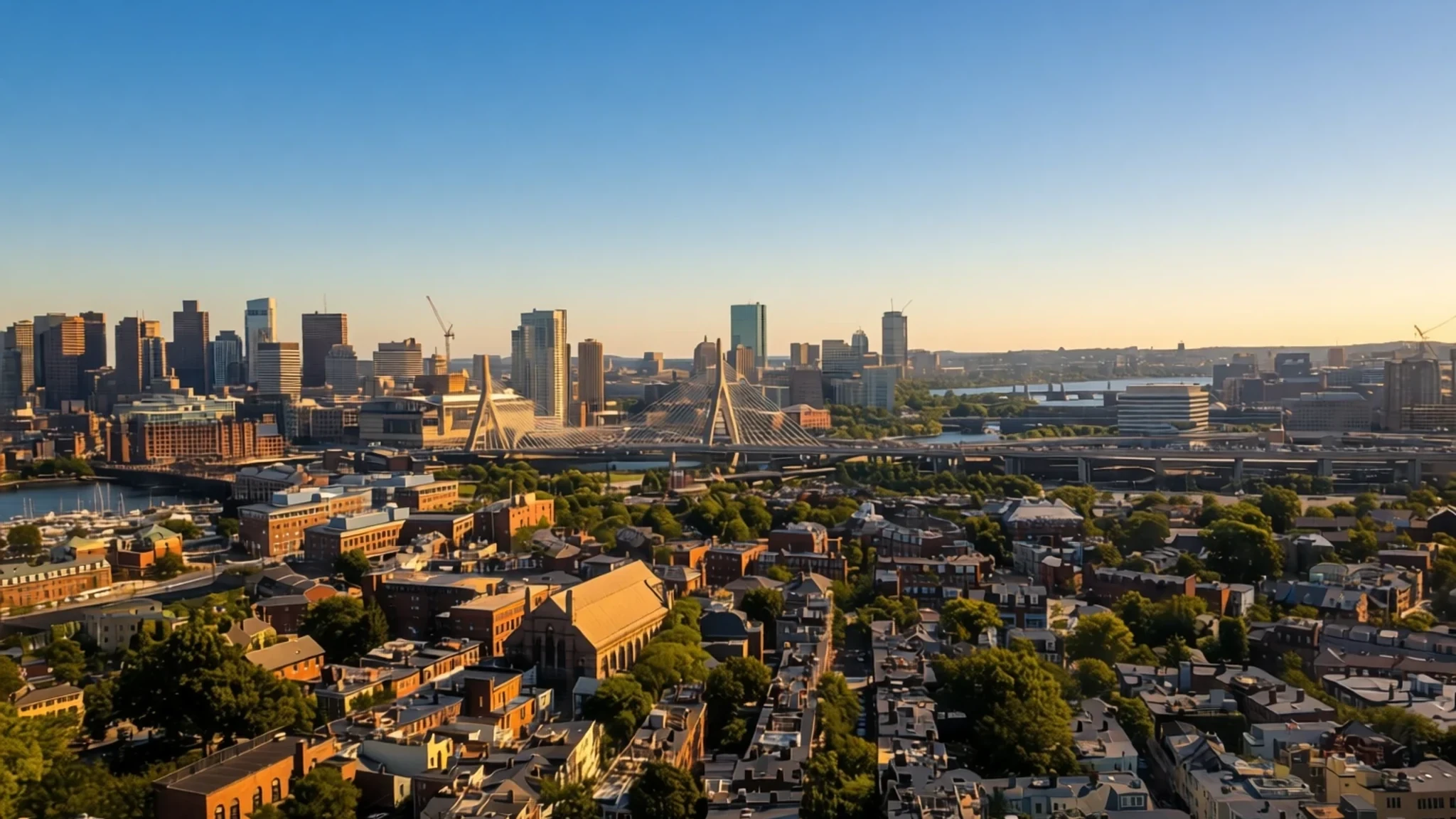
Boston rewards a slow walk, with colonial history, serious museums and a seafood table that tastes of the harbour.
The place
Boston is the capital and most populous city of Massachusetts, a compact port on the Atlantic coast that feels older than most American cities because so much of its street plan survives. The city had 675,647 residents at the 2020 census, which makes it the third most populous in the north-east of the United States after New York City and Philadelphia. The wider Greater Boston area holds around five million people, and its economy leans on universities, hospitals, finance and technology. Much of the downtown stands on land that was once water. Early settlers occupied a hilly peninsula, and over the following centuries the city filled in tidal flats and absorbed neighbouring towns, so today's districts differ sharply. Beacon Hill has gas lamps and red brick terraces, Back Bay offers wide boulevards and glass towers on filled ground, and the North End keeps the Italian character of its immigrant households. The Charles River separates the city from Cambridge, home of Harvard and MIT, and harbour islands lie a short ferry ride away. Summers can be hot and humid, winters cold with snow, and spring and autumn are the easiest seasons for walking. Crowds peak during university move-in, graduation and the baseball season at Fenway Park. Visitors should expect winding lanes and sudden changes of direction, because the streets were laid out long before cars.
Its story
The land around present-day Boston was home to the Massachusett people, who lived in small seasonal communities. By the time English settlers arrived in 1630, the peninsula was nearly empty of Native people, because European diseases carried by earlier traders and settlers had killed most of them. Archaeologists have uncovered one of the oldest fishweirs in New England here, built by Native people some 7,000 years before European arrival in the Western Hemisphere. The first European resident was an Anglican cleric, William Blaxton, who had studied at Cambridge and lived on the peninsula before the Puritans came. He asked Isaac Johnson, a leader of the struggling Charlestown colony, to move over and share his land, and in September 1630 the Puritans made the crossing. The settlement took the name of the market town of Boston in Lincolnshire, England. Puritan ideas shaped the colony from the start, and the 1629 Cambridge Agreement created the Massachusetts Bay Colony under its first governor, John Winthrop. Later the city became a centre of the American Revolution, with the Boston Massacre, the Tea Party of 1773, and the siege that followed. After independence it grew into a port, a manufacturing hub and a centre of learning. Its growth beyond the peninsula came from filling in land and annexing neighbouring towns.
What to see
- Massachusetts State House — Beacon Hill
The State House on Beacon Hill is the seat of the Massachusetts legislature and is known for its gold dome and its stately front. The building stands on the hill above the Common, so the walk up from the park gives a good view of the dome against the sky. Its facade is strongly symmetrical, and the surrounding streets of Beacon Hill are worth an unhurried wander afterwards. Interior tours are typically arranged through the official site.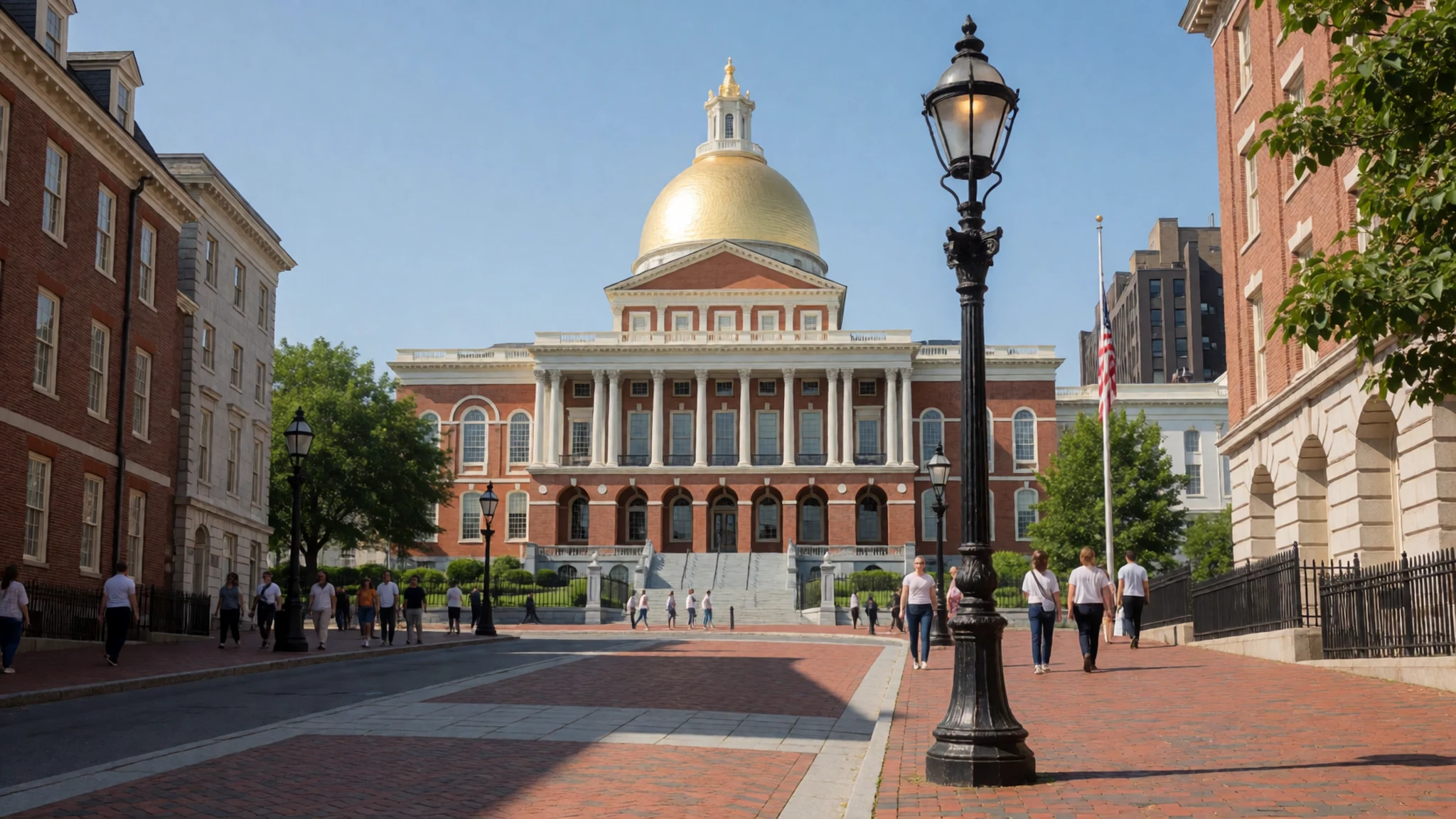
- Old State House — Downtown, near the waterfront
The Old State House is one of the oldest surviving public buildings in the city, dating from the colonial period, and it now serves as a museum of Boston's revolutionary history. Its brick and stone front sits among modern offices and narrow lanes, which makes the contrast striking. Exhibits cover the years before independence, and the nearby streets are where many of the protests of that era took place. Check the official site for current opening times.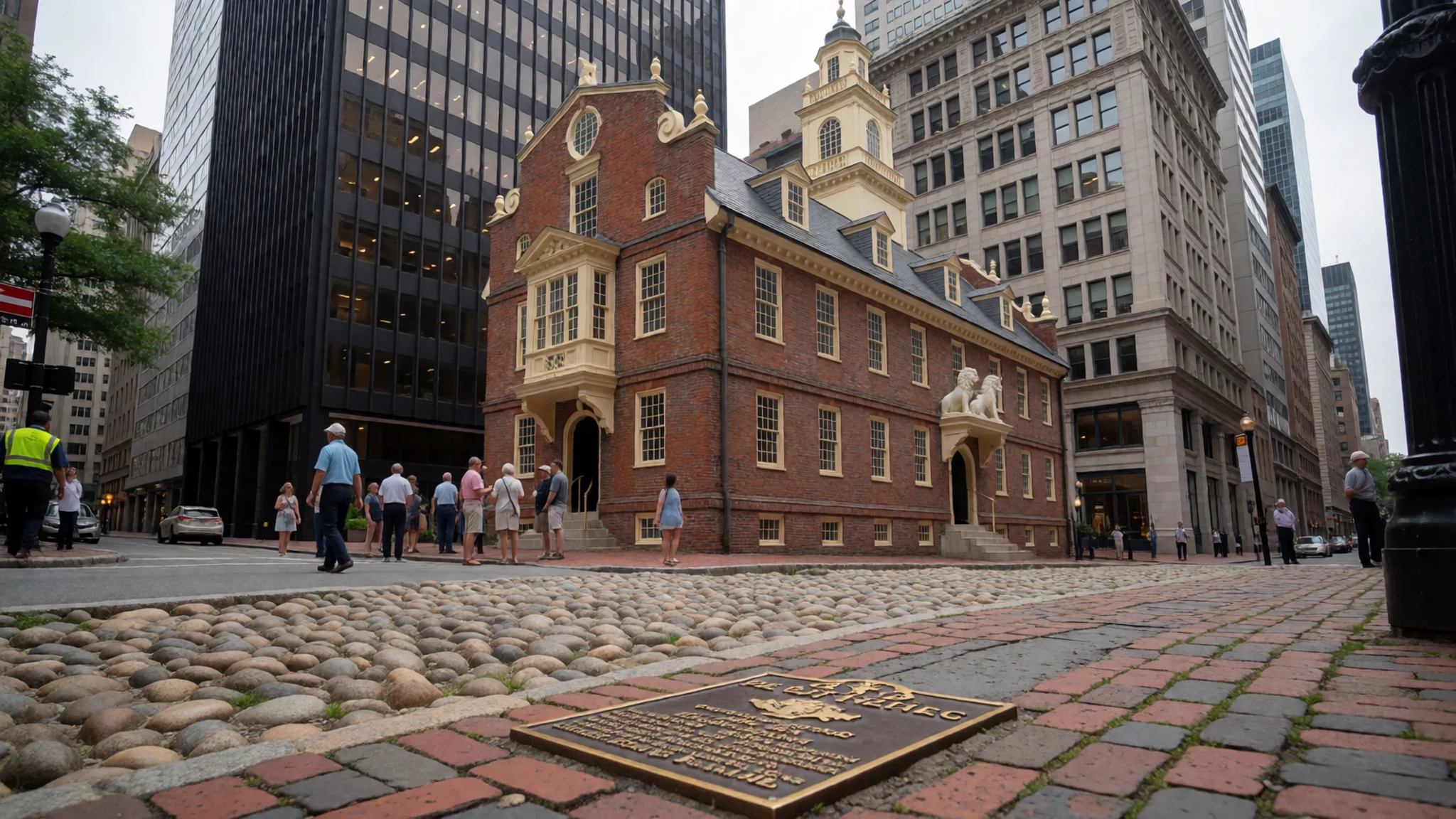
- Boston Public Library, Copley Square — Back Bay, Copley Square
The central library in Copley Square combines a classical building of the nineteenth century with a more modern wing, and the two halves look quite different from the square. Inside, the reading rooms and courtyard are calm places to spend an hour, and the library often hosts exhibitions. It is a good place to sit out of the weather. The building faces Trinity Church across the square, so the two make a natural pairing.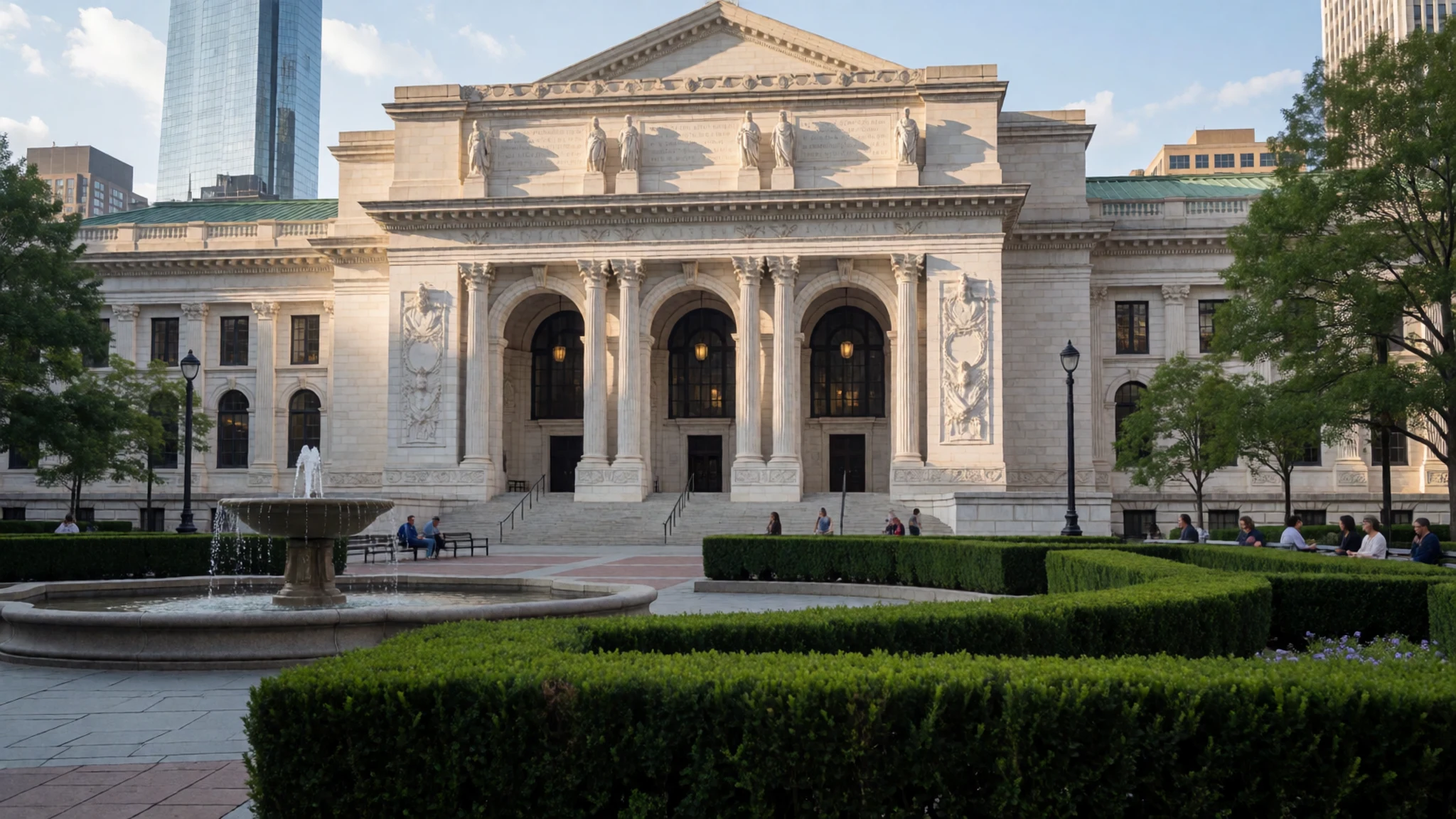
- Trinity Church — Back Bay, Copley Square
Trinity Church stands in Copley Square and is one of the city's best-known churches, admired for its heavy stone form and rich interior. Its design influenced later church architecture in the United States, and the exterior is especially striking in the late afternoon. Services and opening hours change, so check the church's own website before visiting. Photography rules inside can differ between services and quiet times.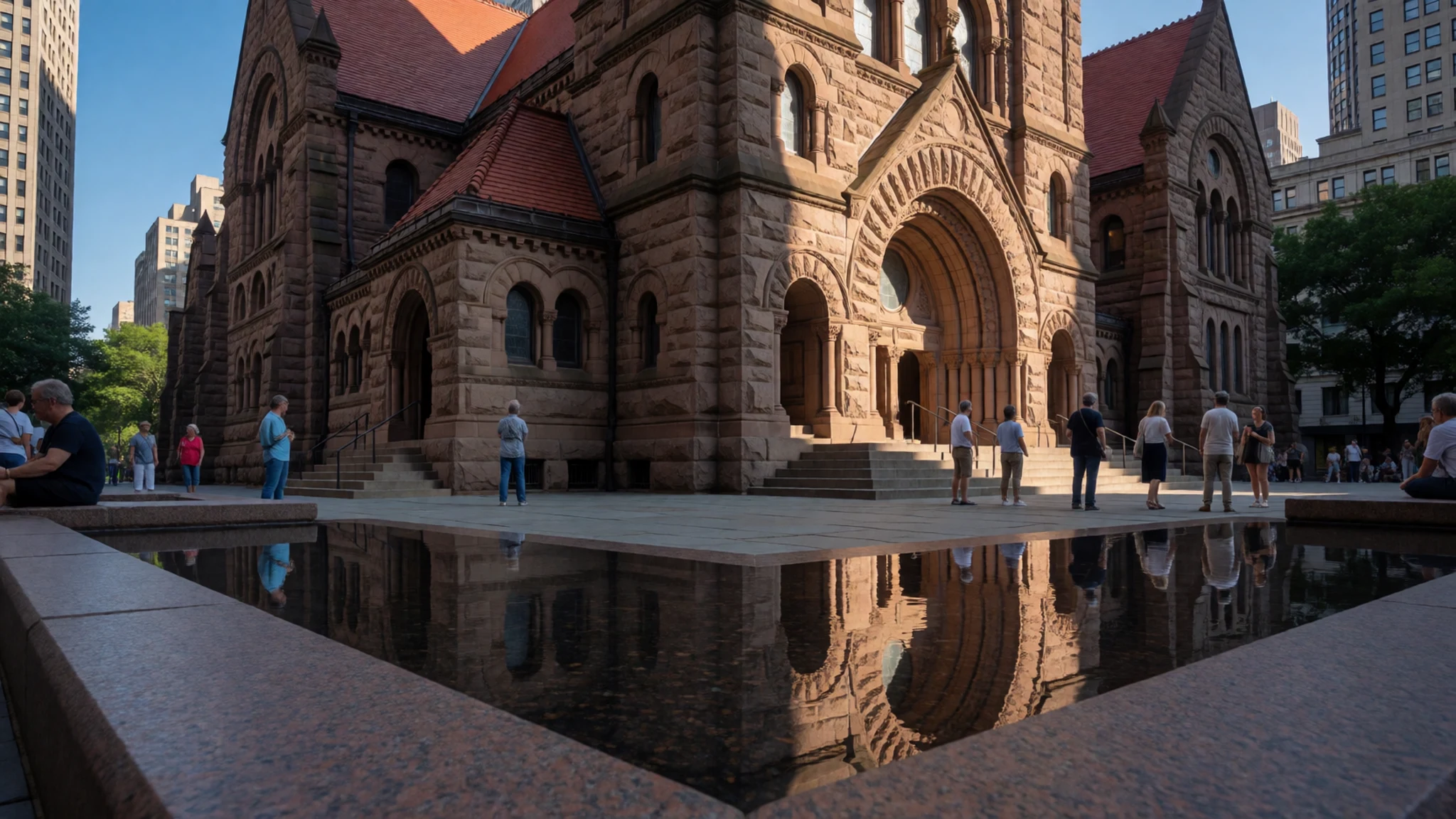
- Fenway Park — Kenmore Square and Fenway
Fenway Park is the home ground of the Boston Red Sox and one of the oldest major league ballparks still in use. Its close seating, the tall left-field wall known as the Green Monster, and the crowd make a game feel intimate. Tickets for popular fixtures sell quickly, so book ahead in summer. Stadium tours run on non-game days, and the streets around the park fill with fans before evening games.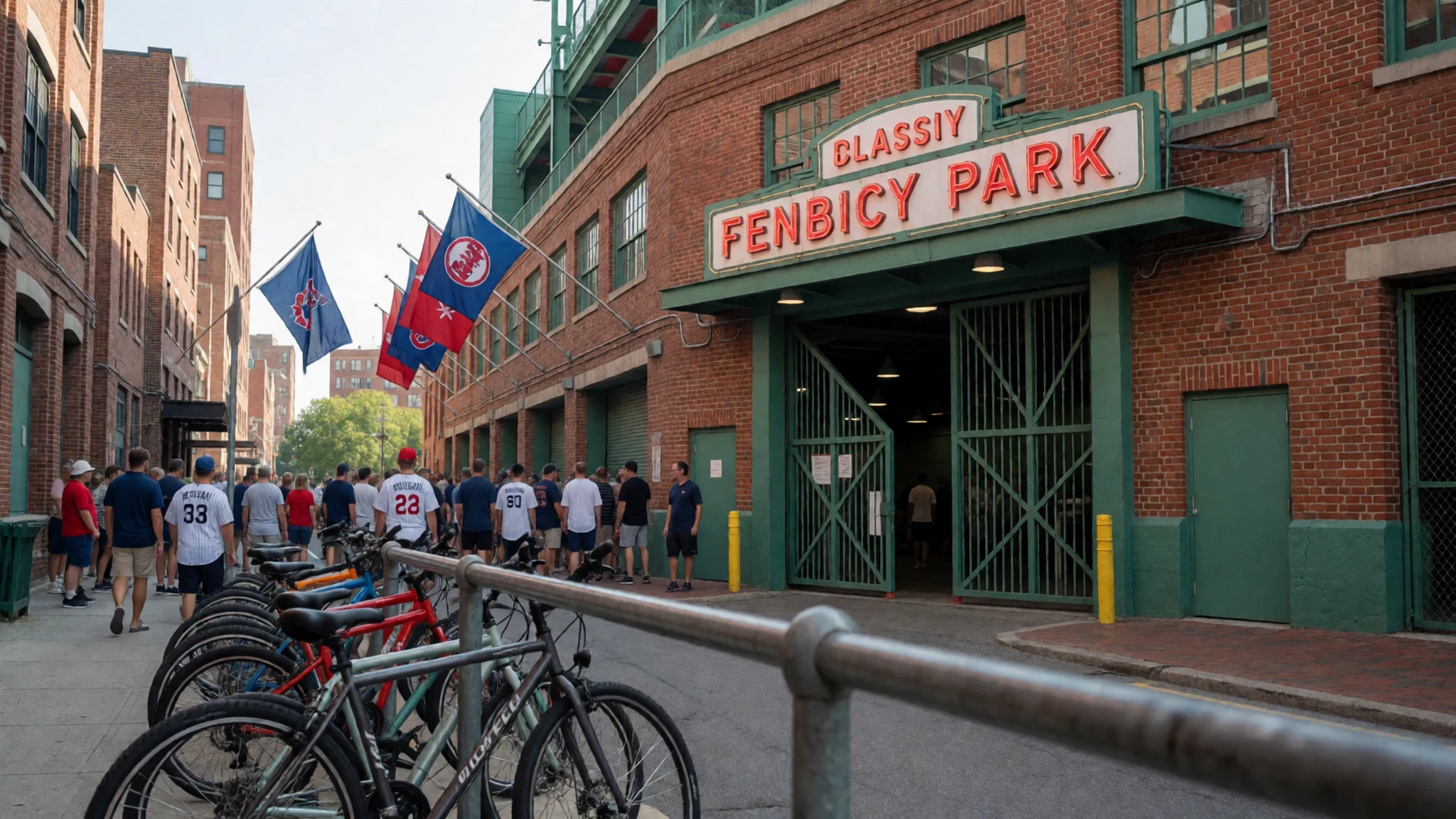
Culture
Boston shares many cultural roots with the rest of New England. Its accent is a version of the non-rhotic Eastern New England speech, meaning the r sound is often dropped at the end of words. The city has its own slang and a dry, sardonic humour that visitors may take a moment to recognise. Food is central to local identity, with a strong preference for seafood, dairy products and plenty of salt in the cooking. The city's reputation for learning goes back centuries, and early writers compared it to ancient Athens for its literary life, a comparison that still gives the city its nickname as a centre of ideas. Universities and hospitals are major employers, and students make up a large share of the population, which keeps the cafés and bookshops busy. Sports matter too, and fans take their teams seriously, sometimes loudly, on public transport and in bars. Respect local traditions by taking part in the queue culture of the city, and let people finish their conversation before you step on to a crowded train.
What to wear
Boston has no single traditional dress, but its colonial history offers a clear picture. The early Puritan settlers wore plain, dark garments of wool and linen, cut for work and worship rather than display, and that austerity shaped a long local preference for practical clothing. Wool, linen and cotton were the everyday textiles of the period, and surviving portraits and museum displays show sober colours and simple collars. Today's Bostonians dress for the weather more than for any tradition. In winter you will see long wool and down coats, knitted hats and waterproof boots, and in summer light cotton, shorts and sneakers. Sports caps and team jerseys are common around the ballparks and bars, and many people wear university colours with pride. For a visitor, the key is layering: the weather can change within an hour, so carry a light waterproof and a warm mid-layer. Comfortable closed shoes matter most, since the downtown streets are old, uneven and walked on for hours. No religious site requires covered dress, but modest clothing is appreciated when entering a church during a service.
What to eat
- New England clam chowder — harbour-side eateries and seafood counters along the waterfront
A thick, creamy chowder built around clams, potato and onion, often finished with salt pork or bacon for depth. Each harbour-side eatery makes its own version, so it is worth trying a few. It is usually served in a bowl with crackers, and the best bowls arrive hot on a cold day.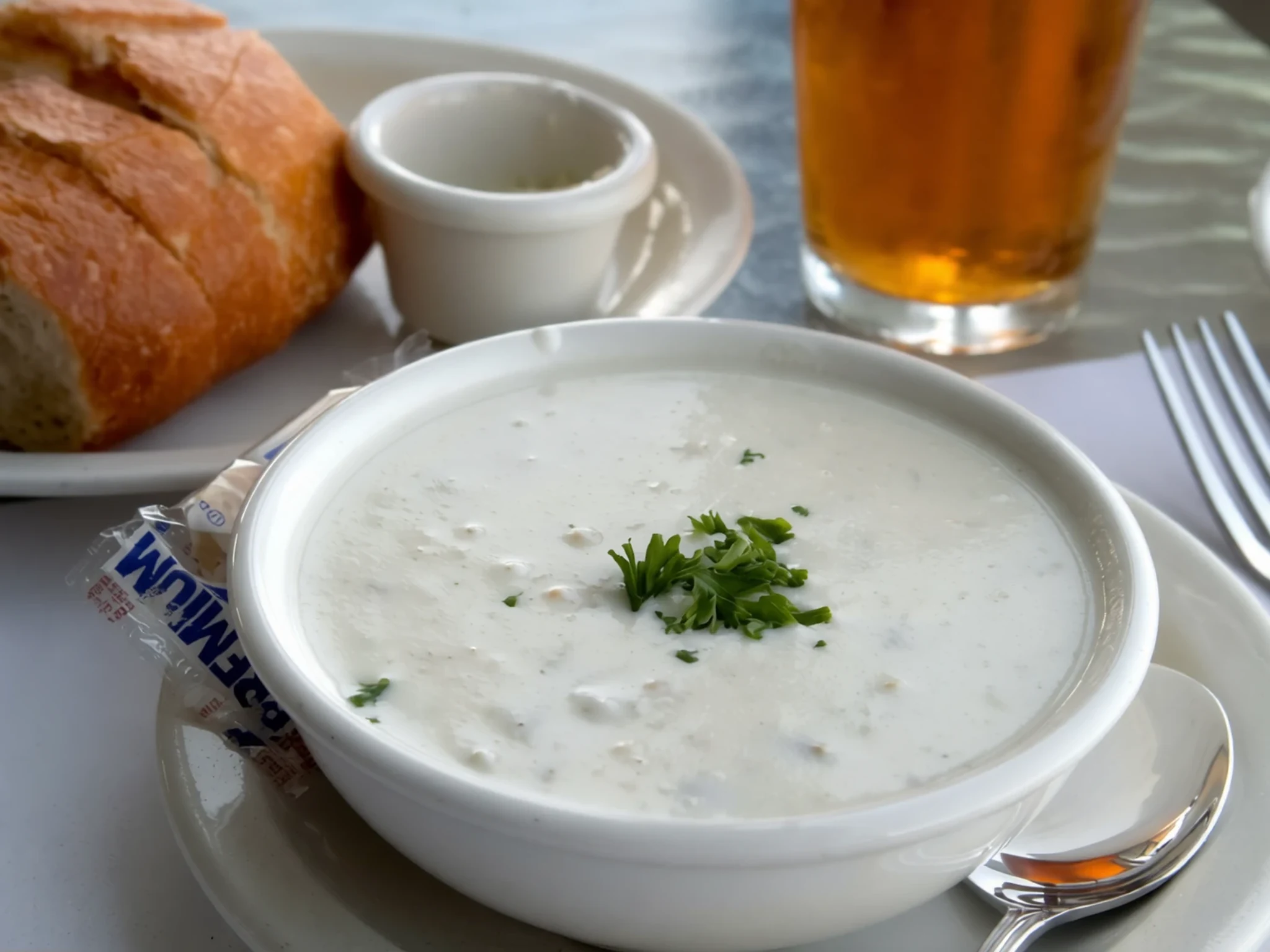
- Lobster roll — waterfront seafood shacks and pier stalls
Cooked lobster meat, dressed either cold with mayonnaise or warm with butter, packed into a split and toasted roll. Prices vary by place, so compare menus on the day. Eating one on a pier with gulls nearby is part of the local experience.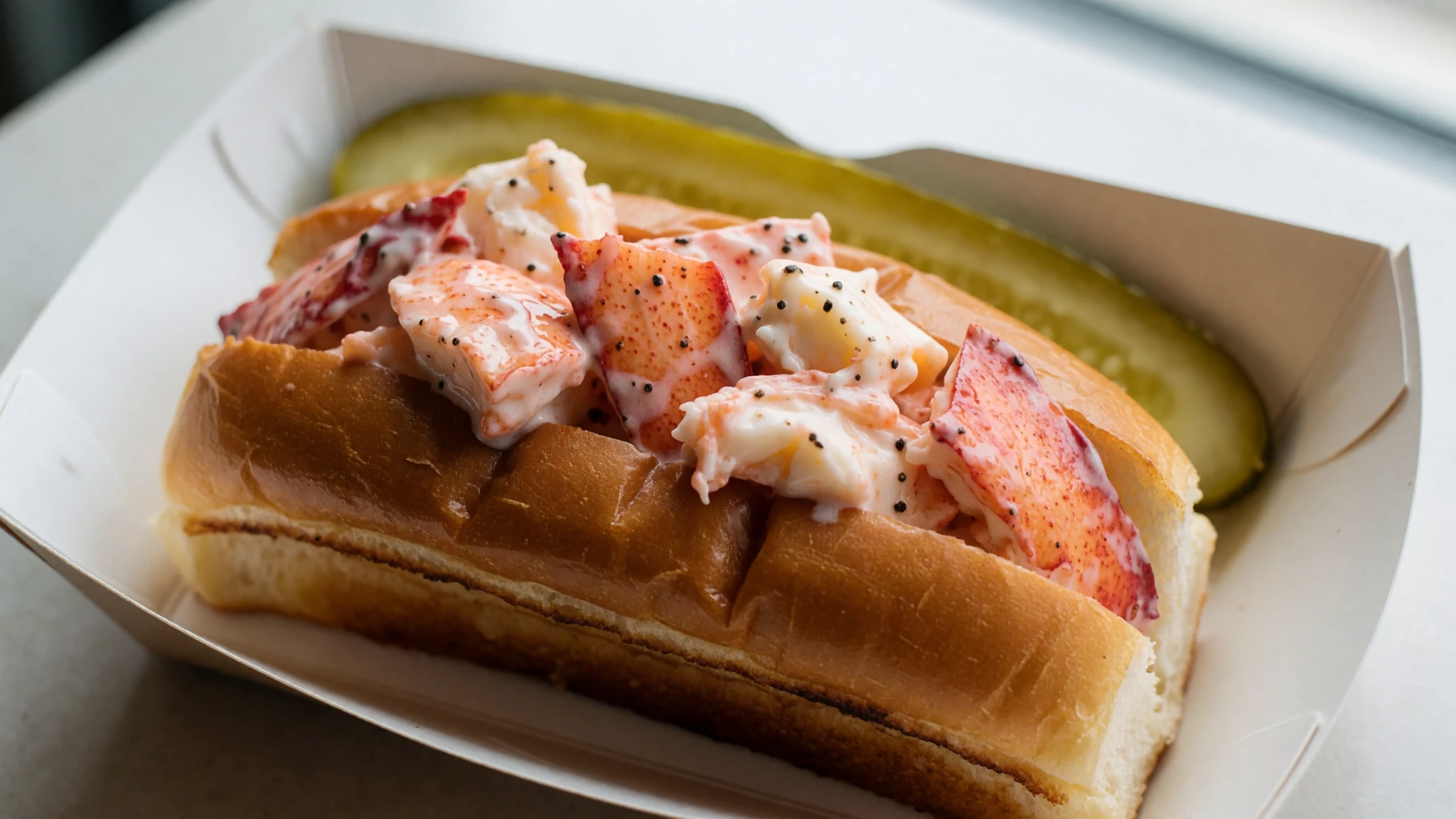
- Pasta and pastries in the North End — Hanover Street and the lanes around it
The North End is the city's Italian quarter, and its family-run restaurants serve handmade pasta, baked dishes and strong espresso. Pastry shops along the lanes sell cannoli and biscotti. Arrive early in the evening, because the most popular tables fill fast and many close by 10 or 11pm.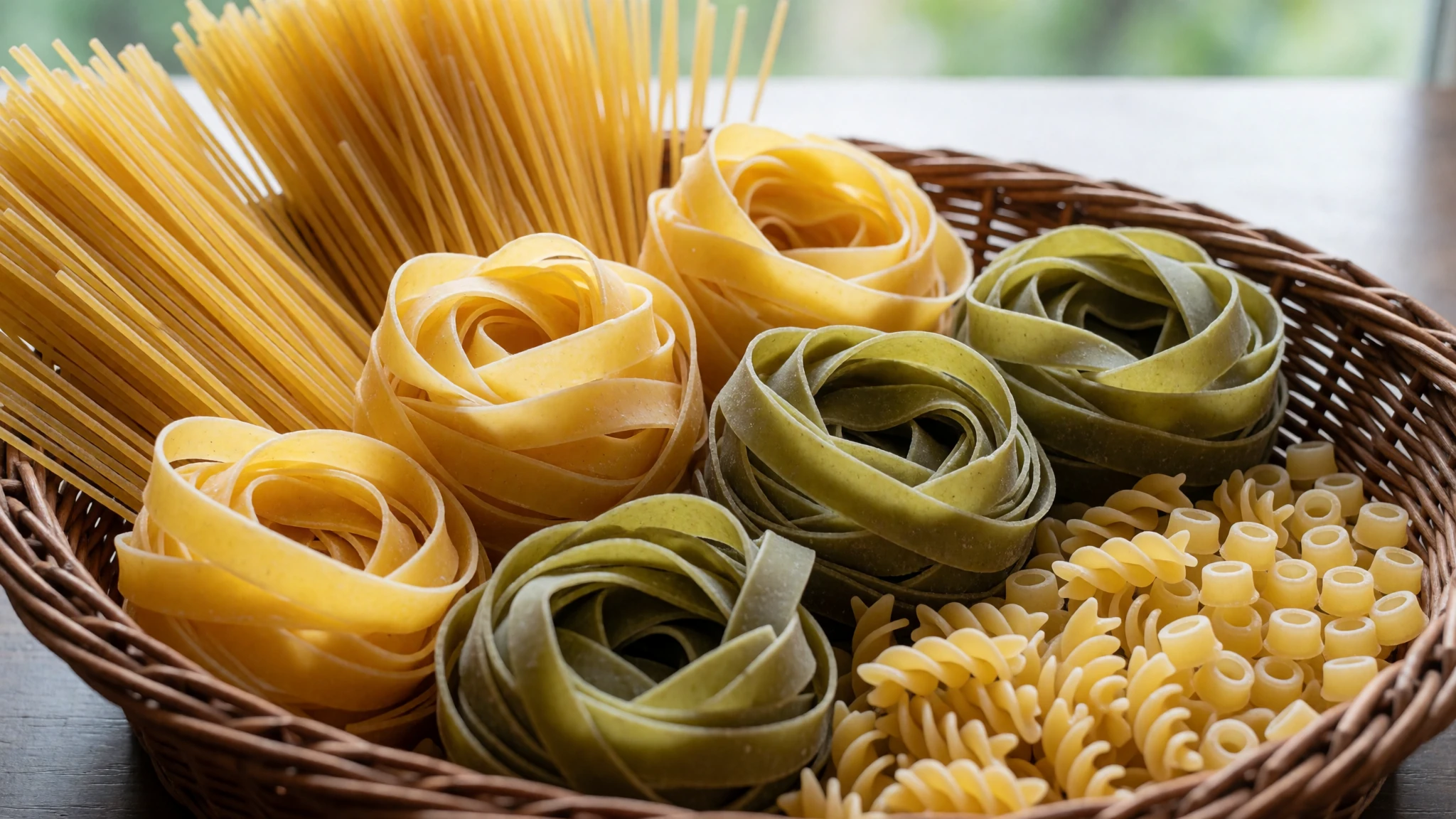
- Dim sum and noodles in Chinatown — the streets of Chinatown
Chinatown offers some of the city's most varied eating, from steamed dumplings and buns at lunchtime to hot noodle soups in the evening. Many eateries here are casual and busy, with shared tables and quick service. Cash is handy at smaller places, though larger restaurants take cards. - Boston cream pie — traditional bakeries and cafés in the city centre
Despite the name, this is a sponge cake layered with custard and topped with chocolate icing, and it is the city's official dessert. Bakeries and cafés across the city make versions that differ in sponge and custard. Ask for a slice in the afternoon, when the display is fullest.
Plan it
Best time. May and June bring mild days and long light before the summer heat, while September and October offer warm afternoons and cooler evenings with autumn colour. July and August can be hot and humid, and winter brings snow and cold winds that make long walks harder.
How long. 2–3
Getting there. Logan International Airport is a short ride from downtown, with free airport shuttle buses linking the terminals. Amtrak trains from other East Coast cities arrive at South Station, which sits close to the downtown streets.
Budget. mid
Tips
- Walk the historic downtown in the morning, before the crowds and the tour groups arrive
- Book tickets for Fenway Park early in summer, since popular games sell out
- Carry a light waterproof and a warm layer, because the weather changes quickly
- Keep some cash for smaller cafés, although cards are widely accepted
- Check opening times on the official website before planning museum visits
Etiquette
- Queue politely at restaurants, transit gates and museum entrances
- Stand to one side on escalators and stations so others can pass
- Tip table service generously, and check the bill first in case a service charge is included
Nearby
Sources
- Wikidata Q100 (CC0)
- Wikipedia, Boston (rev 1382023721) (CC BY-SA 4.0)
- Wikivoyage, Boston (rev 5408785) (CC BY-SA 4.0)
- Boston from the Harbour, Massachusetts, United States (CC BY 2.5)
- Boston (CC BY 3.0)
- Boston, MA (Old State House) (CC BY 2.5)
- Boston, Beacon Hill (CC BY 3.0)
- Massachusetts State House (CC BY 2.5)
- The New York Yankees visit the Boston Red Sox, 1 August 2014 (CC BY-SA 4.0)
- Back Bay skyline from Longfellow Bridge, Boston (two-segment panorama) (CC BY-SA 4.0)
- Boston Tea Party (Public domain)


