Mount Aso
Mount Aso, Japan
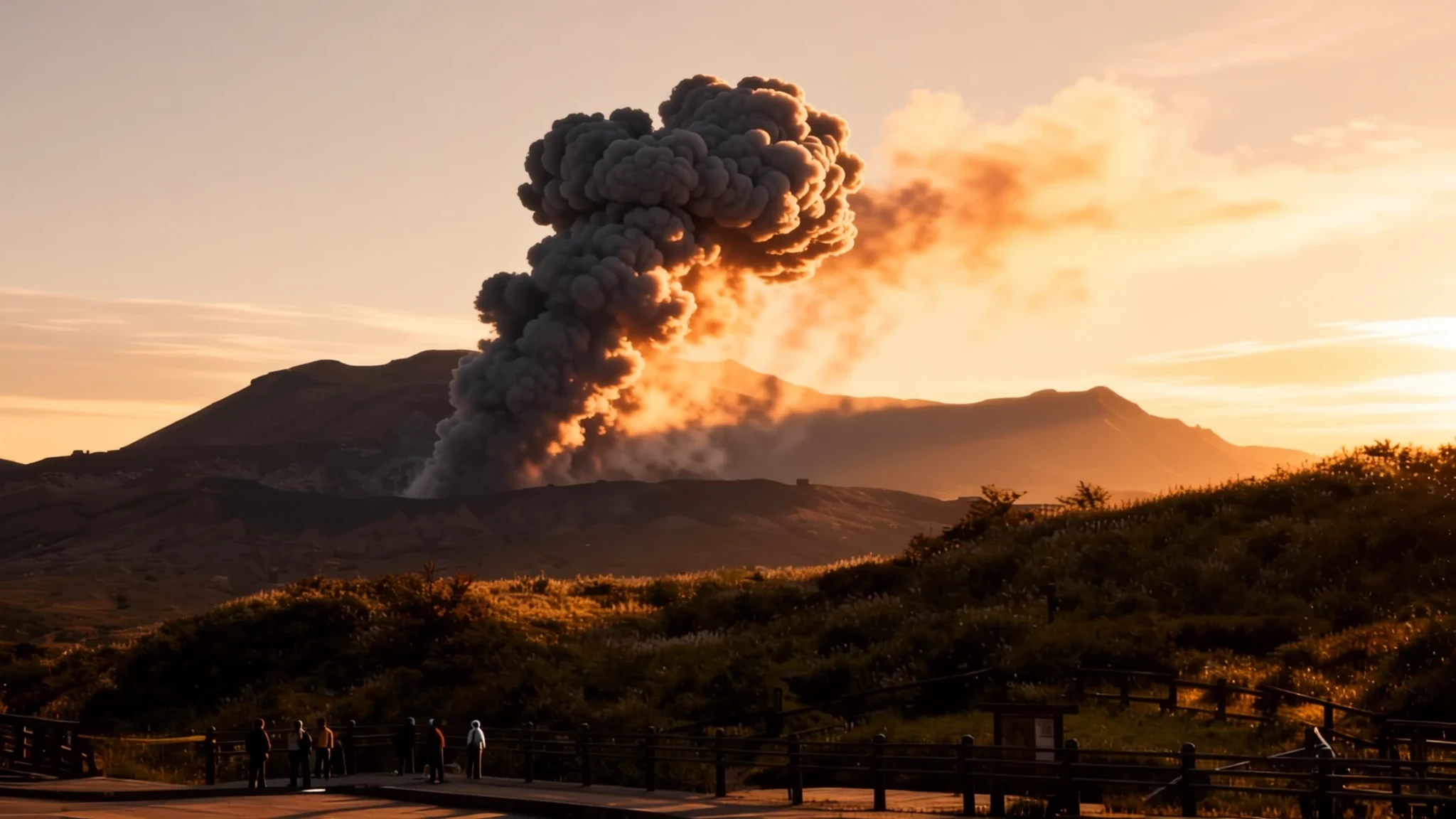
Mount Aso offers dramatic volcanic crater views, sweeping green calderas, and ancient shrines set amid the rolling highlands of central Kyushu.
The place
Mount Aso is a massive volcanic complex situated in Kumamoto Prefecture on the southern Japanese island of Kyushu. The surrounding landscape is defined by a colossal caldera extending across vast distances from north to south and east to west, encompassing entire rural communities, cultivated fields, and five central volcanic peaks. Among these central elevations, Nakadake stands out as a persistently active vent that continuously discharges clouds of sulphurous steam and ash into the mountain sky. The highest point of the central cluster, Takadake, overlooks the highland landscape from a serene height.
Visitors reaching Mount Aso experience a dramatic mountain environment dominated by visible geothermal activity and sweeping pastureland. Open plateau meadows like Kusasenrigahama stretch beneath the central ridges, offering expansive grazing ground for cattle and horses under the backdrop of smoking summits. Winding access roads connect the lower valley settlements to the higher mountain basins, passing distinctive volcanic forms such as the symmetrical green hill of Komezuka. The entire area forms a core component of Aso-Kuju National Park, where active geology, cool alpine air, and rural farming heritage exist side by side.
Its story
The geological story of Mount Aso began hundreds of thousands of years ago through a series of massive explosive eruptions. Between three hundred thousand and ninety thousand years ago, four cataclysmic eruption events carved out the vast collapse structure known today as the Aso Caldera. The fourth of these mega-eruptions was particularly immense, casting volcanic ash and thick pyroclastic flows across the entire island of Kyushu and reaching neighbouring mainland provinces. As the subterranean magma chambers emptied and collapsed, the gigantic basin took its modern shape.
In the aftermath of these prehistoric eruptions, secondary volcanic cones slowly emerged inside the sunken floor, building up the five modern central mountains. The dense pyroclastic rock deposits left behind by these ancient flows, known locally as welded tuff, became an essential natural building material for local human communities. Over centuries, masons carved this durable volcanic stone to construct arched bridges across regional waterways, creating iconic civil engineering heritage across Kumamoto. Meanwhile, Nakadake has maintained its active status into modern times, recording frequent explosive episodes and gas emissions over recent decades and reminding residents of the living subterranean heat beneath the valley floor.
What to see
- Nakadake Crater — Central Peak Ridge
The active volcanic crater of Nakadake offers a rare opportunity to observe living geothermal vents up close. Plumes of white sulphurous steam rise continuously from the rugged northern crater pit. Access depends strictly on prevailing wind direction and gas levels, with wooden shelters stationed along the perimeter paths for safety during sudden shifts in activity.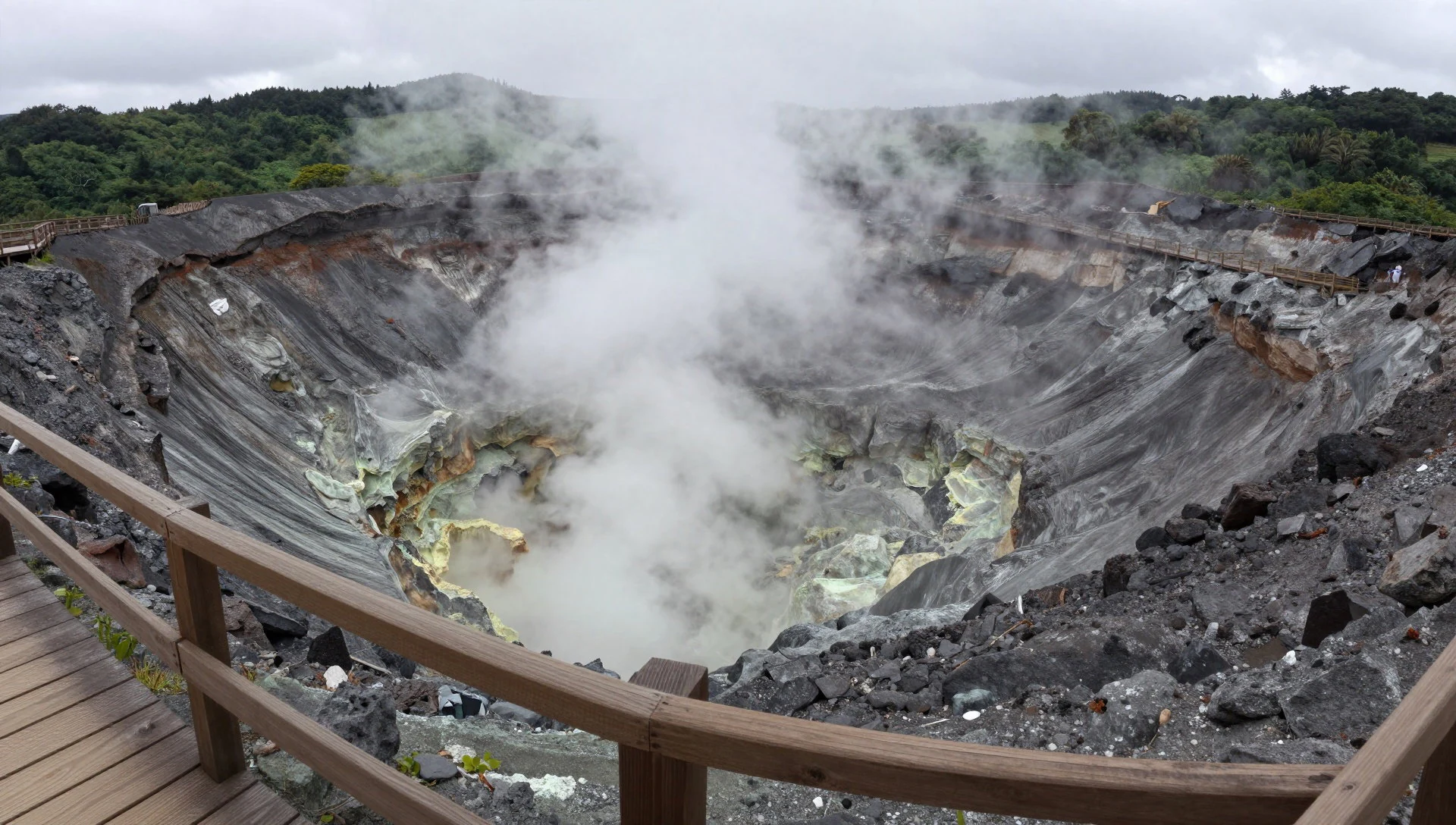
- Komezuka — Northern Caldera Slope
Komezuka is a beautifully symmetrical small volcanic cone rising cleanly from the grassy highland plain. Formed by a localized eruption several thousand years ago, its smooth slopes are covered in bright green vegetation during warm months. Walking up the fragile cone is strictly prohibited to preserve its delicate turf, but clear roadside views provide splendid photo opportunities.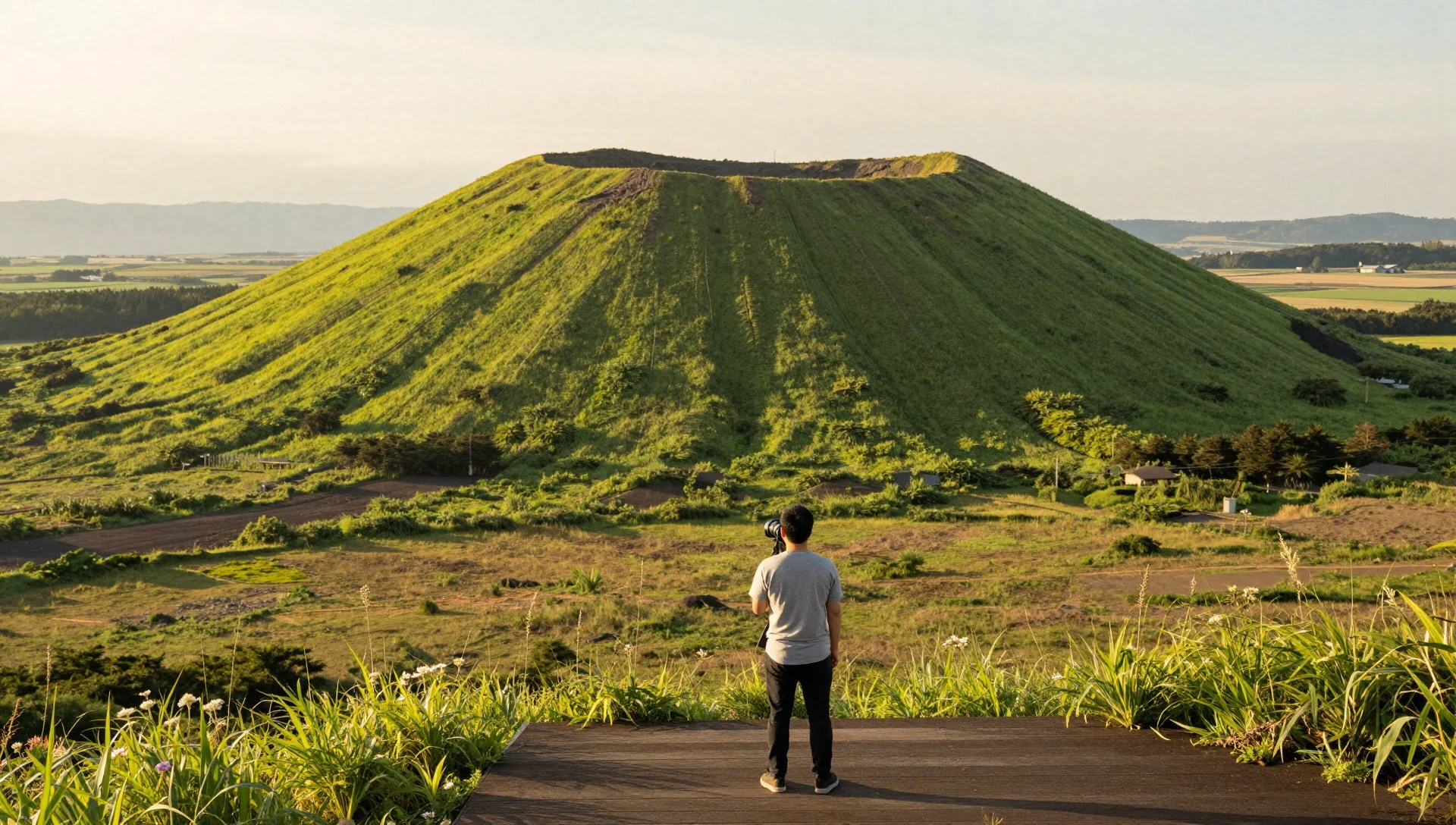
- Aso Shrine — Ichinomiya District
Aso Shrine is an ancient Shinto complex with deep historic roots in the region, traditionally venerated by travelers seeking safety and smooth transportation. Situated in the northern valley, the shrine features traditional timber architecture surrounded by sacred trees. Visiting offers insight into local spiritual customs connected to the volcano and the surrounding agricultural communities.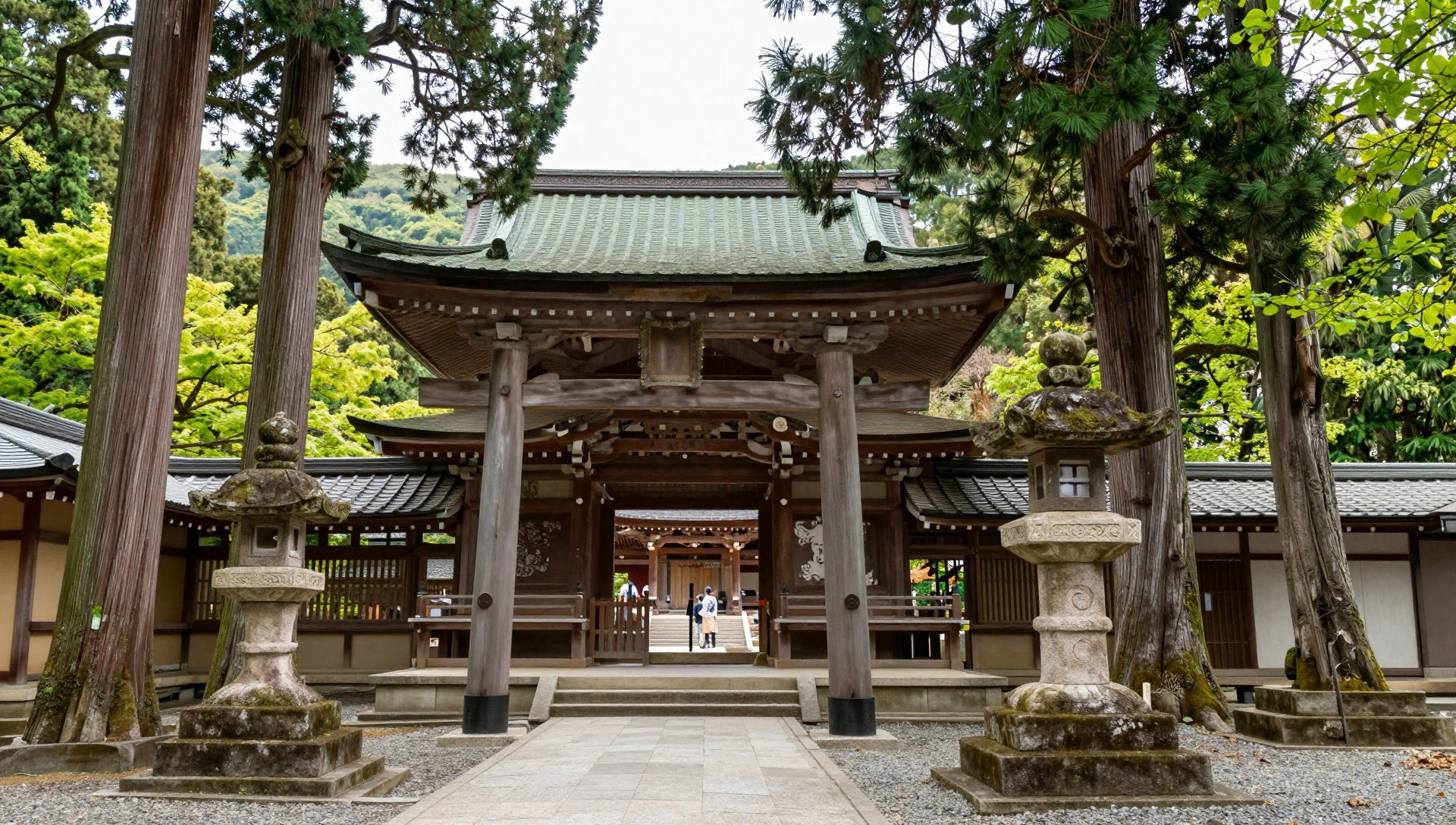
- Aso Volcano Museum — Kusasenri Plateau
Located directly opposite the wide Kusasenri grassland, the Aso Volcano Museum provides educational exhibits detailing the complex geological origin of the caldera. Interactive displays and real-time cameras monitor Nakadake's volcanic activity, giving visitors a thorough overview of subterranean dynamics, historical eruptions, and regional ecology before heading higher up the slopes.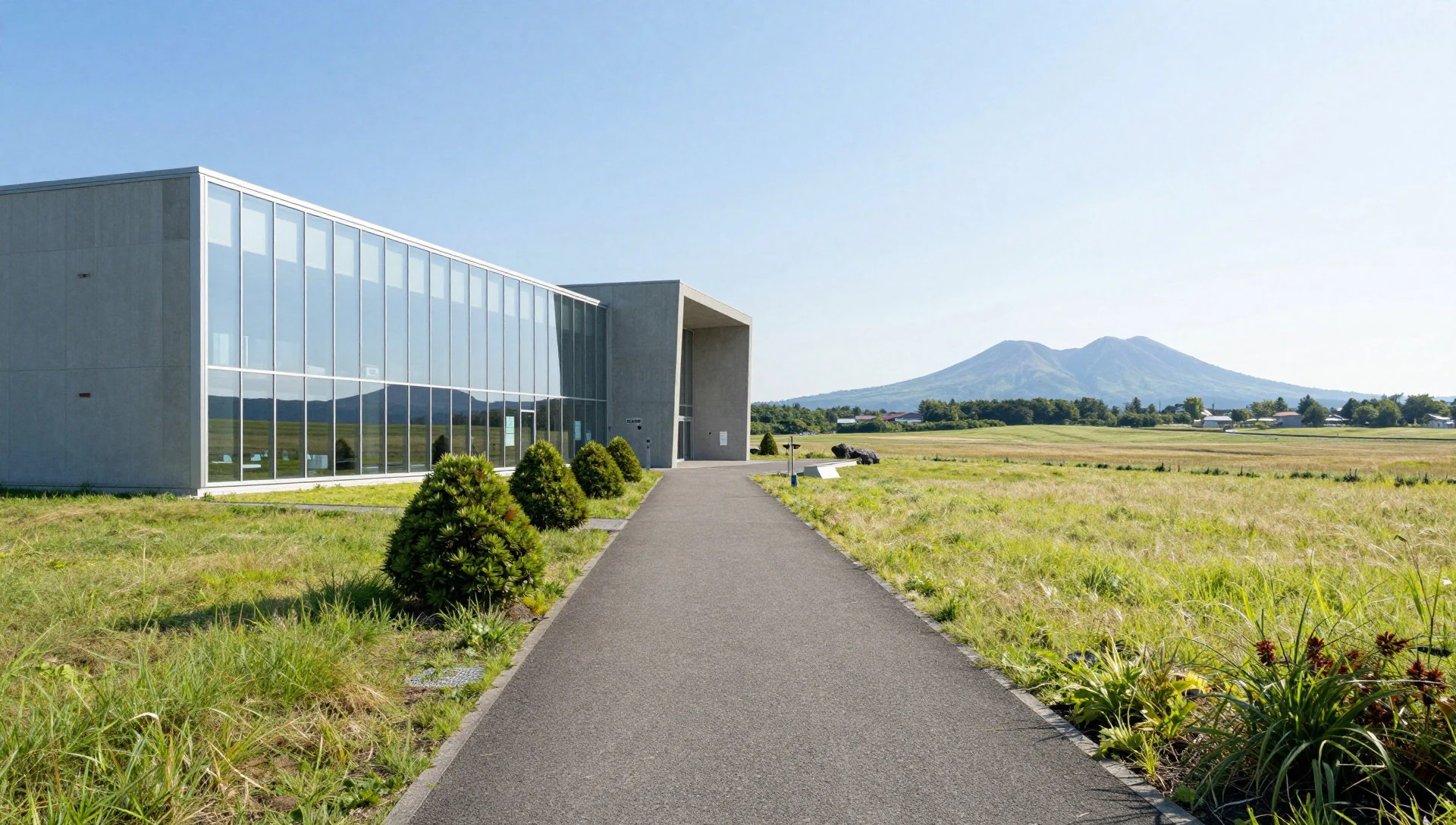
- Aso Saru Mawashi Gekijō — Northern Valley
This local cultural theatre presents traditional Japanese monkey performance arts, a performance discipline with long historical roots in countryside entertainment. Skilled trainers and trained macaques demonstrate acrobatic feats, comic routines, and choreographed dances inside a modern hall, offering family-friendly cultural entertainment within easy reach of the main valley routes.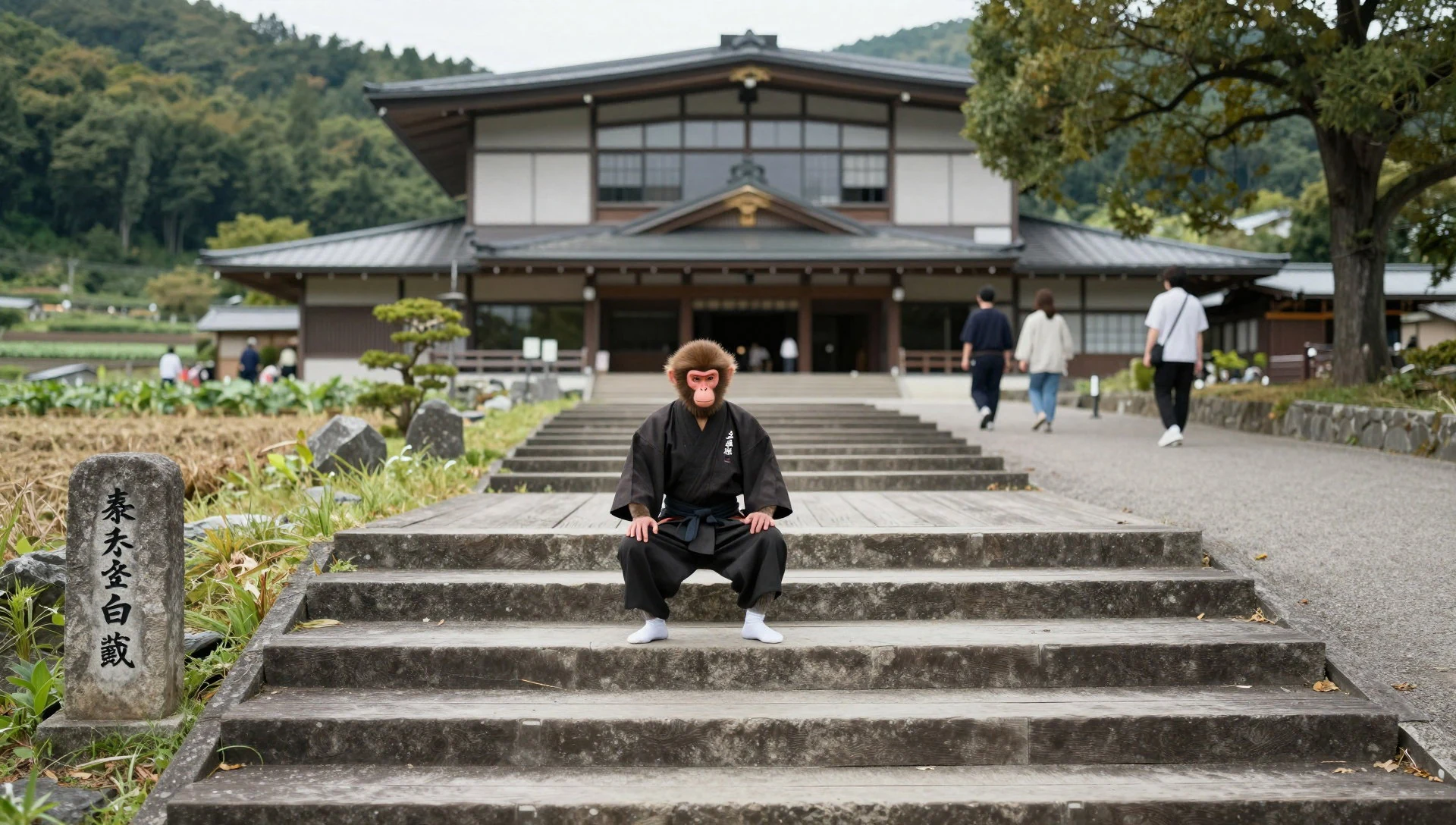
Culture
Culture around Mount Aso has long been intertwined with the powerful natural forces of the active volcano. Local inhabitants have historically revered the mountain peaks as sacred realms, establishing shrines in the valley floor to appease subterranean deities and secure protection for crops and mountain travel. The surrounding pasturelands have sustained a traditional pastoral lifestyle for generations, where communal grazing and seasonal grass-burning rituals help maintain the open, treeless landscape of the highland plateaus. Water springs emerging from the volcanic strata are cherished as vital gifts, supplying clean mineral water to agricultural villages throughout the caldera. Local festivals often celebrate this deep connection between human settlement, fresh mountain water, and volcanic soil. Visitors are welcomed into this agricultural region, where quiet countryside hospitality reflects the deliberate pace of rural Kyushu life. When visiting active volcanic zones or sacred grounds, respect all posted security boundaries and immediately obey instructions from park wardens.
What to wear
Fashion around Mount Aso reflects the practical needs of mountain life alongside regional textile traditions. Historically, rural farming communities in Kumamoto wore durable work garments made from indigo-dyed cotton known as kasuri, woven with intricate geometric patterns to resist wear during hard agricultural labour. On festive occasions, simple cotton yukata or light kimonos were worn during seasonal shrine gatherings. Today, residents in the caldera towns dress in casual modern western attire suited to countryside living, such as comfortable jeans, fleece jackets, and sturdy work boots during agricultural chores.
For visitors exploring Mount Aso, dressing in flexible, weather-resistant layers is essential due to rapid temperature shifts and strong winds across the exposed caldera ridges. Good hiking shoes or sturdy trainers with high-grip soles are necessary for walking over rough volcanic ash and paved trails. Sun protection such as broad-brimmed hats and UV sunglasses is recommended on the unshaded plateaus, while a light waterproof windbreaker will guard against sudden mountain showers and cool summit breezes.
What to eat
- Aso Noodles — noodle shops around Aso Station
Hearty local noodle dishes made with fresh mountain spring water are popular across the valley. Served in piping hot broths with seasonal vegetables or local beef, these comforting wheat noodles provide vital warmth to travelers after exploring cold mountain peaks.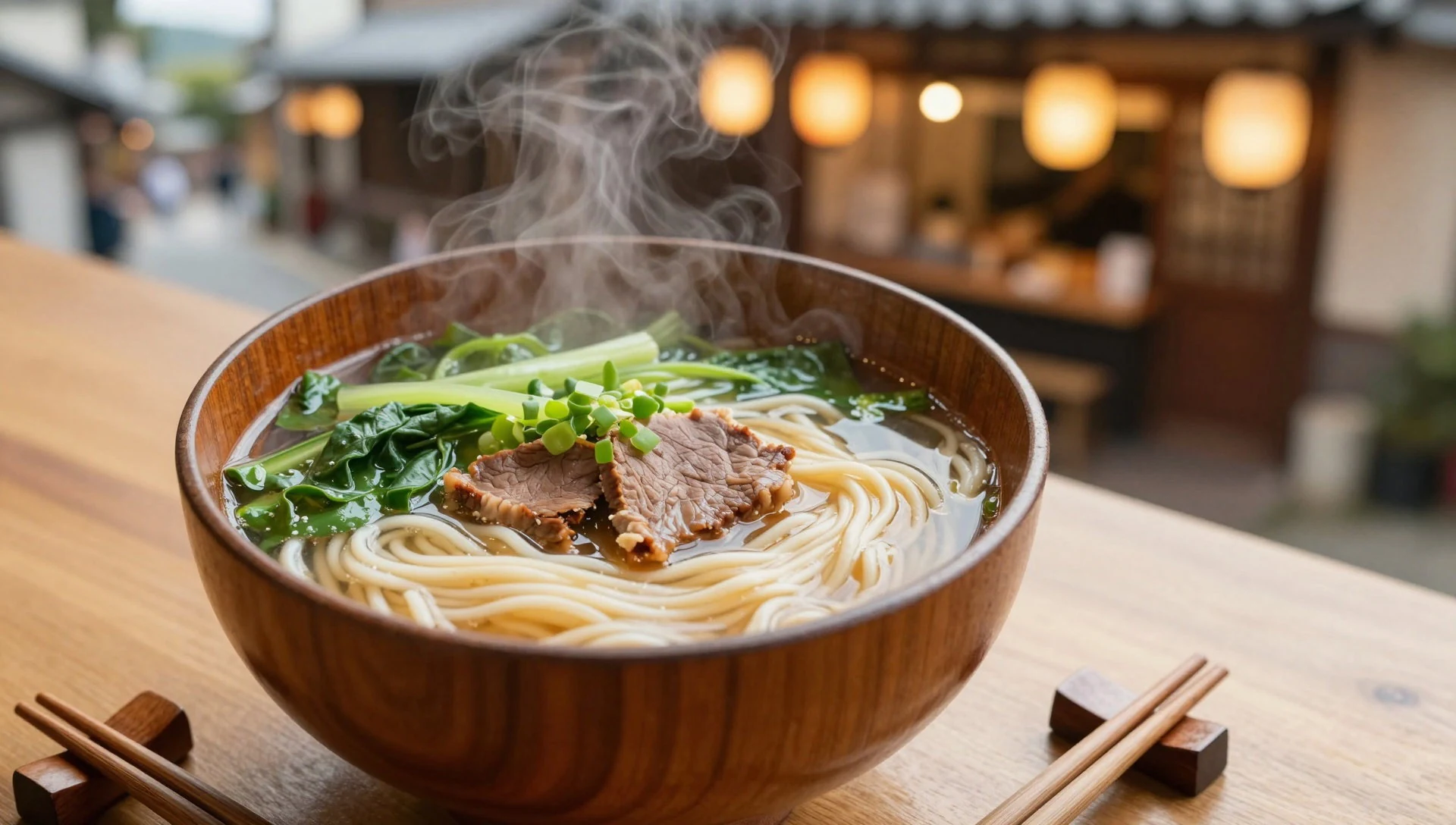
- Table-Grilled Meats — traditional country eateries in the valley
A favourite local dining experience involves cooking seasoned beef and fresh vegetables on small fires built directly into the centre of dining tables. These generous charcoal-grilled feasts emphasize local livestock and crisp highland produce.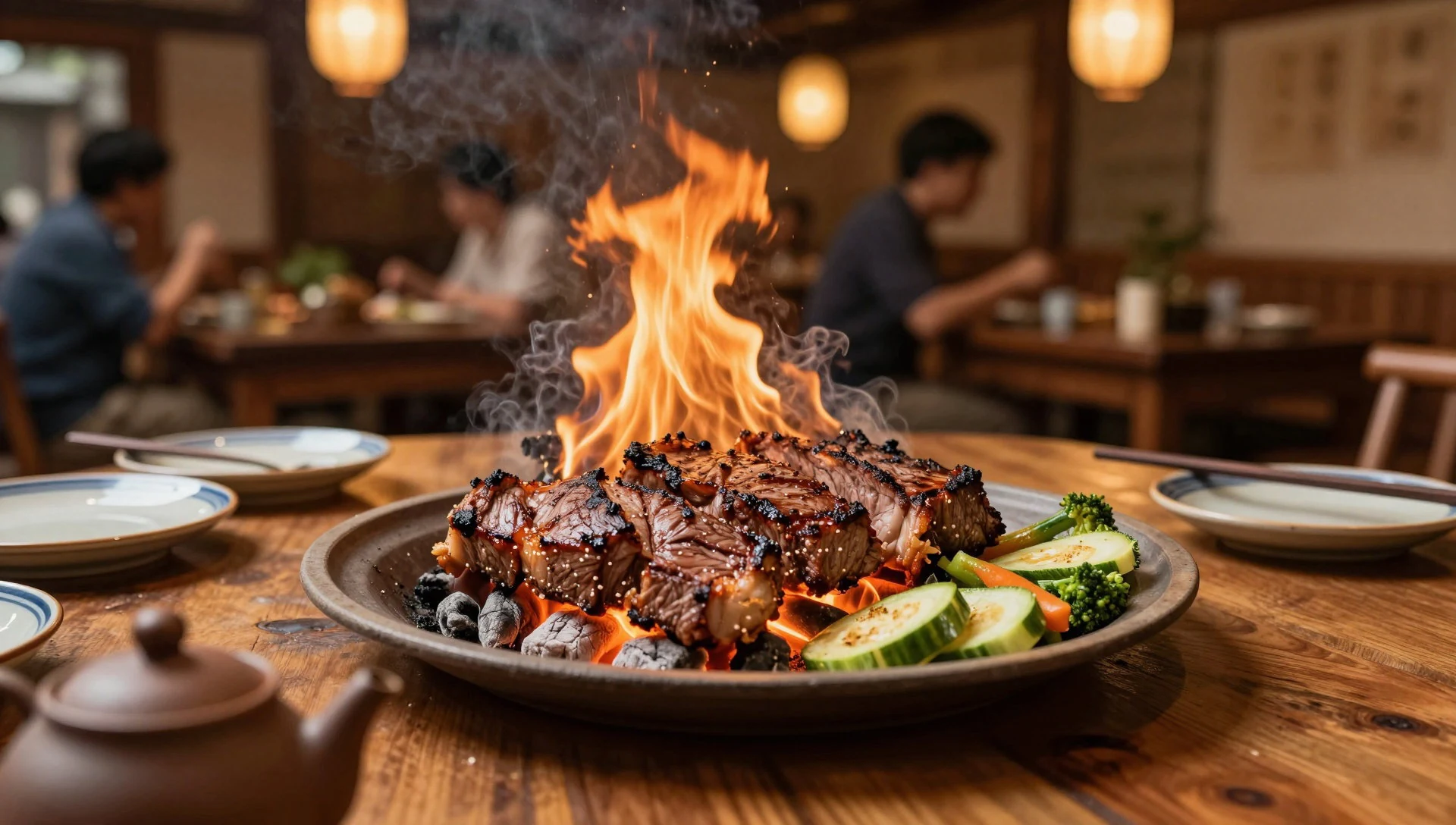
- Aso Highland Cheese Cake — bakeries in Aso Heights
Rich baked cheesecake made from fresh dairy produced by cows grazing on the caldera pastures is a famous local treat. The dense, creamy dessert is best enjoyed at mountain cafes alongside hot coffee while overlooking the grassy slopes. - Station Ekiben Lunch Boxes — roadside stations and train stops
Convenient boxed lunches packed with regional rice, pickled vegetables, and simmered pork offer an authentic taste of local flavours on the go. Travelers frequently pick up these neatly arranged meals before boarding regional trains or scenic mountain buses.
Plan it
Best time. Spring from April to May brings fresh greenery and mild temperatures, while autumn from September to October offers clear skies and colorful foliage. June and July see heavy rainfall exceeding 500 millimetres monthly.
How long. 2–3
Getting there. Fly into Kumamoto Airport or take the Kyushu Shinkansen to Kumamoto Station, then catch the JR Hohi line train or a regional express bus directly to Aso Station.
Budget. mid
Tips
- Check crater safety alerts before traveling as toxic volcanic gases frequently restrict access
- Carry a light windbreaker even in summer because mountain winds can be cool and volatile
- Keep cash on hand for small transport fares, local noodle shops, and roadside stalls
- Use coin lockers at Aso Station to store heavy luggage before taking mountain buses
Etiquette
- Follow all safety instructions and warnings regarding volcanic gas emissions at Nakadake
- Do not step onto protected grassy mounds such as Komezuka to preserve fragile soils
- Remove shoes when stepping onto raised tatami floors at traditional inns or shrine buildings
Nearby
Sources
- Wikidata Q733710 (CC0)
- Wikipedia (rev 1379573289) (CC BY-SA 4.0)
- Wikivoyage (rev 5411578) (CC BY-SA 4.0)
- Photo photos/05-mount-aso-naka-dake.jpg (CC BY 3.0)
- Photo photos/06-20250710-aso.jpg (CC BY-SA 4.0)

