Morro de São Paulo
Morro de São Paulo, Brazil
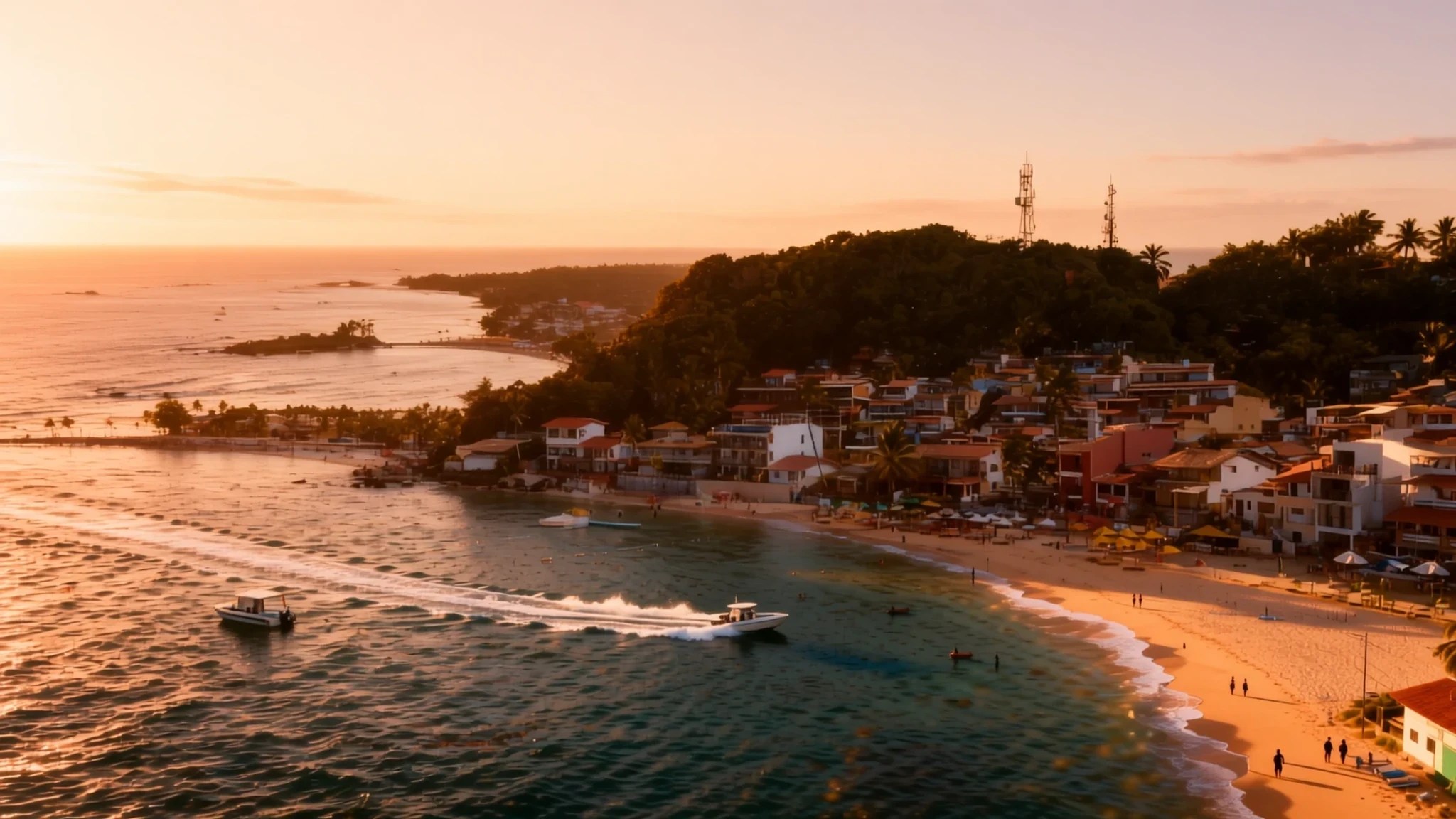
Morro de São Paulo offers a lively beach village on a Bahian island, with easy boat links from Salvador, good seafood and a steady rhythm of sea and sand.
The place
Morro de São Paulo is a village at the northern end of Tinharé, an island off the coast of Bahia in north-eastern Brazil, within the municipality of Cairu. The name translates roughly as 'Hill of Saint Paul', and the hill is still the village's reference point, crowned by a lighthouse. Of the settlements on the island, this is the one most people reach first, because the boats from Salvador dock here.
The beaches lie along the eastern shore. Starting from the port they run through Primeira Praia, Segunda Praia, Terceira Praia and Quarta Praia, then on to Quinta Praia, which many visitors know as Praia do Encanto. Each has its own character. The nearer strands carry most of the restaurants, drink stands and evening noise, while the far end feels quieter and more open.
The village has roots that run back to the Tupinambá people, who lived on the island before the Portuguese arrived. The European-style name reflects the colonial phase that followed, and the settlement later grew into one of the main tourist centres on the coast. Most accommodation is in small inns called pousadas, many a short walk from the sand. The village is compact, so walking covers nearly everything, although the sandy lanes are hard going with a heavy suitcase.
Morro suits a few days of rest better than a long stay. The mix of sun, sea and sociable beach life explains why it draws such a steady stream of visitors.
Its story
Morro de São Paulo grew out of an older island life. The Tupinambá people lived on Tinharé before the Portuguese arrived, and the island's name shifted as it passed between languages. Martim Afonso de Sousa landed there in 1531 and gave it a Portuguese-style name, which the local accent soon reshaped into Tinharé. In 1535, Francisco Romero established the village of Morro de São Paulo at the island's northernmost tip, working alongside the local population.
The Second World War reached this stretch of the Bahian coast. German submarines carried out patrols and attacks here during the war years, part of a wider campaign along the coasts of Bahia and Sergipe. Merchant ships were the first targets, but civilians died in large numbers. One submarine attacked the ship Itagiba just off the village's lighthouse, and most of its passengers were lost.
Life on the coast became hard. Shortages, speculation and hunger spread through Bahia, and Morro de São Paulo was largely left by the federal government, so its residents faced both famine and lawlessness. The village's memory of those years is still tied to the lighthouse and the old fort near the port.
Recovery came slowly. Over the following decades the village turned to tourism, and the old lanes that once served fishing families now carry guesthouses, pousadas and beach bars. The historic sites that remain are a reminder that the settlement has a longer past than its beach reputation suggests.
What to see
- The lighthouse and the 1630 fort — The hilltop above the port
The lighthouse stands at the top of the morro that gives the village its name. Its deck is a good place to watch both sunrise and sunset. Leave the port and turn left to reach the fort, which dates from 1630 and looks out over the bay. Go early or late in the day, when the light is kind and the climb is cooler. Opening hours and any fees can change, so check the official site before you go.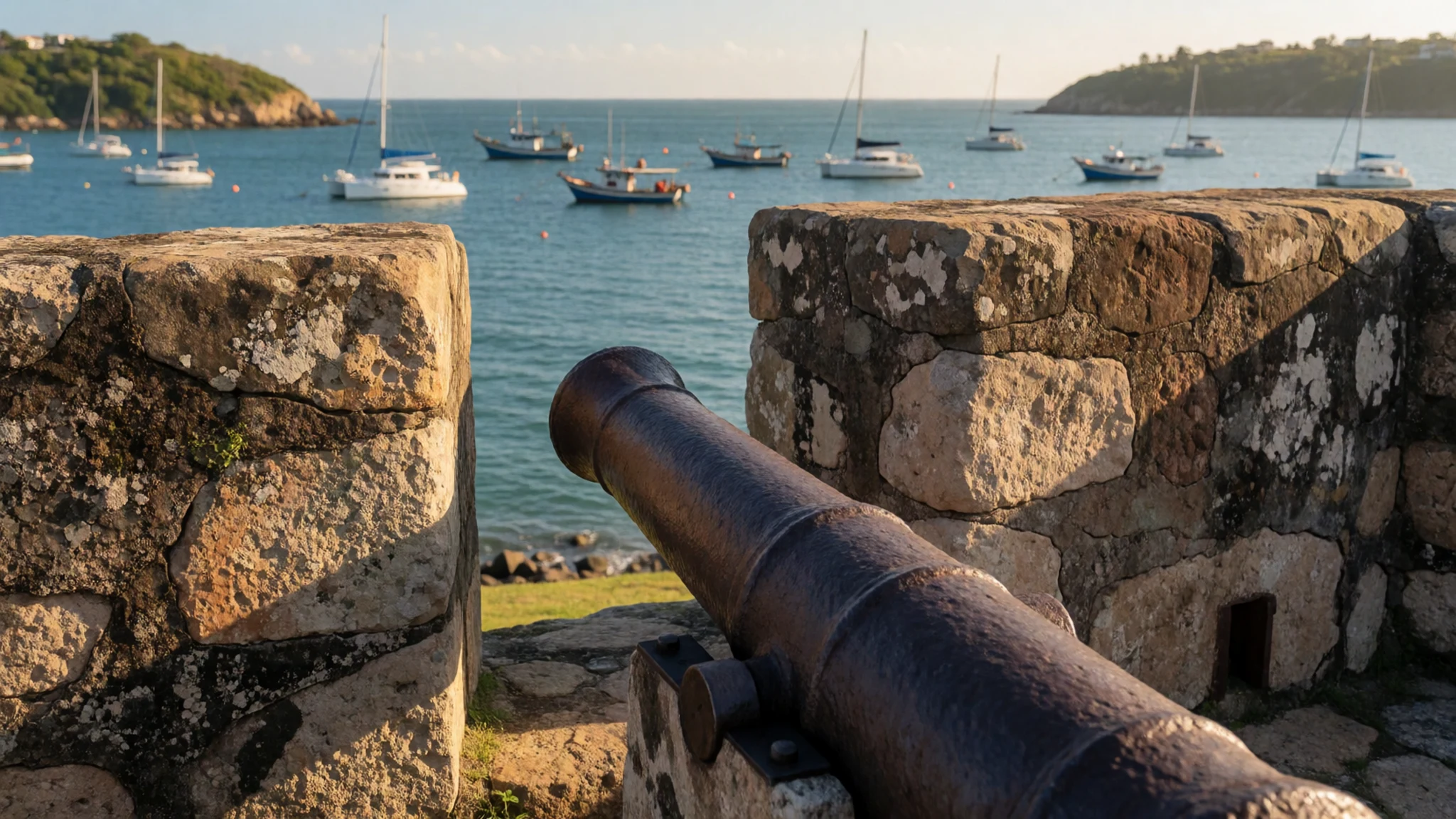
- Gamboa Beach — A short boat ride from the port
Gamboa is reached by a short boat trip from the port, and the crossing is part of the appeal. The beach runs for a couple of kilometres, is nearly empty, and has none of the rocks that break up the main strands. It is the place to go when you want to get away from the crowds for a few hours. Boats also take visitors to the clay cliffs nearby, where a mud bath is a common stop. Boats return with the tide, so check the timings the day before.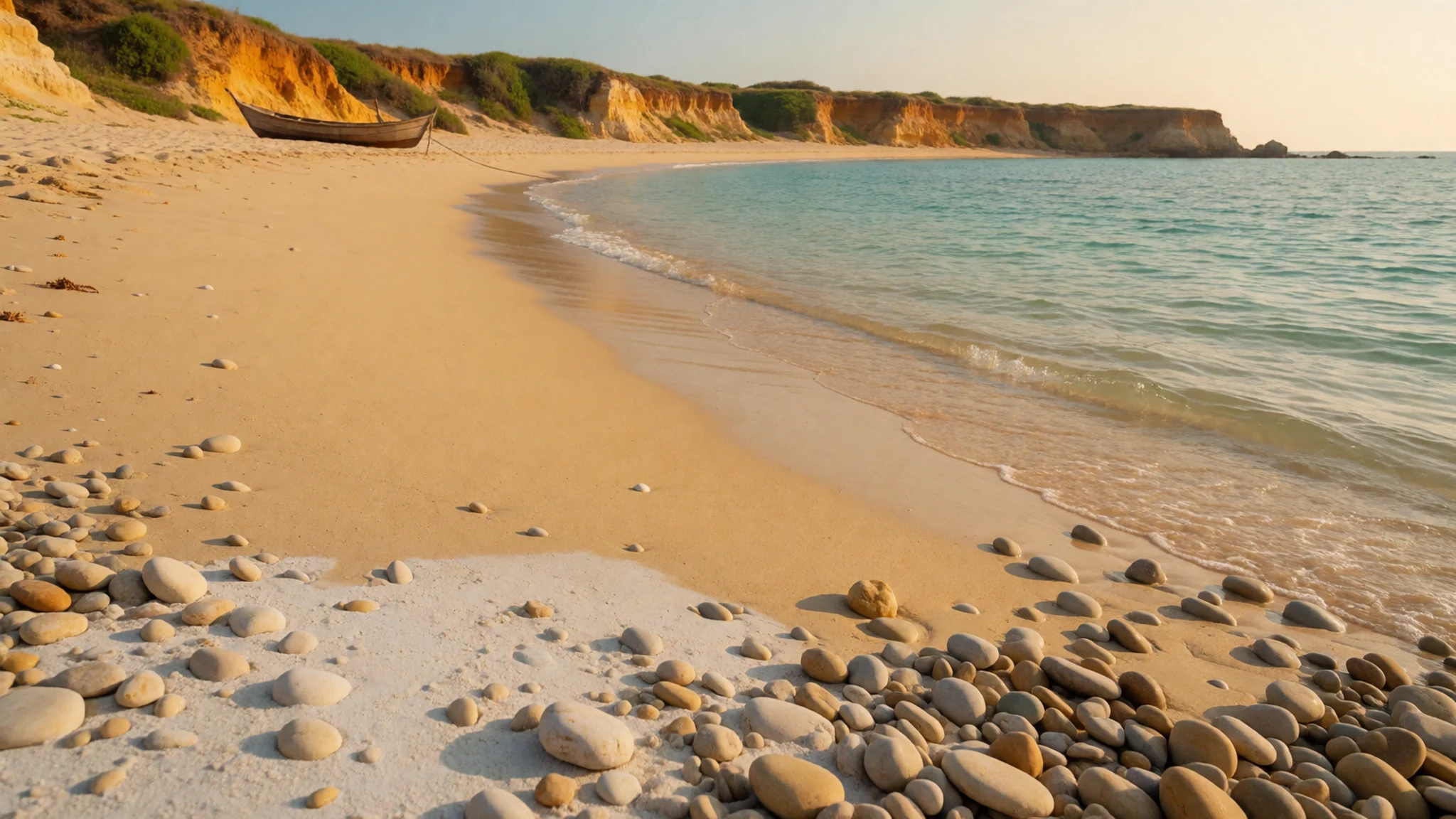
- Fonte do Céu — A forest path inland from the village
Fonte do Céu is a freshwater spot a short walk through the forest from the village. The shaded path offers relief from the beach heat, and the water is a refreshing stop after a morning in the sea. Late-afternoon horseback rides also head there, which makes a pleasant alternative to walking. Wear closed shoes for the path and carry water, because there is little to buy once you leave the village.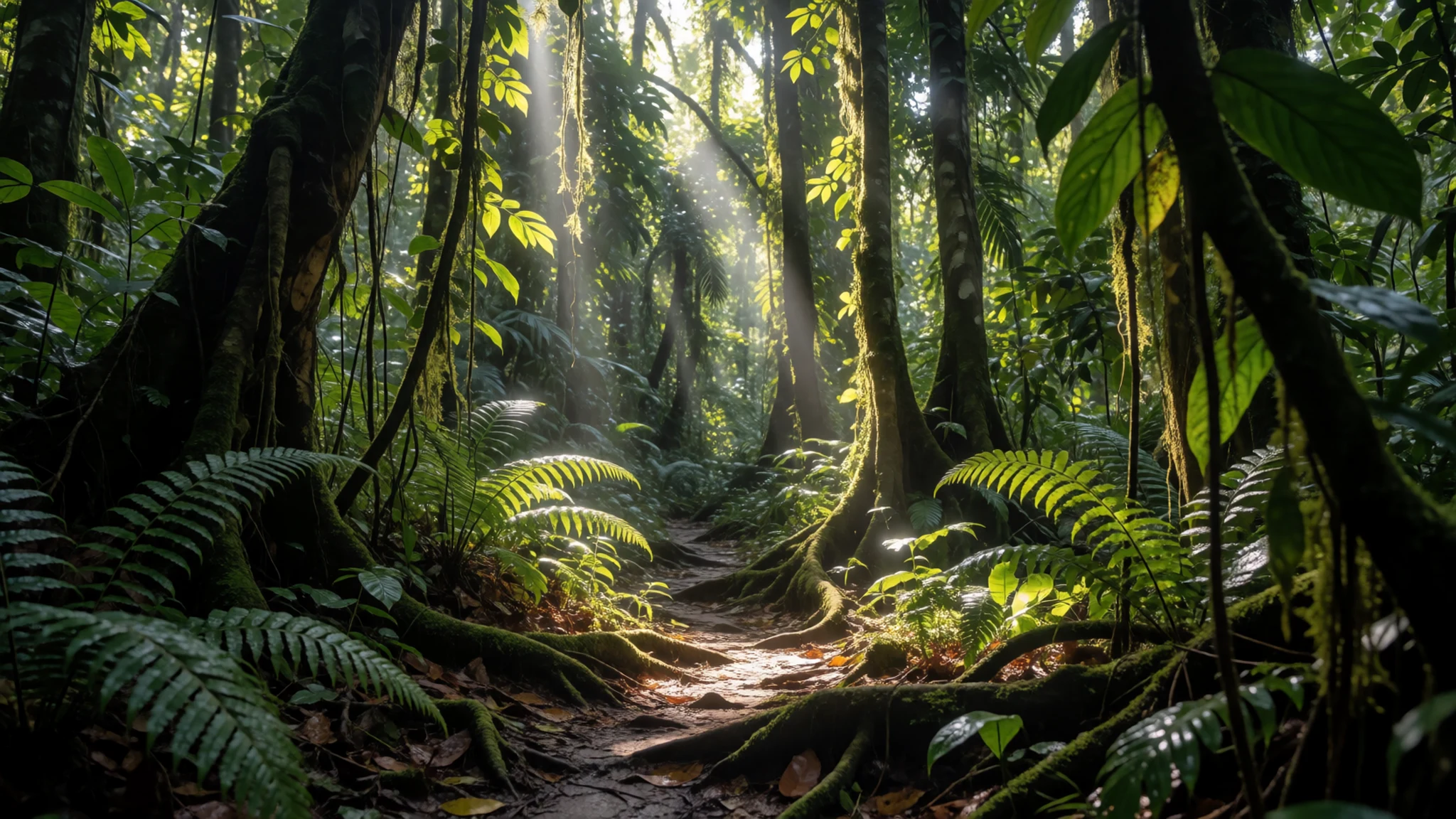
- Volta à Ilha, the island boat tour — Boats from the port
Volta à Ilha is a full-day boat trip around the island, lasting about eight hours and ending around sunset. Expect swimming stops at natural pools, visits to fishing villages and a lunch stop along the way. It is a long day on the water, so pack sun cream, a hat and plenty to drink. Ask the operator about the route before you book, since stops vary between companies.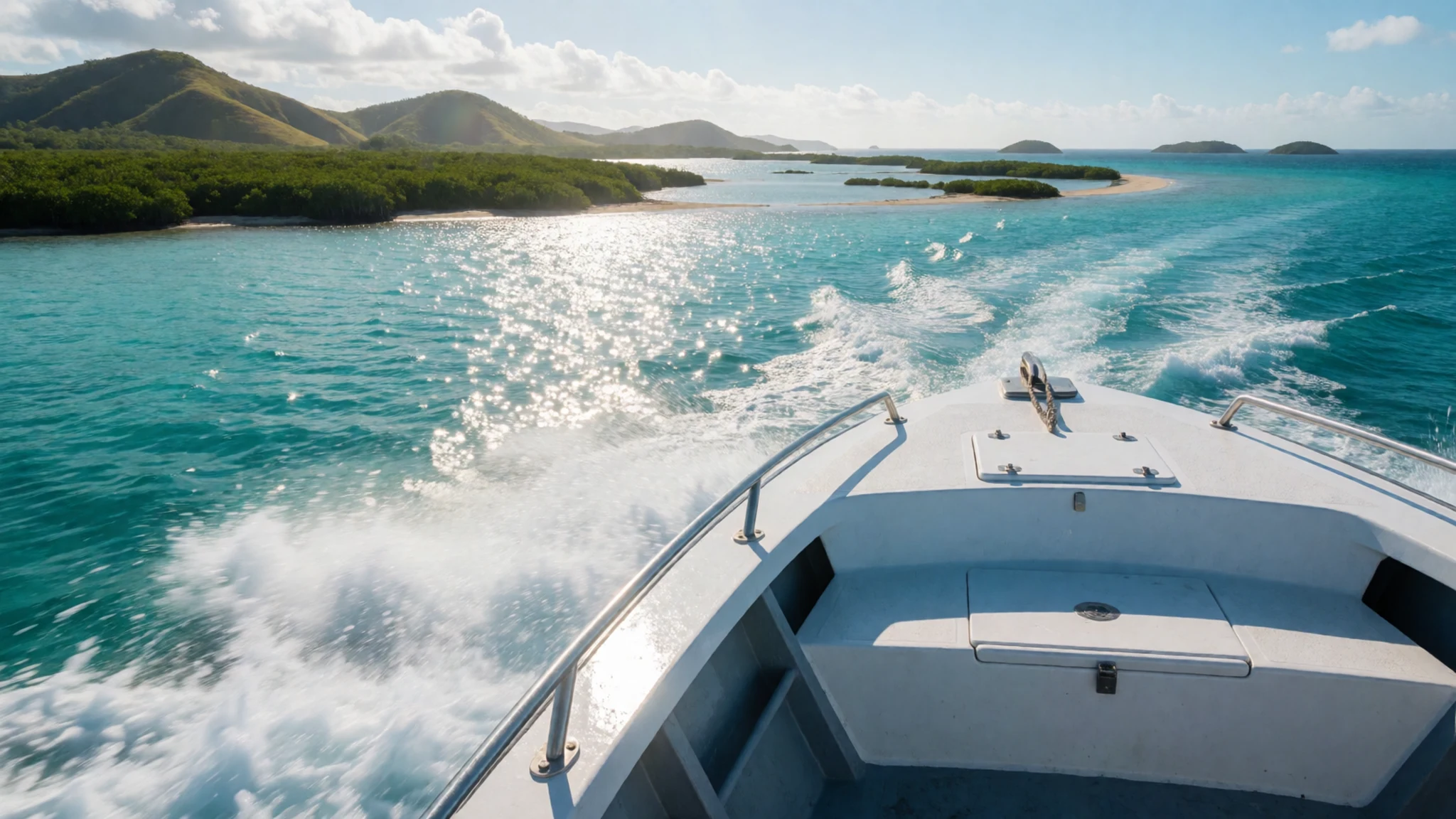
- The tirolesa zip-line — A platform near the lighthouse, ending at First Beach
The tirolesa is a zip-line running from a platform close to the lighthouse down to First Beach. You slide along the cable and drop into the sea, where staff help you out of the harness. It is a short, exciting ride. Before you pay, ask about safety checks and any weight or age limits, and follow the instructions closely.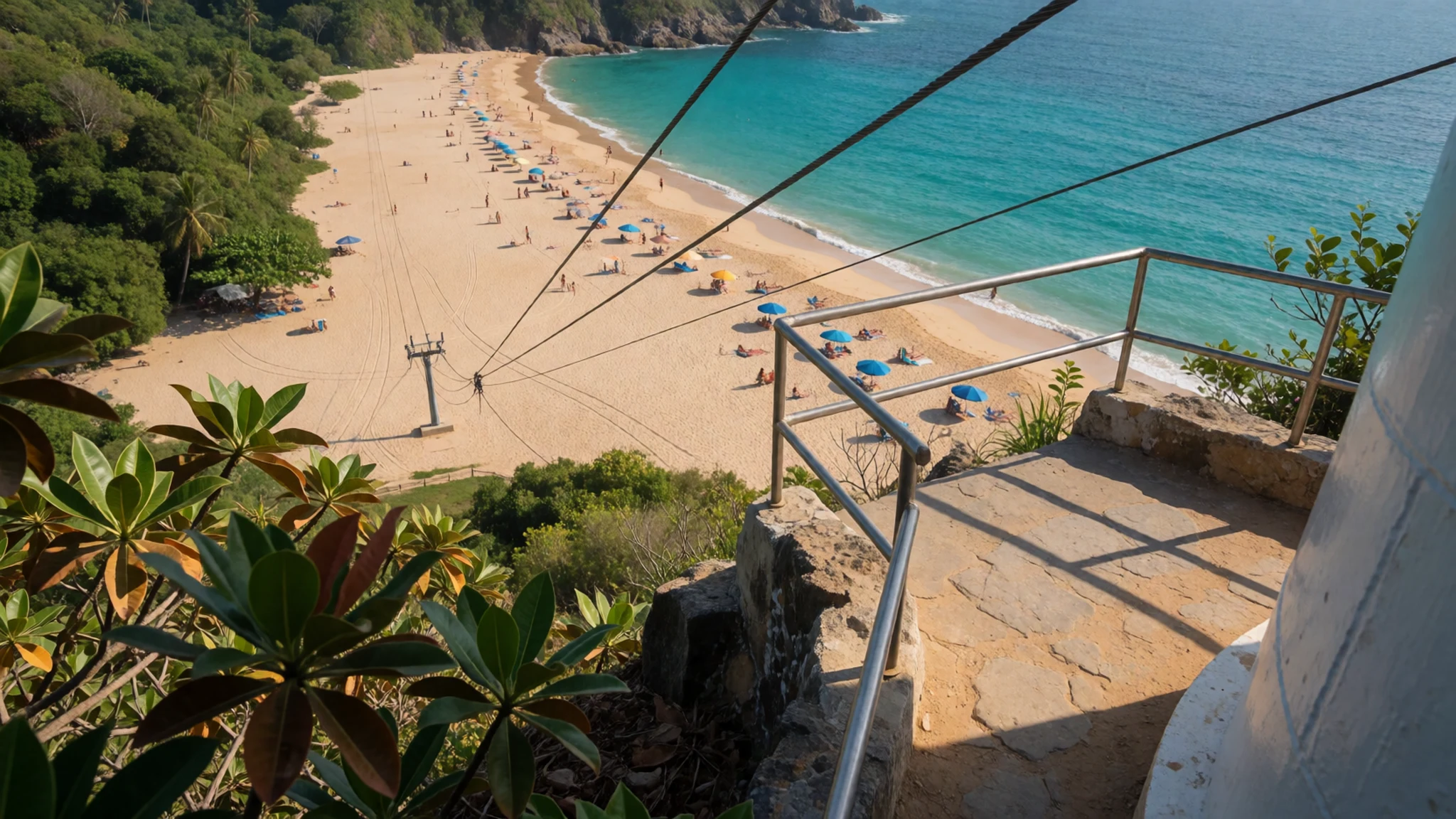
Culture
Morro de São Paulo sits in a landscape with a deep Tupinambá past, and it has grown quickly around tourism. The island around it is protected as a state-level environmental area, so the mangroves, lagoons and natural pools carry real ecological value. Daily life is relaxed and social. Beach bars and restaurants stay open late, music carries across the sand in the evenings, and the pace of the village is set by the boats and the tide. Conversation in the bars tends to start easily over a drink, and visitors mix readily with people who live and work here. The surrounding waters hold fish and coral, and the fishing villages nearby depend on the sea for their living. When you walk the lanes or pass a fishing family's boat, ask before photographing people, and keep to the marked paths in the protected areas so that the pools and wildlife stay as you found them.
What to wear
Morro de São Paulo has no dress of its own, but the wider Bahian coast shows clearly how people have long dressed. Traditional dress here leans on white cotton and lace, a style linked to Afro-Bahian festival costume and worn at religious celebrations. The loose, light cuts suit the heat. Fishing families traditionally wore plain cotton shirts and trousers, with straw hats against the sun. Today most people in the village dress for the beach, in bikinis, sarongs, shorts and vests during the day, and lightweight dresses or linen shirts in the evening. Locals wear flip-flops on the sand and sandals in the lanes, and few people dress up for dinner. For a visit, pack loose cotton or linen, a sun hat, sunglasses and a light layer for air-conditioned boats. Modesty matters more when you visit a church, the fort or a fishing village, so cover shoulders and knees there. Sturdy sandals or water shoes help on rocky stretches and on the wet path to the natural pools, while heels sink into the sand.
What to eat
- Bacalhau in the Portuguese style — Restaurants on Second Beach
Cod cooked the Portuguese way is the dish to try at the restaurants on Second Beach, where several recipes are offered. Salted cod is a classic here, often served with potatoes, olive oil and onions. Portions are generous, so it suits a shared lunch. Ask which recipe the kitchen favours that day.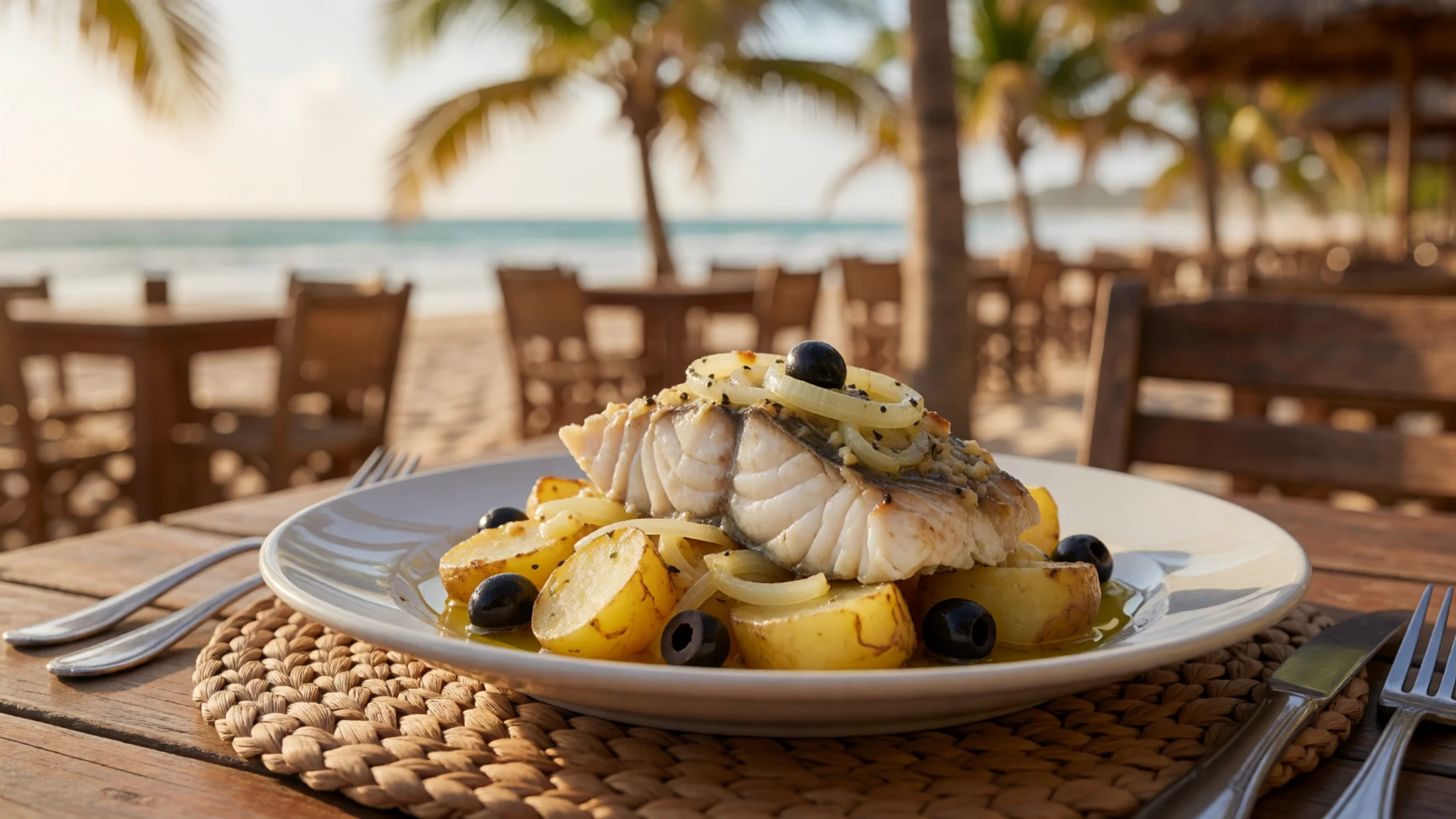
- Fruit and cachaça drinks — Drink stands on Second Beach and the road to the beach
In the evenings, drink stands open along Second Beach and on the road to the beach. They mix almost any fruit you ask for with cachaça or another spirit, and most taste similar, so the choice comes down to the fruit. They make a cheap, sociable start to a night out. Ask for the spirit to be measured, since it is often poured generously.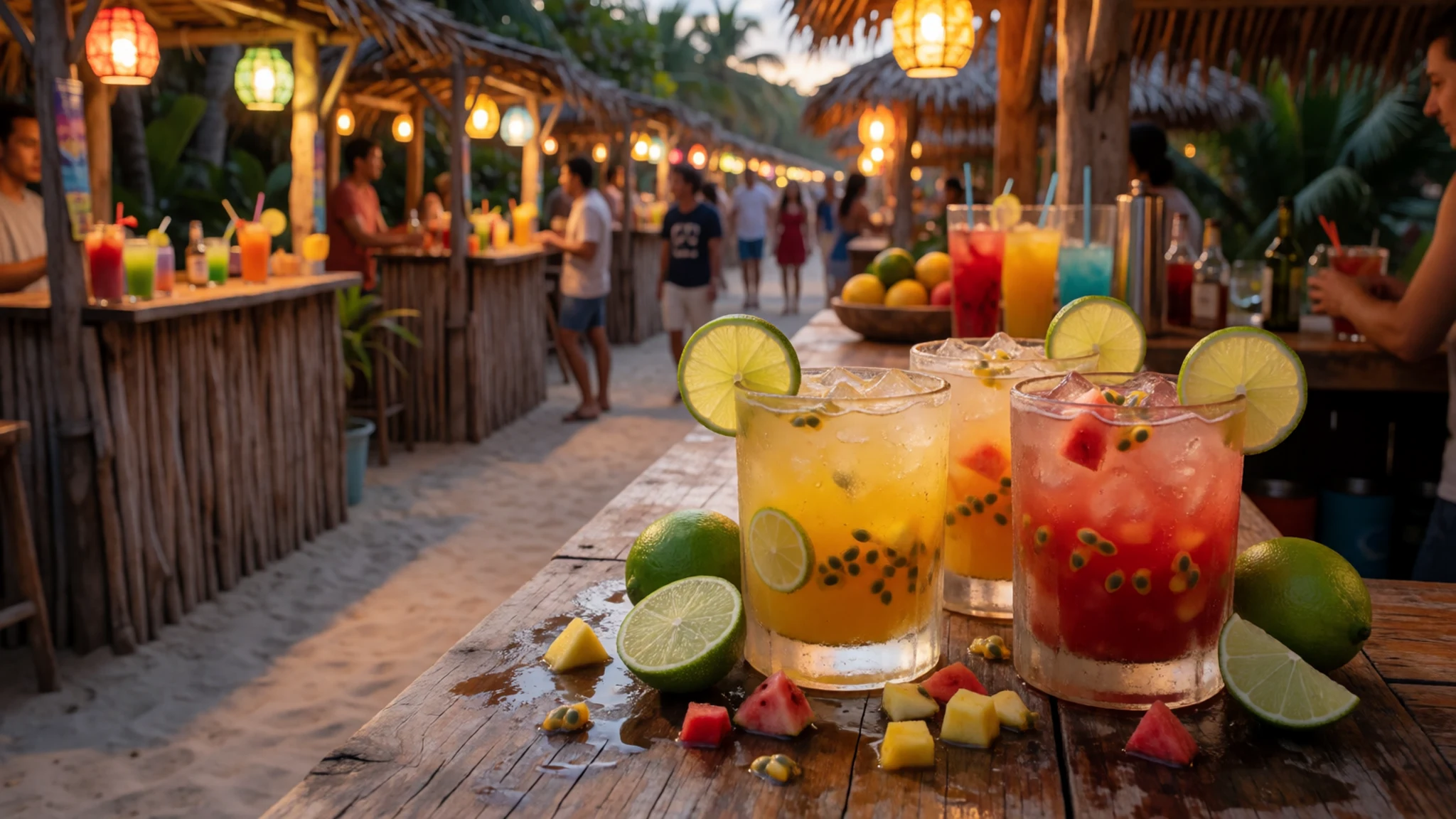
- Grilled meat — A restaurant near Fonte Grande
Meat-eaters head to a restaurant near Fonte Grande, where the grilled dishes have a good name. It is a sit-down place rather than a beach stall, so arriving before the evening rush helps. Add a side of farofa or rice to round out the plate. Check the menu prices before you order. - Home-cooked mixed plates — Small family-run eateries in the village
Small, family-run kitchens serve home-made plates that mix traditional and international dishes. Papoula is run by its owner, a German-born cook, and the menu blends Brazilian and international ideas. A neighbouring eatery has a relaxed atmosphere and good value. Ask what is cooking that day, since the menu follows the market. - Fresh seafood on the sand — Beachfront tables on Second Beach
Restaurants with tables on the sand along Second Beach serve fresh fish and seafood, often grilled. A Jamaican restaurant beside them brings a different flavour to the same stretch of beach. Eating in the early evening gives good light and an easier chance of a table. Check what is fresh before you order, because the catch varies.
Plan it
Best time. The drier months, roughly September to December, are the best window on this coast, with calmer seas and fewer storms. The wetter stretch from about April to June brings heavier showers and rougher boat crossings.
How long. 3–4
Getting there. There is no airport on the island. Small charter flights from Salvador land on strips near the Third and Fourth Beaches as a fast, pricier option. Most visitors take a ferry or catamaran from the boat terminal near Mercado Modelo in Salvador, a crossing of a few hours on open sea. Confirm the timetable with the operator before you travel.
Budget. mid
Tips
- Buy tickets early at the Salvador terminal, through your pousada or from an operator, since boats can fill up
- Take seasickness tablets before the crossing, and sit away from the front windows unless you want a soaking
- Book tours directly rather than through people who approach you in the street
- Bring cash for small purchases and ask whether card payments carry a surcharge
- Use a mosquito net if your room has one, or a citronella candle, to avoid bites in the evening
- Plan beach days for early morning and late afternoon, when the sand is quieter and the sun is softer
- Carry water, since the beaches away from the main strip have few shops
Etiquette
- Say no politely to touts who approach you on the way from the port
- Ask before photographing fishing families or anyone working on the boats
- Keep to the marked paths in the protected natural areas and take your rubbish with you
- Keep music down in the lanes after dark, since the village is small and sound carries
Nearby
Sources
- Wikidata Q1948586 (CC0)
- Wikipedia (rev 1381416134) (CC BY-SA 4.0)
- Wikivoyage (rev 5411534) (CC BY-SA 4.0)
- Farol do Morro de São Paulo, Leonardo Pallotta (CC BY 2.5)
- Márcio Filho, MTur Destinos (Public domain)
- Morro de Sao Paulo, Bahia, Brazil, Claus Bunks (Afrobrasil) (Public domain)
- Almond, Eduardo P (CC BY 3.0)
- APA Tinharé / Boipeba, Narajapam (Valéria) 02 (CC BY-SA 4.0)
- APA Tinharé / Boipeba, Narajapam (Valéria) 03 (CC BY-SA 4.0)
- APA Tinharé / Boipeba, Narajapam (Valéria) 04 (CC BY-SA 4.0)
- APA Tinharé / Boipeba, Narajapam (Valéria) 05 (CC BY-SA 4.0)


