Moraine Lake
Moraine Lake, Canada
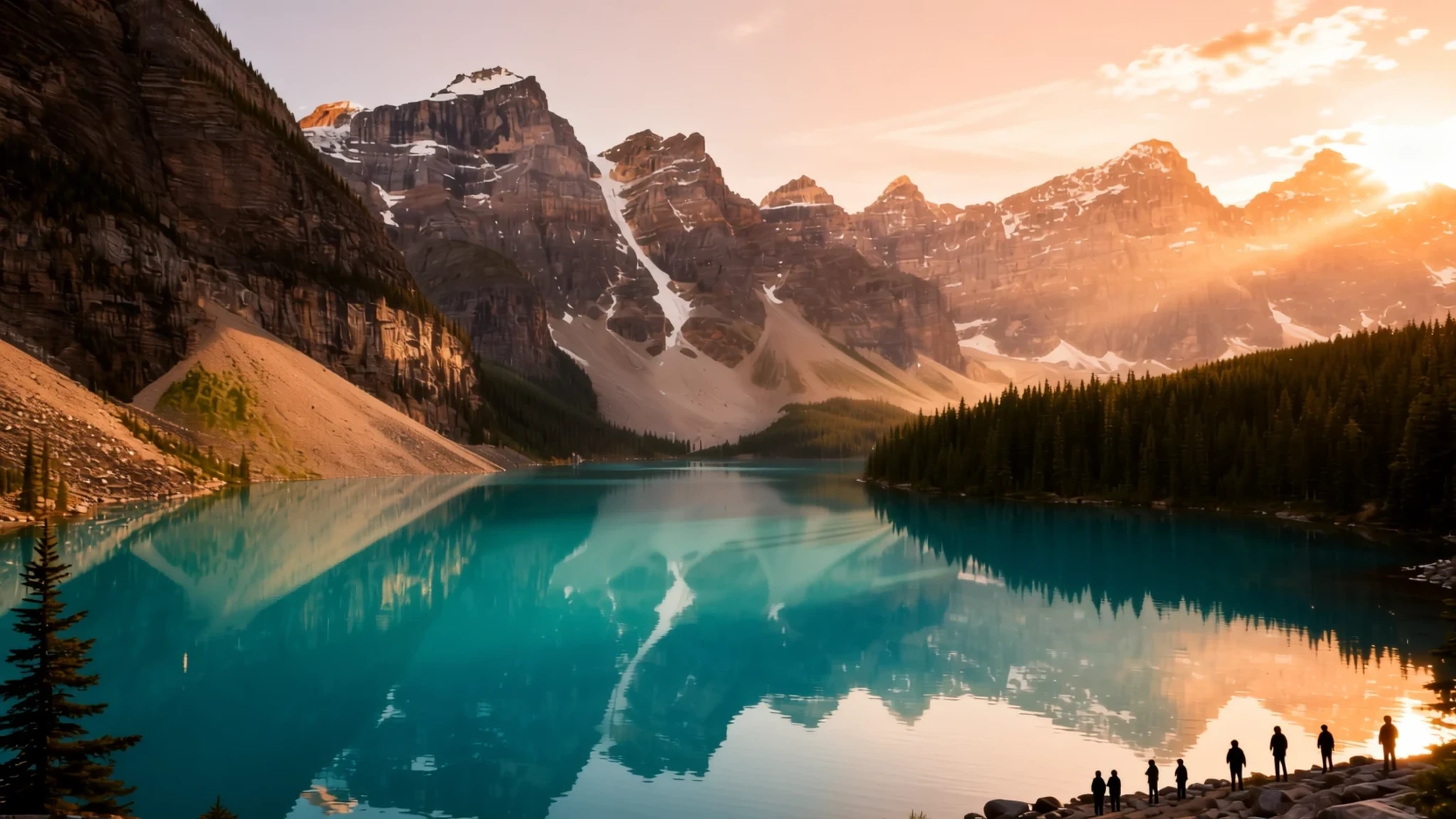
Moraine Lake is a glacier-fed turquoise lake in the Canadian Rockies, and it is worth the early start, the crowds and the cold mornings.
The place
Moraine Lake lies in Banff National Park, about 14 kilometres outside the village of Lake Louise in Alberta, Canada. It sits in the Valley of the Ten Peaks at roughly 1,884 metres (6,181 ft) above sea level, and its surface covers about 50 hectares (120 acres). The water does not reach its fullest until middle to late June, when snow and glacial melt have topped the basin up, so June is the month when the lake looks most as it does in photographs.
The colour is the first thing people notice. The pale turquoise owes much to fine rock flour that glaciers grind off the mountains and carry into the lake through summer. Light scatters off those suspended particles and favours the blue end of the spectrum. The water is cold and silty, so it is not something to drink without treatment, however clear it looks at the edge.
No one built a dam or diverted a stream to create it. The basin is a natural feature, and the only human presence is the visitor infrastructure, which the park manages closely: a lodge, canoe docks, trails and a car park that can be busy. Its setting gives it weight. Peaks rise along the valley, and the lake sits at their foot like a hinge between forest and rock. The air is thin and the weather can change quickly, even in July, so treat it as a high mountain environment rather than a quick scenic stop.
Its story
Moraine Lake's story is mostly one of ice and time rather than of people. Glaciers shaped the Valley of the Ten Peaks for far longer than anyone has walked its shore, and the lake is a product of that slow work. Each summer the meltwater draining from the surrounding ice carries fine sediment into the basin, and the particles hanging in the water are what give the colour its intensity.
What is unusual is how little human hand has gone into it. Many lakes in mountain country have been raised, lowered or regulated to suit roads, power or water supply. Moraine Lake has not. Its level follows the seasons, and the only deliberate changes have been the services built around it, which the national park has kept modest and tightly controlled.
The place has also become a symbol of Banff National Park. Its view across the water to the peaks has appeared on countless postcards and calendars, and that fame brings pressure. Private cars were once able to reach the lake throughout the summer. Since 2023 the road has been closed to personal vehicles all year, and access depends on Park shuttles, public transit, commercial operators, or walking and cycling. Visitors now arrive more slowly and spread out across the day, which suits a lake that rewards patience.
What to see
- Moraine Lake shoreline — Valley of the Ten Peaks, Banff National Park
The lakeshore is the reason people come, and the best views sit along the stony margins, where the water looks most saturated in June. The ground is rough rock and gravel, so wear proper shoes. Early in the day the water is calmer and the peaks are clearer, and the light shifts quickly through the afternoon.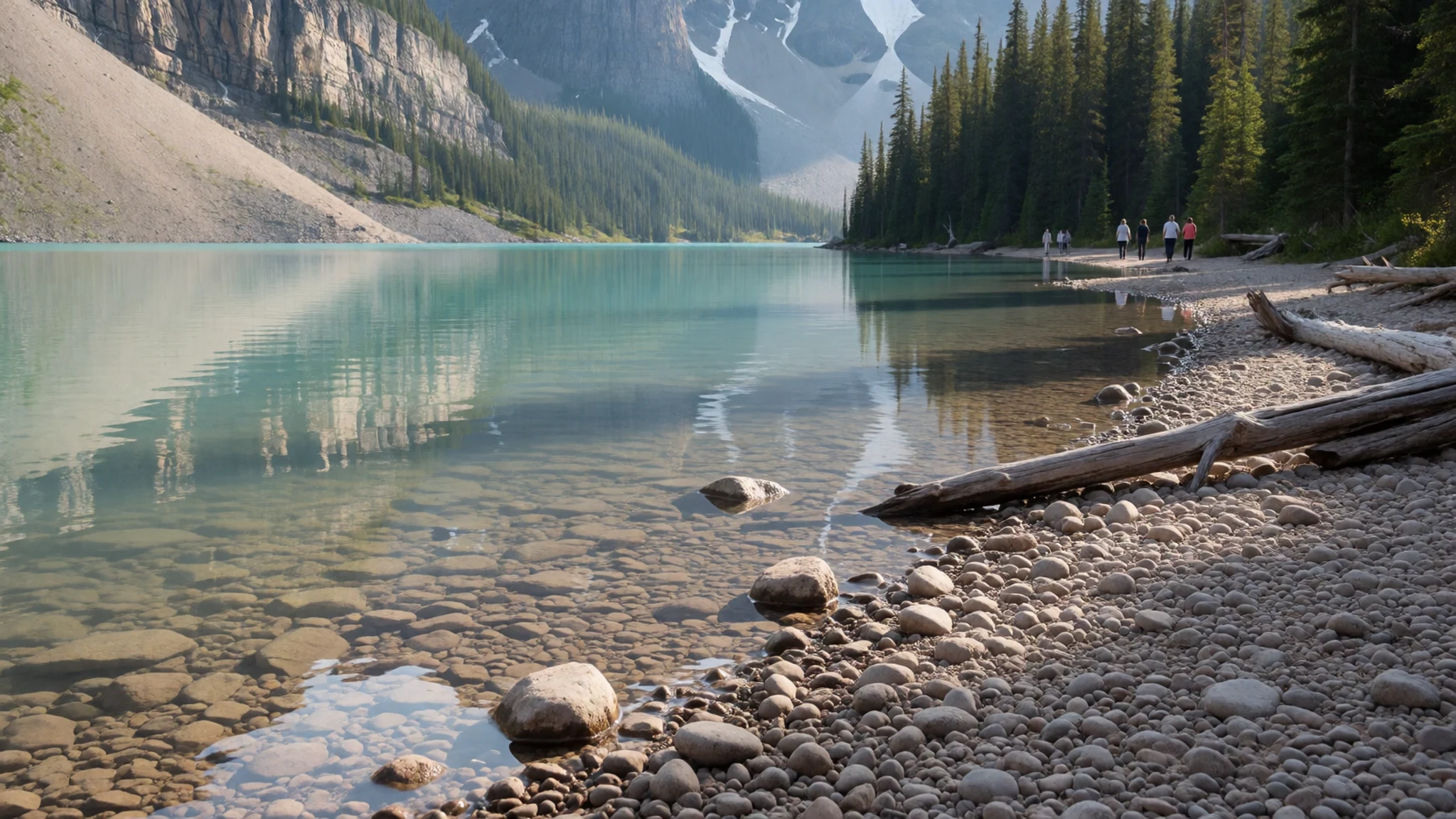
- The Rockpile — Above the north shore, Valley of the Ten Peaks
The Rockpile is a short climb above the lake that gives the classic overhead view of the water with the valley's peaks behind it. The path is steep and loose in places, so take care on the way up and back down, especially if you are carrying a camera.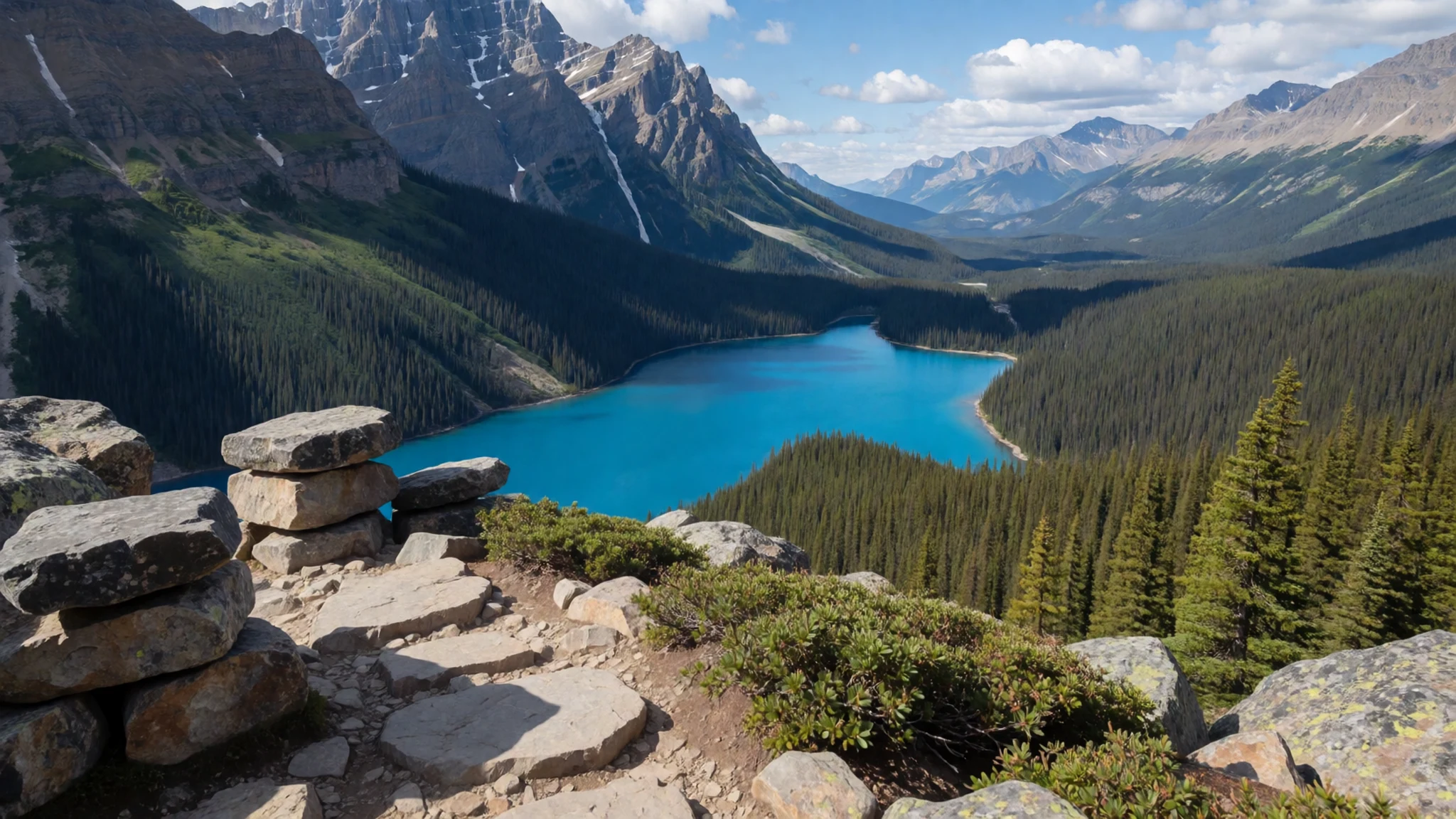
- Icefields Parkway — Between Banff and Jasper
The road between Banff and Jasper runs past glaciers, lakes and wide valleys. It deserves a full day rather than a rushed stop, with frequent pull-offs for views. Services are sparse along much of the route, so carry fuel, water and food.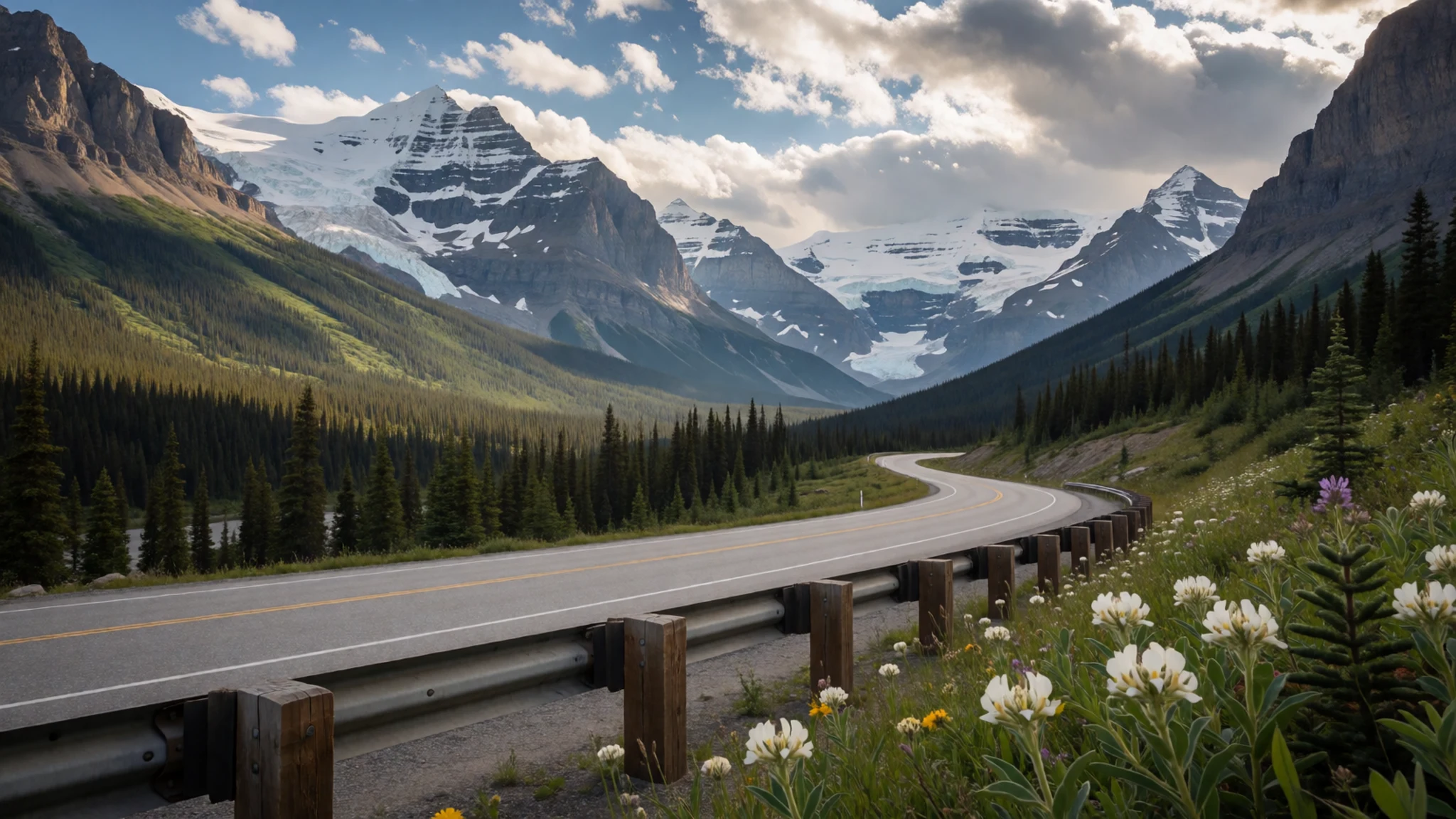
- Calgary Stampede — Calgary
Held every July, the Calgary Stampede is a wild west-themed festival with rodeos, fairs and plenty of western wear. Crowds are large and hotels fill quickly, so book early if your trip overlaps. The Calgary Zoo and the view from the Calgary Tower make good additions to a city stop.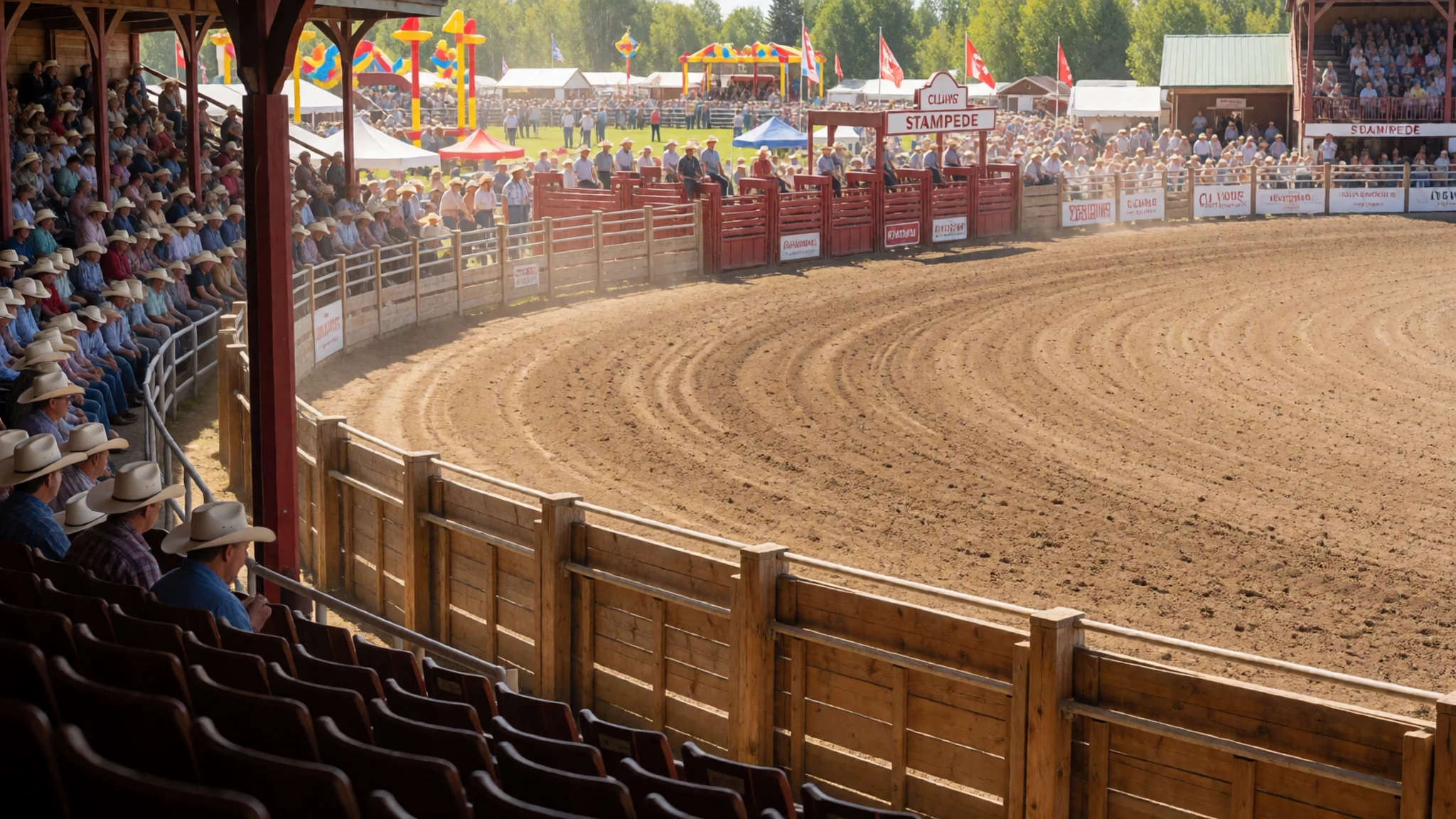
- West Edmonton Mall — Edmonton
West Edmonton Mall has more than 800 shops, and it is as much an entertainment complex as a shopping centre, with rides and attractions alongside the stores. It is an easy place to spend a wet afternoon, even if you have no interest in shopping.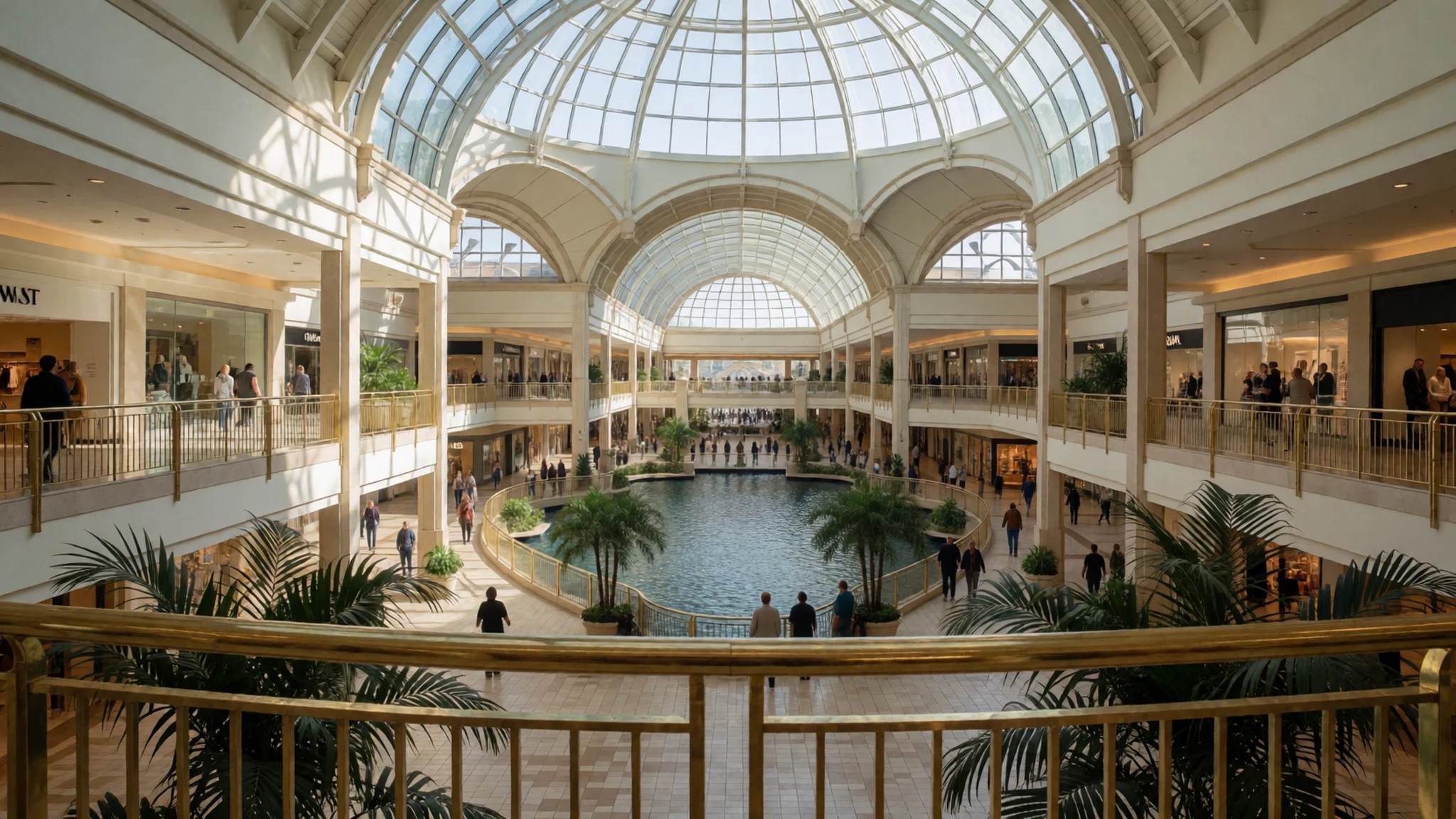
Culture
Moraine Lake sits inside Banff National Park, and the park's rules shape how people behave around it. Keep to marked paths and viewpoints, because the shoreline is fragile and the rocky margins are easy to damage. Wildlife is common in the valley, including bears, so keep a respectful distance, never feed or approach animals, and carry bear spray on longer walks. The lake itself is cold and silty, and while its colour invites people to dip a hand in, you should bring your own water and treat or boil anything you take from other sources. Shuttle queues and viewpoints can be crowded, so keep your voice low, let others take their turn at the railings, and avoid climbing on rock piles or cairns, which damage the ground and confuse other walkers.
What to wear
Moraine Lake is a wilderness setting, so the clothing that matters here is practical rather than ceremonial. Alberta's best-known dress tradition is western wear, which grew out of ranch life and rodeo culture. Its classic elements are pearl-snap shirts, denim, leather boots and wide-brimmed hats, and they are most visible at the Calgary Stampede each July. Indigenous peoples have lived in this region for a very long time, and their clothing and textiles form part of the wider story, but this reading does not cover them in detail.
Today people in the Rockies dress for the weather. Fleece, waterproof shells, hiking trousers and sturdy boots are common on the trails, and the look in towns is casual. Nobody expects formal dress at the lake, though a bit of tidiness is appreciated at the lodge.
For a visit, dress in layers. Mornings can be cold even in summer at about 1,884 metres (6,181 ft), and the afternoon sun is strong at altitude. Bring a warm hat and gloves for early starts, a waterproof jacket for sudden showers, sunglasses and a hat for the glare off the water. Choose footwear with good grip for loose rock and gravel. Lightweight trainers will do for the lakeshore, but walking boots are better for the Rockpile.
What to eat
- Alberta beef — Steakhouses and grills in Calgary and Banff
The province raises beef on rich grasses and finishes it on local barley, which gives the meat a clean, mild flavour. Order a steak at a grill in Calgary or Banff, or a burger at any diner along the highway.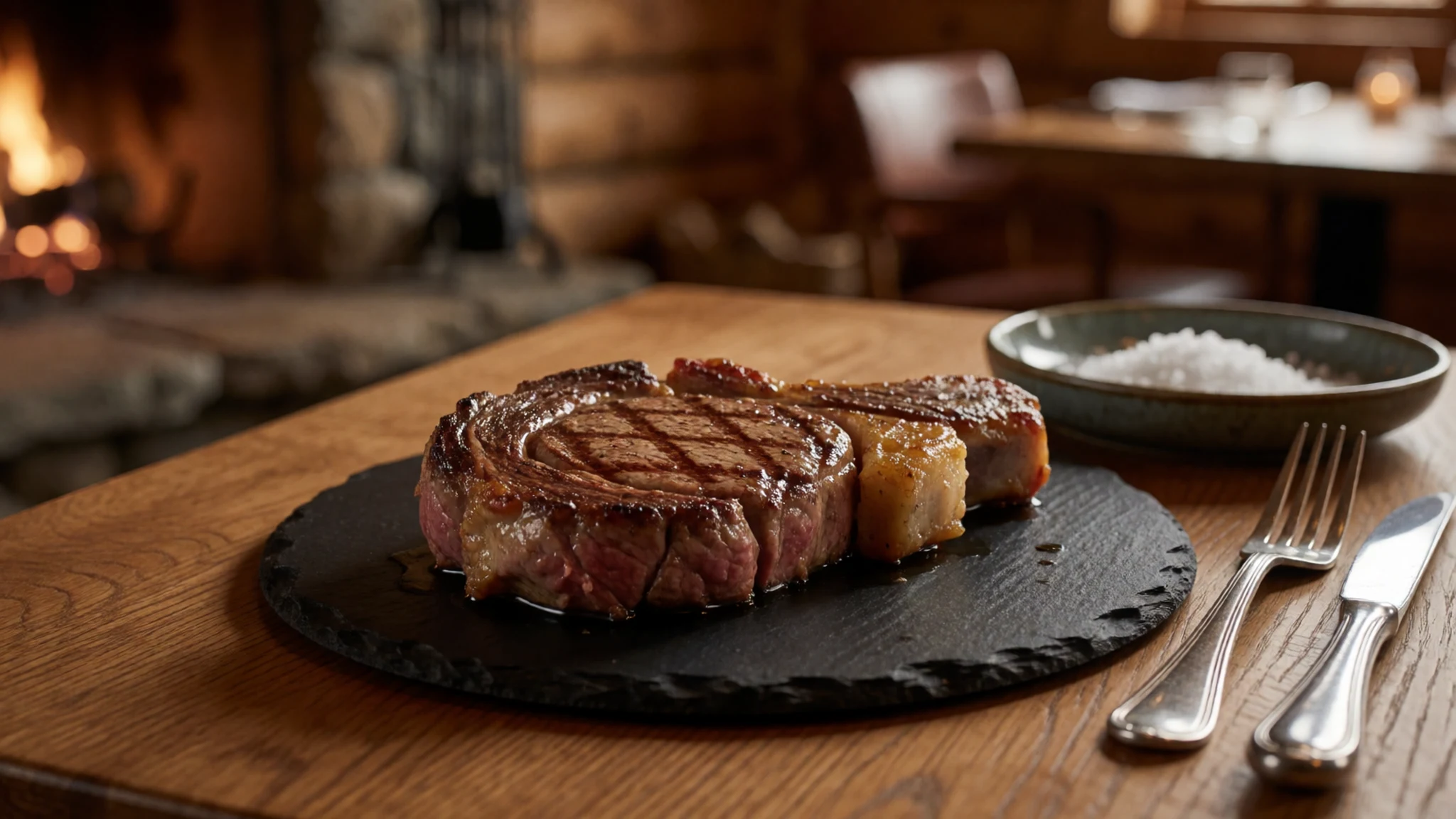
- Bison — Restaurants in Calgary and Edmonton
Bison is leaner than beef and mildly sweet. It turns up on menus in the bigger towns, often as burgers, sausages or steaks, and it suits anyone wanting something lighter after a long day on the trail.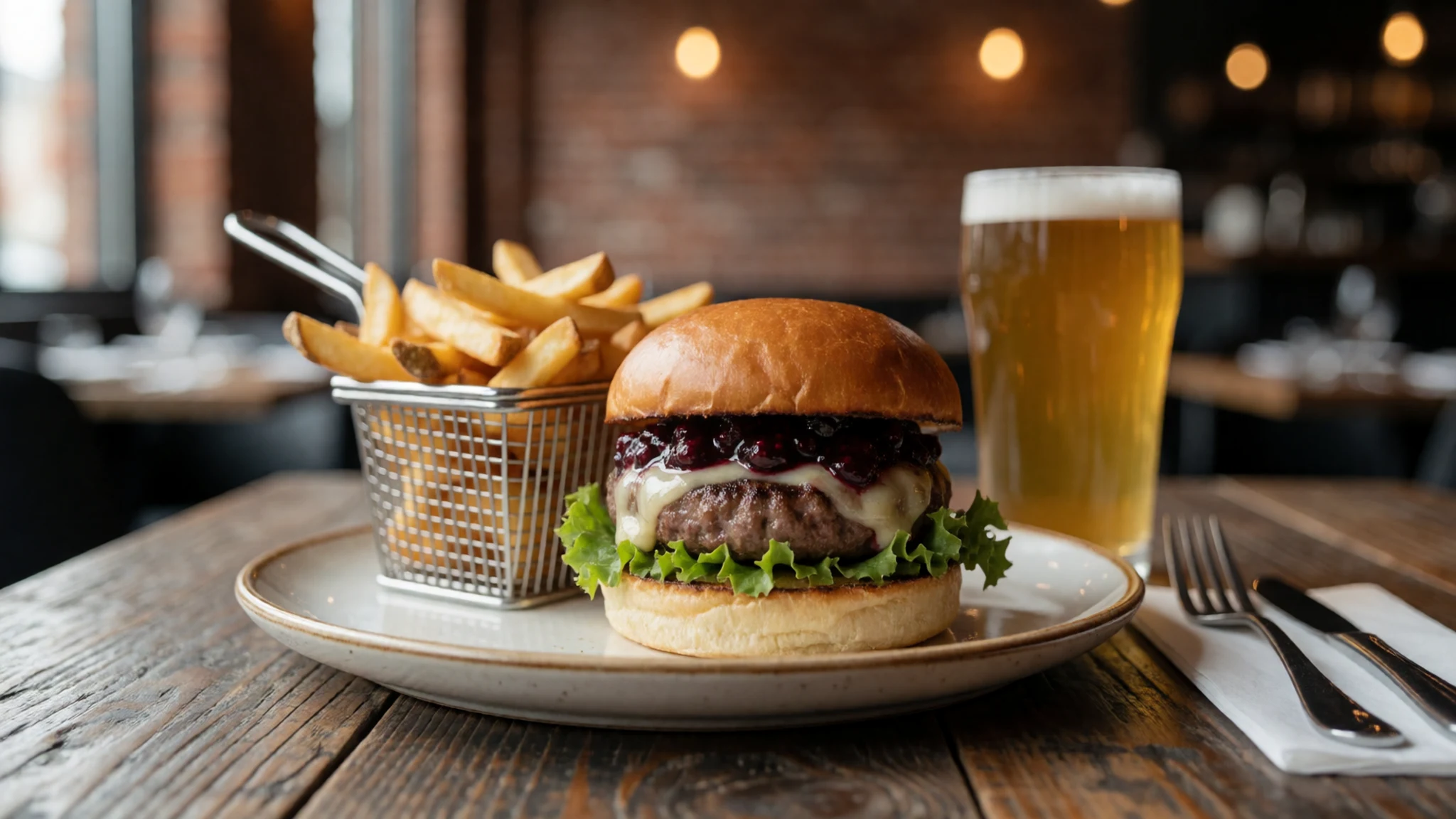
- Perogies — Chinese cafés in small towns and the smallest settlements
These Ukrainian dumplings are usually filled with potato and cheese, then served with onion and sour cream. They appear on the menus of Chinese cafés across the province, a sign of how varied the food here has become.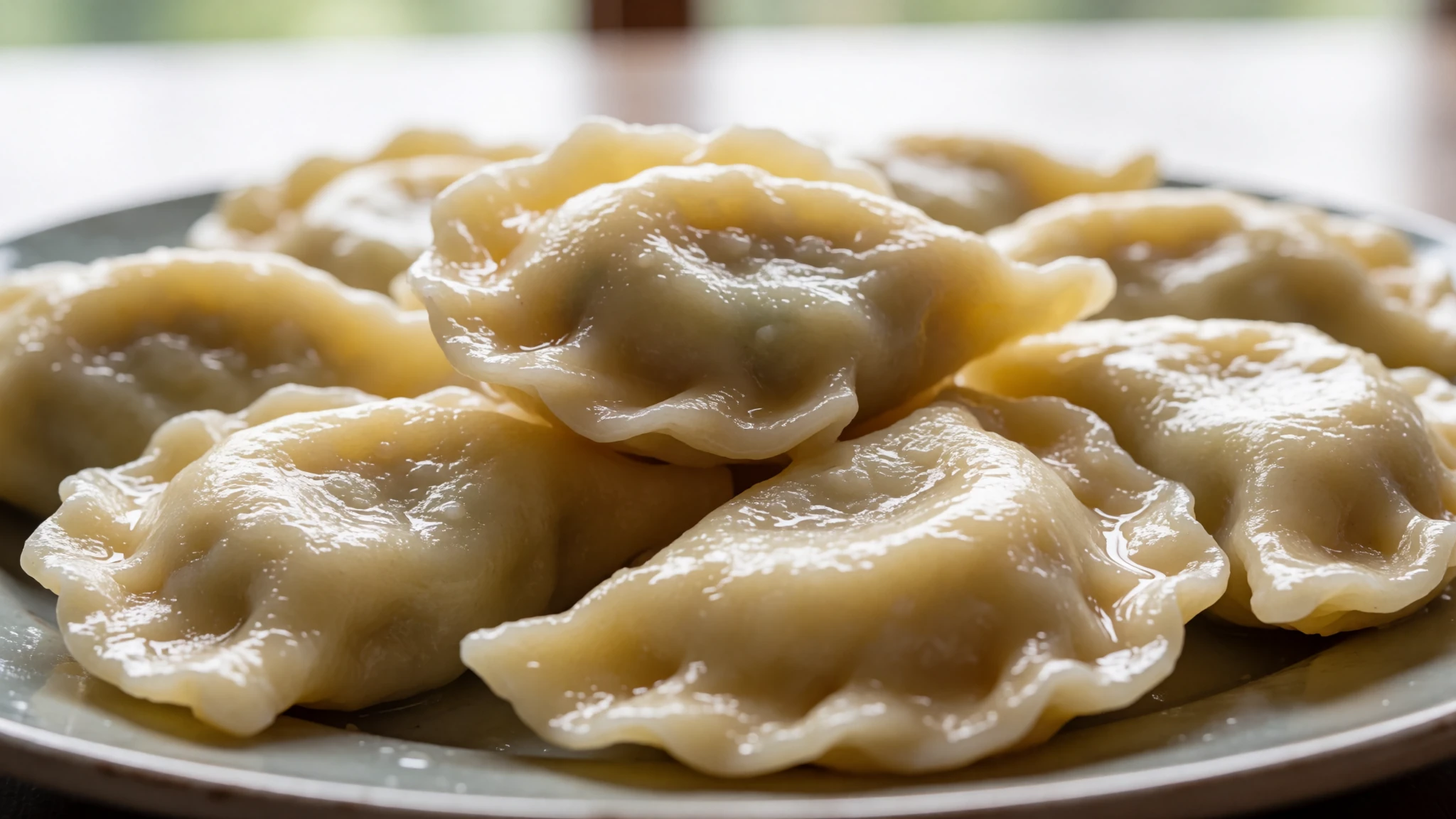
- Poutine — Diners and cafés in towns along the highways
Chips, cheese curds and hot gravy make a hearty dish that travelled west from Quebec and is now common across Alberta. It is best eaten fresh, especially after a cold morning by the water. - Chinese café fare — Chinese cafés in small towns
Won ton soup and spring rolls are staples of the small-town Chinese café. The tradition goes back to the railway camps, where cooks from Fujian worked, and the menus mix in hamburgers and other local favourites.
Plan it
Best time. Late June to early September, when the access road is open and the lake is at or near its fullest. The crest comes in middle to late June, so June gives the strongest colour, and August brings the most settled weather. Plan around June to September, because the lake is not reached by private car at any time of year.
How long. 1–2
Getting there. Fly into Calgary's international airport and travel west towards Banff and Lake Louise. The lake is about 14 kilometres from the village of Lake Louise, and since 2023 private cars have not been allowed on the access road. Use Park shuttles, public transit or a commercial operator, or cycle or walk the 10 km road one way.
Budget. mid
Tips
- Check current shuttle and access arrangements with Parks Canada before you travel, because the rules have changed recently.
- Aim for early morning, before the shuttles and tour groups arrive, for the calmest water and the best light.
- Carry water and a filter or treatment method, because the lake water is silty and should not be drunk untreated.
- Dress in layers and expect cold at 1,884 metres (6,181 ft), even in summer.
- Book accommodation in Banff or Lake Louise early, since tourist services are sparse in rural Alberta.
Etiquette
- Stay on marked trails and keep off loose rock piles and cairns.
- Keep your distance from wildlife and carry bear spray on longer walks.
- Share the viewpoints and keep noise low.
Nearby
Sources
- Wikidata Q1072342 (CC0)
- Wikipedia: Moraine Lake (rev 1372213564) (CC BY-SA 4.0)
- Wikivoyage: Alberta (rev 5393505) (CC BY-SA 4.0)
- Photo: Valley of the Ten Peaks and Moraine Lake (Public domain)
- Photo: Moraine Lake canoe docks, 2015 (CC BY-SA 4.0)
- Photo: Moraine Lake, Banff National Park (CC BY-SA 4.0)
- Photo: Moraine Lake, June 2018 (CC BY-SA 4.0)
- Photo: Moraine Lake and Mount Fay from Mount Temple summit (CC BY-SA 4.0)
- Photo: Moraine Lake from the Rockpile, 2008 (CC BY 3.0)
- Photo: Moraine Lake, Banff National Park (CC BY-SA 1.0)
- Photo: Moraine Lake with floating woods (CC BY-SA 4.0)


