Moorea
Moorea, France
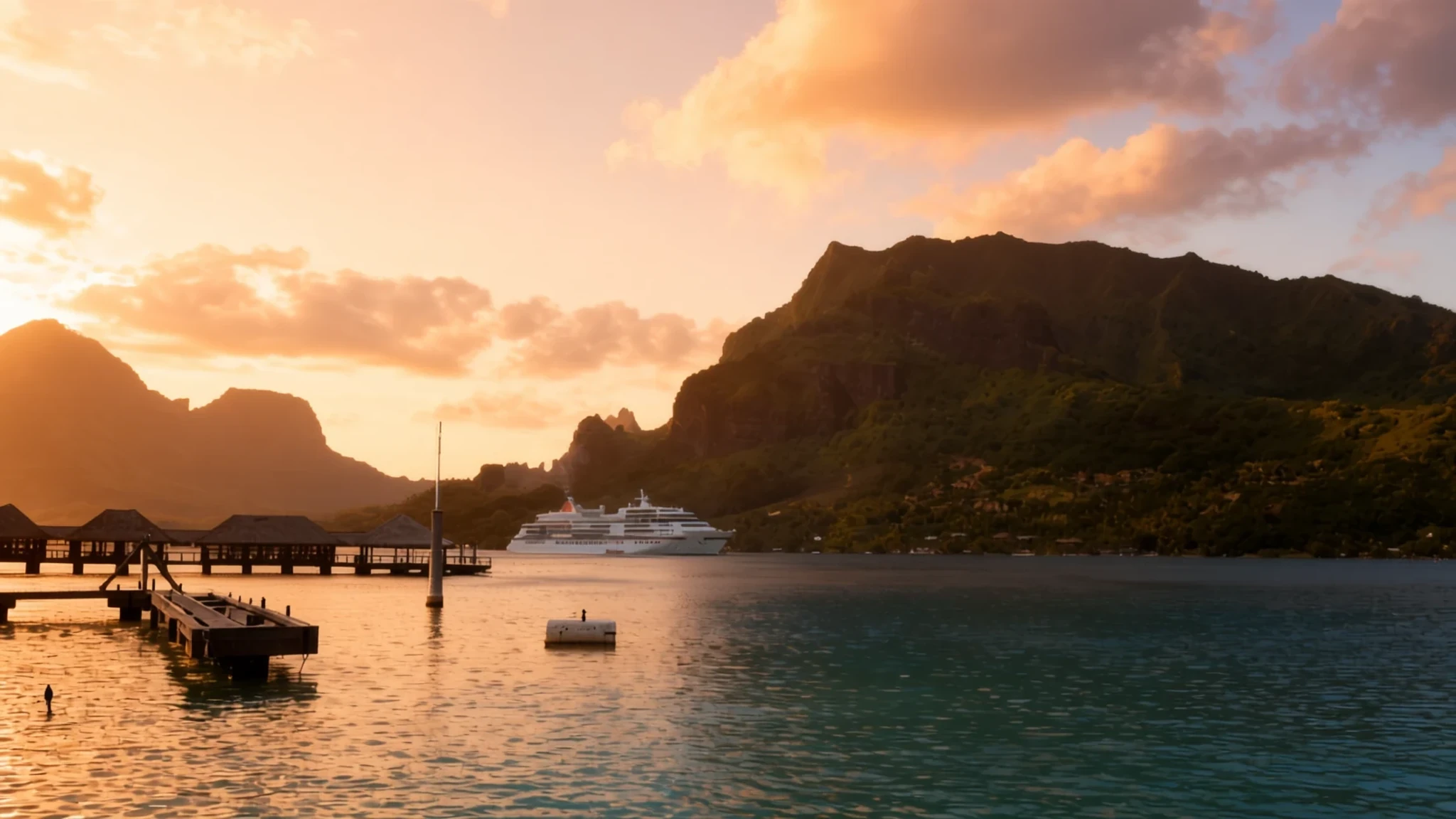
A green volcanic island with a reef-ringed lagoon, a short hop from Tahiti by ferry or small plane.
The place
Moorea, a volcano-born island in French Polynesia, sits roughly 17 km northwest of Tahiti, its larger neighbour. Ferries cross the channel between them in under an hour. It is roughly 16 km across, so a loop of the coast road feels like a day's outing rather than an expedition. The island is one of the two largest members of the Windward Islands, the group within the Society Islands archipelago that includes Tahiti. Its population is about 16,000, most living in villages strung along the coast rather than in a single town.
The landscape is the reason most people come. Two bays cut into the north shore, almost mirror images of each other: Opunohu Bay to the west and Cook's Bay, also called Pao Pao Bay, to the east, where the island's largest commune sits at the head of the water. Mount Tohivea, the island's highest point, sits near the centre of the island and dominates the view from both bays. On a clear morning its jagged ridges are visible from Tahiti, while Mount Mouaputa, seen behind Cook's Bay, is probably the most photographed view in the South Seas.
Inland, valleys run down from the peaks in deep green folds, and a network of walking trails threads through them. The lagoon is the other half of the picture. Reef-fringed and calm in many places, it is where most visitors spend their days, snorkelling, paddling or sitting on a motu, the small sandy islets that dot the reef edge.
Life here runs at a slower pace than on Tahiti, and the island feels contained enough to explore in a few days.
Its story
Moorea's human story reaches back well before European ships. Archaeological evidence suggests the Society Islands were settled from Samoa and Tonga, with the first arrivals landing around the start of the common era. Over the centuries the island's society organised itself into tribal principalities based in its enclosed valleys, each split further into clans. Leadership was hierarchical, and the elite held political and religious power together.
The leading families were tied to those of neighbouring Tahiti by marriage and kinship. Those ties could produce useful alliances, and they could also end in bloody conflict. The same mix of cooperation and rivalry shaped relations across the wider archipelago.
The Ōpūnohu Valley offers the clearest picture of how this society changed. Research there began with Kenneth P. Emory and was carried on by the archaeologist Roger C. Green of the University of Auckland, and the work continues. Their findings show that a growing population reshaped the land. Early farmers cleared and cultivated the valley slopes, and by the end of that phase the land had eroded and built up new alluvial soils on the valley floors. Population pressure and human changes to the environment helped drive the shift in how society was organised.
The island's name carries its own history. Moʼorea is usually translated as 'yellow lizard', and an older name, ʼAimeho, appears in early records. Early European voyagers used other names, including York Island and Santo Domingo, before Tahitian spelling was standardised.
Geology underlies all of this. The island is volcanic, and its steep peaks and enclosed valleys shaped how its people settled and governed themselves.
What to see
- Belvedere Lookout — Above the north shore, between the two bays
Belvedere Lookout is the island's main viewpoint, reached by road above the north shore. From it Mount Rotui, Cook's Bay and Opunohu Bay are laid out below. Along the approach road lie the ruins of an ancient temple, a quiet reminder that people lived here long before the lookout existed. Early mornings tend to give the clearest view, before cloud gathers over the peaks.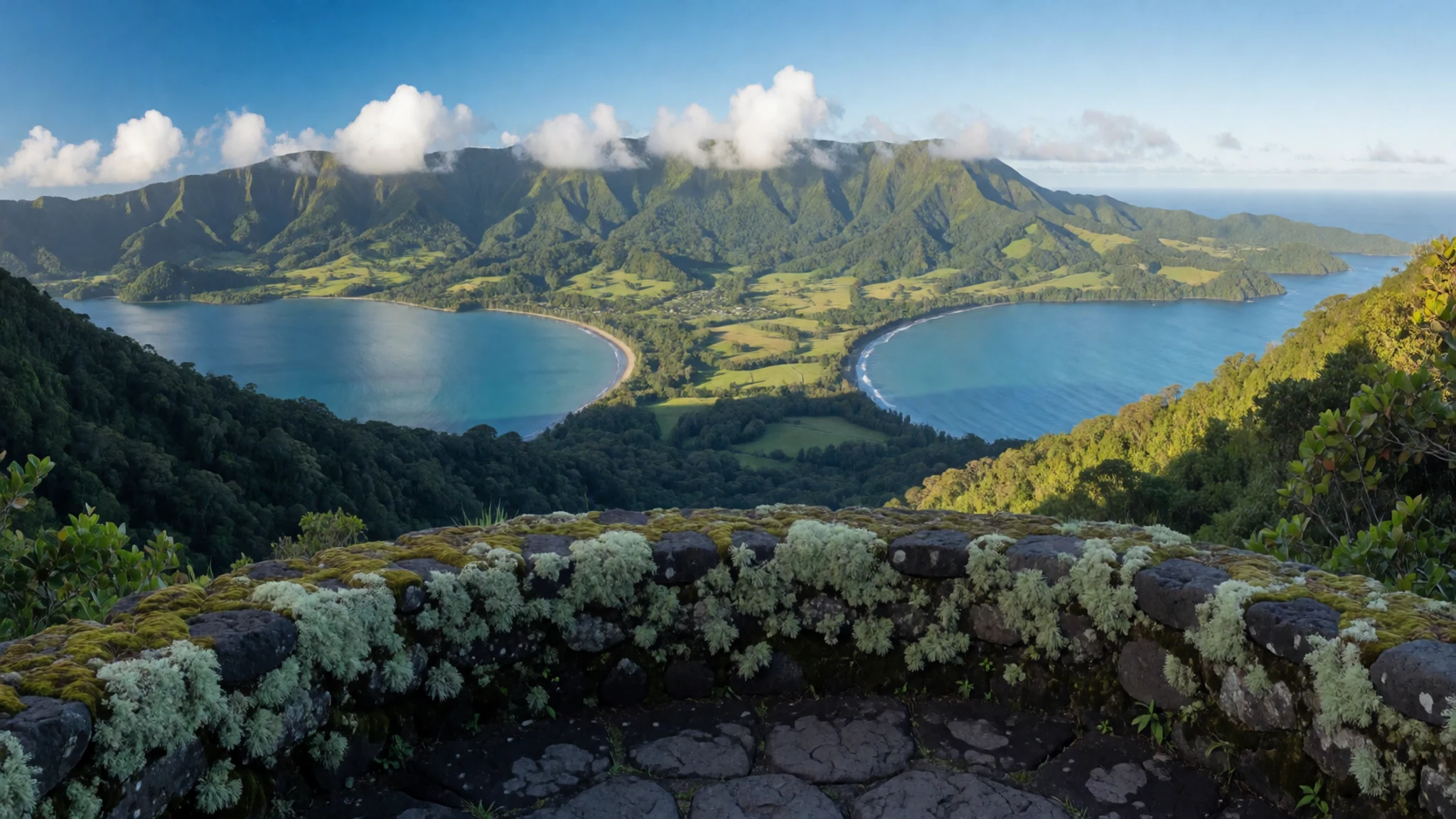
- Marae Umarea — Near Afareaitu, on the lagoon side
Marae Umarea, near Afareaitu, is the island's oldest worship platform. Its enclosure is made of large coral slabs set directly over the lagoon, so the water sits close to the stones. It is a place to walk slowly and look rather than climb or sit on the stones. The site is one of the clearest links to the island's pre-Christian religious life.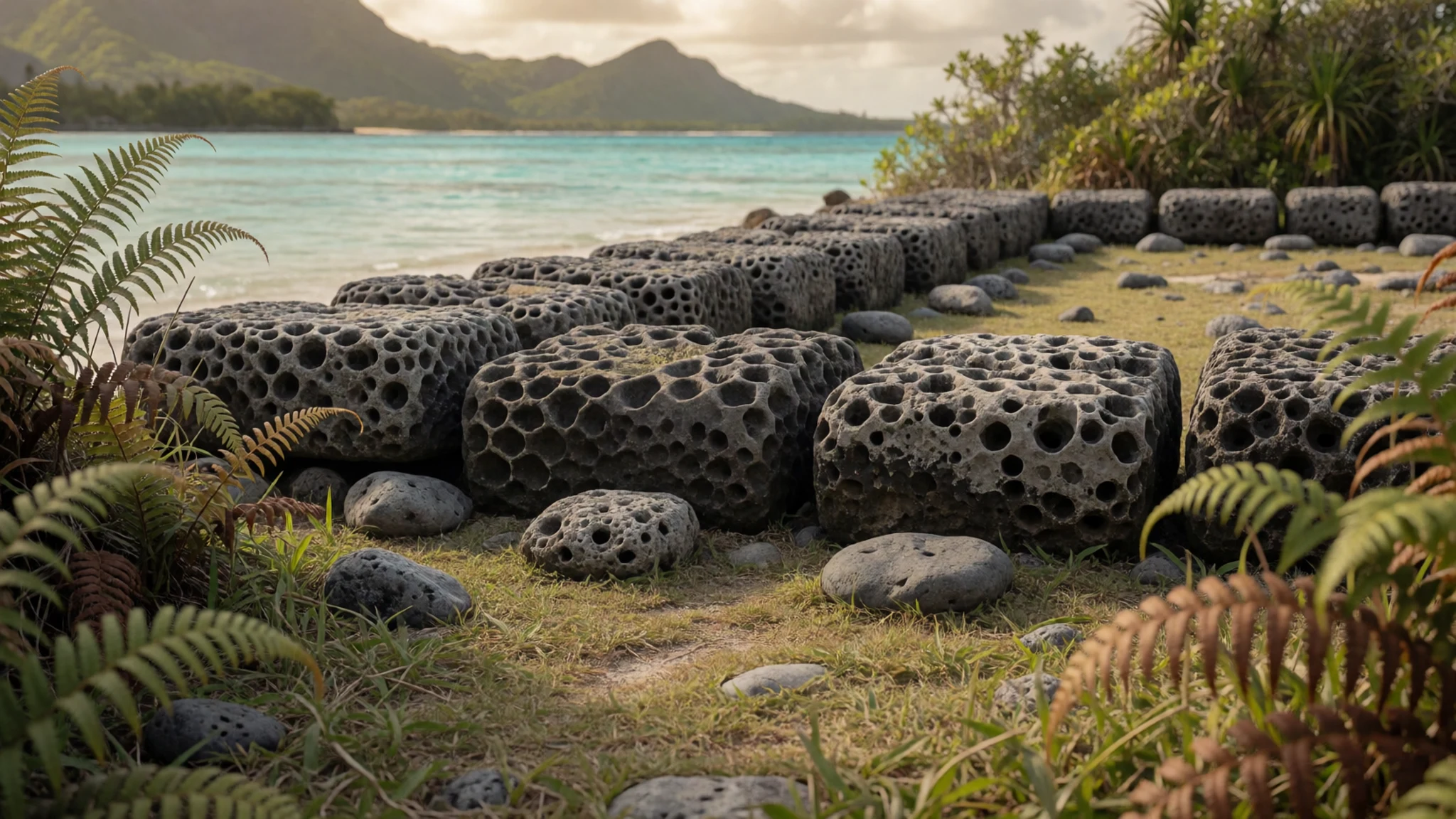
- Marae Ti'i-rua — Inland marae sites across the island
Marae Ti'i-rua is one of the ancient ceremonial sites that dot Moorea. These stone platforms were places of worship and community gathering, built from the island's own rock and coral. Walk the grounds quietly, keep to the paths, and avoid placing anything on the stones. The marae are best seen in the cooler part of the day, when the light is softer.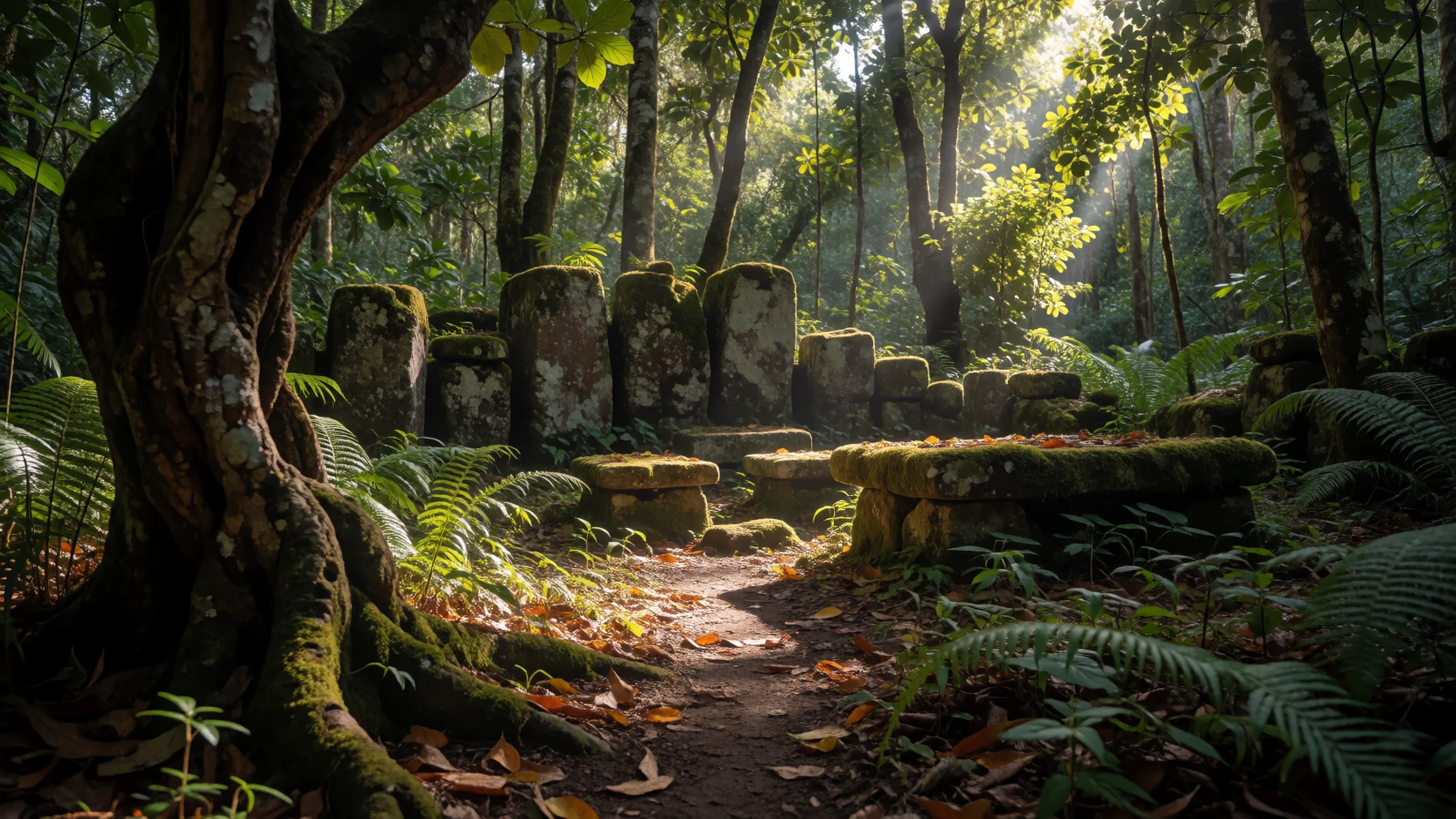
- Cook's Bay and Pao Pao — North shore, at the head of Cook's Bay
Cook's Bay, also called Pao Pao Bay, is a sheltered inlet on the north shore, with the largest commune at its head. The natural shelter draws boats and a rich variety of marine life. Supermarché Pao Pao has most essentials and sits close to much of the island's lodging. The bay is calm enough for an easy paddle, and it is a pleasant place to watch the light fade over the water.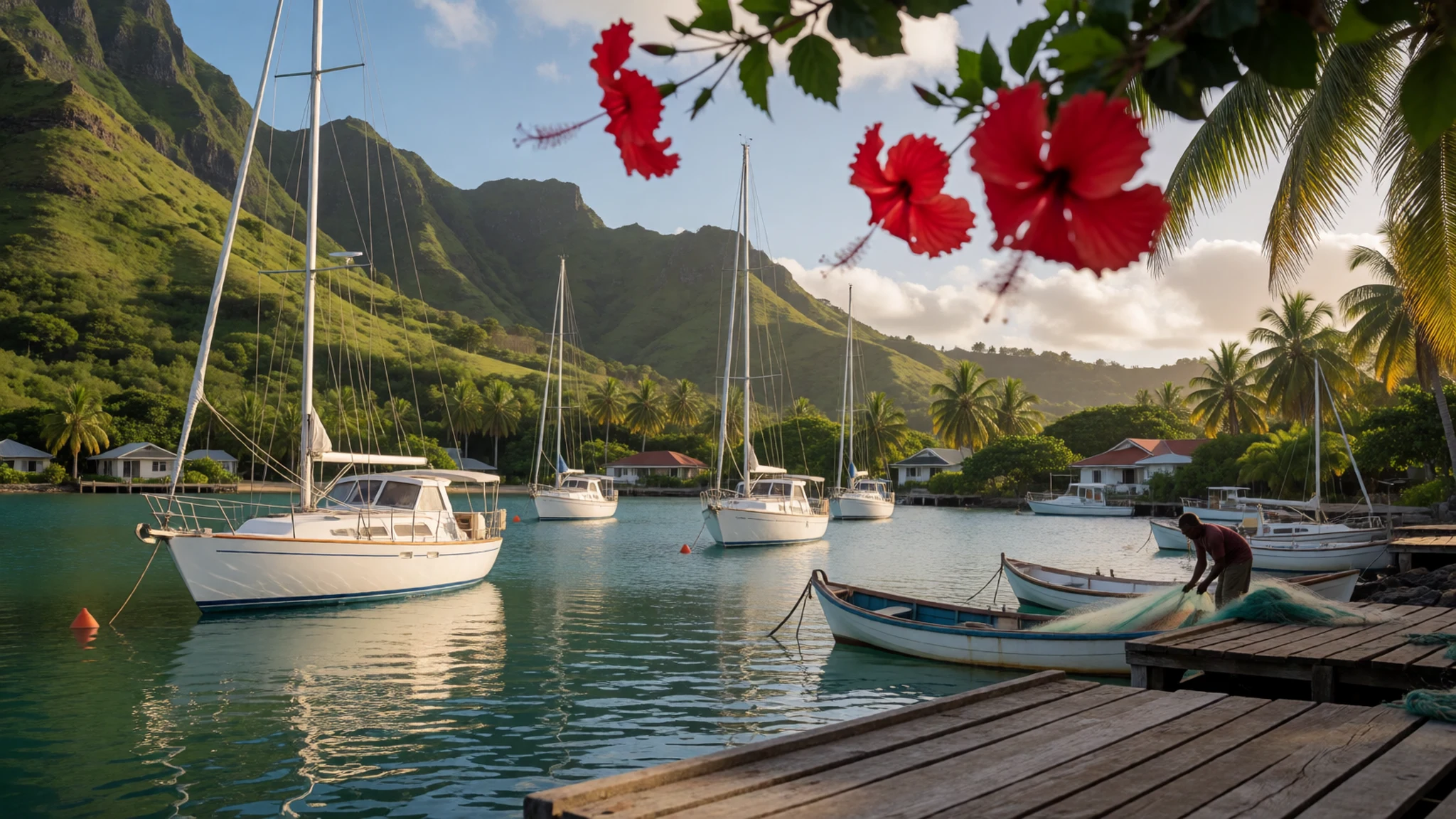
- The motu and the lagoon — The reef surrounding the island
The motu, the small sandy islets on the reef edge, are the lagoon's best-known feature. Almost anywhere in the lagoon is good for snorkelling, so calm water is the main draw. Bring your own mask and snorkel, since rentals are available but bringing your own is the better option. The reef breaks suit experienced surfers only, and serious divers will find plenty to explore too.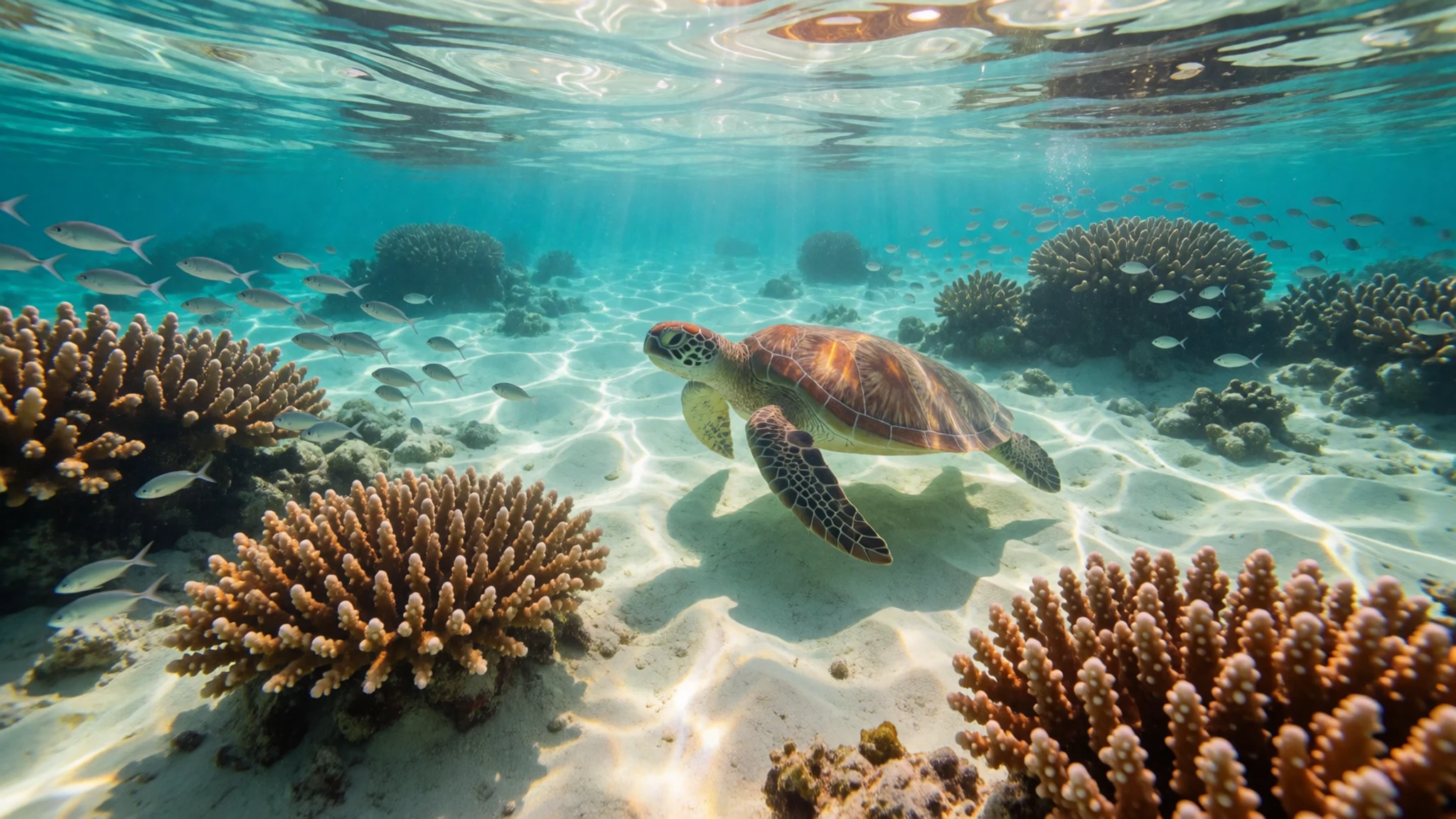
- Rotui Juice Factory and Manutea Distillery — Along the main road, between the two bays
The Rotui Juice Factory and Manutea Tahiti Distillery offer free tasting samples of juice and liqueurs in their shop. Distillery tours run on weekdays only, so check locally before you go. It is an easy stop on the road between the two bays and a relaxed break from the sun. Plan the visit around the weekday schedule rather than a weekend.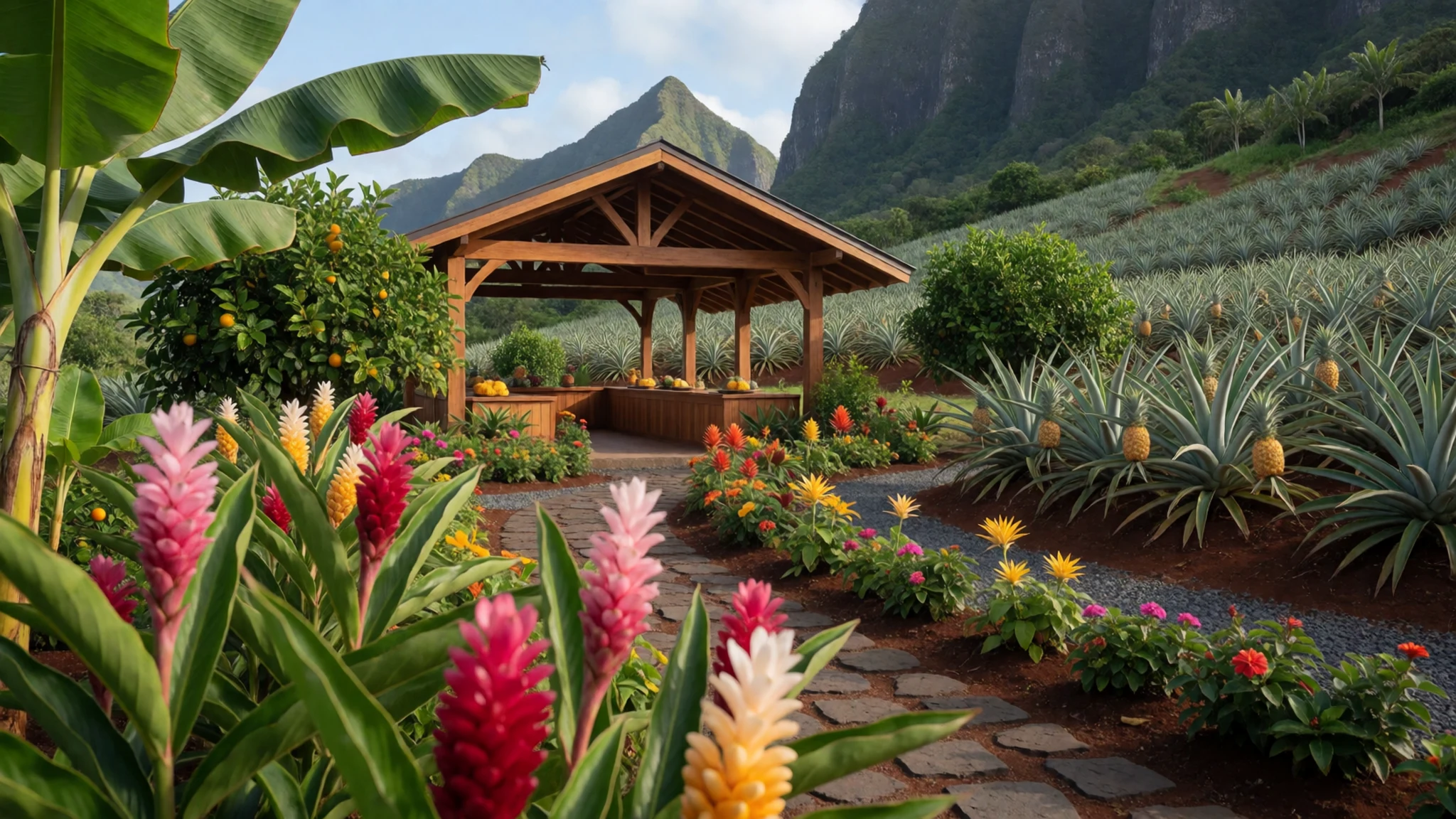
Culture
Most people on Moorea are Christian, a legacy of European colonisation and the work of Roman Catholic and Protestant missions. The Catholic Church runs four church buildings and a religious centre on the island, including St Joseph Church in Paopao and St Michael Church in Papetōʼai, all under the archdiocese based on Tahiti. Church is a central part of community life, and congregations are made up of local families.
Older traditions are still part of the landscape. Marae such as Marae Umarea near Afareaitu show that the island once had a complex religious and political order, with elite families holding both power and ritual authority. Local identity is strongly Polynesian, French is the language of government, and Tahitian is widely spoken in everyday life.
Community life runs at an unhurried pace. Families gather after church, fishing and gardening structure the week, and many residents work in tourism, farming or the public sector. Conversation often begins with a greeting, and people may take a few minutes before getting to business.
At church or a marae, dress modestly and always ask before photographing someone.
What to wear
Traditional dress on Moorea draws on the wider Polynesian wardrobe. The pareo, a long wrapped cloth of printed cotton, is the everyday garment, tied at the waist or knotted over the chest and worn for swimming, working and dressing up alike. Older garments were made from tapa, beaten bark cloth decorated with stencilled or painted patterns, though it now survives mainly in museums and craft workshops. Flowers are part of dress too: the tiare, a white gardenia, is worn behind the ear or woven into a crown.
Today most people dress as they would anywhere warm and casual. Sundresses, shorts and T-shirts are common in town, and shorts or a pareo are normal on the beach. Churches are the main exception, where many people, especially women, wear longer skirts or dresses with covered shoulders for Sunday services. Plenty of islanders wear Western clothing for work, and the pareo appears most often at weekends and at events.
What a visitor should wear comes down to climate and terrain. Lightweight cotton or linen breathes well in the humidity, and a hat and high-factor sunscreen help on the lagoon. Pack a rash vest or long-sleeved swimming top for snorkelling, since the sun reflects hard off the water. Reef shoes or sturdy sandals suit the coast, while closed walking shoes with grip are needed for the trails, which can be muddy after rain. Cover shoulders and knees for churches and marae, and bring a light layer for air-conditioned rooms and evening breezes.
What to eat
- Poisson cru — A traditional snack-style eatery, such as the roadside spots around Pao Pao
Poisson cru is the island's signature raw fish, cubed tuna or similar, marinated briefly in lime juice and mixed with coconut milk, cucumber and tomato. It is light and sharp, and traditional snack restaurants serve it at lunch, often with bread on the side.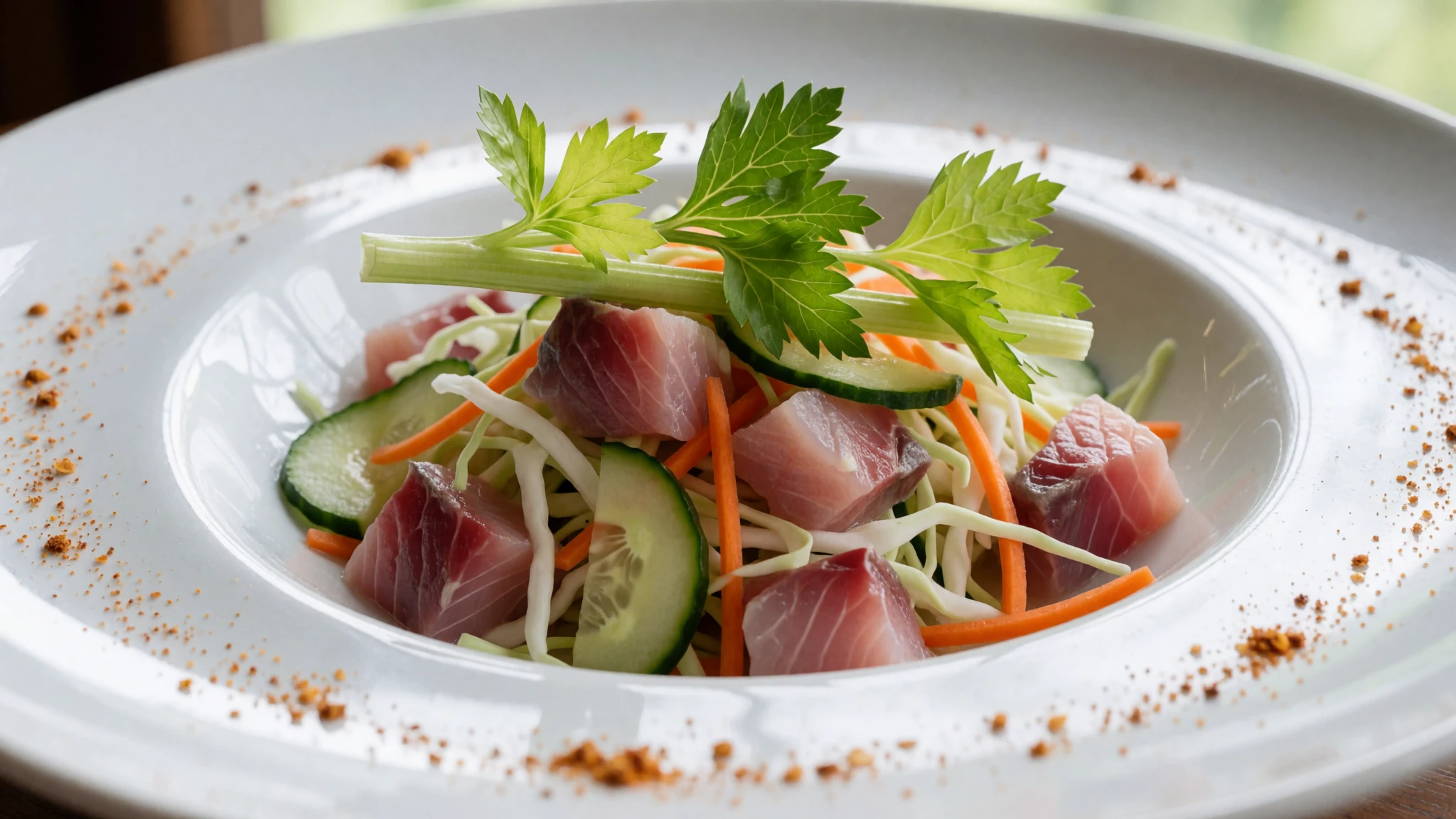
- Baguette sandwich — Bakeries and supermarket counters in Pao Pao
Baguettes are the local bread, and a filled one, with ham, cheese, tomato or tinned fish, is the simplest and most portable meal on the island. Eaten on the beach with a cold beer, it makes a simple lunch that needs no plate.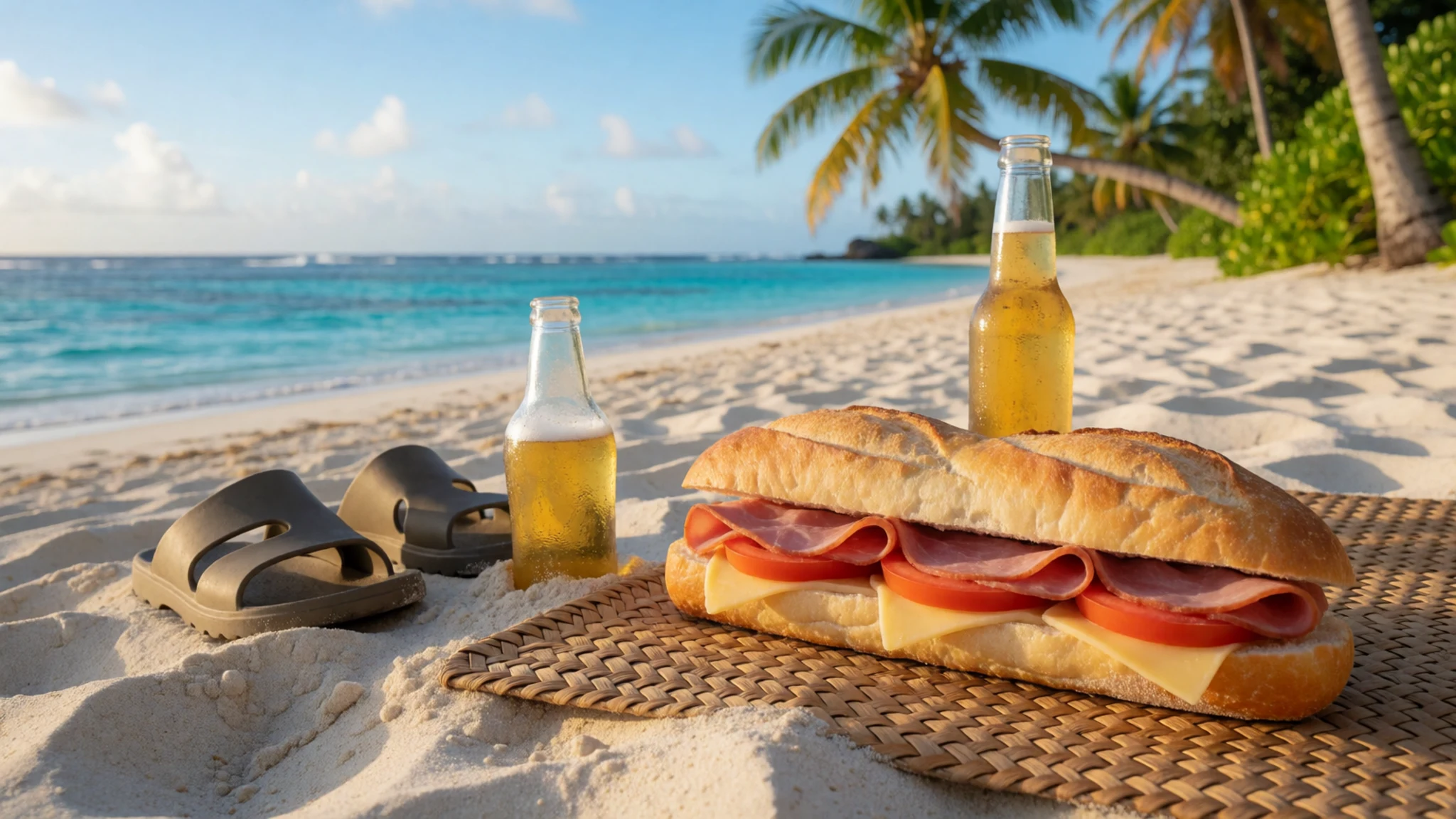
- Pizza by the ferry — A pizzeria across the road from the Vaiare ferry station
Pizza is a common meal on Moorea, and the pizzerias near the Vaiare ferry landing are a good example. The menu offers a wide range of toppings, and the couple who run it speak French rather than English, so a few words of French help. - French cooking with island touches — Small French-style restaurants on the island; book ahead
French cooking with island touches is a distinct local style, and steak and fresh seafood feature on many menus. The restaurants that do it well seat few people, so reserve a table ahead rather than arriving hopefully. - Grab-and-go counter food — A grab-and-go counter in the main village
Chinese-influenced takeaway plates and sweet pastries are sold at grab-and-go counters. They are easy to pick up and eat on the beach or in a car, and a pastry pairs well with morning coffee. - Fresh fruit juice — A garden shop on the steep road above Opunohu Bay
Fresh fruit juice from the hillside gardens above Opunohu Bay is a good way to cool off after a walk. The juice shops on the steep road above the bay also sell vanilla, jam and small souvenirs.
Plan it
Best time. Moorea is warm all year, so the real question is rain and humidity. The driest months, roughly July to September, bring the least rain and calmer seas for snorkelling, though daytime highs barely change through the year. The wetter season, from around November to April, brings heavier showers and more humidity, and the channel to Tahiti can be choppier at any time.
How long. Two to three days
Getting there. Fly or sail into Papeete on Tahiti, then take either the Air Tahiti flight, which is short but bumpy in rough weather, or the Aremiti or Terevau high-speed ferry from Papeete to Moorea. The ferry crossing is under an hour.
Budget. mid
Tips
- Reserve ahead if you are taking a car on the ferry, since car spaces are limited
- Start walks and lookouts early, before cloud builds over Mount Tohivea
- Carry cash for small waterfalls, roadside fruit stalls and shrines
- Bring your own snorkel gear, which is better than relying on rentals
- Keep valuables out of sight; petty theft is the main concern and violent crime is rare
- If you are prone to airsickness, choose the ferry over the small planes
Etiquette
- Ask before photographing people, especially at church or family events
- Dress modestly for church and marae visits
- Do not climb on or sit on the stones at ancient marae
Nearby
Sources
- Wikidata Q673400 (CC0)
- Wikipedia, Moʼorea (rev 1381458856) (CC BY-SA 4.0)
- Wikivoyage, Moorea (rev 5411465) (CC BY-SA 4.0)
- Photo 01, DANIEL JULIE (CC BY 2.5)
- Photo 02, Pi3.124 (CC BY-SA 4.0)
- Photo 03, Constance Frederica Gordon Cumming (Public domain)
- Photo 04, Garegnani Denis (CC BY-SA 4.0)
- Photo 05, Alain.martre (CC BY-SA 4.0)
- Photo 06, Enzo Eymenier (CC BY-SA 4.0)
- Photo 07, Charles J. Sharp (CC BY-SA 4.0)
- Photo 08, Robert Preinfalk (CC BY 3.0)


