Monterey, California
Monterey, California, United States
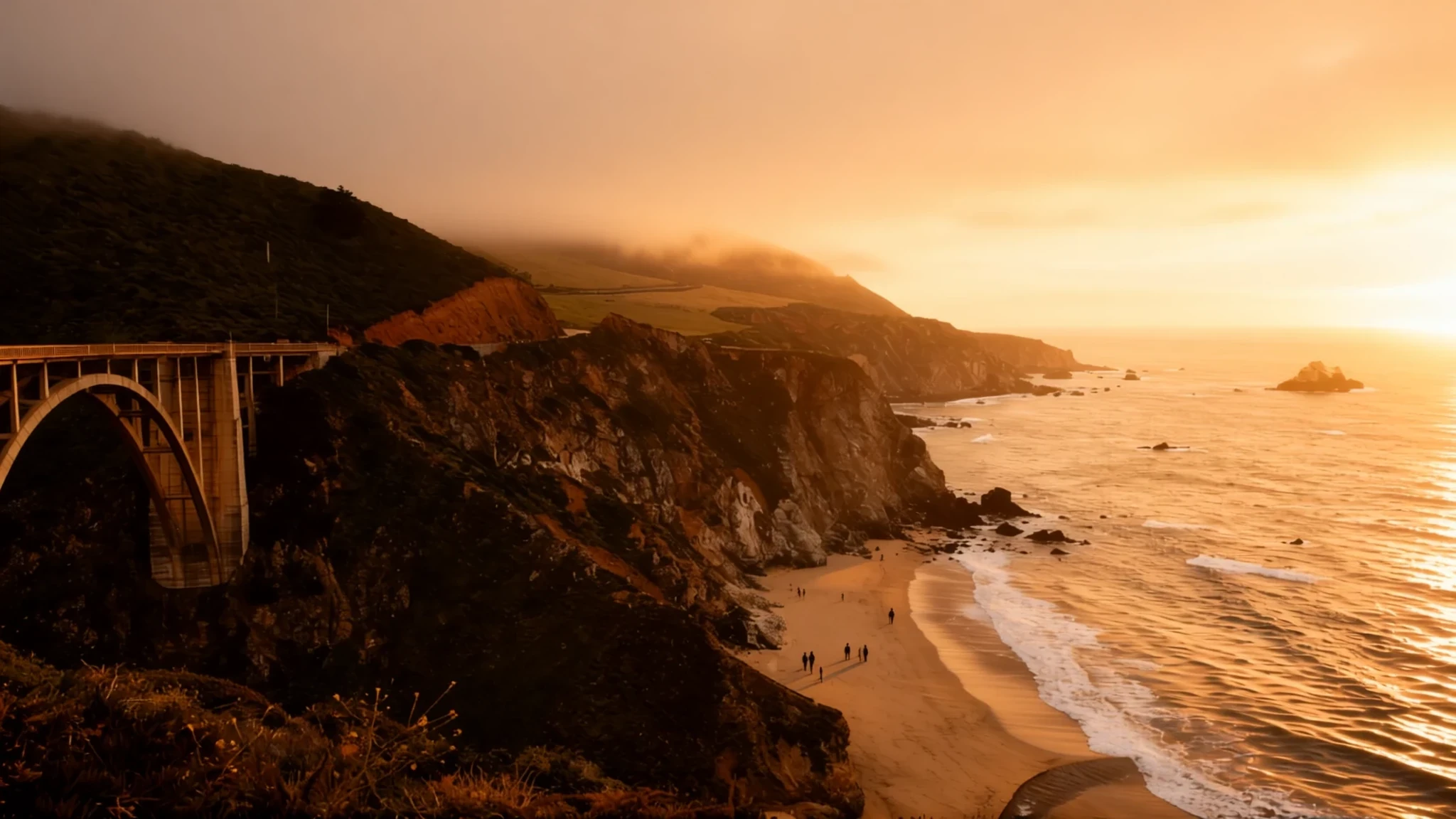
Monterey gives you a working harbour, a historic adobe old town and a bay full of sea otters, sea lions and kelp forests.
The place
Monterey sits on the southern shore of Monterey Bay, on California's Central Coast. It is a city of about 30,000 people in Monterey County, and it is compact enough to explore on foot. The waterfront, the historic old town and most of the main sights lie within a short walk of one another, so you can spend a morning moving between adobe houses, the harbour and the bay without needing a car.
The town's character comes from its layers. Spanish soldiers and missionaries built the first settlement and a church that still stands. Mexican administrators, American troops and later a fishing industry, a naval school and a research community each left their mark. You can see this in the streets, where whitewashed walls sit beside wooden houses and the working harbour still smells of the sea.
The bay is the main reason to come. The Monterey Bay Aquarium draws the biggest crowds, and the coast beyond it offers sandy beaches and rocky points where you can watch sea otters drifting in the kelp. Weather on the coast can be cooler and damper than the inland towns you may have passed through, so bring a layer even on a bright day.
Expect busy weekends and summer afternoons, when parking in the central streets takes time. Walk where you can, leave the car near your base, and allow a full day if you want to see the aquarium properly.
Its story
The land around Monterey Bay was home to the Rumsen Ohlone long before any European ship came into view. They lived in coastal and inland villages and made their living by fishing, hunting and gathering from a shoreline full of life. Their shell middens, heaps of discarded mussel and abalone shells, still line the rocky coast from the harbour down towards Carmel. They show a settled and well-fed landscape, not an empty one.
The bay takes its name from Sebastián Vizcaíno, who anchored in the harbour in December 1602 and named it Puerto de Monterrey after the viceroy of New Spain, the Conde de Monterrey. The spelling echoes a town in Galicia in north-west Spain, where the viceroy's family came from, so a small piece of Spain travelled with the name to the Pacific.
Spanish settlement came much later. In 1770 Gaspar de Portolá and the missionary Junípero Serra founded the presidio and the church that became the Cathedral of San Carlos Borromeo. In 1777 Monterey became capital of the Province of the Californias, the administrative and military centre for both Alta and Baja California and the only official port of entry. Mexican independence kept the town as capital of the Mexican Department of the Californias.
The town changed hands again in 1846, when American forces seized it during the Mexican-American War. Monterey stayed the seat of the interim American government until 1849, and it hosted California's first constitutional convention. Several adobe buildings in the old town survive from these years of upheaval, and they remain the clearest record of how the place was governed and fought over.
What to see
- Monterey Bay Aquarium — Waterfront
The aquarium is the town's best-known attraction and the reason many visitors come. It specialises in local sea life, displayed in habitats that echo the bay outside, so you can see kelp, rays and fish you might otherwise only glimpse from a boat. Plan at least two hours and book a timed entry ahead for summer weekends. Check the official site for current hours.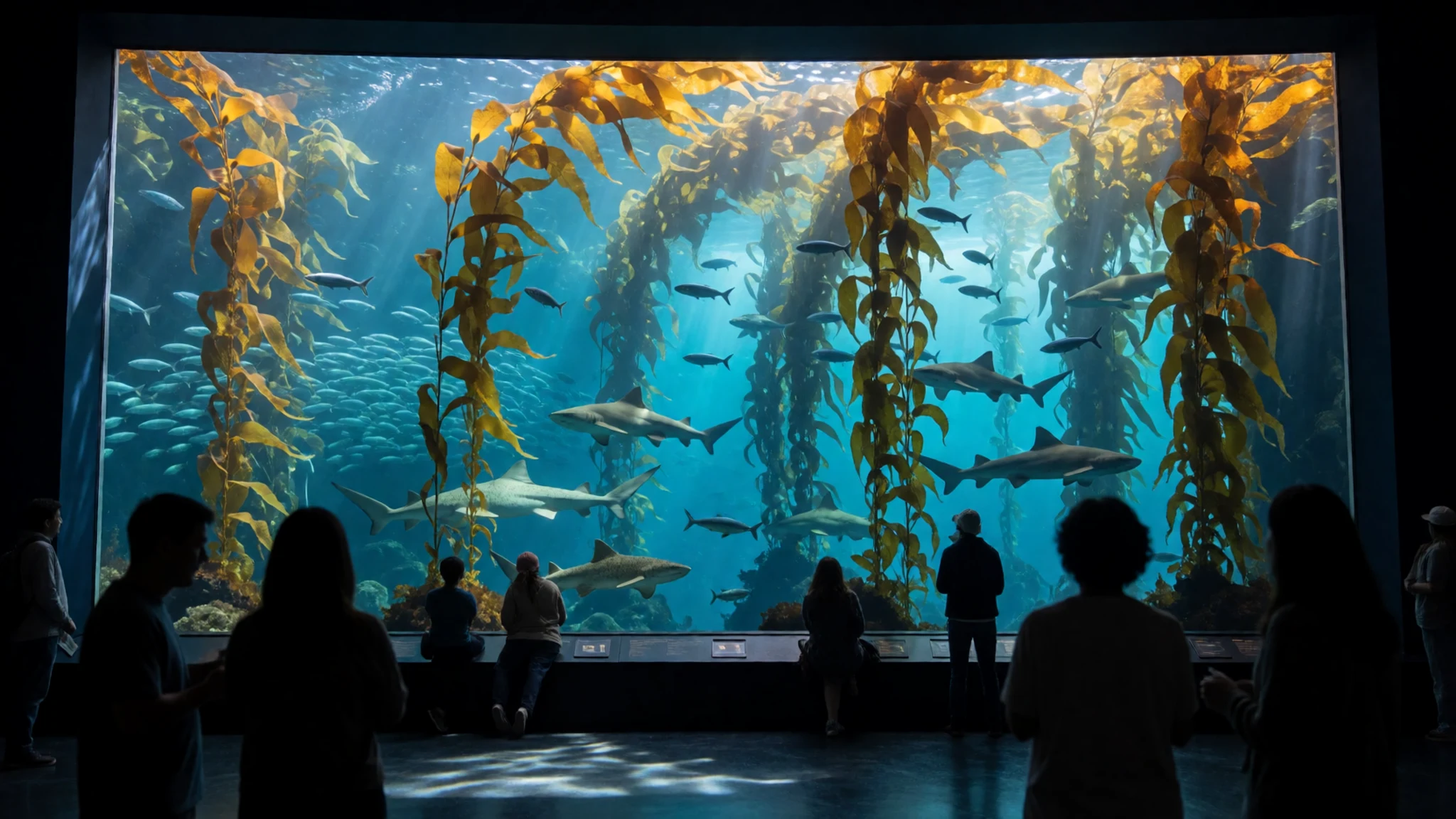
- Monterey State Historic Park — Old Monterey
This park covers the historic downtown known as Old Monterey, with adobe houses, gardens and buildings from the Spanish and Mexican years. Several are open to visitors and the streets are easy to walk. Go early on a weekday for quieter lanes, and treat the buildings as living parts of the town rather than a museum set apart from it.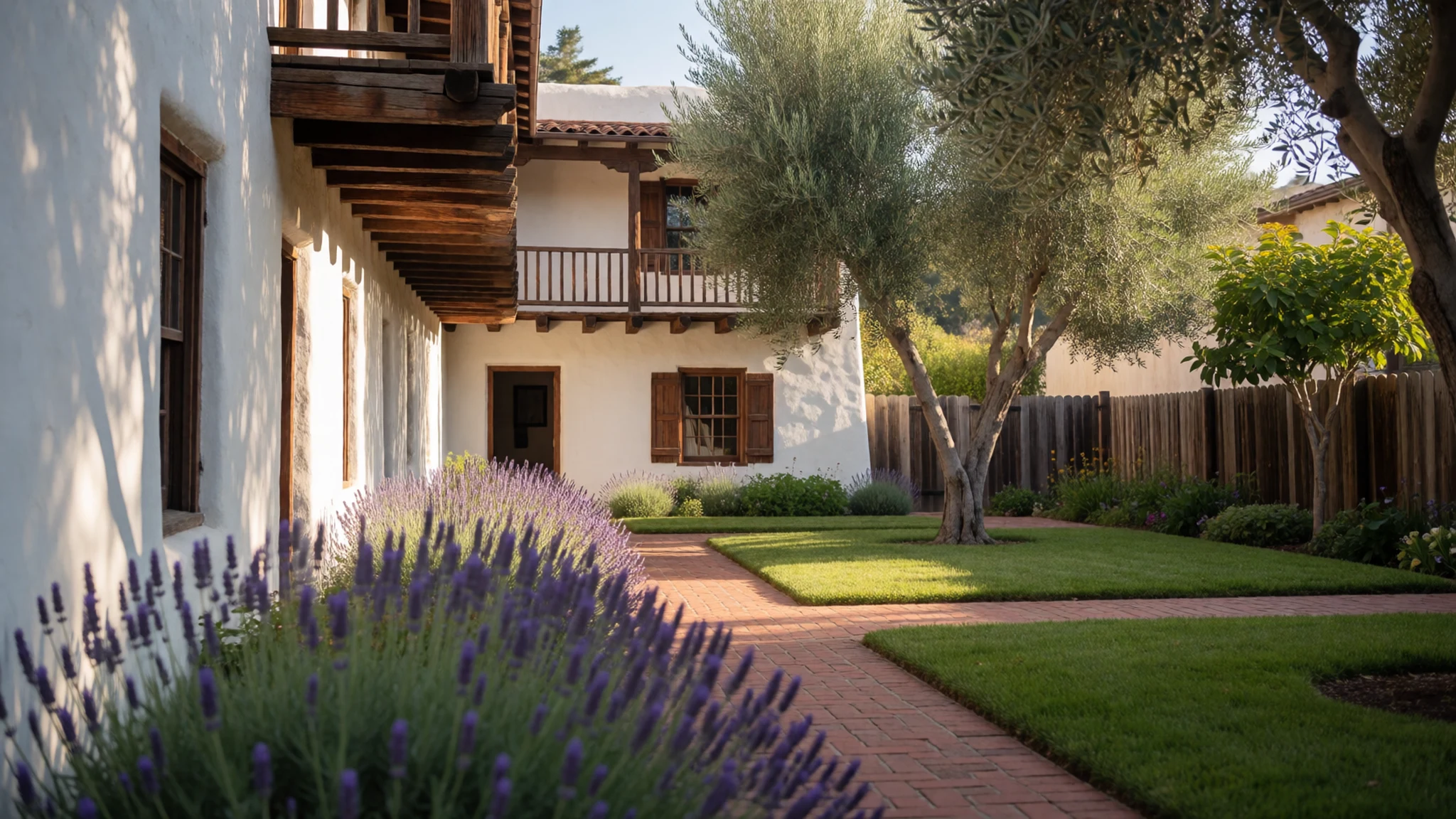
- Custom House — Harbour edge
The Custom House stands near the harbour and is described in the guidebooks as the oldest government building in California. Its first floor holds a small museum and gift shop, which takes less time than the building's history suggests. It makes a good first stop before walking the waterfront and the old town behind it.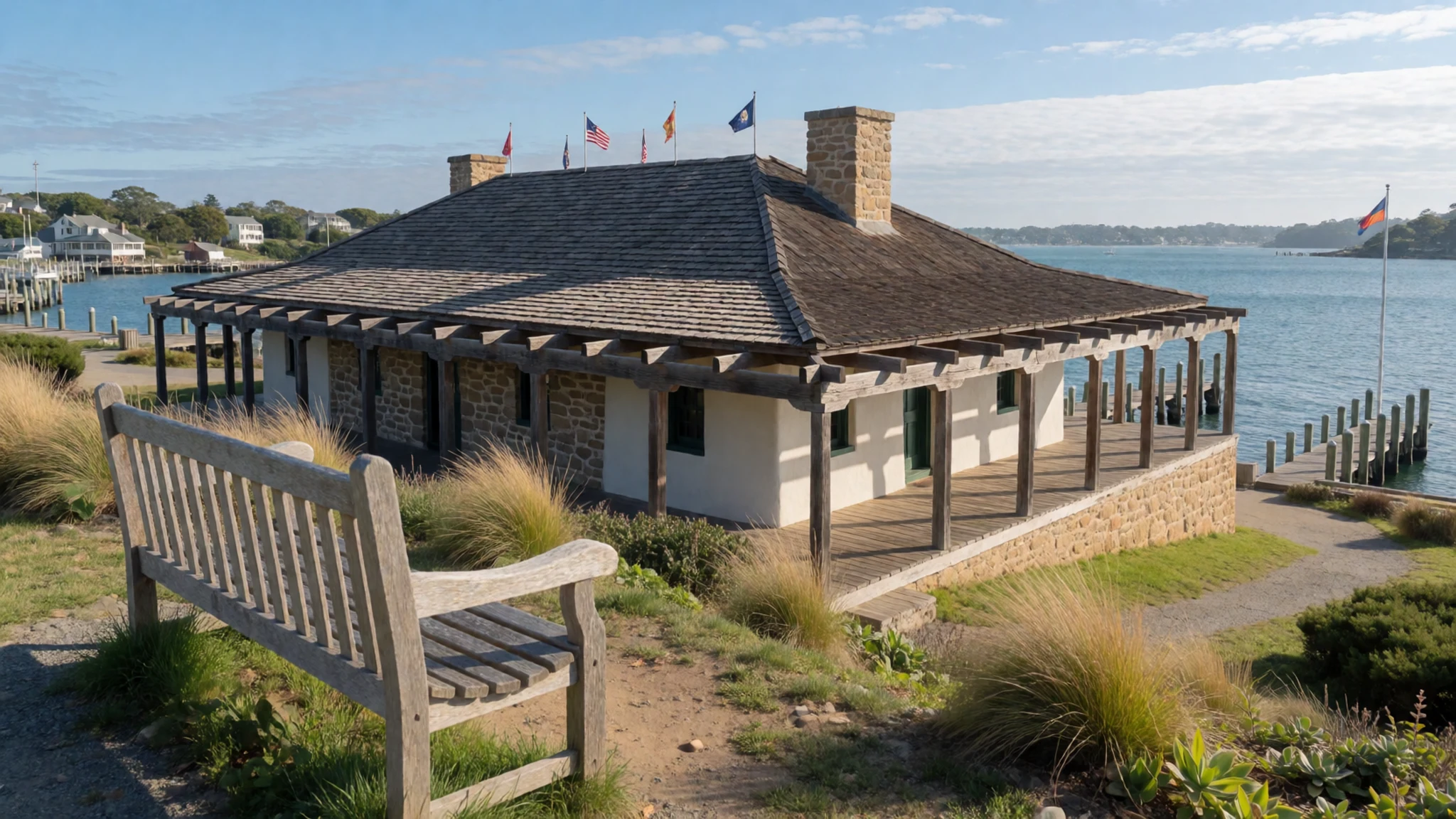
- Cathedral of San Carlos Borromeo — Old Monterey
Founded in 1770 alongside the Presidio, this church is still a working place of worship. Its plain walls and simple interior reflect the mission period, and it is best approached as a place for quiet reflection rather than a quick photo stop. Visit outside service times if you want to look around, and check the official site for opening details.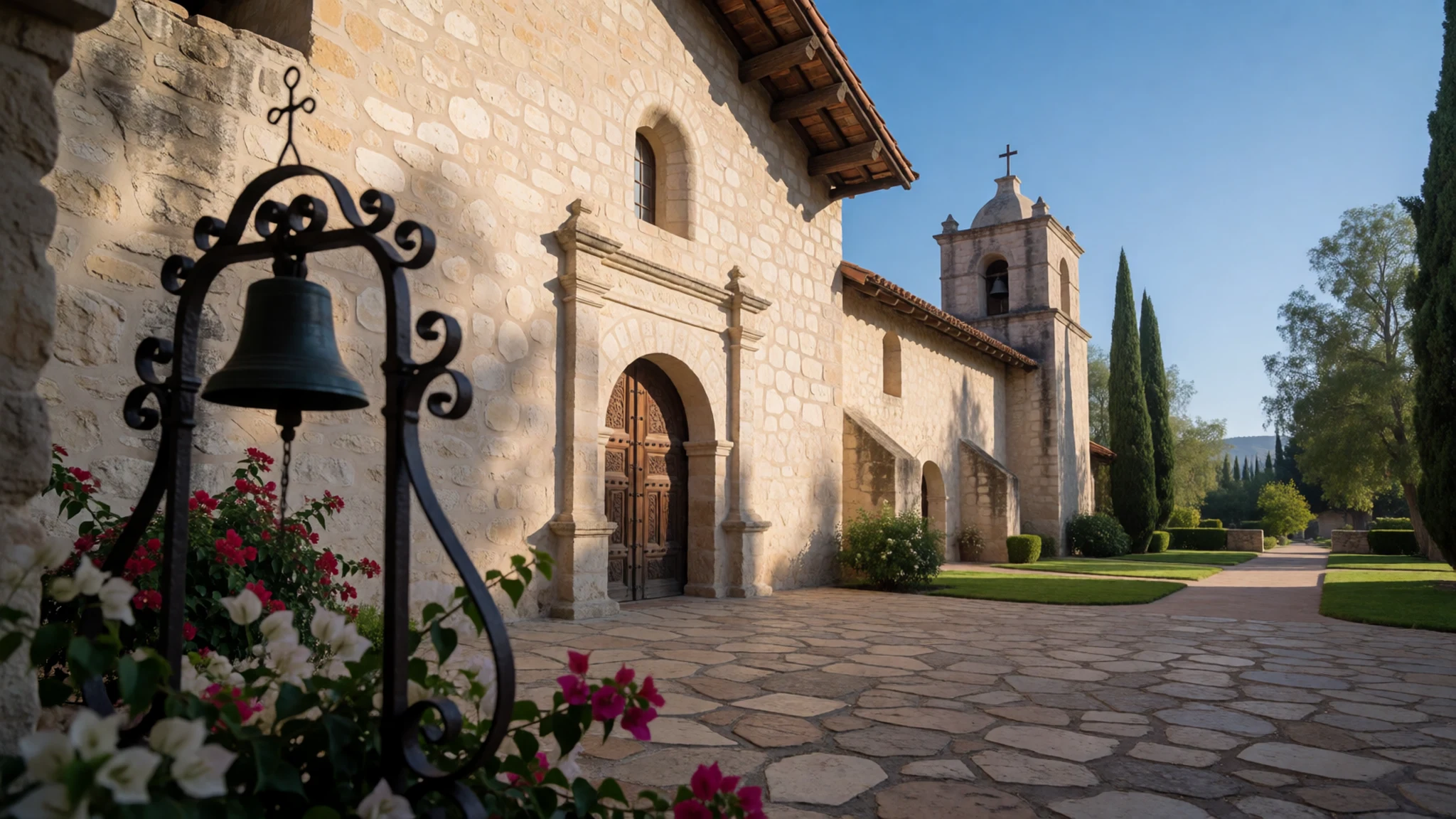
- Old Whaling Station — Waterfront
Look down rather than up at the Old Whaling Station, where a stretch of pavement is laid with whalebone, once a common material in seaside towns. The guidebook notes it is very likely the last of its kind, so take a moment to find it. Then continue to the nearby Pacific House Museum, which covers local history and Native American life.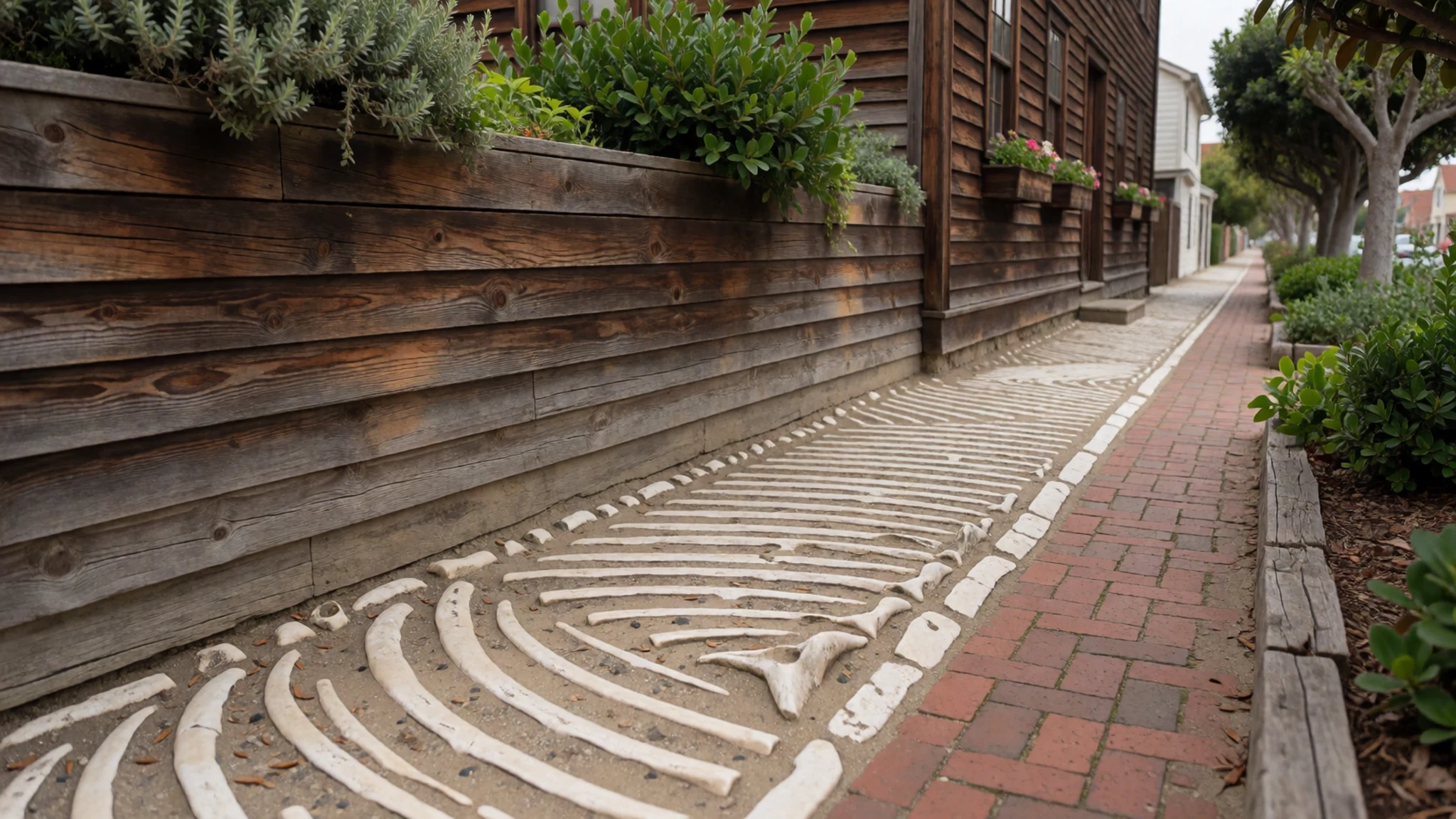
Culture
Monterey's culture is shaped by its coast. The animals that bring people here, sea otters, harbour seals, sea lions, pelicans and dolphins, are part of daily life in the town as much as an attraction. Offshore lies the Monterey Canyon, a deep underwater canyon that brings scientists close to the deep sea within hours, which helps explain why research and education are so visible along the waterfront. Divers of every level come for the kelp forests, and scuba classes are held from the shore at San Carlos State Beach. The old town takes a quieter pride in its past. Its adobe houses, the Presidio and the Ohlone shell middens belong to a living community, so read the interpretive panels and do not treat burial or sacred ground as a backdrop for photographs. Keep at least the distance park staff ask for when watching sea otters and seals, and never feed or approach them.
What to wear
Traditional dress in the Monterey area belongs first to the Rumsen Ohlone, whose clothing was made from what the land and sea provided. In warm weather many people wore little, and in cooler months they wore robes or capes of woven plant fibre, rabbit skin or sea otter fur, the last a prized material. Their basketry, woven tightly enough to hold water, is the textile tradition most visitors will meet in museums. The Spanish and Mexican years brought a different wardrobe: wide-brimmed hats, short embroidered jackets and leather boots worn by ranch hands and officials, and long skirts and shawls for women.
Today the town dresses for the sea. Fishing crews wear waterproof jackets and boots, while visitors and locals mostly wear fleeces, jeans and trainers, with a light jacket for the evening. Shop windows along the harbour sell the sweatshirts and caps that people buy as souvenirs.
For a visit, dress in layers. The coast can be cool and damp even in summer, and a windproof outer layer makes the wharf far more pleasant. Wear closed, grippy shoes for wet rocks and the harbour walkways, a sun hat for the open streets of the old town, and cover your shoulders and knees when you go into the cathedral.
What to eat
- Fresh seafood from the harbour — The harbour and Fisherman's Wharf
Clam chowder and fried fish are the staples of the harbour kiosks and waterfront counters, where boats unload close to the stalls. Eat them at a table overlooking the water or take them to the wharf railings. Portions are generous, and the simplest plates often taste best when the catch is local.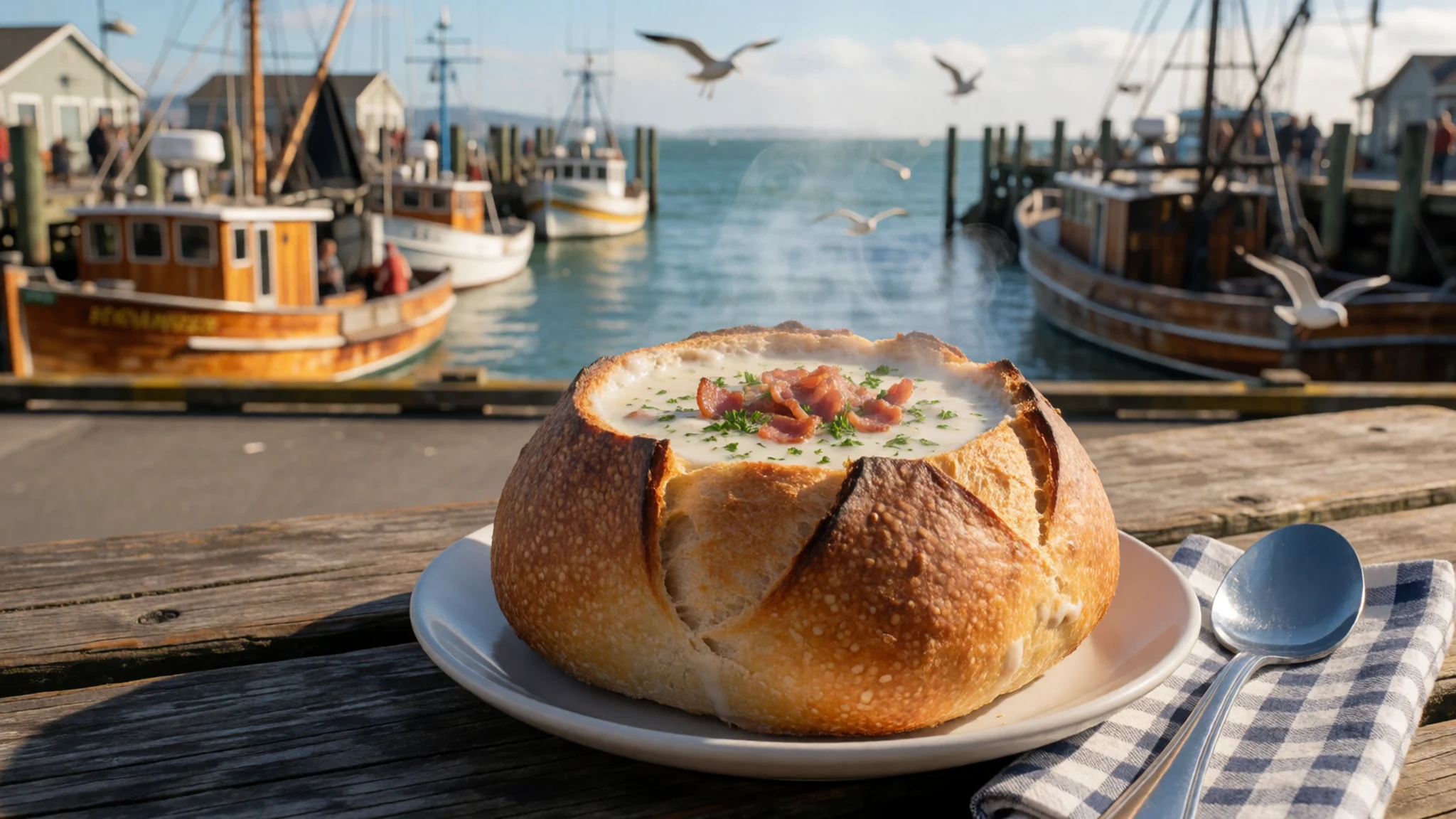
- Greek food — A downtown restaurant
A cosy, hand-decorated Greek-style eatery in the downtown streets serves grilled meats, fresh salads and warm bread. The atmosphere is relaxed and the staff are known for their enthusiasm. Booking ahead is wise on weekend evenings when the room fills quickly.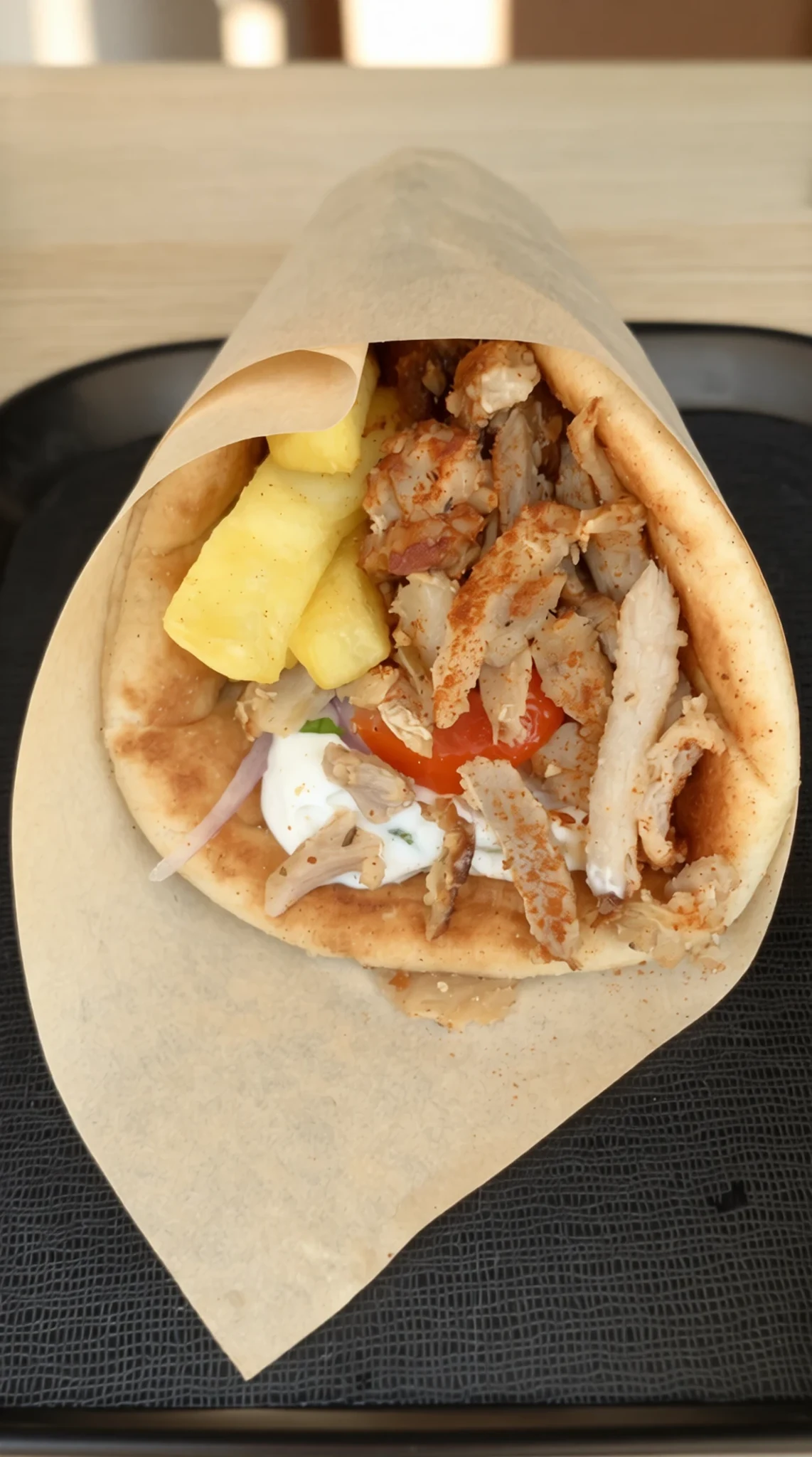
- Indian curry — A downtown bistro
An Indian bistro downtown serves curries, tandoor breads and rice dishes, with a menu that runs from starters through to dessert. The flavours are strong and carefully balanced, and the presentation is attentive. The service can be slower at busy times, so order early if you are hungry.
- Sushi at a local counter — A neighbourhood sushi counter
A small sushi counter in town is a local favourite for fresh nigiri and rolls. Sitting at the counter gives you a view of the chefs at work. Lunch is often easier than dinner for finding a seat, and the fish changes with what is available.
Plan it
Best time. April and May bring milder weather and fewer crowds than midsummer, and September and October are often the clearest months on the coast. Summer mornings can be foggy and cool, and the busiest weeks are around summer holidays.
How long. 2–3
Getting there. Fly into San Jose International Airport or San Francisco International Airport, then take the Monterey Airbus or a rental car for the last leg. The drive from the Bay Area follows the coast road south, or the faster inland route to the Monterey Peninsula.
Budget. mid
Tips
- Book aquarium entry ahead for weekends and school holidays
- Reach the harbour and old town before mid-morning, when parking fills up
- Pack a windproof layer, even in summer
- Carry some cash for small stalls, though cards work in most places
- Check the official site for current opening times before you go
Etiquette
- Keep your distance from sea otters and seals, and never feed them
- Stay on marked paths and follow the rules at historic houses, where some tours are by appointment only
- Keep your voice down inside the cathedral during services
Nearby
Sources
- Wikidata Q487315 (CC0)
- Wikipedia: Monterey, California (rev 1380697139) (CC BY-SA 4.0)
- Wikivoyage: Monterey (California) (rev 5412764) (CC BY-SA 4.0)
- Monterey Harbor and Fisherman's Wharf (photo 01) (Public domain)
- Santa Catalina School, Monterey, CA (photo 02) (CC BY 4.0)
- Cathedral of San Carlos Borromeo (photo 03) (CC BY-SA 4.0)
- Herrmann Hall, Naval Postgraduate School (photo 04) (CC0 1.0)
- Downtown Monterey and Monterey Harbor (photo 05) (Public domain)
- Back view of Monterey Bay Aquarium (photo 06) (Public domain)
- Viceroy Gaspar de Zúñiga y Acevedo (photo 07) (Public domain)
- Portion of the 1770 map by Miguel Costansó (photo 08) (Public domain)


