Monaco
Monaco, Monaco
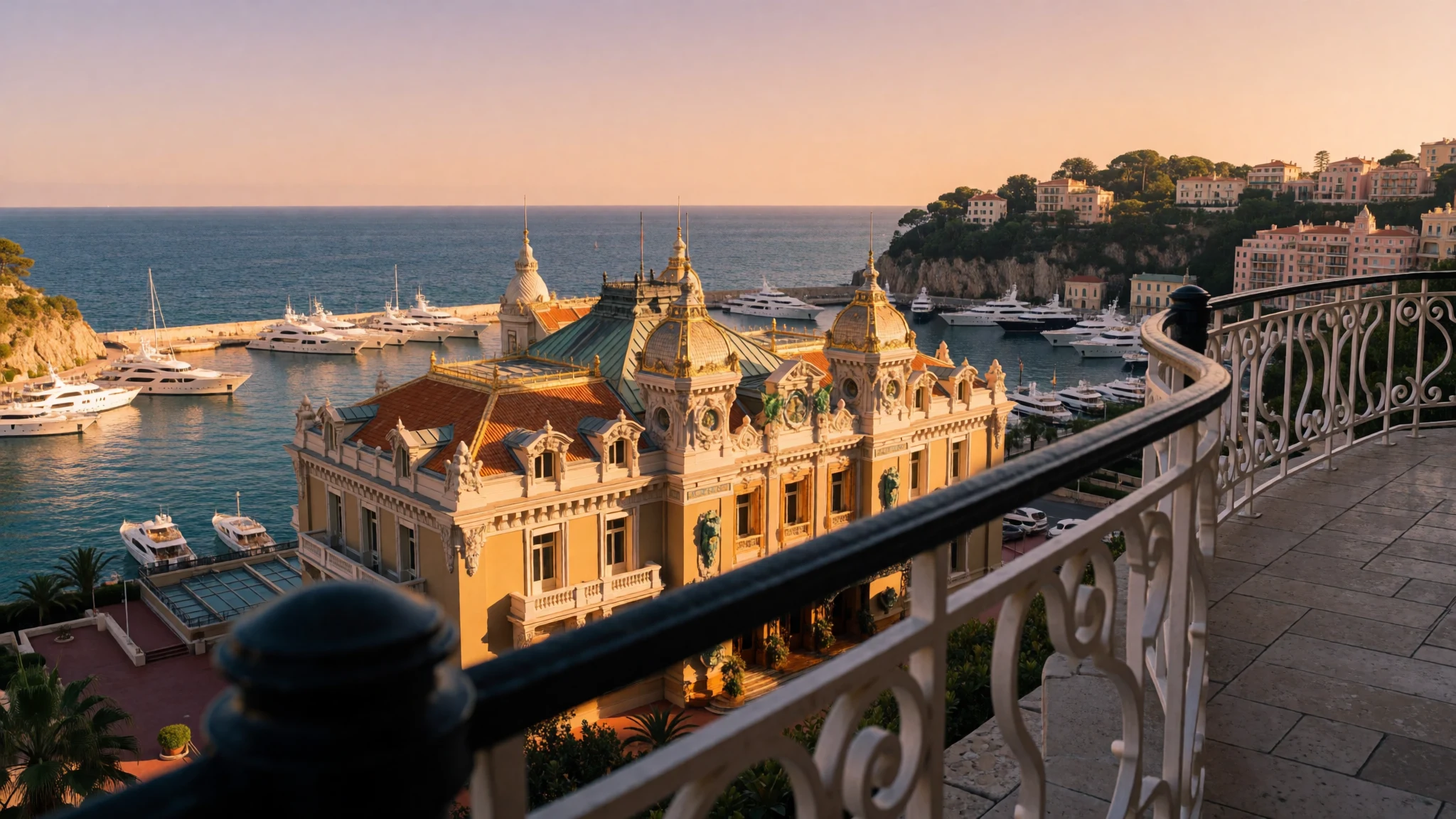
Experience the pinnacle of Mediterranean luxury in a tiny sovereign city-state defined by glamour, yachts, and dramatic cliffs.
The place
Monaco is a sovereign city-state and microstate tucked into the French Riviera. This tiny territory is bordered by France on three sides and opens to the Mediterranean Sea in the south. It is the second smallest sovereign state globally and possesses the highest population density of any nation. The landscape is a striking blend of steep cliffs, deep blue waters, and an urban sprawl of high-end apartments and Belle Époque architecture. While French is the official language, Italian and Monégasque are also frequently heard in the streets. The state is a semi-constitutional monarchy, with the head of state holding significant political power. Sovereignty is a point of pride, though the state maintains a very close relationship with France, particularly regarding its judiciary and the appointment of its prime minister. Most of the residents are not nationals of the principality, creating a cosmopolitan atmosphere where global wealth converges. The physical footprint is incredibly small, with a national coastline that is the shortest of any country that is not landlocked. This compact nature means the entire state is easily navigable, transitioning quickly from the medieval charm of the old town to the glittering, modern high-rises of the casino district.
Its story
The history of Monaco begins with ancient mentions by Greek historians who described it as a Ligurian town. Legend suggests a temple to Heracles once stood here, giving the place its Greek name meaning the solitary one. For a long time, the area was a strategic point for the Genoese, who built a castle on the rock to keep pirates at bay. The ruling House of Grimaldi gained a foothold through a clever ruse, capturing the fortress while disguised as monks. This family has maintained control over the territory for centuries, despite various interruptions and the pressures of larger neighbouring powers. During the era of the French Revolution, the territory was annexed by France, but it later returned to independent status under the care of the Kingdom of Sardinia. As the geopolitical map of Europe shifted, the principality managed to avoid being absorbed into the newly formed Italian state. To secure its sovereignty and official recognition from France, the state traded away several nearby towns, resulting in the current, tiny borders. This strategic shrinking allowed the Grimaldis to preserve their dynastic rule and carve out a unique identity as a neutral, wealthy enclave on the coast. The evolution from a fortified rock to a global hub of luxury was completed in the following centuries as it pivoted towards tourism and finance.
What to see
- Monte Carlo Casino — Monte Carlo
A lavish entertainment complex that serves as a global symbol of luxury. It houses a casino, an opera house, and ballet offices, all wrapped in a stunning architectural shell that reflects the opulent spirit of the district.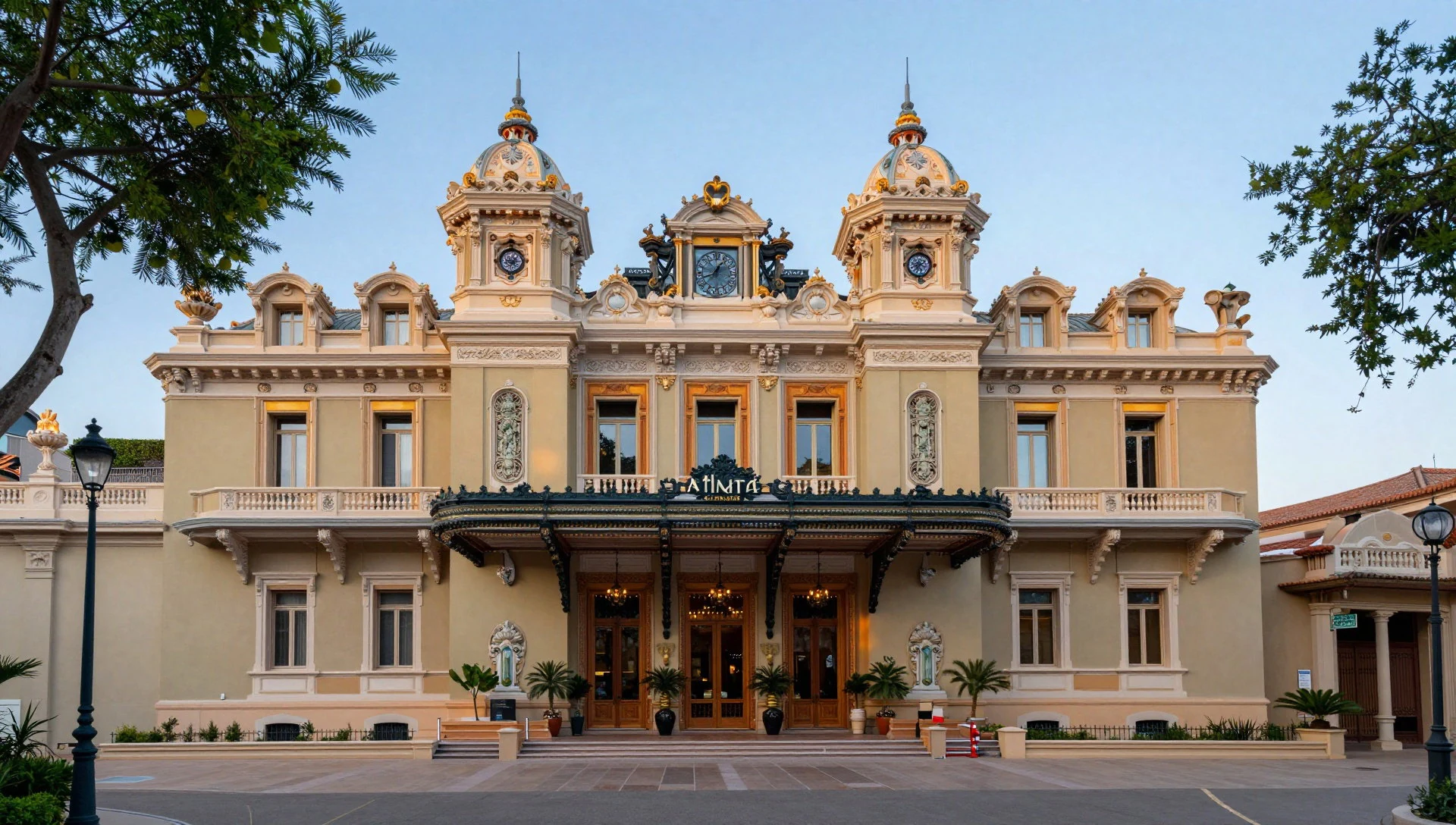
- Opéra de Monaco — Monte Carlo
Designed by Charles Garnier, this opera house features a red and gold auditorium. The interior is adorned with intricate frescoes and sculptures, making it a masterpiece of nineteenth-century design.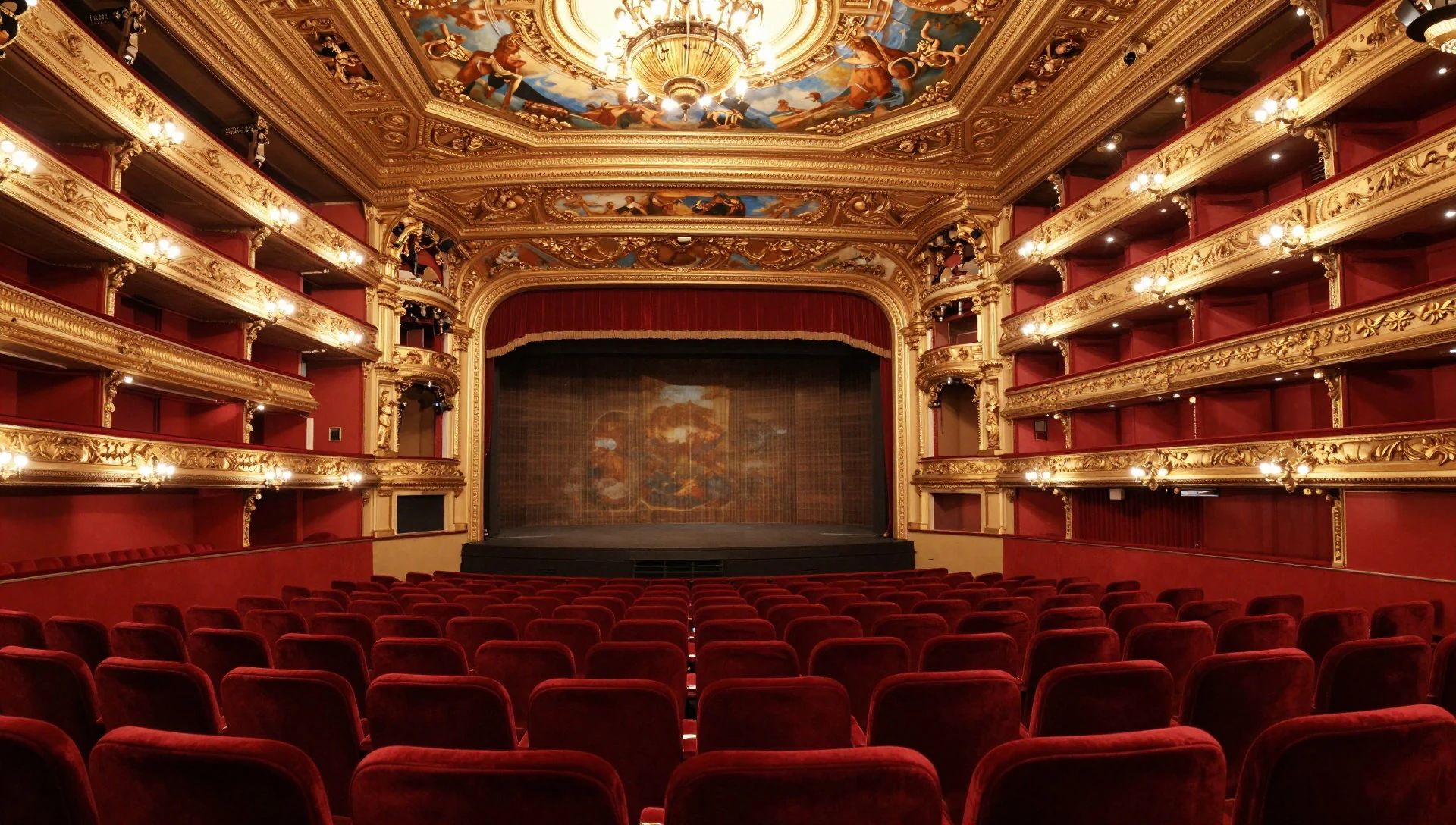
- Monaco-Ville — The Rock
Known as Le Rocher, this area is the historic heart of the city. It retains the feel of a medieval village with narrow winding streets and picturesque views from the cliff edge.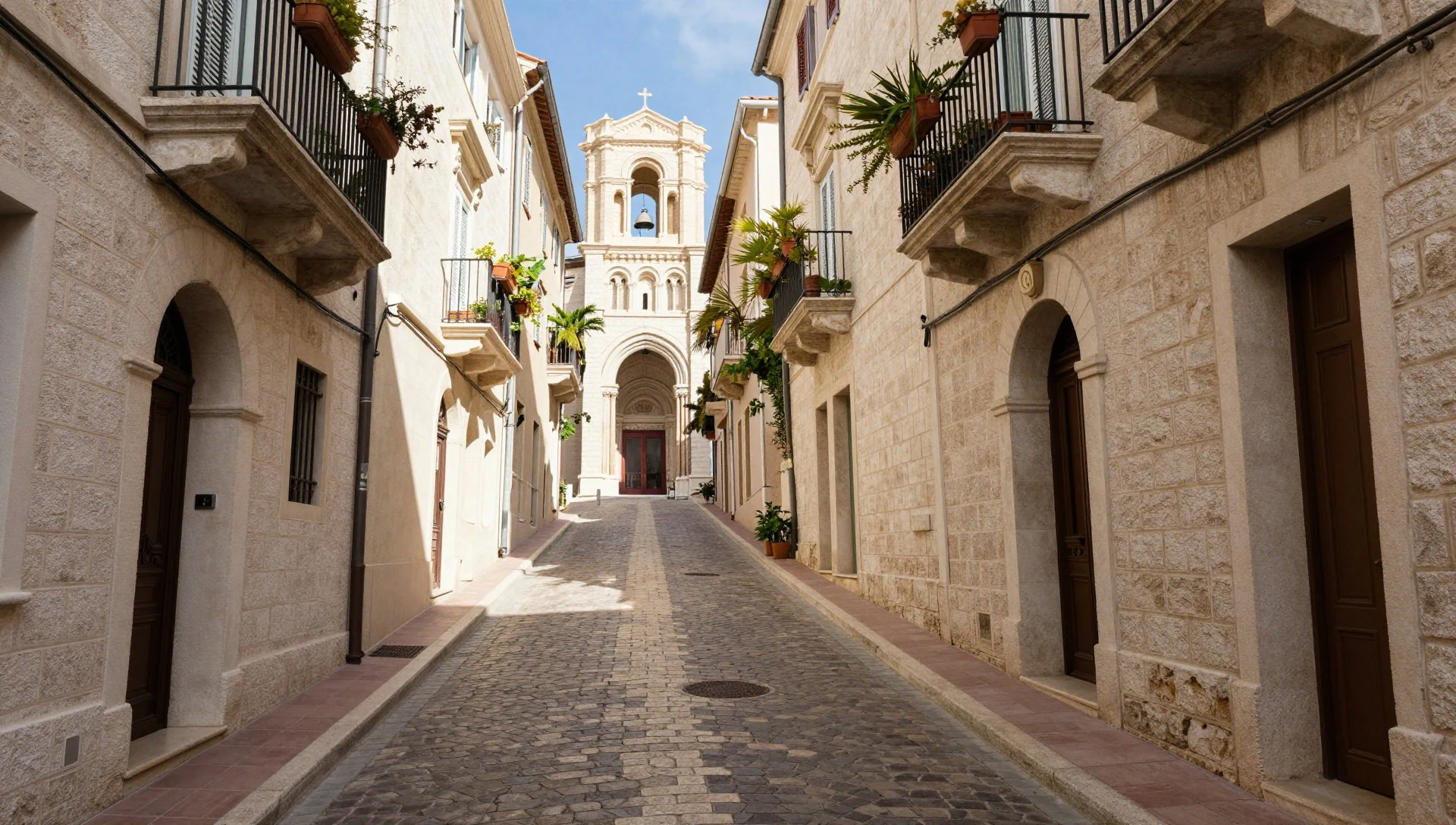
- Palais Princier — Monaco-Ville
The official residence of the Grimaldis, located in the old town. Visitors can take guided tours of the state apartments and enjoy panoramic views of the port and the city below.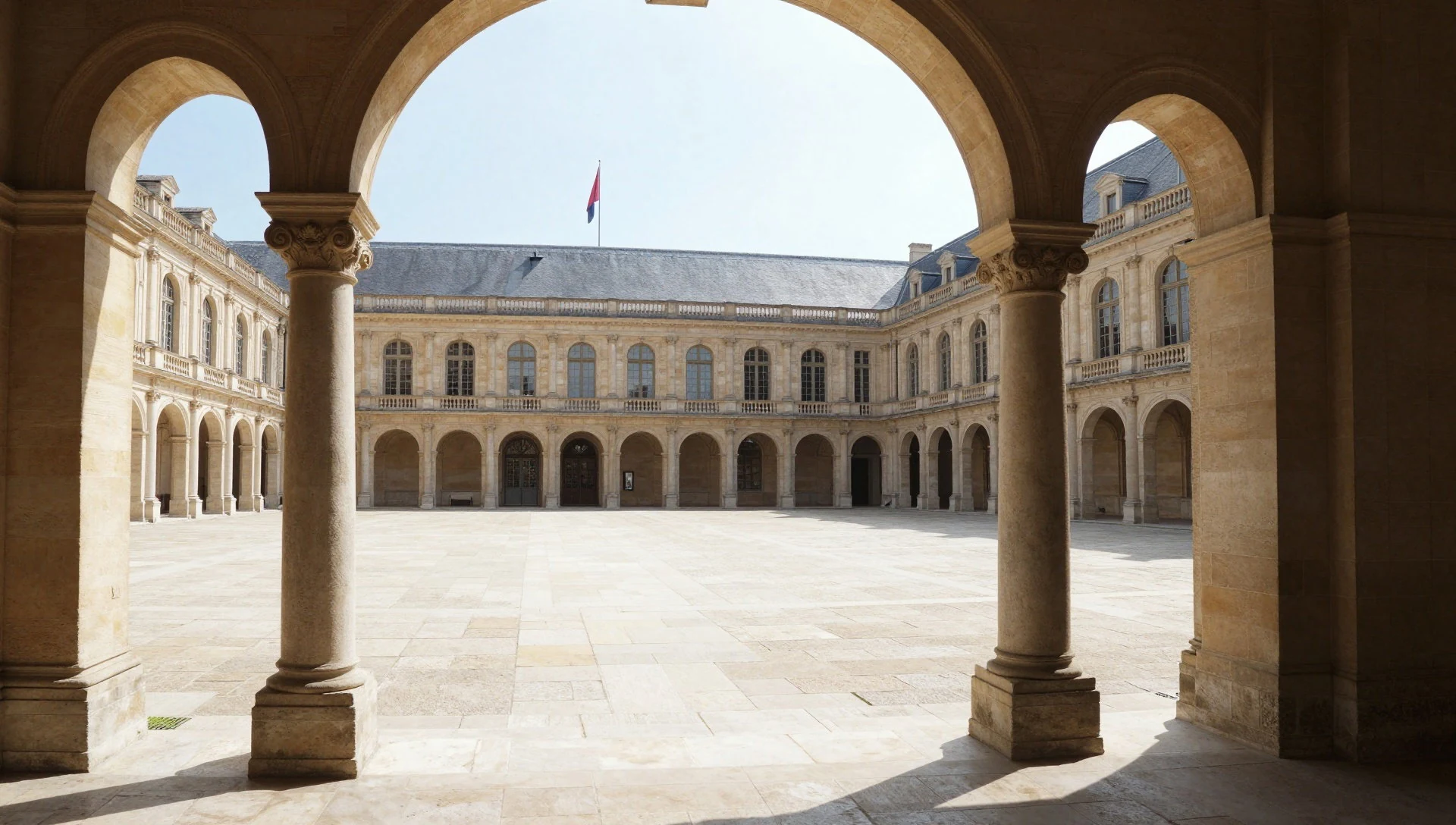
- Cathédrale Notre-Dame-Immaculée — Monaco-Ville
A grand cathedral built on the site of an even older church. It serves as a central spiritual site and the final resting place for members of the princely family.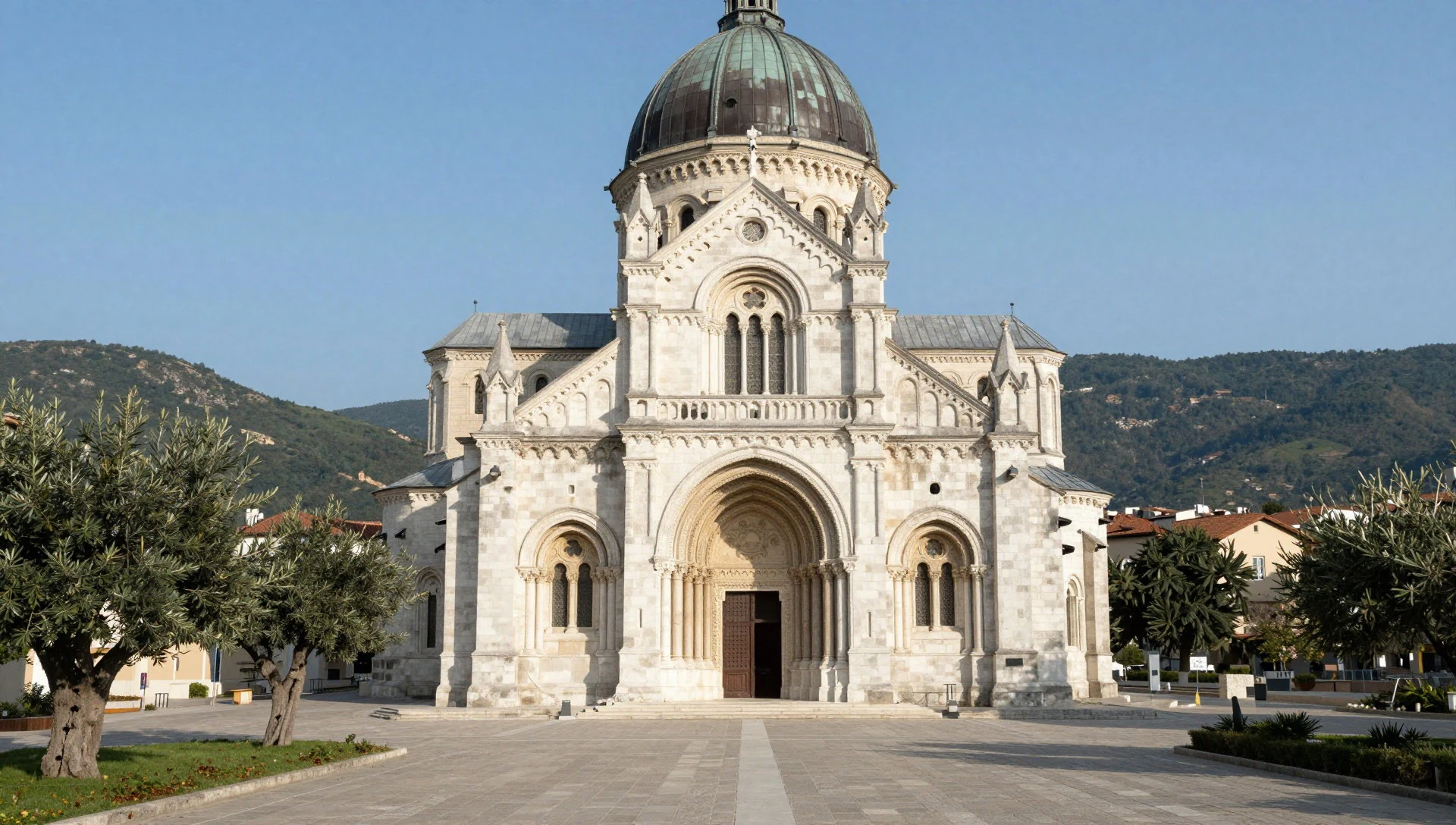
Culture
Monaco is a place where architectural ambition meets old-world prestige. The signature style is the Belle Époque, particularly visible in the casino and opera house. This aesthetic uses turrets, balconies, and colourful ceramics to create a fantasy of pleasure and wealth. While the state once sought to preserve this low-rise charm, more recent years have seen a shift toward modern high-rise development, which has sparked some local debate over the loss of historic villas. The culture is an intersection of French, Italian, and Spanish influences, reflected in everything from the food to the language. Despite the presence of extreme wealth, there is a strong sense of order and civic pride, with a heavy emphasis on security and cleanliness. The social scene revolves around high-profile events, yachting, and the arts, though the daily life of the few Monégasque nationals remains more discreet. Please dress smartly when visiting the casino or the palace to respect the local atmosphere.
What to wear
Traditional Monégasque dress is rarely seen today, as the state's identity has merged with the broader Mediterranean elegance of the coast. In the past, clothing reflected the blend of Ligurian and French influences, using linens and wools suitable for the climate. Today, the attire is defined by 'quiet luxury' and high fashion. In the streets of Monte Carlo, one sees a sea of designer labels, tailored linens, and expensive sunglasses. The look is polished and intentional, reflecting the city's status as a playground for the global elite. For visitors, the key is to blend in with 'smart-casual' attire. Lightweight fabrics like cotton and linen are essential for the Mediterranean heat, but a blazer or a cocktail dress is necessary for evening dining or casino entry. Footwear should be comfortable for the steep hills of the Rock, but polished shoes are expected in formal venues. Modesty is generally relaxed, though shoulders should be covered when entering the cathedral.
What to eat
- Socca — a traditional eatery in the old town
Savoury chickpea pancakes that are a staple of the region's street food. Best enjoyed hot and crisp.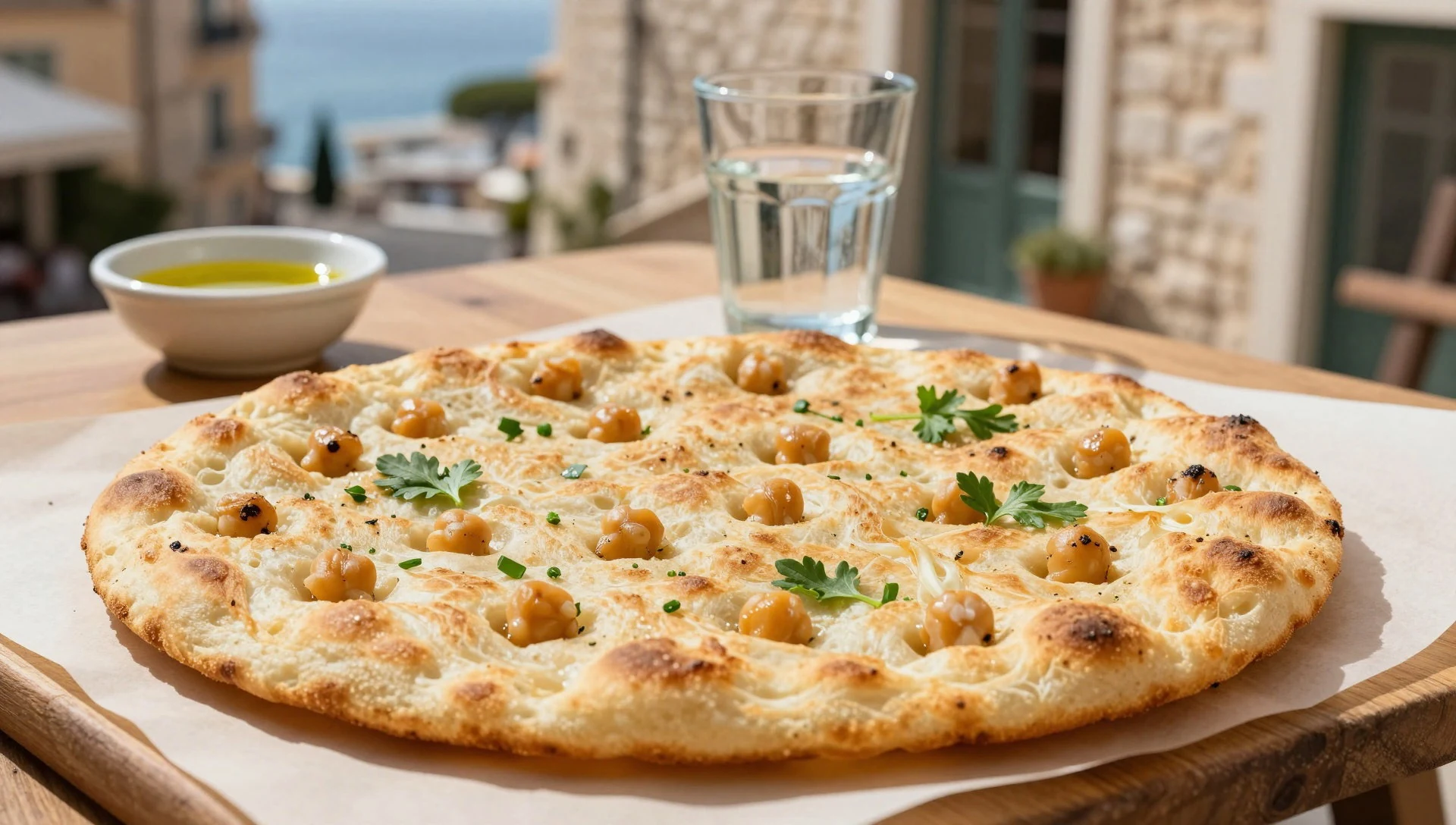
- Pissaladière — a local bakery or snack shop
A tart topped with caramelised onions and anchovies, reflecting the Mediterranean influence of the coast.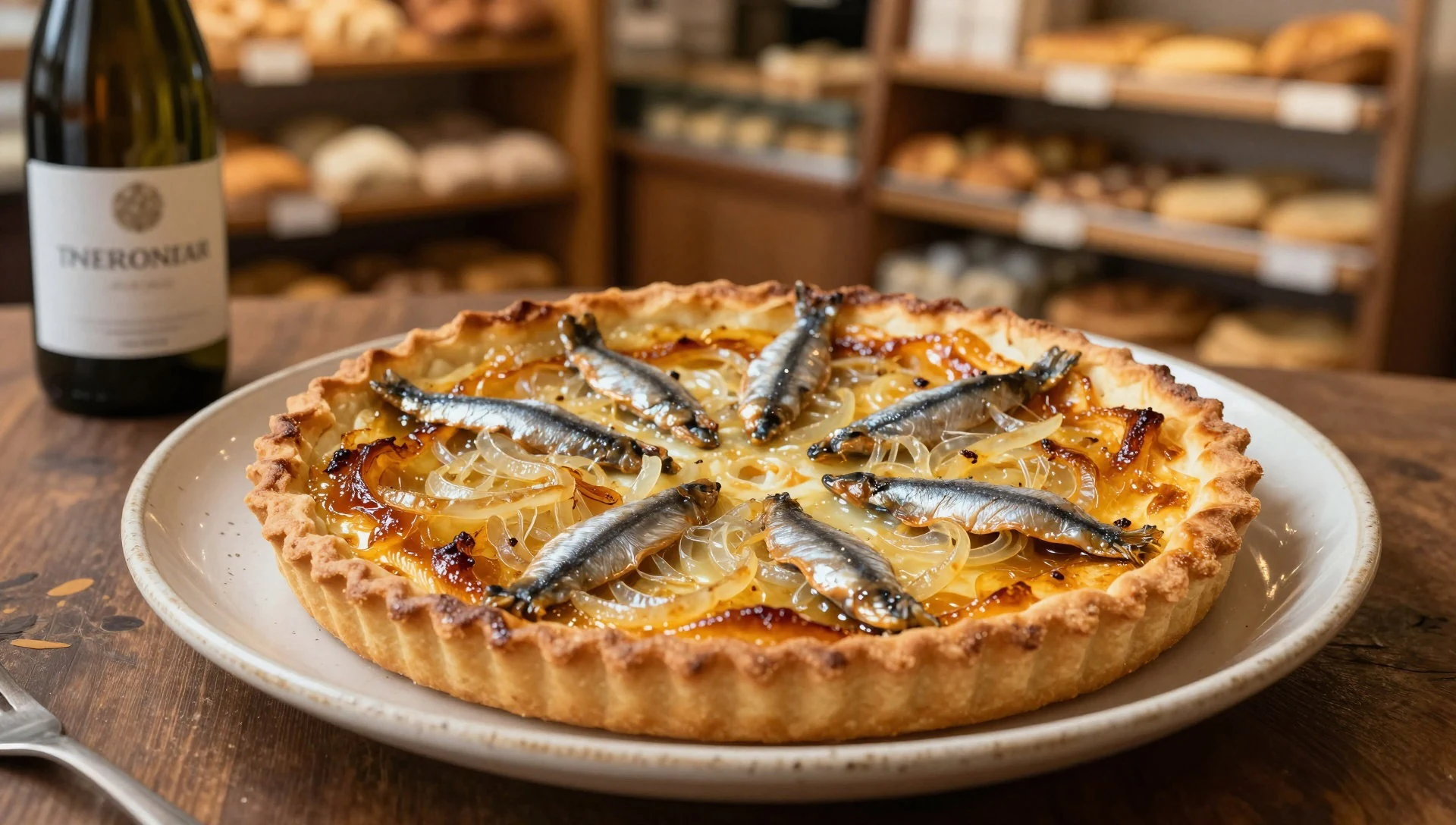
- Fresh Pasta — the pasta shops near the train station
Handmade Italian-style pasta with regional seafood or cream sauces, highlighting the proximity to Liguria. - Artisanal Pizza — the casual eateries of the Monte Carlo district
Thin-crust pizzas with high-quality toppings, often served in casual terrace settings.
Plan it
Best time. May and September for comfortable warmth and moderate rain, July and August hottest, November wettest.
How long. 2–3
Getting there. Fly into Nice Côte d'Azur Airport, then take an Uber, Bolt, or bus into Monaco.
Budget. high
Tips
- Carry a passport for a souvenir stamp at the Mairie
- Wear walking shoes for the steep inclines of Monaco-Ville
- Book high-end restaurants well in advance
- Use the public lifts to navigate the vertical city
- Check the official site for palace tour timings
Etiquette
- Dress formally for the casino to avoid being turned away
- Keep noise levels low in residential areas of the Rock
- Be patient with security checks in high-traffic areas
Nearby
Sources
- Wikidata Q235 (CC0)
- Wikipedia (CC BY-SA 4.0)
- Wikivoyage (CC BY-SA 4.0)