Mompox
Mompox, Colombia
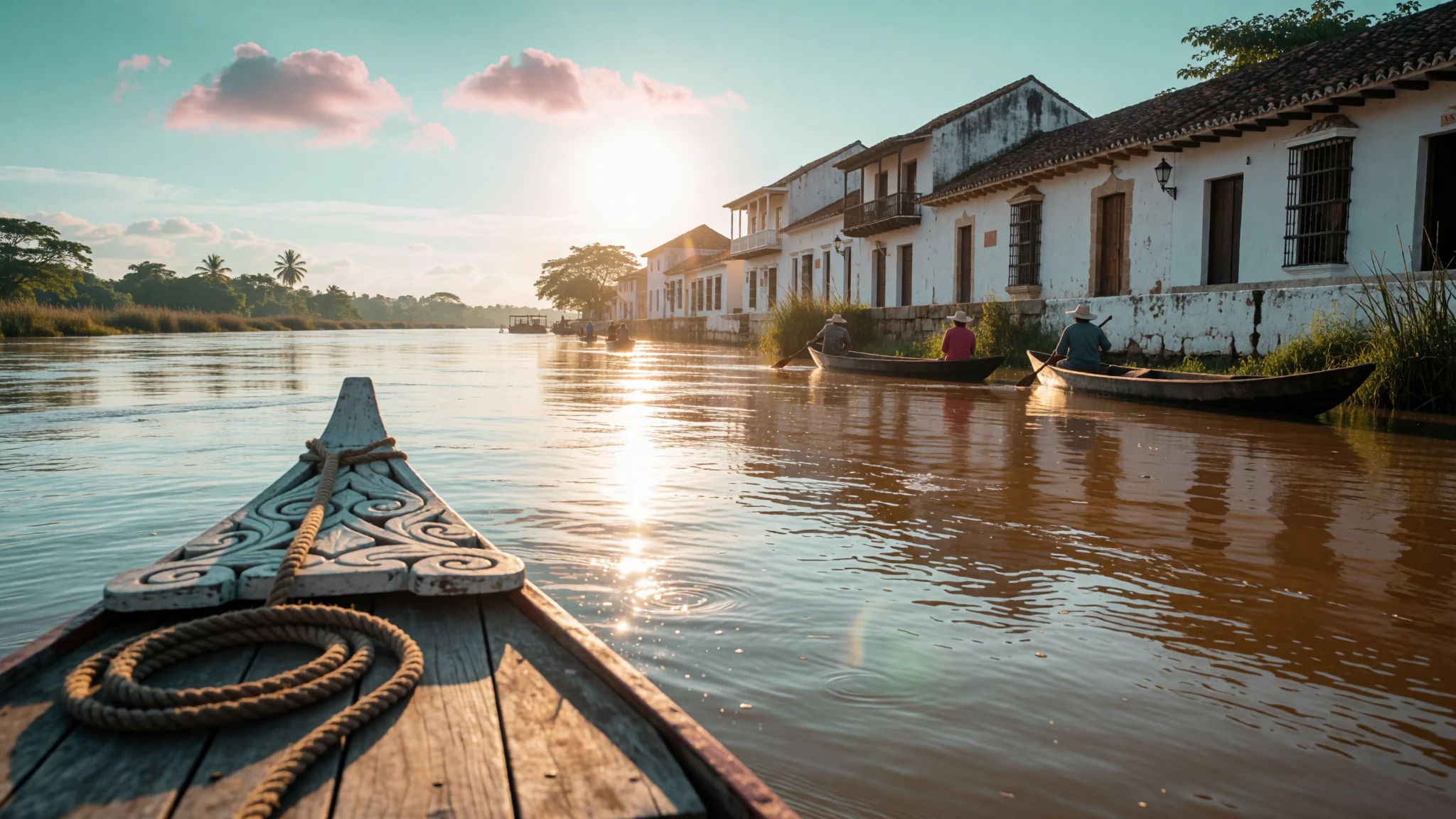
Mompox offers timeless colonial architecture, a relaxed island atmosphere along the Magdalena River, and a profound sense of isolated history.
The place
Mompox, officially designated as Santa Cruz de Mompós, sits comfortably upon an island in northern Colombia within the Bolívar Department. Originally developed directly alongside the winding currents of the Magdalena River, the municipality has retained a remarkable degree of its foundational colonial character across centuries of changing trade routes. The urban layout features wide riverside promenades, shaded plazas, and white-washed facades that reflect a distinct blend of Spanish and local craftsmanship. Visitors arrive to find a quiet, slower pace of life where daily rhythms follow the tropical heat and the gentle flow of river water. The historic centre of Mompox gained international recognition when it was inscribed as a UNESCO World Heritage Site, safeguarding its remarkable array of period architecture and religious monuments from excessive modern development. While traditional isolation once required a complex ferry crossing, modern road links have improved access from the broader Caribbean region, though the town still feels delightfully removed from standard tourist itineraries. Life here unfolds largely around family-run storefronts, fishing boats docking at the river wall, and small plazas where residents gather to escape the midday sun. Agriculture, cattle raising, and modest tourism sustain the local economy, ensuring that the community remains genuinely lived-in rather than turned into a mere museum piece. Exploring the quiet thoroughfares reveals wrought-iron balconies, flowering courtyards, and artisanal workshops where traditional filigree silver and gold jewellery continue to be hammered into delicate patterns by hand, carrying forward centuries of uninterrupted craft.
Its story
Mompox was established in colonial times after Spanish conquistadors encountered a local indigenous community belonging to the Malibu culture, led by a traditional chieftain named Mampo. The settlement was officially founded in May 1537 by Alonso de Heredia, serving primarily as a secure inland port for vessels navigating up the Magdalena River towards the interior of the continent. During the vice-regal era, the port flourished as a major trade and transit hub, eventually housing a royal mint and earning widespread renown for the exceptional skill of its resident goldsmiths and metalsmiths. On August 6, 1810, Mompox earned a prominent place in national history by becoming the very first municipality in the country to formally declare absolute independence from the Spanish crown, adopting the defiant motto 'Be free or die'. This revolutionary spirit attracted figures such as Simón Bolívar, who later recruited hundreds of soldiers from the town to support his military campaigns across northern South America. The community's golden age as a river port gradually faded during the early twentieth century, as natural sediment accumulation diverted the main navigable channel of the Magdalena River to a different branch nearby, leaving the historic port isolated from major commercial traffic. This very isolation, however, proved to be its preservation, shielding the colonial streetscapes from rapid industrialisation and twentieth-century urban redevelopment. In recognition of this architectural legacy, the national government declared the settlement a heritage town, cementing its status as an enduring symbol of colonial history and early republican bravery along the great river.
What to see
- Iglesia de Santa Barbara — Historic Centre
Standing proudly near the waterfront, this historic house of worship is widely recognised for its distinctive octagonal Moorish-style bell tower that features an open-air balcony projecting over the street. The bright facade and ornate architectural details make it one of the most photographed landmarks in the entire municipality, particularly when morning sunlight illuminates the exterior walls before the heat of the day fully sets in across the square.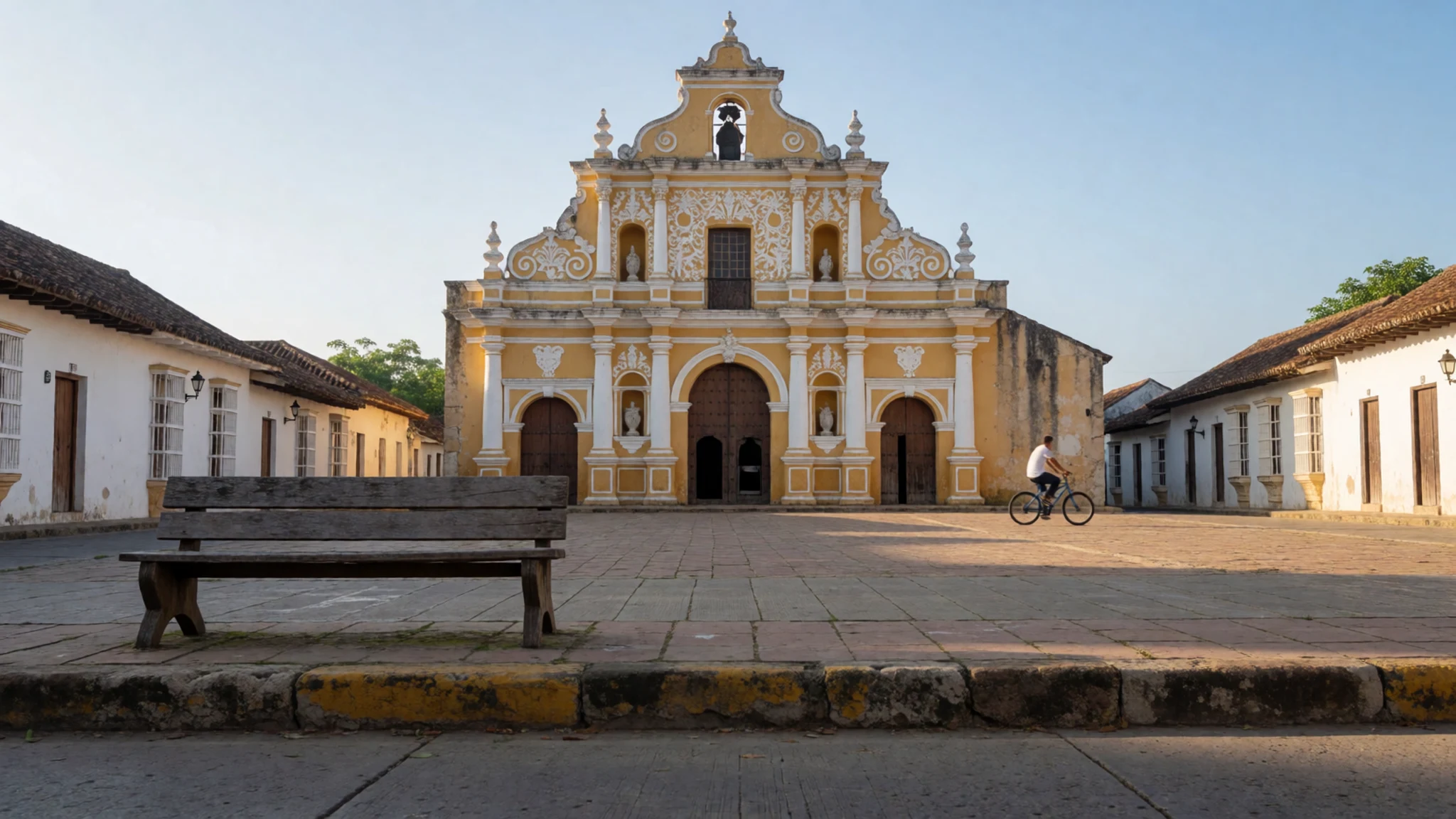
- Calle Real del Medio — Calle Real del Medio
This historic thoroughfare runs parallel to the river and serves as the principal spine of the old town, flanked by deeply preserved colonial houses featuring grand wooden doors, interior courtyards, and wrought-iron window grills. Walking down this quiet street offers an immersive glimpse into past centuries, punctuated by small museums, artisan workshops, and local craftspeople practicing traditional filigree metalwork right inside their open doorways for passersby to observe.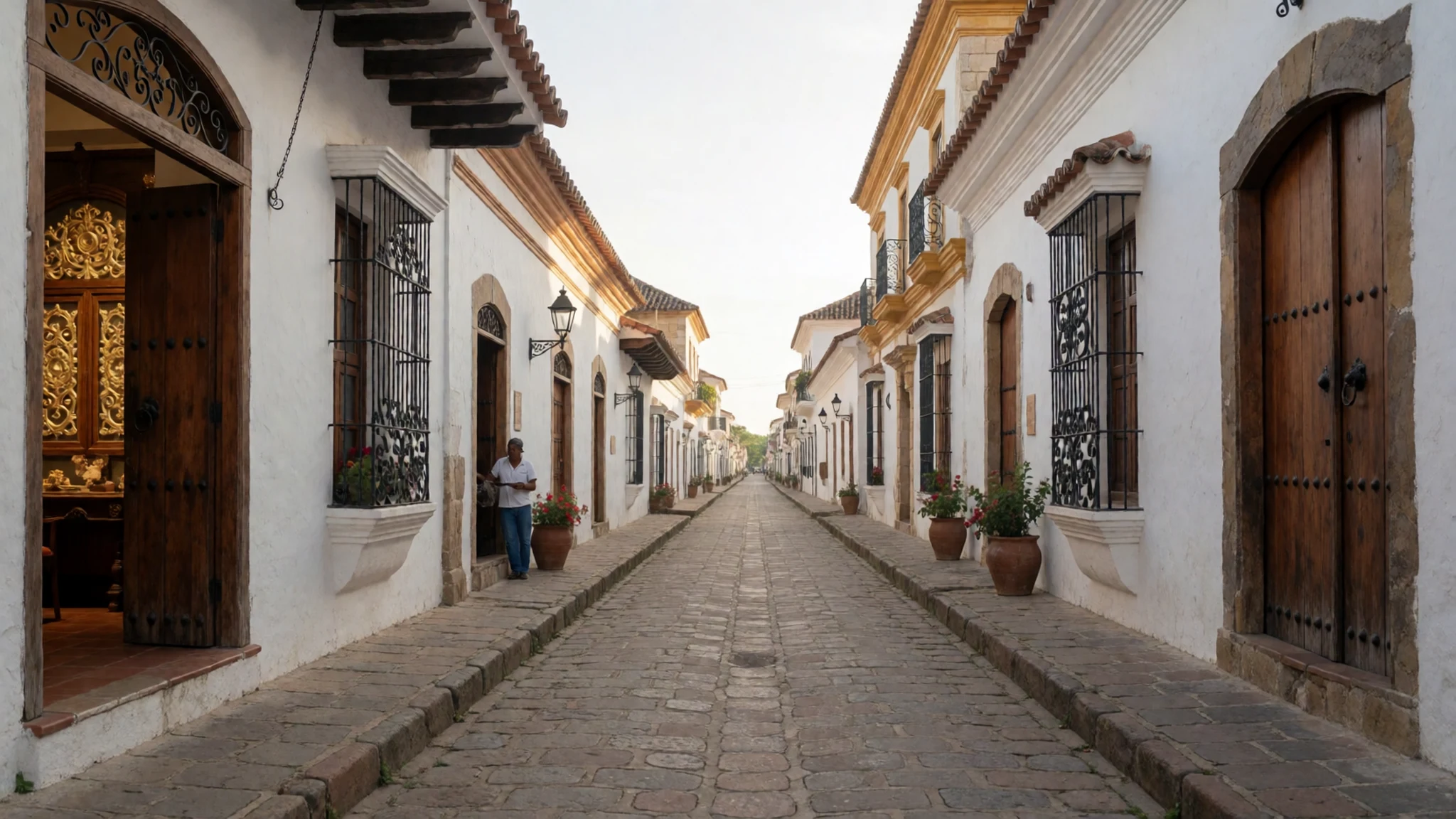
- The Albarradas Riverfront — Riverfront
The elevated river wall and promenade known as the albarradas stretches along the edge of the Magdalena River, providing sweeping views across the wide waterway and surrounding wetlands. This breezy thoroughfare is the social heart of the settlement, where residents and travellers alike gather during the late afternoon hours to catch the cool river breeze, watch local fishermen handle their wooden skiffs, and observe the vibrant spectacle of daily river life unfolding against colourful colonial facades.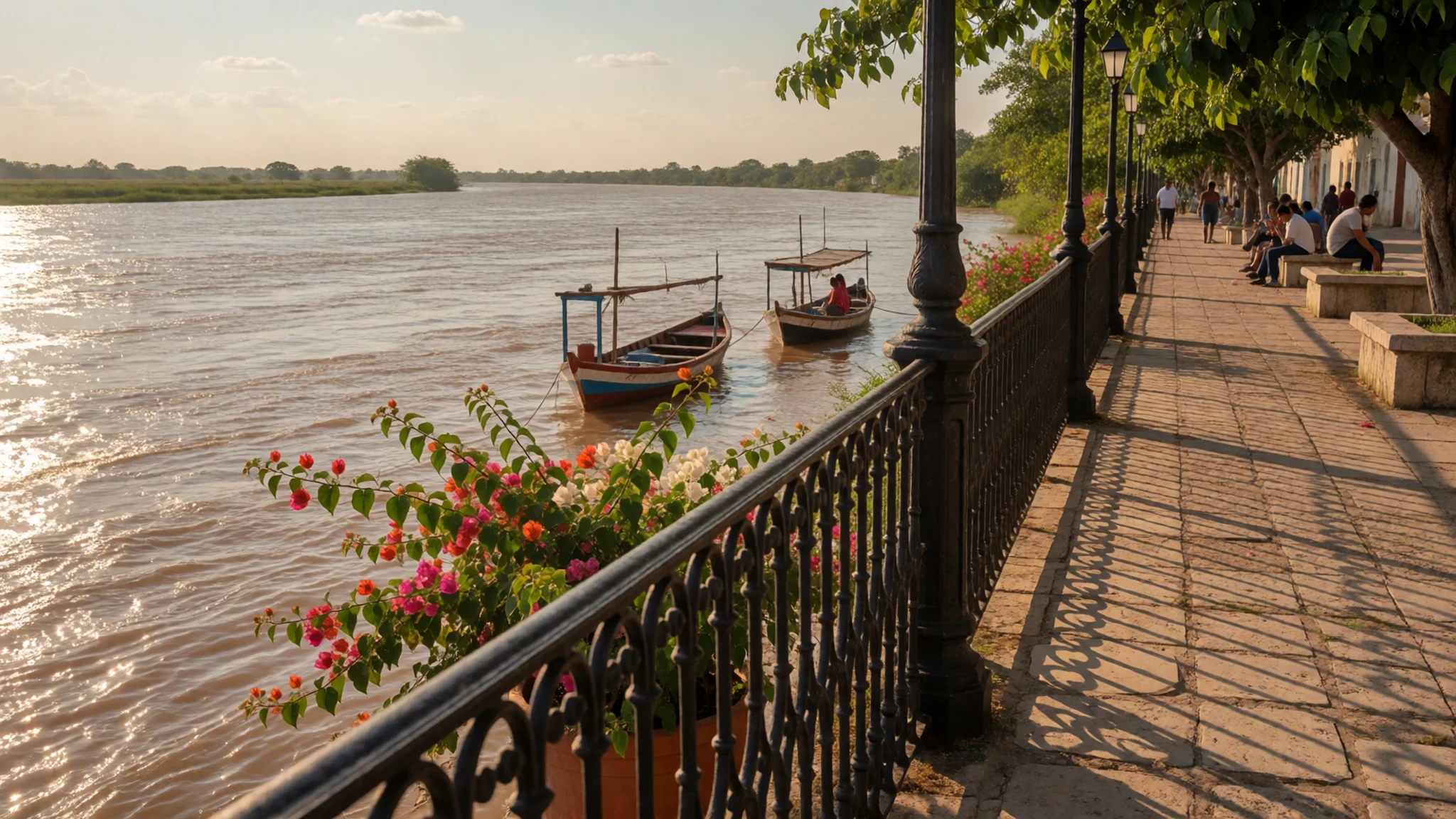
- Ciénaga del Pijiño — Surrounding Wetlands
Located just beyond the urban perimeter, this extensive wetland ecosystem offers boat excursions into tranquil channels surrounded by dense tropical foliage and rich aquatic habitats. Guided water tours provide exceptional opportunities to observe native bird species, iguanas, and various other regional wildlife in their natural environment while gaining a deeper appreciation for the vital ecological connections between the river network and the surrounding floodplains of northern Colombia.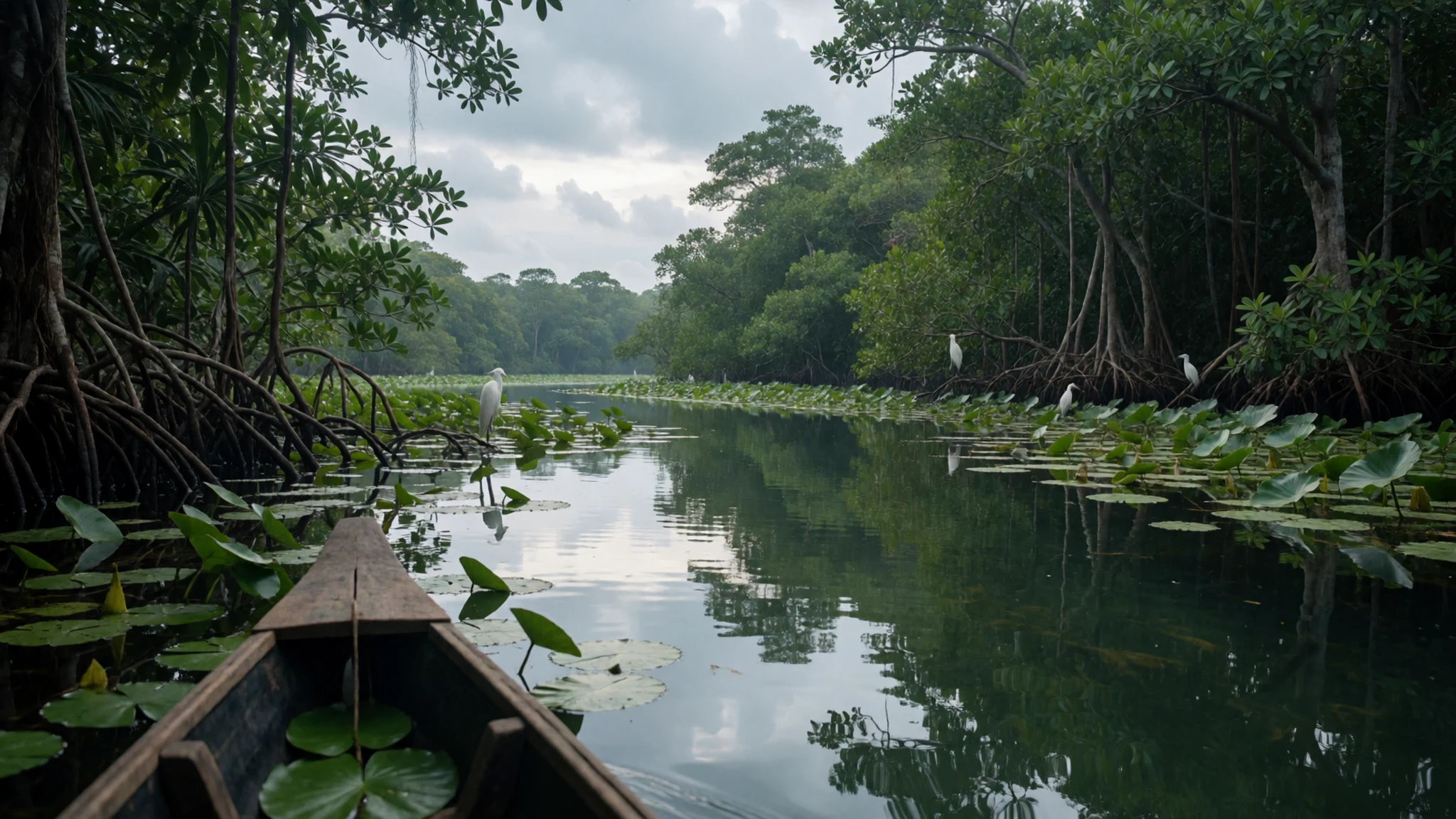
- Main Cemetery — Northern Edge
Situated on the edge of the historic quarter, the primary cemetery is celebrated for its striking white architectural styling, intricate wrought-iron gates, and elaborate above-ground crypts that reflect the artistic tastes of local families across generations. Unlike conventional burial grounds, this serene space feels open and artistic, with ornamented monuments that tell quiet stories of the community's past residents through delicate stone carvings and wrought-iron memorials arranged beneath shaded trees.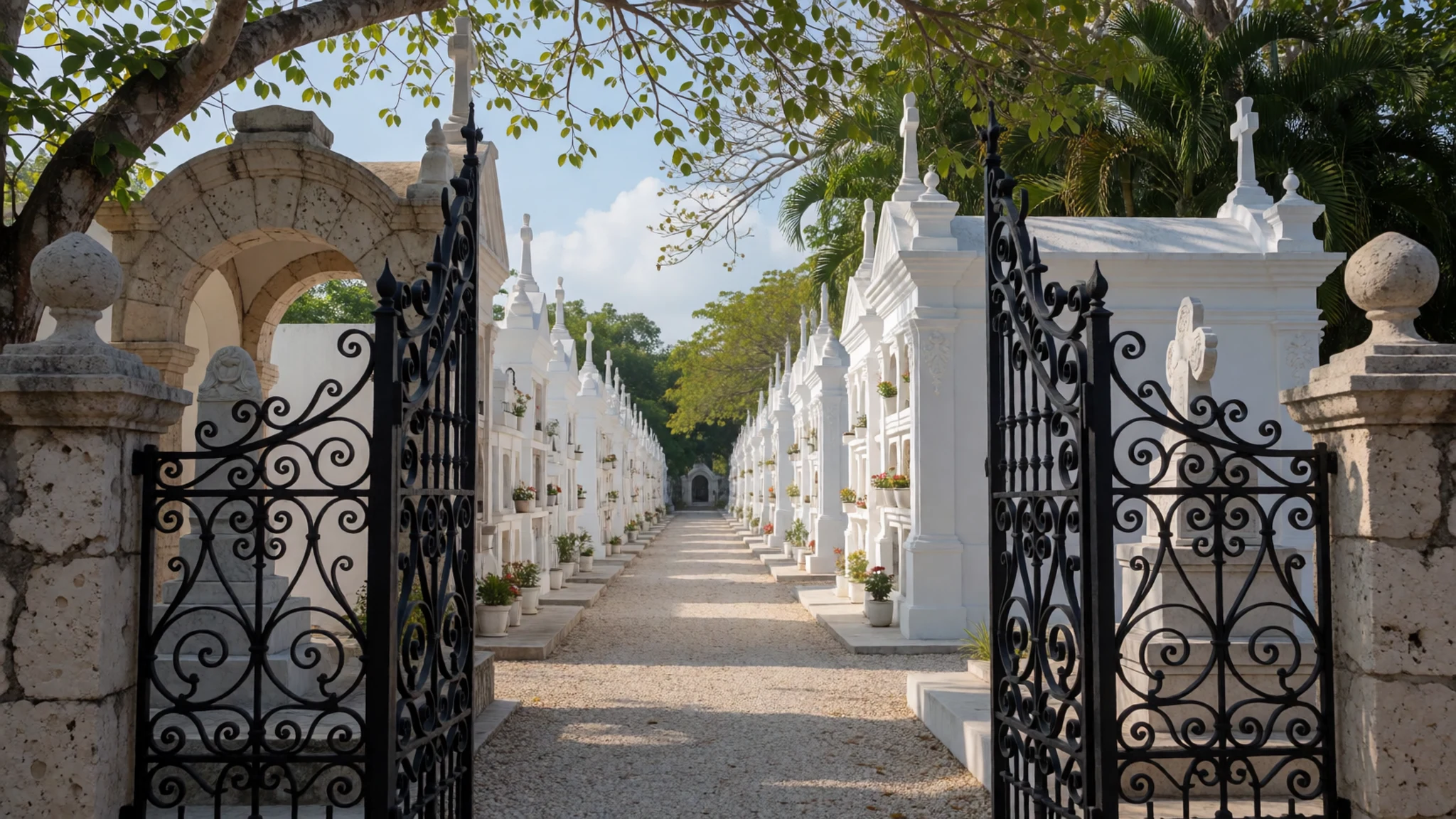
Culture
Mompox maintains a distinct cultural identity shaped by its riverine geography, Spanish heritage, and indigenous roots, resulting in a community that values slow-paced conversation, musical gatherings, and traditional craftsmanship. Music is woven into daily life, with vallenato rhythms and brass band traditions echoing through plazas during local festivals, particularly when religious processions and cultural celebrations fill the streets with participants wearing traditional attire. Artisan workshops represent a living heritage, where families pass down complex filigree techniques from generation to generation, bending hair-thin gold and silver wires into intricate floral and geometric pendants. Community interactions are warm, unhurried, and deeply polite, with locals taking time to greet neighbours and strangers alike despite the oppressive tropical heat that defines the afternoon hours. Religious devotion remains strong, with community life pausing for patron saint days, solemn Holy Week observances, and quiet evening prayers inside historic sanctuaries. Visitors should always dress modestly when entering local churches and ask for permission before photographing residents in the streets.
What to wear
Traditional dress in Mompox reflects the tropical climate and colonial history, historically featuring lightweight cotton garments, wide-brimmed woven hats to ward off the equatorial sun, and embroidered pieces reflecting local textile traditions. Modern residents generally dress for comfort and practicality, favouring breathable linens, loose shirts, and sturdy sandals or shoes suited for dusty cobblestone streets and high temperatures. For travellers exploring the area, lightweight, loose-fitting clothing made from natural fibres such as cotton or linen is essential to stay comfortable in the intense heat and humidity. Modest attire covering shoulders and knees is recommended when visiting local churches or attending community events out of respect for local customs. Sturdy footwear with good traction is equally important, as the historic paving stones can be uneven after rain, and a wide-brimmed hat combined with reliable sun protection will ensure comfort during long walks through the open plazas.
What to eat
- River Fish Specialties — Informal eateries along the riverfront
Local eateries and riverside spots serve fresh catches from the Magdalena River, typically prepared as fried bocachico or savory fish stews seasoned with regional herbs, garlic, and coconut milk, accompanied by crispy plantain patacones. - Stone-Baked Pizzas and Pasta — El Fuerte, two blocks upriver from Santa Barbara church
Run by an artisan European chef in an eclectic bar setting, this establishment offers wood-fired pizzas and homemade pasta dishes that provide a distinct culinary alternative within the historic quarter. - Exotic Tropical Juices — The bar at Bioma Boutique Hotel
Refreshing cold beverages crafted from fresh local fruits such as lulo, guanábana, and mango, served chilled to quench thirst during the hot midday hours and often blended with milk or water. - Traditional Local Sweets — Historic centre street vendors
Handmade sugary treats and traditional preserved fruits prepared by local home cooks using regional recipes, offering a rich taste of local confectionery traditions sold from small storefronts and street carts. - Fusion Regional Dishes — Mompoj Restaurant at Bioma Boutique Hotel
Creative plates that blend traditional Colombian ingredients with contemporary culinary techniques, served alongside exotic cocktails in an upscale boutique hotel dining room overlooking the town.
Plan it
Best time. December through April offers drier weather conditions, making it the most comfortable period for walking the historic streets, while Holy Week and Christmas bring vibrant cultural festivals despite larger crowds and higher accommodation prices.
How long. 2–3
Getting there. Travel by road from Cartagena or Santa Marta via the modern highway and bridge network crossing the Magdalena River; long-distance buses and private shuttles service the route directly.
Budget. mid
Tips
- Book accommodation well in advance if visiting during Holy Week or Christmas when local celebrations draw many visitors.
- Start walking tours early in the morning to avoid the intense midday heat and harsh sun.
- Carry sufficient cash, as smaller shops and local eateries may not reliably accept card payments.
- Drink plenty of bottled water throughout the day to stay hydrated in the tropical climate.
Etiquette
- Remove hats inside churches and dress modestly with covered shoulders and knees.
- Always ask for polite permission before taking photographs of local residents in the streets.
Nearby
Sources
- Wikidata Q740288 (CC0)
- Wikipedia (rev 1376772117) (CC BY-SA 4.0)
- Wikivoyage (rev 5337438) (CC BY-SA 4.0)
- Photo 01-mompox-vista-dal-rio-magdalena.jpg (CC BY 3.0)
- Photo 02-farmer-market-mompox.jpg (CC BY-SA 4.0)
- Photo 03-statue-of-liberty-in-mompox-colombia.jpg (CC BY-SA 4.0)
- Photo 04-bootsfahrt-am-rio-magdalena-23.jpg (CC BY-SA 4.0)
- Photo 05-mompox-chiesa-di-santa-barbara.jpg (CC BY 3.0)
- Photo 06-mompox-cementry.jpg (CC BY-SA 4.0)


