Miyako Island
Miyako Island, Japan
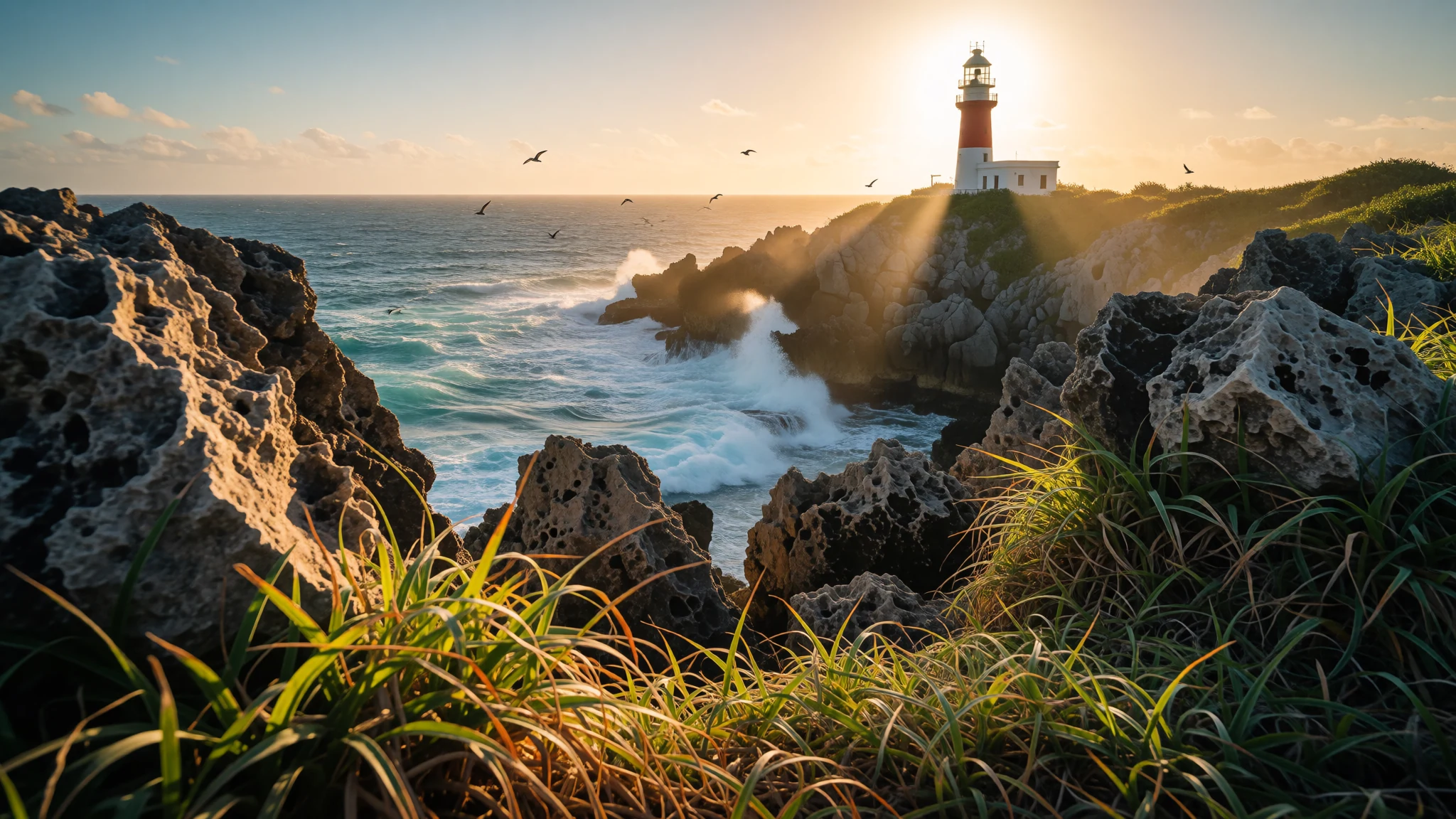
A limestone island in Okinawa's Miyako group, where turquoise shallows, a famous eastern cape and a slow pace make a restful beach trip.
The place
Miyako Island is the largest and most populous of the Miyako group in Okinawa Prefecture, Japan, and it is run as part of the City of Miyako Island, which also includes five smaller islands. The main island has about 48,000 residents. The land is a rough triangle of limestone covering roughly 159 square kilometres, with its highest ground about 115 metres above the sea. Rain drains quickly through porous rock, so drought is a recurring problem, and typhoons pass through often enough that building and farming are planned around them.
Three islands are linked to the main island by bridges: Irabu-jima, Ikema and Kurima. The Eastern Cape at the island's south-eastern tip is a nationally designated Place of Scenic Beauty, and many visitors consider it among the loveliest spots in Japan. The coastline offers a run of beaches good for walking and photographs, though not all are safe for swimming, so water conditions and currents matter. Sugarcane is grown on the island and turned into brown sugar.
The pace is slower than the big resort areas of Okinawa Island. Driving is the simplest way to reach the more remote beaches, because many have no signs and are reached by small side roads. The mix of bright water, cane fields and small towns makes Miyako a restful place to spend a few days.
Its story
The story of Miyako Island is tied to what its land and sea can yield. Sugarcane and cloth have long been part of life here. Its best-known textile, Miyako jōfu, is a hand-woven fabric made from ramie, a tough plant fibre that feels cool in heat. The cloth was once sold under the name Satsuma jōfu, a reminder that it has carried several identities over the centuries. It remains a point of local pride rather than a museum piece.
Farming has always been shaped by the weather. The island's limestone soil drains fast, so dry years bring hardship, and typhoons can flatten crops. Growers have planted and stored with those risks in mind, and the same practicality runs through the island's approach to the seasons.
In recent years the island has been transformed by visitors. Tourism began with local residents and visitors from Taiwan, then grew until annual visitor numbers passed one million. Large cruise ships from mainland China now call at Hirara, whose central port can handle vessels only up to a certain size, and port officials have talked about accommodating much bigger ships. The growth brings jobs and income, but a small, rural population can feel strain quickly. Balancing those gains against the island's character is the question local people are now working through.
What to see
- Higashi-hennazaki (Eastern Cape) — South-east tip of the island
Higashi-hennazaki, often called the Eastern Cape, is a nationally designated Place of Scenic Beauty at the island's south-eastern tip. A lighthouse stands on the point, and because it is the easternmost part of the island, it draws people who want to watch the sunrise. Follow the signs from the road. Go early for the softest light and the thinnest crowds, and bring a layer, since the wind on the cape can be strong.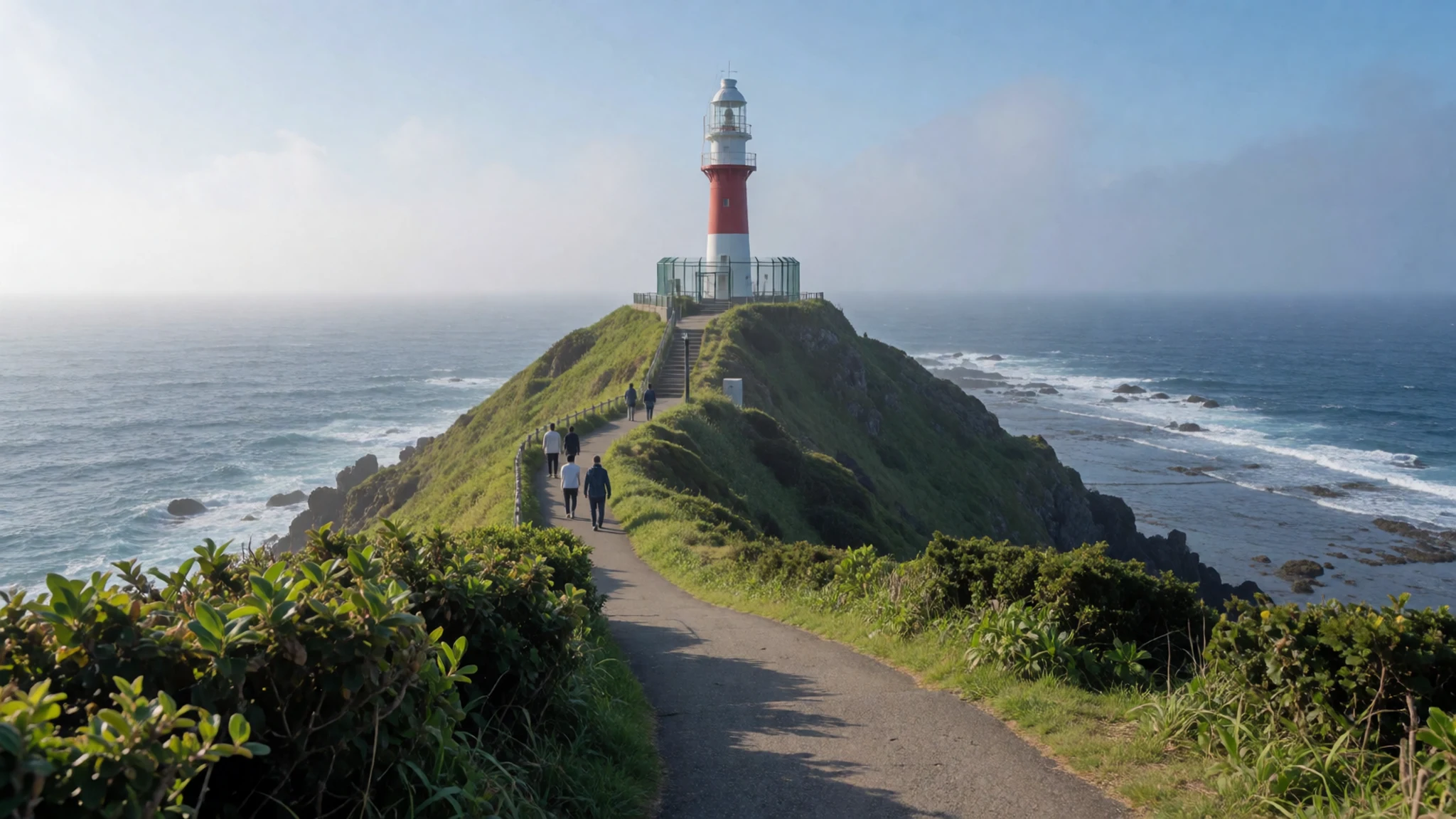
- Yonaha Maehama beach — West coast, reached from Hirara
Yonaha Maehama is one of the island's well-known beaches, a long curve of pale sand edged with shallow, clear water. It can be seen from the opposite side on Kurima Island, which is reached by bridge. The shallows are good for wading, and the view along the sand is the reason many people come. Facilities are limited, so bring water and sun protection.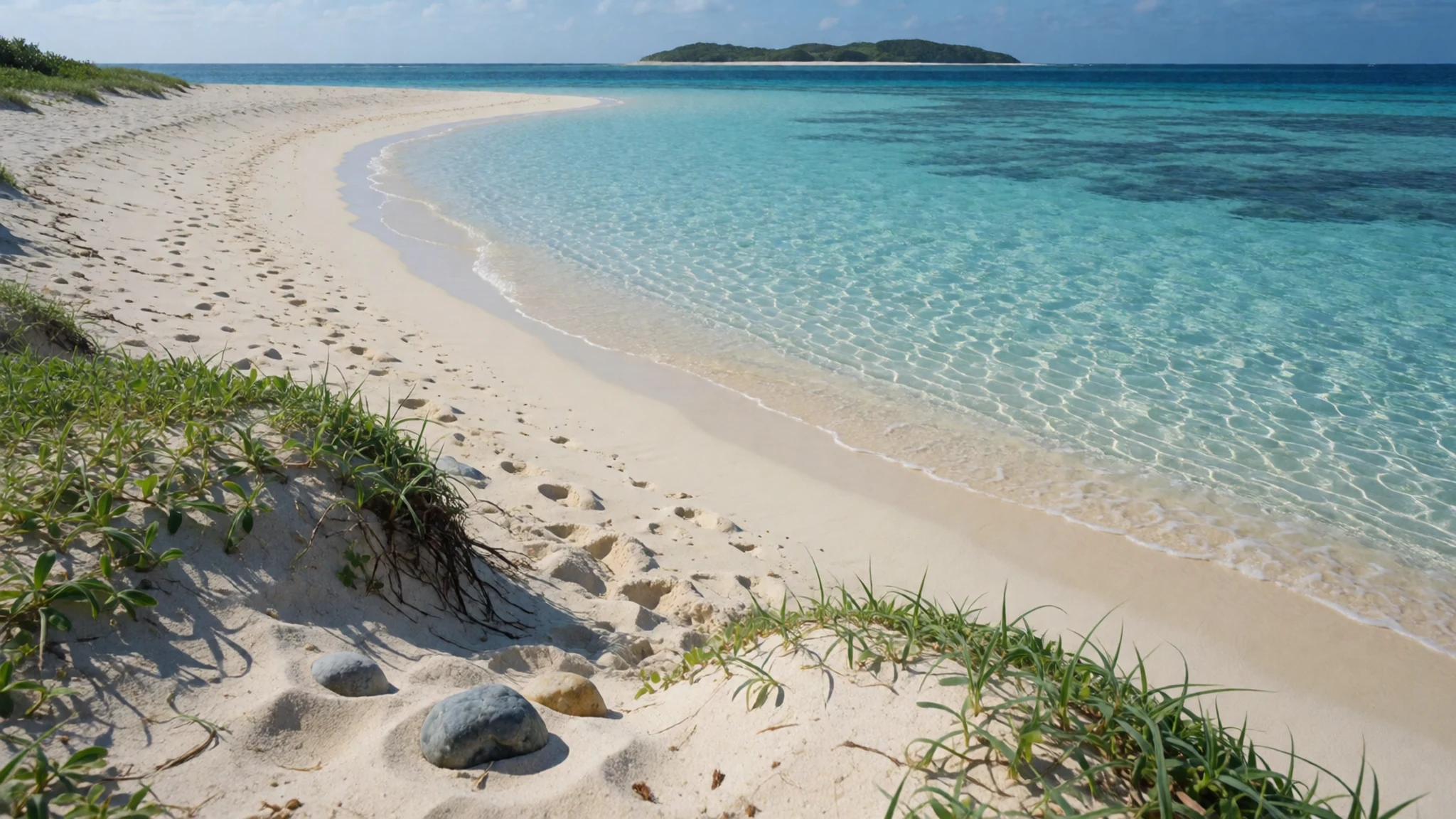
- Sunayama beach — Near Hirara, on the first stretch of the coast road
Sunayama is one of the first stops when you travel clockwise from Hirara Port. It is a pleasant place to take photographs, but not a particularly good place to swim, so treat it as a viewpoint and sit on the sand for a while. Many visitors stop briefly here and then continue to beaches with better water.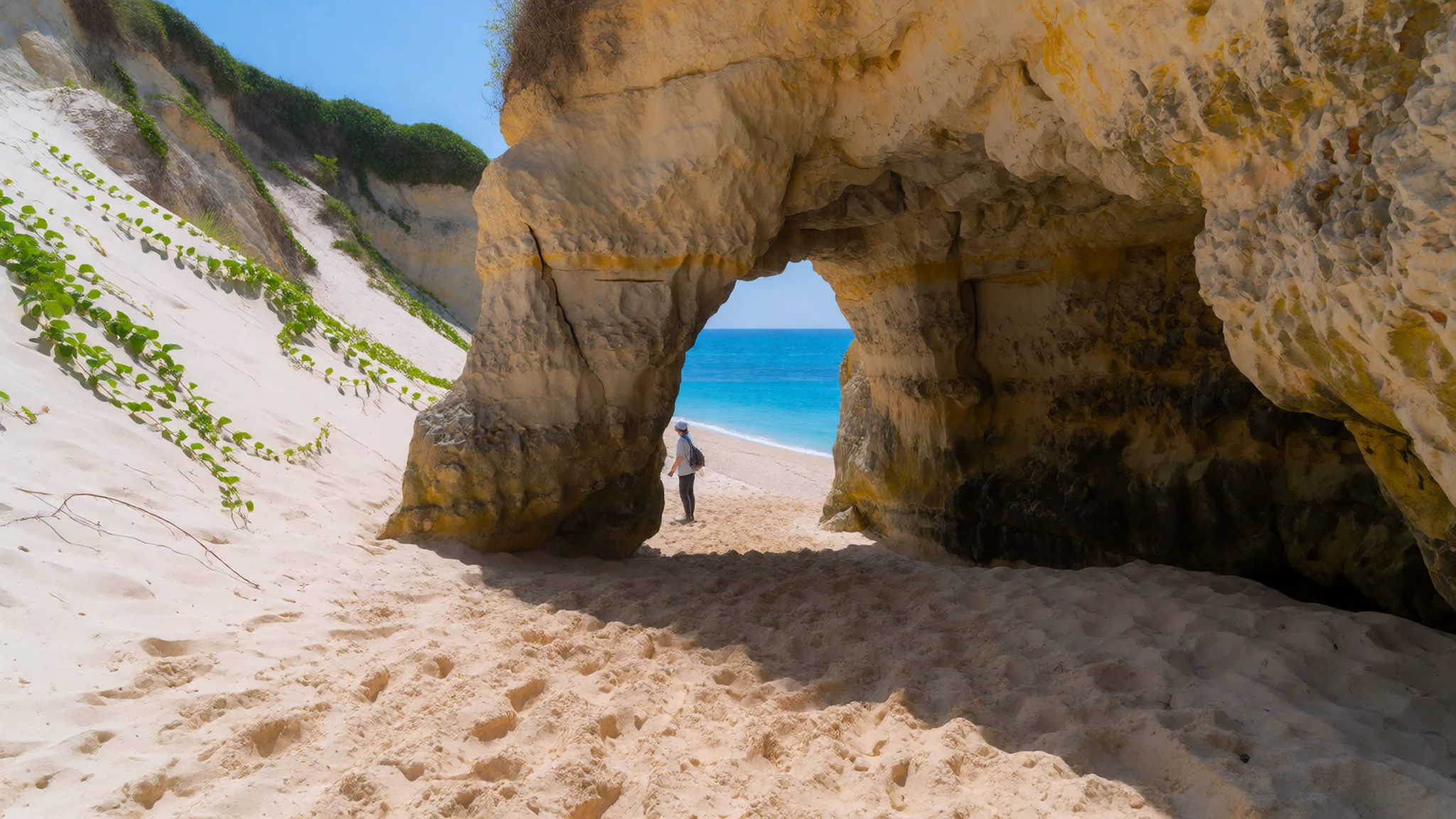
- Painagama beach — Eastern and southern coast
Painagama Beach is listed among the island's notable beaches alongside Yonaha Maehama and Sunayama. Its bright sand and clear shallows are typical of the island's coastline, and the reef edges offer interesting things to look at when the water is calm. Bring reef shoes if you plan to walk out over rock, and check the tide before you go.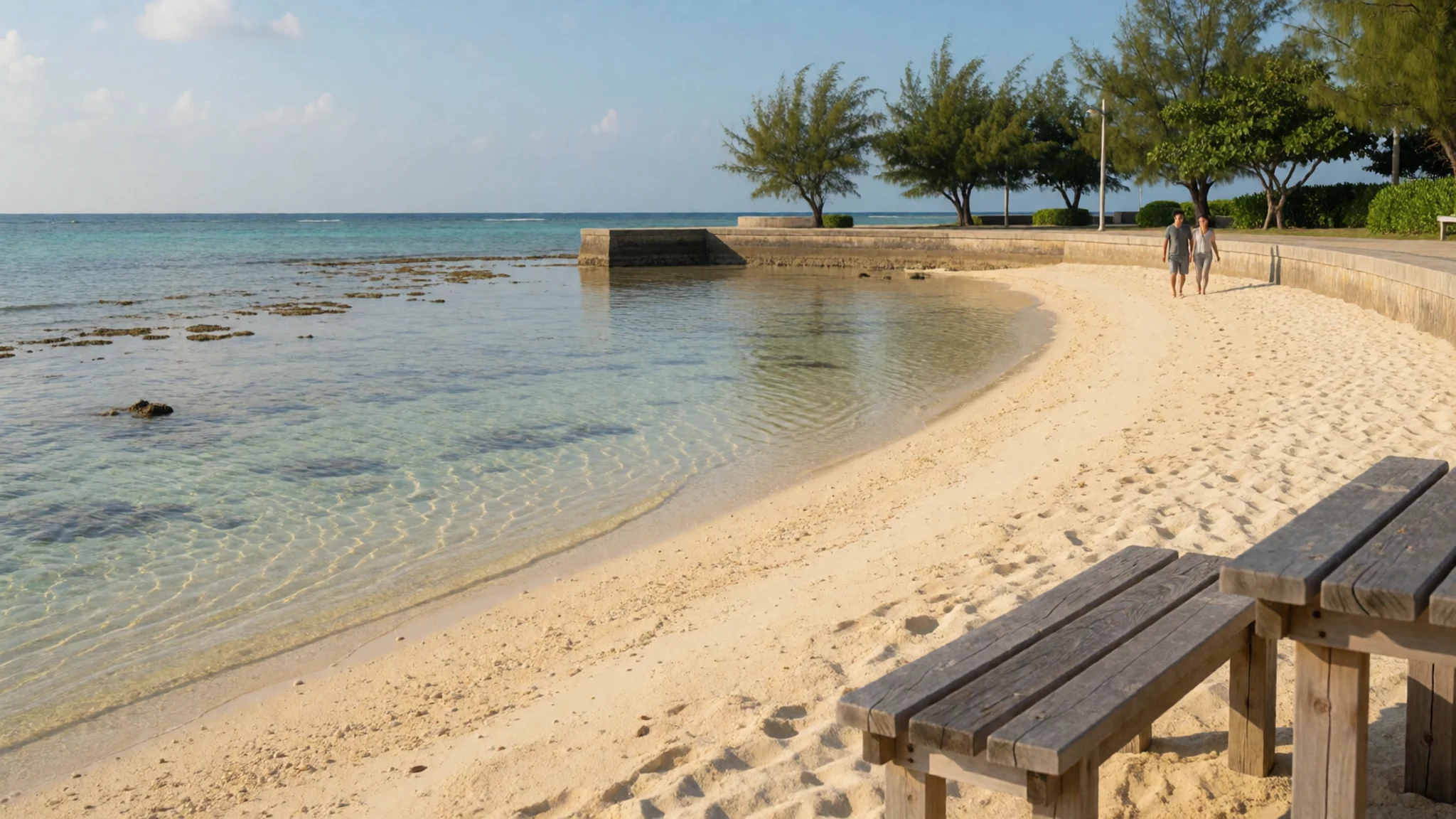
- Ikema Island and the Rope and Block beaches — Ikema Island, north of the main island
Cross the bridge to Ikema Island, where a tourist spot on the rise offers a view back over the water. Continue round the island to find Rope and Block beaches, named after their rocky features. Neither has a sign, so look for a car or two parked by the road. Block has interesting coral, but the currents can be strong, so stay close to the shallows.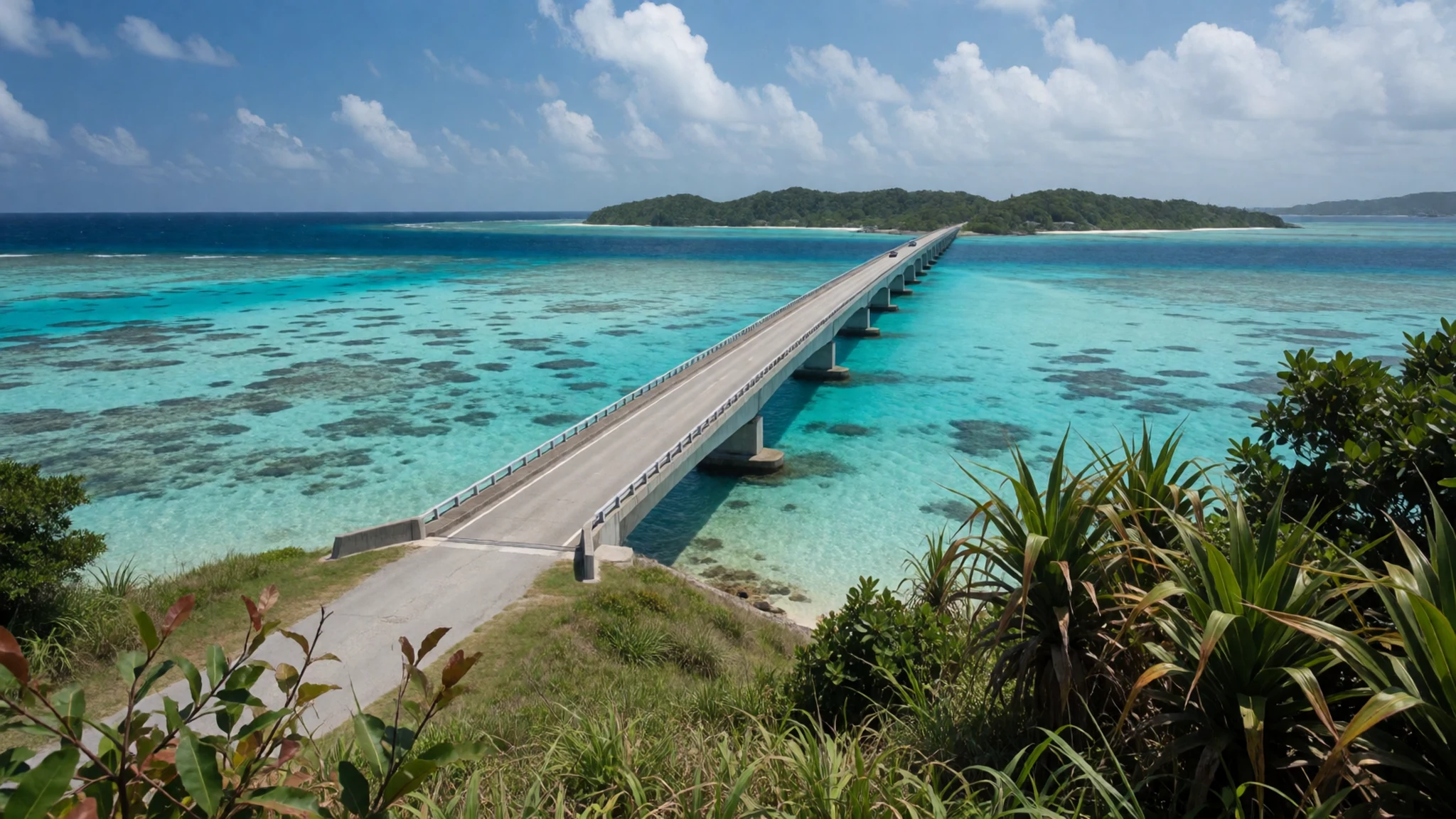
Culture
Miyako Island has its own creation stories and rituals, some of which have parallels elsewhere in East Asia. One well-known tale describes an unlovely god who arrives from China to make people, animals and crops. A handsome rival outwits him in a contest over flowers, slipping away with the prize while the god dozes. The defeated god must return to China, and the story explains why the island believes China prospers while Miyako does not. Similar creation myths are told in Korea.
The island's most striking event is Paantu, a festival held on the lunar calendar. Masked figures clothed in grass, leaves and mud move through the town and daub mud on houses, cars and passers-by. Each carries a stick and wears a blank-faced mask. People believe those marked gain a year of safety and luck, and new homeowners sometimes invite the figures to bless their house in the same way.
Drinking customs matter too. Otōri is a round of awamori, the distilled spirit of Okinawa, shared around a table. One person offers a toast, drinks from a small glass, then pours for each person in turn, usually moving to the right.
If you are invited into an otōri round, accept politely, wait for the toast, and pass the bottle on in the direction the table is moving rather than reaching across people.
What to wear
The traditional textile of Miyako Island is Miyako jōfu, a hand-woven cloth made from ramie, a plant fibre prized for its coolness in humid heat. The weave is a regional craft, and the fabric was once sold under the name Satsuma jōfu. Its stiff, crisp texture suited the climate, and it remains the island's most recognised textile.
Day to day, islanders dress much as people across Japan do: casual shirts, shorts and sandals in summer, with smarter clothes for offices and ceremonies. Beachwear is common on the coast. A hat and sunglasses are sensible in the strong sun, and most people carry a light layer for air-conditioned buses and restaurants.
For a visitor, pack light, breathable clothing, a sun hat, and swimwear for the beaches. Footwear matters: reef shoes or sturdy sandals protect your feet on coral and rock, and closed shoes help on dusty roads. At a shrine or a festival, cover shoulders and knees, and avoid bare beachwear in the town centre.
What to eat
- Miyako soba — Any casual local eatery, including small lunch spots near the port
Miyako soba is the island's signature noodle dish and appears on many menus. It is less like the buckwheat soba of mainland Japan and more like pasta or udon, served in a light broth. It is a cheap, filling lunch, so try it at a simple local eatery rather than a tourist strip.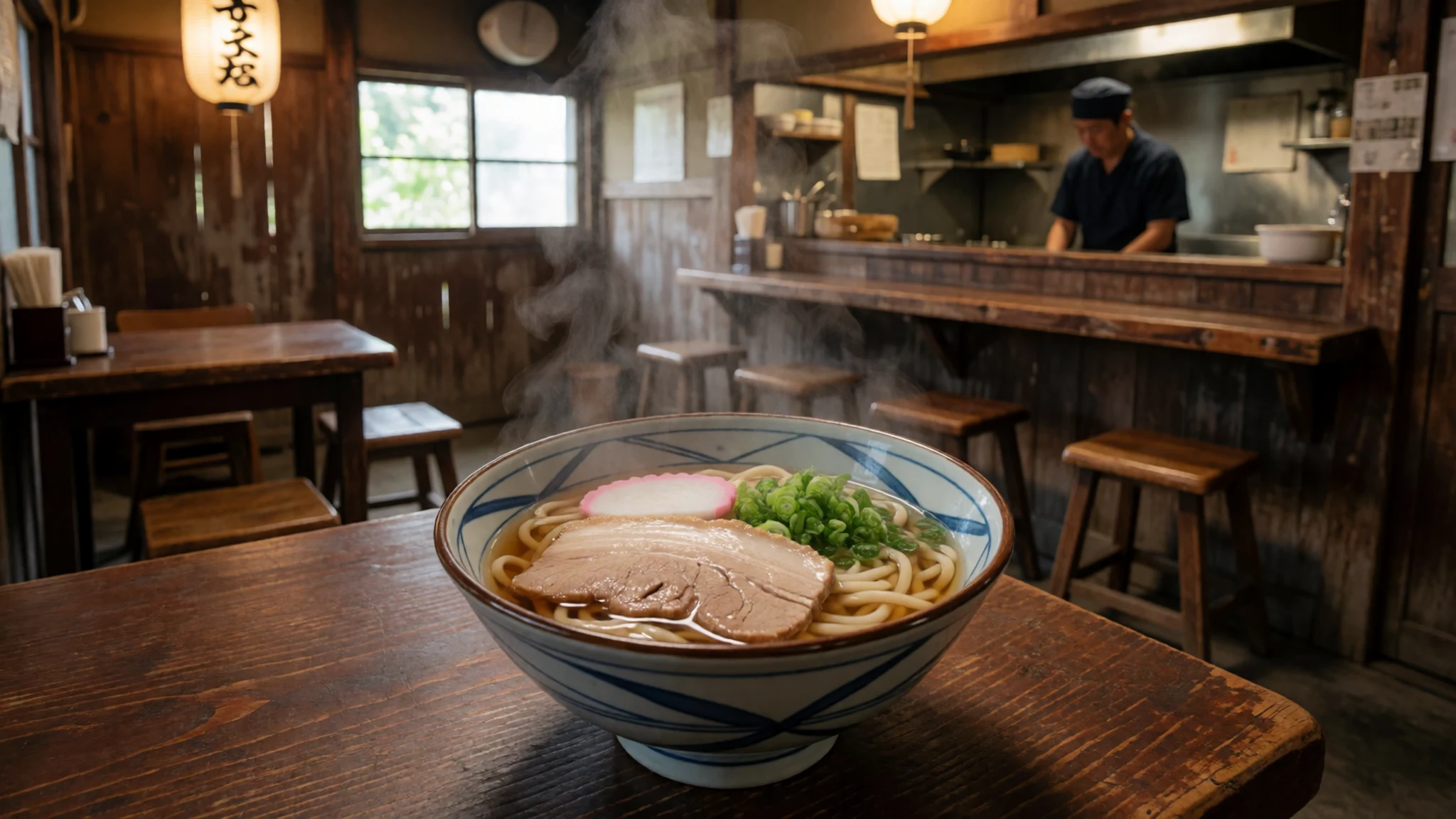
- Prepared food from the supermarket — Supermarket deli and bento counters, especially on the main roads
The prepared-food counters of the larger supermarkets offer fried chicken, sushi and bento lunch boxes at low prices. It is a practical option for a beach picnic or a self-catering evening, and the choice is wide enough for most tastes.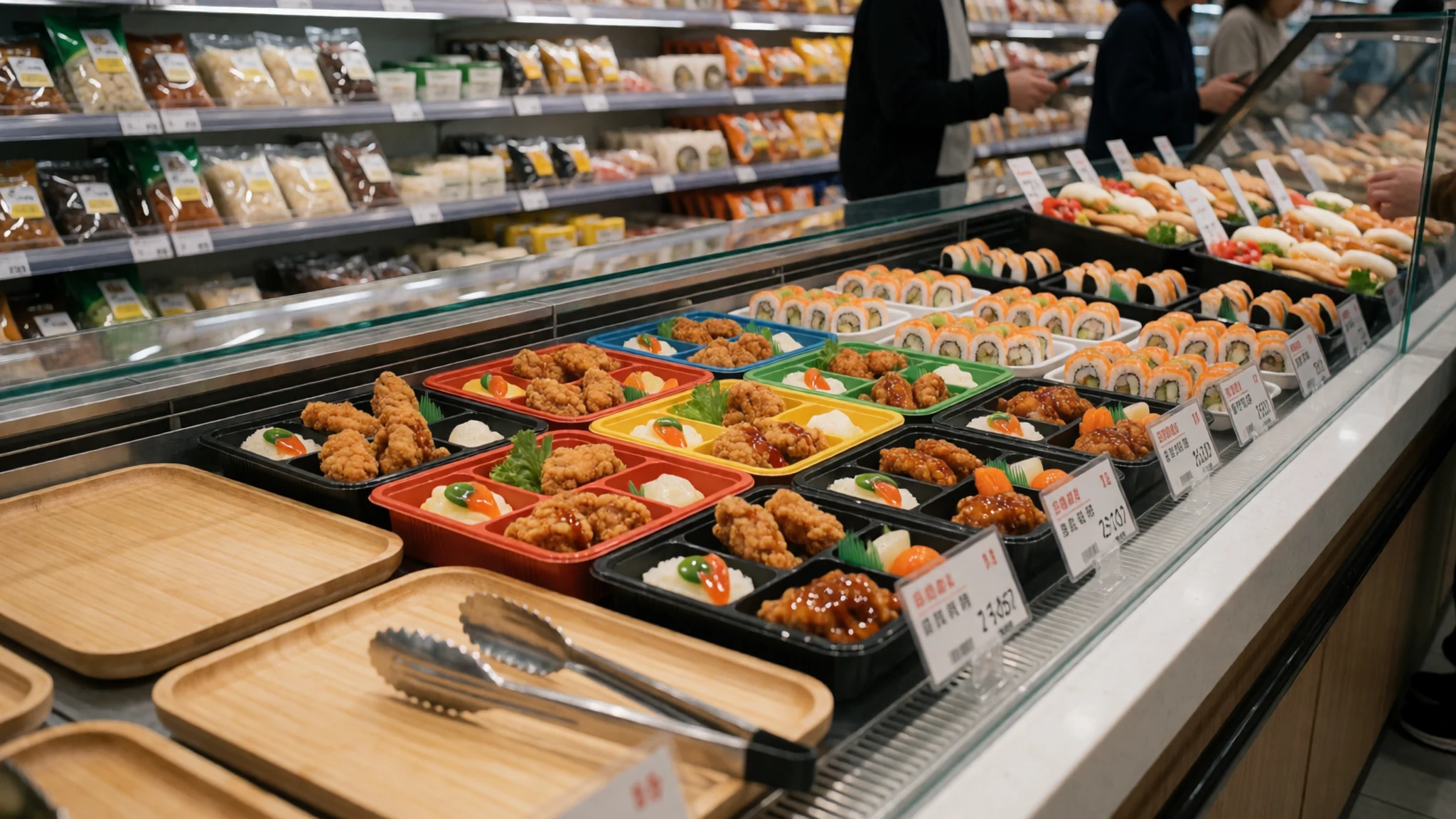
- Awamori at an izakaya — A local izakaya in Hirara or along the main road
Awamori, the distilled spirit native to Okinawa, is the drink to try in a local izakaya. Ask for it with water or ice, and ask staff which style the house recommends. A good izakaya also serves island dishes and grilled food. Share a bottle with friends and you will see the otōri custom in action. - Orion beer — Bars and izakaya across the island
Orion is the local beer, brewed in Nago on the main island of Okinawa. It tastes slightly different from the Orion sold elsewhere in Japan, which is made by another brewer. It pairs well with grilled dishes, and you will find it in most bars and restaurants. - Brown sugar — Roadside shops and general stores, especially near the port in Hirara
Brown sugar made from local cane is the island's most practical souvenir. It is sold in roadside shops and general stores, and it travels well in a suitcase. Its flavour is rich and closer to molasses than white sugar, so it suits tea, desserts and simple baking.
Plan it
Best time. Spring, from March to April, and autumn, from October to November, are the mildest and least stormy months. June is the rainy season, and August is hot and humid, with typhoons a risk from late summer.
How long. 3–4
Getting there. Shimojishima Airport, on the neighbouring island of Shimoji-jima, has flights from several low-cost carriers and is about 25 minutes' drive from Miyako. Scheduled boats don't sail to the Miyako Islands from anywhere beyond them, so you'll need to fly in and then rent a car.
Budget. mid
Tips
- Book flights and car hire early in peak periods, and check the official site for current details
- Visit the eastern cape for sunrise and the popular beaches before late morning, when the heat and crowds build
- Carry some cash for small eateries and roadside stalls
- Drink water constantly and wear sun protection on the beaches
- Check typhoon forecasts before you travel, and keep flexible dates if you can
Etiquette
- Ask before photographing people, especially at festivals
- Take your rubbish away with you, since bins are scarce at remote beaches
- Treat the reef gently and do not stand on coral
Nearby
Sources
- Wikidata Q700946 (CC0)
- Wikipedia: Miyako Island (rev 1374880402) (CC BY-SA 4.0)
- Wikivoyage: Miyako (Okinawa) (rev 5411299) (CC BY-SA 4.0)
- Photo: Yonahamaehama Beach view from Kurima Island (CC BY 3.0)
- Photo: Miyako-jima from sky (CC BY-SA 1.0)
- Photo: Yonaha Maehama (Miyako maipama 1) (CC BY-SA 4.0)
- Photo: Higashi-Hen'nazaki, Miyako Island (CC BY-SA 2.5)
- Photo: Painagama beach, Miyako Island (500px) (CC BY 3.0)
- Photo: Small market along a street in Miyakojima (CC0 1.0)
- Photo: Aragusuku Beach in Miyako (CC BY 2.5)
- Photo: Coastline of Miyako Island (panoramio) (CC BY 3.0)


