Mississauga
Mississauga, Canada
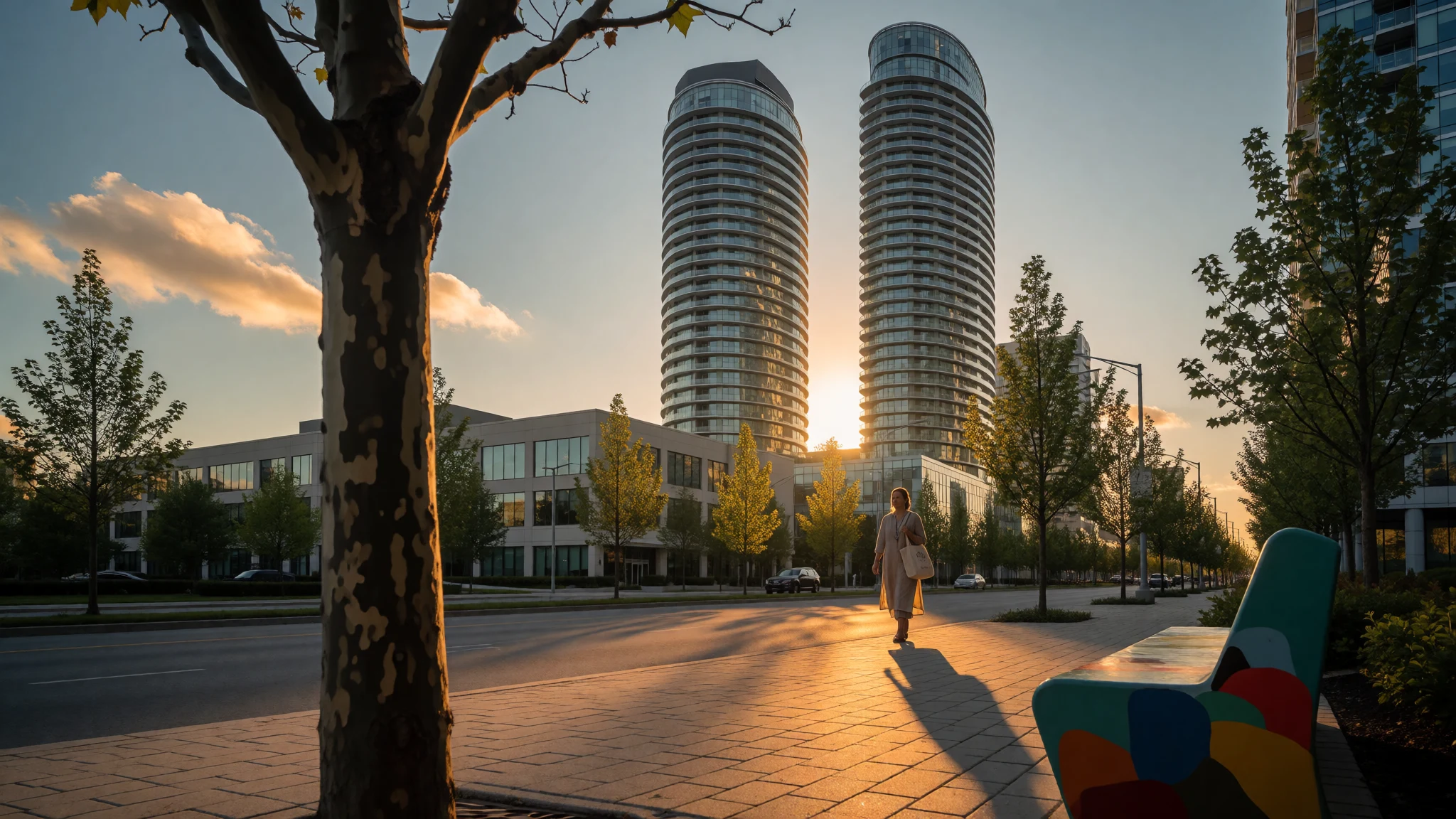
Mississauga is Toronto's big western neighbour, a suburban city of lakeshore villages, river trails, gardens and some of the region's best South Asian and East Asian food.
The place
Mississauga sits on the northwestern shore of Lake Ontario, in Peel Region, and wraps around the western edge of Toronto's built-up area. Its neighbours are Etobicoke in Toronto to the east, Brampton to the north, Milton to the northwest and Oakville to the southwest, and the borders are mostly invisible: a driver crosses them without noticing. The 2021 census counted 717,961 residents, a small dip from the count before it, which is unusual for a place that spent decades growing fast. The city was formed in 1968 by merging older communities such as Port Credit, Streetsville, Cooksville and Malton. Those names still matter, because each keeps its own main street, its own habits and its own sense of being a separate place. Early growth leaned on Toronto's reach, but later decades brought newcomers from across the world, and the city is now plainly multicultural, with many languages heard in shops, temples, mosques, churches and on buses. A cluster of towers around City Centre gives it a downtown of sorts, built around transit rather than a traditional old core. Malton, in the northeast, holds Toronto Pearson International Airport, which is how many visitors touch Mississauga without ever stopping. The land stands at about 161 m above sea level and slopes gently down to the lake. This is a suburban city: car-friendly, spread out, with pockets of walkable charm along the waterfront and the Credit River.
Its story
Mississauga's human story begins soon after the glaciers retreated. Lake Ontario was then much smaller than it is now, so the earliest campsites may lie under water off today's shore. In the long Archaic period that followed, people returned season after season to the Credit River and Cooksville Creek, timing visits to the fish runs at rapids and river mouths and collecting nuts and wild rice around the wetlands in late summer. Large burial grounds from the later part of that era point to communities with settled ritual lives. Pottery arrived in the Woodland period, and towards its end the first semi-permanent villages appeared. The city's name comes from the Mississaugas, an Anishinaabe people who lived and fished along the Credit, and the Mississaugas of the Credit First Nation remains a living community in the region. Colonial farming and milling came later, and small settlements grew up at river crossings and at the lakeshore harbour, becoming Port Credit, Streetsville and the rest. For a long stretch these were separate villages and townships, drawn together as Toronto's suburbs spread westward. They were joined as a single city in 1968. Hazel McCallion, who lived in Streetsville and served as mayor for many decades, became the public face of that modern city. Today the old village centres and the glass towers of City Centre sit side by side, one layer laid over another.
What to see
- Port Credit — Lake Ontario shore
Port Credit is the old harbour village on the lakeshore, with a small-town main street of cafés, bars and independent restaurants. It is the easiest place in Mississauga to walk around with no plan. Summer brings the Waterfront Festival and a jazz and blues festival, so weekends can be busy.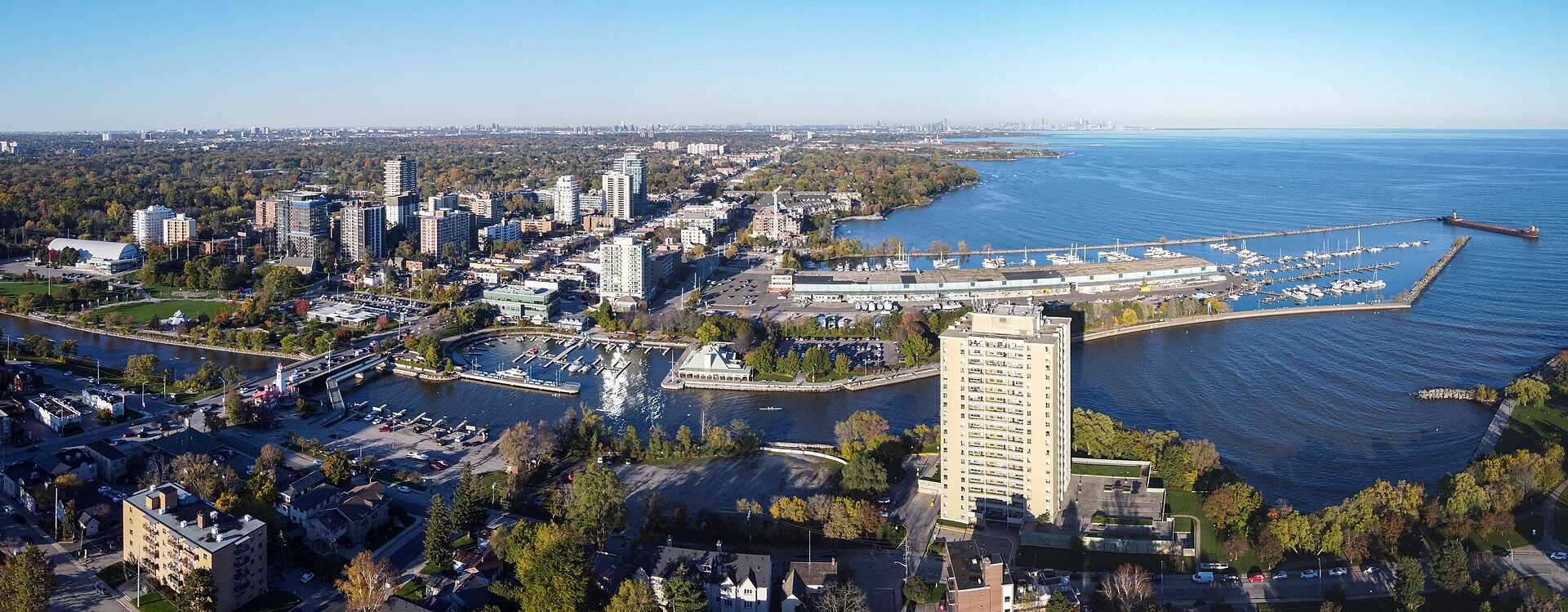
- Streetsville — Streetsville, Credit River valley
Streetsville is a former village on the Credit River, once home to Hazel McCallion. It has a compact centre of shops and eateries, and green space close by. The riverside Culham Trail is a quiet walk, especially on a cold, bright winter day when few people are about.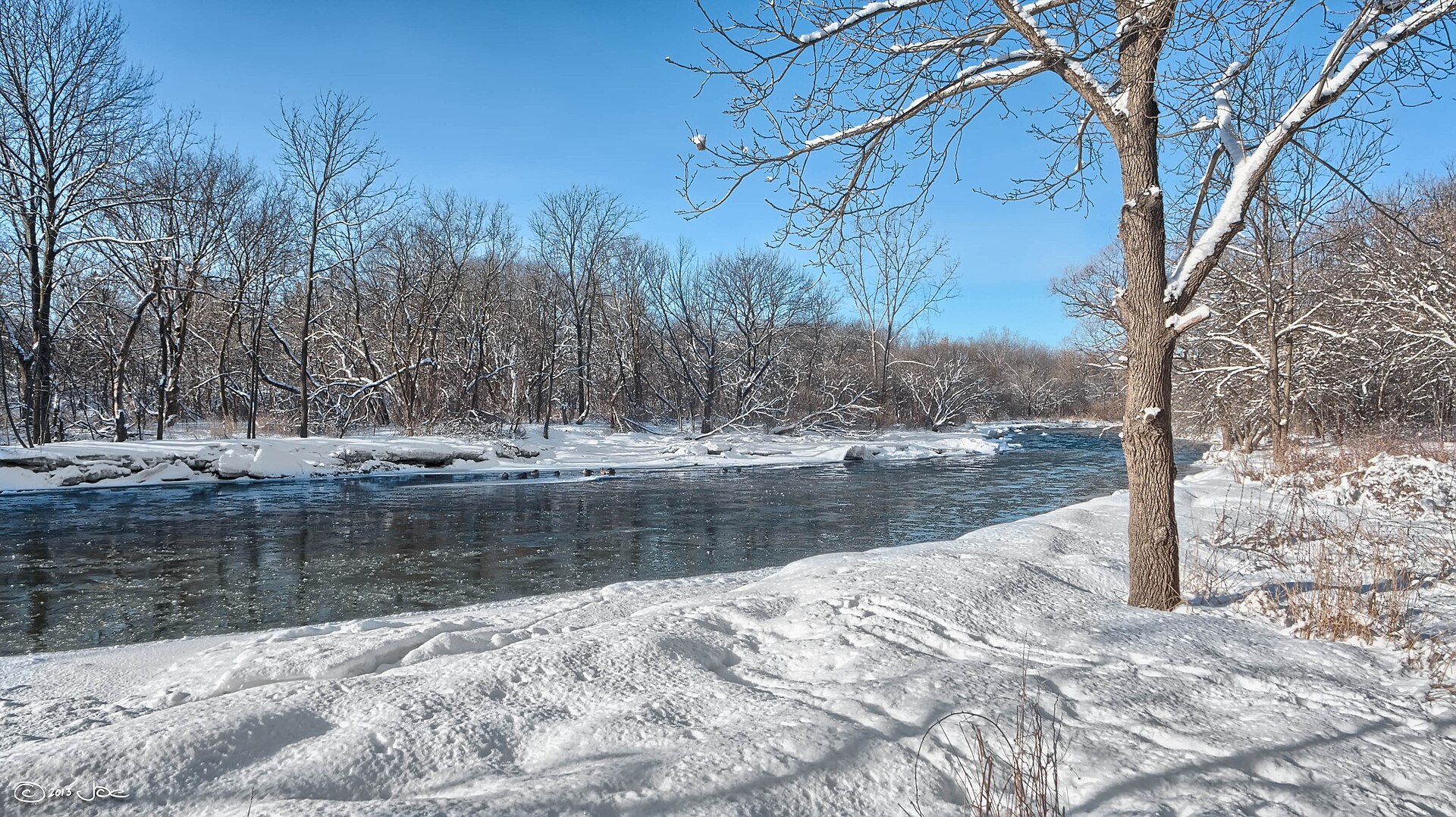
- Kariya Park — City Centre
Kariya Park is a Japanese-style garden near City Centre, named for Kariya in Japan, the city's twin. It is a calm pocket among the towers, good for an hour with a flask of tea. Spring and autumn are the best seasons for colour and for quieter paths. - Mississauga Civic Centre and City Centre — City Centre
Around the Civic Centre, the city's modern core shows itself: towers, a public square used for large festivals, and a big shopping centre close by. It is not pretty in a traditional way, but it explains how Mississauga built a downtown from scratch around transit.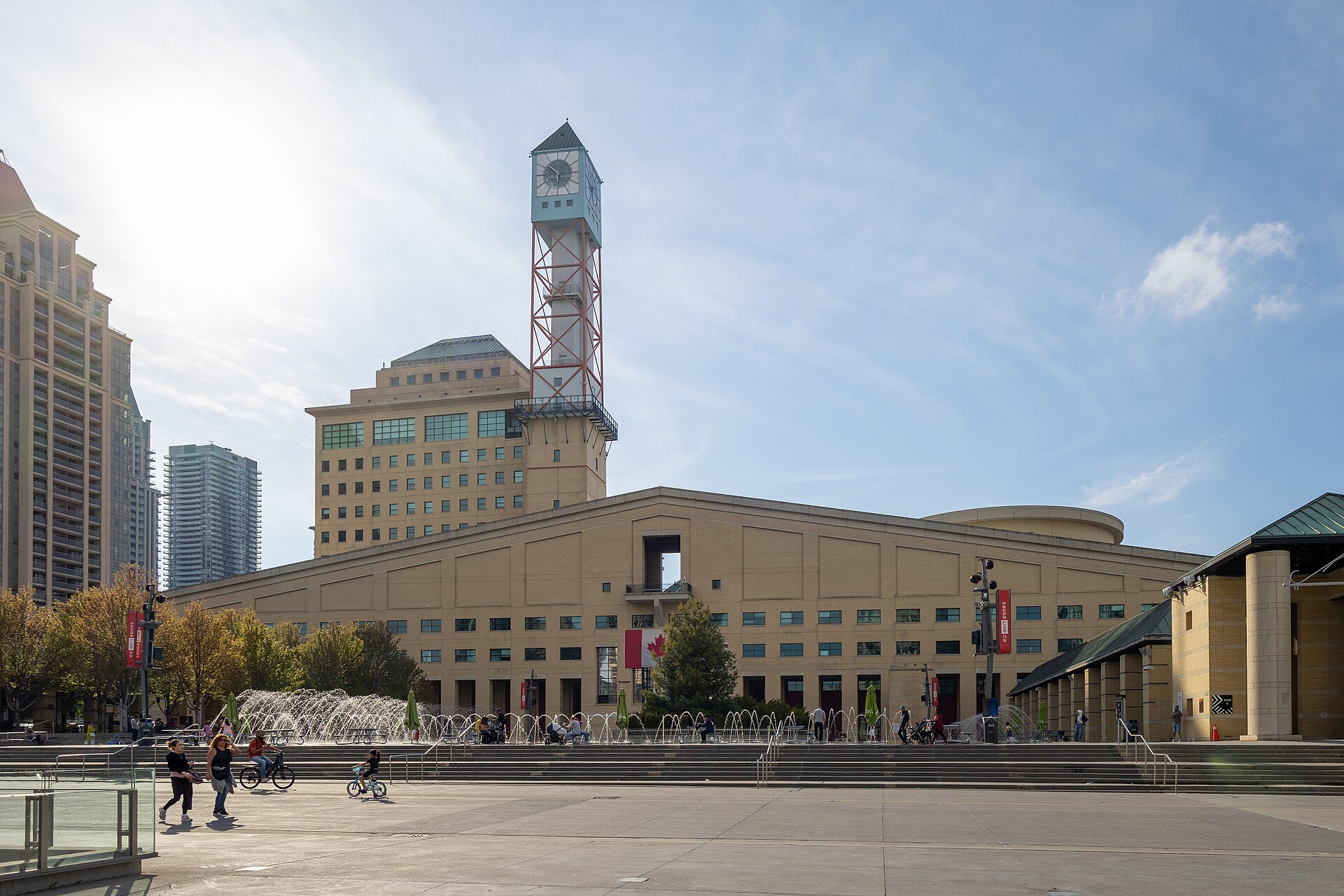
- Art Gallery of Mississauga — City Centre
The Art Gallery of Mississauga shows contemporary work by Canadian and international artists in several gallery spaces, with a changing programme through the year. Installations sometimes close rooms, so check the city website before making a special trip. Pair it with Kariya Park and the Jubilee Garden nearby. - Brueckner Rhododendron Gardens — Lakeshore, near Port Credit
Brueckner Rhododendron Gardens is a lakefront garden planted mainly with rhododendrons, so late spring is the time to visit. The setting beside the water gives it a gentler feel than the inland parks, and it fits well into a walk along the lakeshore.
Culture
Mississauga's culture is the culture of arrival. Families came from South Asia, East Asia, the Middle East, Europe, the Caribbean and elsewhere, and the result is a city where a temple, a mosque, a church and a gurdwara may share a single main road. Festivals show this off. The biggest gatherings, including Canada Day, a rib cook-off, the tree lighting and the New Year's Eve party, usually take place in Celebration Square beside the Civic Centre, and they draw large, friendly crowds. Carassauga, held every year in mid-May, is the best single picture of the city: community groups set up pavilions around town, each presenting a country with food, music and dance. The Mississauga Arts Council adds a year-round layer, holding an annual awards evening called the MARTYs for local artists, writers, filmmakers and musicians. Beneath all of it is the older Indigenous presence of the Mississaugas of the Credit, whose land the city occupies, and many public events now open with an acknowledgement of that. Daily life is polite and low-key, with orderly queues at bus stops and counters. The city is more car-oriented than most visitors from India or the UK expect, which shapes how people socialise: dinners, school events and festivals all depend on parking and lifts. At a festival pavilion or a place of worship, ask before photographing people, and follow the lead of local families on shoes and head coverings.
What to wear
Mississauga's traditional dress is not one costume but several. The Anishinaabe people of the Credit have ribbon work, beadwork and ribbon skirts, made from cotton, satin ribbon and glass beads, and worn at ceremonies, powwows and community gatherings. Newcomer communities bring their own: saris and salwar kameez in silk and cotton for weddings and Diwali, the kurta, the hijab, the abaya, the Filipino barong and many more, all of which appear at Carassauga and other festivals. Everyday dress, however, is practical and casual. Jeans, trainers, fleece and functional outerwear dominate, and people dress for the weather rather than the occasion. Winter is serious: expect cold, snow and ice, and locals wear insulated coats, hats, gloves and waterproof boots from late autumn to early spring. Summers are warm and often humid, calling for light cotton, sunglasses and a hat. A visitor should pack by season. In winter, bring proper boots with grip, thermal layers and a windproof coat, because sidewalks can be slippery and wind off the lake is sharp. In summer, comfortable walking shoes and a light rain jacket are enough. There is no general modesty code on the street, but shoulders and knees should be covered, and shoes are removed in many temples and homes.
What to eat
- Punjabi and North Indian curries with tandoor breads — Indian restaurants and eateries across the northeast and central city
Mississauga has a deep bench of Indian restaurants and eateries serving butter chicken, dal, paneer dishes and breads fresh from the tandoor. Quality ranges from casual lunch counters to slightly smarter dining rooms, so ask locals which place their family favours. - Chinese, Japanese, Thai and Korean dishes — Erin Mills and other western neighbourhoods
The western suburbs, around Erin Mills, are good for Asian food, with kitchens covering ramen, sushi, pad thai, Korean barbecue and Chinese banquet dishes. Plates are usually shared, which suits groups better than solo diners. - Pastries and cakes — neighbourhood cafés and bakeries
Several cafés around the city make pastries and layered cakes in view of the customers, from European-style bakes to sweets from other traditions. They suit a slow mid-morning stop after a walk by the river or the lake. - Steak dinner — local grill-houses and steakhouses
A plain grill-house steak with chips and a side salad is a staple of Canadian suburbs, and Mississauga has a number of family-run grills where portions are generous for the price. It is good, solid food rather than a culinary adventure. - Waterfront patio meals — Port Credit main street and harbour
Port Credit's small restaurants and bars serve fish, burgers, salads and brunch plates, often on patios close to the harbour. In summer these fill up on weekend evenings, so arrive early or expect a short wait.
Plan it
Best time. Late May to June and September to October, when days are mild to warm and festivals such as Carassauga run in mid-May. July and August are hot and humid, and winter is cold and snowy, though it suits quiet river walks.
How long. 2–3
Getting there. Toronto Pearson International Airport is inside the city, in Malton, and local buses and taxis reach the rest of Mississauga. Hamilton and Buffalo airports are cheaper alternatives at times, with fewer flights. By road, the Queen Elizabeth Way and the other expressways link the city to downtown Toronto, Hamilton and beyond; a car makes day-to-day movement much easier.
Budget. mid
Tips
- Choose a base in Port Credit or near City Centre; the rest of the city is spread out and best covered by car or local bus
- Check the city website for gallery closures and festival dates before travelling
- Book a lakeside patio for summer weekend evenings, since popular spots fill quickly
- In winter, carry proper waterproof boots and allow extra travel time in snow
- Keep a card handy; most shops, cafés and transit accept contactless payment
Etiquette
- Queue at bus stops and counters and wait your turn
- Ask before photographing people at festivals or places of worship
- Take shoes off when entering a home or a temple if others do
Nearby
Sources
- Wikidata Q50816 (CC0)
- Wikipedia: Mississauga (rev 1383789300) (CC BY-SA 4.0)
- Wikivoyage: Mississauga (rev 5411290) (CC BY-SA 4.0)
- Downtown Mississauga — Nick de Guzman (CC BY 2.5)
- Skylines of Mississauga — The Eloquent Peasant (CC BY 4.0)
- Mississauga Civic Centre — Dillan Payne (CC BY-SA 4.0)
- Credit River, Mississauga — Joe deSousa (CC0 1.0)
- Square One Shopping Centre main entrance — Sarbjit Bahga (CC BY-SA 4.0)
- Absolute Towers Mississauga — Sarbjit Bahga (CC BY-SA 4.0)
- Port Credit aerial view — Canmenwalker (CC BY 4.0)
- Mississauga Historic Municipalities — Transportfan70 (CC0 1.0)


