Miskolc
Miskolc, Hungary
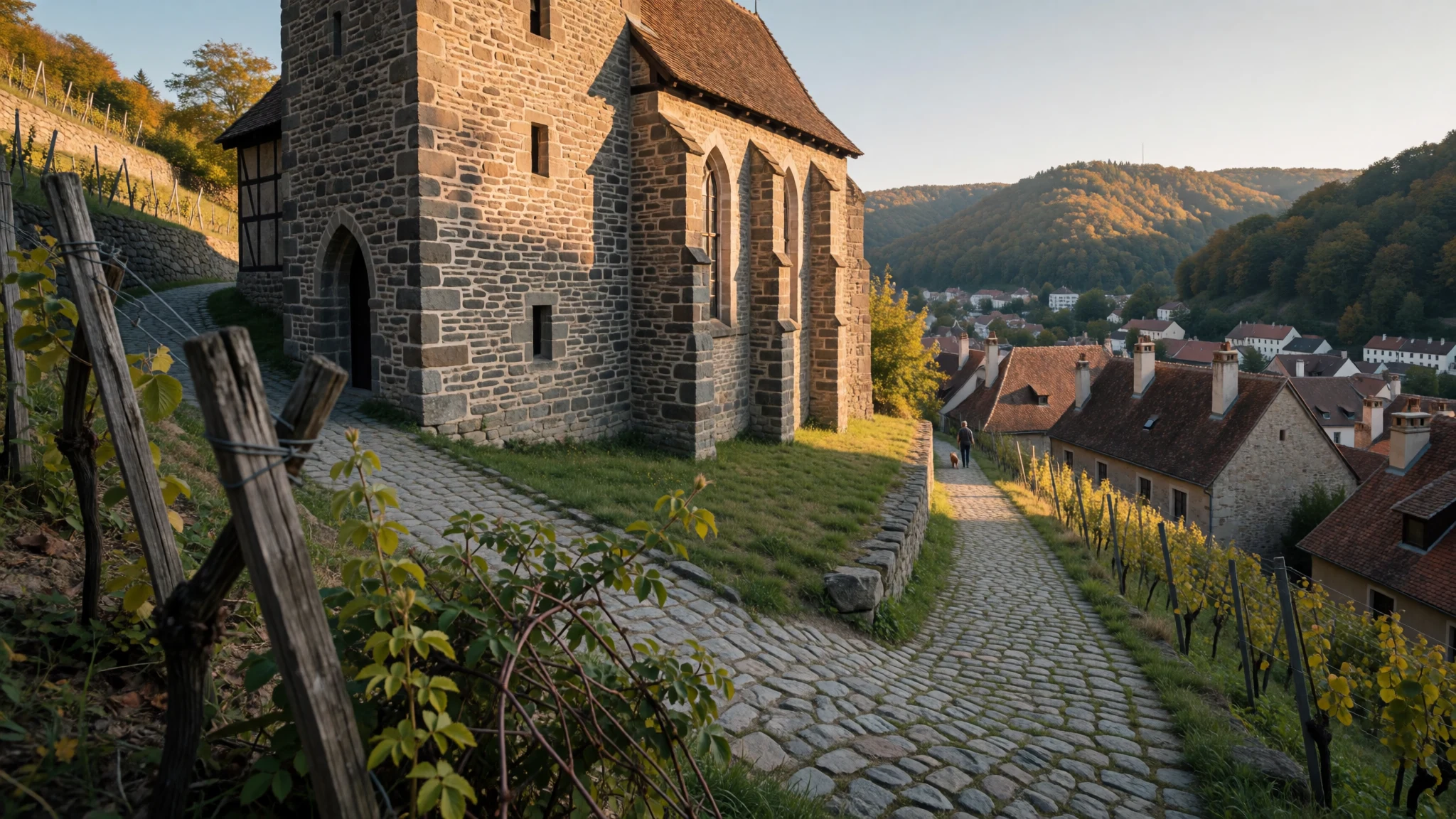
Miskolc offers rugged mountain walking, centuries of winemaking history, and striking architecture set against the northern Hungarian hills.
The place
Miskolc anchors the northeastern reaches of Hungary as an industrial regional centre tucked into the edges of natural highlands. Situated where the Sajó river valley meets the lower slopes of the Bükk mountains, the terrain shifts noticeably from flat agricultural plains to steep, forested ridges. This striking topographical variety shapes the municipal geography, with neighbourhoods spreading out across narrow stream valleys and climbing the green slopes of the Avas hill. The city serves as the county capital of Borsod-Abaúj-Zemplén and functions as the primary hub for the surrounding region. Visitors arriving in Miskolc encounter a gritty, honest urban environment defined by historic administrative buildings, sprawling residential quarters, and quiet green pockets. The proximity to the Bükk National Park means that dense beech forests and subterranean cave systems lie just a short tram ride from the urban centre. The local climate brings distinct seasonal changes, from warm summers to crisp, snowy winters that blanket the surrounding hills. While industrial heritage remains visible in the city's fabric, the surrounding landscape provides an immediate escape into deep river valleys, thermal springs, and limestone ridges that define this corner of Central Europe. Public squares display grand facades from past centuries alongside civic monuments, while narrow cobblestone lanes wind upward into the older districts where wine cellars have been carved directly into the volcanic tuff for generations. Miskolc maintains a steady rhythm far removed from the capital's tourist crowds.
Its story
Miskolc possesses a deep human history that stretches back tens of thousands of years into the Paleolithic era, as revealed by ancient tools unearthed in nearby caves. Long before the arrival of Magyar tribes in the late ninth century, Celtic tribes such as the Cotini inhabited these wooded river valleys. The settlement was first formally documented around the start of the thirteenth century under the influence of the Miskóc clan, a powerful local noble family whose authority eventually waned as royal centralisation took hold. Following the devastating Mongol incursions of the thirteenth century, King Louis I elevated Miskolc to the rank of a market town in the fourteenth century and commissioned the transformation of the nearby fortress at Diósgyőr into a magnificent Gothic stronghold. The expansion of the town continued steadily until the sixteenth century, when Ottoman forces captured the region. During the decades of Ottoman administration, Miskolc evolved into an important local centre for viticulture and wine production, driven by the fertile microclimates of the surrounding hills. Following the end of Ottoman control in the late seventeenth century, the settlement gradually rebuilt its civic institutions and commercial networks. Industrialisation arrived in later centuries, transforming Miskolc into a heavy manufacturing powerhouse that drew workers from across the country and shaped the modern character of the city. Throughout these eras, the local population preserved its religious and architectural heritage, leaving behind a rich collection of historic churches, civic halls, and wine cellars that reflect the resilience of this northern Hungarian community.
What to see
- Protestant Church of Avas — Avas Hill
Perched dramatically on the slopes of the Avas hill, this magnificent Gothic sanctuary represents one of the oldest surviving architectural treasures in Miskolc. Founded originally in the thirteenth century, the building expanded over subsequent eras while retaining its characteristic stone masonry. Next to the main nave stands an independent belfry constructed during the sixteenth century, casting a watchful eye over the surrounding hillside and historic subterranean wine cellars. - Greek Orthodox Church — Downtown
Situated in the historic core of Miskolc, this striking eighteenth-century religious building was constructed in the Copf architectural style between seventeen eighty-five and eighteen hundred and six. Inside, visitors discover an extraordinary artistic marvel: one of the largest iconostasions found anywhere in Europe, soaring to an impressive height and covered with meticulously detailed panels depicting biblical narratives and sacred figures from Eastern Orthodox tradition. - Mindszent Parish Church — Mindszent Square
Originally serving a separate medieval settlement that was later unified with Miskolc, this handsome religious landmark was erected on the foundations of an older chapel during the first half of the eighteenth century. The structure showcases refined baroque proportions and detailed masonry work that reflect the growing prosperity of the local community during the post-Ottoman reconstruction period. The surrounding square offers a peaceful atmosphere away from heavy traffic. - Protestant Wooden Church — City Centre
This remarkable house of worship stands as a testament to local craftsmanship and community resilience following a devastating fire in the late twentieth century. Built as an exact architectural replica of the original seventeenth-century wooden church that once stood on the site, the current structure features intricate carved timber joinery, steep shingled roofing, and a warm, atmospheric interior that honours the traditional vernacular architecture of the northern forested region. - Minorita Assumption Church — Hősök Square
Completed in the middle of the eighteenth century, this prominent baroque sanctuary graces the urban landscape with its elegant twin-towered facade and harmonious interior ornamentation. The construction and subsequent interior embellishment took several decades to reach completion, resulting in a cohesive display of devotional art, carved wooden furnishings, and painted altarpieces that illustrate the religious patronage of the period within the city centre.
Culture
Miskolc carries a proud regional identity rooted in its industrial heritage, scholarly traditions around its university, and deep ties to the surrounding forests and vineyards of the Bükk mountains. Local social life often revolves around family gatherings, seasonal wine harvests on the Avas hill, and quiet outdoor recreation in the nearby valleys. Traditional folk culture from northern Hungary, including distinct musical forms and celebratory feasts, remains preserved through local cultural associations and annual festivals. While heavy industry once defined the working rhythm of the populace, contemporary residents embrace a slower pace compared to the capital, valuing hospitality and community ties. Visitors will find that locals appreciate basic courtesies in Hungarian, even simple greetings such as jó napot. When entering historic churches or sacred spaces throughout Miskolc, maintain a quiet demeanour and ensure your shoulders and knees are covered as a sign of respect.
What to wear
Traditional attire in the Miskolc region and broader northern Hungary features sturdy garments crafted for agricultural and forestry labour, including embroidered linen shirts, wool waistcoats, and heavy felt hats for men, alongside layered pleated skirts, brightly patterned aprons, and elaborate headscarves for women. While traditional costumes are now reserved for folk dance performances, cultural festivals, and historical commemorations, they reflect a deep connection to local textile heritage and regional patterns. In daily contemporary life, residents dress in practical, modern European casual wear suited for urban commuting and outdoor activities. Jeans, comfortable walking shoes or trainers, and weather-appropriate jackets are standard across all seasons. Travellers exploring Miskolc should pack sturdy footwear due to the steep, cobbled lanes of the Avas hill and the uneven forest trails of the nearby Bükk mountains. Layered clothing is essential for spring and autumn visits, while waterproof gear ensures comfort during occasional mountain showers.
What to eat
- Avas Hill Wine — Avas Hill cellars
Sample traditional regional wines poured directly in historic cellar bars carved deep into the volcanic tuff of the Avas hillside, where winemakers have aged local vintages for centuries. - Grandmother's Meat Soup — Tusculanum restaurant garden
A rich, slow-simmered traditional broth packed with tender meat and root vegetables, served piping hot in rustic garden restaurants nestled at the edge of the mountains. - Lángos — Lángosgyár kiosk
A quintessential Hungarian street food favourite consisting of deep-fried dough traditionally rubbed with garlic oil and topped with grated cheese and sour cream. - Hearty Hungarian Stew — Traditional downtown eateries
Thick, paprika-infused meat stews served with homemade dumplings or bread, offering comforting sustenance after a long day of hiking through the Bükk hills. - Chinese Buffet Specials — City centre snack bars
Affordable, quick stir-fry meals and noodle dishes served across various casual downtown snack bars and canteens popular with students and local workers.
Plan it
Best time. May to June and September offer pleasant weather for exploring the city streets and walking the forested trails of the Bükk mountains, avoiding the heavier summer heat and cold winter months.
How long. 2–3
Getting there. Miskolc is easily reached by train from Budapest Keleti station or internationally from Košice in Slovakia; domestic bus lines also connect the city with neighbouring regional towns.
Budget. mid
Tips
- Wear sturdy shoes when walking up the steep, cobbled lanes and wine cellars of the Avas hill
- Check the state railway website in advance for up-to-date timetables and international connections
- Carry some local currency for small bakeries, kiosks, and historic wine cellars
- Plan morning visits for major historic churches and quiet residential squares
Etiquette
- Always greet shopkeepers and hosts with a polite greeting in Hungarian
- Keep your voice low when visiting historic churches and sacred religious sites
- Ask permission before photographing residents in local markets or neighbourhood streets
Nearby
Sources
- Wikidata Q102397 (CC0)
- Wikipedia (rev 1379739959) (CC-BY-SA 4.0)
- Wikivoyage (rev 5411284) (CC-BY-SA 4.0)
- Photo 01-miskolc-montage.jpg (CC BY-SA 4.0)
- Photo 02-miskolc-city-hall-square.jpg (Public domain)
- Photo 03-miskolc-erzs-bet-spa.jpg (CC BY 2.5)
- Photo 04-borsodcountyhall-2.jpg (CC BY 2.5)
- Photo 05-erd-szeti-palota-miskolc-de-k-t-r-1.jpg (CC BY 2.5)
- Photo 06-avastvtower.jpg (CC BY 2.5)
- Photo 07-kossuth-statue-miskolc.jpg (Public domain)
- Photo 08-univmiskolc-main.jpg (CC BY 3.0)


