Mindoro
Mindoro, Philippines
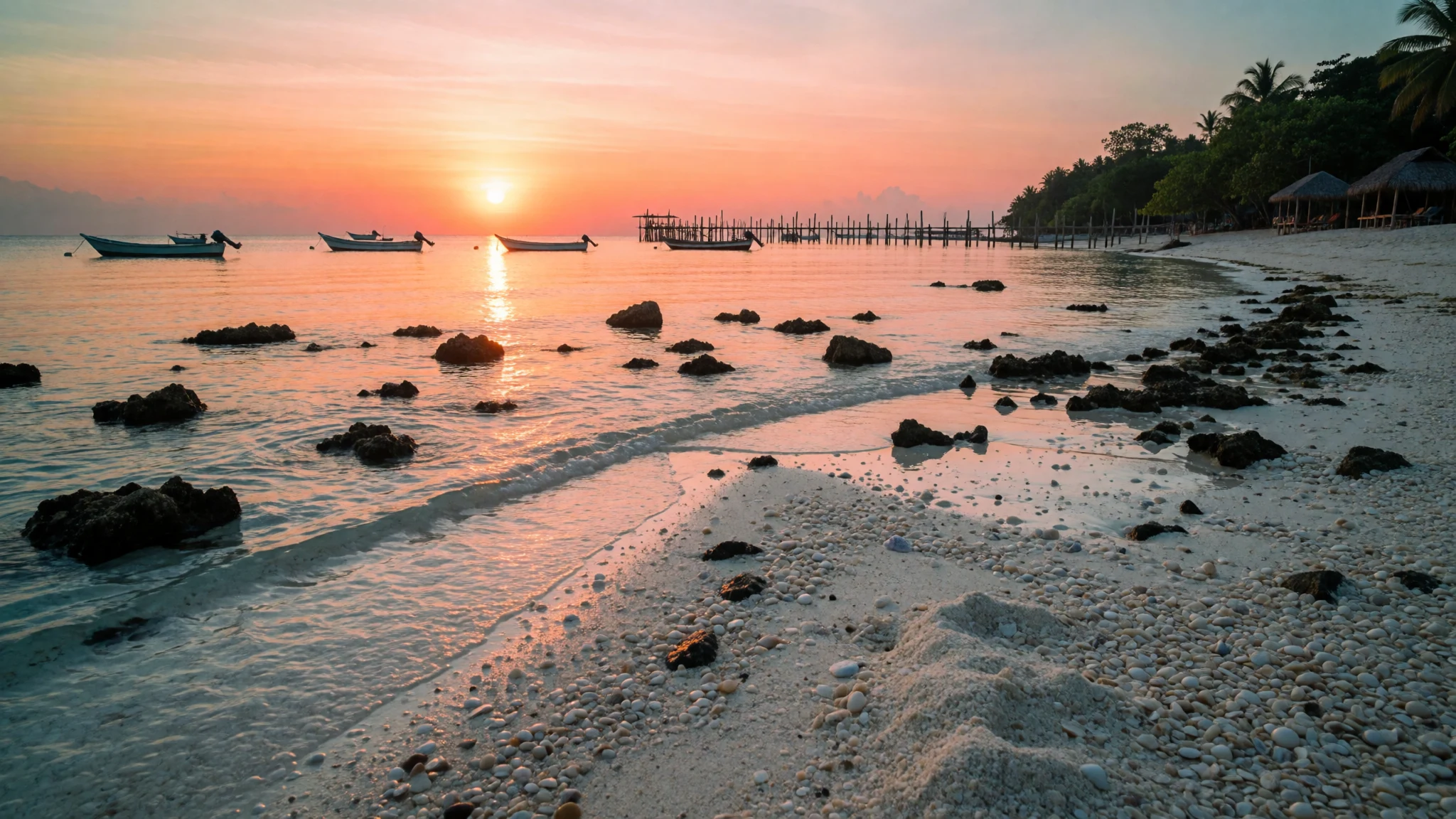
Mindoro blends easy beach time with proper nature and diving, with quieter corners than the busiest tourist strips.
The place
Mindoro is a big, varied island sitting off the southwestern coast of Luzon, between the Sulu Sea to the south and the wider bustle of the Philippines. It’s home to about 1.33 million people and a landscape that swings from coastal coves to steep inland ridges. At 2,585 m, the island’s high points make it feel more than a flat beach-and-hotel destination, and that height matters for the views—plus for how fast the terrain can change once you leave the shoreline.
A lot of travellers base themselves around the north coast, where towns and harbours make it simpler to reach bays and dive sites. The south coast has a different pace, with long stretches of coastline and fewer “tourist bubble” services. Away from the water, Mindoro’s interior is shaped by the Mindoro Mountain Range, a long spine of hills that runs roughly north–south and stretches across the island’s width.
Politically, the island is split into two provinces: Occidental Mindoro and Oriental Mindoro. That division shows up in travel logistics and what people talk about locally—whether the conversation is about farming areas, town life, or access roads heading towards waterfalls and viewpoints.
In practical terms, Mindoro is for people who want variety in the same trip: seawater time, jungle trails to waterfalls, and diving plans that change with the day’s conditions. Crowds tend to concentrate in the more organised coastal spots, so the same island can feel lively in one town and wonderfully quiet a short ride away.
Its story
Mindoro’s story starts well before modern maps. Han Chinese traders once referred to the island as Ma-i or Mait, and later records described trade links in the same region. That trading history left a sense that Mindoro has always been “connected”—to markets across water, to different languages along the shore, and to goods moving through ports.
Long before Spanish rule, indigenous Mangyans lived here, and the cultural footprint shows up in how the island’s food and community life can still feel distinct from mainland styles. When the Spaniards arrived, they used a name meaning “gold mine” (Mina de Oro), which is one reason the island’s name has the form it has today.
The island wasn’t a steady ride to “peace and settlement”. Control shifted, and at different times it was affected by incursions and conflict involving the Sultanate of Brunei and later Spanish–Moro wars. Depopulation after fighting is mentioned in historical accounts, and the result is that Mindoro’s history reads like a series of breaks and returns—periods where communities were stressed or displaced, followed by local rebuilding.
Geography also shaped what people could do. A mountain chain running through the island creates natural corridors and barriers. That’s why coastal towns become important anchors for access, while inland trails and waterfalls feel more like day trips than “just pop over”. Put those threads together—trade routes, layered settlement, and a strong mountain backbone—and Mindoro becomes easier to understand as an island with multiple identities, not one single template.
What to see
- Tamaraw Falls (near San Teodoro) — San Teodoro area
Tamaraw Falls near San Teodoro is a multi-tier waterfall feeding natural pools. The lower pool sits under a bridge and can work well as a cool-off stop, while a few minutes upstream brings a stronger drop through lush greenery. A small beach area is nearby along the road.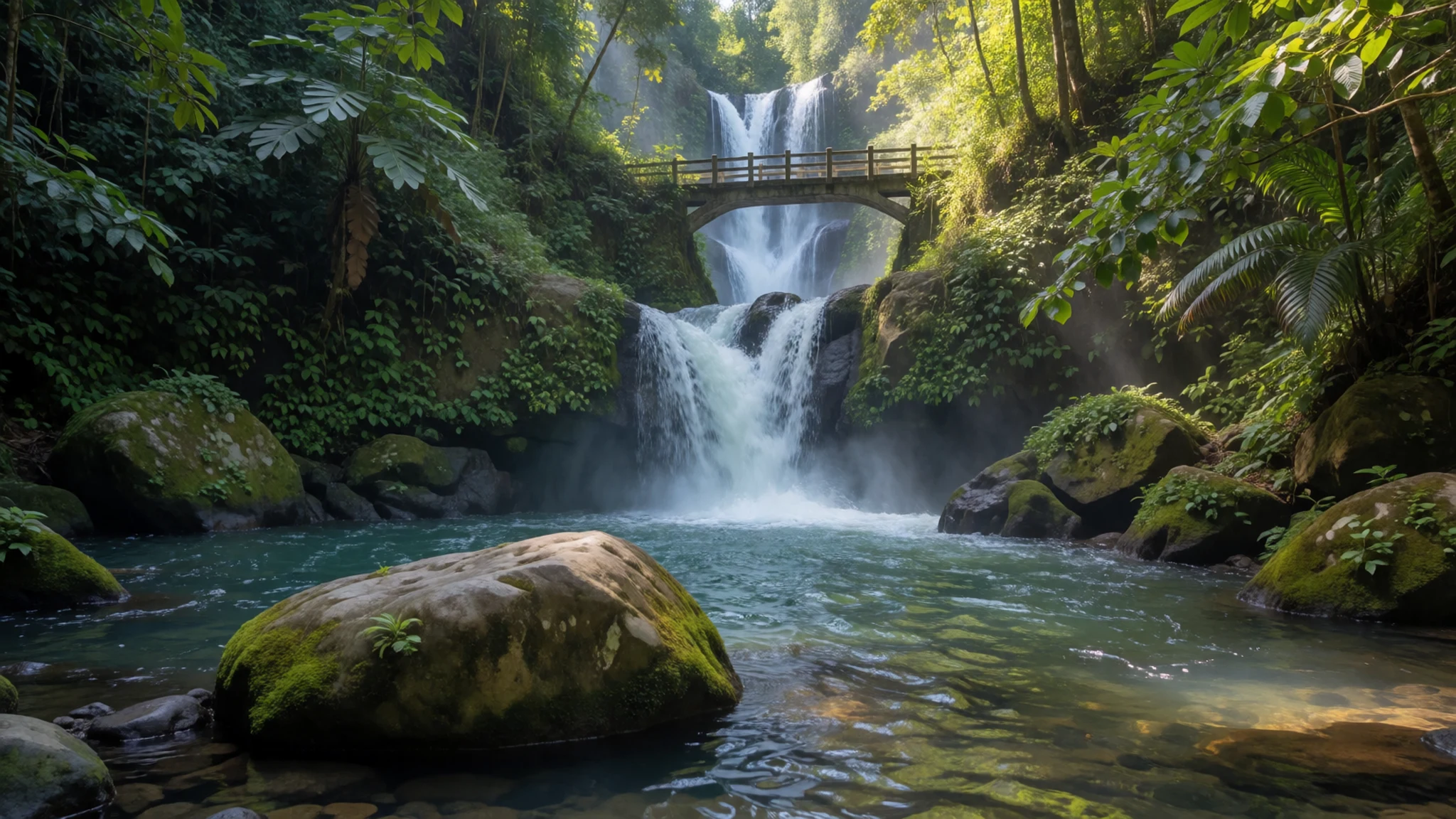
- Tukuran Falls (near San Teodoro) — San Teodoro area
Tukuran Falls is wrapped in greenery and is often reached with a short trek or by a carabao ride. At the base, natural pools provide refreshing water breaks after the walk. It’s the sort of spot where the main “attraction” is the combination of jungle shade, moving water, and the chance to swim if conditions suit.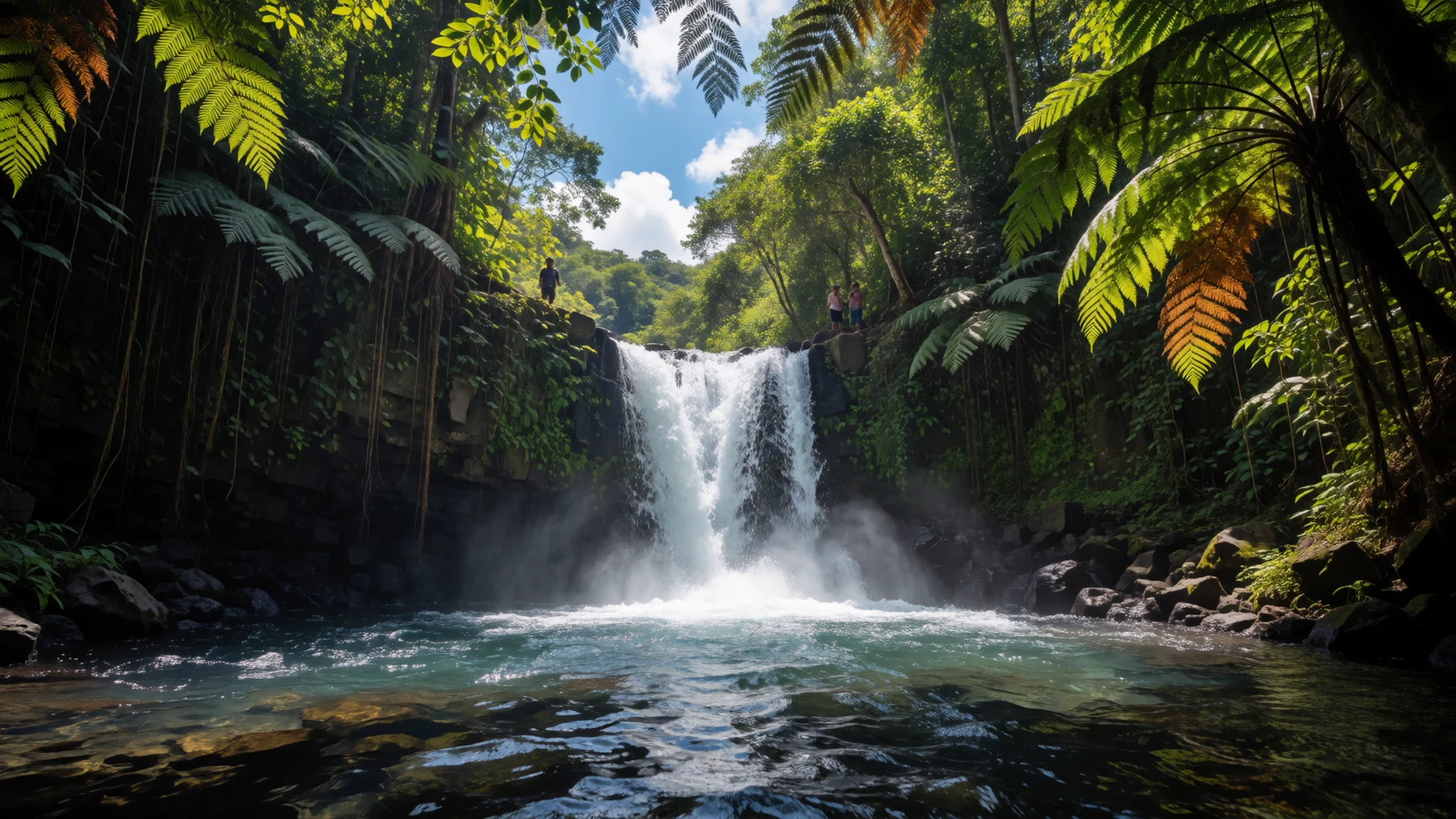
- Aninuan Falls (Aninuan area) — Aninuan area
Aninuan Falls is a more secluded option in the Aninuan area, framed by dense greenery. Getting there involves a trek through a jungle path with river crossings, so timing and footwear matter. The pool at the base is the payoff: a quiet place to relax and swim when water levels allow it.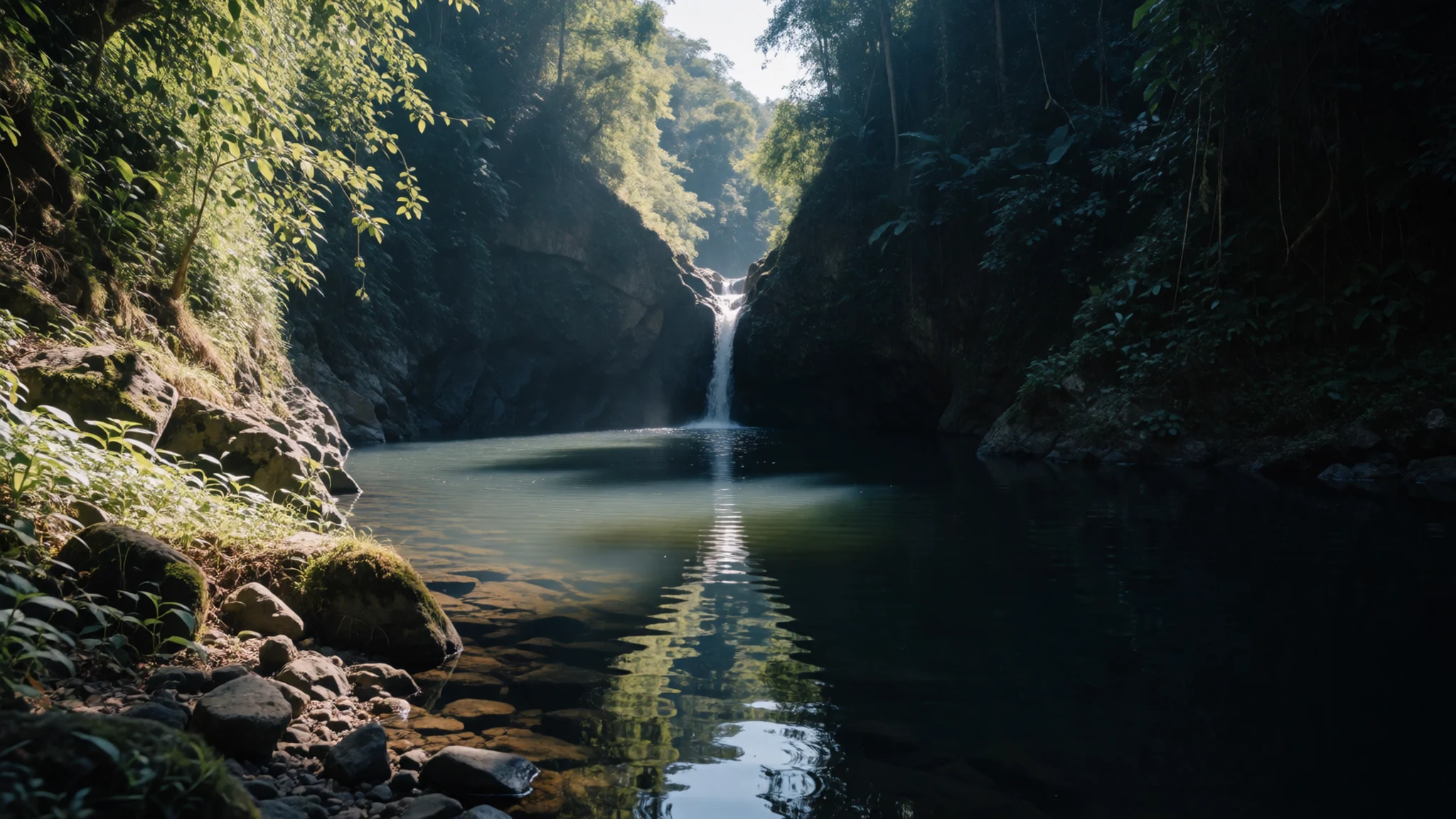
- Talipanan Beach (near Talipanan village) — Talipanan area
Talipanan Beach sits near Talipanan village and tends to feel more relaxed than the better-known nearby beach names. Expect scenic views and a quieter vibe, plus trekking trails around the area for land time between swims. It’s a good match for slower days when diving or waterfall schedules are lighter.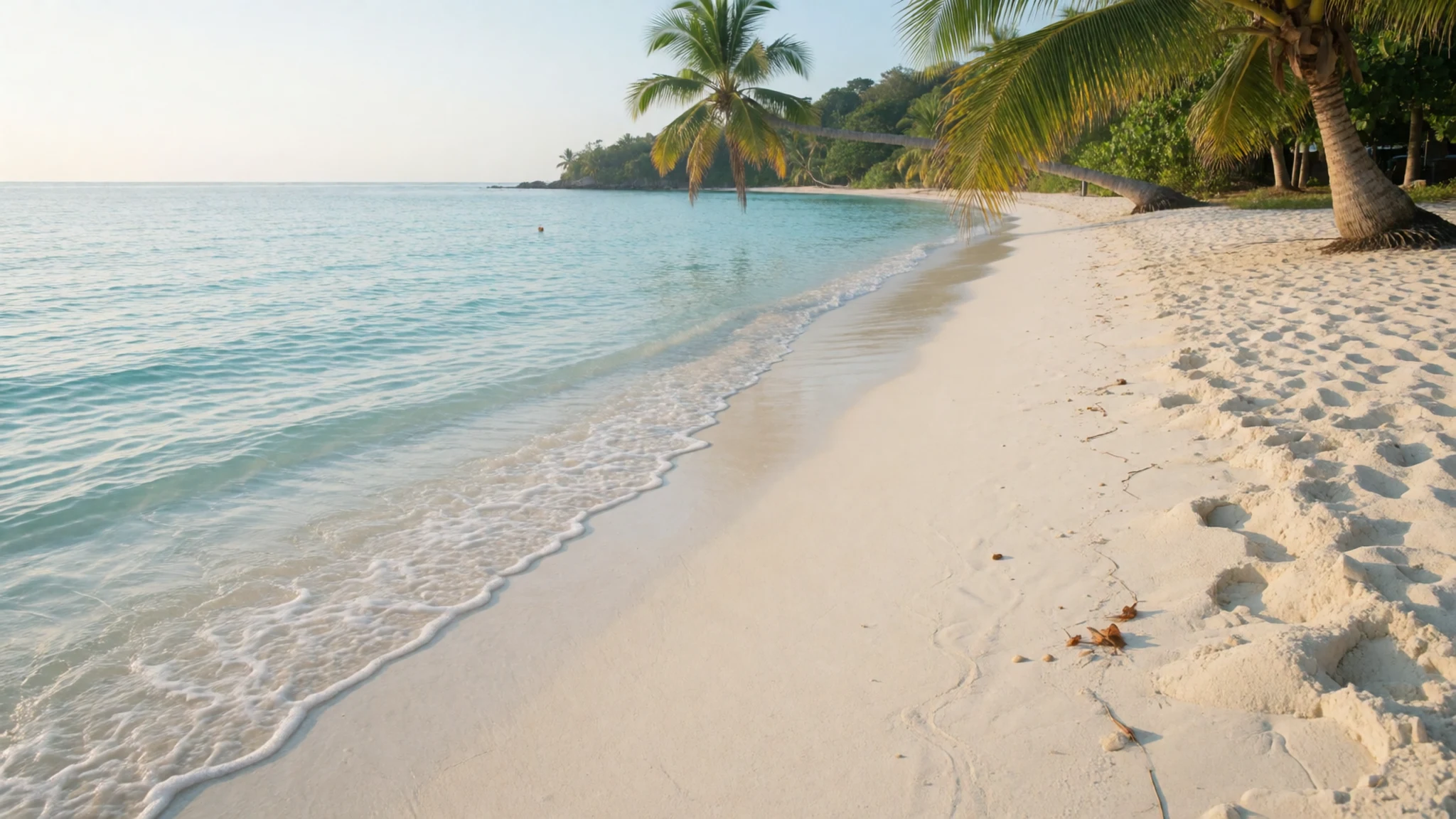
- Diving around Mindoro — North coast (ports and dive towns)
Mindoro is widely approached as a diving destination, with marine-rich waters especially associated with the north coast. Boat access and day plans are usually organised through local operators, and conditions can shape where the crew takes people. For many visitors, the underwater experience is the main reason to choose Mindoro over nearby beach-only islands.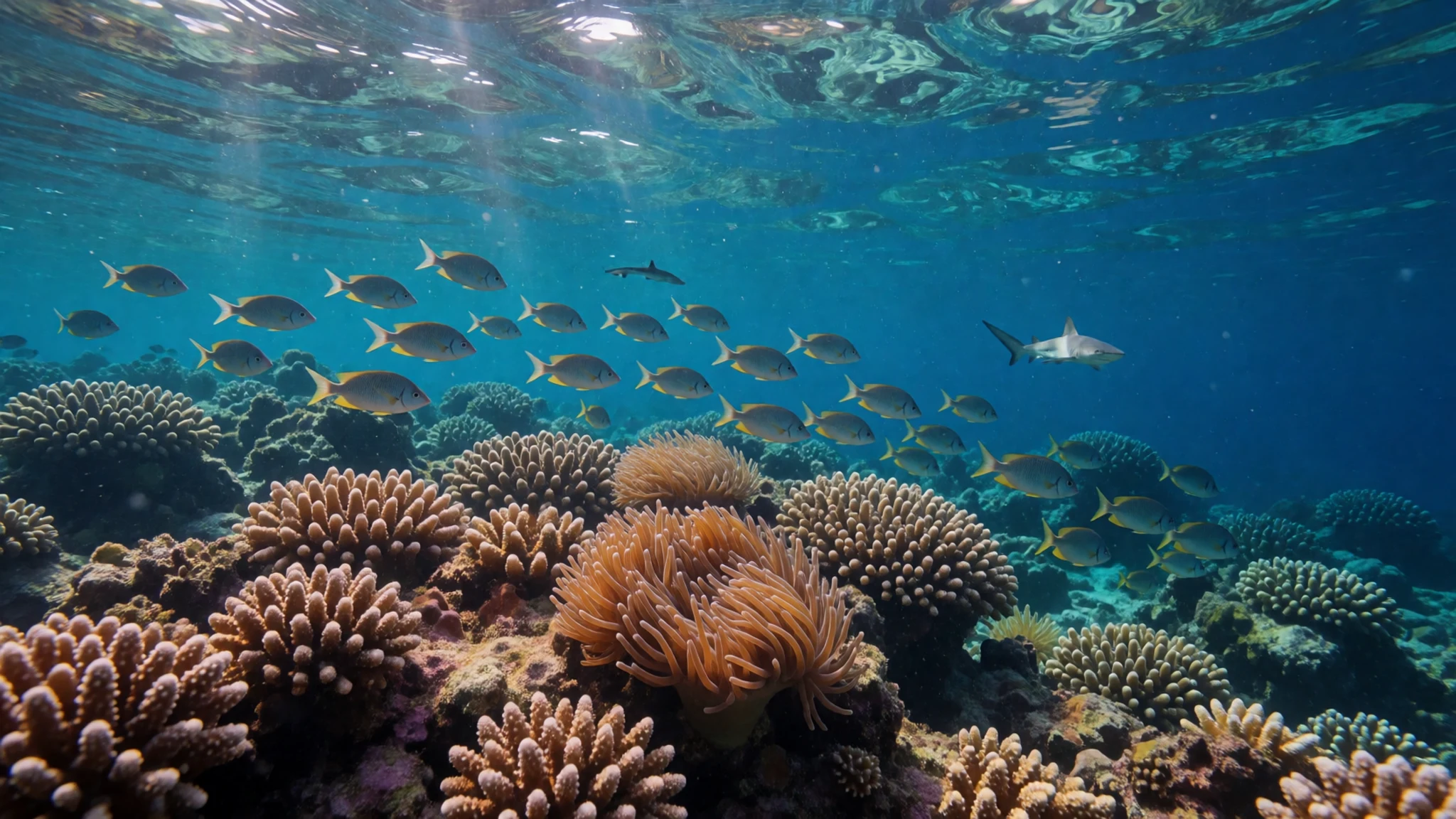
Culture
Mindoro is linguistically diverse, but Tagalog is the main language, with accents and dialects that many visitors will notice shift depending on where they’re staying. Because of the island’s geography and ties across the water, Tagalog often comes with a Batangas-flavoured dialect in parts of Mindoro. Some communities are more influenced by Mangyan languages and Visayan languages, and there’s also exposure to English and Hokkien among Chinese Filipinos.
What helps a lot on the ground is not chasing perfect translation—people generally do better when travellers show patience and keep questions simple: “Where should we go next?” “Which way is easiest?” “Is this the right time?” In towns, you’ll typically hear a mix of Filipino and local accents; in more rural areas, words for everyday things can differ, but the basics of politeness and calm communication still go a long way.
For visitors, the practical takeaway is to be respectful with local pace. Mindoro’s communities aren’t there to run around for tourism schedules, and waterfalls or beaches can involve shared tracks and shared spaces. If a place looks like it’s used regularly by locals—rather than a fenced-off viewpoint—act like it is: keep voices down, avoid blocking paths, and take litter away.
Visitor etiquette: dress modestly for village and shrine areas, keep noise low on shared tracks, and ask before taking close-up photos of people.
What to wear
Mindoro’s clothing is a blend of tropical practicality and local modesty. Traditional dress varies across Filipino regions, but what you’ll most often notice day-to-day is everyday wear: lightweight shirts, shorts or loose trousers, and sandals or trainers suitable for heat and uneven ground near coasts and trails. In village areas and around religious spaces, the “rule” is usually coverage—shoulders and knees are commonly expected to be more covered than beach wear.
Textiles and local touches show up more in special events than in daily walking routes. Mangyan communities are associated with traditional practices and materials, but most visitors will mainly see the results during cultural visits or festivals rather than on a normal beach afternoon.
For a visitor packing list, aim for a breathable base layer for humid coastal weather, plus something with sleeves for sun and insect protection on jungle treks. Bring quick-dry swimwear, a light towel, and a change of clothes for the ride back from waterfalls. Footwear matters: sandals can work for boardwalks and beaches, but closed shoes or proper trail sandals help with river crossings and rocky paths. If diving is on the plan, pack a rash guard or equivalent under the dive suit so you’re comfortable in and out of the water.
What to eat
- Grilled fish — Beachside eateries and local markets in coastal towns
Fresh grilled fish is a staple across Mindoro, especially in coastal towns and local markets. It’s often simple and smoky, eaten as a plate meal after a day at sea. Look for it at beachside eateries and market stalls in places like San Jose and Sablayan.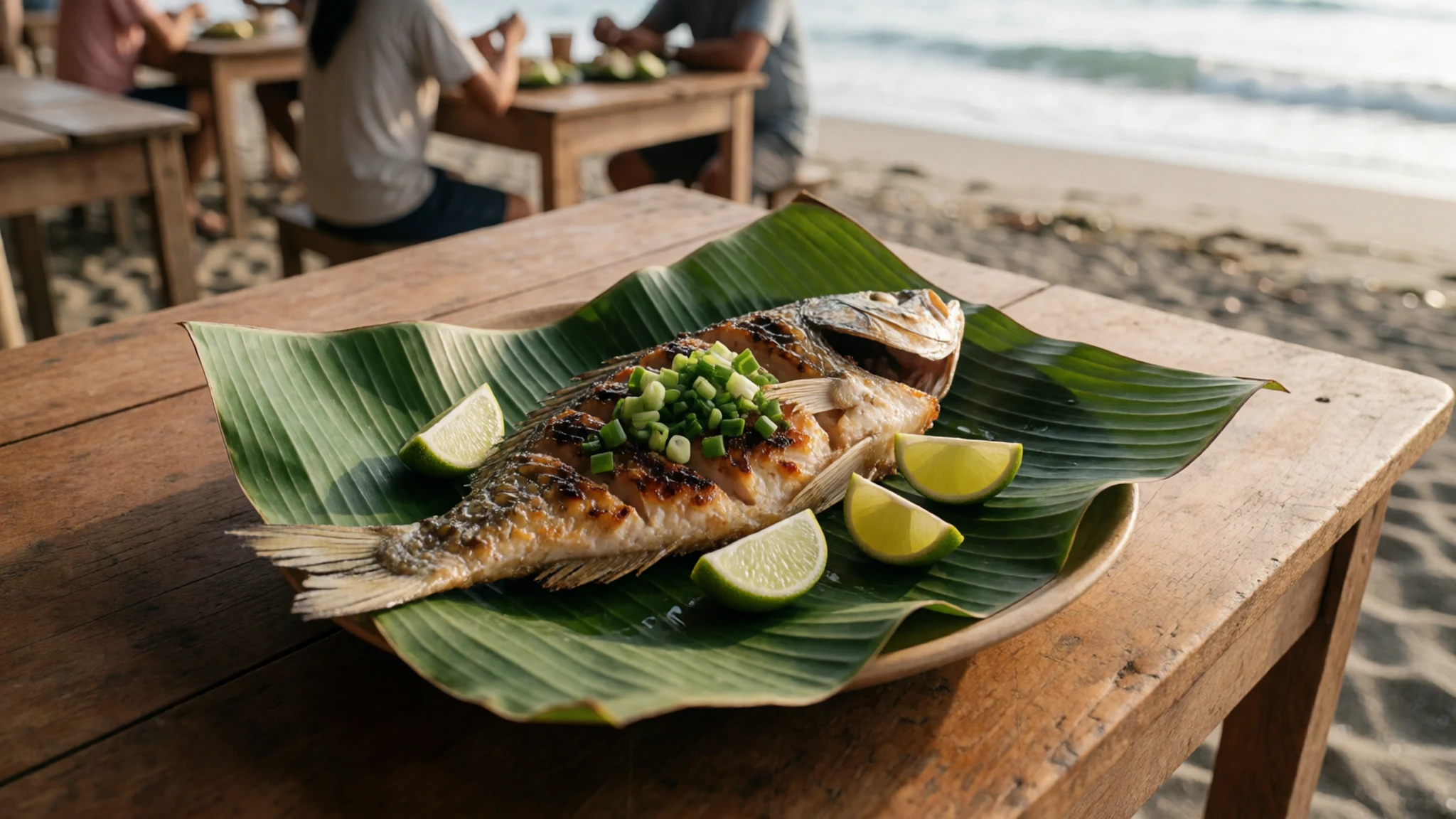
- Squid — Local markets and carinderia-style eateries in coastal barangays
Squid shows up often, commonly prepared grilled and served with rice. It’s one of those “seafood highlight” items that travels well from harbour markets to simple restaurants when catch comes in the same day.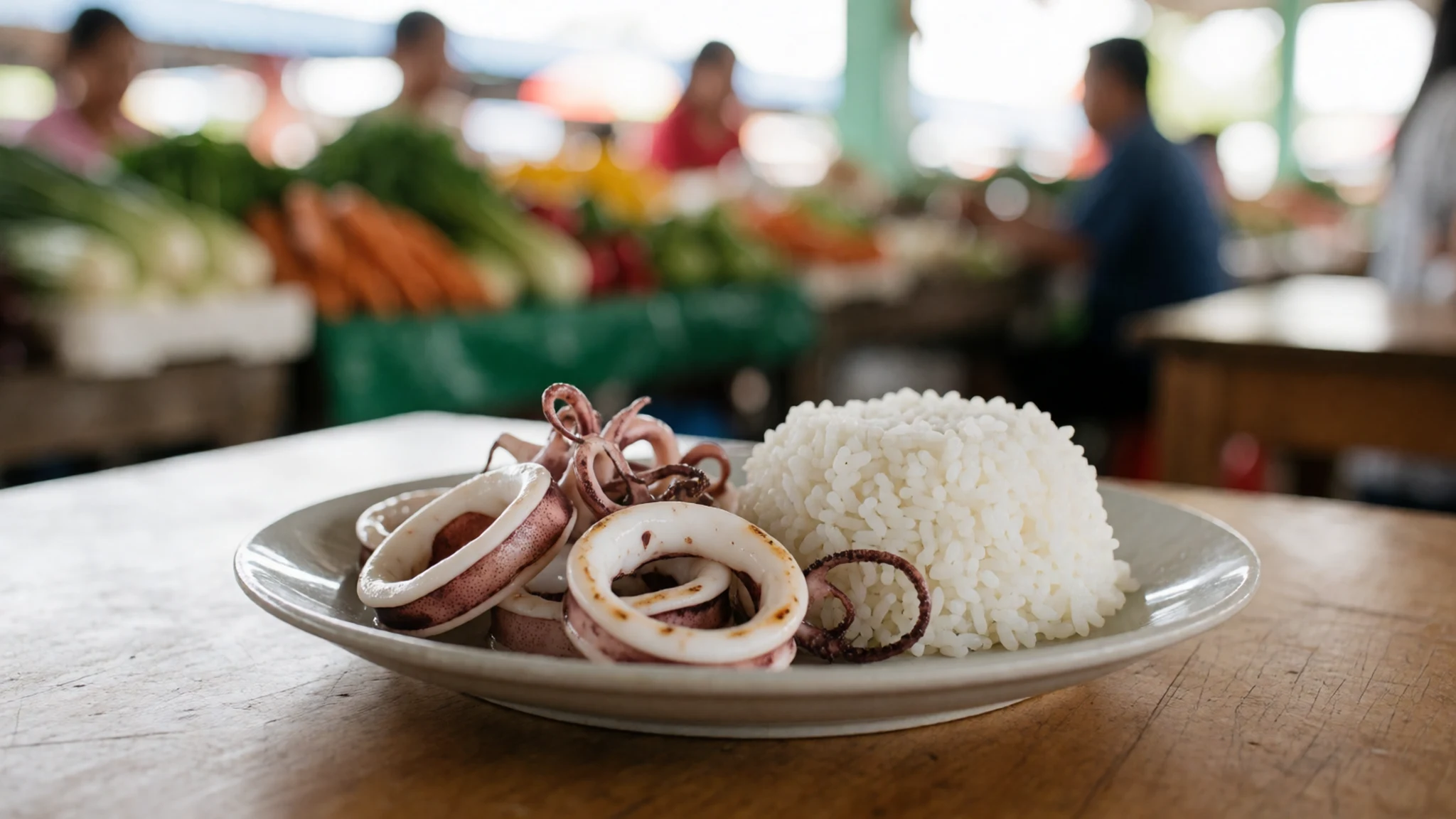
- Shrimp — Coastal towns’ restaurants and market stalls
Shrimp is widely available, usually cooked fresh and served in straightforward Filipino seafood styles. In coastal towns, it’s the kind of dish that’s easy to order without needing a long menu explanation. - Adobo (Filipino pork or chicken) — Carinderia-style eateries in towns and barangays
Adobo is a comforting local meal that tends to be easy to find in small eateries. These budget-friendly places (often called carinderias) serve hearty portions that fit well between activities when time is tight. - Sinigang — Budget eateries in towns and neighbourhoods
Sinigang is known for its tangy, comforting broth, commonly offered as a quick lunch or dinner. Budget eateries across Mindoro serve it alongside rice, making it a dependable option when the day’s plans change. - Pancit — Carinderias and local restaurants across towns
Pancit is another common menu item in everyday Filipino cooking. It’s often stir-fried noodles, an easy fill-between-destinations dish when heading back from beaches or waterfalls and wanting something quick.
Plan it
Best time. March–April and October–November for more comfortable conditions; December–April can be a peak period for accommodation. June is part of the rainy season, and August is typically hot and humid.
How long. 3–4
Getting there. San Jose Airport (SJI) is the main gateway for flying into Mindoro. Many travellers arrive via Manila with connections by air, then continue by local transport to the coast. For an overland-and-ferry approach: buses run from Manila to Batangas Port, and ferry options connect onwards to different parts of Mindoro.
Budget. mid
Tips
- Book accommodation ahead if visiting during peak season (December–April).
- If waterfalls are on the plan, start early to make swimming decisions before the day gets too busy.
- Keep plans flexible: boats and day access for bays and diving can depend on conditions.
- Carry cash for small purchases in towns and for easier payment at local transport stops.
- Pack reef-safe sun protection and a spare dry layer for boat days.
Etiquette
- Treat coastal and village paths like shared space: don’t block tracks or linger where locals need to pass.
- Ask before photographing people up close, especially in smaller communities.
- Follow basic modesty norms when moving away from the beach, particularly near worship spaces.
Nearby
Sources
- Wikidata Q211800 (CC0)
- Wikipedia (rev 1367954448) (CC BY-SA 4.0)
- Wikivoyage (rev 5267045) (CC BY-SA 4.0)
- Photo photos/01-sabang-mindoro-banner-seafront.jpg (CC BY-SA 4.0)
- Photo photos/02-beach-north-mindoro-philippines.jpg (Public domain)
- Photo photos/03-devils-mountain-san-jose-mindoro-1.jpg (CC BY-SA 4.0)
- Photo photos/04-mindoro-island-red.png (CC BY 3.0)
- Photo photos/05-admiralty-chart-no-3807-cuyo-is-to-cabra-i-published-1923.jpg (Public domain)
- Photo photos/06-alamat-in-march-2025.jpg (Public domain)
- Photo photos/07-bay-of-calapan-on-the-n-coast-of-mindoro-from-an-english-ms-.jpg (Public domain)
- Photo photos/08-cooper-s-unit-mindoro-guerillas.jpg (CC0 1.0)


