Mérida, Yucatán
Mérida, Yucatán, Mexico
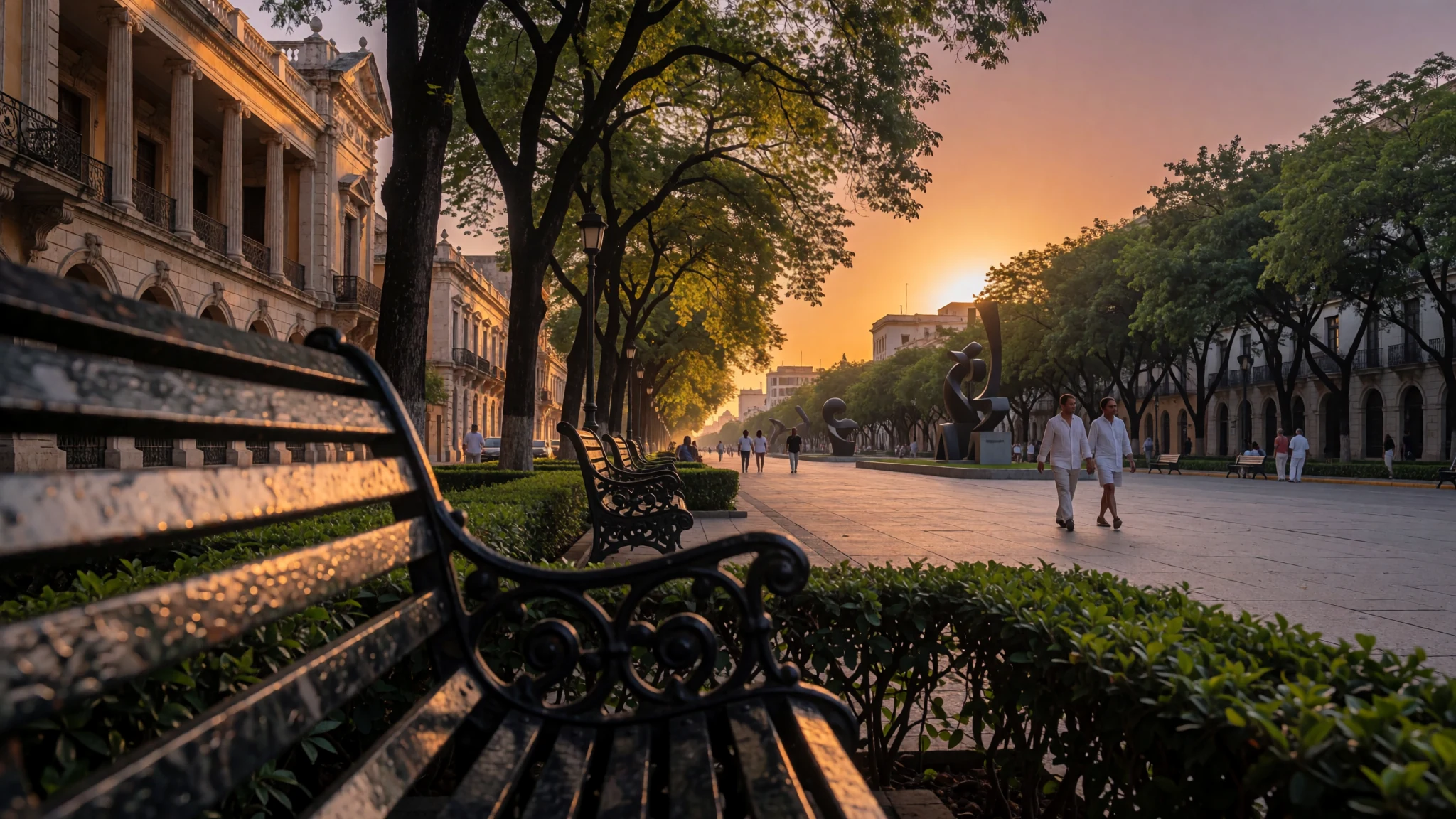
Mérida is the Yucatán's easygoing colonial capital, a good base for Maya ruins, cenotes and distinctive regional food.
The place
Mérida is the capital of the Mexican state of Yucatán and the largest city on the Yucatán Peninsula, with a population of about 920,000 in the city itself. It sits a little inland from the north-west corner of the peninsula, so the sea is never far away, but the city keeps its own rhythm. Its historic centre is laid out on a grid of streets around the Plaza Grande, where colonial palaces, churches and arcades sit beside shops and cafés that stay busy until late.
Culturally the city is the peninsula's centre for museums, galleries, music and dance, and it is easy to spend a long afternoon moving between them. Mérida has been named American Capital of Culture, and it is the only city to have held the title twice. Modern life runs alongside the old: there are shopping malls, hotels and leisure complexes on the newer edges, and wide avenues where mansions from the henequen boom now house banks and offices.
The heat is the first thing most visitors notice. The city lies only 12 m above sea level, and from late spring to autumn the afternoons can feel heavy, so people plan their walking for early morning and early evening, then retreat indoors or to a shaded courtyard in the middle of the day. Street life picks up after dark, when the plazas fill with families and the air cools a little.
Mérida is a city to settle into for a few days rather than tick off in an afternoon. Its pace is slower than Mexico City's, its prices are generally lower than in the coastal resort towns, and the ruins and cenotes of the wider peninsula are close enough for day trips.
Its story
Mérida was founded in 1542 by Spanish conquerors, among them Francisco de Montejo the Younger and Juan de la Cámara, who named the new town after Mérida in Extremadura, in western Spain. They built it on the site of the Maya city of Ti'ho, which its people also called Ichkanzihóo, or 'City of Five Hills', after its pyramids. The conquerors were not gentle with what they found: many carved stones from the ruined temples were reused in the new walls and churches, and some are still visible in the fabric of the cathedral.
For its first centuries the city was walled, a deliberate defence against the Maya communities who rose in periodic revolts against Spanish rule. Colonial society was organised around a small elite of Spanish-born and creole families, whose townhouses and mansions still line the centre. The mix of Maya and Spanish traditions that resulted is one of the reasons the city feels so distinct from the rest of Mexico.
Its fortunes changed with henequen. In the later nineteenth century the fibre of this agave plant was turned into rope and twine, and the wealth it generated paid for the grand avenues and residences that still give the city its character. Money also flowed into a traditional spirit made from the same plant. By the early twentieth century the local economy had widened to tobacco, molasses, rum, soap and leather goods.
The city's ties to other parts of the world have been just as varied. Immigrants from Korea arrived in Yucatán in the early twentieth century, and their descendants are part of the modern population. Mérida's long history is visible in its streets, from pre-Hispanic stone to colonial façades to modern malls on the edge of town.
What to see
- Plaza Grande — Historic centre
The central square sits at the heart of the historic centre, and in pre-Hispanic times it was the centre of the Maya city of Ti'ho. Arcades, benches and the surrounding colonial buildings make it the natural place to start a walk. Mornings are calmer and cooler, and in the evening the square fills with people and music. Plan to sit down rather than rush through it.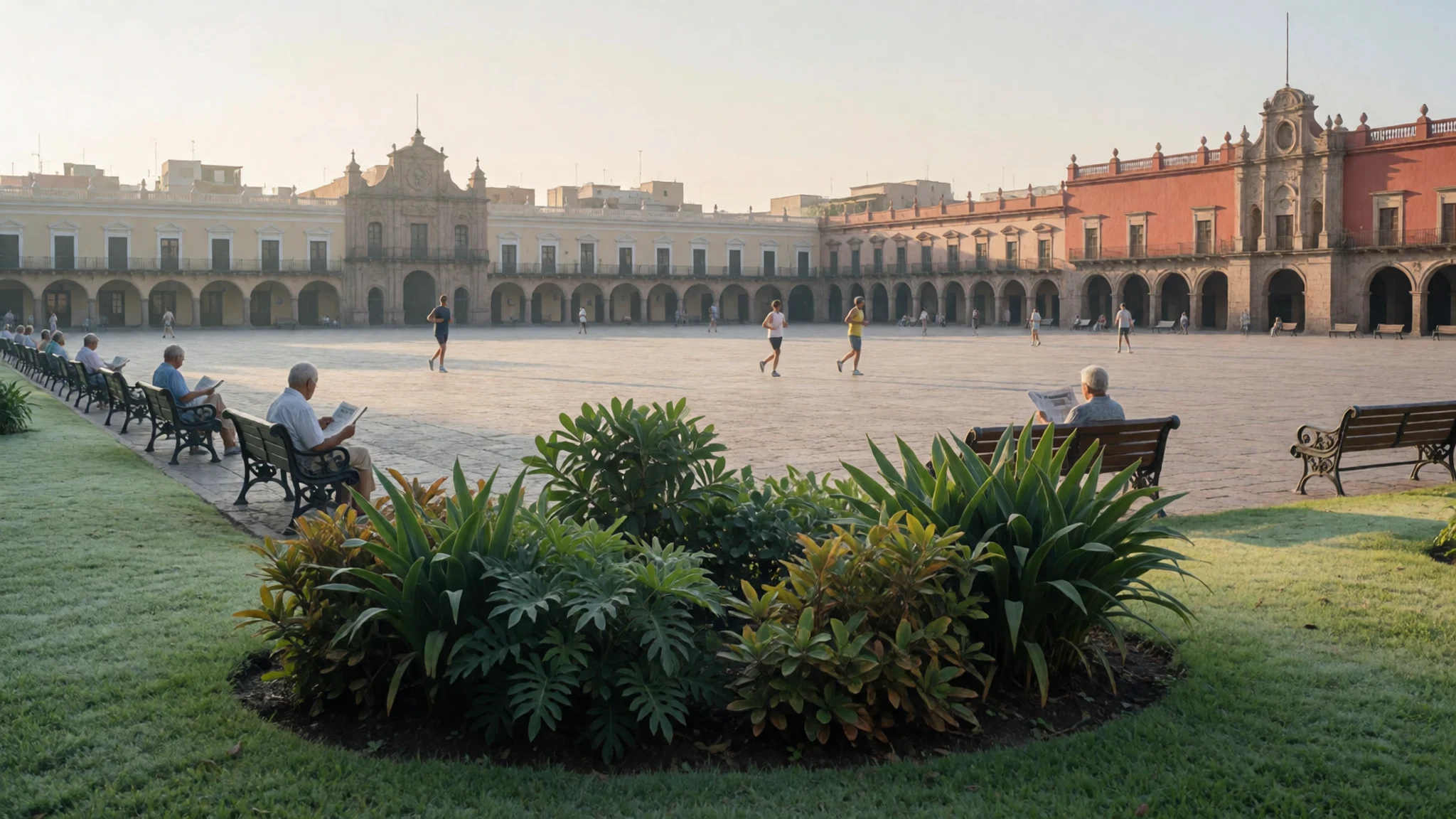
- Catedral de San Idelfonso — Historic centre, beside the Plaza Grande
Work on this cathedral dates from the sixteenth century, and it was built on the site of a Maya temple. It is among the oldest cathedrals on the American mainland. Carved stones taken from the old ruins are built into its walls, and visitors can spot them from the outside. Inside, keep your voice low and dress modestly if a service is under way.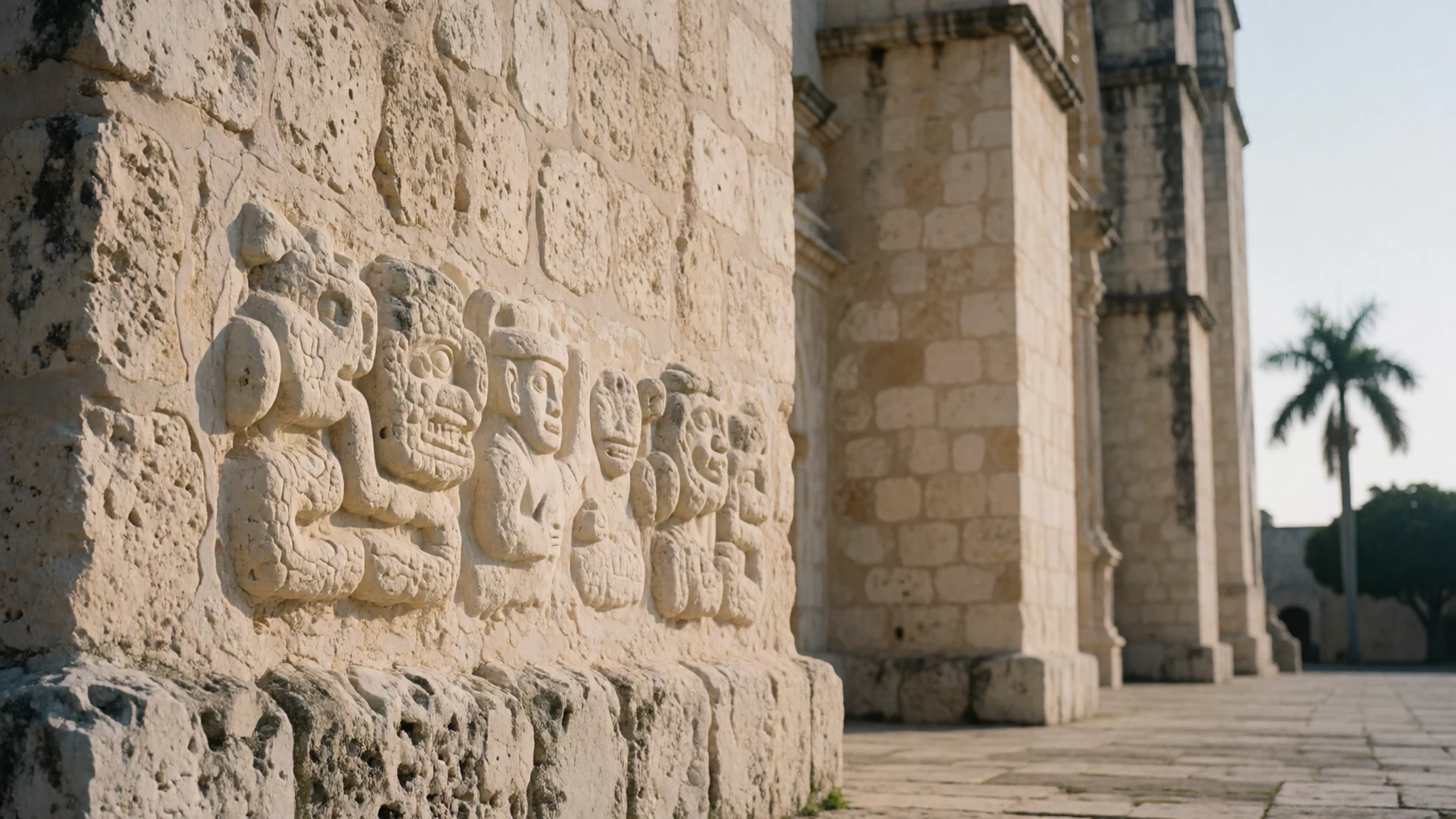
- Arteneo, Museo de Arte Contemporáneo de Yucatán — Historic centre, near the cathedral
Housed in a former bishop's palace, this contemporary art museum holds a permanent collection of sculptures and paintings by well-known artists from the state of Yucatán. The building itself is worth a look, with its thick walls and courtyard. It makes a good indoor stop in the middle of the day, when the streets are at their hottest.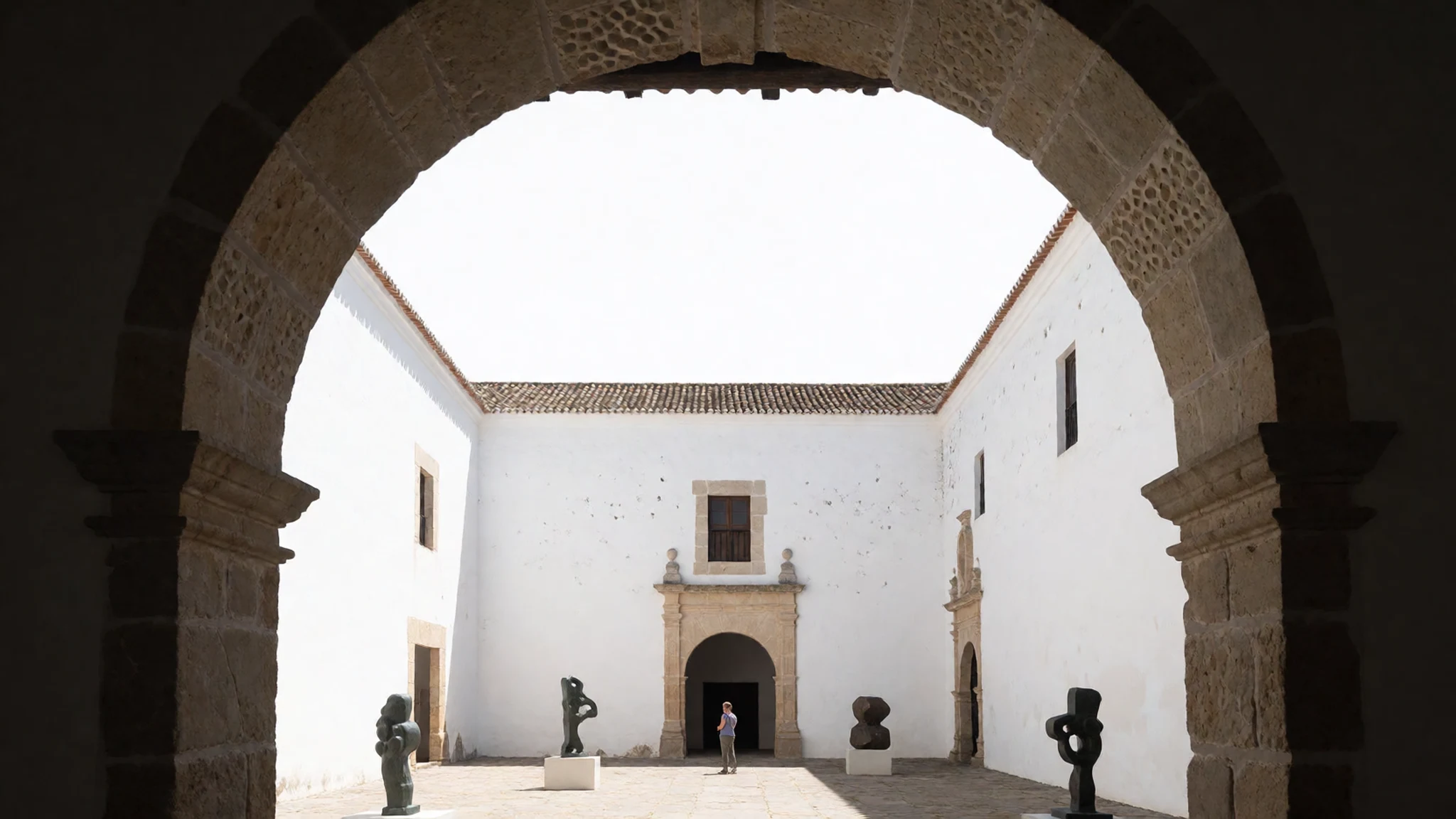
- Casa de los Montejo — Historic centre, a short walk from the Plaza Grande
This palace was built in the mid-sixteenth century for Francisco de Montejo, the conquistador who founded the city. His descendants lived here until late in the twentieth century. It was extensively remodelled in the nineteenth century, but some of the original architectural features remain. Its façade gives a clear picture of how the colonial elite wanted to be seen.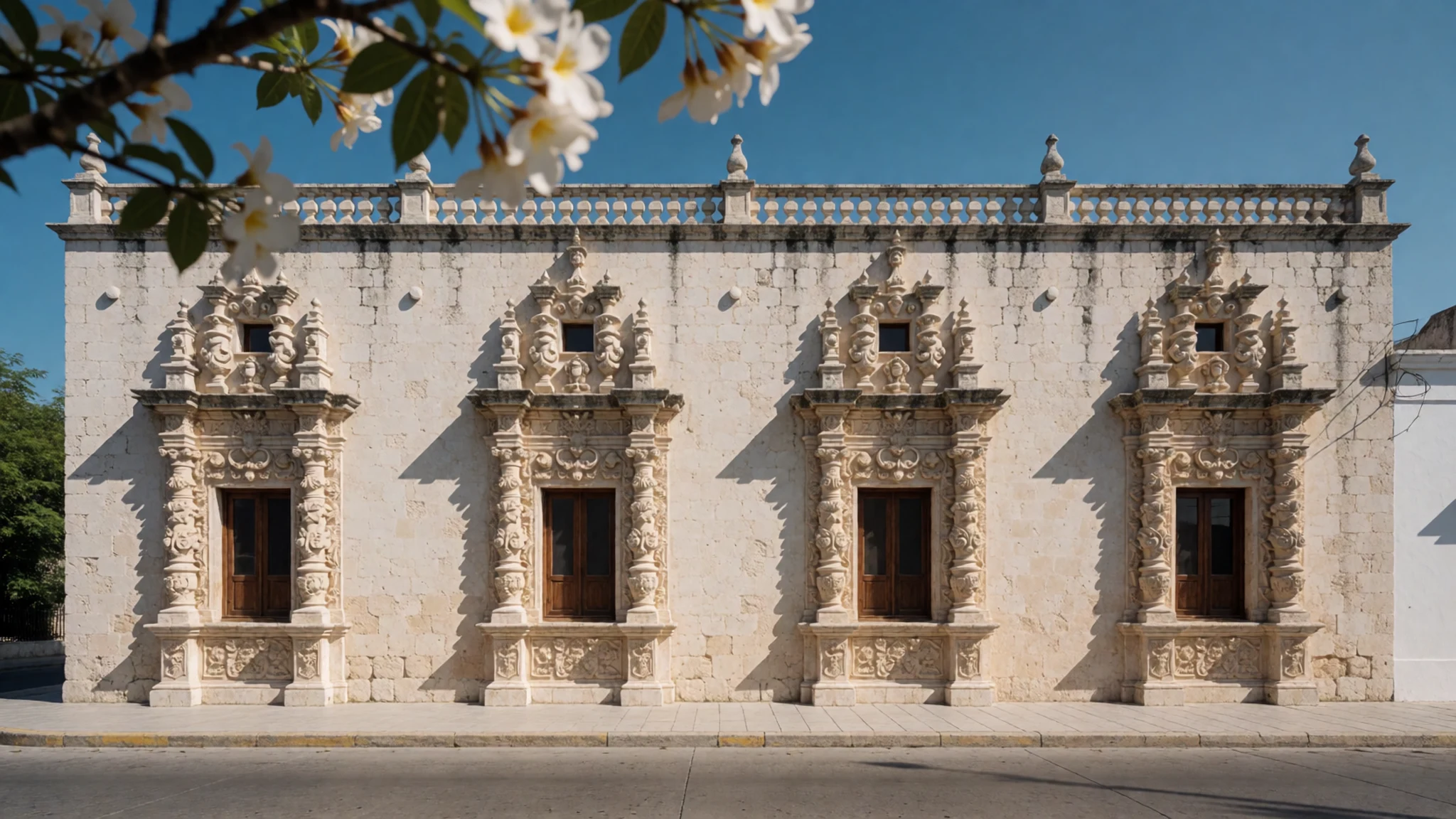
- Palacio Municipal — Historic centre, on the main square
Mérida's red city hall, built in the eighteenth century, is easy to spot by its distinctive clock tower. It stands on the main square and its arcaded ground floor is a good place to shelter from the sun. Visitors come here for the building as much as for the civic life around it. Photographs from the square show it at its best in the early morning.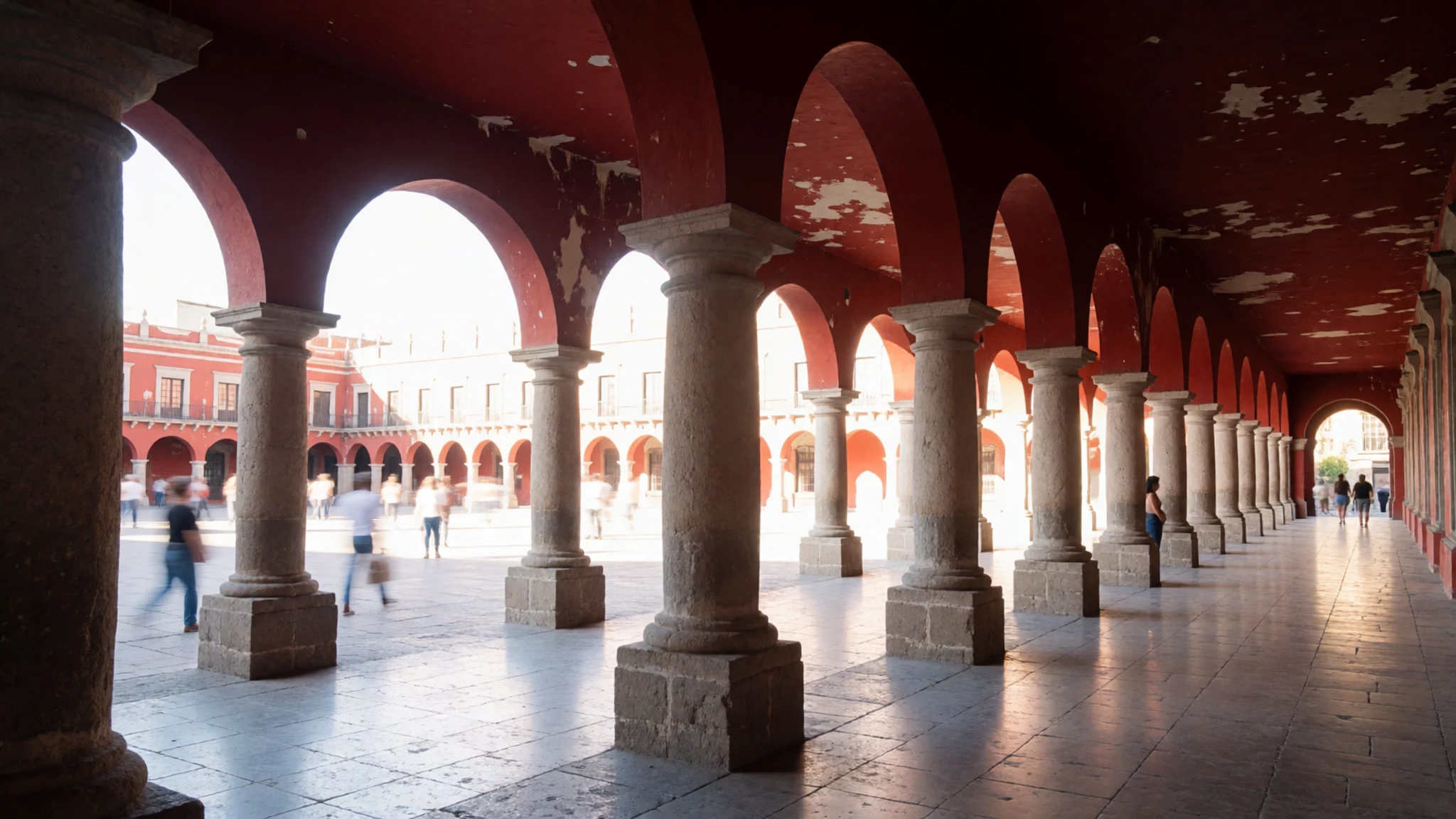
Culture
Mérida has been named American Capital of Culture, and it is the only city to have held the title twice. That reputation shows in daily life. Music and dancing are part of everyday evenings, and the plazas and courtyards regularly host performances. The city has many museums, art galleries, theatres and bookshops, and its colonial buildings sit alongside modern malls and restaurants.
Paseo de Montejo, the wide avenue of mansions, is lined with original sculpture, and the MACAY museum mounts a new outdoor installation each year, often featuring artists from Mexico and one other chosen country. The city has also been shaped by its geography: the peninsula was long cut off from the rest of the country, and that isolation helped create a culture that feels distinctly Yucatecan, with its own food and customs. Many people still speak Yucatec Maya, and a greeting in Spanish goes a long way with shopkeepers and taxi drivers.
Local life is relaxed, but family, church and neighbourhood ties matter. Visitors who learn a few words of Spanish usually find people helpful and proud of their city. Dress modestly, keep your voice low and ask before photographing vendors, families or anyone at prayer.
What to wear
In Mérida the traditional dress is the huipil, a loose cotton tunic embroidered at the neckline and hem, and the more formal terno, a full dress worn for fiestas and dancing. Both are made from light cotton, often decorated with flower embroidery in bright thread. The terno is linked to the regional jarana dance and is still worn for weddings and public celebrations.
People in the city now dress much as they would in any Mexican city: jeans, shirts and summer dresses for everyday life, with embroidered blouses and the huipil coming out for family events and holidays. Many people still wear handmade embroidery, though much of what is sold in shops is machine-made, so it helps to ask about the origin of a piece before buying.
For a visitor, the climate decides most things. Choose loose, breathable cotton or linen, a wide-brimmed hat and sunglasses, and carry a light layer for air-conditioned buildings. Covered shoulders and knees are sensible when entering a church, and very short shorts are best saved for the beach. Footwear matters more than fashion here: the pavements are uneven in places, so comfortable closed shoes or sturdy sandals will serve you well on the historic centre's cobbles.
What to eat
- Cochinita pibil — Morning markets and family-run eateries in the centre
Pork marinated in citrus and achiote, wrapped in banana leaves and slow-cooked in an underground oven, then shredded and served with pickled red onion. It is often eaten in tortas or on warm tortillas. Look for it at morning markets and at family-run eateries in the centre, where it is often served early in the day.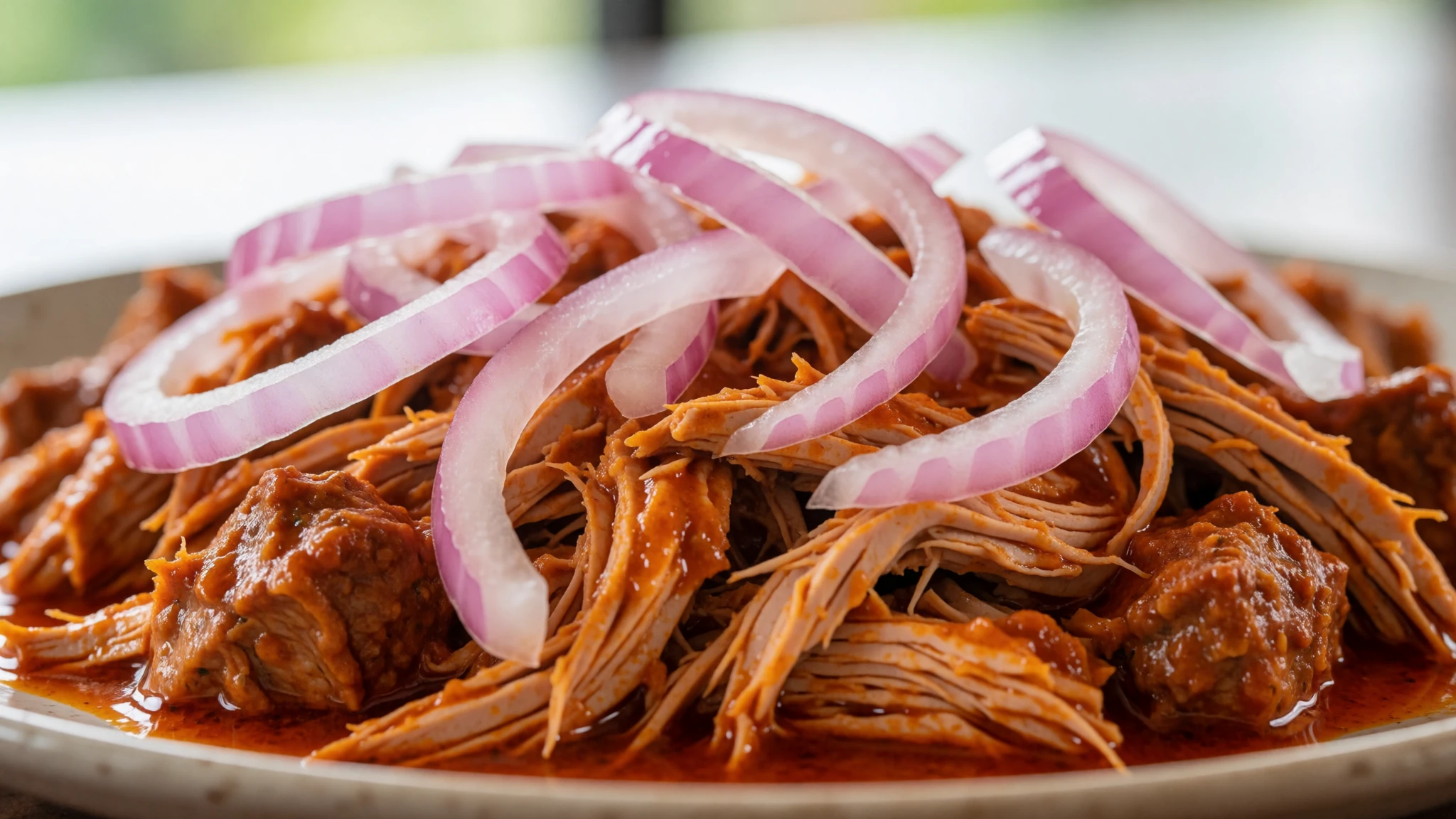
- Sopa de lima — Family-run eateries in the historic centre
A clear chicken broth flavoured with lime, topped with crisp tortilla strips, shredded chicken and a squeeze of fresh lime. It is a light, restorative lunch in the heat. Most family-run eateries serve a version of it, and it is a good first dish of the Yucatecan menu.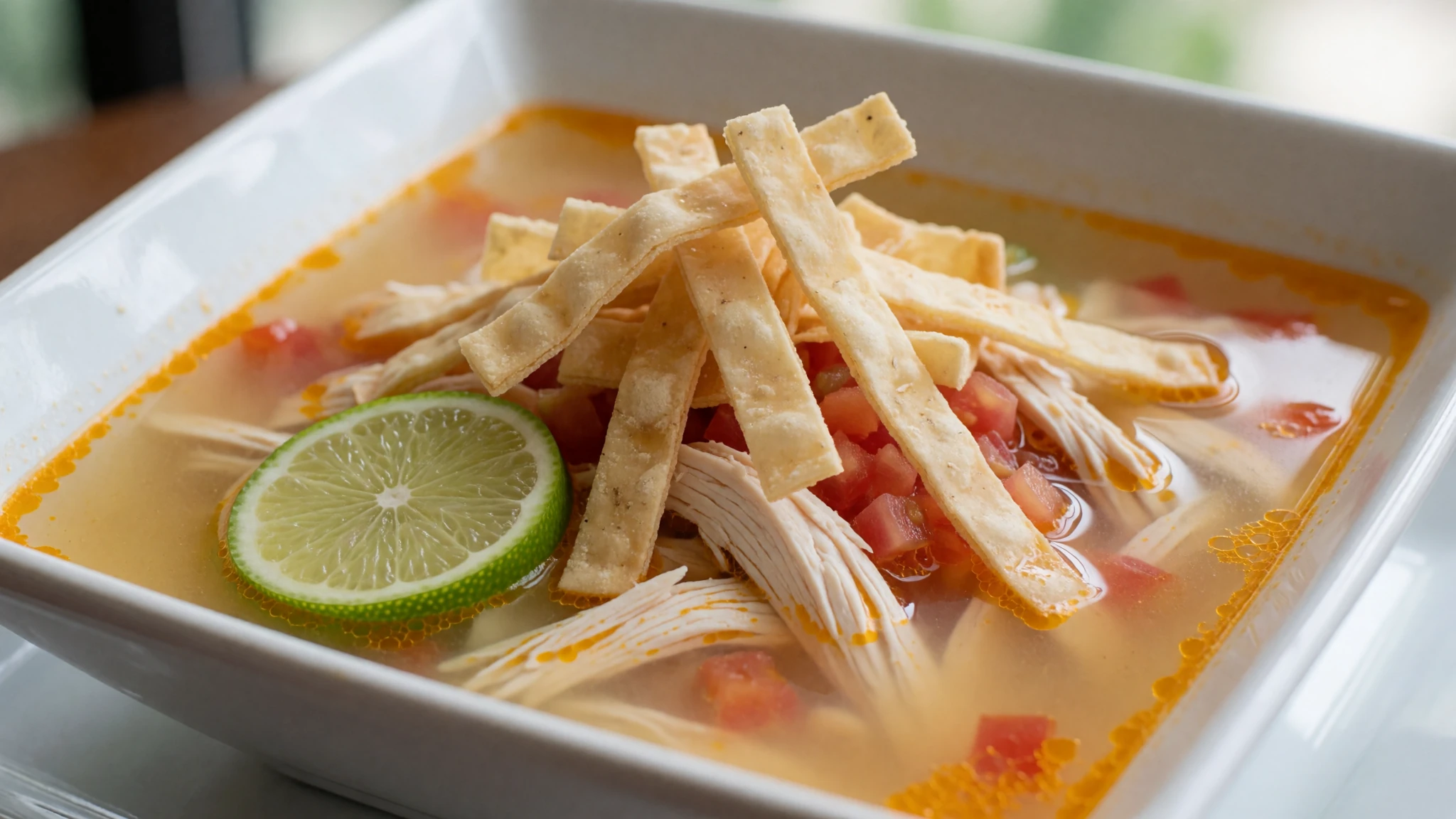
- Panuchos — Street stalls and market stands
A small fried tortilla with a layer of black beans inside, topped with shredded turkey or chicken, pickled onion, avocado and a spoonful of salsa. The beans in the tortilla are what make them distinctive. They are eaten as a snack or a light meal, and they are easy to eat standing up.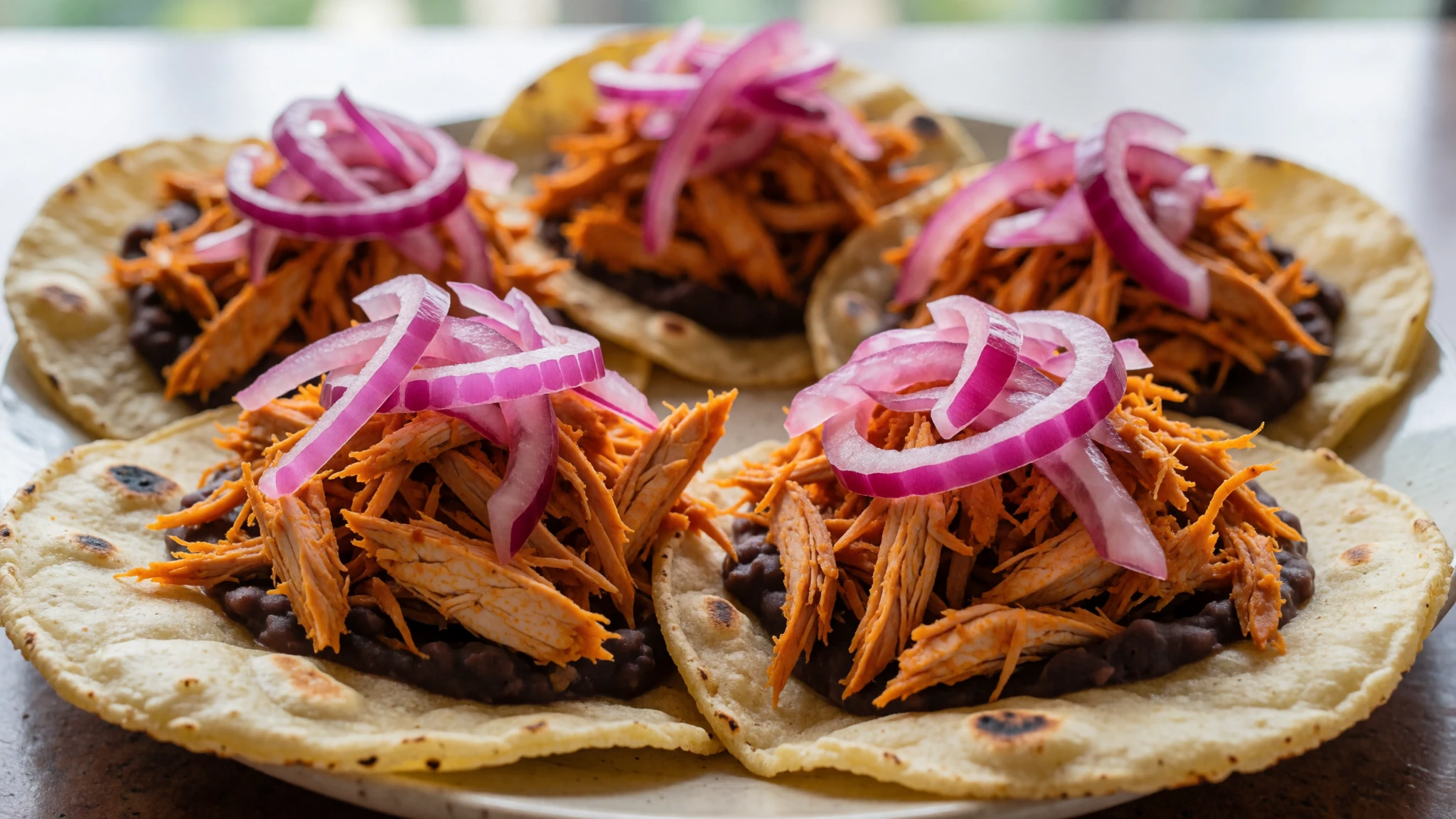
- Tamales — Street stalls and morning markets across the city
Corn dough wrapped in banana leaf and steamed, with fillings that often include pork or chicken and a tomato-based sauce. They are a breakfast or snack food and are cheap to buy. Stalls on busy streets and in the markets sell them from the early morning, and they travel well for a day out. - Seafood — Seafood restaurants in the centre
Fresh fish and shellfish, grilled or served as ceviche, reflect Mérida's links with the Gulf coast, which lies about a short drive away. Seafood restaurants in the centre, such as El Marlin Azul, are a good choice for a relaxed lunch. Ask what is freshest that day and check the official site for current opening times.
Plan it
Best time. March–April and November suit most visitors best, when the heat is still strong but the worst of the humidity and rain is avoided. Midsummer is very hot and humid, and the rainy months bring heavy afternoon showers.
How long. 2–3
Getting there. Mérida's airport is a short ride from the centre. A taxi with fixed fares waits just outside baggage claim, so pay at the booth before leaving. Ride-hailing drivers cannot enter the airport car park, so walk to the bus stop on Benito Juárez and be picked up there. City buses are cheaper but slower.
Budget. low
Tips
- Start walks early in the morning and rest through the heat of the afternoon
- Carry cash for markets, small eateries and taxis; cards work at larger shops and restaurants
- Drink plenty of water and carry a refillable bottle, especially on day trips
- Book cenote and archaeological day trips a day ahead in the busiest months
- Check the official site for museum opening times and ticket prices before you go
Etiquette
- Dress modestly and cover shoulders when entering churches
- Ask before photographing people, especially vendors and families
- Greet shopkeepers with a friendly buenos días before asking for anything
Nearby
Sources
- Wikidata Q165204 (CC0)
- Wikipedia, Mérida, Yucatán (rev 1382529026) (CC BY-SA 4.0)
- Wikivoyage, Mérida (Mexico) (rev 5412009) (CC BY-SA 4.0)
- Collage of Mérida (photos/01-collage-merida-yucatan.jpg) (CC BY-SA 4.0)
- Letras de Mérida (photos/02-letras-de-m-rida-yuc.jpg) (CC BY-SA 4.0)
- Las Casas Gemelas (photos/03-one-of-merida-s-twin-mansions-las-casas-gemelas.jpg) (CC BY-SA 4.0)
- Palacio Municipal, Mérida (photos/04-palacio-municipal-m-rida.jpg) (CC BY 2.5)
- Paseo 60 and Hyatt Regency Mérida (photos/05-paseo-60-and-hyatt-regency-m-rida.jpg) (CC BY-SA 4.0)
- CICY building (photos/06-cicy-fachada.jpg) (CC BY-SA 4.0)
- Old house in Mérida (photos/07-casa-merida.jpg) (CC BY 3.0)
- Parque de las Américas, 1975 (photos/08-merida75parqueamericaskukulkanob.jpg) (CC BY 3.0)


