Mendoza
Mendoza, Argentina
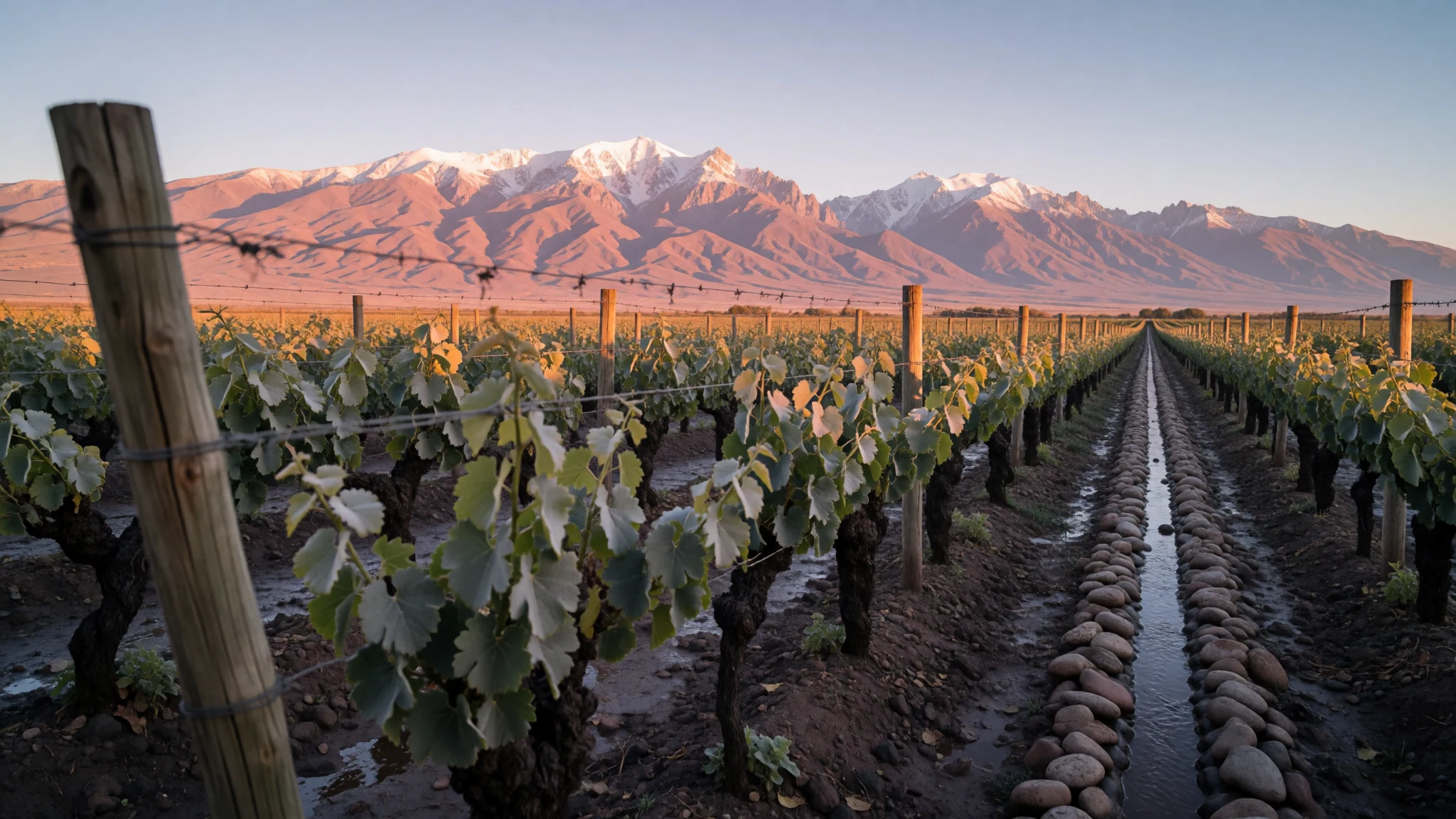
Mendoza offers dramatic Andean views, shady leafy avenues, and world-renowned wine estates set against high desert plains.
The place
Mendoza serves as the provincial capital in the northern-central sector of Argentina, positioned across foothills and high plains on the eastern perimeter of the Andes mountain range. Founded in the sixteenth century, the settlement developed into a major regional hub and acts as the primary stopover for mountaineers heading toward Aconcagua, the highest peak in the Western and Southern Hemispheres. Adventure travellers arrive for activities ranging from hiking and horse riding to white-water rafting, while winter brings skiers seeking straightforward access to high-altitude slopes. The surrounding metropolitan territory forms the largest wine-producing district in South America, supported by extensive agricultural irrigation fed by mountain snowmelt. Olive oil production shares equal importance in the local economy, shaping rural landscapes dotted with olive groves and long rows of vines stretching towards distant snowy ridges. Wide streets lined with mature trees define the urban layout, intersected by historic irrigation channels that maintain the verdant canopy despite the dry continental climate. Plaza Independencia forms the downtown core, surrounded by civic buildings, open green spaces, and cultural venues that reflect the character of a prosperous regional capital.
Its story
Mendoza owes its initial layout and survival to the indigenous Huarpe communities who inhabited the region prior to European arrival. The Huarpe devised an ingenious system of water management, diverting glacial streams across the dry earth to cultivate crops. Spanish explorers under Pedro del Castillo adapted and expanded this network after establishing the settlement on 2 March 1561. This early infrastructure supported a growing population through centuries of colonial administration and trade shifts tied to Santiago and Buenos Aires. Following independence movements led by figures such as José de San Martín, who governed the region from 1813 while preparing his military campaigns across the mountains, the city evolved into a strategic and commercial centre. A catastrophic seismic event in the nineteenth century destroyed much of the colonial architecture, prompting a complete urban redesign featuring wide public squares intended as safe gathering spaces during tremors. The reconstruction produced the distinctive grid pattern and deep stone-lined channels seen today, which continue to channel snowmelt to thousands of shade trees planted along every urban thoroughfare.
What to see
- Plaza Independencia — Downtown Mendoza
Plaza Independencia is the central main square of Mendoza, serving as an ideal starting point for exploring downtown. Shaded by mature trees, the square features open walkways, artisan stalls, street performances, and surrounding civic architecture that comes alive during warm evening strolls. - General San Martín Park — West of downtown
General San Martín Park is a vast urban green space featuring monumental entrance gates, an artificial lake, wide promenades, and landscaped gardens. It provides locals and visitors with a peaceful escape from the city heat and leads directly to cultural monuments. - Cerro de la Gloria — General San Martín Park
Cerro de la Gloria is a prominent hill within the park grounds topped by a massive bronze monument commemorating the liberation army. The elevated site offers sweeping panoramas across the entire urban grid and the distant Andean cordillera. - Plaza España — Downtown Mendoza
Plaza España is widely regarded as the most visually striking square in Mendoza, decorated with intricate hand-painted Andalusian ceramic tiles that celebrate Hispanic heritage. Ornate fountains and detailed brickwork honor the cultural ties between Argentina and Spain. - Ruins of San Francisco — Foundation Area
The Ruins of San Francisco preserve the battered stone walls of an eighteenth-century Jesuit church brought down by a major historic earthquake. These preserved ruins stand as a poignant testament to the seismic forces that shaped the modern urban landscape.
Culture
Mendoza maintains a rich cultural calendar supported by university ensembles, symphony orchestras, and historic house museums that celebrate regional art and winemaking heritage. Cultural life unfolds at a relaxed pace, with residents gathering in shaded plazas, pavement cafés, and wine bars to socialise well into the evening hours. The local population takes immense pride in its viticultural traditions, outdoor lifestyle, and mountaineering history, blending European migration influences with Andean traditions. Visitors will find that artistic expression thrives through public murals, weekend artisan markets, and traditional folk music performances staged across downtown venues. When entering churches or historic civic buildings, visitors should dress modestly and keep voices subdued to respect local customs.
What to wear
Mendoza fashion blends relaxed Andean practicality with urban Argentine style, reflecting the warm desert climate and vineyard lifestyle. Traditional gaucho attire, featuring wide trousers, ponchos, and leather boots, remains visible during folkloric festivals and rural horse-riding excursions, crafted from sturdy local wools and leather. In the city, residents favour neat, contemporary clothing, wearing tailored trousers, leather jackets, and stylish footwear for daily errands and dining out. Visitors should pack breathable cotton layers, sunglasses, and a sturdy hat for intense daytime sun, alongside a warm fleece or jacket for chilly evenings and mountain excursions. Comfortable walking shoes are essential for navigating the wide stone pavements, uneven park paths, and gravel vineyard tracks.
What to eat
- Asado — Local parrillas and traditional steakhouses across the city
Asado is Argentina's signature barbecue tradition, featuring slow-grilled cuts of beef, ribs, and chorizos cooked over wood embers until tender and flavourful. It is typically enjoyed leisurely with family and friends at traditional parrillas found across every neighbourhood. - Empanadas Mendocinas — Traditional bakery shops and local cafés throughout downtown
Empanadas Mendocinas are baked pastry turnovers traditionally filled with minced beef, onions, sweet paprika, cumin, hard-boiled egg, and olives. They are served warm as a popular starter or a quick snack in neighborhood eateries and wine bars. - Locro — Traditional family-run eateries and rustic neighbourhood canteens
Locro is a hearty, slow-cooked stew made from white maize, pumpkin, beef, and pork, seasoned with spicy red pepper sauce. This traditional comfort food is widely prepared during cooler months and national holidays across regional restaurants. - Homemade Pasta — Classic family-owned trattorias and downtown dining rooms
Homemade pasta reflects the strong historical influence of Italian immigration on the region, featuring fresh ribbon noodles and stuffed ravioli served with rich tomato or meat sauces. Local family restaurants serve generous portions alongside regional wines. - Malbec Wine — Specialist wine bars, downtown cellars, and vineyard tasting rooms
Malbec wine is the defining product of the local vineyards, offering deep plum and dark berry notes shaped by high-altitude sunshine and glacial meltwater. It is savoured alongside grilled meats at every dining establishment in the region.
Plan it
Best time. March to April for the grape harvest and autumn foliage, or October to November for pleasant spring weather before intense summer heat arrives.
How long. 3–4
Getting there. Fly into Governor Francisco Gabrielli International Airport, then take a short taxi or shuttle bus into the city centre.
Budget. mid
Tips
- Book vineyard tours and tastings well in advance during the peak harvest season
- Carry bottled water when exploring due to the dry desert air and strong sun
- Bring cash in Argentine pesos for smaller shops, markets, and tips
- Wear high-factor sunscreen as the high altitude increases UV exposure
- Reserve evening dinner tables late, as locals rarely eat before 9 or 10 pm
Etiquette
- Greet shopkeepers and hosts with a polite greeting and a light touch on the cheek
- Tip around ten percent in restaurants for good table service
- Ask permission before photographing local artisans or street performers
Nearby
Sources
- Wikidata Q44237 (CC0)
- Wikipedia (Mendoza) (CC-BY-SA 4.0)
- Wikivoyage (Mendoza) (CC-BY-SA 4.0)