Mehrgarh
Mehrgarh, Pakistan
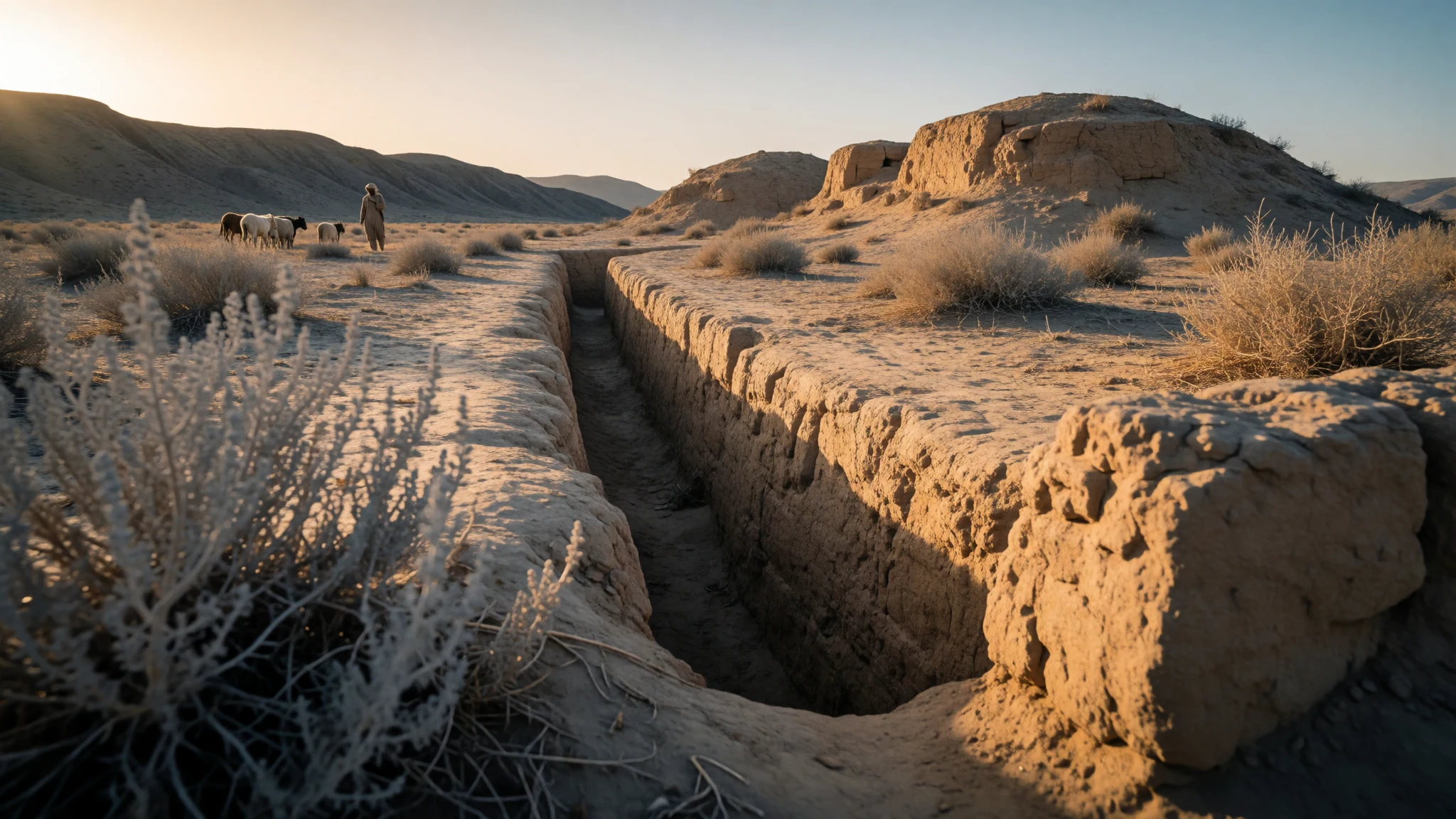
Mehrgarh, on the dry Kacchi Plain, preserves the traces of a farming village among the earliest known in South Asia, though reaching it takes careful planning.
The place
Mehrgarh sits on the Kacchi Plain in Balochistan, Pakistan, a flat, dry stretch of country west of the Indus River and close to the Bolan Pass. Quetta, Kalat and Sibi are the modern towns around it, and the site lies roughly between them. That position matters: this is a corridor between the high Balochistan hills and the Indus lowlands, and people have moved along it for a very long time.
What survives is not a monument in the usual sense. Mehrgarh is a scatter of low mounds, eroded mud-brick walls and old excavation trenches, spread across a wide area rather than gathered around a single centre. Material has been recovered from six mounds, and the oldest village lies in the north-east corner. Nothing rises much above head height and there is little shade, so the interest lies in what the ground has given up rather than in what stands on it.
A French archaeological mission working in the Indus basin, led by Jean-François Jarrige and Catherine Jarrige, found the site in 1974 and dug it over two long campaigns. Some of the finds are displayed in Quetta's archaeological museum, a natural companion stop.
The practical picture deserves plain words. Mehrgarh is remote, facilities are minimal, and the security situation around Quetta and Balochistan has limited independent travel for foreigners in recent years. It remains a place many people read about rather than reach, and anyone planning a visit should weigh that honestly.
Its story
Mehrgarh is counted among the earliest known places in South Asia to show farming and herding, and its founding is dated to about 7000 BCE. Excavators found a small farming village in the north-east of the site, then later occupation layered above it, running on into the Chalcolithic, the age of early copper use.
The central question is where those first farmers got their ideas. One reading ties Mehrgarh to the Neolithic world of the Near East, pointing to shared features such as domesticated wheat, early farming methods, pottery, and some plants and herd animals. On that view, as Asko Parpola argues, the culture later moved into the Indus Valley and grew into the Bronze Age Indus Valley Civilisation.
Jean-François Jarrige, who directed the digs, drew a different conclusion. He accepted real similarities between eastern Mesopotamia and the western Indus region, a continuous cultural thread across the two, yet found Mehrgarh too distinctive to be an outlying copy of the Near East. His view is that it grew from an earlier local background.
Lukacs and Hemphill take a middle path: local development with cultural continuity, but a change in the population along the way. Even the start date is debated, with sources giving different figures for the first village. The argument is unresolved, and that open question is much of what makes Mehrgarh worth the effort, whatever the dry plain looks like on the day.
What to see
- The Mehrgarh mounds — Kacchi Plain, Balochistan
The excavated mounds are the reason for the journey. Low mud-brick walls, trenches and rounded humps of earth spread across a flat, open plain, with the oldest part of the settlement in the north-east. There are no grand structures, so it helps to read about the sequence of occupation beforehand and to bring water, a hat and patience.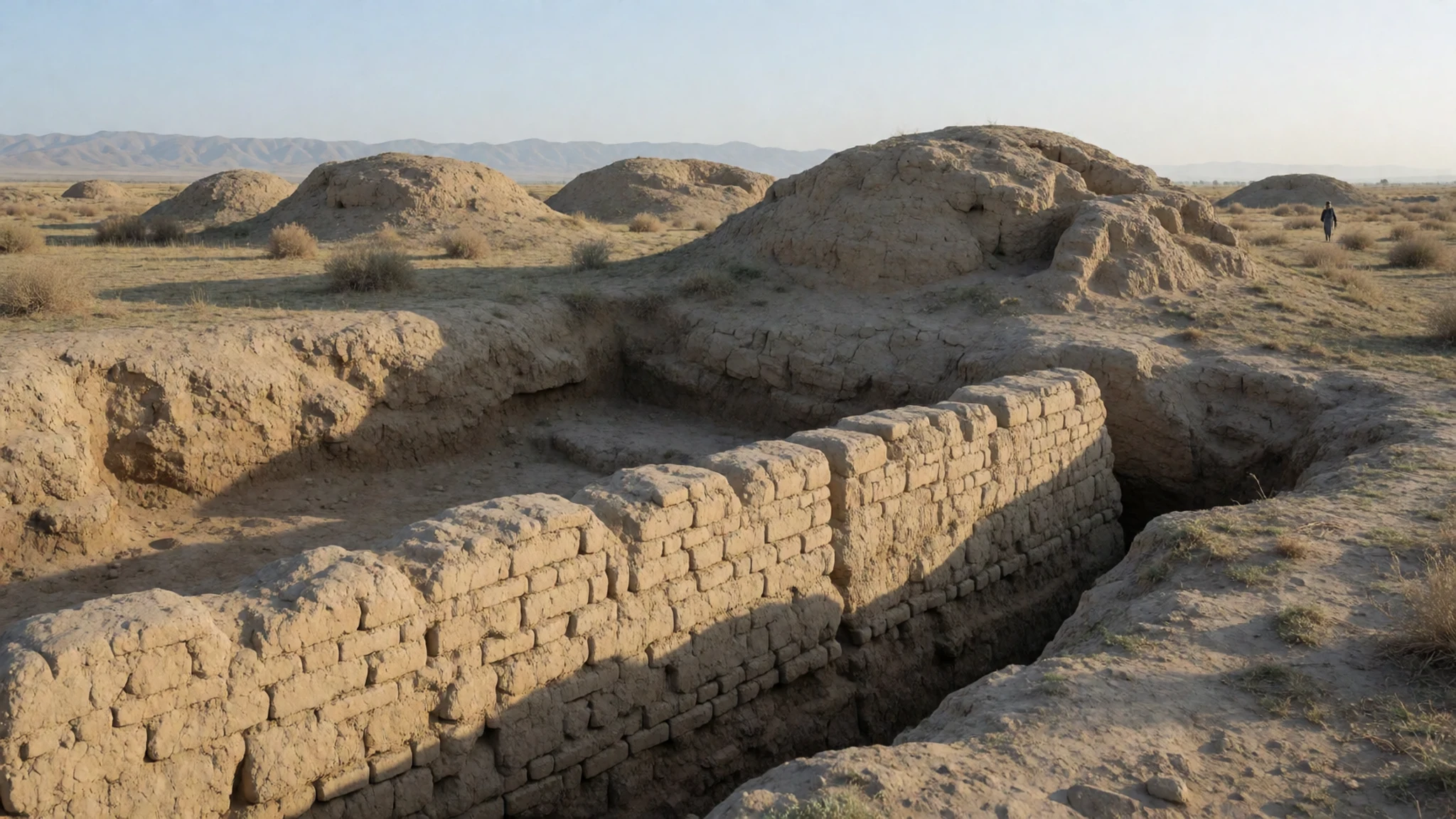
- The ancient well — Mehrgarh archaeological site
One photographed feature of the site is an old well, labelled in images as dating to about 7000 BCE. Treat the label with caution, since the dating of the earliest village is debated, but the shaft is a vivid reminder that water, not stone, shaped where early farmers settled and stayed.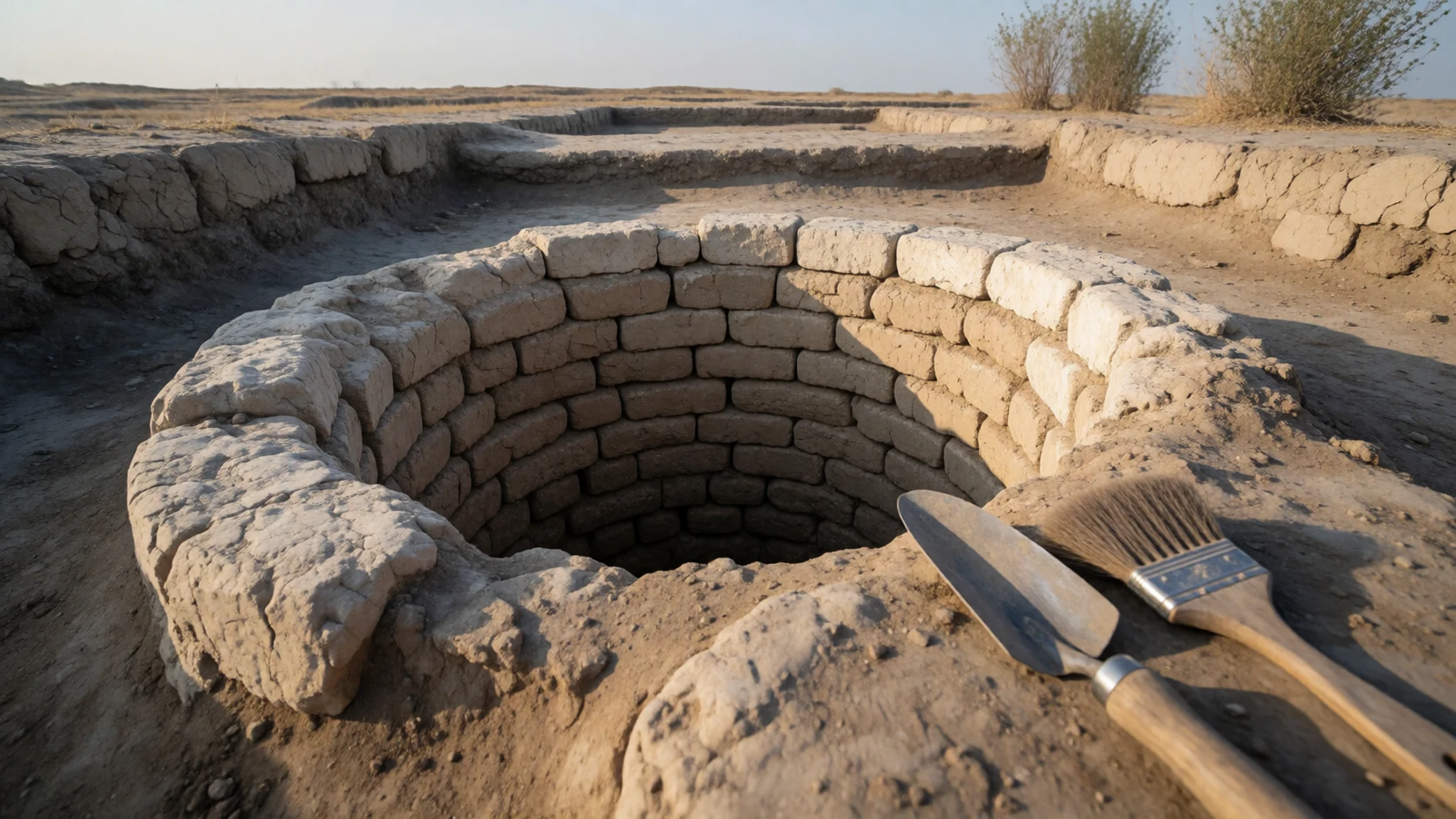
- Quetta Archaeological Museum — Quetta
Quetta Archaeological Museum is where much of the story becomes tangible. Its displays include Stone Age tools and prehistoric pottery, with pieces from Mehrgarh, alongside old guns, swords and manuscripts. Opening hours and entry rules can change, so check locally before building a day around it.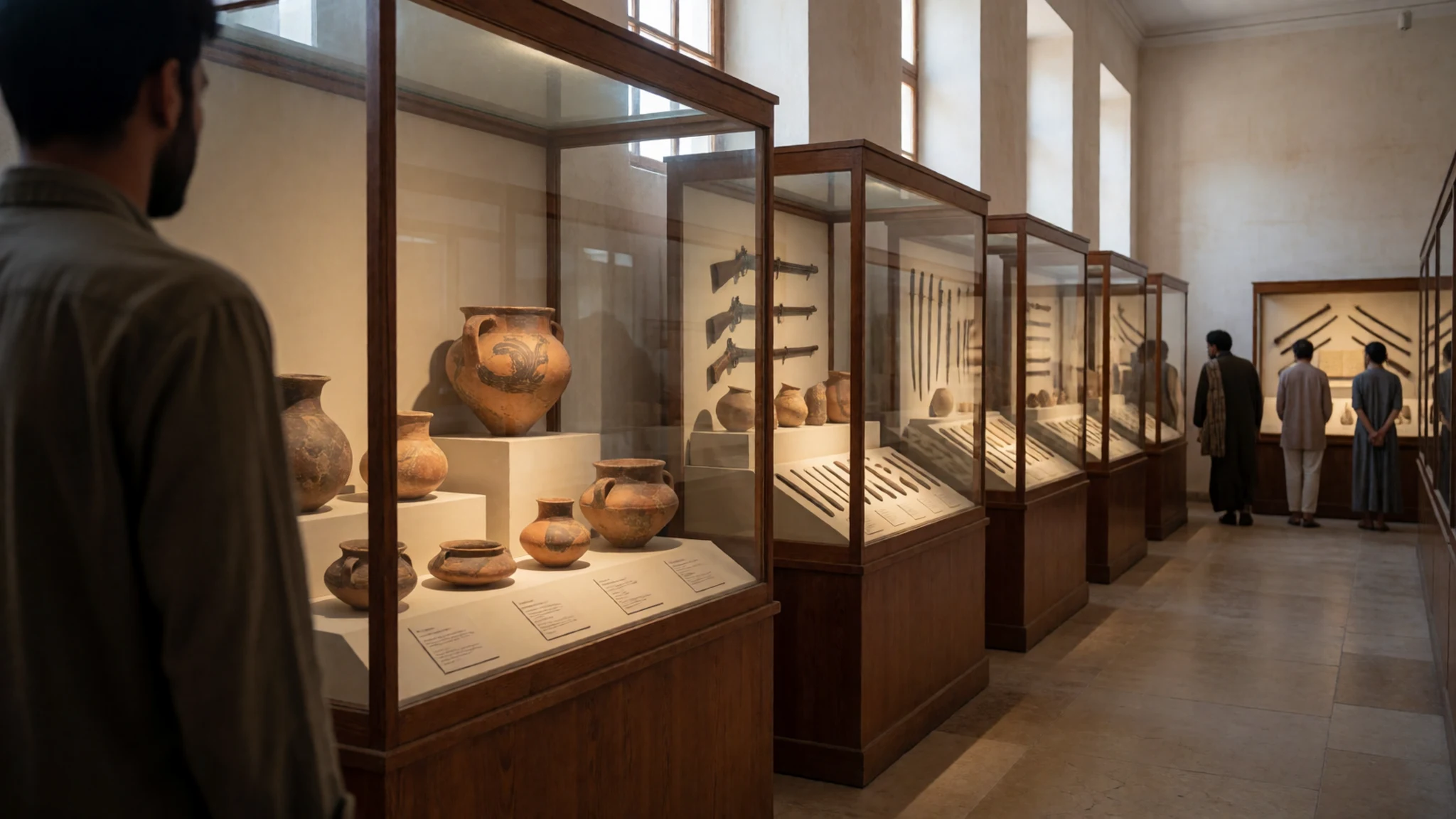
- Hazarganji Chiltan National Park — Hills near Quetta
Hazarganji Chiltan National Park lies in the mountains around Quetta, and its name means 'of a thousand treasures'. Local legend says many treasures lie buried in its folds, left behind by armies passing through. It gives a sense of the rugged hill country that frames the plain and the old routes across it.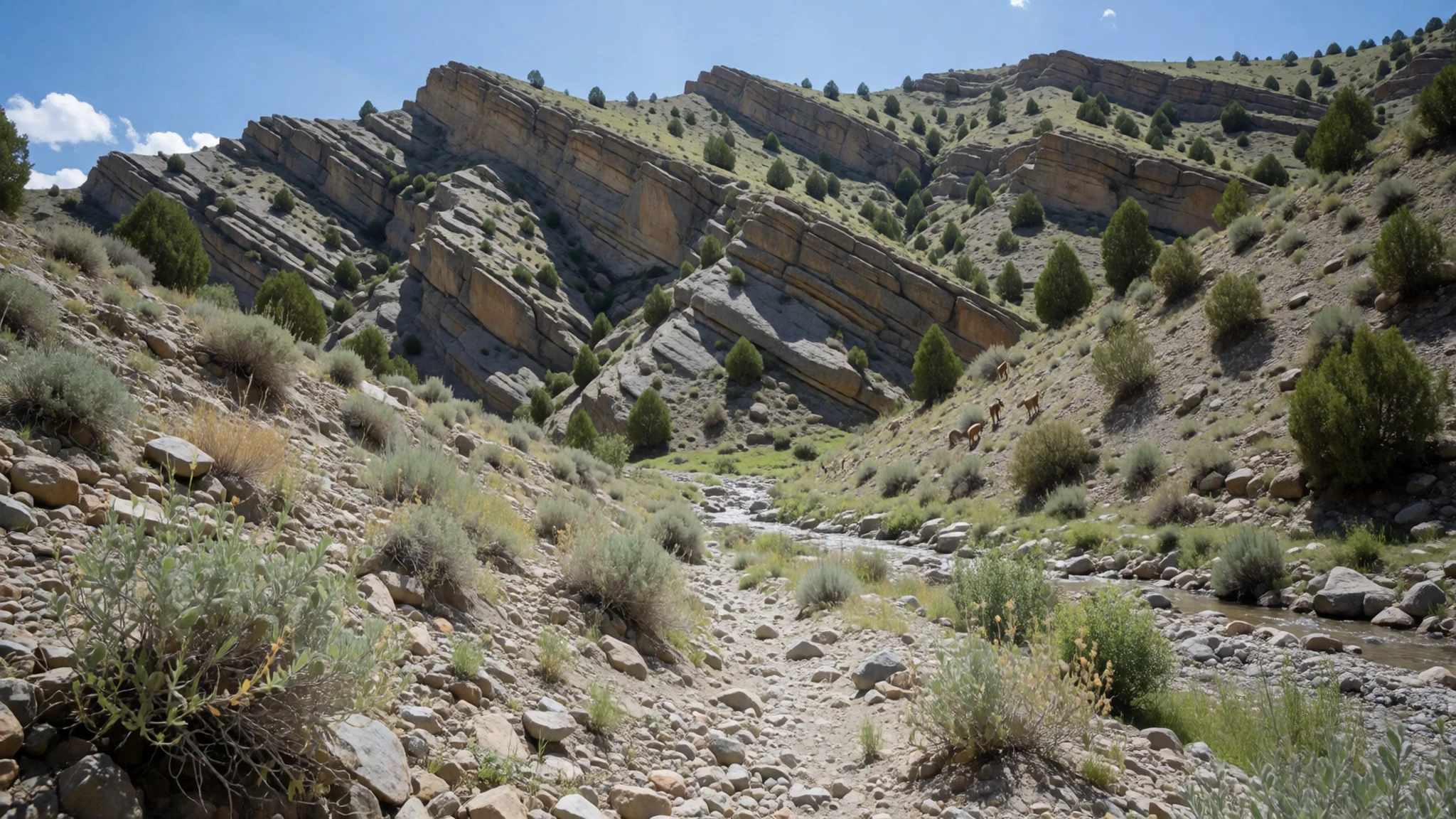
- Hanna Lake — Above Quetta
Hanna Lake overlooks Quetta, with benches and pavilions set on terraces along its edge. Golden fish swim right up to the bank, which makes it a gentle, easy stop after a day in dry country. Expect more company at weekends and on festival days, and check local conditions before going.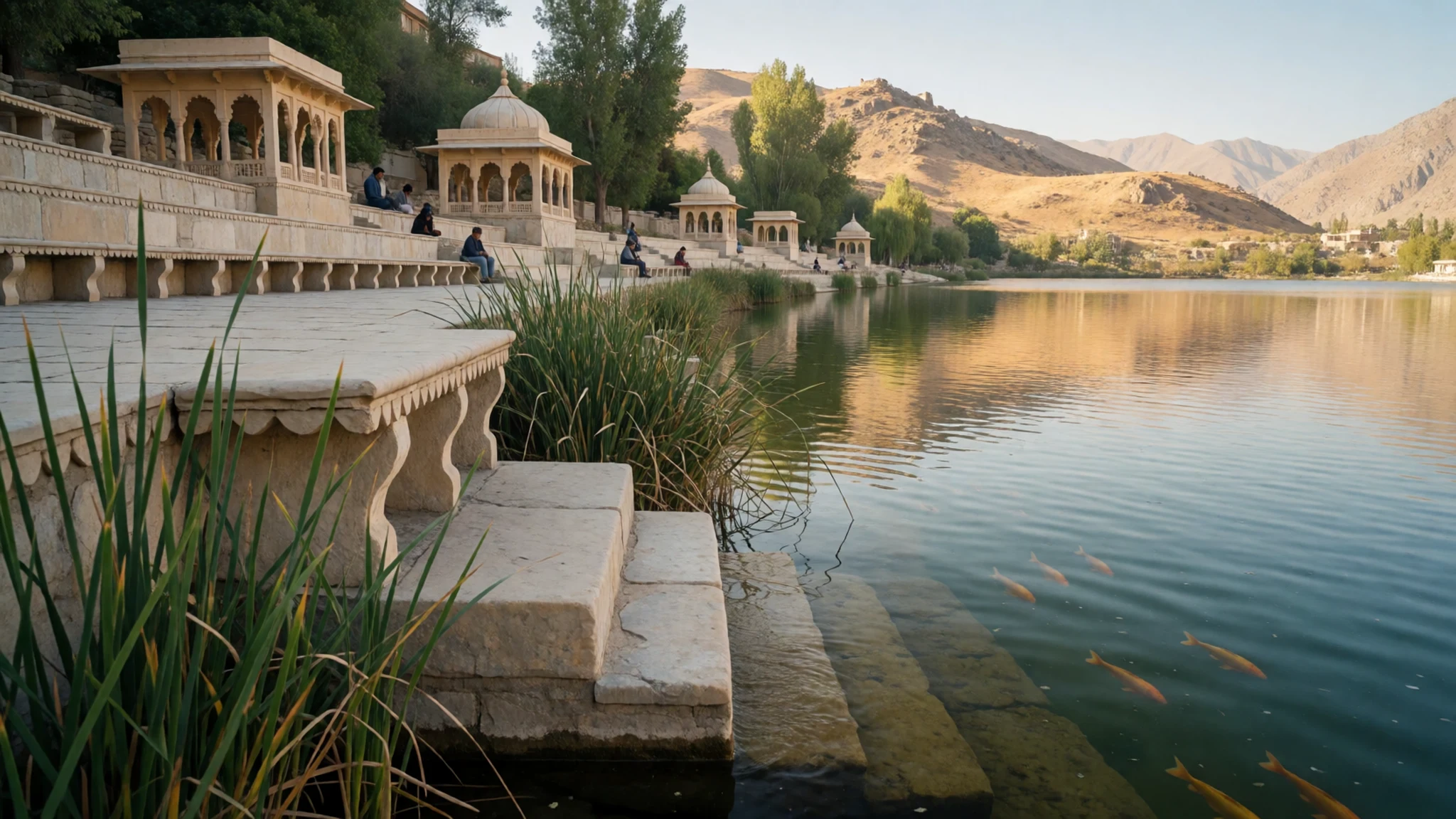
Culture
Mehrgarh belongs culturally to Balochistan, where the communities around the site and in nearby Quetta include Baloch and Pashtun people, among others. The ancient village has no living tradition attached to it, but the customs of the region shape any visit. Hospitality is central: guests are often offered food and tea with real insistence, and refusing everything outright can feel cold, so accepting at least a cup is the polite course.
In Quetta's old bazaars, tea shops work as local social clubs, places to sit and talk for hours. Two religious festivals mark the year, Eid-ul-Fitr and Eid-ul-Azha, and around them shops close, families travel and the mood of the city changes. Islam sets the public tone, with prayer times, modest dress and a conservative attitude to public behaviour.
The archaeology has a cultural side too. Mehrgarh features in scholarly arguments over where South Asian farming and the Indus civilisation came from, and the discussion is lively. Visitors who show real interest in the finds, rather than only collecting photographs, will often find people glad to talk about the region's long past.
Dress modestly, ask before photographing anyone, especially women, and take offered tea with your right hand.
What to wear
Mehrgarh itself has no living dress tradition, so fashion here means the clothing of Balochistan and Quetta today. The everyday garment for men and women alike is the shalwar kameez, a long tunic over loose trousers, usually cotton in warm months and wool or heavier cloth in cold ones. Baloch women's dresses are known for dense hand embroidery across the bodice, cuffs and pocket panels, often in bright thread on a darker ground, worn with a large scarf or shawl. Men often wear a turban or cap, and a waistcoat or wool shawl in winter. Pashtun men in the Quetta valley wear similar loose clothing.
Most people now wear the plain shalwar kameez day to day, with jackets, trainers and polo shirts increasingly common among younger men in Quetta. Embroidered pieces tend to be kept for weddings and Eid.
Visitors should dress modestly: loose, long-sleeved tops and full-length trousers, or a shalwar kameez, which is easy to buy in a bazaar. Women should carry a scarf for covering the head when asked. The plain is sunny and dusty, so bring a brimmed hat, sunglasses and closed, grippy shoes for uneven ground and trenches. Quetta sits among mountains where winter brings snow, so pack warm layers for cold mornings and evenings.
What to eat
- Sajji — Dedicated sajji houses and eating houses in Quetta
Sajji is lamb, a whole leg of it, steeped in local herbs and spices and slow-roasted beside an open fire until it falls tender. It is mild rather than fiery. Hosts often press it on guests with firm generosity, so arrive hungry.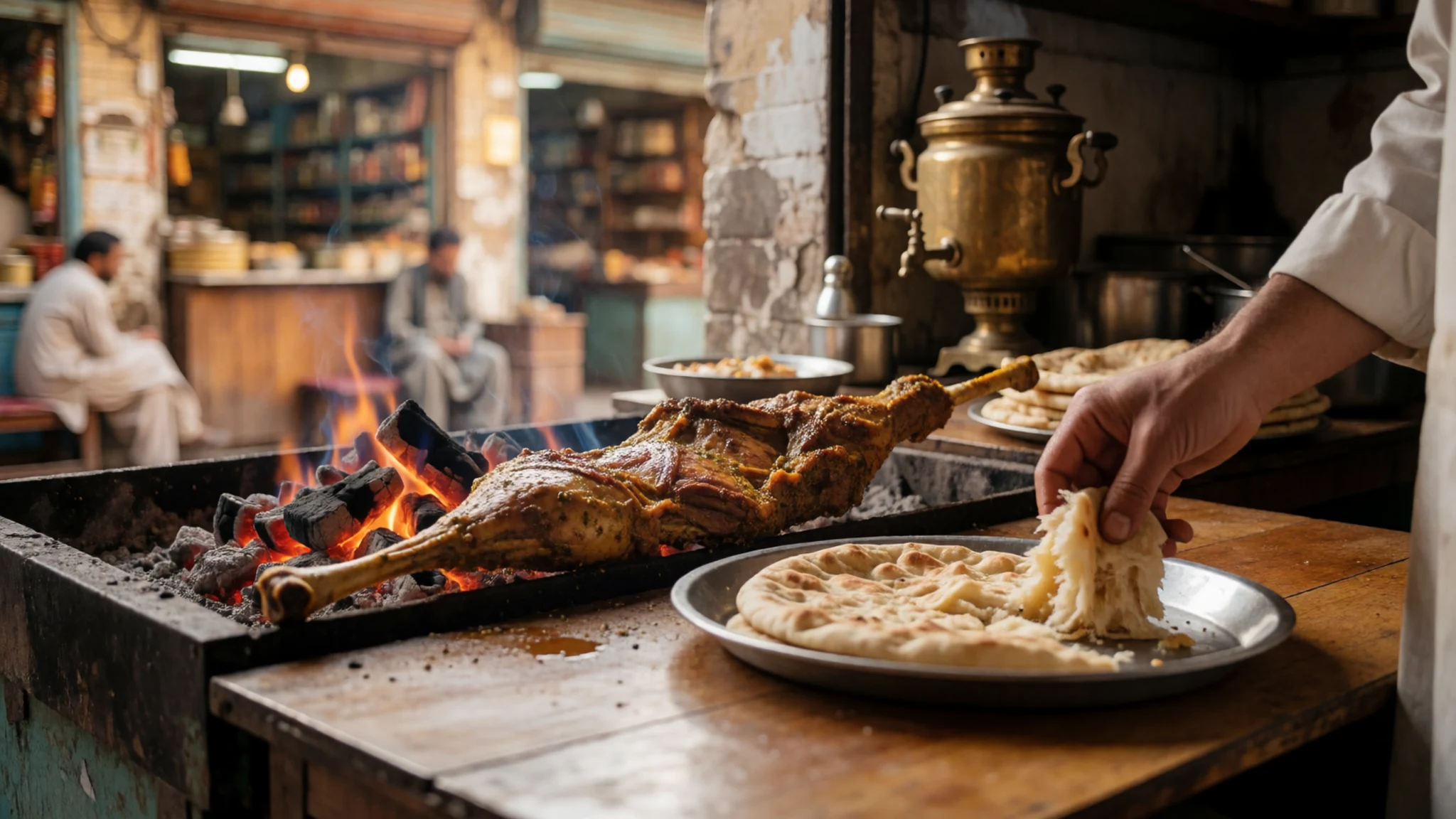
- Landhi — Traditional eating houses; availability depends on the season
Landhi is a whole lamb dried in the shade and kept for the winter, a preserved meat suited to a mountain-ringed region with cold months. It is enjoyed by Pashtun households in the valley and is more a seasonal speciality than an everyday order.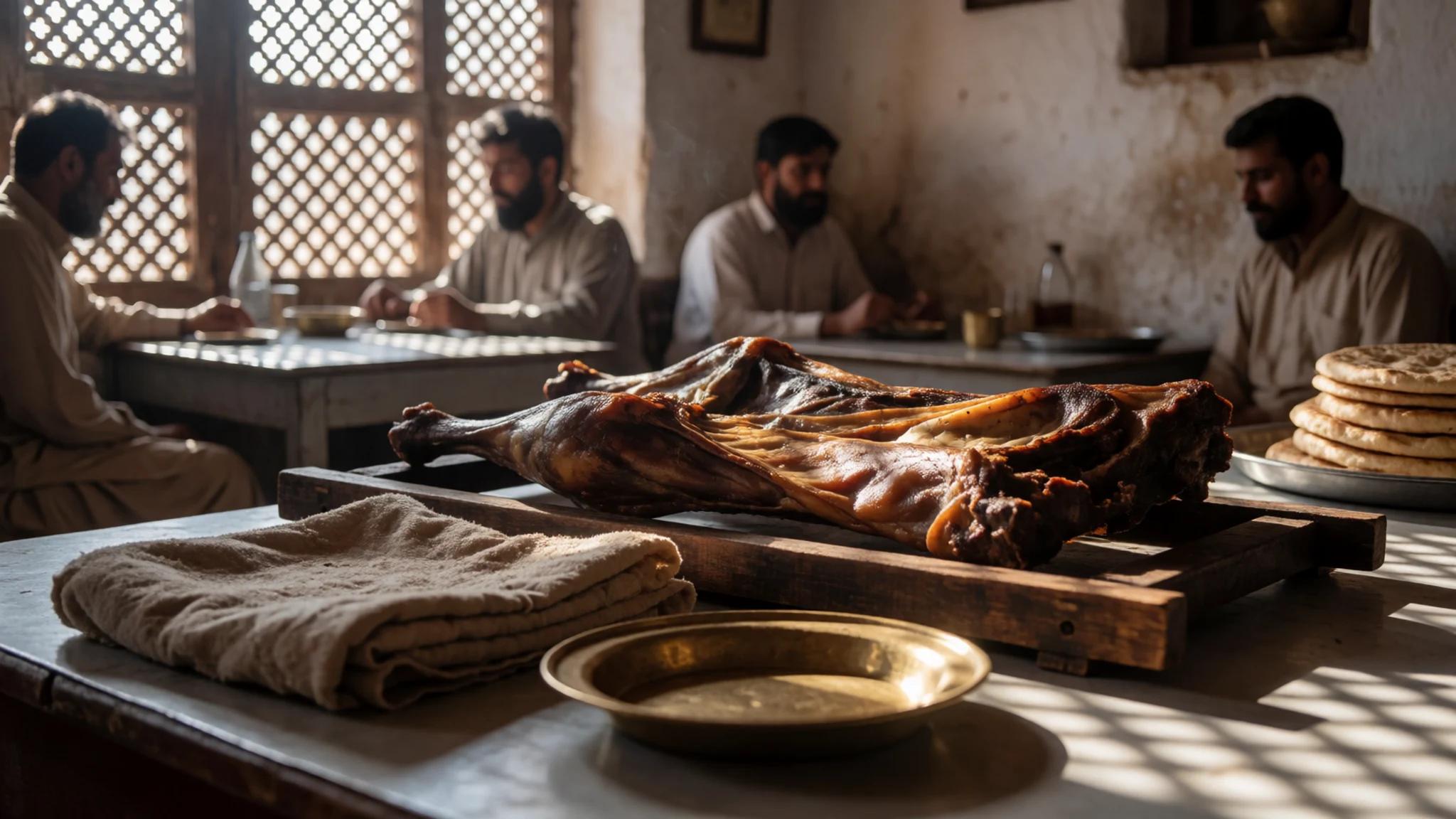
- Khandi kebab — Eating houses in the old bazaars of Quetta
Khandi kebab is another dish enjoyed by the Pashtun tribesmen of the Quetta valley, built around the lamb the area is known for. Ask locally how it is made at each place, since methods vary from kitchen to kitchen. - Mutton pulao — Eating houses across Quetta
Mutton pulao is rice cooked with meat from the sheep raised around Quetta, and it appears on the menu of most eating houses. The mutton's flavour is the draw, so simple, lightly spiced versions suit it best. - Karahi — Jinnah Road, Quetta
Karahi is meat cooked and served in a wide iron pan, a staple of Pakistani eating houses. Jinnah Road in Quetta is known for its karahi places. Order by the pan to share, with fresh bread alongside.
Plan it
Best time. March–April and October–November, when the plain is milder; summers on the Kacchi Plain are hot, and Quetta's winters are cold, with snow on the surrounding mountains.
How long. 1–2
Getting there. Reach Quetta first, by air or by Pakistan Railways (the Bolan Mail runs overnight from Karachi and the Akbar Express comes from Lahore). Mehrgarh is then a road journey from Quetta, near the Bolan Pass. Check current government travel advice, as foreigners have needed police permission and an escort in Quetta.
Budget. mid
Tips
- Check your government's current travel advice and local police requirements before booking anything
- Expect a police escort and arranged transport rather than independent exploring
- Carry plenty of water, a hat and sun protection; the site has little shade or shelter
- Bring cash for tea, food and small purchases in Quetta's bazaars
- Pair the site with Quetta Archaeological Museum, where Mehrgarh finds are displayed
Etiquette
- Dress modestly in loose, long clothing
- Ask before photographing people, especially women
- Accept offered tea graciously, and do not walk over or remove anything at the excavation
Nearby
Sources
- Wikidata Q242148 (CC0)
- Wikipedia: Mehrgarh (rev 1384448339) (CC BY-SA 4.0)
- Wikivoyage: Mehrgarh (rev 5415445) (CC BY-SA 4.0)
- Mehrgarh ruins, Ashish_Premier (CC BY 3.0)
- Site Location of Mehrgarh, mhtoori (CC BY-SA 4.0)
- Togau Ware at Mehrgarh (stages), Arun Reginald (CC0)
- Pakistan, contenitore con quattro stambecchi, Sailko (CC BY 3.0)
- 7000 BCE Old Well in Mehrgarh, mhtoori (CC BY-SA 4.0)
- A Well in Mehrgarh Archaeological Site, Mhtoori (CC BY-SA 4.0)
- Archaeological Site Mehrgarh, Mhtoori (CC BY-SA 4.0)
- Archaeological Site of Mehrgarh Dhadhar, Mhtoori (CC BY-SA 4.0)


