Mehrangarh
Mehrangarh, India
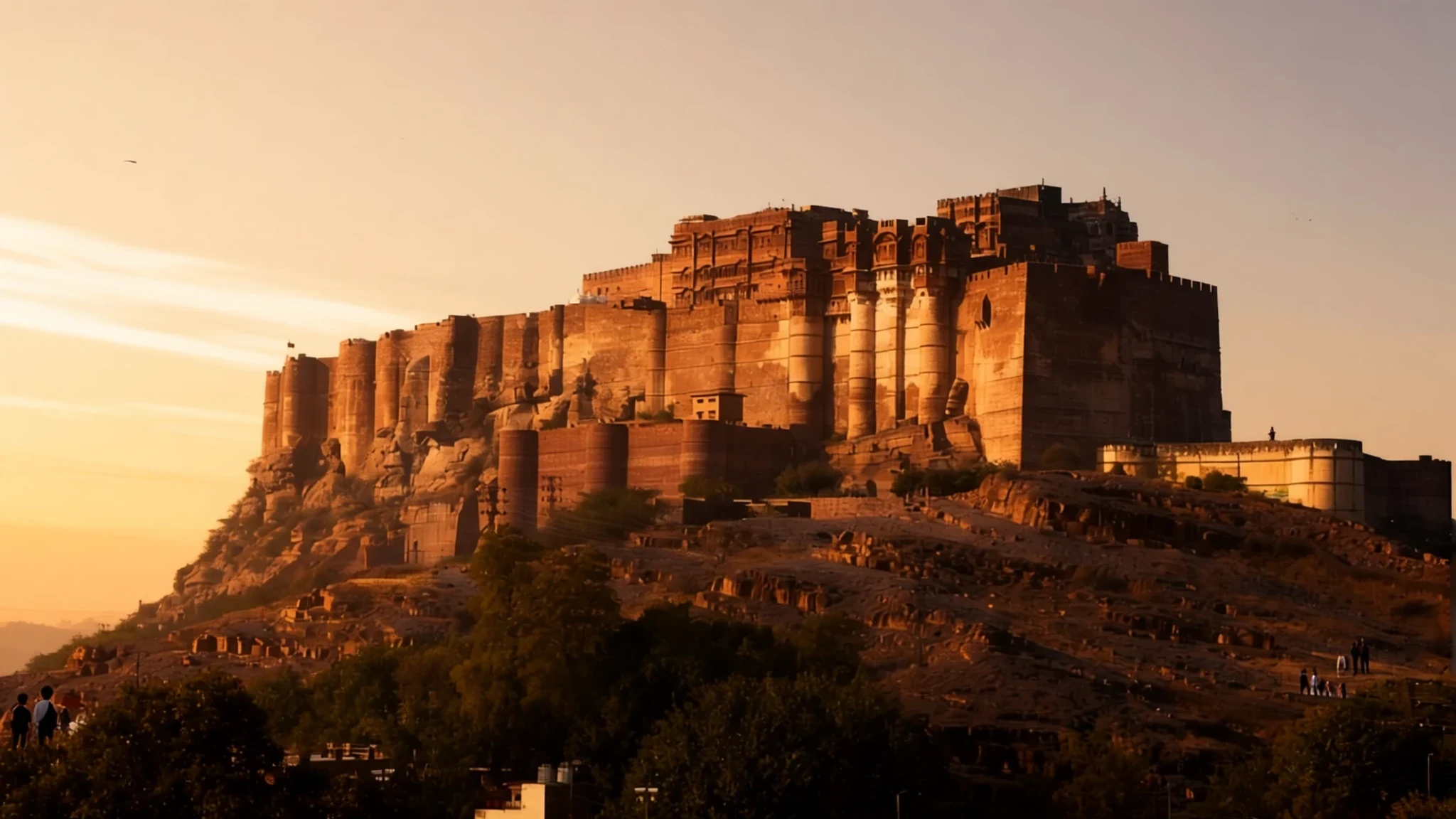
Mehrangarh is one of India's most striking forts, a sandstone hilltop citadel that looms over the old city of Jodhpur and rewards a slow, unhurried visit.
The place
Mehrangarh Fort sits on a rocky hill above Jodhpur, the desert city in the Indian state of Rajasthan, and it is the first thing most visitors look for on the skyline. The hill rises about 122 metres above the plains, so the walls seem to grow straight out of the rock. Inside the ramparts, a sequence of palaces and open courtyards stands one behind another, and their stone screens and balconies are carved with a delicacy that surprises people who expected a plain military stronghold. A temple to the goddess Chamunda Mataji also stands within the complex, and a small museum displays royal relics. The fort has seven gates. The main entrance, Jai Pol, takes its name from the word for victory and was built to mark a triumph in 1806. Scars from cannonballs that an invading force fired from Jaipur are still visible on the second gate. The approach is a winding road that climbs from the city below. Most people arrive by taxi or auto-rickshaw, but walking up gives a better sense of how the fort was built into the hill. Allow most of a morning, and go early to beat both the crowds and the heat.
Its story
Mehrangarh began as the project of Rao Jodha, chief of the Rathore clan, who founded Jodhpur in 1459 and made it the capital of Marwar. Mandore, a few kilometres to the north, had been the seat of power for centuries, but Jodha came to feel that its old fort no longer offered enough protection, so he chose a rocky ridge a short distance to the south. The hill was known as Bhakurcheeria, meaning the mountain of birds. Local tradition holds that the hill had one human occupant, a hermit called Cheeria Nathji, who was revered by the people of the area and had a considerable following. When Jodha asked him to move, he refused, and the story says this happened many times before a settlement was reached. The fortress that now stands there is largely the work of Jodha's successors, and most of its present form dates from the 17th century. Later rulers added gates to celebrate their victories. Maharaja Man Singh built Jai Pol after his successes against the armies of Jaipur and Bikaner, and Fattehpol recalls a victory of Maharaja Ajit Singh over the Mughals. The clock tower in the city below, the Ghanta Ghar, is a later addition from 1910, a reminder that the rulers' interests kept shifting over the centuries.
What to see
- Mehrangarh Fort — Old City hilltop, Jodhpur
The fort itself is the reason to come. Its palaces, including the Phool Mahal, are arranged around courtyards and set high above the city, and the museum sits within its walls. Walk the ramparts for views across the blue and white rooftops. Give it the whole morning, because the climb, the galleries and the lookouts add up quickly in the heat.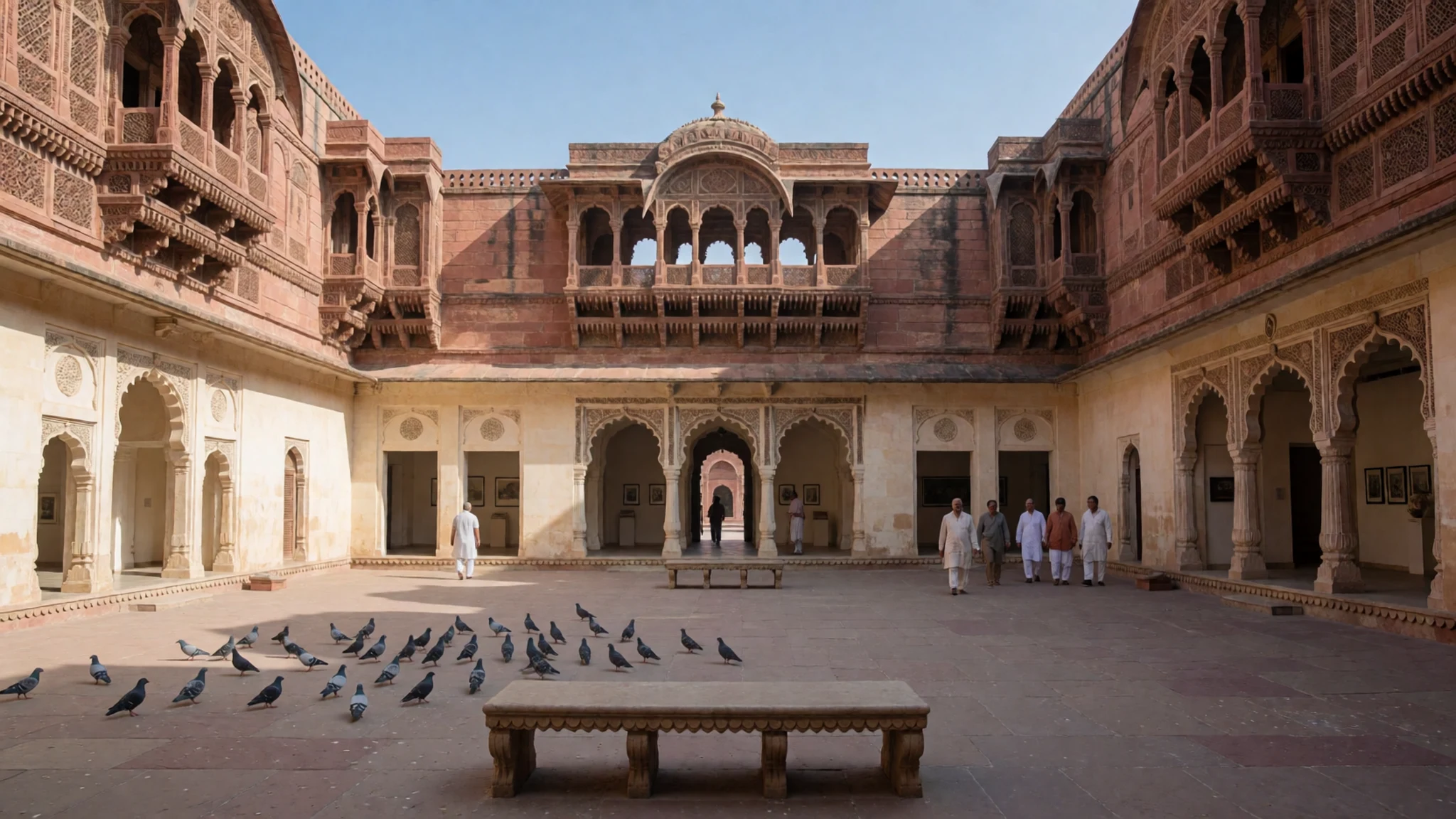
- Jaswant Thada — Below the fort, north-east of the old city
This group of royal cenotaphs is built in white marble and stands at the edge of a small desert lake, where birds gather in numbers. Its gardens are well kept and quiet. The best view is the one across the water towards the fort, which is why many photographers come here at the end of the day. It is a short walk or taxi ride from the fort.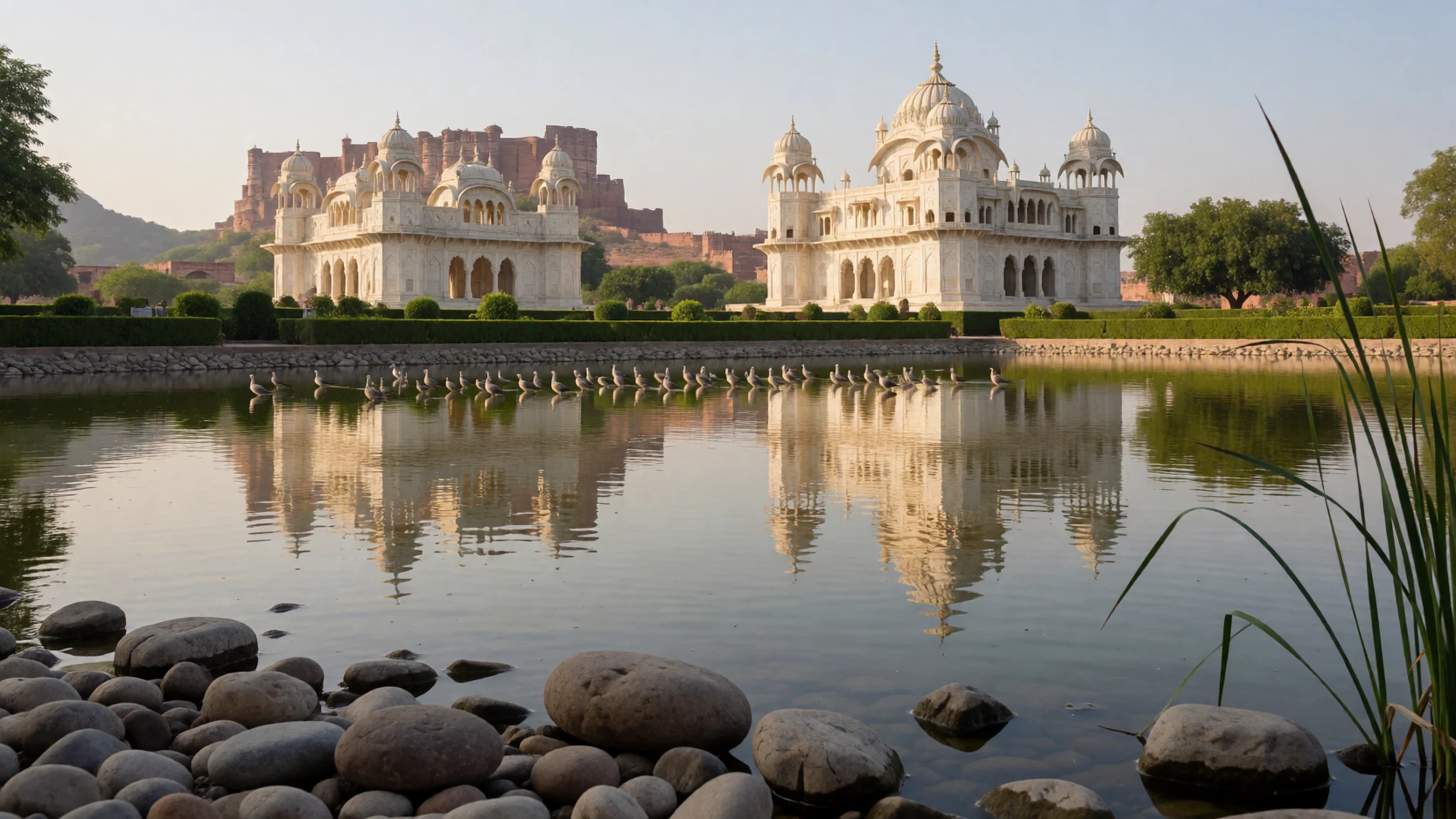
- Mandore — Mandore, north of Jodhpur
Mandore was the ancient capital of Marwar before Jodhpur was founded, and its old fort and memorial gardens give a sense of the older dynasty. It is quieter than the fort and works well as a half-day trip. Shared taxis and autos run from the city, and the heat makes an early start sensible.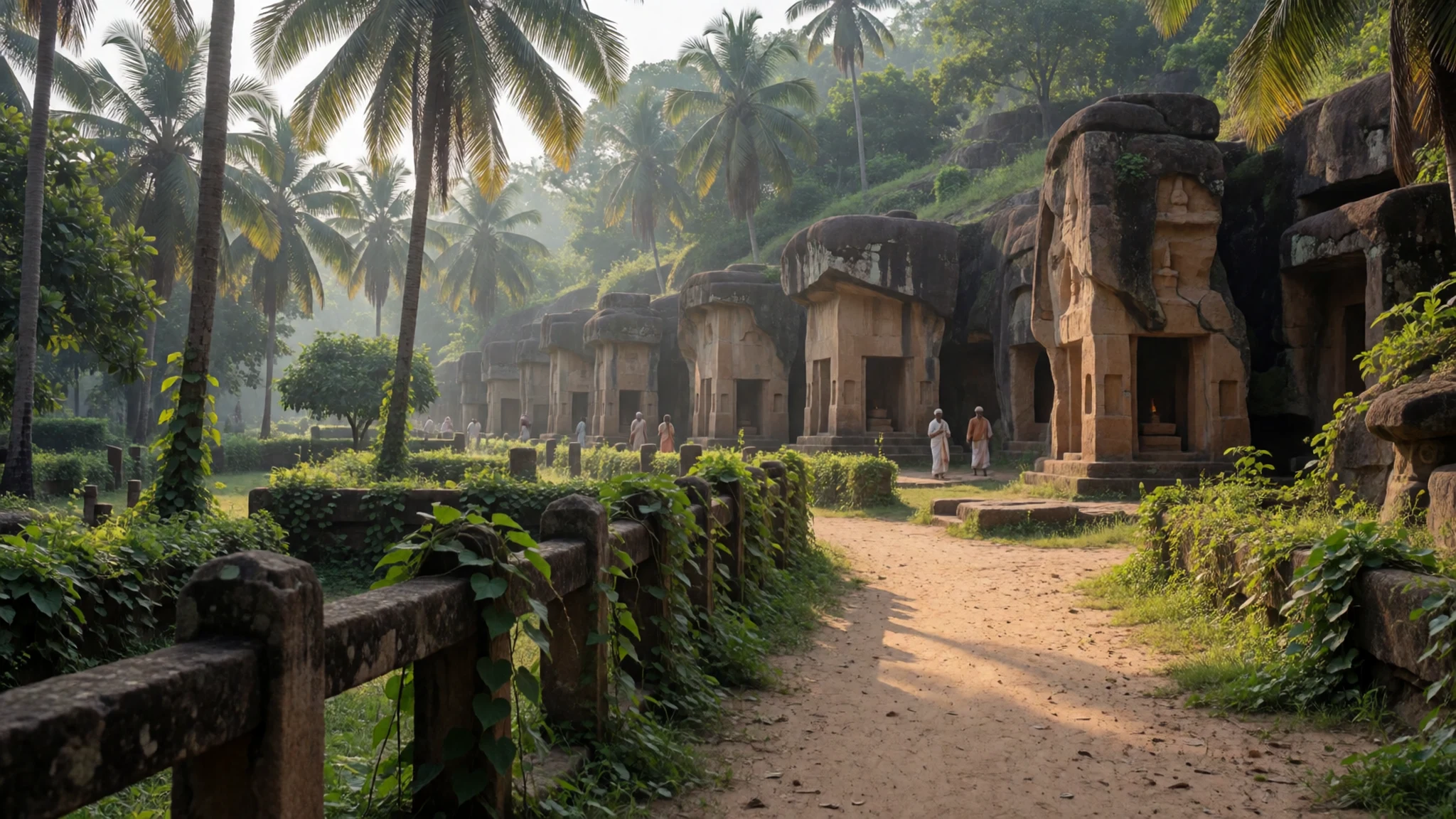
- Umaid Bhawan Palace — South of the old city
Visible to the south of the city, this palace was completed in 1944 and is often described as the last great palace built in India. Part of it operates as a hotel, and parts remain in the royal family's use. Its grounds and museum areas have restricted access, so check current arrangements before you go, especially if you want to see the interiors.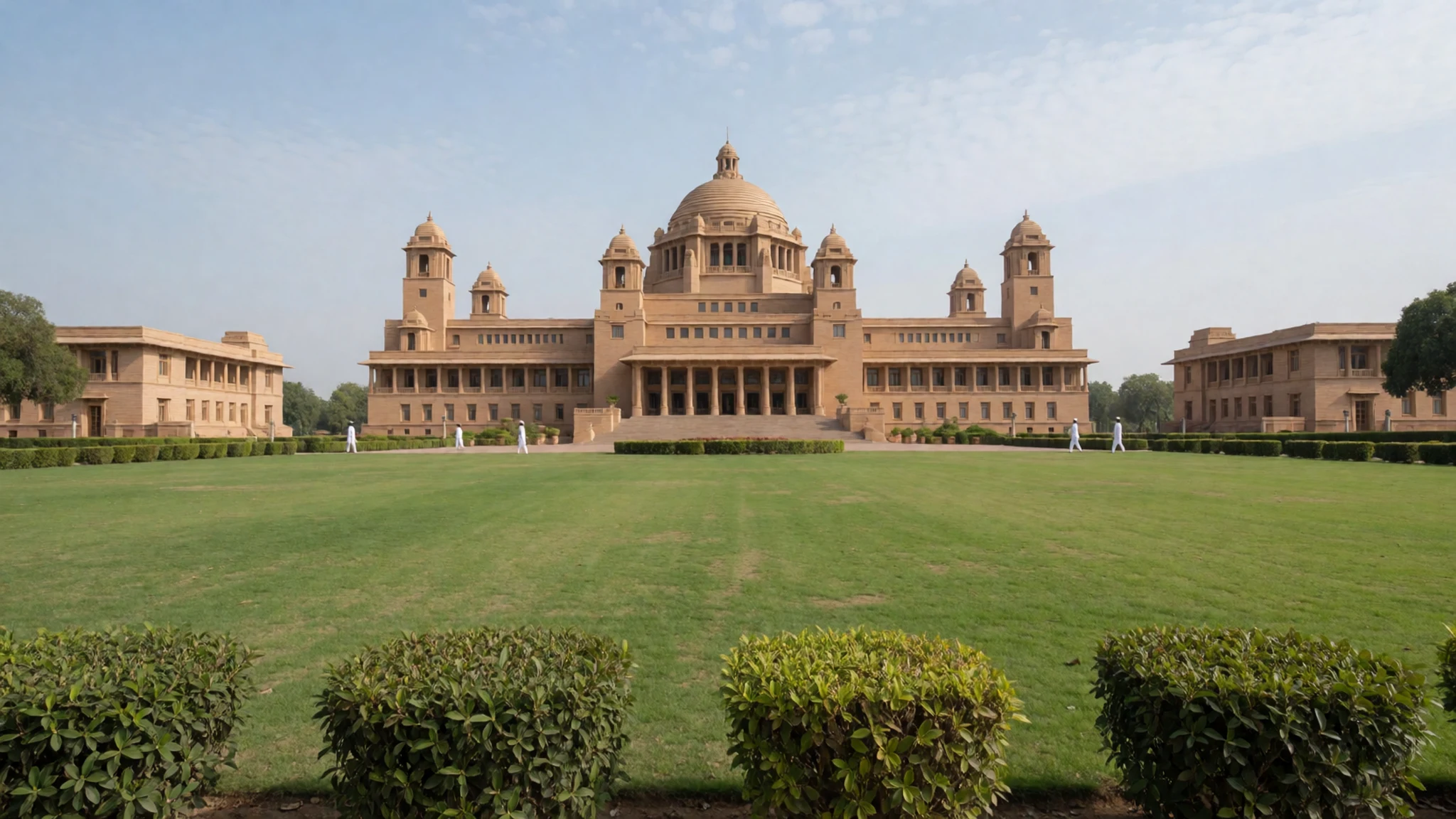
- Ghanta Ghar — Clock Tower area, old city centre
The clock tower in the city centre was built in 1910 by Maharaja Sardar Singhji and is a good marker for orienting yourself in the old streets. It is often surrounded by market stalls and bustling traffic. Stop by in the late afternoon, when the lanes near it fill with shoppers, and take a few minutes to look up at the carved stonework.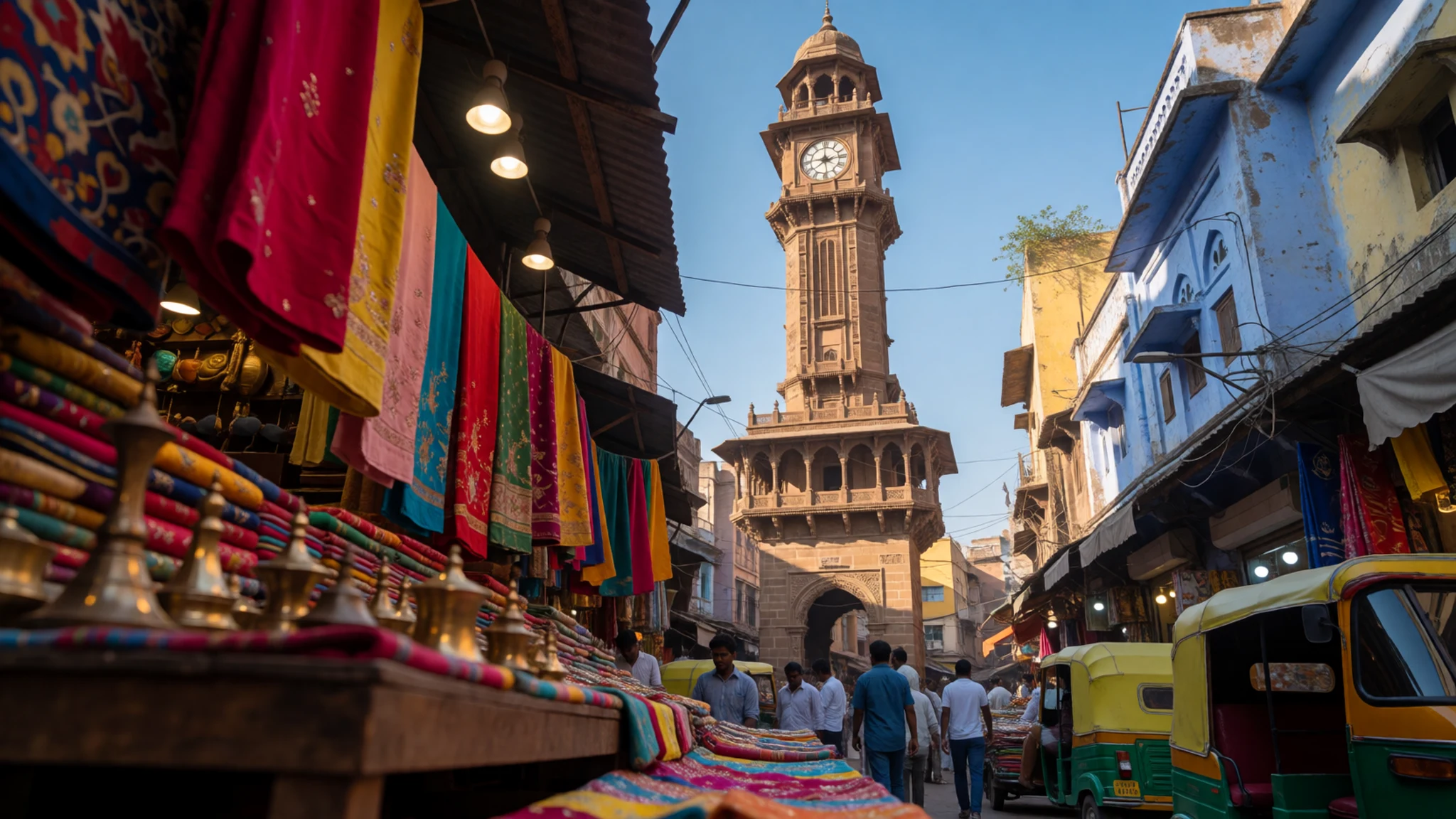
Culture
Mehrangarh is still a place where Rajasthani traditions feel alive. Folk musicians often perform near the entrance, and the fort holds a museum, restaurants, temporary exhibitions and craft bazaars inside its walls. The complex has also been a filming location, appearing in Disney's 1994 live-action The Jungle Book, as well as later Hindi and English-language productions. Those films have helped draw visitors, but the fort remains a working heritage site with a living connection to the community below. Religious practice continues at the Chamunda Mataji temple, where worshippers come to pray, so the atmosphere there is devotional rather than touristic. Dress modestly, follow signs about where you may walk and take your shoes off where they are requested. Ask before photographing musicians or guards in costume, and keep voices low when you are near the temple or in the quieter palace courtyards.
What to wear
Mehrangarh belongs to the Rajput world of Marwar, where the traditional dress for men centres on the turban, known as the pagri or safa, wound in bright colours and often in a rich shade of red, orange or saffron. Rajasthani women have long worn the ghagra, a full pleated skirt, with a fitted blouse and a veil, and the region is famous for bandhani tie-dye, block-printed cotton and embroidery with mirror work. Guards at the fort still wear costumes that echo these traditions for ceremonial purposes. Today, people in Jodhpur mostly wear ordinary Indian and Western clothes, with jeans and kurtas common in the city and saris or salwar kameez for weddings and festivals. Older women and many rural families keep the ghagra and odhni alive. For a visit, dress for a hot, dry climate with light cotton or linen, and cover shoulders and knees at the temple. Sturdy closed shoes with good grip are essential, because the paths inside the fort are uneven, steep and sometimes slippery. A hat, sunglasses and a light scarf for the sun are sensible, too.
What to eat
- Gulab jamun ki sabzi — Sweet shops and vegetarian eateries in the old city
This is a Jodhpur speciality that turns soft, unsweetened gulab jamun into a spiced gravy, a surprising and very local dish. Look for it at sweet shops and simple vegetarian eateries in the old city, where it is a regular order. Try it with roti.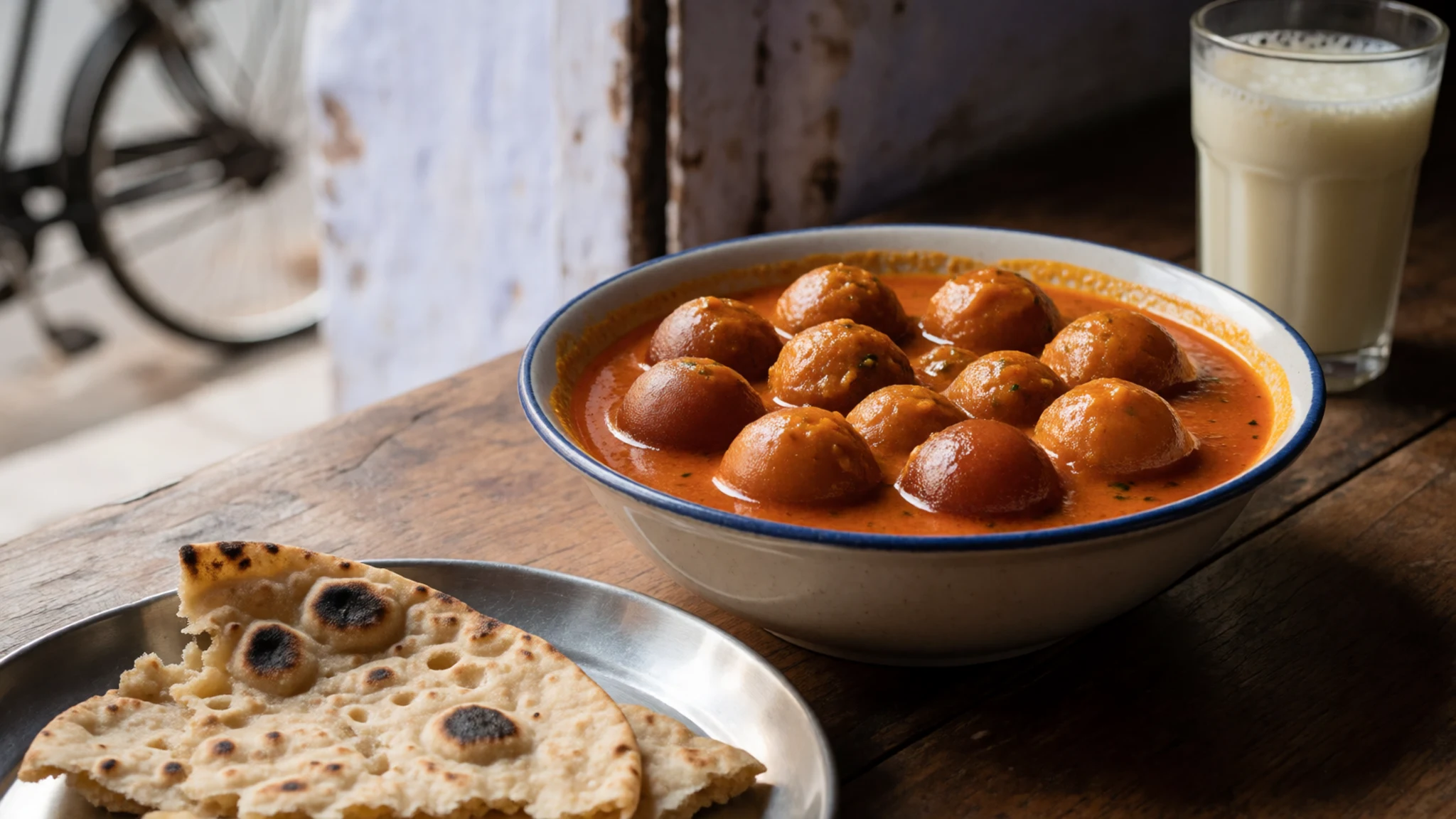
- Gulab jamun — Traditional sweet shops in the main market
Fried milk-solid dumplings soaked in syrup are the classic Indian dessert, and Jodhpur's versions are rich and generous. Buy them by weight from a traditional sweet shop in the main market, and eat them fresh on the day you buy them.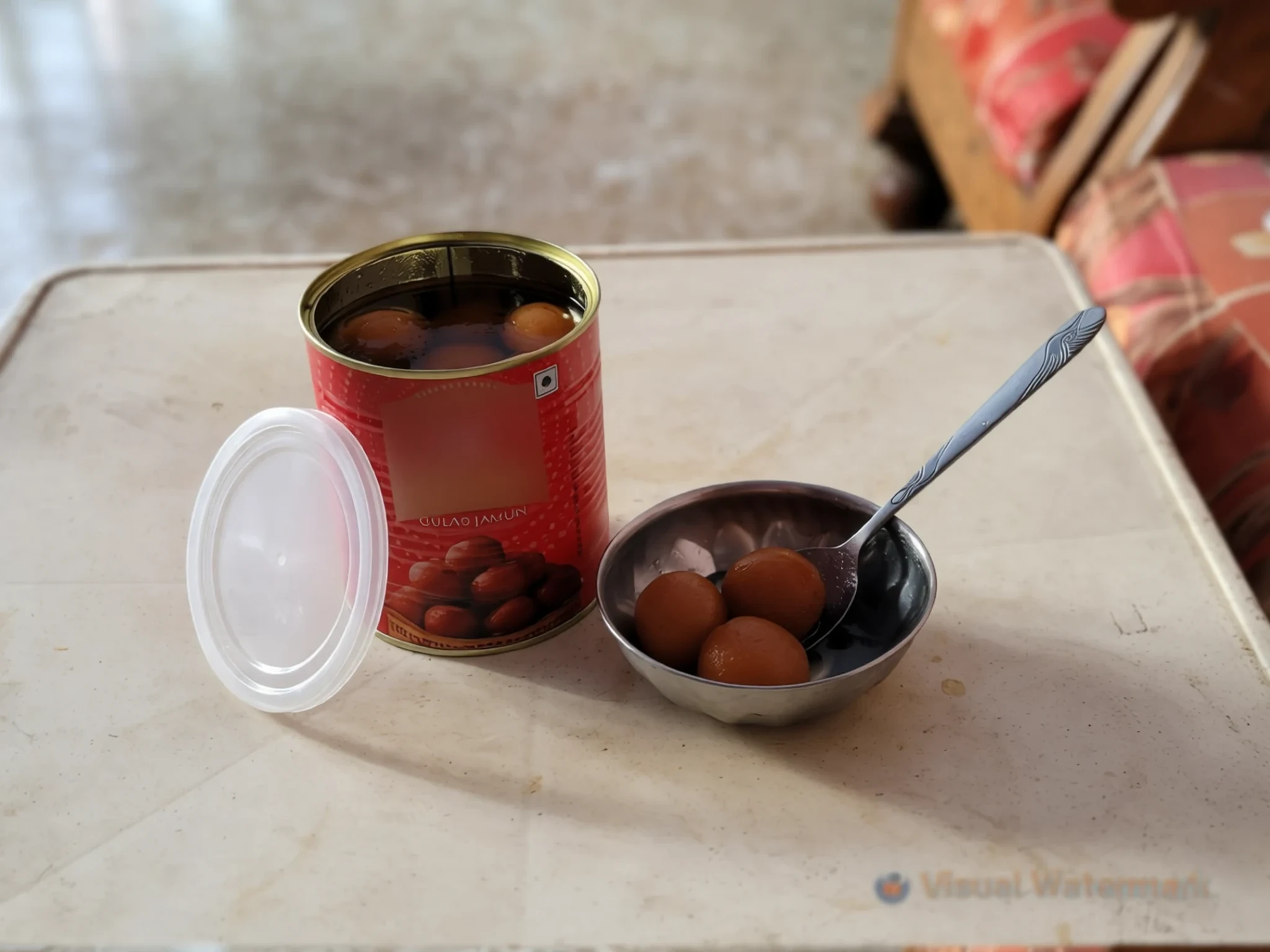
- Kabuli — Small local eateries near the clock tower
Kabuli is a Jodhpur-style rice speciality, often served as a generous plate of spiced rice. It is inexpensive and filling, the sort of dish that local families order at lunch. Local eateries tend to serve it fast, so it suits a quick break between fort visits. - Dal baati churma — Rajasthani thali restaurants in the city centre
Rajasthan's signature meal combines baked wheat balls, a lentil dal and a sweet crumbled mix. It is a rich, hearty plate that feels right after a long walk. Many restaurants serve it as a thali, so order it when you want to try several dishes at once. - Mirchi bada — Street stalls in the market areas
A green chilli dipped in spiced gram-flour batter and fried, the mirchi bada is a snack found at street stalls. It is hot, so start with a small piece. Stalls near busy bus stands and the market are the easiest places to find a fresh batch.
Plan it
Best time. December to February, when the air is dry and days are mild enough for climbing and walking. Summer, from April onwards, is very hot in Jodhpur, and the monsoon brings humidity and sudden downpours.
How long. 2–3
Getting there. Jodhpur has an airport with flights from major Indian cities, but most visitors arrive by train, and the Mandor Express from Delhi is a popular overnight option. The taxi and auto-rickshaw stands are near the exit of the railway station, and the fort is a short ride from there.
Budget. low
Tips
- Start at the fort before the middle of the day, when the courtyards are hottest
- Book train tickets ahead, and check the official site for current ticket and camera rules
- Carry cash for small shops, sweet stalls and auto-rickshaws
- Bring water and sun protection, because there is little shade on the climb
- Visit Jaswant Thada in the late afternoon for the best view of the fort
Etiquette
- Remove shoes where you are asked to and at temple entrances
- Ask before photographing musicians, guards or people in costume
- Dress modestly when visiting the temple and quieter areas
Nearby
Sources
- Wikidata Q1483099 (CC0)
- Wikipedia: Mehrangarh (rev 1376813031) (CC BY-SA 4.0)
- Wikivoyage: Jodhpur (rev 5405915) (CC BY-SA 4.0)
- Mehrangarh Fort in Jodhpur, Knowledge Seeker (Public domain)
- Mehrangarh Fort as seen from the northeast, Sanhitasinha (CC BY-SA 4.0)
- Enhanced image of Mehrangarh Fort, Kroisenbrunner (CC BY 3.0)
- Gates of Mehrangarh Fort, Vyacheslav Argenberg (CC BY 4.0)
- Mehrangarh Fort palace, Vyacheslav Argenberg (CC BY 4.0)
- Phool Mahal at Mehrangarh Fort, Everhard van Eimeren (CC BY-SA 4.0)
- Mehrangarh museum Jhanki Mahal cradle gallery, Everhard van Eimeren (CC BY-SA 4.0)
- Jodhpur Palace Market Gate, Bakarpuran (CC BY-SA 4.0)


