Matsushima
Matsushima, Japan
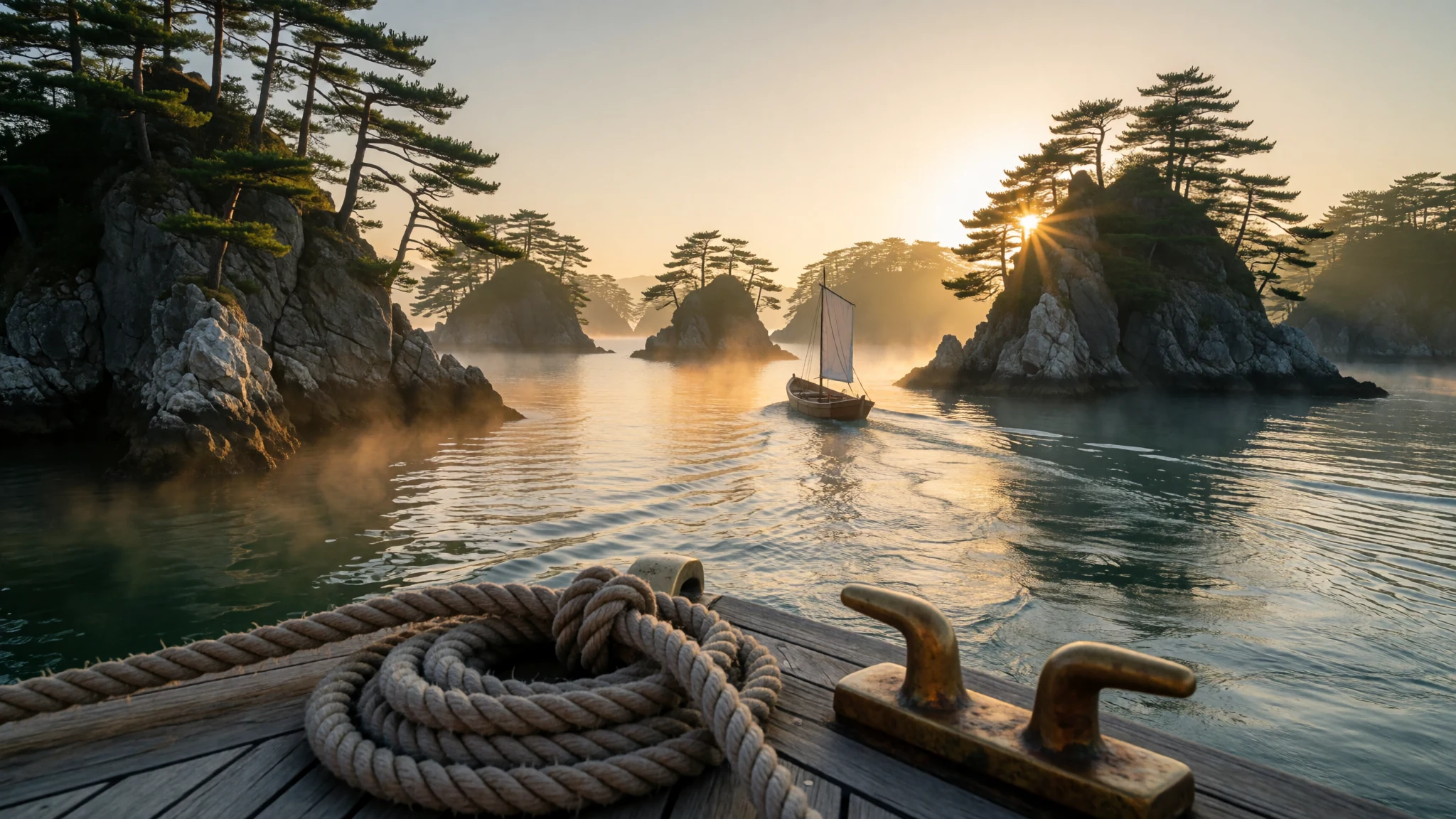
Matsushima offers tranquil coastal beauty across pine-studded islets, ancient Zen temples, and centuries of maritime heritage.
The place
Matsushima sits tucked along the coastline of Miyagi Prefecture in east-central Japan, facing the protected waters of its famous bay. The community spans a modest total land area, cradled by gentle coastal topography where the highest point reaches a modest elevation. Visitors stepping into the area encounter a landscape defined by calm waters dotted with countless small, pine-topped islands that have inspired poets, painters, and travellers for generations. The local economy revolves around maritime activities, agriculture, and welcoming visitors who come to admire the coastal scenery. While the shore areas bustle with activity near the transit hubs and ferry piers, quieter residential lanes wind away from the waterfront toward rolling green hills and traditional neighbourhoods. The climate brings mild summers and cold winters, making spring and autumn particularly pleasant for walking along the shore or crossing the pedestrian bridges to neighbouring islets. Despite past seismic events in the wider region, the town's coastal landscape remains a resilient destination for travellers seeking a slower pace along the northern coastline.
Its story
The human story of Matsushima stretches back millennia, originating in ancient provincial territories where early communities thrived along the productive shoreline. Archaeological discoveries, including significant shell middens, reveal continuous settlement dating back to early prehistoric eras. As regional governance evolved through the classical and medieval periods, the area integrated into broader administrative and religious networks under imperial influence. The spiritual foundation of the locality deepened significantly during the early Heian period with the establishment of its most revered Buddhist temple. Later, through turbulent feudal conflicts, control over the surrounding territory shifted among rival samurai factions before ultimately falling under the administration of influential regional lords during the Edo period. Modern municipal structures took shape in the late nineteenth century as the settlement transitioned through post-restoration administrative reforms, eventually gaining official town status. Throughout these centuries of change, the bay retained its celebrated reputation as a scenic masterpiece, drawing literary figures who recorded their journeys in classic travel journals and cementing the area's enduring cultural significance in Japanese history.
What to see
- Zuigan-ji Temple — Central Matsushima
This historic Zen sanctuary serves as the area's premier Buddhist temple, featuring centuries of spiritual heritage, elegant wooden halls, and contemplative monastic gardens. Visitors walk along cedar-lined paths past rock-carved caves where monks once meditated, though modern crowds mean you should arrive early in the morning to experience the serene atmosphere.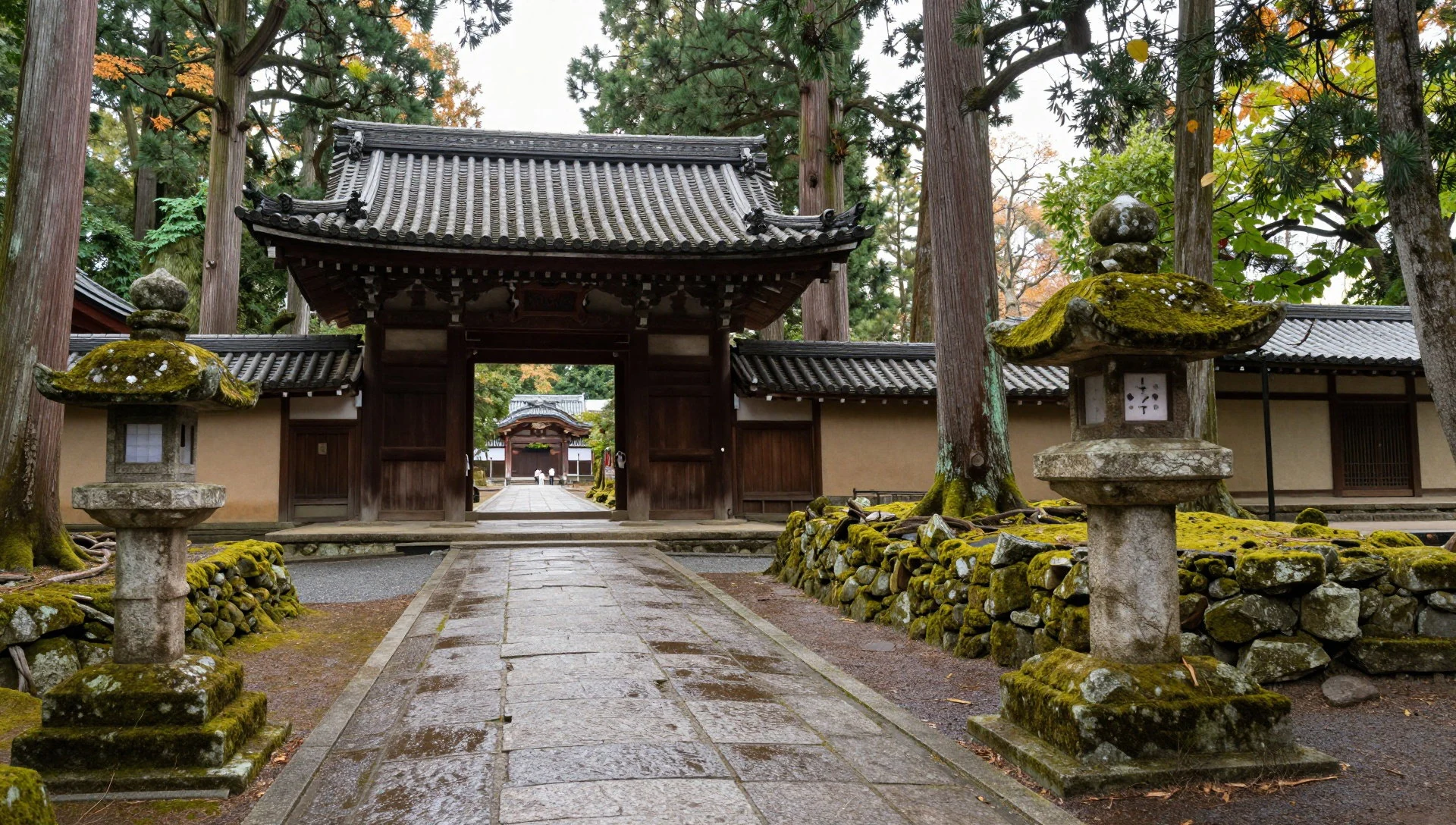
- Godaido Hall — Harbourfront
Perched on a small rocky outcrop overlooking the harbour, this picturesque red-pillared hall stands as a recognized symbol of the coastal town. Connected to the mainland by bright red arched wooden bridges with gaps between the slats to keep visitors mindful, the structure houses sacred Buddhist imagery and offers expansive views across the bay.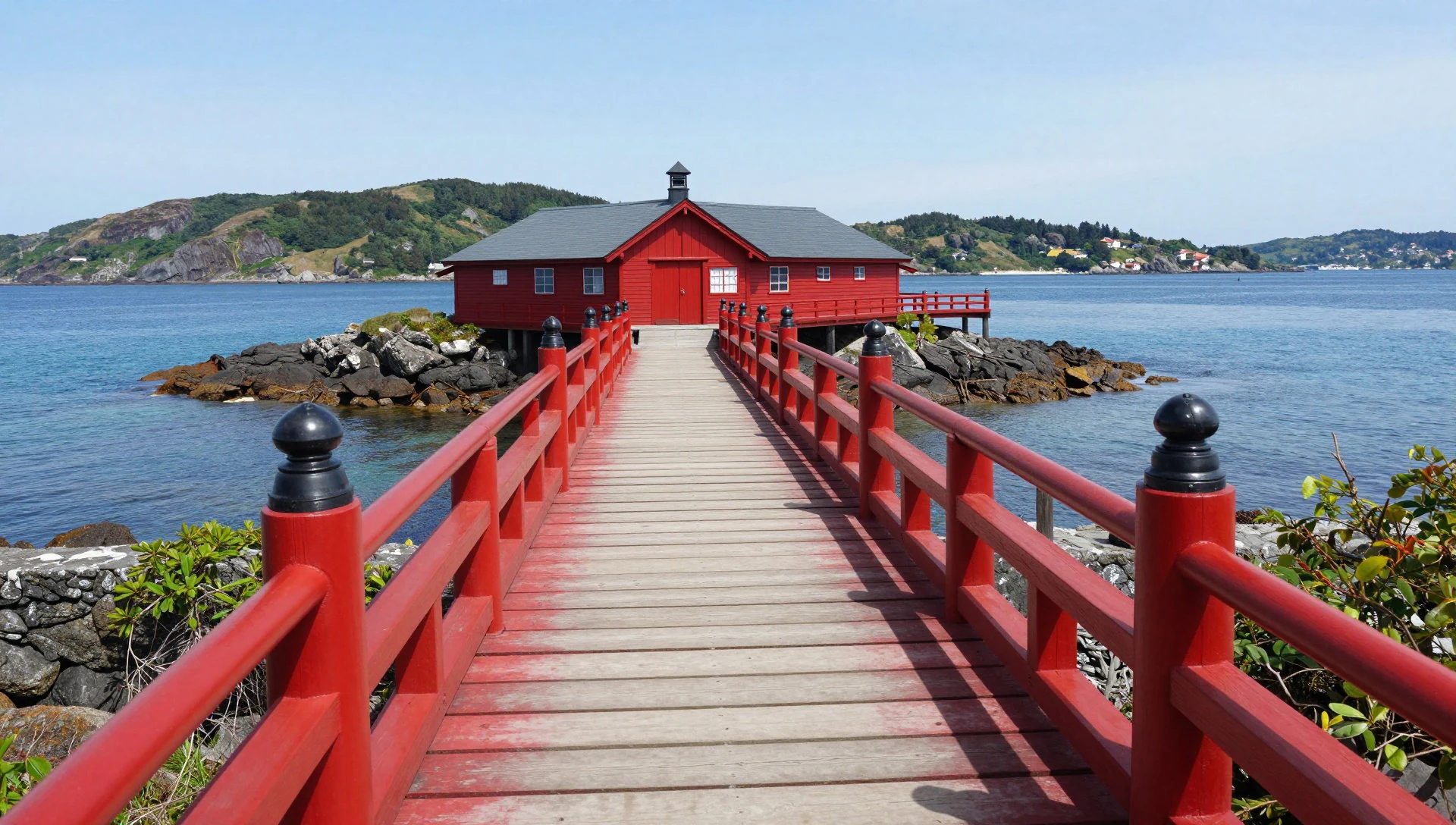
- Kanran-tei Pavilion — Waterfront promenade
Originally constructed as a residential structure by historical political figures before being relocated to the coast by feudal lords, this elegant tea house showcases refined traditional architecture. Positioned directly on the waterfront, it provides a quiet vantage point to observe the changing light over the water while appreciating classical Japanese interior design.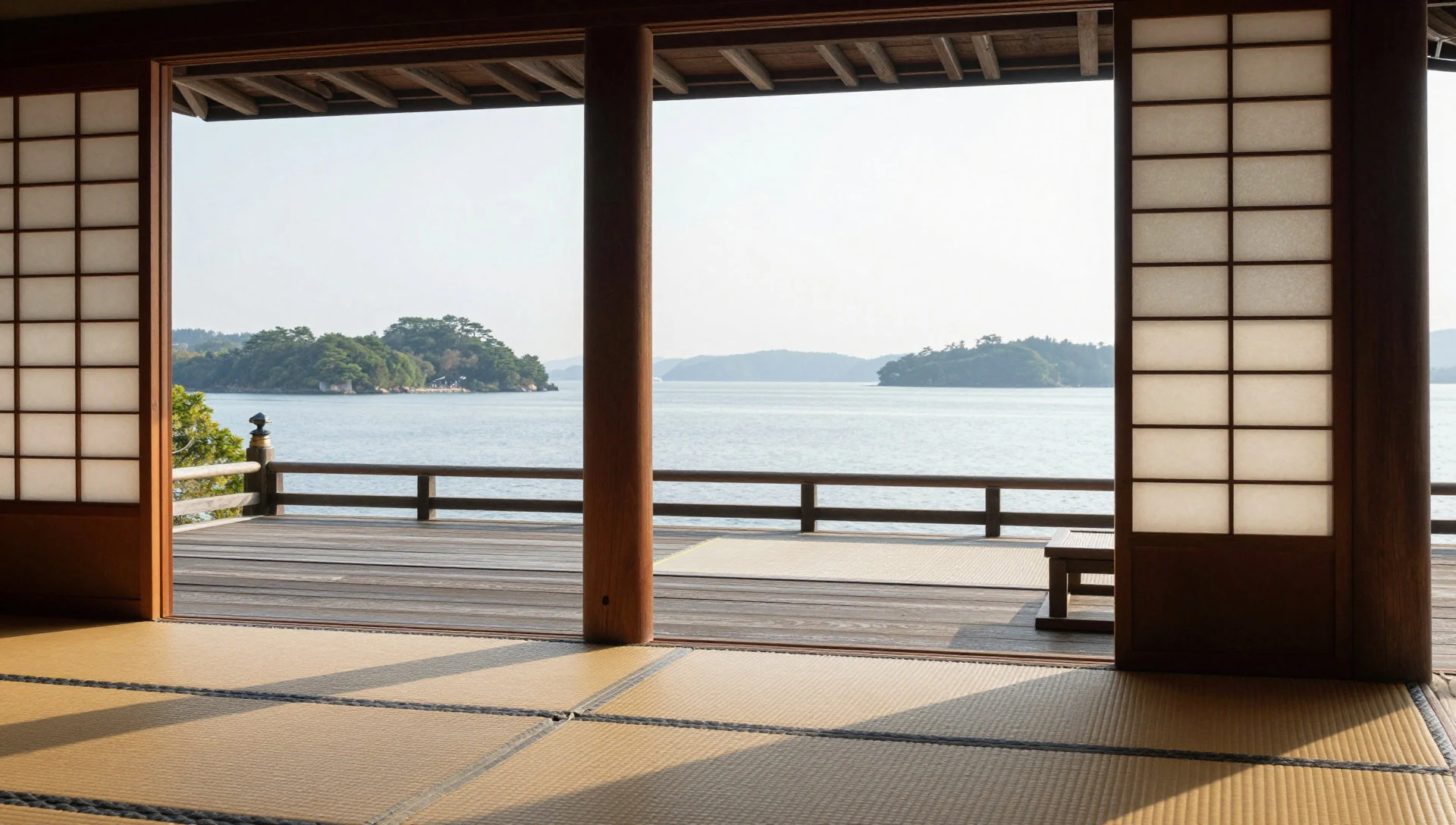
- Fukuura Island — Eastern bay area
Linked to the mainland by a long, brightly painted pedestrian footbridge, this wooded island offers a peaceful natural retreat away from the busy streets. A network of walking trails winds beneath towering trees and around quiet rocky inlets, leading to hidden viewpoints where you can look out across the scattered islands in the bay.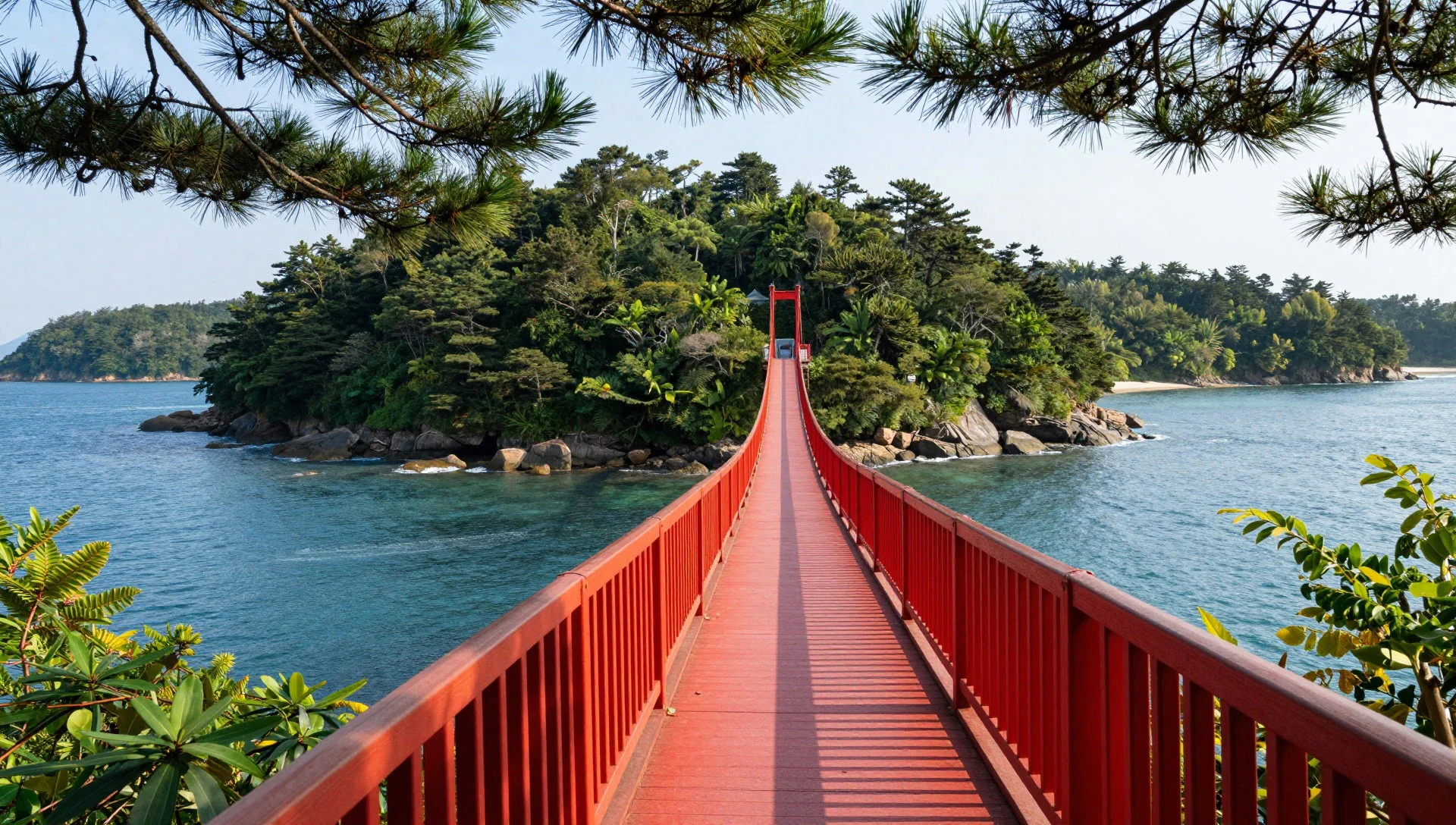
- Entsū-in — Near Zuigan-ji
Founded as a peaceful memorial temple for a young feudal lord, this verdant site is celebrated for its exquisite landscape gardening and quiet moss-covered courtyards. The temple grounds feature a traditional rock garden representing the islands of the bay, alongside a small western-influenced rose garden that reflects unique historical artistic exchanges.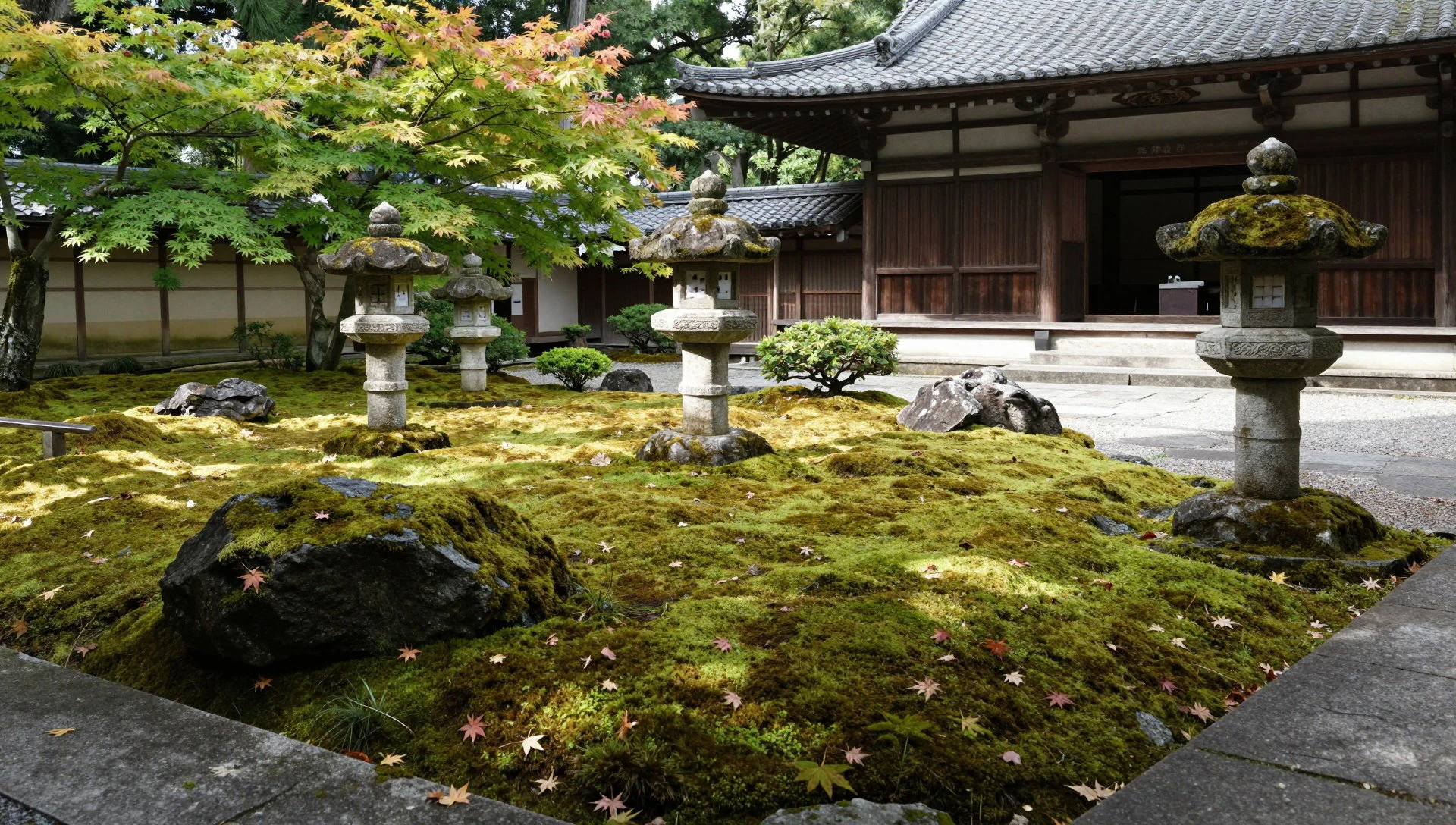
Culture
Life in Matsushima moves to the gentle rhythm of the tides, rooted deeply in maritime traditions, fishing heritage, and Buddhist spirituality. The community takes immense pride in its natural environment, maintaining a delicate balance between welcoming travellers and preserving the tranquil atmosphere that inspired classical poets centuries ago. Local festivals and seasonal observances highlight community bonds, particularly around the autumn harvest and maritime blessings. Visitors will find residents unfailingly polite, patient, and accustomed to travellers exploring the shrines and coastal pathways. When visiting sacred temples and monastic grounds, maintaining a quiet, respectful demeanour is essential. Always remove your shoes before stepping onto raised tatami flooring inside historic buildings, and use designated areas for photography rather than snapping pictures of monks or private ceremonies without permission.
What to wear
Traditional attire in Matsushima reflects standard regional Japanese wear, historically featuring layered kimono and textiles suited to the changing coastal seasons, though today such garments are reserved for festivals, weddings, and formal ceremonies. In daily life, residents dress in practical, contemporary casual clothing much like anywhere else in urban and regional Japan, favouring neat, understated styles. For visitors exploring the area, comfort is key: sturdy walking shoes are essential for navigating gravel temple paths, uneven wooden bridges, and island trails. Because coastal winds can make the air feel cooler than expected—especially near the water or during the colder winter months—dressing in adaptable layers is wise. When visiting religious sites, modest attire that covers shoulders and knees is appreciated out of respect for the monastic environment.
What to eat
- Bay Oysters — Main street stalls near the station
Cultivated directly in the nutrient-rich local waters, these famous mollusks are harvested fresh throughout the peak season. You can sample them prepared in every conceivable way—raw on the half shell, deep-fried to a golden crisp, baked, or grilled at casual stalls lining the main street near the railway station.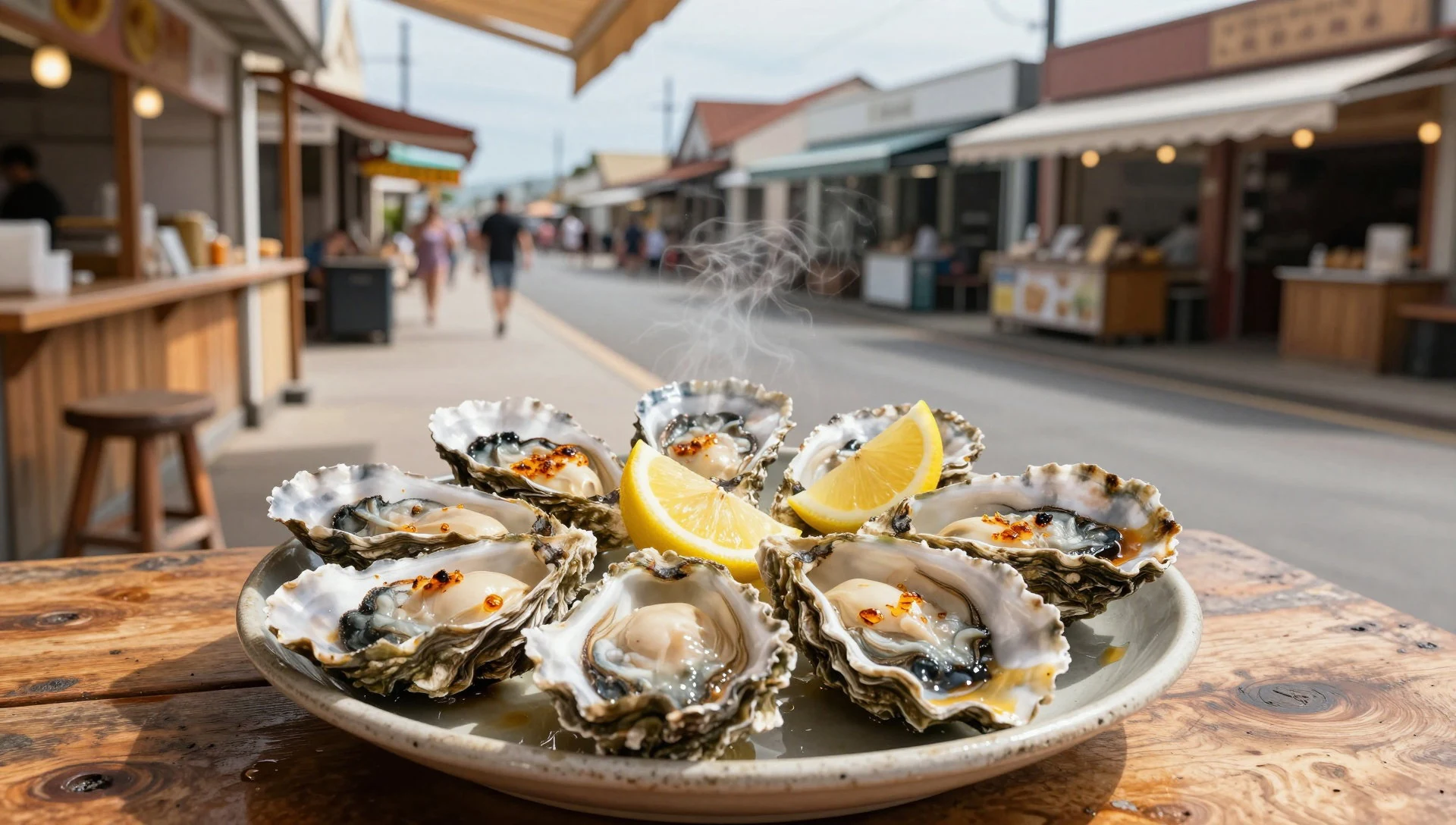
- Shojin Ryori — Traditional eateries near temple grounds
Traditional Buddhist vegetarian cuisine crafted with seasonal vegetables, tofu, and local grains, offering a contemplative dining experience rooted in monastic culinary traditions. This delicate food is best enjoyed at speciality eateries tucked into quiet lanes near the historic temple precincts.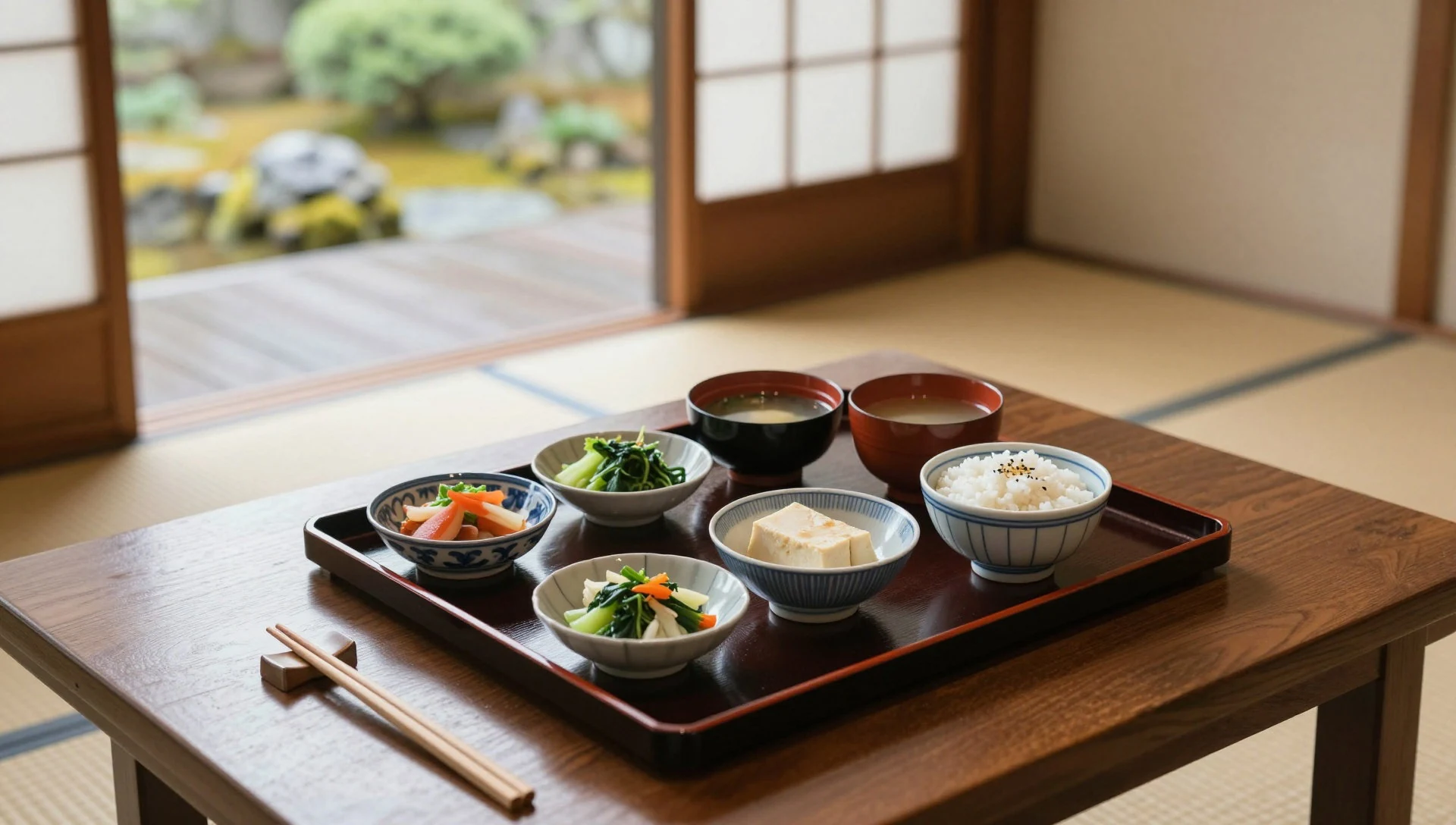
- Wood-Fired Pizza — Local cafes along the coastal avenue
A surprising local favourite that blends regional ingredients with Italian culinary techniques, offering artisanal pizzas baked in stone ovens. These popular casual restaurants provide a relaxed spot to refuel after a long day of walking along the waterfront and exploring the nearby island bridges. - Seafood Rice Bowls — Harbourfront dining spots and seafood markets
Fresh catches from the Pacific waters served generously over seasoned rice at neighbourhood seafood houses and morning market stalls. The toppings change daily depending on what local fishermen bring ashore, offering a direct taste of the surrounding marine ecosystem.
Plan it
Best time. March to April for cherry blossoms framing the bay, and late October to November for vibrant autumn foliage; June brings the rainy season, and August is hot and humid.
How long. 2
Getting there. Arrive via the JR Senseki Line from Sendai to Matsushima-Kaigan station (about 40 minutes), or take the Shinkansen bullet train from Tokyo to Sendai before transferring.
Budget. mid
Tips
- Start your visits to popular temples like Zuigan-ji early in the morning before tour groups arrive
- Carry sufficient cash, as smaller shrines, market stalls, and local shops may not accept cards
- Take a sightseeing ferry to experience the pine-covered islands from the water
- Check train timetables in advance, as departures from Matsushima-Kaigan are limited during daytime hours
- Wear comfortable walking shoes suitable for gravel paths and long pedestrian bridges
Etiquette
- Remove your shoes and place them in provided lockers or bags when entering temple buildings
- Keep voices low and refrain from making loud phone calls inside temple grounds and sacred spaces
- Do not photograph monks or private religious ceremonies without obtaining clear permission first
Nearby
Sources
- Wikidata Q1349082 (CC0)
- Wikipedia (CC BY-SA 4.0)
- Wikivoyage (CC BY-SA 4.0)