Matsumoto, Nagano
Matsumoto, Nagano, Japan
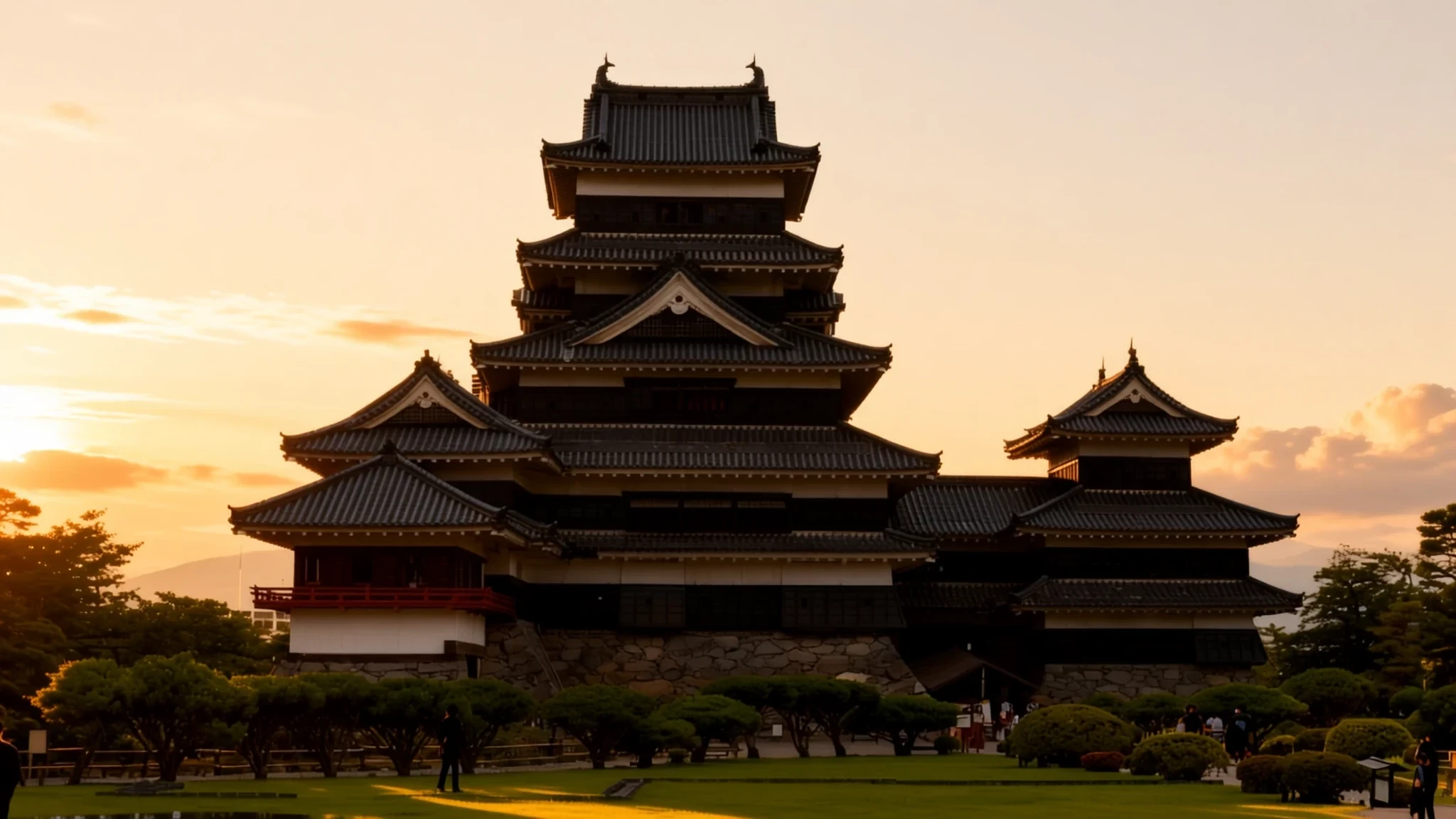
Matsumoto is a calm castle town at the foot of the Hida Mountains, ideal for a slow visit from Tokyo or Nagoya.
The place
Matsumoto sits in the Matsumoto Basin of central Nagano Prefecture, a level floor ringed by mountains that gives the city its reputation for views. The Hida Mountains rise to the west, and the highest point within the city limits is Mount Hotakadake, at 3190 m on the border with Takayama in Gifu Prefecture. The city lies about 75 km south of Nagano City, the prefectural capital, and about 167 km from central Tokyo.
The recorded population is 239,115, spread across a wide area that includes farmland, orchards and forested hills alongside the compact centre. Most visitors stay near Matsumoto Station and walk to the castle, which is the reason many people come. The old streets keep a human scale, with low wooden houses and small shops mixed among modern office blocks.
The city is also a base for hiking, onsen and campsites in the surrounding mountains. Its own attractions are mostly museums and older buildings, which suit a slow pace over a day or two. Local food and bathhouses make the evenings as enjoyable as the daytime sights, and the centre feels quiet on weekday nights, busier with day-trippers on fine autumn weekends.
Its story
Matsumoto lies in the former Shinano Province and served as its provincial capital from the Heian period onwards, long before the castle that now defines it. Under the Tokugawa shogunate in the Edo period, the area was organised as the castle town of Matsumoto Domain, a status that shaped its streets, merchant quarters and samurai districts. Much of the historic character of the centre dates from that era.
The modern town took shape with the national municipalities system. The settlement was established on the 1889 reorganisation and raised to city status in 1907. Over the following decades it grew by absorbing neighbouring villages and hamlets, a process that accelerated in the mid-twentieth century and produced the sprawling municipality seen today. Later mergers, including the town of Hata in 2010, enlarged it again.
The city's most painful episode came on 27 June 1994, when the Matsumoto sarin attack killed people in a residential neighbourhood. The event remains part of how the city is remembered. In 2021 Matsumoto became a core city with greater local autonomy, a status that reflects its growth into a major regional centre. Its history is therefore a blend of provincial capital, castle town and modern city.
What to see
- Matsumoto Castle — Central Matsumoto
Completed in the late sixteenth century, this stately landmark is one of the 12 original castles still standing in Japan, having survived war and the passage of time. Its dark wooden keep rises in the middle of the city, a short walk from the station. Give yourself a relaxed hour or two to look around the keep and grounds, and check the official site for opening hours before you go.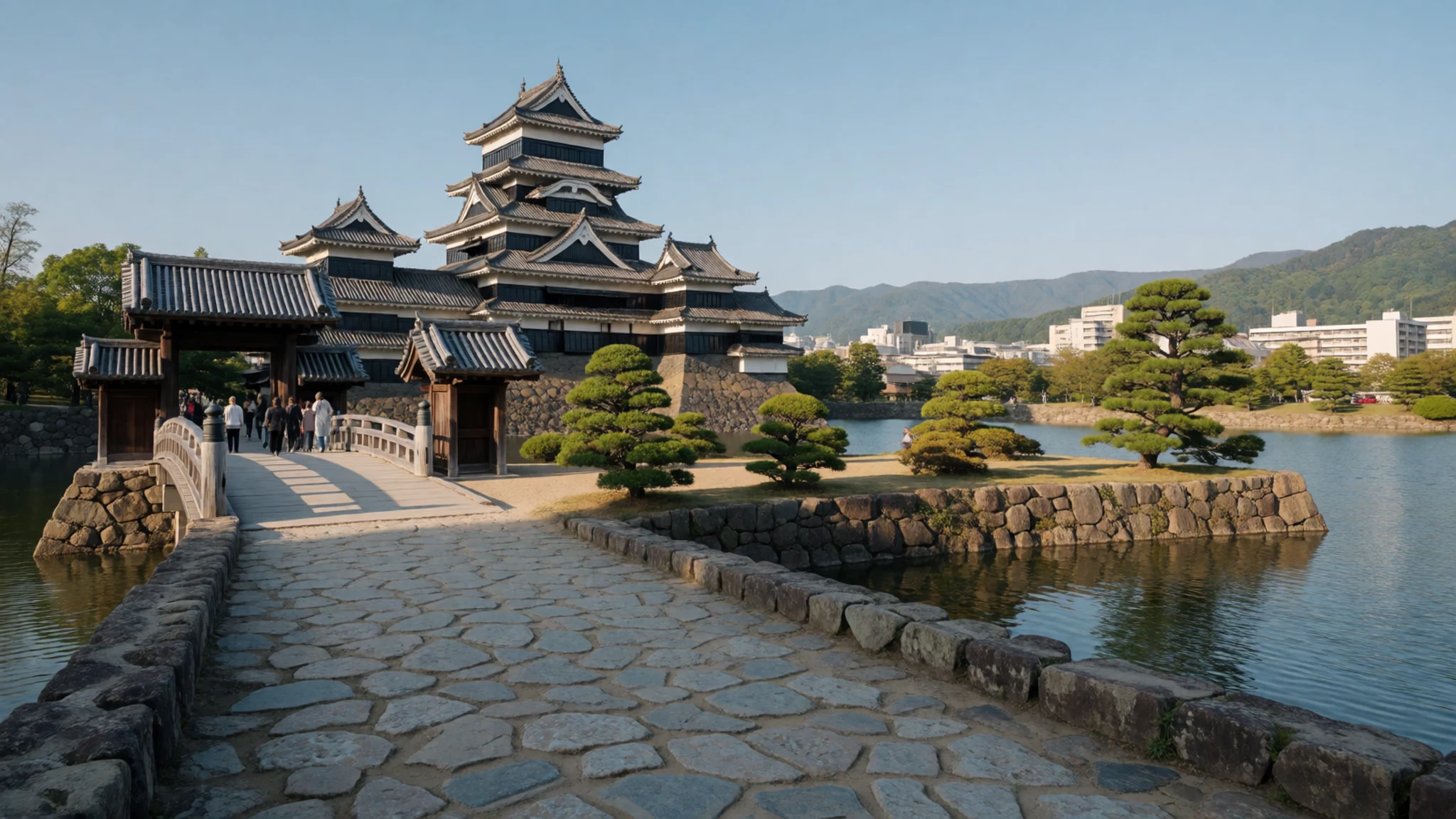
- Japan Ukiyo-e Museum — Western edge of the city
This museum holds more than 10,000 pieces of ukiyo-e, the traditional woodblock prints, and is described as the largest private museum of its kind in the world. Displays change over time, so the collection on show may differ from one visit to the next. It is a good choice on a wet afternoon, when the galleries are calm and indoors.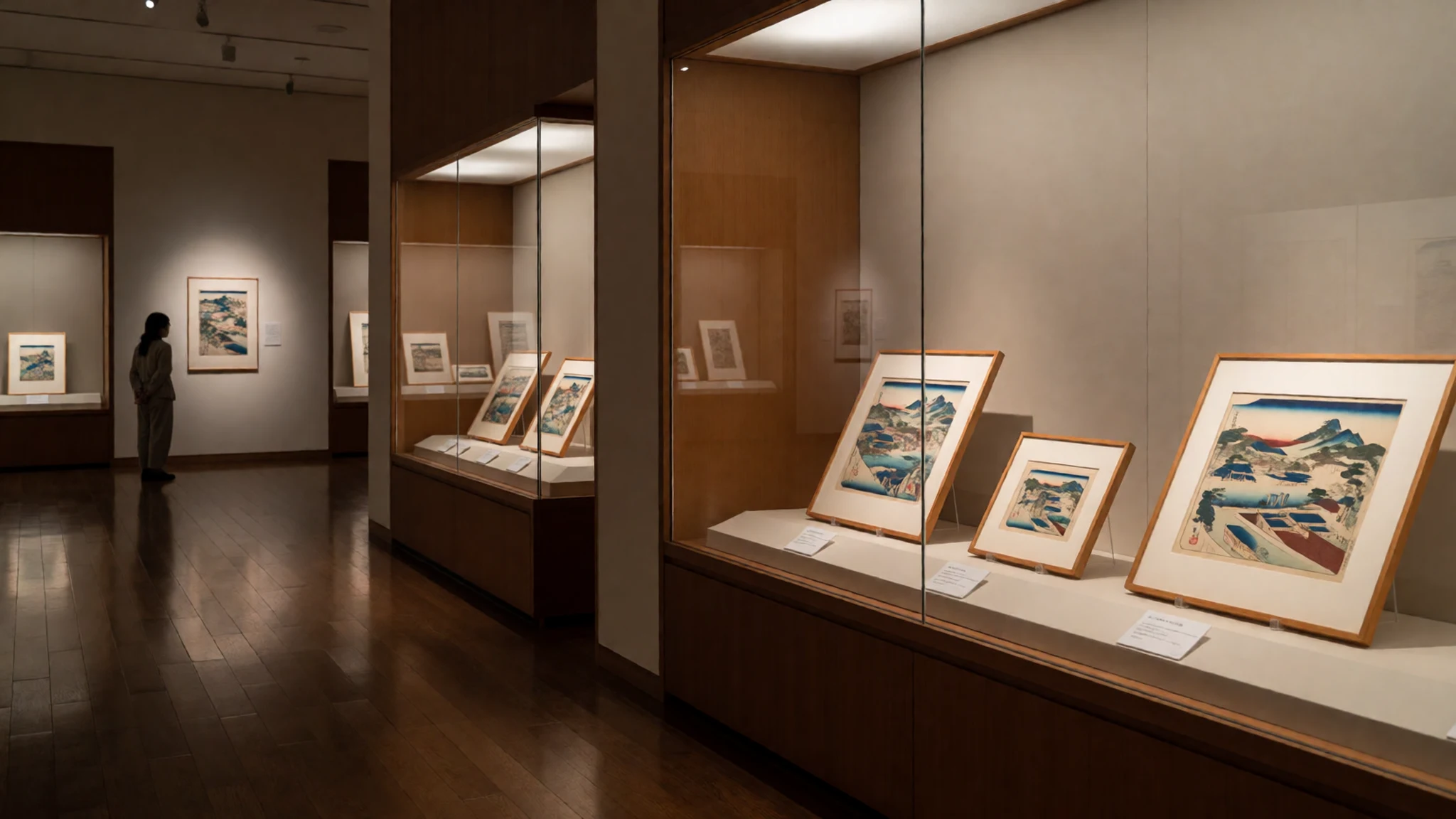
- Matsumoto City Museum of Art — Central Matsumoto
The museum has a large exhibit on Yayoi Kusama, an artist who came from Matsumoto before spending many years in the United States. Its photograph collection of mountains in Nagano suits anyone interested in the local landscape. It is a compact stop that pairs easily with a walk to the castle.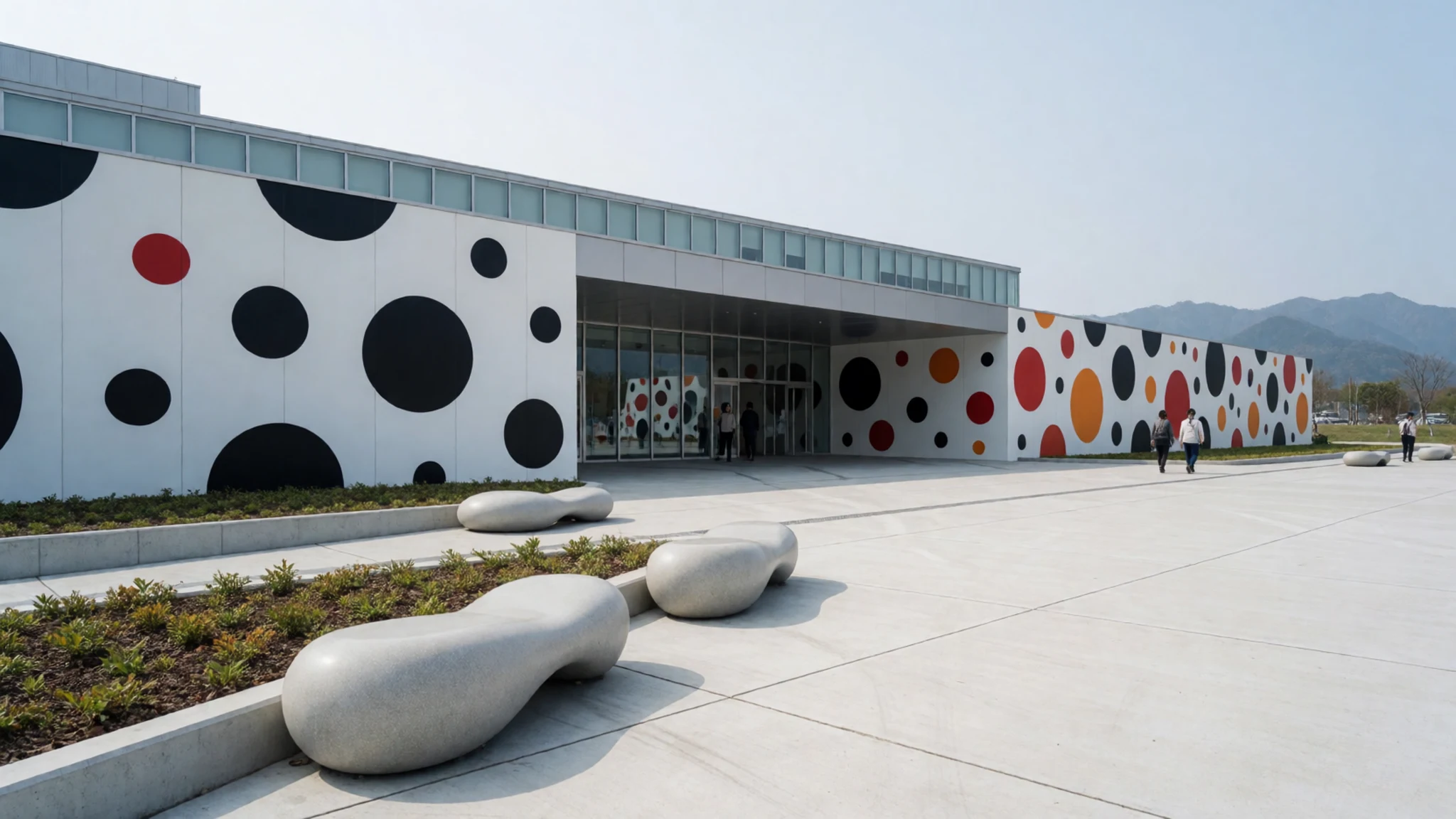
- Uchibuse River French Waterfall — South-east of the city, in the Uchibuse valley
Tiered waterfalls fall inside a large scenic park south-east of the city. The falls themselves can be seen in about ten minutes, but several kilometres of trails lead further for walkers who want more. Wear sturdy shoes, since paths can be damp near the water.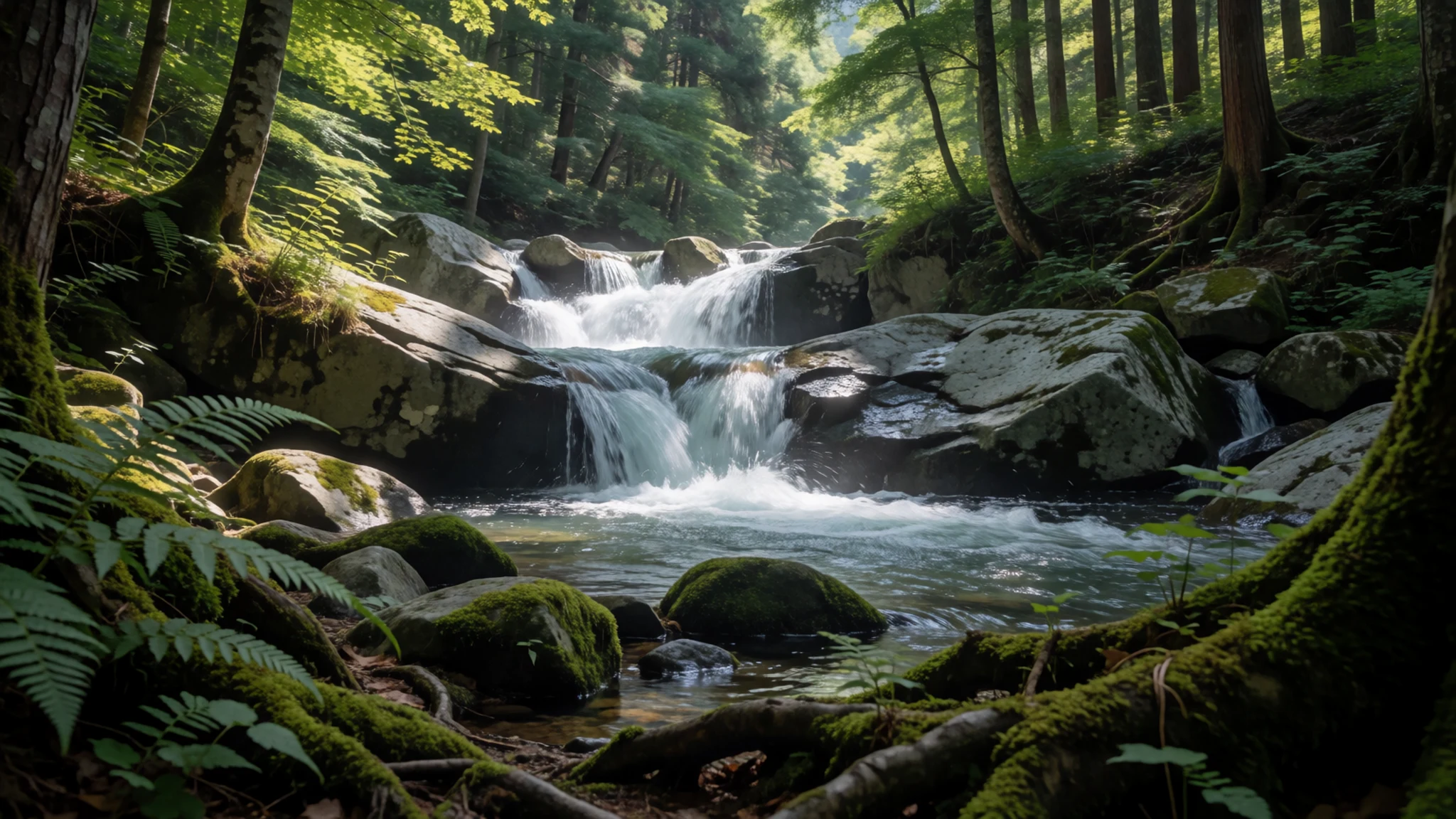
- Matsumoto City Timepiece Museum — Central Matsumoto, near the castle
A small collection of clocks and watches from Japan and abroad makes a pleasant half hour in the centre. It suits visitors who enjoy mechanical objects, and it sits close to the castle, so the two can be combined on one walk. Check the official site for current opening days before you go.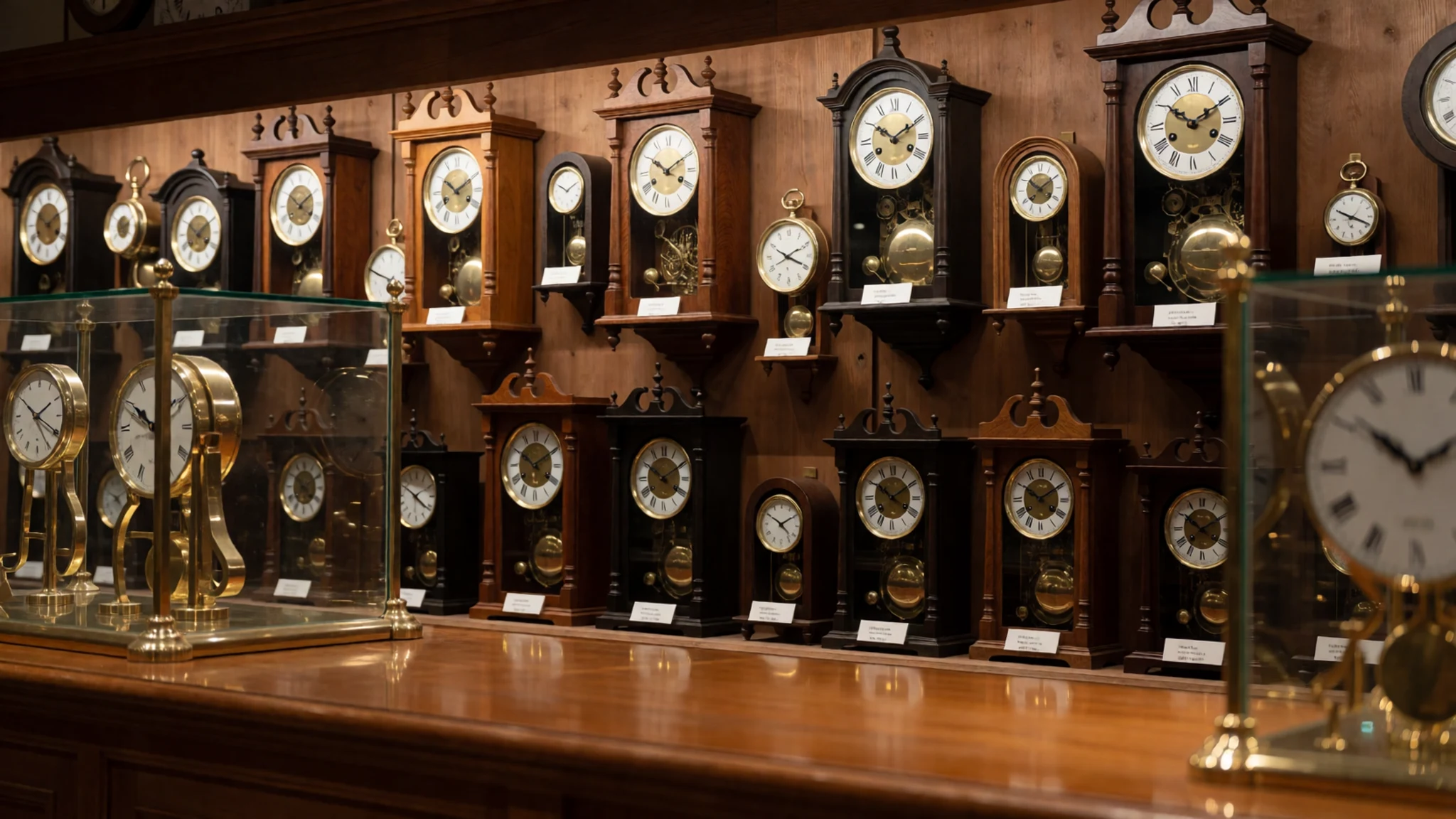
Culture
Everyday life in Matsumoto is quiet and rooted in its castle town past, and much of it happens in small, private settings. Bathing is central here, and the city's bathhouses are where many local people unwind after work. Shinto shrines, such as Yohashira Shrine with its torii gate, are working places of worship, so visitors should keep voices low and step aside from people who are praying. Many streets are residential, and residents value calm evenings. Photographing people without permission is unwelcome, so ask before pointing a camera at anyone in a shop, eatery or bathhouse. Tipping is not expected, and a polite thank-you is enough at the counter. Wash thoroughly at the seated basins before entering a communal bath, and keep your shoes off wherever a slipper step appears.
What to wear
The traditional dress of Matsumoto is the kimono, worn for ceremonies, festivals and formal visits to shrines and temples. Silk is the textile most tied to the region, and the Japanese Court and Open-air Architectural Museum has exhibits on the female silk workers whose labour shaped local work. Lighter cotton yukata are the summer version, worn to festivals and after a bath at a bathhouse.
What people wear now is practical and largely Western in style. In winter residents favour dark coats, scarves and sensible boots, while walkers and cyclists carry outdoor layers suited to the mountains. Kimono appear mostly at weddings, coming-of-age days and festivals.
A visitor should dress in layers. Summers are hot and humid, and winters are cold, so a warm coat is wise from November to March. Bring waterproof shoes for the autumn rain, and slip-on shoes for bathhouses and shrine steps. Dress modestly at shrines and temples, avoid revealing clothing in residential areas, and pack sturdy footwear for waterfall trails.
What to eat
- Basashi — Izakaya and set-meal restaurants around the castle streets
Basashi is thinly sliced raw horse meat, eaten with ginger, garlic and soy-based dipping sauce. It is an acquired taste, so start with a small plate. Set meals often pair it with rice and pickles. Look for it at izakaya and set-meal restaurants around the castle streets.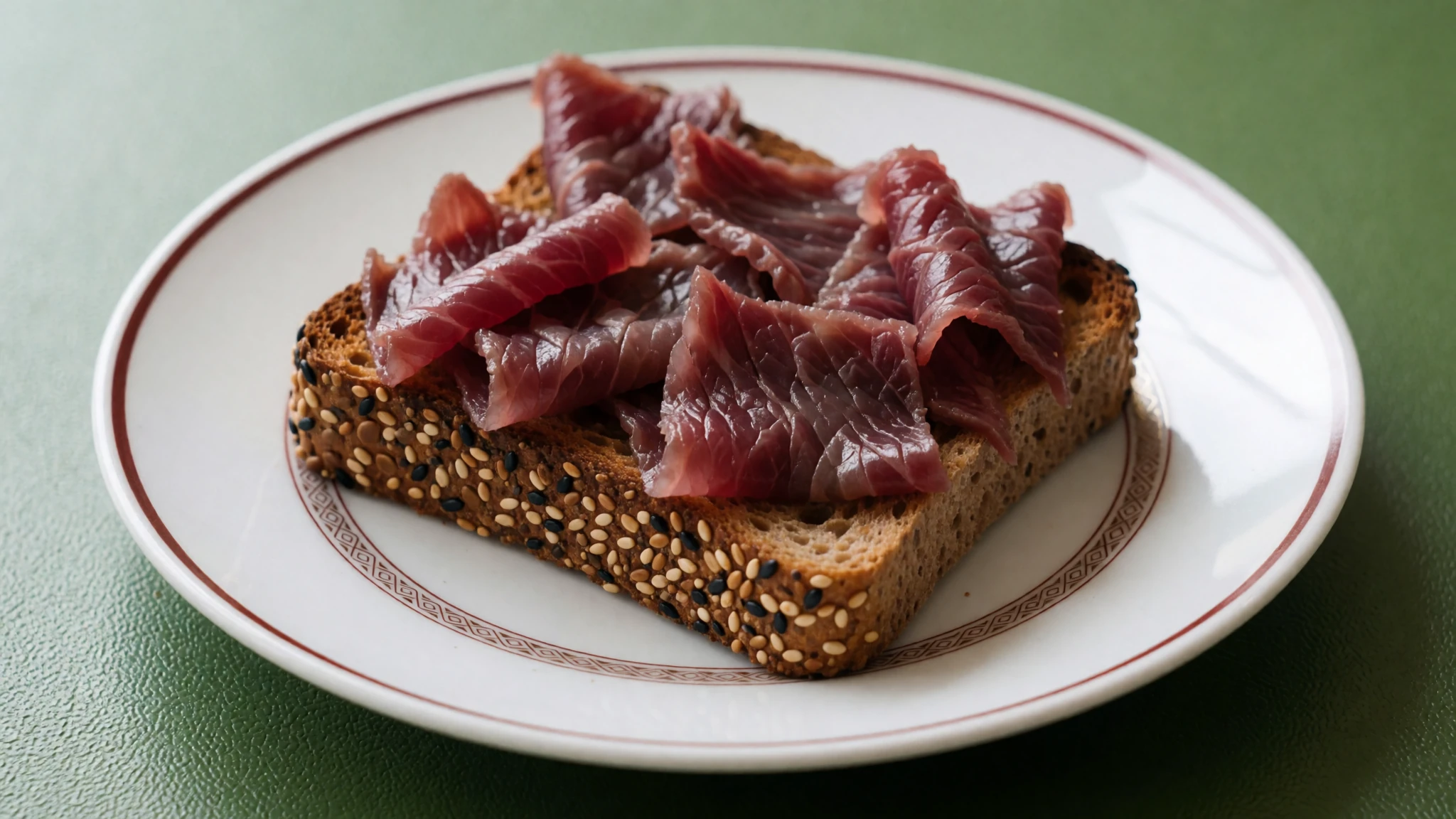
- Okonomiyaki — Teppan restaurants in the town centre
Okonomiyaki is a savoury pancake of cabbage and batter, grilled on a hot plate and topped with sauce and bonito flakes. Teppan restaurants often cook it at the table, and a set menu shared between diners lets you try several dishes. Dinner tends to be quieter than lunch.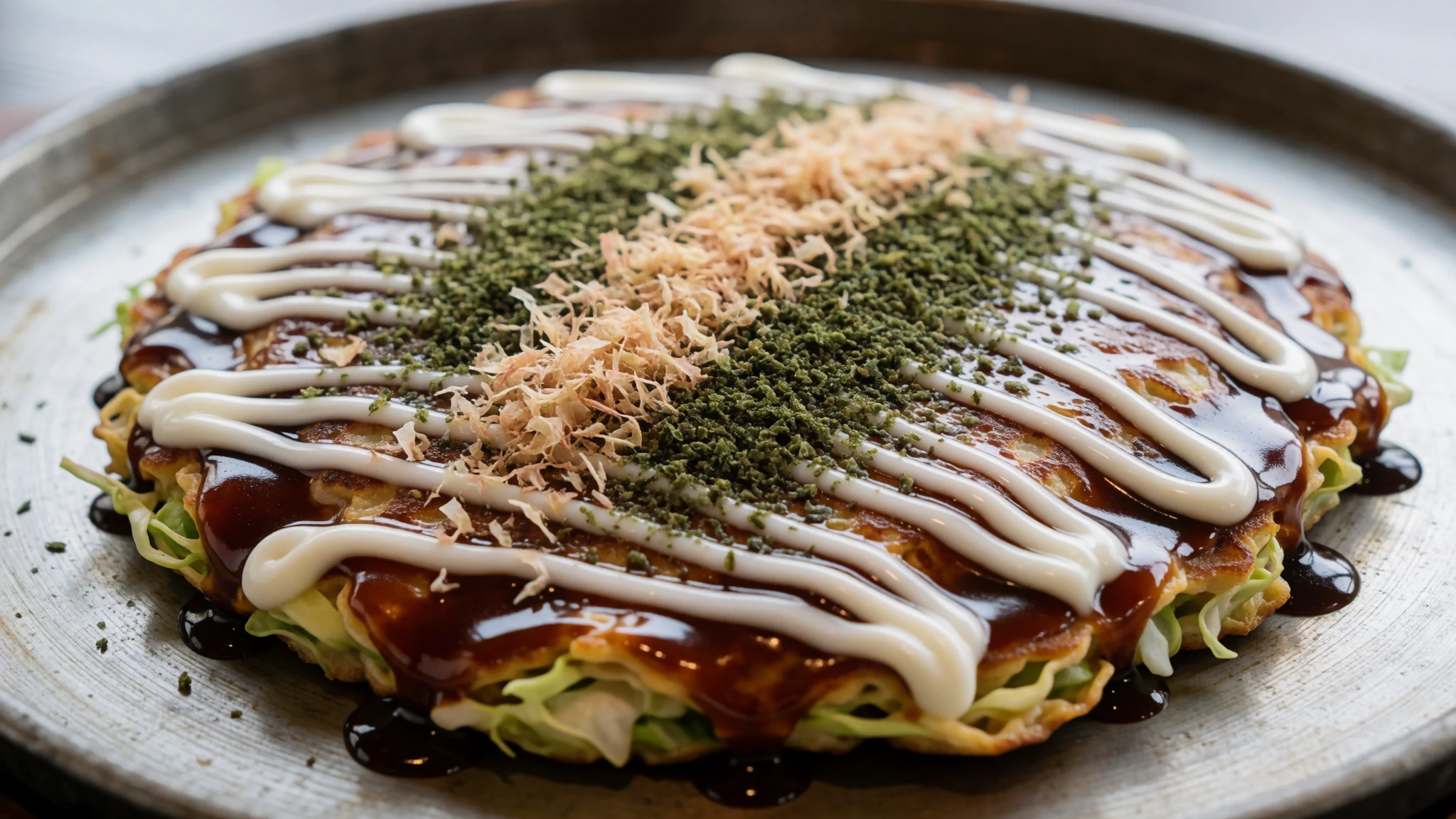
- Katsu — Traditional-style restaurants on the northern side of the city
Katsu means breaded, deep-fried cutlets, and menus here also include fried shrimp and oyster. Traditional-style restaurants on the northern side of the city serve them in old timber buildings, with free pickles. Order a set to see the range. - Karaage — A standing karaage counter by Matsumoto Station
Karaage is Japanese fried chicken with a light, soft batter, sold hot and eaten standing. A karaage counter by Matsumoto Station is the quick option before a train, though the menu is in Japanese, so point at pictures or ask for the set. Staff speak some English. - Miso ramen — Small counter-style ramen shops in the centre
Miso ramen is noodles in a rich, savoury broth flavoured with fermented soybean paste. Small counter-style ramen shops in the centre are the place to try it, especially at lunch when they fill up. Picture menus help if the text is in Japanese.
Plan it
Best time. April and May bring mild weather and spring blossom, and October to November suit autumn colour; August is the hottest month, with highs near 32 °C, and July is the wettest, with about 200 mm of rain.
How long. 2–3
Getting there. Chubu Centrair International Airport near Nagoya is about three hours away by rail, with a change in Nagoya, while the bus takes 3½–4 hours for ¥3,500. From Narita Airport, allow 4½–5 hours by limited express with a change at Shinjuku. From Tokyo Shinjuku, the Azusa limited express takes about 2¾ hours.
Budget. mid
Tips
- Book the Azusa or another limited express ahead on busy weekends and public holidays
- Visit the castle early in the morning to avoid tour groups
- Carry cash for smaller eateries, markets and rural shrines
- Use the tourist information centre inside the station for maps and bus times
- Check the official city site at www.city.matsumoto.nagano.jp for current opening hours
Etiquette
- Remove shoes where there is a step up to a building and slippers are provided
- Wash thoroughly before entering a sentō or onsen, and keep swimwear out of the bath
- Keep voices low on residential streets and ask before photographing people
Nearby
Sources
- Wikidata Q213324 (CC0)
- Wikipedia: Matsumoto, Nagano (rev 1380976812) (CC BY-SA 4.0)
- Wikivoyage: Matsumoto (rev 5410840) (CC BY-SA 4.0)
- Matsumoto Castle05s5s4592, 663highland (CC BY 3.0)
- Matsumoto Montage, 水だらけのプール (CC BY-SA 4.0)
- 250425 Mount Nabekanmuri and Matsumoto Castle, 663highland (CC BY-SA 4.0)
- Matsumoto 201706, Wpcpey (CC BY-SA 4.0)
- Matsumoto City Hall, Miyuki Meinaka (Public domain)
- Looking through the torii at Yohashira-jinja, DimiTalen (CC0 1.0)
- Former Kaichi School, 663highland (CC BY-SA 4.0)
- Matsumoto Castle - Matsumoto6549, lumoplank (CC0)


