Masirah Island
Masirah Island, Oman
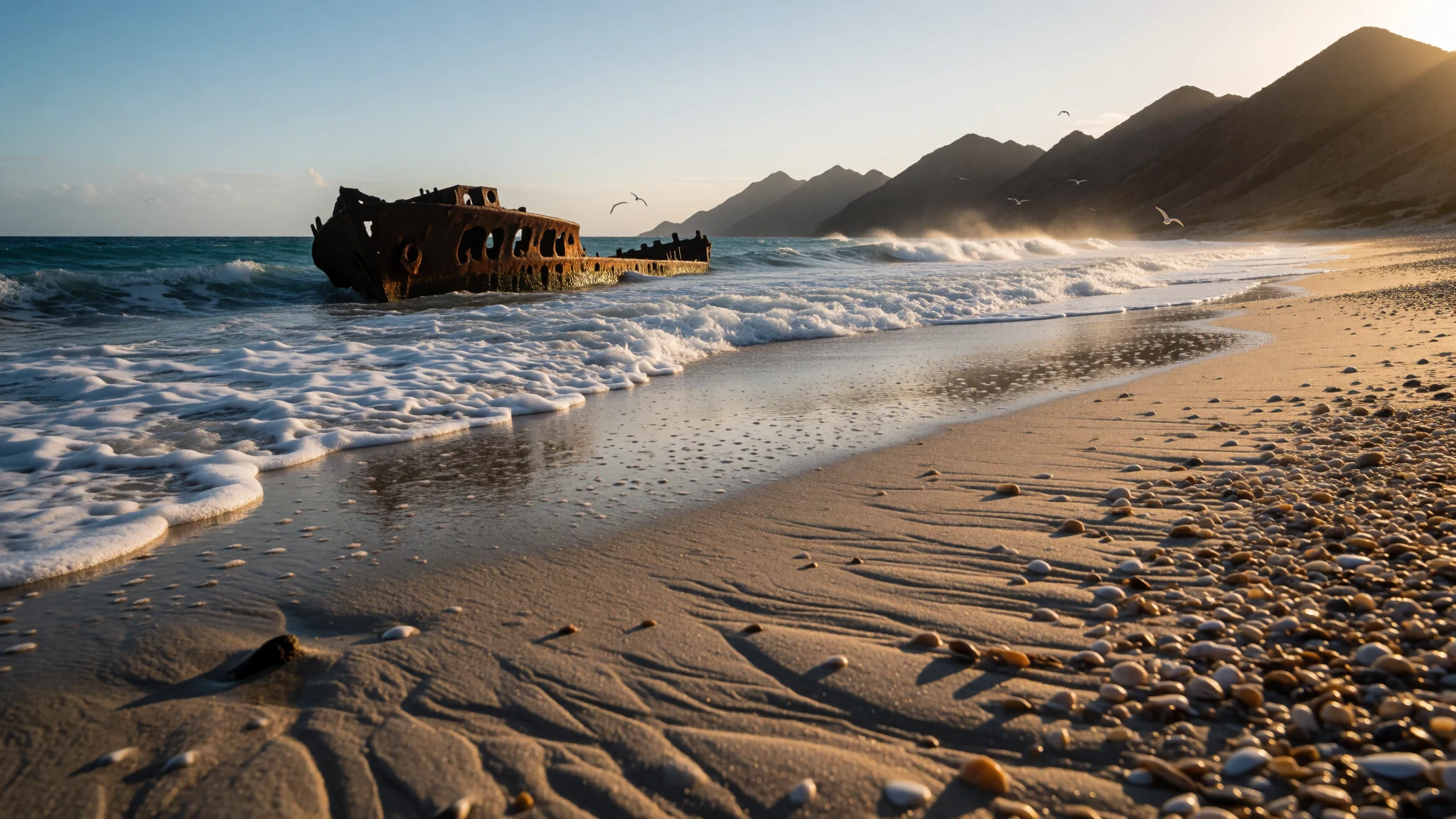
Masirah Island offers wild Arabian Sea beaches, ancient archaeological sites and world-class kitesurfing far from the usual tourist trails.
The place
Masirah Island lies off the eastern coast of mainland Oman, separated from the mainland by the Masirah Channel. It is the country's largest island, stretching north to south with a landscape dominated by a dramatic ridge of hills running along its eastern side, separated from the coast by a narrow sandy plain. Most of the interior remains stark, arid and largely deserted, while the settled life clusters in a dozen small villages mostly situated in the northern part of the territory. Raʾs-Ḥilf serves as the principal settlement, hosting an air base, a fish processing plant, and the primary arrival port for ferries crossing from the mainland coast.
The island experiences two distinct personalities depending on the coast you visit. The eastern shores face the open waters of the Arabian Sea, catching powerful winds and relentless swells that carve wild, rugged beaches scattered with old shipwrecks. Conversely, the western coastline offers calmer, sheltered waters facing the mainland channel, making them significantly more hospitable for swimming and relaxed coastal camping. Offshore, the shallow marine environment teems with marine life, most notably massive populations of sea turtles that use the quiet sandy stretches for nesting. Despite being connected to the mainland only by vessel services rather than a bridge, the island remains an appealing destination for independent travellers seeking solitude, wide skies, and raw coastal geography without commercial crowds.
Its story
Masirah Island carries a remarkably long human history that stretches back millennia through successive maritime civilisations. Archaeological surveys across the terrain have uncovered Neolithic, Bronze Age and Iron Age remnants, including ancient shell middens, chipped stone axes, and old fishing line sinkers left by early coastal dwellers. During the Bronze Age, the island formed part of the wider Magan civilisation network, evidenced by recovered Indus region pottery shards and traces of small-scale local copper mining operations.
In classical antiquity, ancient geographers and mariners recorded the territory under alternative names. The Periplus of the Erythraean Sea, an ancient navigational handbook, described it as the Isle of Sarapis, noting that it was inhabited by communities of fishermen who spoke an Arabic tongue and wore simple garments woven from palm leaves. Centuries later, Portuguese naval forces maintained a presence here during the sixteenth century as they sought to control trade routes across the Arabian Sea and Indian Ocean.
Modern history brought new strategic shifts when the British established a military presence on Masirah in the early twentieth century, eventually operating an airfield that later transitioned to local control. Traditional industries on the island historically centred on coastal fishing, boatbuilding, and modest textile production. Tourism only began to open up in the final decades of the twentieth century, slowly introducing independent campers, kitesurfers, and wildlife researchers to shores that had remained isolated for generations.
What to see
- Raʾs-Ḥilf Port and Town — Northern Masirah Island
The commercial and administrative heart of Masirah Island sits in the north. Here you will find the main ferry terminal connecting to the mainland, local grocery shops, a fish processing factory, and the primary hub for services before venturing out into the quieter, more remote parts of the island.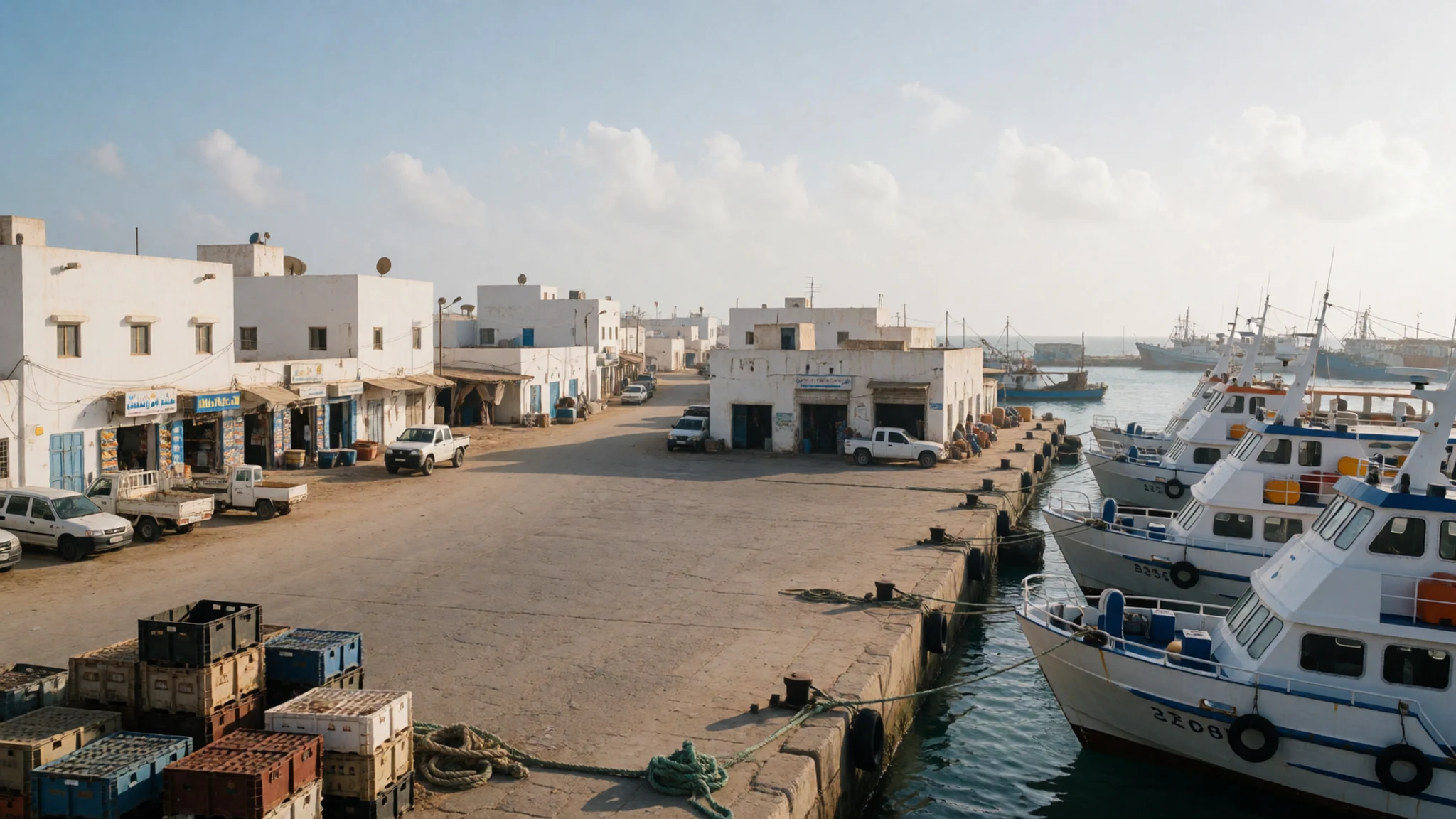
- East Coast Wrecks and Wild Shores — Eastern coastline
The wind-battered eastern shoreline faces the open Arabian Sea with powerful waves and dramatic cliffs. Visitors exploring these remote beaches can encounter scattered wreckage, including a prominent, highly accessible cargo vessel that ran aground on the sand in the twentieth century.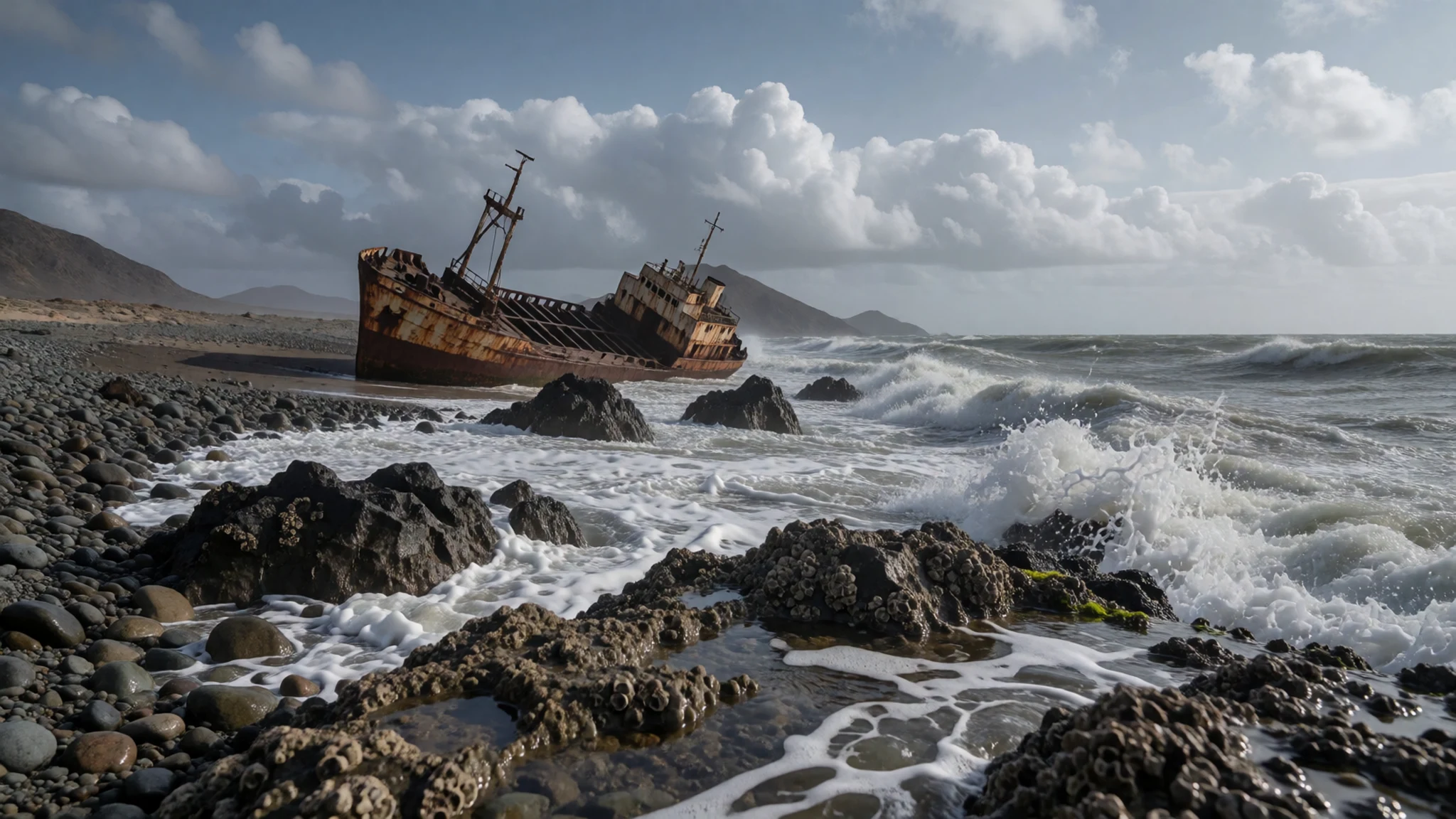
- Nesting Sea Turtle Beaches — Northern and eastern beaches
Masirah Island supports globally significant populations of marine turtles that come ashore under the cover of darkness to lay their eggs on the sandy northern and eastern beaches. The shallow offshore waters also provide exceptional opportunities for snorkelling alongside these gentle creatures.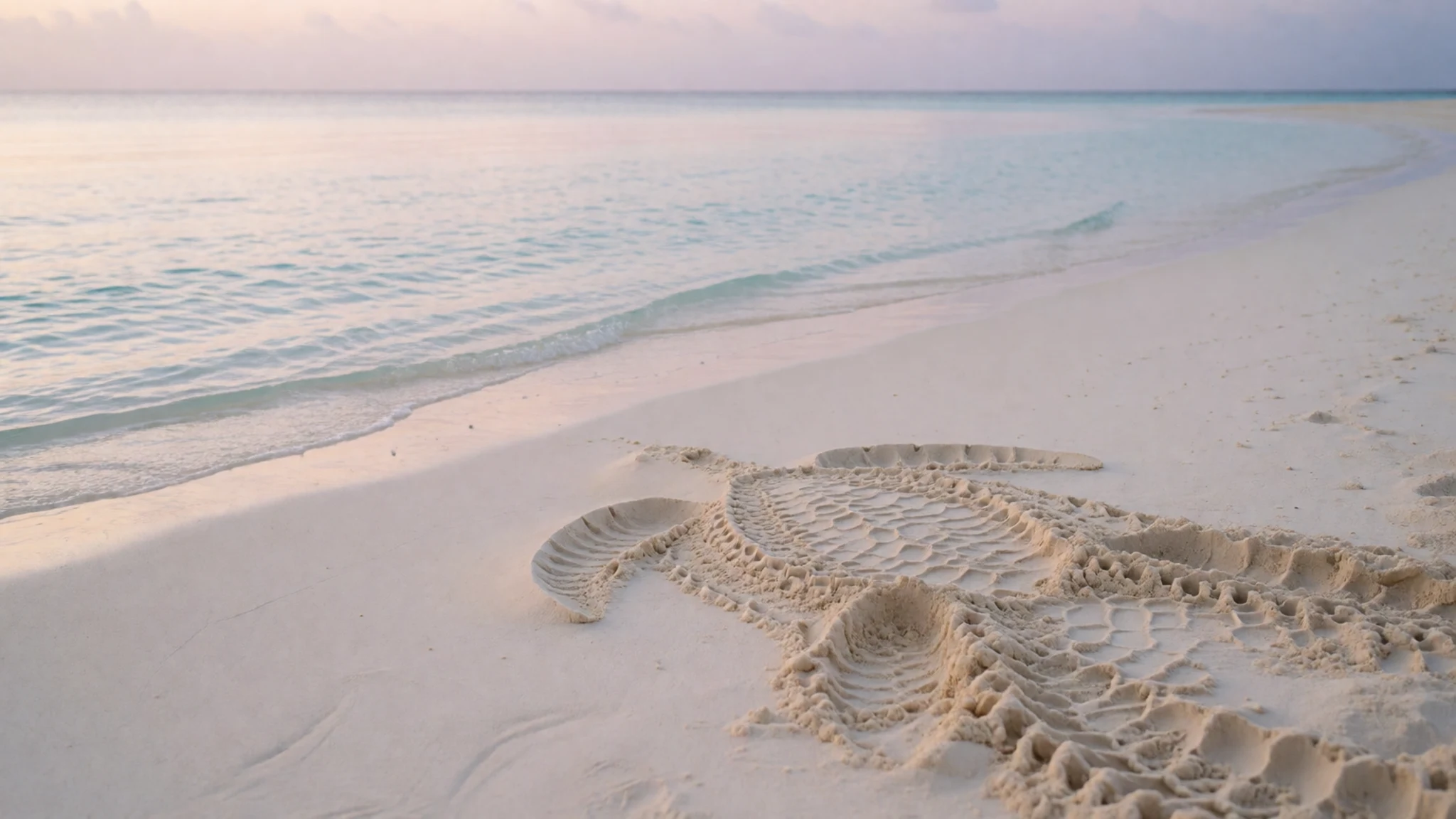
- Western Sheltered Waters — Western coastline
The calmer western coast facing the channel offers tranquil, shallow waters that contrast sharply with the turbulent eastern ocean. These protected shores provide the safest and most pleasant swimming conditions on the island, alongside ideal spots for setting up camp right by the tide.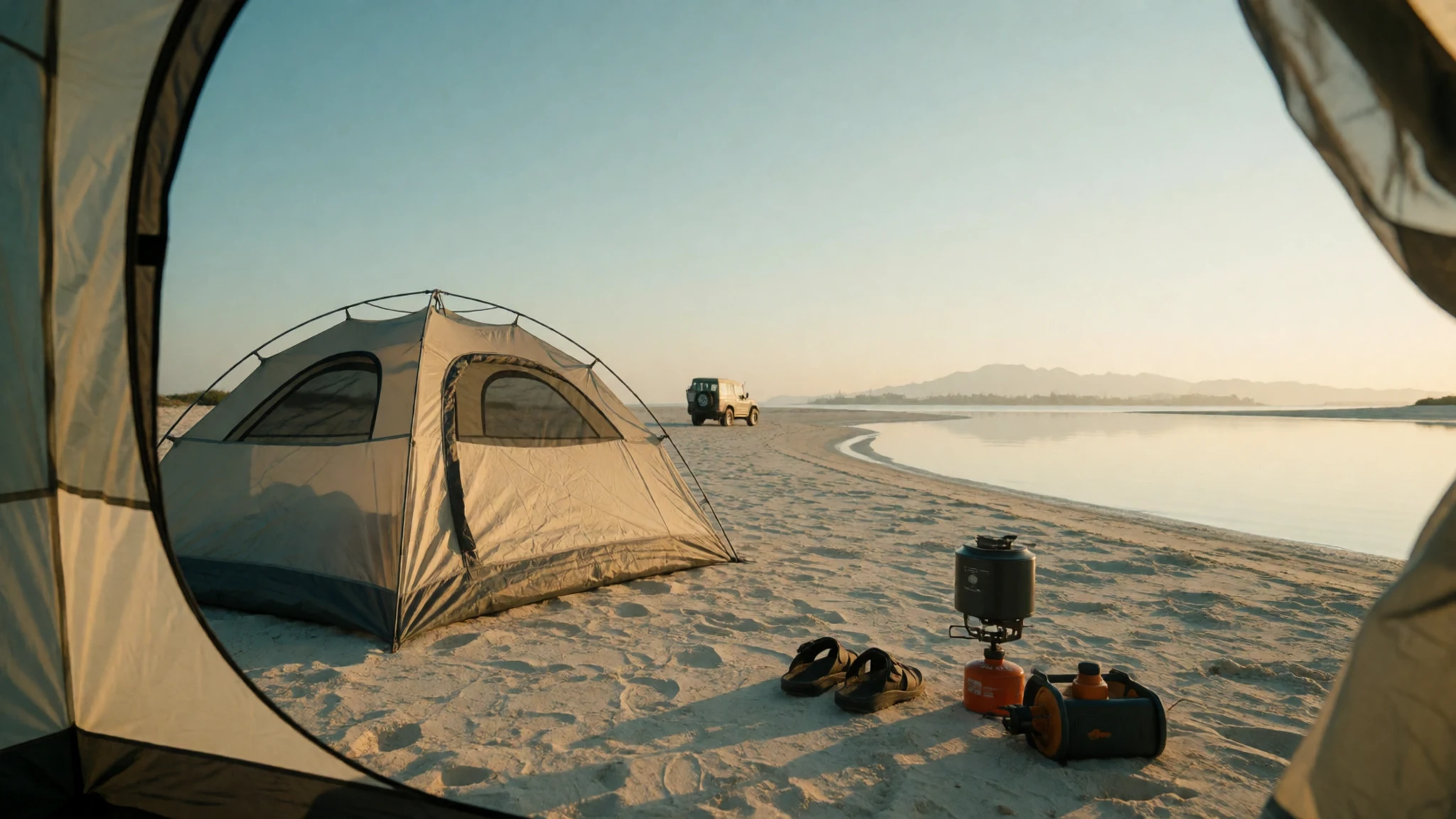
- Seaplane Fuel Store Ruins — Central-northern sector
Historical remnants from the mid-twentieth century military infrastructure are scattered across parts of the island, including the stone and concrete remains of former aviation fuel storage facilities that recall the era of early British Royal Air Force operations.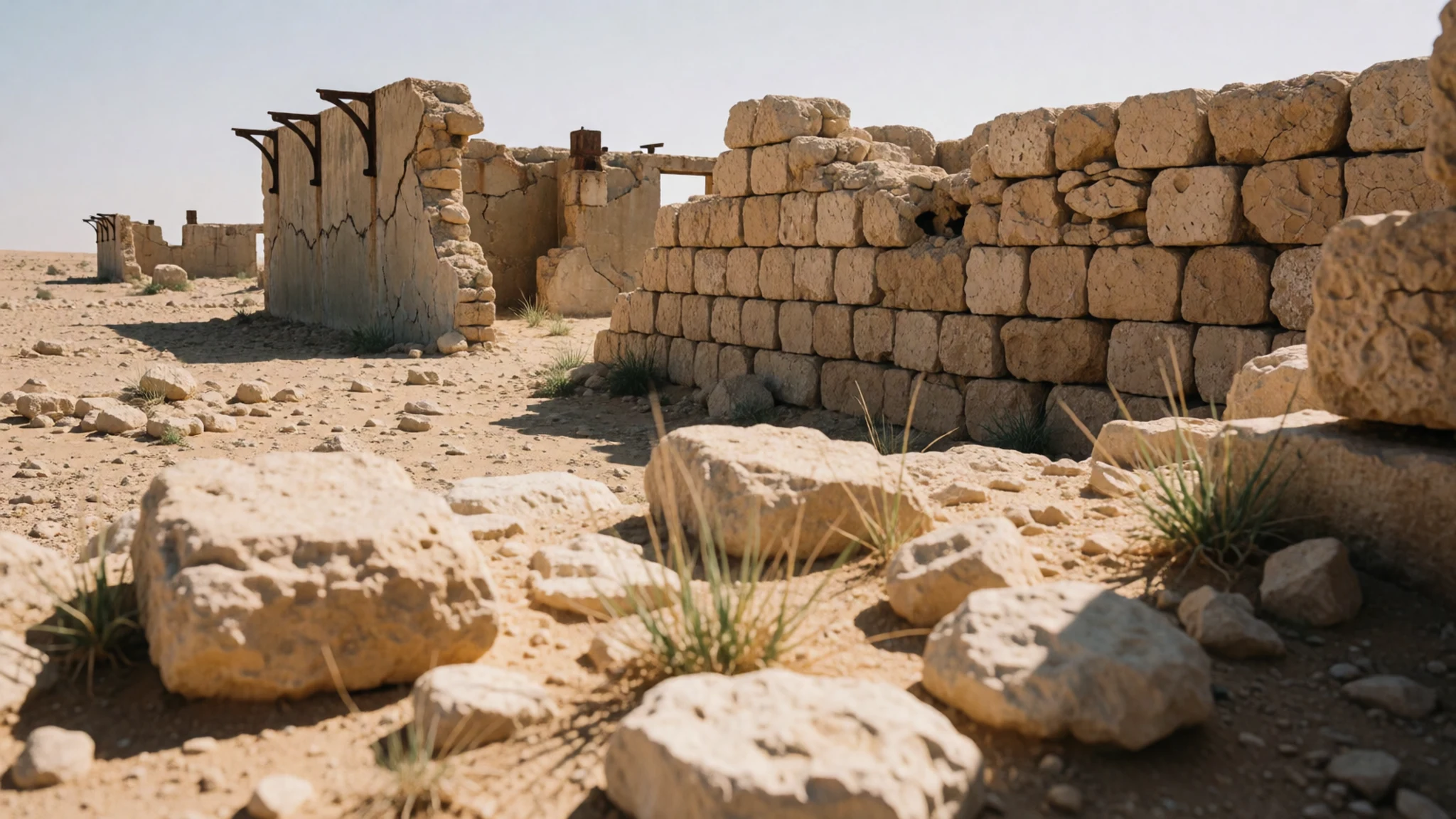
Culture
Omani culture on Masirah Island is deeply rooted in traditional maritime life, coastal Islam, and tight-knit fishing communities. For generations, local families relied on the Arabian Sea for survival, building wooden dhows by hand and navigating coastal waters using ancestral knowledge passed down through families. Hospitality remains a cornerstone of daily interactions, with traditional greetings exchanged with genuine warmth. While modern amenities have arrived in Raʾs-Ḥilf, the island retains a slower, unhurried pace of life compared to mainland urban centres.
Islamic traditions shape the daily rhythm, with the call to prayer echoing across the villages five times a day. Society is inherently modest, and visitors quickly notice that traditional values influence both social conduct and public presentation. Although kitesurfers and international campers bring a contemporary recreational energy to the beaches, traditional Omani etiquette governs interactions in the villages and local eateries. Always ask permission before photographing local residents, particularly women, and ensure your swimwear is strictly confined to the water rather than walking through village streets.
Always dress modestly in public areas, keeping shoulders and knees covered outside of private beach camping spots.
What to wear
Traditional dress on Masirah Island reflects practical Omani attire suited to a coastal, desert environment. Omani men traditionally wear the *dishdasha*, a simple, ankle-length, collared robe usually coloured in crisp white, paired with an embroidered cap known as a *kumma* or a wrapped turban called a *sarmah*. Women traditionally wear colourful, loose-fitting dresses over trousers, accompanied by a black headscarf or *hijab* and an outer cloak called an *abaya* when moving through public spaces or settlements.
In contemporary daily life across the island's villages, locals continue to wear these traditional garments, maintaining a strong sense of cultural identity despite the influx of international visitors and watersports enthusiasts. Foreign residents and workers on the island often wear lightweight Western work attire or casual clothes suited to the warm climate, while visiting tourists lean towards breathable linen shirts, cotton trousers, and sturdy footwear for exploring rough terrain.
Visitors to Masirah Island should wear loose, lightweight, and modest clothing that covers shoulders and knees when visiting towns, local shops, or ferry terminals. Bring reliable sun protection, including a wide-brimmed hat and sunglasses, alongside sturdy sandals or trainers for walking on rocky shorelines and sandy tracks. Swimwear is entirely appropriate while swimming or relaxing at remote campsites, but should be covered up when entering local villages.
What to eat
- Fresh Catch of the Day — Raʾs-Ḥilf fish market and local eateries
Given that fishing is a primary industry on Masirah Island, local eateries and small fish markets offer exceptionally fresh catches straight from the Arabian Sea, including kingfish, grouper, and emperor fish simply grilled or spiced.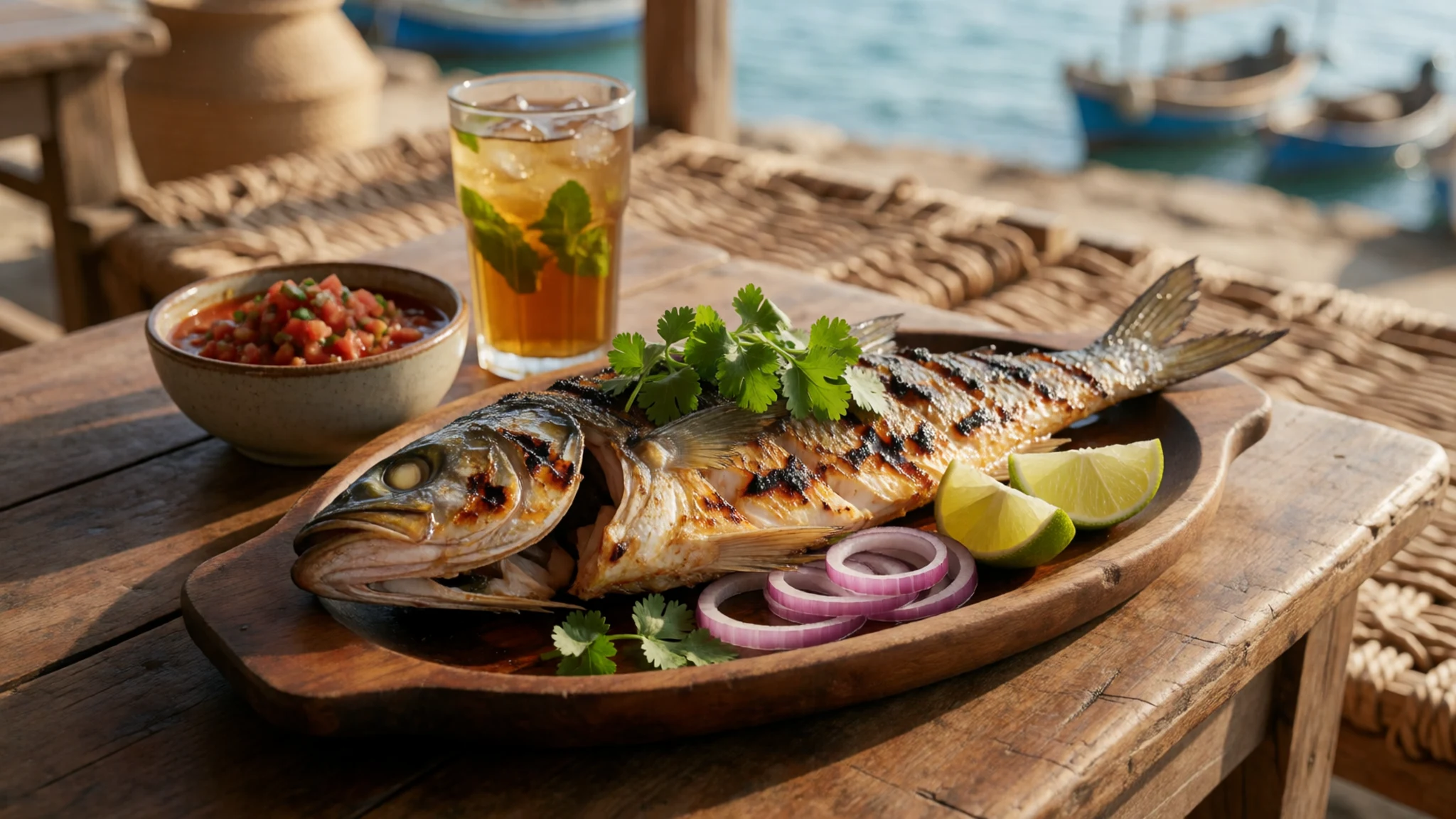
- Machboos — Traditional Omani restaurants in Raʾs-Ḥilf
A fragrant national rice dish spiced with cardamom, cloves, and saffron, cooked with tender pieces of fish, chicken, or mutton, and often served with a sharp tomato salsa and local herbs.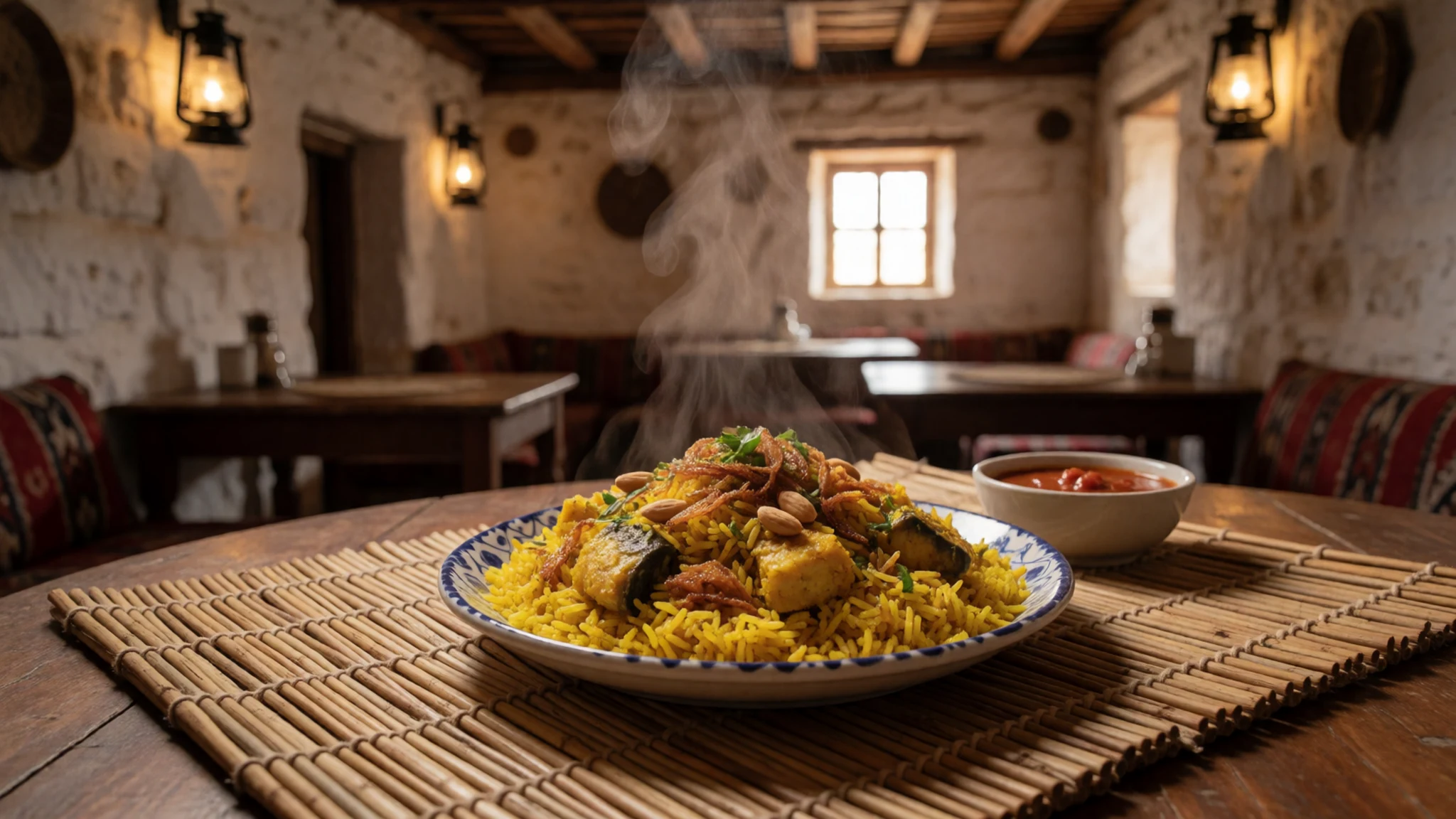
- Shuwa — Specialist eateries and family gatherings
A festive Omani specialty consisting of marinated meat slow-cooked in an underground clay oven for up to two days until exceptionally tender, infused with rich spices and local dates. - Omani Halwa — Local sweet shops and cafes in Raʾs-Ḥilf
A rich, gelatinous sweet confection made from brown sugar, honey, eggs, water, and rosewater, generously spiced with cardamom and saffron and studded with crunchy roasted nuts.
Plan it
Best time. October to April offers pleasant temperatures and comfortable weather for camping and exploring, while summer brings strong monsoon winds that attract kitesurfers.
How long. 3–4
Getting there. Drive from Muscat to Shannah port (around 5 hours), then take the National Ferries Company vehicle ferry across the channel to Hilf Port on the island (about 1.5 hours).
Budget. mid
Tips
- Check ferry timetables in advance as departures depend heavily on tide levels
- Bring a 4WD vehicle for exploring sandy tracks and remote coastal camping spots
- Stock up on drinking water and essential supplies before boarding the ferry
- Carry sufficient cash as card acceptance outside main town shops is limited
- Protect yourself against strong coastal winds and intense desert sun
Etiquette
- Dress modestly with shoulders and knees covered when visiting villages and towns
- Always ask permission before photographing local residents
- Leave your campsite completely clean and take all rubbish with you
Nearby
Sources
- Wikidata Q1793853 (CC0)
- Wikipedia (CC-BY-SA 4.0)
- Wikivoyage (CC-BY-SA 4.0)