Masbate
Masbate, Philippines
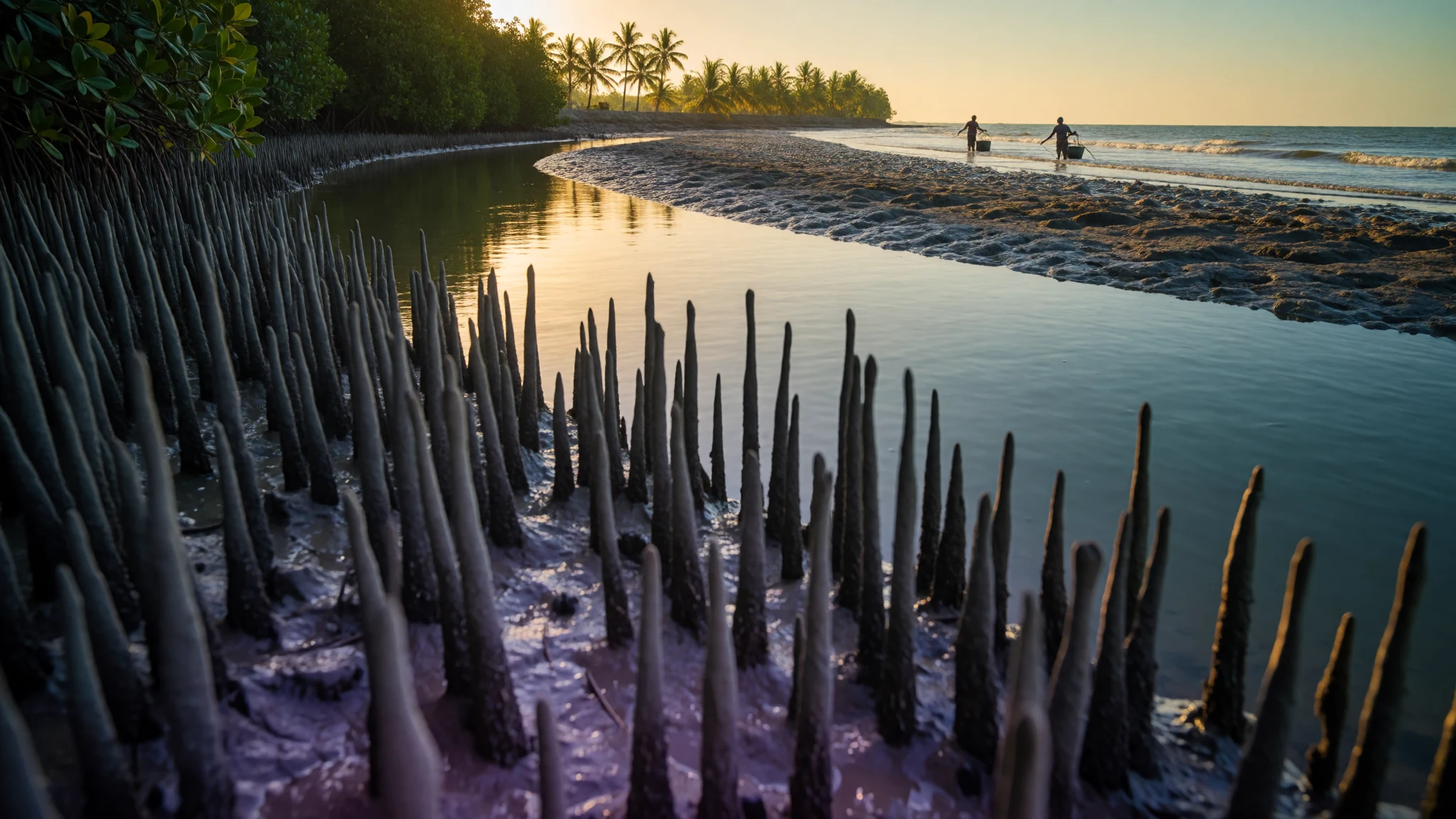
Masbate is a working cattle island between Luzon and the Visayas, with sandbars, mangroves, manta rays nearby and almost no tourist crowds.
The place
Masbate is the main island of the province that shares its name, alongside Ticao and Burias. It lies between the southern tip of Luzon and the Visayan islands, and that in-between position shapes almost everything. The province is grouped with Bicol, yet everyday culture leans Visayan, and its people are called Masbateños. About 707,000 people live on the island, and the highest ground reaches 705 m. Masbate City is the biggest town and the main port, where ferries, buses and the island's only airport come together. Beyond it, the landscape is mostly open grazing country, coconut groves, mangrove-fringed bays and small fishing settlements. This is not a resort island. The economy rests on cattle, copra and gold mining, poverty is widespread, and many goods arrive by sea from other islands, so shops can be thinly stocked and prices for imported items higher. Tourism is low-key and informal: local boatmen run trips to sandbars and islets, community groups look after mangrove areas, and the best-known wildlife encounter is the chance to swim with manta rays off Ticao. Expect heat, humidity and long, slow journeys, but also a place where visitors are still a novelty and conversations start easily. Anyone who wants polish and package tours will find little here. Anyone curious about how the Philippines looks away from its famous beaches will find plenty to watch, eat and ask about.
Its story
Masbate has a long record of human presence, and its story begins well before any map. Wikipedia reports that settlement here goes back several thousand years before Christ, which makes the island a candidate for some of the earliest known habitation in the Philippines. Much later, in the sixteenth century, Spaniards arrived with gold on their minds and built an outpost around the island's mines. Masbate, then written Masbat, also became a useful stopping point for the galleons that sailed between Manila and Acapulco. For long periods it was run from the Bicol mainland, first as part of Albay, and for a spell in the early twentieth century it was attached to Sorsogon after a typhoon ravaged it. It later became a province in its own right. The modern chapter is shaped by cattle, copra and mining, and by weather. Super Typhoon Yolanda swept through in November and forced thousands of people from their homes, a reminder that low coasts and exposed bays carry real risk. Today the old gold-and-galleon past sits behind a ranching economy, where rodeo grew out of everyday cattle work and mangrove planting has become a community cause. Masbate's story is one of passing traffic, borrowed administration and stubborn local identity rather than grand monuments, and it is easier to read in its festivals and fields than in any single building.
What to see
- Masbate City waterfront and mangrove park — Masbate City
Masbate City has a flat seafront boulevard where the airport runway sits close to the road, and a mangrove park that shows what the coast looked like before it was built over. It is an easy first walk after arriving, best in the cooler early morning or at dusk.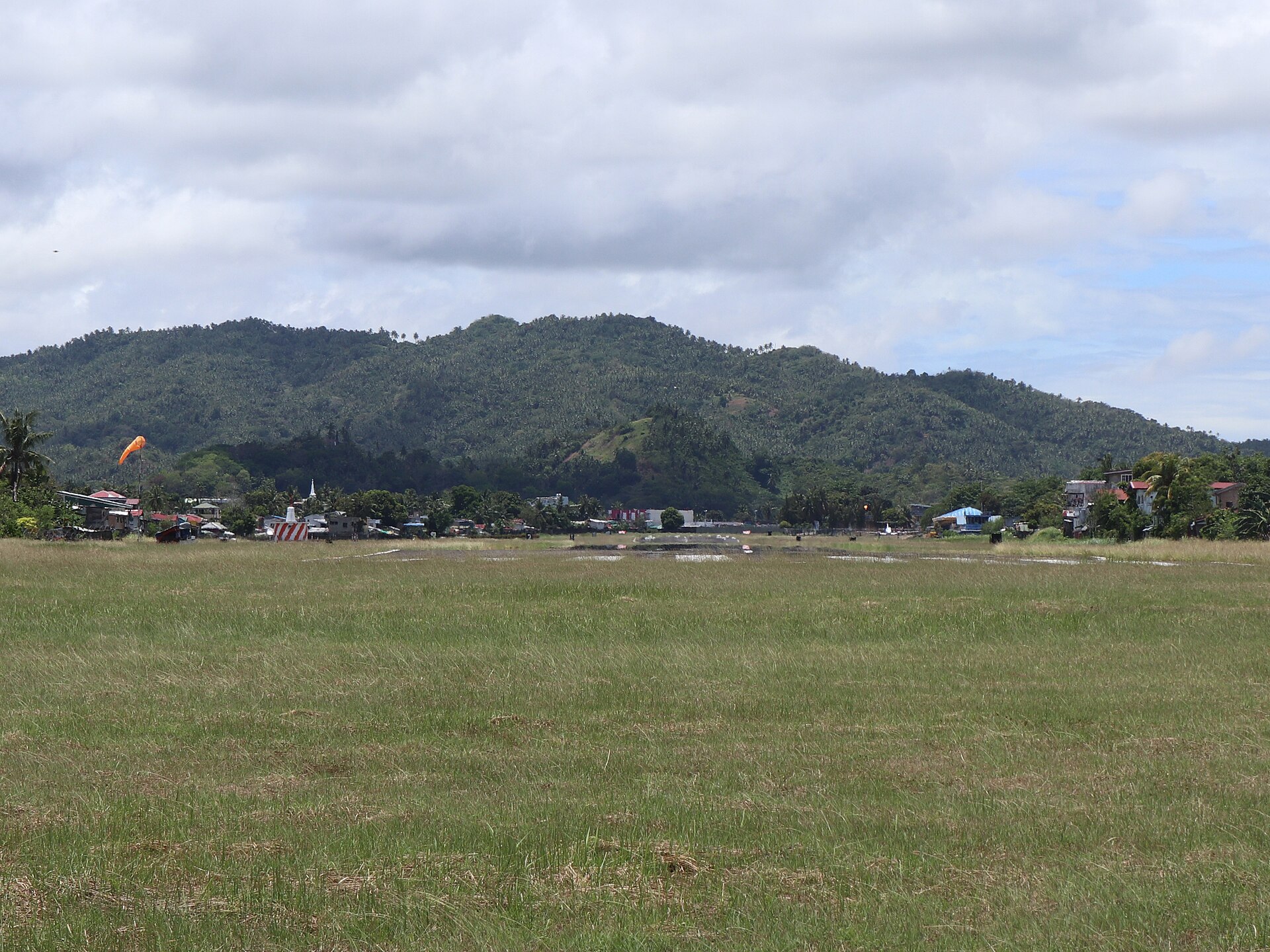
- Buntod Sandbar — Off Masbate City
Buntod Sandbar is a short boat ride from the city and disappears when the tide rises, so timing matters. Ask the boatman about the tide before booking. There is little shade, so bring a hat, water and sun protection, and expect to share the strip with only a few local families. - Manta rays off Ticao Island — Ticao Island
Ticao Island, a short hop from the main island, is where visitors dive or snorkel with manta rays. Sightings depend on season and conditions, so treat it as a possibility rather than a promise. Choose an operator that keeps a respectful distance from the animals and does not allow touching. - Bakhawan Festival, Batuan — Batuan
Batuan holds its Mangrove Festival every 10th of May, with street dances, music and a community mangrove planting. It links the town's fishing life to the protected coast of Bongsanglay Natural Park. Visitors are welcome to join the planting, which makes it one of the more participatory festivals in the region. - Rodeo Masbateño — Masbate City area
Held each year in the second week of April, the rodeo turns ranch skills into competition, with roping, bull riding and whip cracking among the events. It is closer to a cattle-handling contest than the American version, and entrants compete in student and professional classes, with separate divisions for women and men.
Culture
Masbate sits where Bicolano and Visayan worlds meet, and the mix shows in language, food and humour. Although the province is administered with Bicol, Masbateño culture feels closer to the Visayas, and local speech moves easily between several languages. Ranching gives the island a character unusual in the Philippines. Cattle markets, pastures and cowboy-style hats are part of normal life, and the annual rodeo grew out of real herding work, not from tourism. Community life also revolves around the coast. Fishing families, mangrove guardians and festival committees keep traditions of thanksgiving for the harvest and for the sea, and the Mangrove Festival in Batuan blends dance, music and environmental awareness. Fiestas for patron saints, school events and family gatherings fill the calendar, and visitors who show interest are usually fed and introduced to everyone. Poverty is visible, and many people rely on remittances, small farms or seasonal work, so hospitality is generous but not extravagant. Humour, patience and a willingness to chat go a long way when ferries run late or plans change. When joining a fiesta, a rodeo or a village celebration, accept food or drink with a smile when offered, ask before photographing people, and avoid flashing expensive gadgets or cash.
What to wear
Masbate has no single costume of its own that visitors will see daily, so traditional dress here means the wider Philippine pieces. Men wear the barong tagalog, a light embroidered shirt often made from pineapple-fibre or similar sheer cloth, at weddings, civic events and formal fiestas. Women wear the baro't saya or the terno, with its stiff butterfly sleeves, on the same occasions and in school or town pageants. Handwoven Visayan and Bicol cloths appear in scarves, table runners and gifts. Everyday clothing is practical: T-shirts, shorts, cotton dresses, flip-flops and caps against the sun. Ranch and rodeo events add boots, wide-brimmed hats and denim, and festival days bring bright costumes for street dancing. Visitors should dress for heat and humidity: light cotton or quick-dry layers, a hat, sunglasses and high-factor sun cream. Sandals with a good grip or reef shoes help on boats, sandbars and rocky shorelines, and a light rain jacket is useful in wetter months. Cover shoulders and knees when entering a church or visiting a municipal office, and avoid beachwear away from the shore, since small towns tend to be modest.
What to eat
- Beef tapa — Small breakfast eateries and the public market in Masbate City
Thin strips of cured beef, fried until the edges crisp and served with garlic rice and egg. It makes sense on a cattle island, and breakfast is the usual time for it. The cut and cure vary from home to home. - Kinilaw — Fish stalls and seaside eateries near the port
Raw fish dressed in vinegar or citrus with onion, ginger and chilli. Freshness is everything, so eat it where the catch is landed and ask what came in that morning. It works as both starter and drinking snack. - Inihaw na isda — Roadside grills and waterfront stalls, especially at dusk
Whole fish grilled over charcoal, often brushed with a little oil and served with soy-and-calamansi dip or a tomato-onion relish. Pick the fish from the display and let the cook decide on the size. - Beef kaldereta — Carinderia lunch counters and fiesta tables
A slow-cooked stew of beef in a tomato-based sauce, often thickened with liver spread and finished with peppers and vegetables. Rich and hearty, it appears at fiestas, family gatherings and ordinary lunch counters alike. - Suman and other kakanin — The public market and stalls near bus and ferry terminals
Sticky rice cakes wrapped in leaves, sometimes steamed with coconut milk, alongside other sweet rice snacks. They are sold in the morning and make a cheap, portable snack for ferry journeys.
Plan it
Best time. March to May is the drier and hotter stretch, better for boat trips to sandbars and islets, and the rodeo falls in April. Later in the year typhoons can bring rough seas and cancelled sailings, so check forecasts before booking.
How long. 2–3
Getting there. Fly to Masbate City airport (MBT), which has a daily morning Cebgo flight, with other routes via Clark. By land and sea, roll-on, roll-off buses run from Cubao in Manila through the port of Pio Duran in Albay, and a ferry links Cataingan on Masbate with Bogo on Cebu. Check each operator for current schedules and fares.
Budget. low
Tips
- Book flights and ferries early, since services are limited and some run only once a day
- Check tide tables before heading to Buntod Sandbar, as it vanishes at high tide
- Carry cash, because cards are accepted in few places outside Masbate City
- Bring water, sun protection and insect repellent for boat days
- Keep a flexible schedule in case weather delays crossings
Etiquette
- Ask before photographing people, especially children and fishing families
- Accept food offered at fiestas politely, even if only a small portion
- Do not touch manta rays or stand on corals and mangrove roots
Nearby
Sources
- Wikidata Q938563 (CC0)
- Wikipedia: Masbate Island (rev 1379920561) (CC BY-SA 4.0)
- Wikivoyage: Masbate (rev 5391270) (CC BY-SA 4.0)
- Photo: Masbate Mangrovetum, Robredo Boulevard, Masbate City (Patrickroque01) (CC BY-SA 4.0)
- Photo: Admiralty Chart No 3369, Philippine Islands (UK Hydrographic Office) (Public domain)
- Photo: Calocochlia festiva land snail, Masbate Island 1 (James St. John) (CC BY 2.5)
- Photo: Calocochlia festiva land snail, Masbate Island 2 (James St. John) (CC BY 2.5)
- Photo: Calocochlia festiva land snail, Masbate Island 3 (James St. John) (CC BY 2.5)
- Photo: Calocochlia festiva land snail, Masbate Island 5 (James St. John) (CC BY 2.5)
- Photo: Calocochlia festiva land snail, Masbate Island 6 (James St. John) (CC BY 2.5)
- Photo: Isla Masbate (Costa Noroeste) (Guillermo de Aubarade, Comisión Hidrográfica de Filipinas) (CC BY 4.0)


