Masada
Masada, Israel
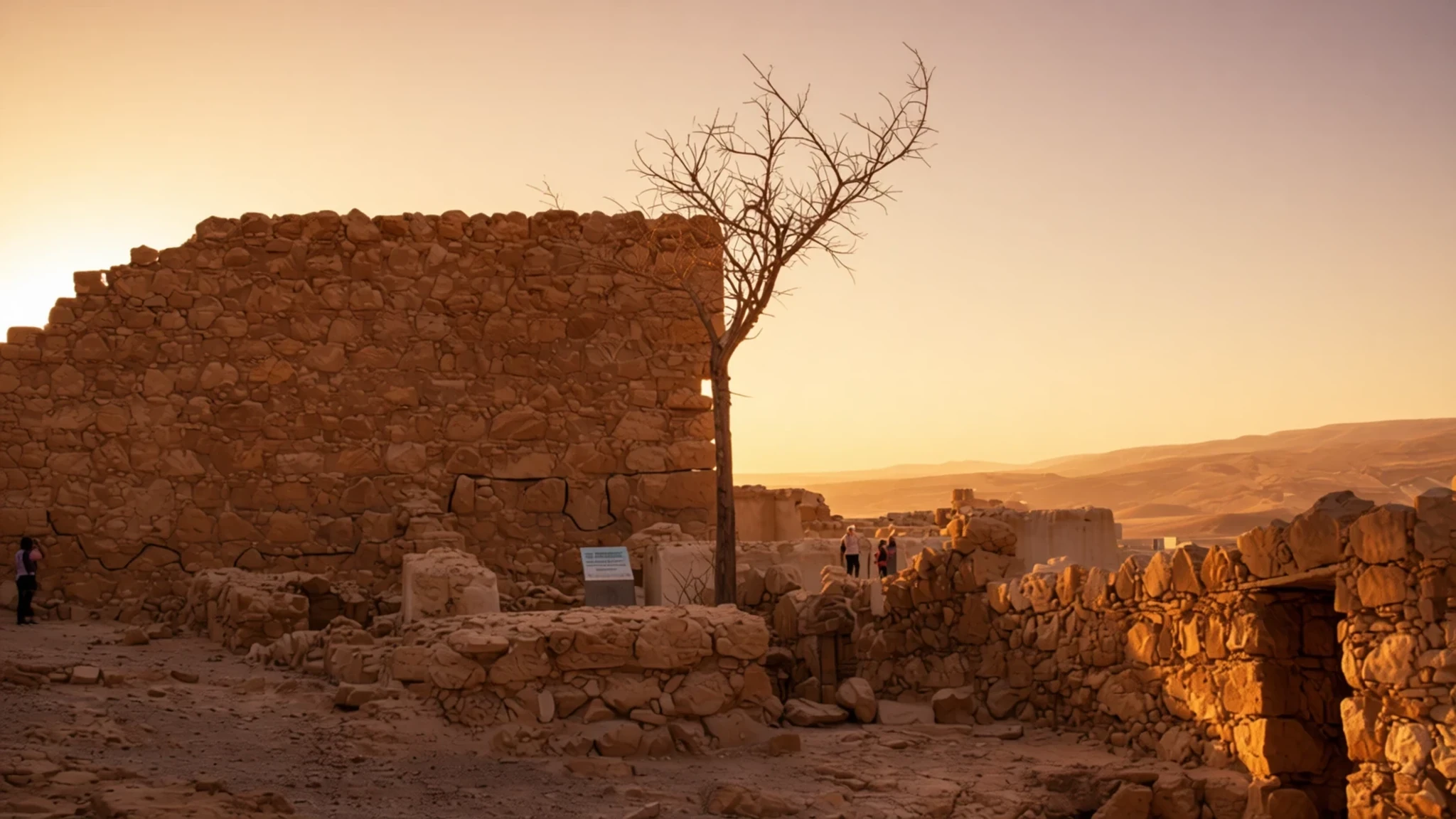
A flat-topped desert fortress above the Dead Sea, where Herod built palaces and the last rebels made their stand.
The place
Masada is a fortified hilltop site made up of several structures, located in the Judaean Desert in southeastern Israel. It sits on a natural flat-topped plateau that climbs steeply from the western edge of the Dead Sea. The name is Hebrew for fortress, and the site looks like one. Its summit is a broad, nearly flat table of rock walled in by cliffs on almost every side, which is why it was chosen in the first place. The land around is bare, stony and very hot for much of the year, and the Dead Sea lies below, so the air near the site can feel heavy and still.
Most of what visitors see today is the work of Herod the Great, who ruled Judaea under Roman oversight and turned the summit into a fortified refuge. Walls with rooms built into them ring the top, and there are storerooms, cisterns, bathhouses and palaces. One palace stands on the western side and another is stepped down across a series of terraces on the northern cliff. Both are often described as among the finest surviving examples of Herodian building, and the mosaic floors and painted plaster in the bathhouses still show how comfortable a desert retreat could be.
The site is a UNESCO World Heritage Site and can be reached by cable car, a steep hiking path or a longer approach from Arad. The climate is the main thing to plan around. Summer days are fierce, and the bare rock throws the heat back, so the sensible pattern is cooler months and early starts. Groups arrive in the middle of the day, and the summit is busiest then. Hours and fares change, so the official site is the place to confirm them.
Its story
Almost everything written about Masada before modern excavation comes from Josephus, a Jewish historian of the first century CE. He says a Hasmonean ruler first fortified the summit, but archaeologists have not yet identified buildings from that period, so the claim remains open. Josephus provides the fuller account of Herod the Great, who seized the stronghold amid the upheaval after his father Antipater died. Herod subsequently constructed a massive stronghold atop the mesa, intended as a haven should an uprising break out. It included residences and storehouses which Josephus portrays as holding a seemingly inexhaustible stock of provisions.
The best-known chapter came during the First Jewish–Roman War. At the start of the revolt, the Sicarii, who were a radical faction conflicting with the broader Zealot movement, overcame the Roman garrison with a ruse. Josephus describes them raiding nearby Jewish villages, including Ein Gedi, a detail that complicates the heroic version of their story. Later, the Roman governor Lucius Flavius Silva led a legion against the mountain, built a circling wall and a great earth ramp, and waited for the defenders to give way.
When the walls were finally breached, Josephus reports that the people inside had chosen death over capture, with nearly a thousand dead, a figure historians still debate. Josephus was writing for a Roman audience and had his own purposes, so his account of the final night is read with care. What is clear is that the siege became a symbol, and the legend of the last stand was shaped and retold long after the ruins fell quiet.
What to see
- The Snake Path — eastern side, off the Dead Sea Highway
The Snake Path starts on the eastern side, reached from the Dead Sea Highway, and climbs a series of switchbacks to the summit. The climb takes anywhere from about 40 minutes to two hours, depending on pace and stamina. Because it is exposed to the sun, it is usually closed from mid-morning, so many people go up before sunrise.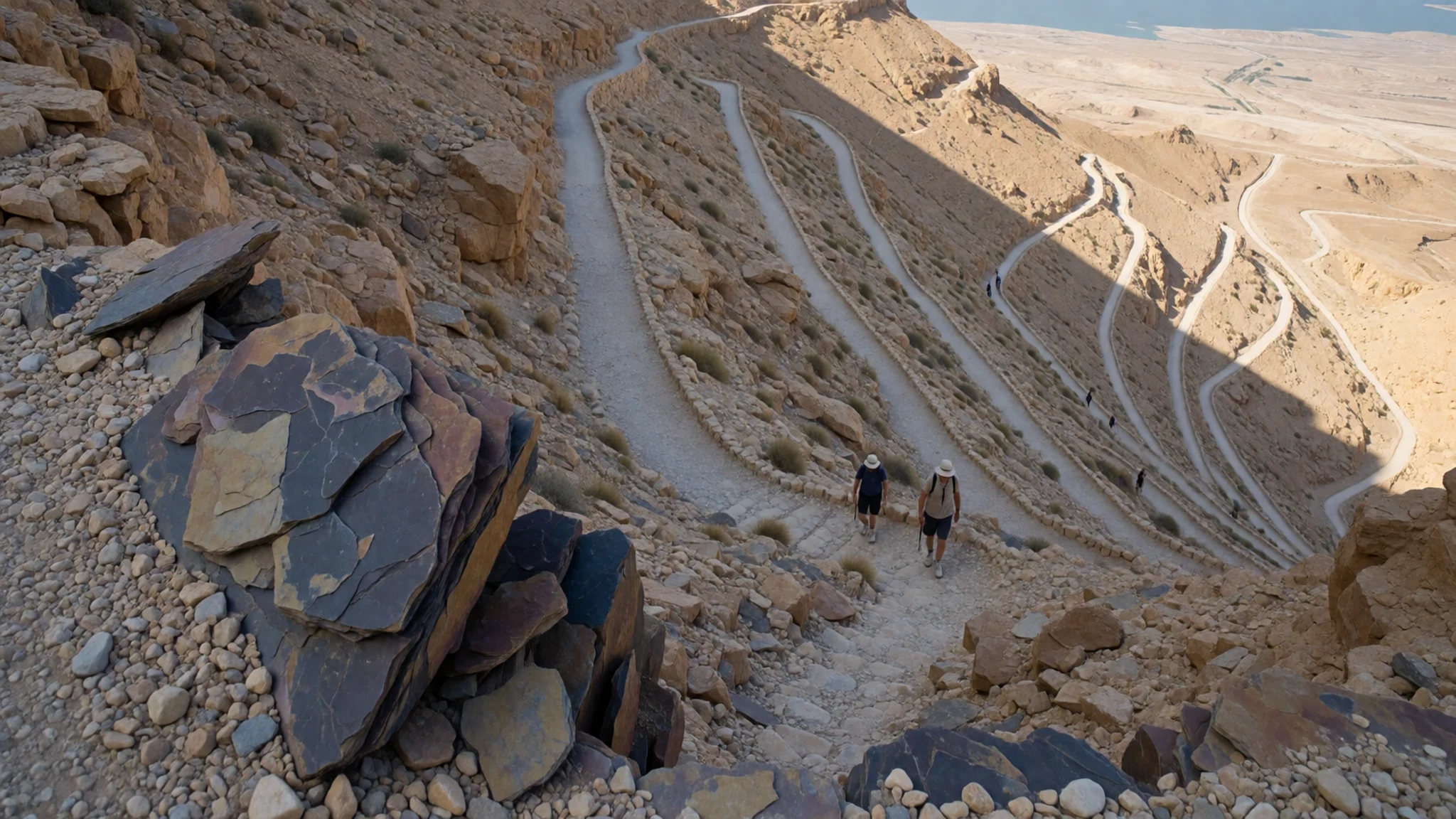
- The Roman Ramp — western side, from Arad
The Roman Ramp is the western approach, reached from Arad rather than the Dead Sea Highway. The drive is a detour, but the walk up is considerably less strenuous than the Snake Path. Standing on it makes clear how the besiegers piled earth and stone to bring their siege engines up to the walls, a feat that still impresses the visitor.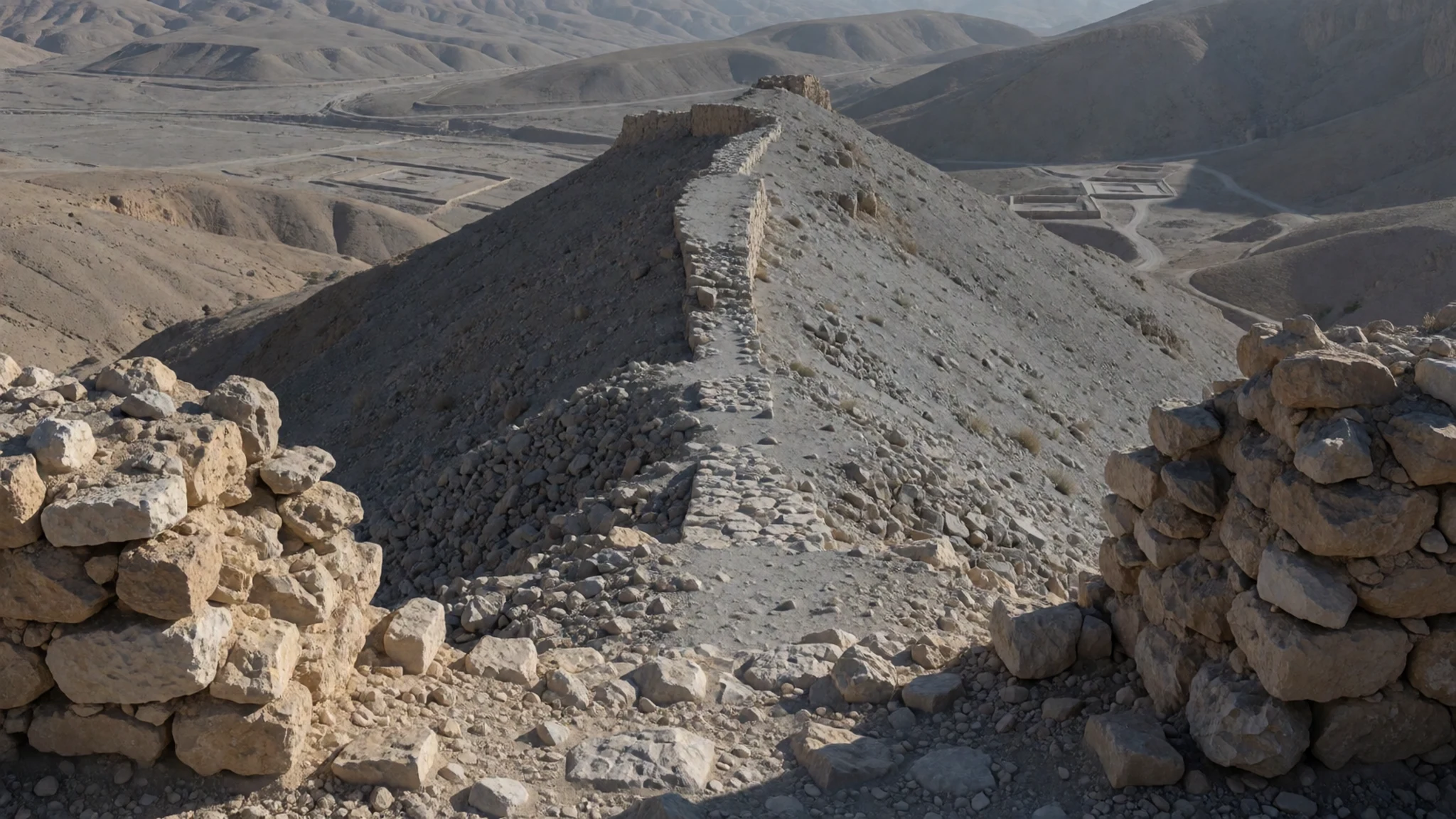
- The Herodian palaces — summit, western and northern palaces
The palaces are the reason many people climb. The western palace has bathhouses with mosaic floors, and the northern palace steps down across several cliff terraces. Together they show how a ruler wanted comfort in a desert fortress. Guided tours explain the layout, and the model at the visitor centre makes the arrangement easier to picture before walking the summit.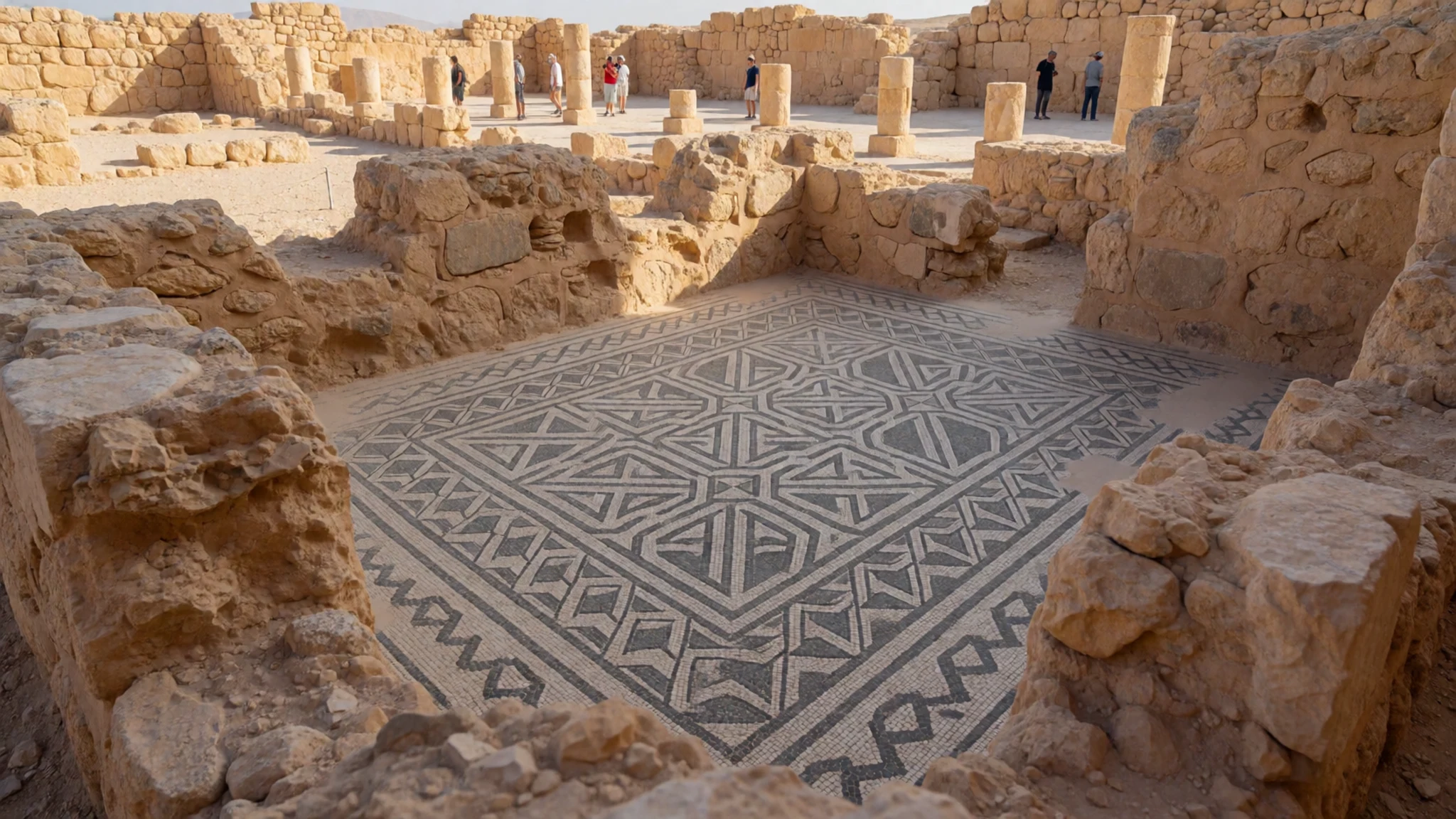
- The Roman siege camps — summit views to the western plain
From the summit, the remains of the Roman siege camps are clearly visible on the plain below. The square outlines of the camps, and the wall that encircled the mountain, show how thoroughly the besiegers sealed the site. It is one of the few places where a siege can be read from the ground without much imagination, and the view is best in morning light.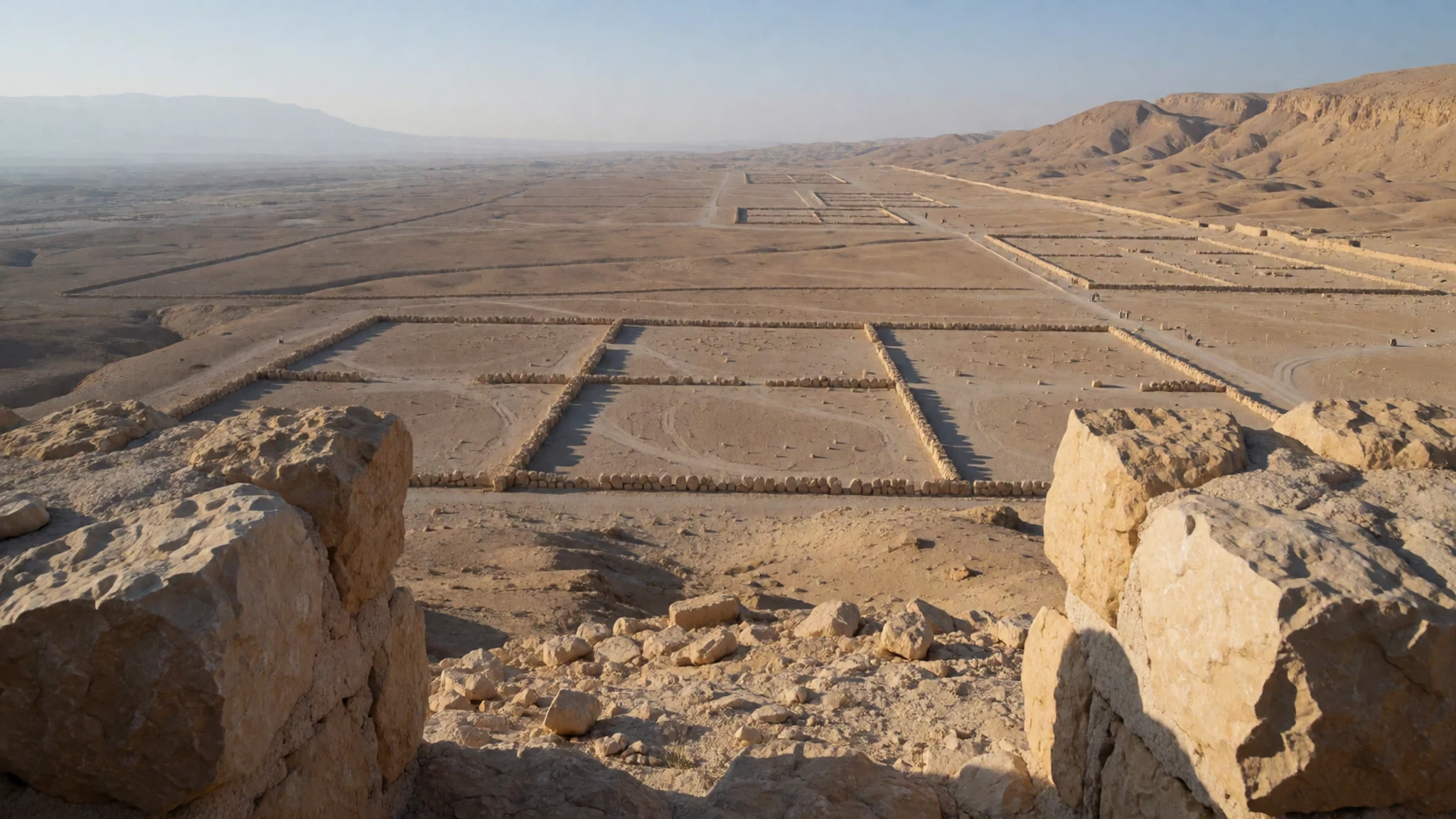
- The Masada Sound and Light Show — natural amphitheatre on the western side, via Arad
The Masada Sound and Light Show tells the story of the mountain after dark, with pyrotechnic effects. Spectators sit in a natural amphitheatre on the western side, and the show is reached only through Arad, which is a drive away. It suits evenings when the day's heat has passed. Check the official site for the current schedule and tickets before planning the drive.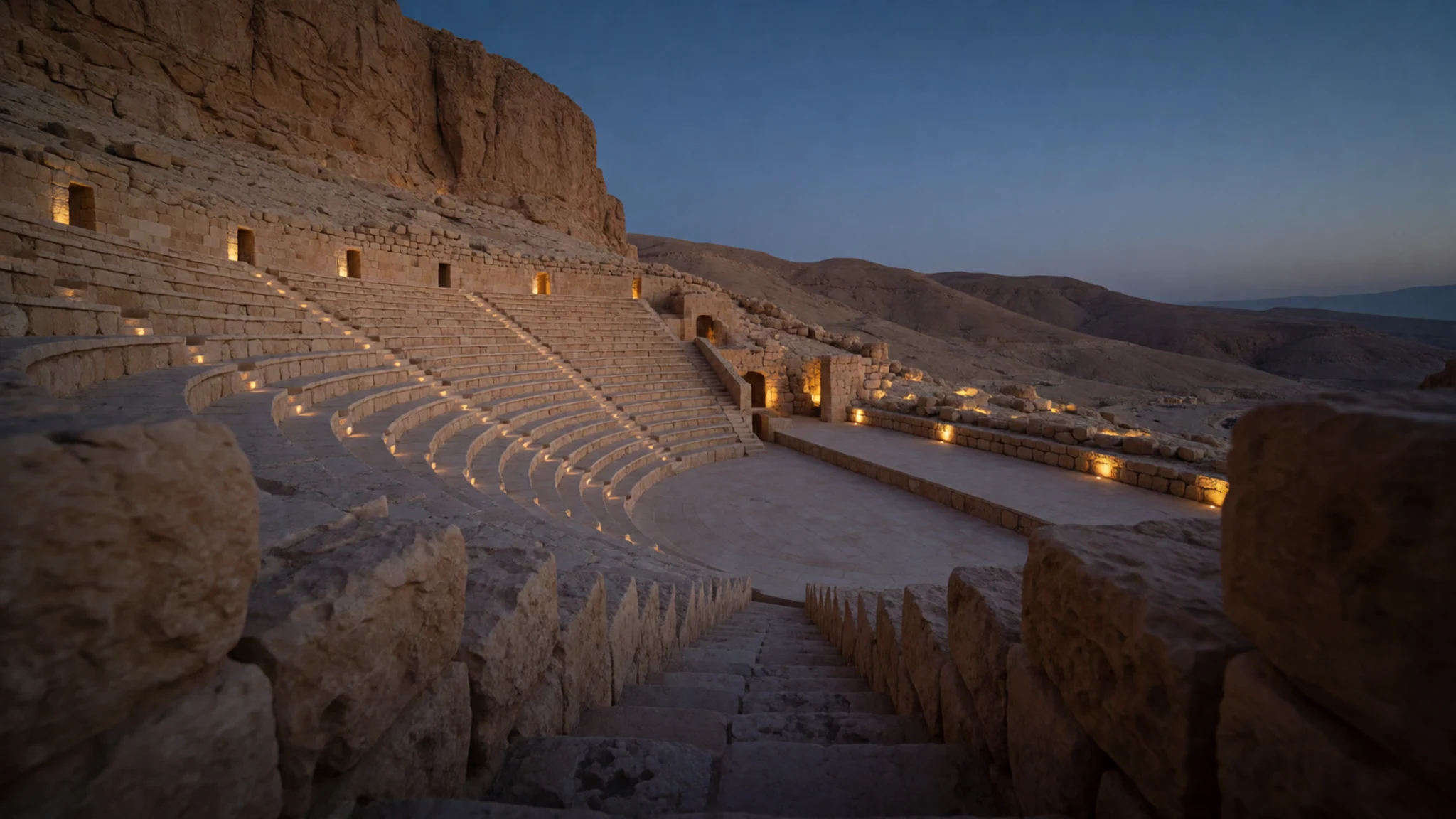
Culture
Masada is a national symbol for Israelis, and the story of the last stand is told on the mountain as a lesson in courage and sacrifice. Guided groups repeat that account with pride, and many visitors arrive already knowing the outline. Historians, however, treat the details with caution. Josephus is the main source, and his account of the final night comes from a writer working for a Roman audience. Hearing both the tradition and the doubts makes the visit richer.
The site also holds the remains of people who died there, and the bones found during excavation were given a formal state funeral, an event shown in photographs. The summit is therefore a place of remembrance as well as a ruin, and military and state ceremonies still take place there. Mornings are often calmer than midday, when tour groups and families gather in the shade of the buildings. Music, games and loud conversation sit awkwardly with that memory. Photography is generally permitted, but avoid posing in front of mourners or ceremonies.
Stay on marked paths and steps, keep your voice down near the palace ruins, and step aside for groups gathering for a ceremony.
What to wear
Masada has no dress of its own. Little clothing from the period of the siege survives, and what is known of it comes mostly from sculpture and from other sites in the region. The wider region has a long textile tradition. Bedouin communities across the Negev and the Judaean Desert have traditionally worn loose robes, often in wool or cotton, with headcloths held in place by cords against the sun. Such dress is still seen around Arad and the Dead Sea road, though it is worn for daily life and family occasions rather than for the mountain.
People visiting Masada now wear the practical clothes of any hot desert day: short sleeves, light trousers or knee-length shorts, a wide-brimmed hat and sunglasses. Visitors are often in casual summer clothing, and the mood is relaxed. Modesty matters most at ceremonies and at the synagogue ruins, where covered shoulders show respect, rather than as a strict dress code on the paths.
For a visit, pack light, breathable layers: cotton or linen, long sleeves to protect the arms in direct sun, and a hat that covers the neck. Footwear matters more than fashion here. Closed trainers or walking sandals with good grip cope with the stony steps of the Snake Path, while flip-flops slip on the rock. Carry a scarf for shade, or to cover the shoulders at a ceremony.
What to eat
- Hummus and pitta — visitor centre food court below the fortress; eateries in Arad
Hummus and pitta is the simplest meal to find in the region, and it suits the desert heat because it is cool, filling and needs no cooking. Look for it at the visitor centre food court, or in any Arad eatery before the climb.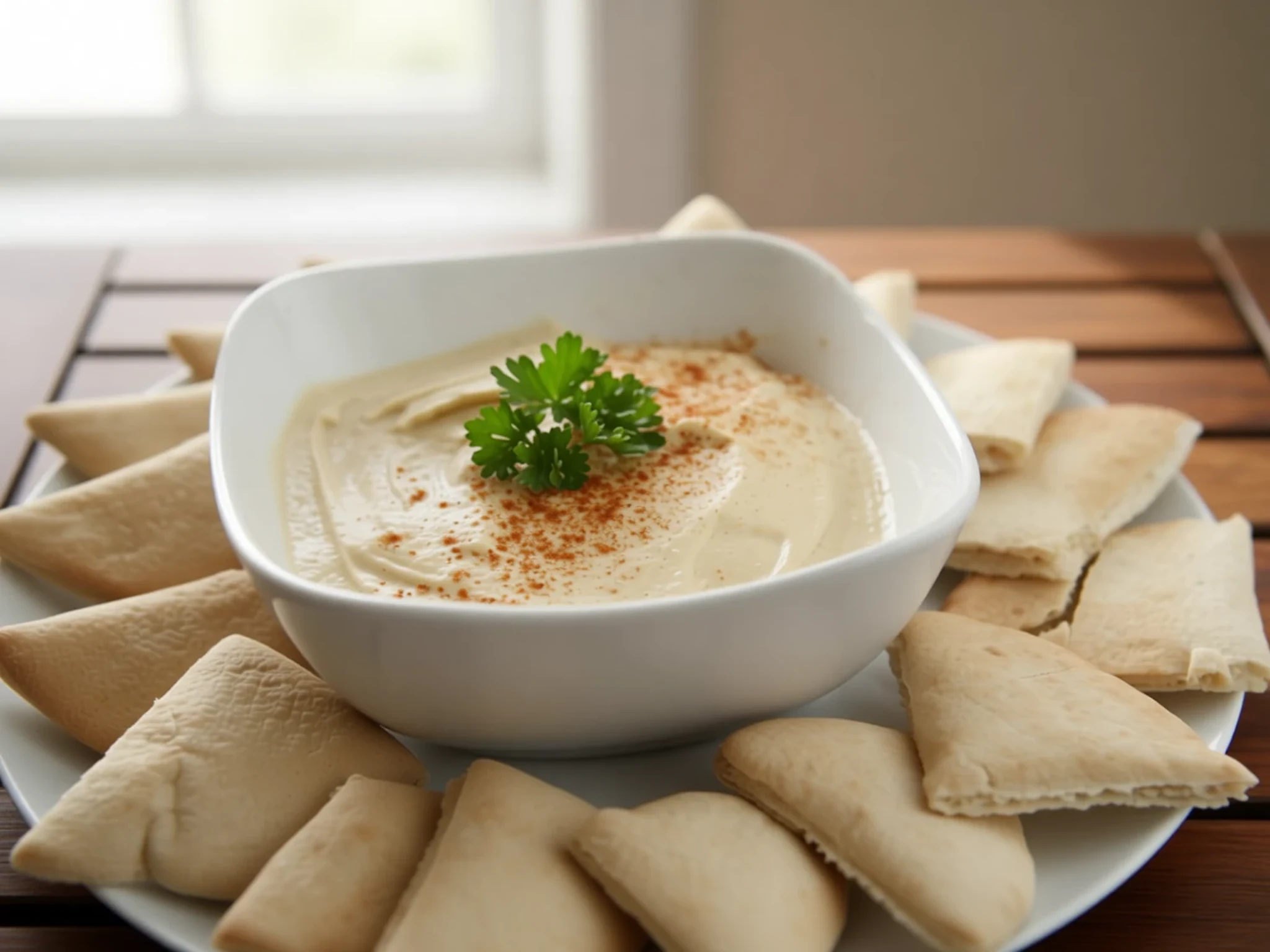
- Falafel — street stalls in Arad and along the Dead Sea road
Falafel, fried balls of ground chickpeas or beans, is sold from small stalls in Arad and along the Dead Sea road. It makes a quick lunch to eat before or after the climb, and it travels well in paper. Eat it early, before the afternoon heat.
- Medjool dates — open-air market stalls in Arad
Medjool dates are grown across the Jordan Valley and the Arava, and sold loose in markets around Arad. They are soft and very sweet, so eat them in small handfuls on the walk up. Buy them from a market stall in Arad rather than a roadside shop.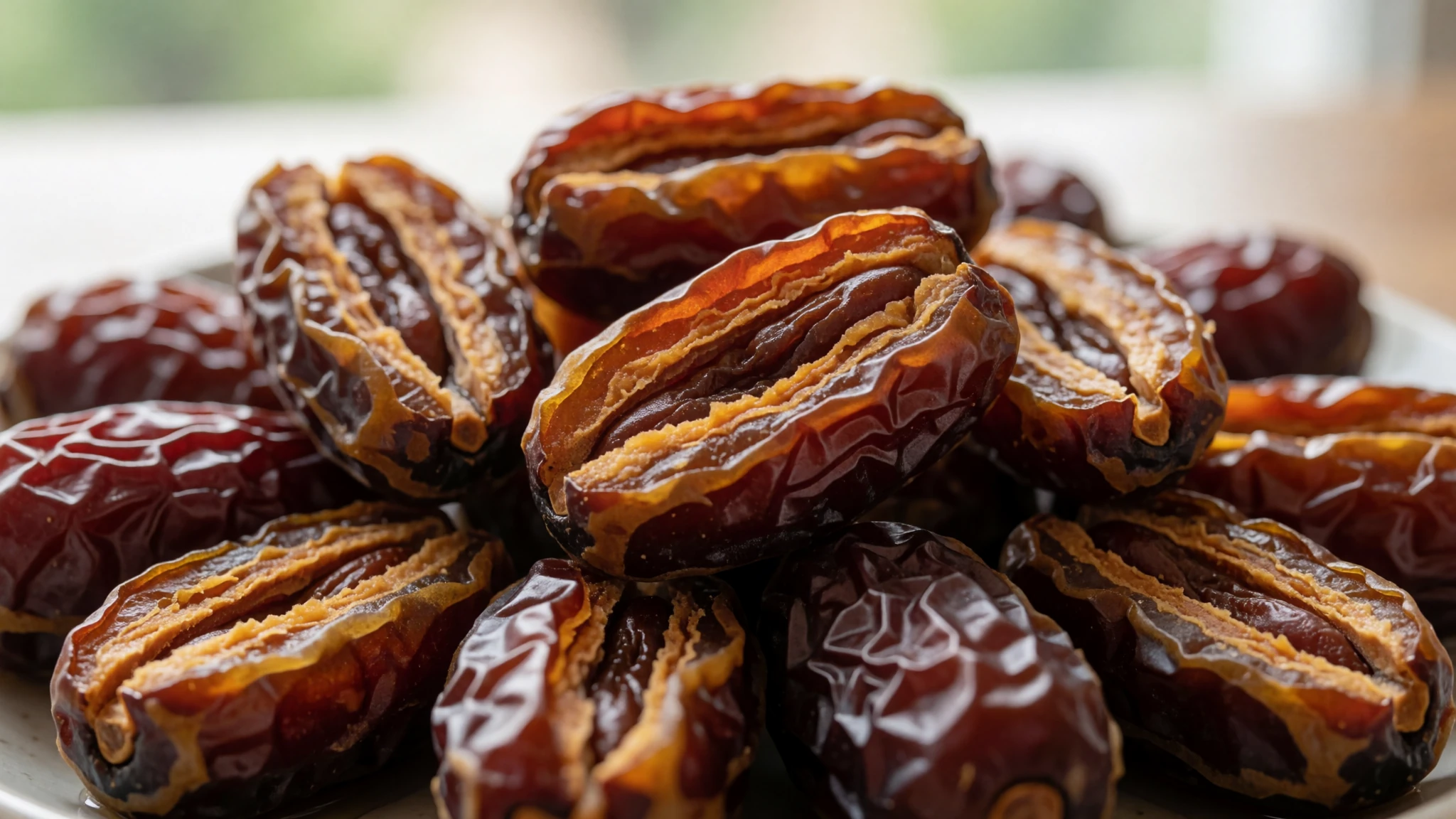
- Bedouin-style coffee — tent-style cafés and hospitality corners in the Negev and near Arad
Bedouin-style coffee is made in a small long-handled pot, lightly roasted and flavoured with cardamom, and served in small cups as a sign of hospitality. It is found in tent-style cafés and hospitality corners in the Negev and near Arad. Accept a small cup and sip slowly. - Shakshuka — breakfast cafés and home-style eateries in Arad
Shakshuka, eggs poached in a spiced tomato and pepper sauce, is a common breakfast across Israel and works well before an early climb. It is served in pans at cafés and home-style eateries, often with bread for mopping. Look for it in eateries in Arad, not at the summit.
Plan it
Best time. December to February is the comfortable window, with the coolest days that suit the climb, though January nights can drop close to freezing. Summer is very hot, the bare rock holds the heat, and the sun burns all day, so the Snake Path is best attempted before the sun gets high.
How long. 1–2
Getting there. Fly into Ben Gurion Airport near Tel Aviv, then take a bus or rental car south to the Dead Sea road. Most visitors reach the site by road from Jerusalem, Tel Aviv, Beer Sheva or Eilat, using Road 90 along the Dead Sea to the eastern entrance, or the quieter western approach from Arad.
Budget. mid
Tips
- Start early, because the Snake Path is usually closed from late morning and the sun is fierce
- Check bus times before you travel, as there is no timetable at the stop and buses can run early
- Carry plenty of water for the climb; water is available at the summit and the visitor centre for refilling
- Check the official site for Sound and Light show times and opening arrangements, as they change
- Carry some cash for small purchases, and confirm card acceptance on the official site before you go
Etiquette
- Keep to marked paths and steps, especially near the cliff edges and the excavated rooms
- Speak quietly near memorial areas and during ceremonies
- Do not climb on or step over the walls of the ruins
Nearby
Sources
- Wikidata Q186312 (CC0)
- Wikipedia (rev 1379884980) (CC BY-SA 4.0)
- Wikivoyage (rev 5360201) (CC BY-SA 4.0)
- Israel-2013-Aerial_21-Masada.jpg, Godot13 (CC BY-SA 4.0)
- Termas en Masada.JPG, Ppja (CC BY 3.0)
- Masada West View.jpg, Holyland2026 (CC BY-SA 4.0)
- Dan Hadani collection (990044331600205171).jpg, I.P.P.A. (CC BY 4.0)
- Masada BW A.JPG, Berthold Werner (Public domain)
- Mosaic floor bathroom.jpg, Holyland2026 (CC BY-SA 4.0)
- Masada (or Sebbeh) on the Dead Sea, Edward Lear, 1858.jpg (Public domain)
- Masada Stamps.jpg, State of Israel (Public domain)


