Manila
Manila, Philippines
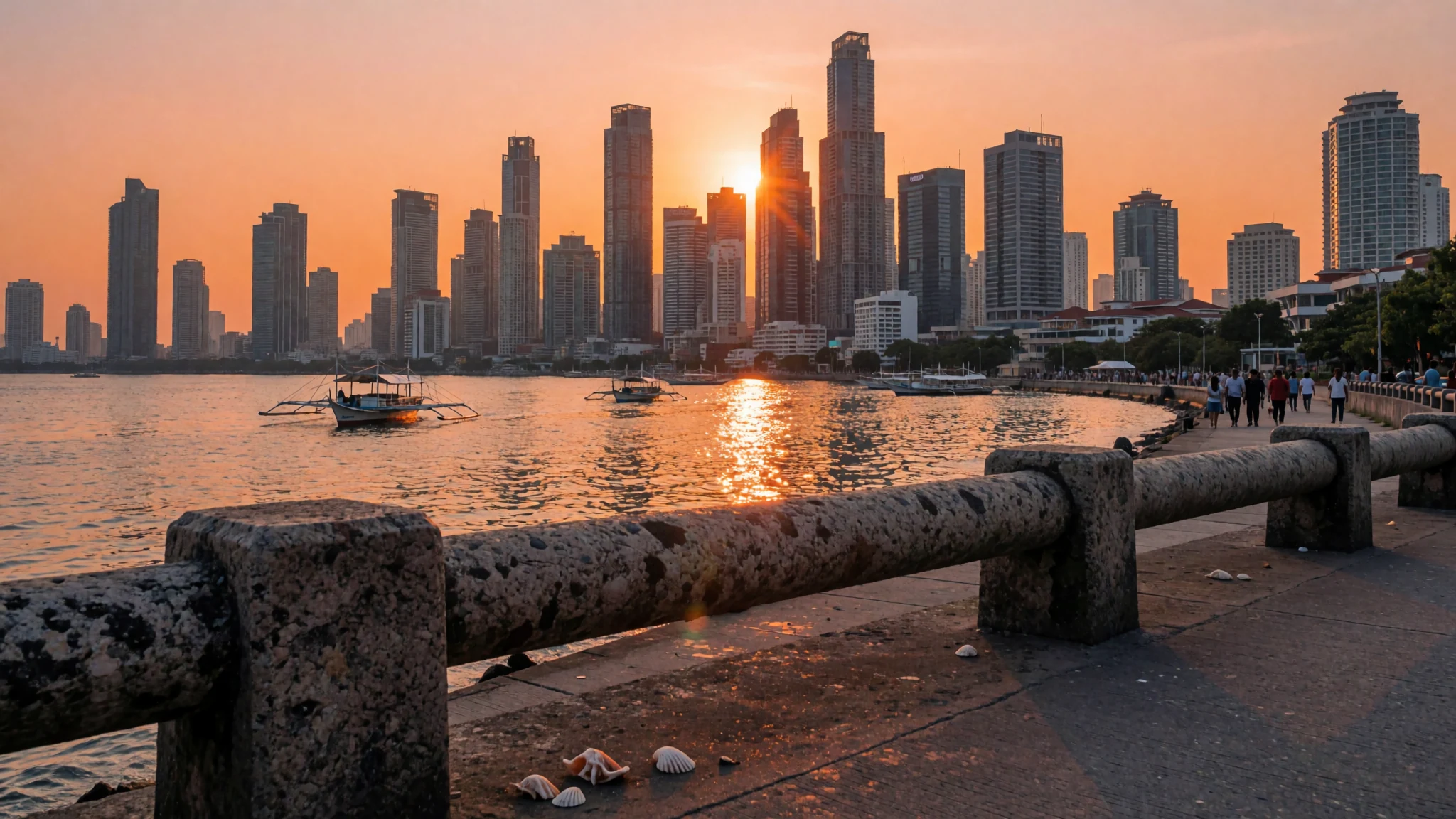
Manila is a loud, warm and layered capital where colonial churches, busy markets and modern towers sit side by side.
The place
Manila is the capital of the Philippines, on the eastern shore of Manila Bay on the island of Luzon. The City of Manila itself is the second-most populous city in the country after Quezon City, with about 1.9 million residents, and it is classed as a highly urbanised city. Packed into a fairly small area, it is among the most densely populated cities in the world, so the streets feel full at almost every hour.
The city is less a single place than a set of districts that have grown into one another. Intramuros, the old walled quarter beside the Pasig River, is the historic core, while Ermita, Malate and Rizal Park draw visitors who want museums, promenades and sunsets over the water. Across the river, Binondo and its busy shopping streets fill much of the rest. Expect heavy traffic on the main roads at most times of day, and allow generous margins for any journey by road.
Manila works best as a base for short, focused days rather than a city to rush through. Morning is the calmest time for walking the old walls and churches before the heat builds. Afternoons suit museums and air-conditioned malls, and evenings bring food stalls, rooftop bars and the bay lit up along Roxas Boulevard. The city is energetic, warm and often loud, and the friendliness of its people tends to be what lingers after a visit.
Its story
Manila's story begins long before the Spanish arrived. Traces of early human life in the wider area include the Angono Petroglyphs nearby, and Negrito peoples lived across Luzon before Malayo-Polynesian settlers arrived and gradually absorbed them. By the late medieval period a fortified settlement and trading quarter stood on the shore of the Pasig River, and its people traded with the Song and Yuan courts in China. Chinese annals and Japanese reference works from that era describe the place as a kingdom in its own right.
The settlement was ruled by Rajah Sulayman until his defeat in battle opened the way for Spanish conquest. The Spanish built a walled fortress called Intramuros on the ruins of the older town, and the colonial city was founded in 1571. Its importance came from geography. Manila became the capital of the Spanish East Indies, administered for the crown through Mexico City, and its trading networks were among the first to cross the Pacific. The galleon trade carried silver from the Americas across the ocean and brought silks and porcelain back, which is why historians count Manila among the earliest global cities.
Colonial rule shaped the city's streets, churches and institutions for centuries. The Second World War brought devastating fighting, and much of the old walled city was destroyed. The reconstruction that followed left a mix of restored churches, government buildings and modern towers, so the history is visible today in the stone of Intramuros, the monuments of Rizal Park and a city that has been rebuilt more than once.
What to see
- Intramuros — Intramuros, beside the Pasig River
The walled old city the Spanish began building in the late sixteenth century still holds cobbled lanes, stone churches and sections of its old ramparts. San Agustin Church is the best-known building, with a heavy stone exterior and a quiet interior. Go early in the day, when the lanes are shaded and calmer, and leave time to walk the walls. Check the official site for opening times before a visit.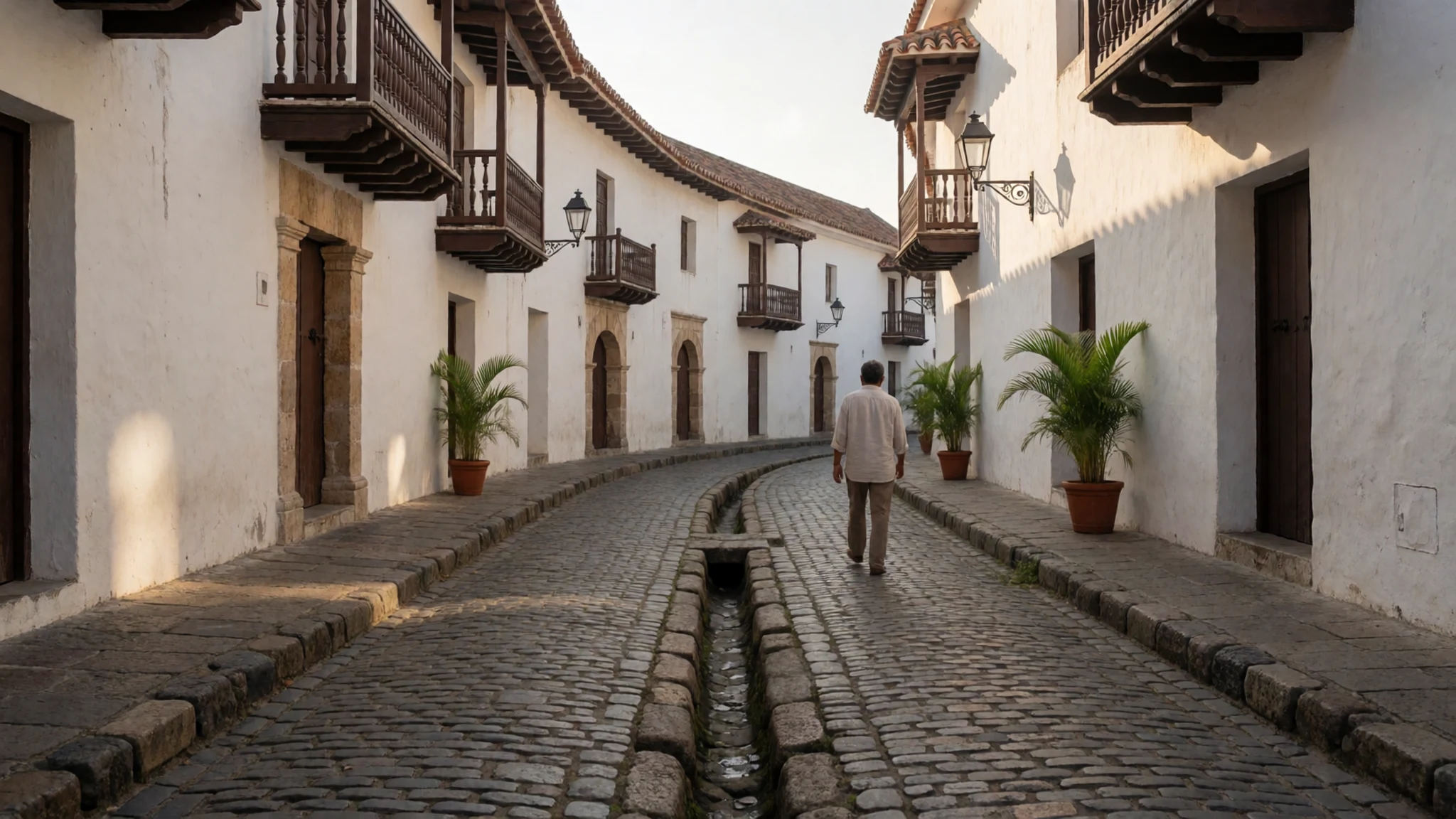
- Fort Santiago — Intramuros, by the river
A fortress built within the old walls, used as a prison during the colonial years and later the site of a museum devoted to the national hero Jose Rizal. The gate and stone walls are the most visible parts, and the grounds are quieter than the busy streets outside. A slow hour here pairs well with a walk through the rest of Intramuros. Check current opening hours on the official site.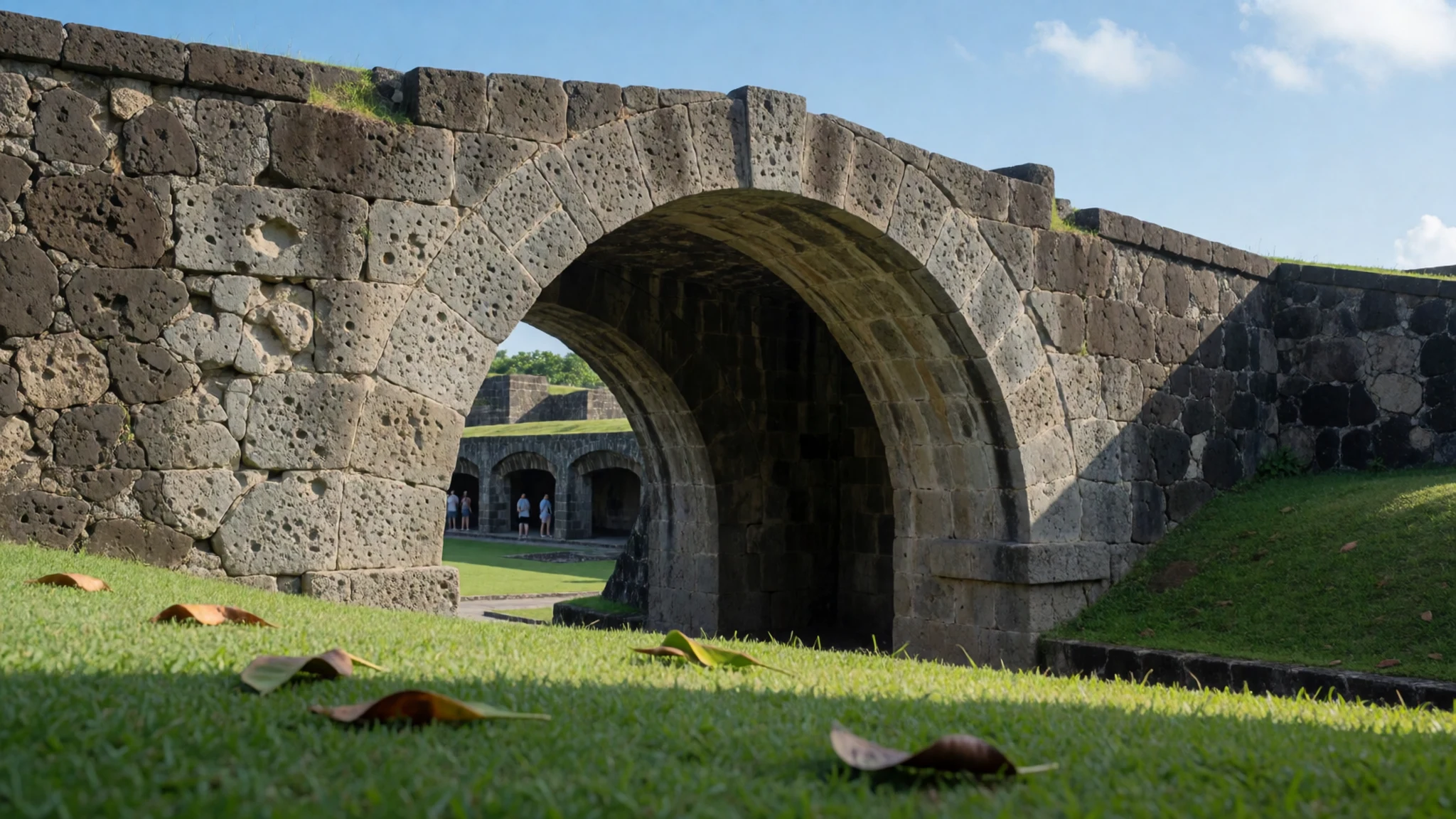
- Rizal Park and the National Museum complex — Ermita, on the bay side of the old city
A large public park on the bay side of the old city, with lawns, pathways and the Rizal Monument honouring the writer and national hero. Nearby, the National Museum complex groups fine art, anthropology, natural history and a planetarium, and it holds Juan Luna's large painting Spoliarium. Weekend mornings bring families, joggers and vendors, while afternoons can be very hot in the open.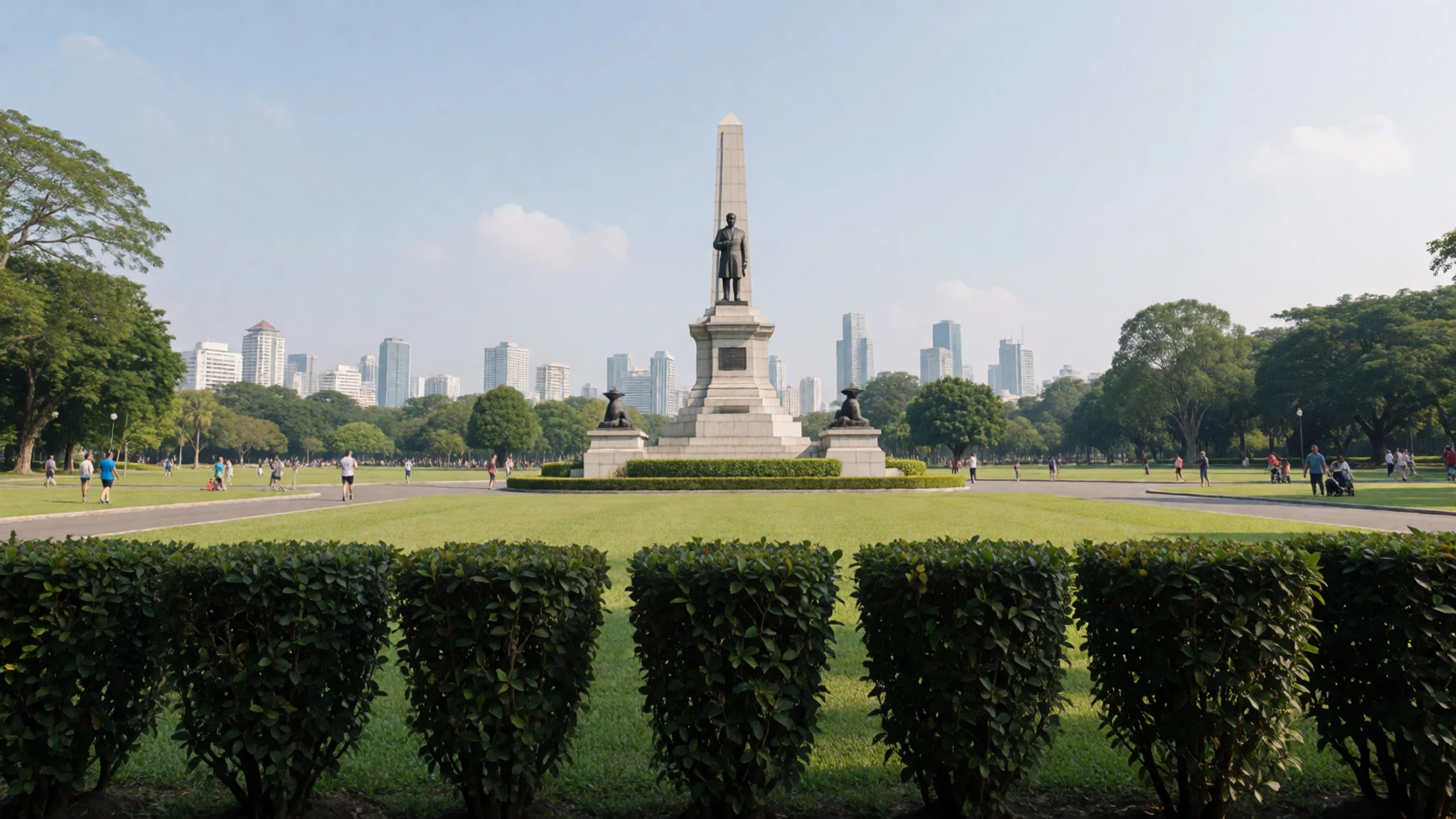
- Manila Cathedral — Intramuros, facing its central plaza
The Cathedral-Basilica of the Immaculate Conception is the seat of the Archdiocese of Manila, and it has been rebuilt more than once after earthquakes and war. Its pale facade and bell tower stand on a plaza inside Intramuros. Mass times are posted at the entrance, and visitors should keep to quiet areas during services. The plaza is a good place to rest between sights.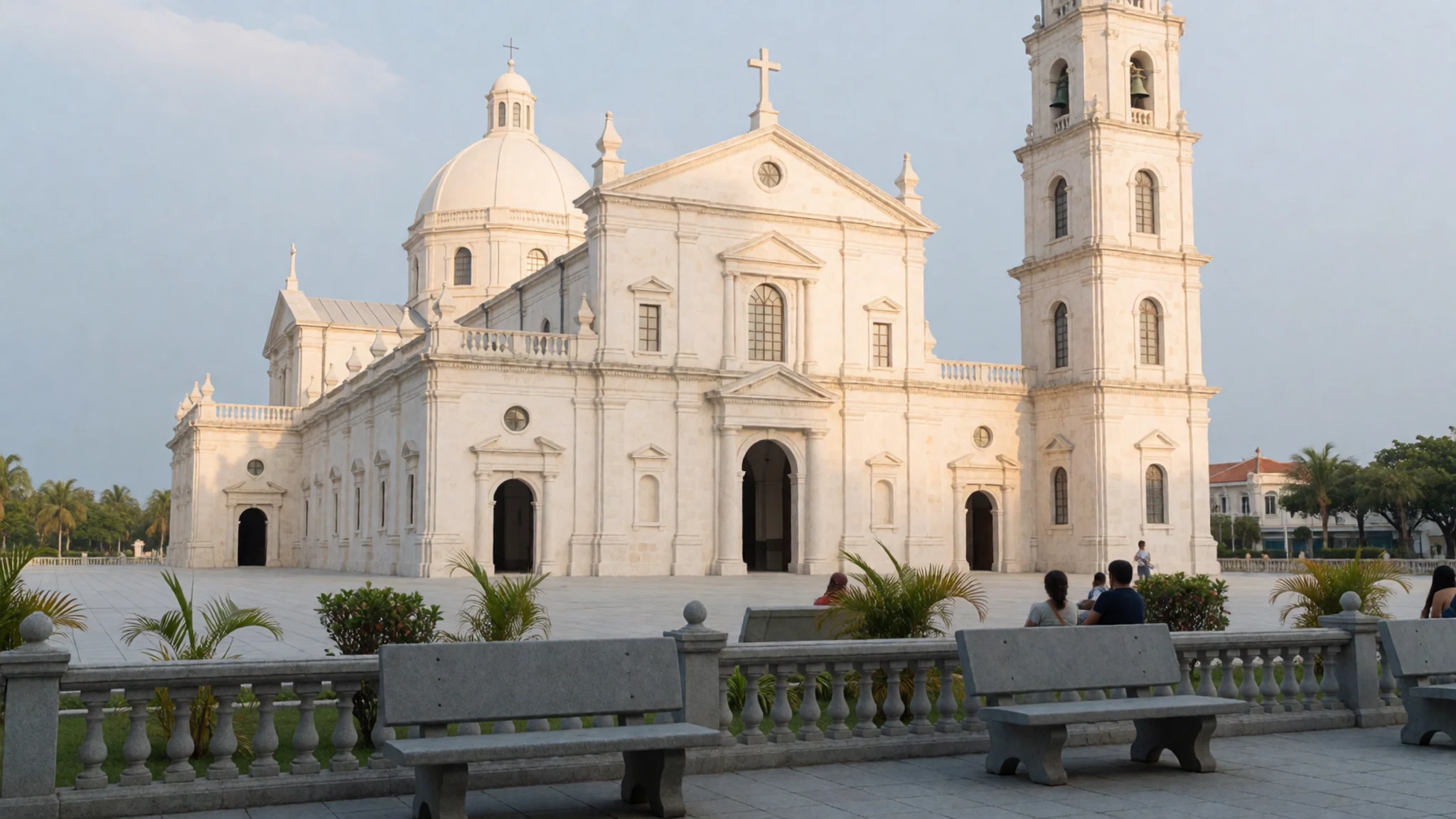
- Bahay Tsinoy — Intramuros
A museum on the history of Chinese Filipinos and their contributions to the country, set in a historic building in the walled city. The displays trace biographies and community life across several generations, which gives useful context for the trading history of the Pasig River. It is a calm, indoor stop for the hotter part of the day. Check the official site for current hours.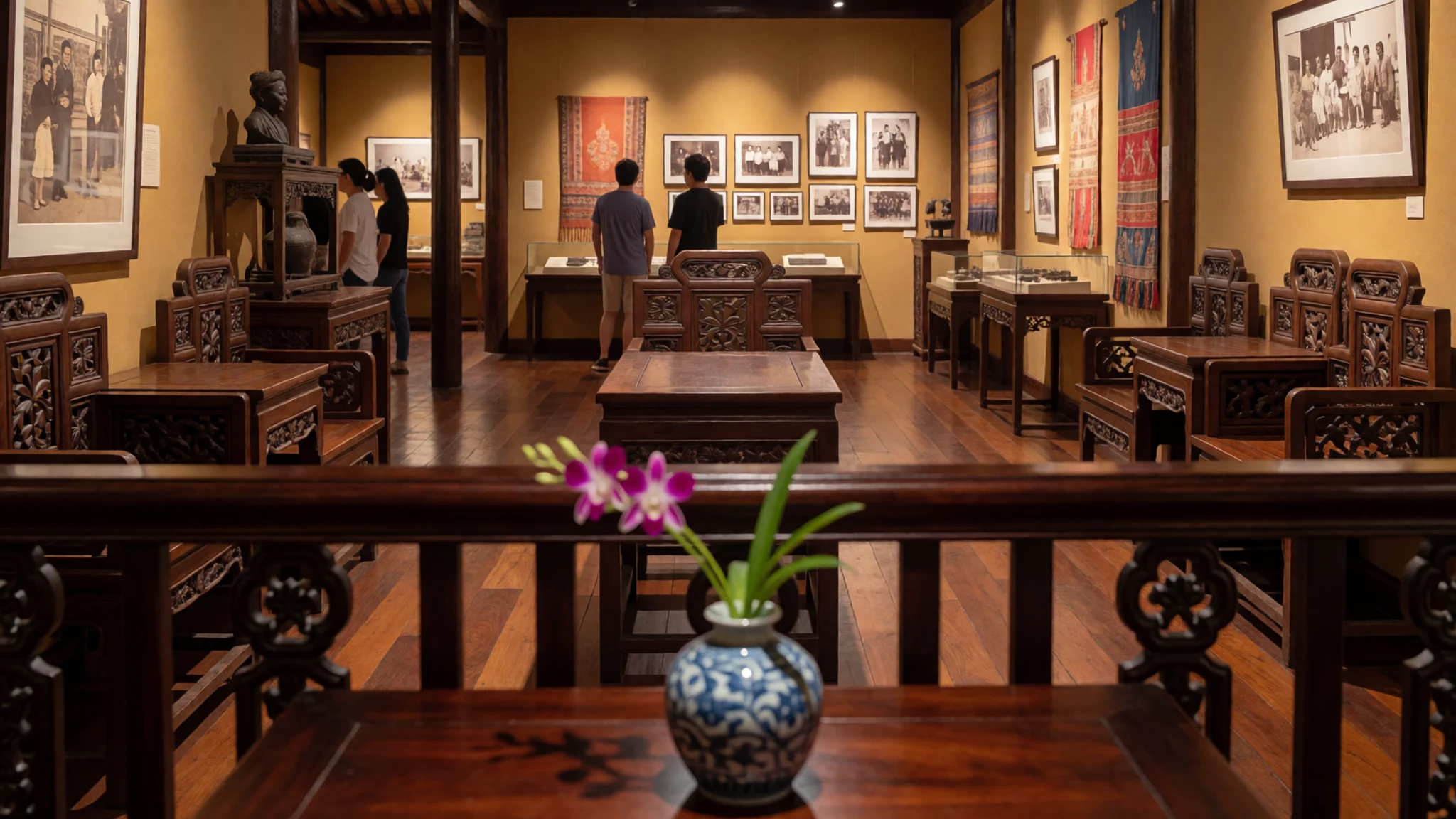
Culture
Manila is the cultural centre of the Philippines, and its museums, libraries and historic houses show that role clearly. The National Museum complex in Rizal Park groups art, anthropology, natural history and a planetarium, and it holds Juan Luna's Spoliarium. The National Library keeps the country's printed and recorded heritage, while two history museums honour the national heroes Apolinario Mabini and Jose Rizal.
Much of daily life here is public and social. Families gather in malls and markets, churches are busy on Sundays, and Catholic traditions shape the calendar. Filipinos are often warm and talkative with visitors, and English is widely spoken in the city. Public behaviour is generally relaxed, although the streets can be loud and crowded.
When visiting churches, dress modestly, lower your voice and wait for a pause before taking photographs. Ask before photographing people, especially families and vendors.
What to wear
Manila's traditional dress grew from the Spanish colonial period, when local fabrics met European tailoring. The barong Tagalog is a formal embroidered shirt, usually worn untucked, made from light textiles such as piña, a fine cloth woven from pineapple fibre, or jusi. The baro't saya, a blouse with a long skirt, was everyday and festive dress for women and is still worn at weddings and cultural events. The terno, a fitted gown with butterfly sleeves, appears at festivals and formal ceremonies.
What people wear now is far more varied. In the city, office workers dress in smart casual clothes, while young people mix local labels with global chains. The barong is worn at formal dinners, weddings and official events, but most days bring plain shirts, jeans, dresses and sneakers.
For a visitor, the climate decides most choices. Manila is hot and humid for much of the year, so light cotton or linen is the sensible base. Covered shoulders and knees are expected when entering churches. Comfortable walking shoes or sandals with grip suit uneven pavements and wet streets, and a compact umbrella helps in the rainy season.
What to eat
- Siomai — Pedestrian streets and train station exits
Steamed dumplings with a pork or shrimp filling, served hot with a chilli and soy sauce. They are a classic quick stop for commuters, sold from carts and small stalls that line busy pavements and station exits. Eat them straight from the steamer, while they are still hot.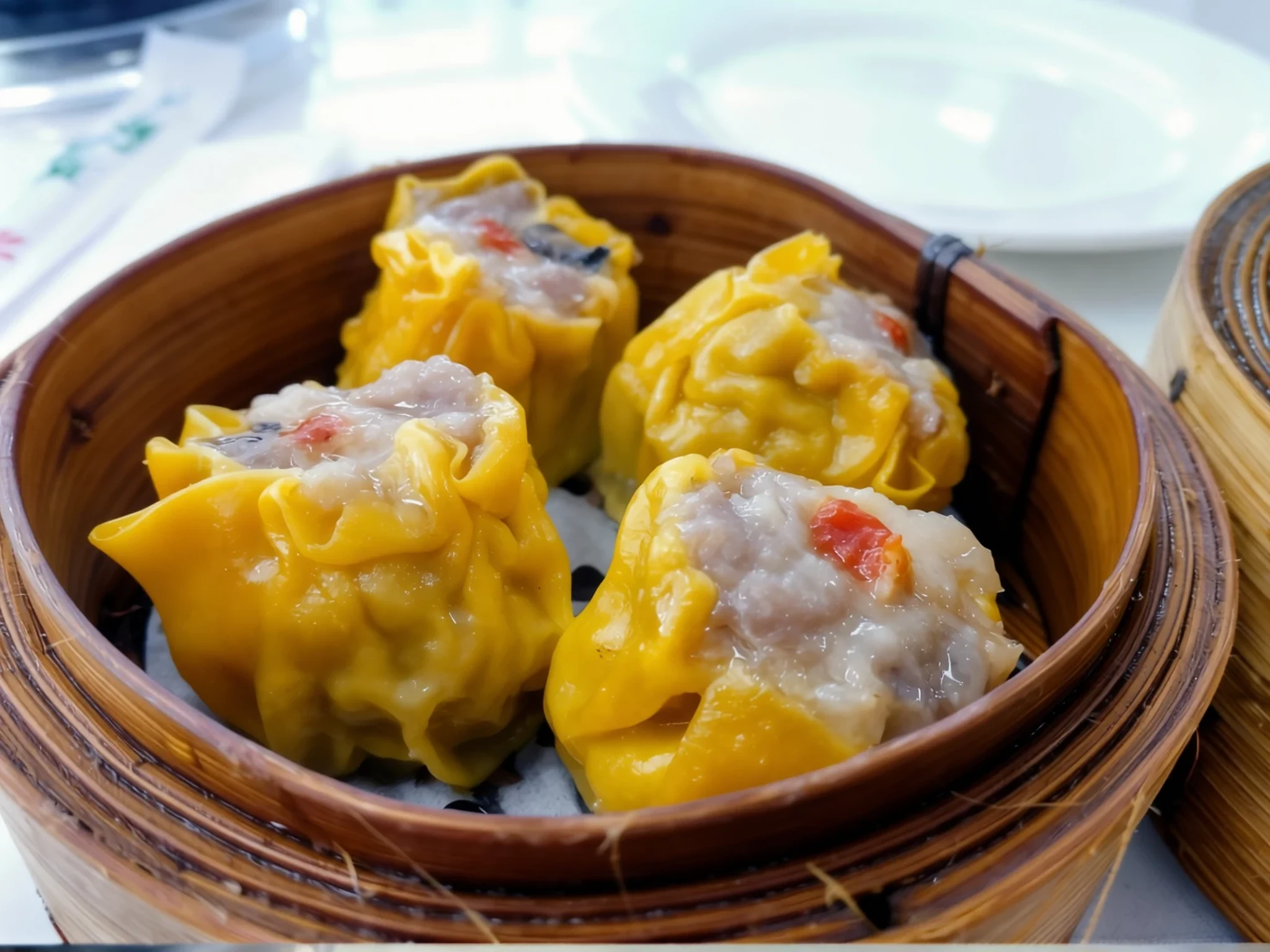
- Grilled skewers (inihaw) — Evening stalls along busy roads and in Malate
Pork and chicken pieces threaded on bamboo sticks, basted in a sweet-savoury marinade and grilled over charcoal. Dipped in a sharp vinegar sauce, they are a popular evening snack. The smoke marks the stalls, so follow it along the street.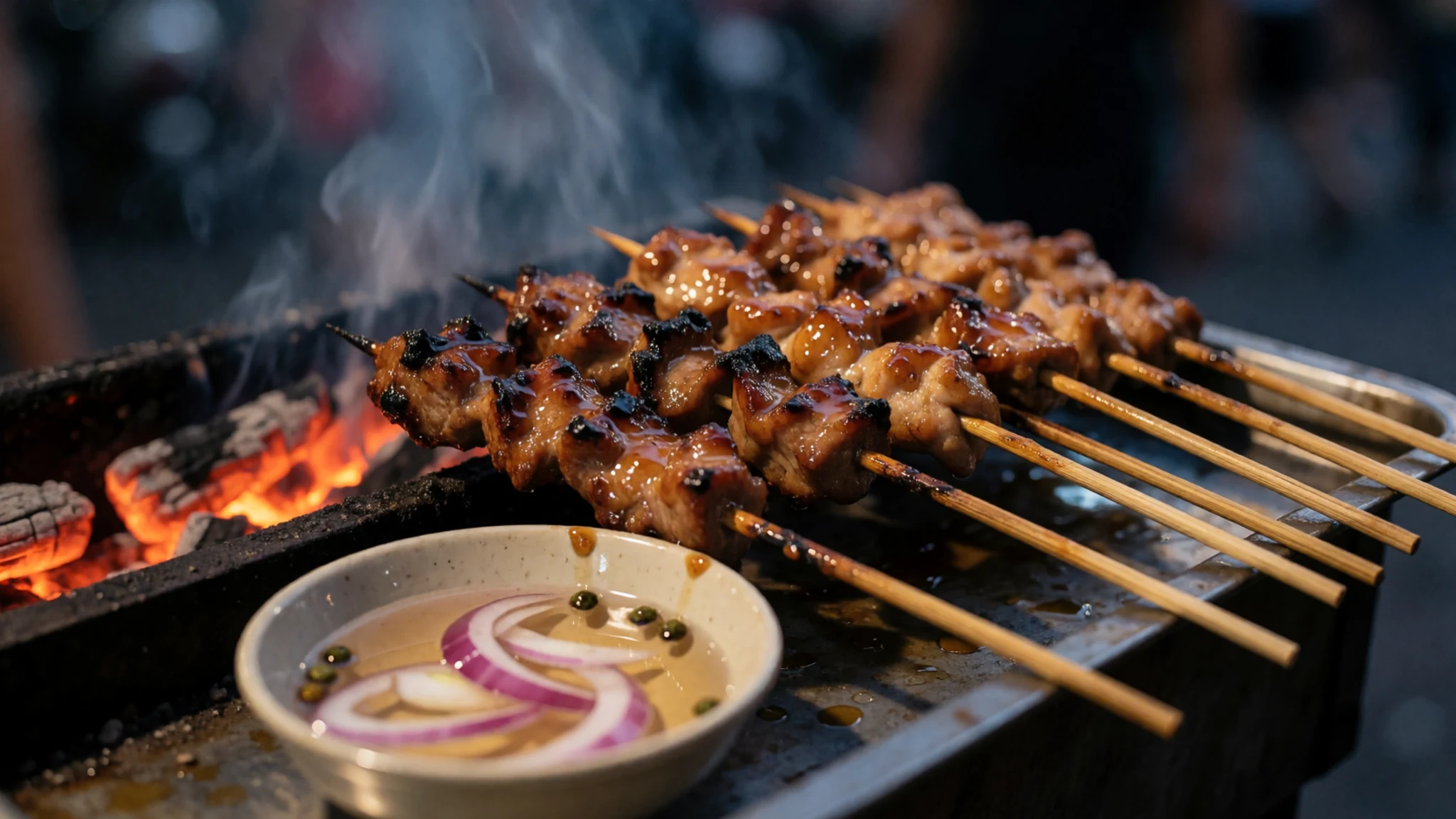
- Silog breakfast — Neighbourhood breakfast counters near the markets
Garlic fried rice, a fried egg and a cured meat such as tapa or longganisa sausage, a standard morning meal across the city. The combination is filling enough to last until lunch. Breakfast counters open early, and many have a few tables for eating in. - Halo-halo — Dessert cafés and old-style eateries in the older districts
A layered iced dessert of sweetened beans, jellies, fruit and shaved ice, topped with milk and a scoop of purple yam ice cream. It is served in tall glasses and is at its best on a hot afternoon. Stir it before eating so the layers mix together. - Pancit — Market food halls and family-run eateries
Stir-fried noodles with vegetables and meat, often served at family celebrations because the long noodles are said to stand for long life. It is a good shared dish, and it is best eaten fresh from the wok.
Plan it
Best time. January and February are the coolest months, with the lowest nights of the year. April is the hottest month, March and April are the driest, and rain builds from May and peaks in December.
How long. 2–3
Getting there. Ninoy Aquino International Airport, which is a short ride from the old city when traffic is light and considerably longer at peak hours.
Budget. mid
Tips
- Allow extra time for road journeys in the city, since traffic can be slow at any hour
- Start walks in Intramuros early in the day, when it is cooler and quieter
- Carry some cash for food stalls and jeepneys, as small vendors often do not take cards
- Drink bottled water and keep a small bottle with you in the heat
- Keep bags closed and in front of you in crowds, because pickpocketing is common
Etiquette
- Dress modestly for churches, with covered shoulders and knees
- Ask before photographing people, especially families and vendors
- Use your right hand, or both hands, when giving or receiving things
Nearby
Sources
- Wikidata Q1461 (CC0)
- Wikipedia: Manila (rev 1382046890) (CC BY-SA 4.0)
- Wikivoyage: Manila (rev 5402759) (CC BY-SA 4.0)
- Big Manila, by Mike Gonzalez (TheCoffee) (CC BY 3.0)
- Cityscape of Manila, 2025, by Bahnfrend (CC BY-SA 4.0)
- Rizal Monument, by TheCoffee (CC BY 3.0)
- Gate of Fort Santiago, by xiquinhosilva (CC BY 2.5)
- San Agustin Church, Intramuros, by Johngaje92 (CC BY-SA 4.0)
- Iglesia de Nuestra Señora de los Remedios, by Diego Delso (CC BY-SA 4.0)
- Torre del reloj del ayuntamiento, by Diego Delso (CC BY-SA 4.0)
- Catedral de la Inmaculada Concepción, by Diego Delso (CC BY-SA 4.0)


