Malmö Castle
Malmö Castle, Sweden
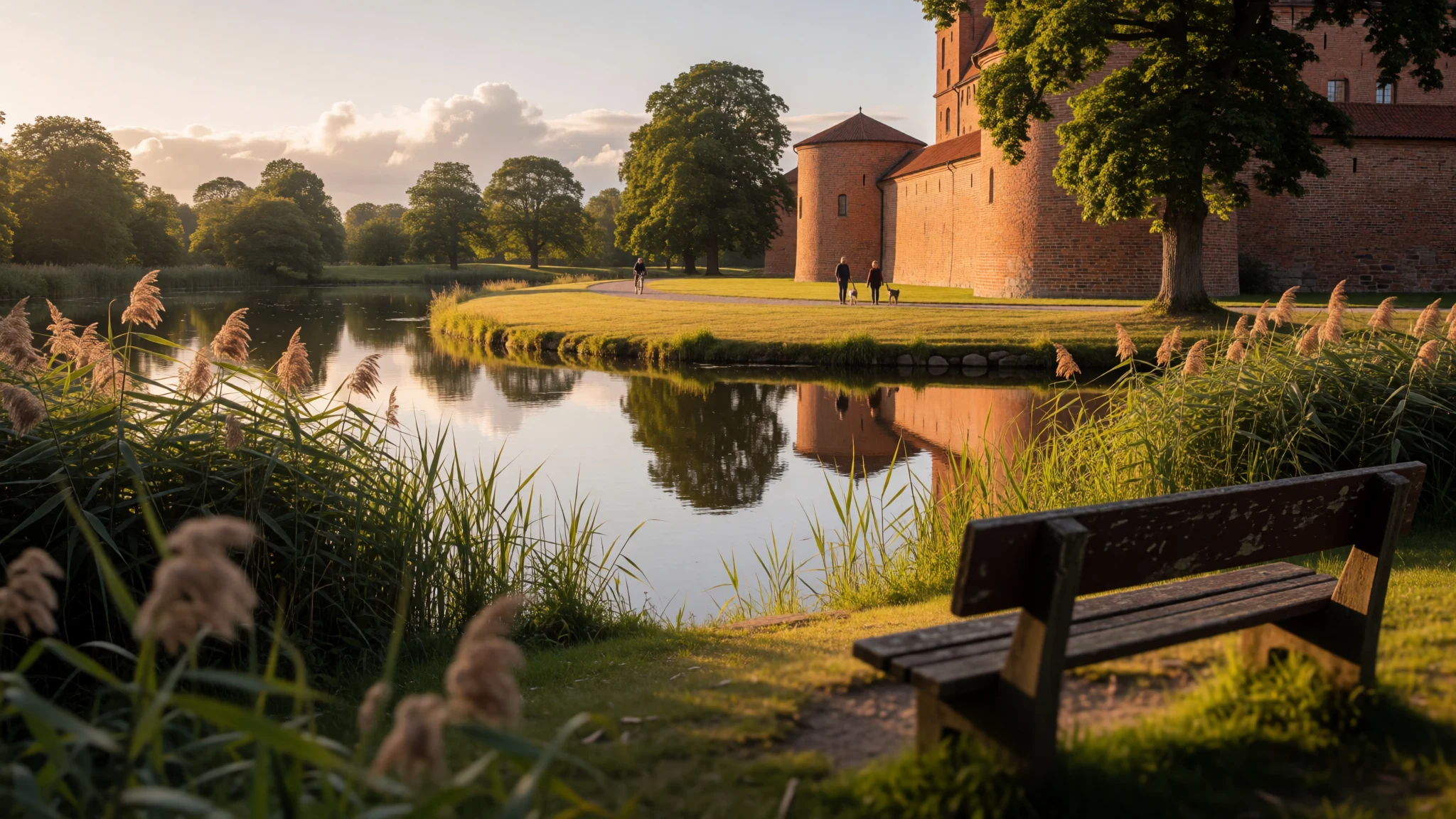
Malmö Castle is a Renaissance fortress on a moated islet where a Scottish earl was once held, now a calm museum and park.
The place
Malmö Castle, known in Swedish as Malmöhus, sits on Slottsholmen, a small islet ringed by water and parkland at the edge of Malmö's centre in southern Sweden. Its Wikidata description calls it the Nordic region's oldest surviving Renaissance castle, and the low, thick-walled ring of brick with rounded corner towers looks like a fortress built to withstand cannon rather than to impress guests. Today it works as a museum complex, not a royal residence. The Swedish state owns the site and the National Property Board looks after the fabric, while Malmö Museum runs the displays and the Malmö Art Museum shares the building. Close by stand the Commandant's House (Kommendanthuset) and the Castle Mill (Slottsmöllan), which make the islet feel like a small cluster of buildings rather than a single monument. The setting is calm: lawns, old trees, water on several sides and a short walk back into the city's shopping streets. It suits a half day rather than a full one, and it pairs well with a slow loop of the surrounding park and a coffee afterwards. Crowds are modest outside the summer and school holidays. Much of the visit is outdoors, so wind and rain in spring and autumn matter more than queues. Opening times and ticket details change, so the official site is the place to check before setting out.
Its story
Malmö Castle has its roots in a fortress founded in 1434, raised to guard a busy trading town on the narrow waters between Denmark and what is now Sweden. At that time Malmö belonged to the Danish crown. The castle seen today replaced that earlier stronghold and was built between 1526 and 1539, when artillery was changing how a fortress had to be designed, which explains the heavy walls and rounded towers. Its best-known prisoner arrived decades later. James Hepburn, 4th Earl of Bothwell, third husband of Mary, Queen of Scots, was held here from 1567 to 1573, six years of confinement far from the Scottish politics that had ruined him. Fortresses of this kind rarely stay military for ever. Over the centuries the building passed through different roles, and eventually it became a museum with the Swedish state as its owner. That change is why the interior now reads in layers: sturdy defensive architecture outside, display galleries within, and traces of earlier lives wherever the museum has chosen to show them. The Bothwell episode remains the tale most often told on site, partly because it links a Danish stronghold on the Sound to a famous Scottish scandal, and partly because one prisoner's years are easier to picture than centuries of changing ownership.
What to see
- The castle and its ring of walls — Slottsholmen
The main building of Malmö Castle is the reason for the trip. Walk the outside first to take in the brick walls, rounded towers and water on every side, then go in for the galleries. Photographs from the air show the whole layout best, so look at those too.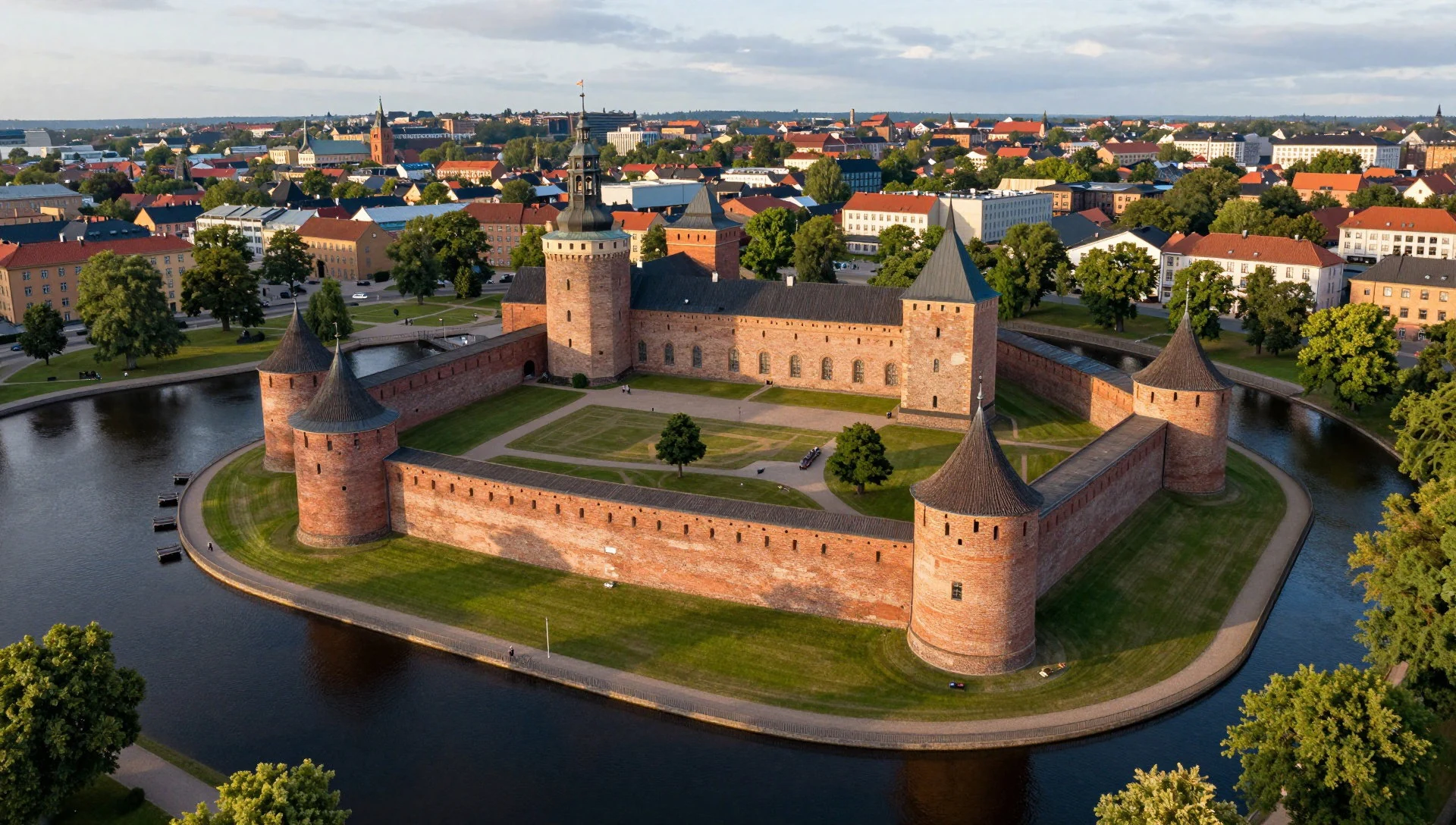
- Inside the main rooms — Malmö Castle interior
The museum's large interior rooms show how a defensive building was turned into somewhere to display history, art and local stories. Allow time to read the labels, because the Bothwell captivity and the castle's changing uses are explained here. Check the official site for which galleries are open.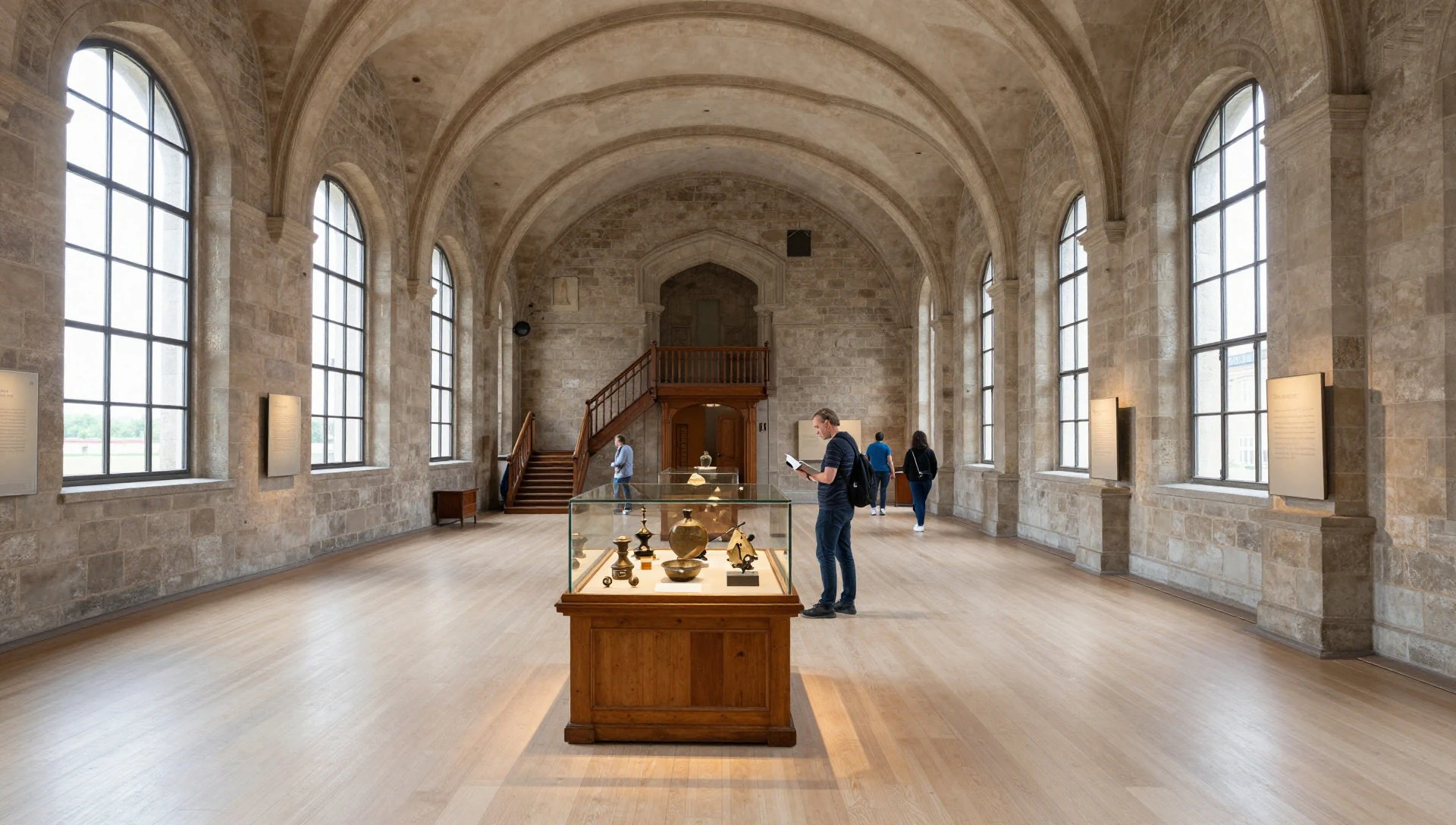
- Malmö Art Museum — Inside Malmö Castle
Part of the castle complex houses the Malmö Art Museum, a good counterweight to the military history elsewhere in the building. It suits a rainy hour when the grounds are unappealing. Exhibitions rotate, so look at the current programme on the official site before assuming what will be on show.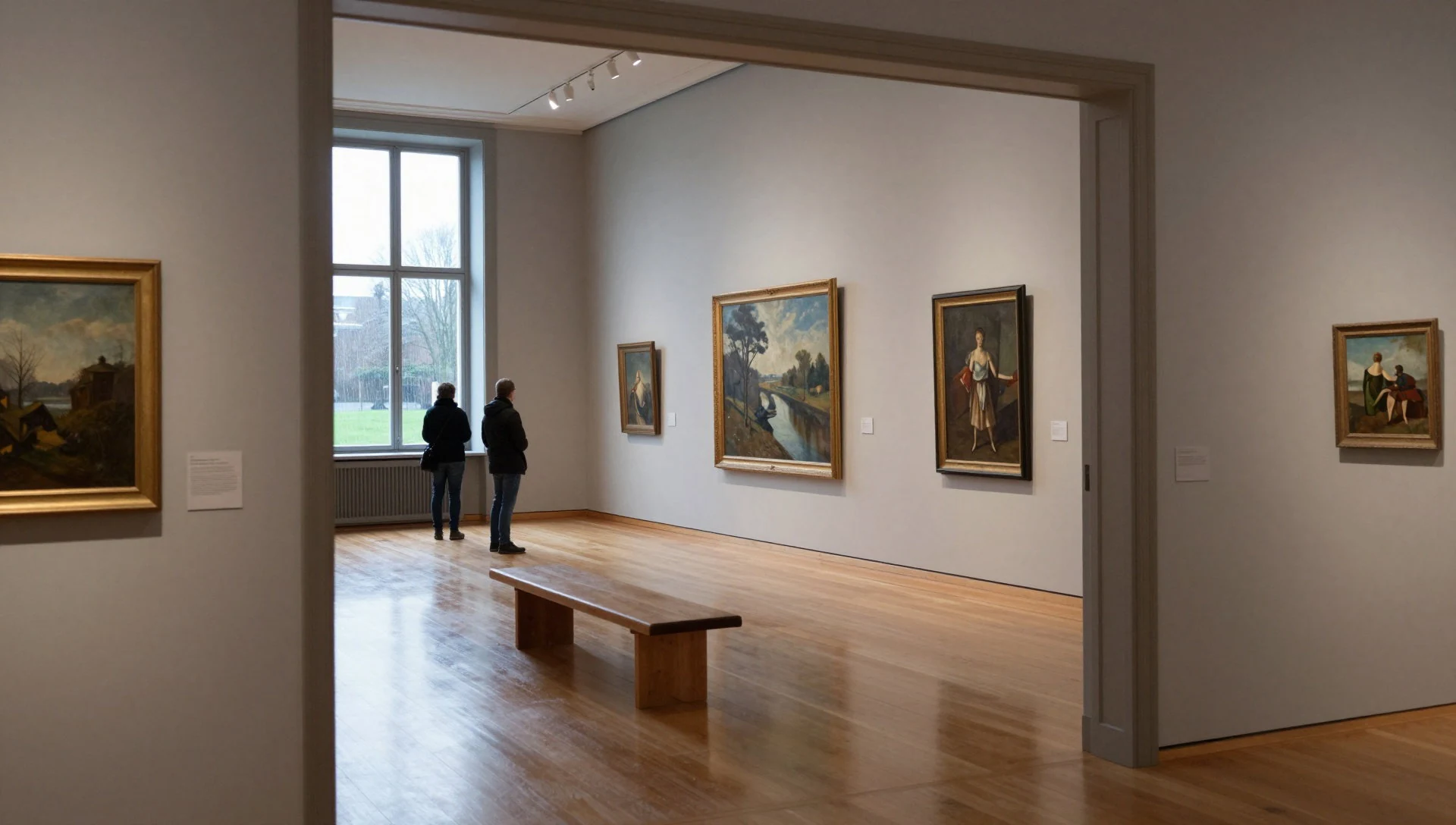
- The Commandant's House — Next to the castle
Kommendanthuset stands near the castle and works as a museum in its own right. It is a smaller, quieter building than the fortress, which makes it a pleasant add-on if the main galleries have been busy. Its exterior is worth a photograph in good light.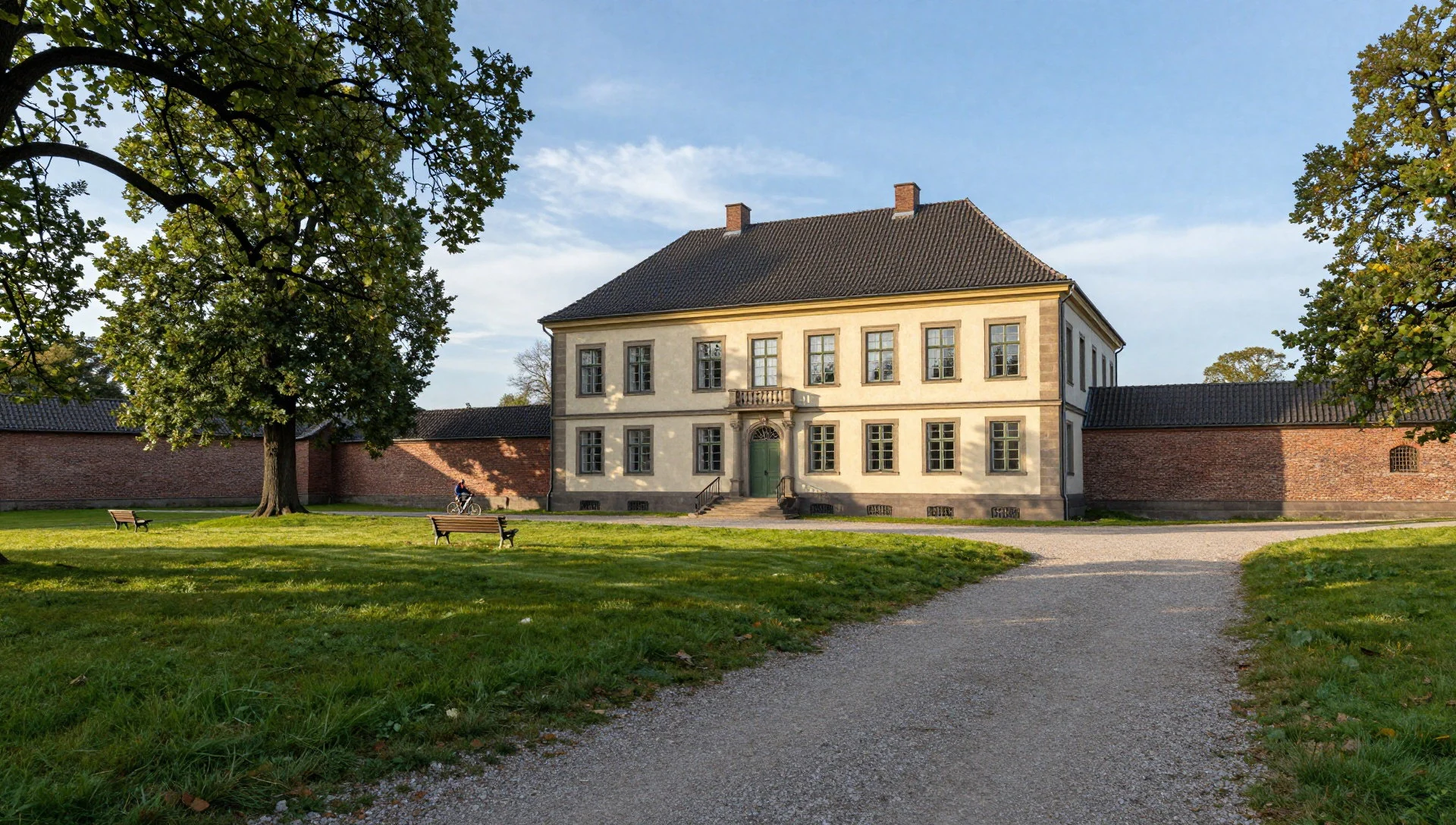
- Castle Mill and the park — Slottsholmen and the surrounding park
Slottsmöllan, the Castle Mill, adds a touch of working history beside the walls, and the surrounding parkland is where locals jog, walk dogs and picnic. A slow circuit of the water's edge gives the best views back at the castle. It is free to wander and best on a dry day.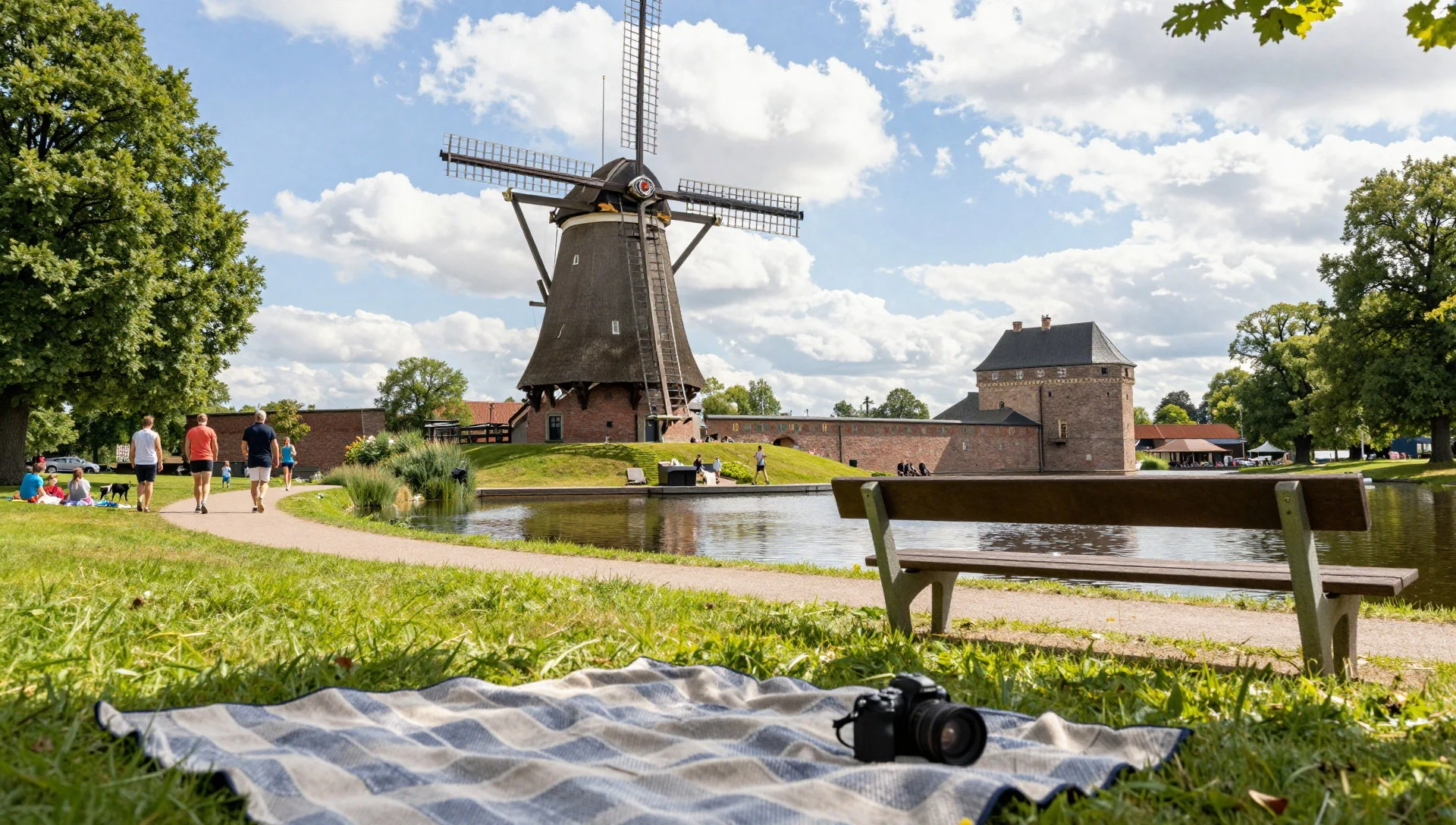
Culture
Malmö Castle sits in a country whose manners are quiet and rule-minded, and a visit fits neatly into that. Many Swedes hold liberal, secular and egalitarian values, so visitors from most places are spared sharp clashes, though some points of etiquette are firmer than outsiders expect. Queues are orderly, voices stay low in museums and public spaces, and personal space is respected on benches, buses and in galleries. Punctuality matters: if a guided tour or a meeting is set for a time, people arrive at it. Alcohol shows a split personality. Swedes treat a drink before work or driving as unthinkable, yet festivals such as Midsommar and Valborg often involve heavy drinking, so those who abstain should not be surprised. Drugs, including cannabis, are strongly disapproved of, and possession brings a fine and a criminal record. Inside the castle, the atmosphere is that of a state-run heritage site: calm, informative and aimed at families and school groups as much as tourists. The parkland around it is a shared local space, with joggers, dog-walkers and picnickers using the same paths. Keep your voice low in the galleries, follow any no-flash or no-touch signs, and leave the lawns and moat edges as clean as you found them.
What to wear
Around Malmö Castle, traditional Swedish dress means regional folk costume, folkdräkt, which varies by province and parish. Skåne, the region around Malmö, has its own versions, generally made from wool and linen with silk or cotton trimmings: embroidered bodices, aprons and caps for women, and breeches, waistcoats and jackets for men. These outfits appear mainly at Midsommar, weddings and national holidays rather than in daily life. What people actually wear now is plain and practical: dark or muted colours, good knitwear, jeans, trainers or boots, and waterproof jackets that double as city wear. Bicycles are everywhere, so people dress for pedalling and for sudden changes in weather. Nobody will look twice at casual clothes in a museum or restaurant. For visitors, layers matter more than formality. Summer can be warm, with cool evenings by the water, while autumn to spring brings wind, rain and cold, so a windproof coat, hat and gloves are worth packing for the colder months. The grounds are a mix of paving, gravel and grass, so comfortable closed shoes are better than sandals. There is no dress code at the castle itself, and no head or shoulder covering is needed.
What to eat
- Köttbullar (meatballs) — Everyday lunch restaurants and cafés in central Malmö
Sweden's best-known dish: small meatballs served with potatoes, brown sauce and lingonberry jam. The sweetness of the jam against the savoury sauce is the point. A simple, filling lunch after the castle galleries.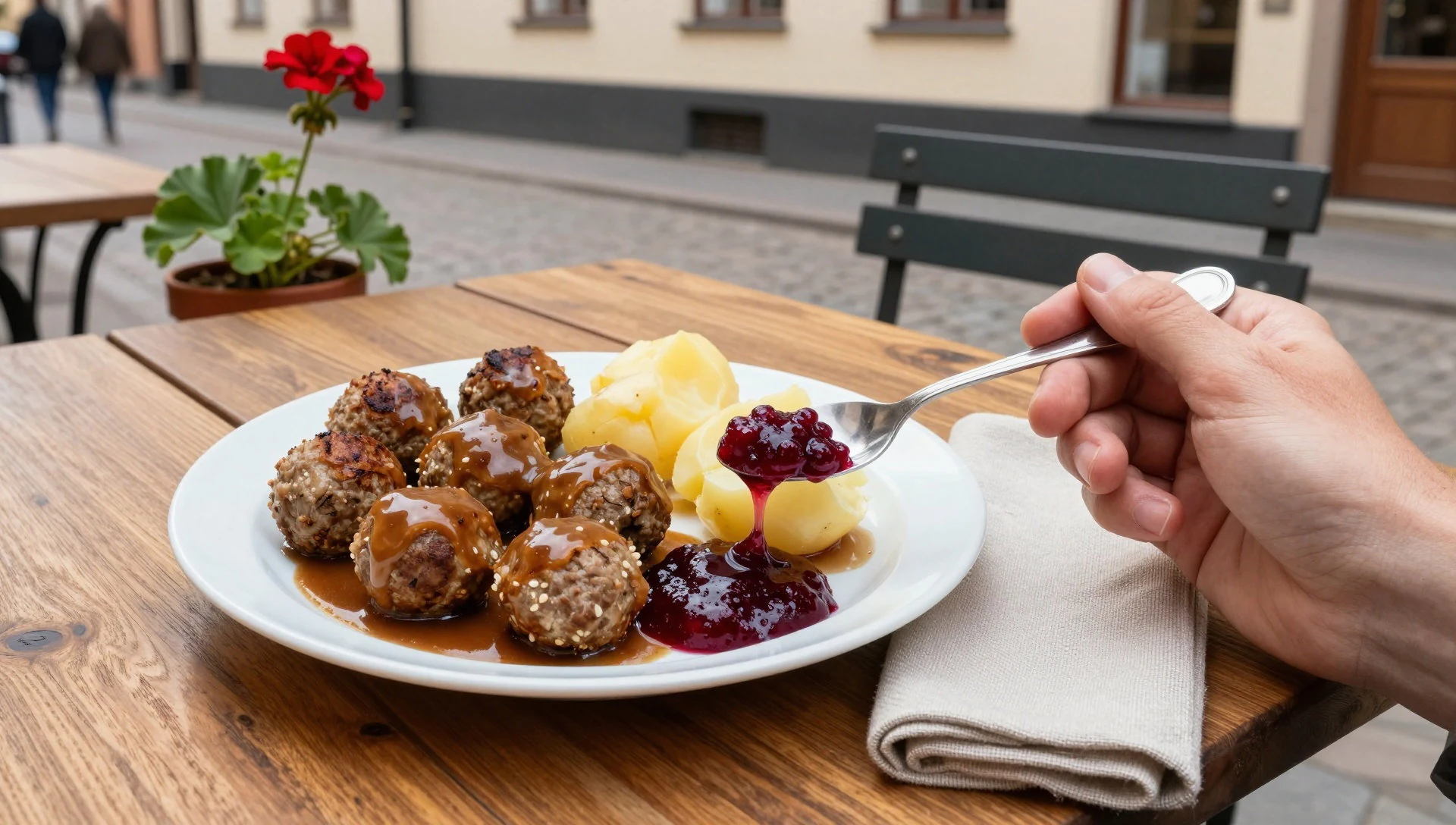
- Gravlax and cured salmon — Restaurants serving traditional Swedish plates; delicatessen counters
Salmon cured with salt, sugar and dill, sliced thin and eaten on bread or with potatoes. It is cool, delicate and good in warmer months. Many forms of salmon appear across Swedish menus, and the cured kind is the one to try first.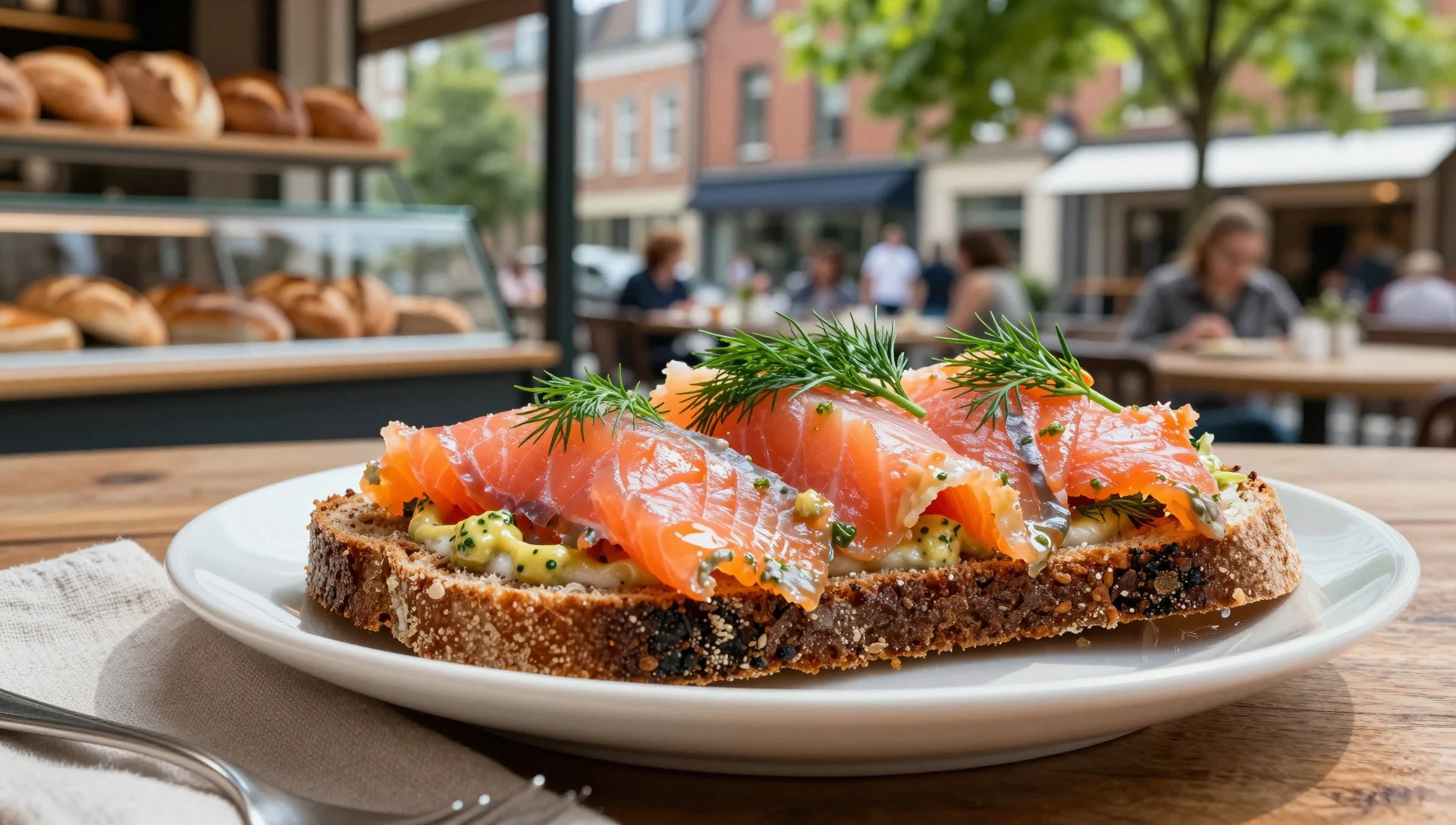
- Sill (pickled herring) — Traditional restaurants and festive buffets
Pickled herring comes in several marinades and is eaten with bread or potatoes, often as a summer lunch or as a starter on a smörgåsbord at traditional holidays. The flavours are sharp and sweet-sour, and it is worth sampling a small plate before committing. - Pytt i panna — Simple eateries serving husmanskost and lunch specials
A hearty hash of diced meat, onions and potatoes fried together, often topped with an egg. It belongs to husmanskost, the traditional everyday cooking of Swedish homes, and makes a sturdy meal on a cold or wet day.
Plan it
Best time. May, June and September are the easiest months, with longer daylight and comfortable weather for walking the grounds. Winters are darker and colder, and wind and rain can make the outdoor parts less pleasant.
How long. 1
Getting there. Fly to Copenhagen Airport, then take the train across the Øresund bridge to Malmö Central station; the castle islet is a short walk or bus ride from the centre. Malmö also has its own airport with road links to the city.
Budget. mid
Tips
- Check the official site for opening times and ticket details before you go: https://malmo.se/Uppleva-och-gora/Konst-och-museer/Malmo-museum/Besok-Malmo-museum/Vara-byggnader/Slottet/Malmohus-slott.html
- Combine the castle with the Commandant's House, the Castle Mill and a loop of the park to fill a half day
- Bring a windproof layer outside summer, since the islet is open to the wind
- Cards are widely accepted in Sweden, so little cash is needed
Etiquette
- Keep voices low in the galleries and follow any photography signs
- Stay on paths and keep the lawns and water edges clean
- Queue in order at ticket desks and cafés
Nearby
Sources
- Wikidata Q1810918 (CC0)
- Wikipedia: Malmö Castle (rev 1382687930) (CC BY-SA 4.0)
- Wikivoyage: Sweden (rev 5427652) (CC BY-SA 4.0)
- Photo: Malmö Castle, Kateryna Baiduzha (CC BY-SA 4.0)
- Photo: The Malmöhus castle, L.G.foto (CC BY-SA 4.0)
- Photo: Malmöhus, David Castor (CC0 1.0)
- Photo: The castle of Malmöhus, Sven Rosborn (CC BY 3.0)
- Photo: Inside view of the main room, Allie_Caulfield (CC BY 2.5)
- Photo: Malmöhus in Malmö, joint image (CC BY 1.0)
- Photo: Nordiska taflor illustration (Public domain)
- Photo: Kommendanthuset, jorchr (CC BY 3.0)


