Malapascua
Malapascua, Philippines
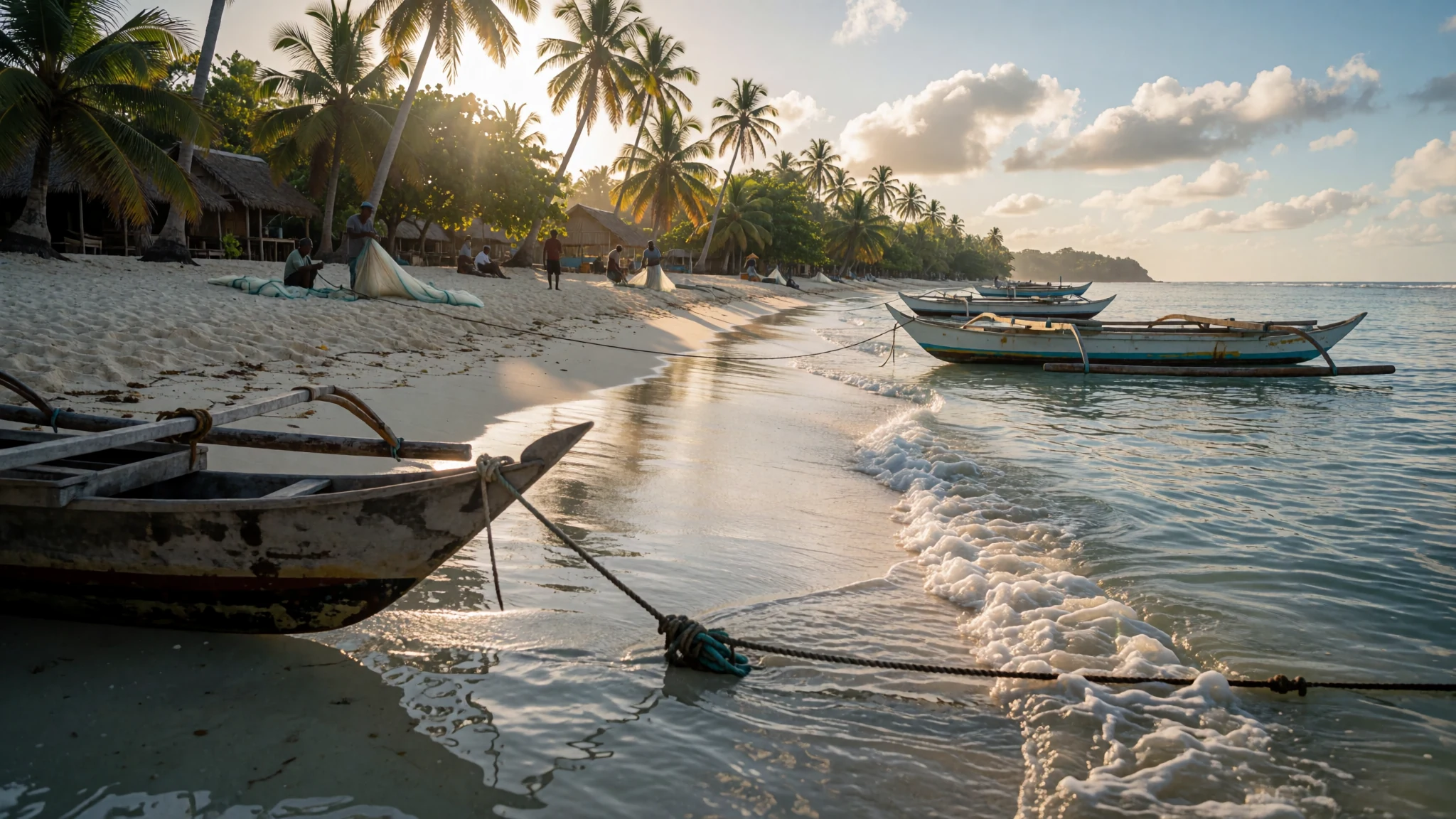
Malapascua is a small Visayan island where diving with thresher sharks, quiet beaches and simple seafood make an easy, unhurried stop.
The place
Malapascua is a small island in the Visayan Sea, lying a short stretch of shallow water off the northern tip of Cebu in the central Philippines. Administratively it belongs to the barangay of Logon in the town of Daanbantayan, and locals still use the older name Logon in everyday conversation. The island is compact. A walk around its whole coast takes roughly three hours at an easy pace, so most visitors settle into a routine of beach, boat and sunset within a few days. The population lives in several hamlets, mostly fishing families and people who work in tourism, and the day follows the arrival and departure of the bangkas that link the island to the mainland at Maya.
Tourism arrived gradually and now shapes most of the work on the island. Dive shops, guesthouses and beachfront restaurants line the main shore, while quieter stretches towards the lighthouse keep a more village feel. The best-known beach, Bounty Beach, was given its name by a resort rather than by an old local term, a detail that surprises many first-time arrivals.
The appeal rests on the sea. Clear water, coral gardens reachable by short boat trips and a dependable chance of seeing thresher sharks draw divers from far afield. The island has ATMs, a money changer and resorts that accept major cards, so money is less of a worry than on many remote islands, though carrying some cash is sensible. Services are modest and the clinic keeps limited hours, so plan accordingly.
Its story
The story of Malapascua is largely the story of a fishing community that learned to share its sea with visitors. Before tourism took hold, livelihoods rested on small-scale fishing from outrigger boats, and the same waters still supply much of what is eaten on the island. Divers came in search of the thresher sharks and gradually changed that balance. Word spread that the sharks could be found with unusual reliability at Monad Shoal, and early dive operators built a modest base of shops, instructors and simple rooms along the shore.
Over the following years the dive businesses grew more professional. Several centres now run courses from first lessons in breathing underwater up to instructor training, and a few hold high-level credentials that draw students from abroad. This shift brought steady income, but it also put new pressure on the reef and the shoreline. Many operators now describe their work in terms of care for the marine environment and for their customers.
Beach life followed the divers. Guesthouses and small restaurants opened along the main shore, bars and a popular disco every Saturday in high season began gathering crowds after dark, and a steady trade in couples and short romantic breaks grew alongside the diving crowd. Fishing boats still leave the beach early, so the island holds two rhythms at once. Its future depends on keeping both working together.
What to see
- Bounty Beach — Main shore
Bounty Beach is the island's busiest stretch of sand, lined with dive shops, bars and restaurants under palm trees. The name came from a resort that promoted the beach, so the older name Logon appears more on maps than on signs. Mornings are calmer, when boats are loaded and divers check their gear in the shade. It makes a natural base for a first day.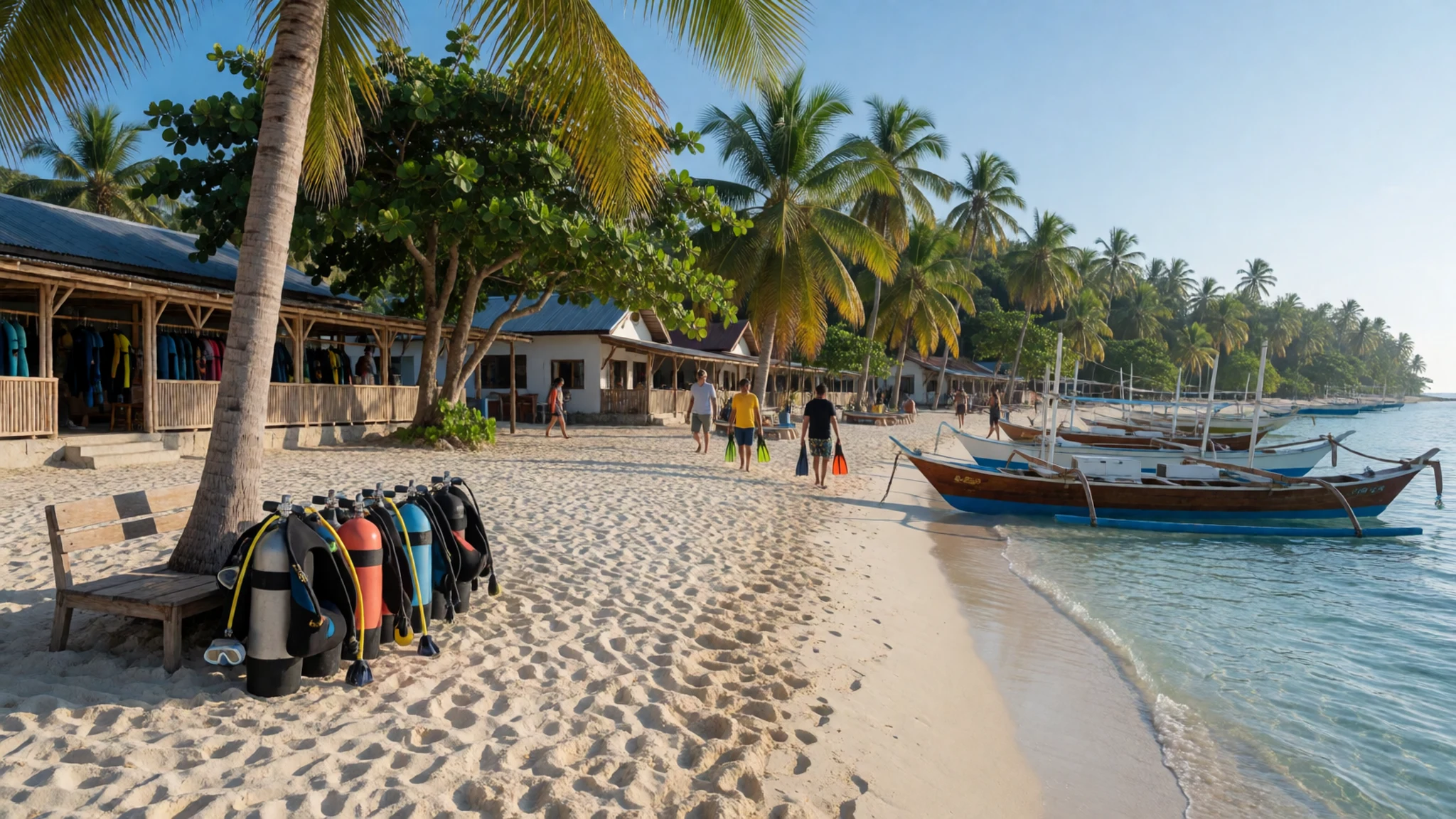
- The lighthouse — Island's lighthouse area
The lighthouse is the island's landmark for watching the sunset, and evenings there draw a steady crowd of visitors and locals. The walk back is easy in daylight but gets dark quickly, so a torch helps. Arriving early secures a good view across the water, and the light changes fast once the sun drops below the horizon.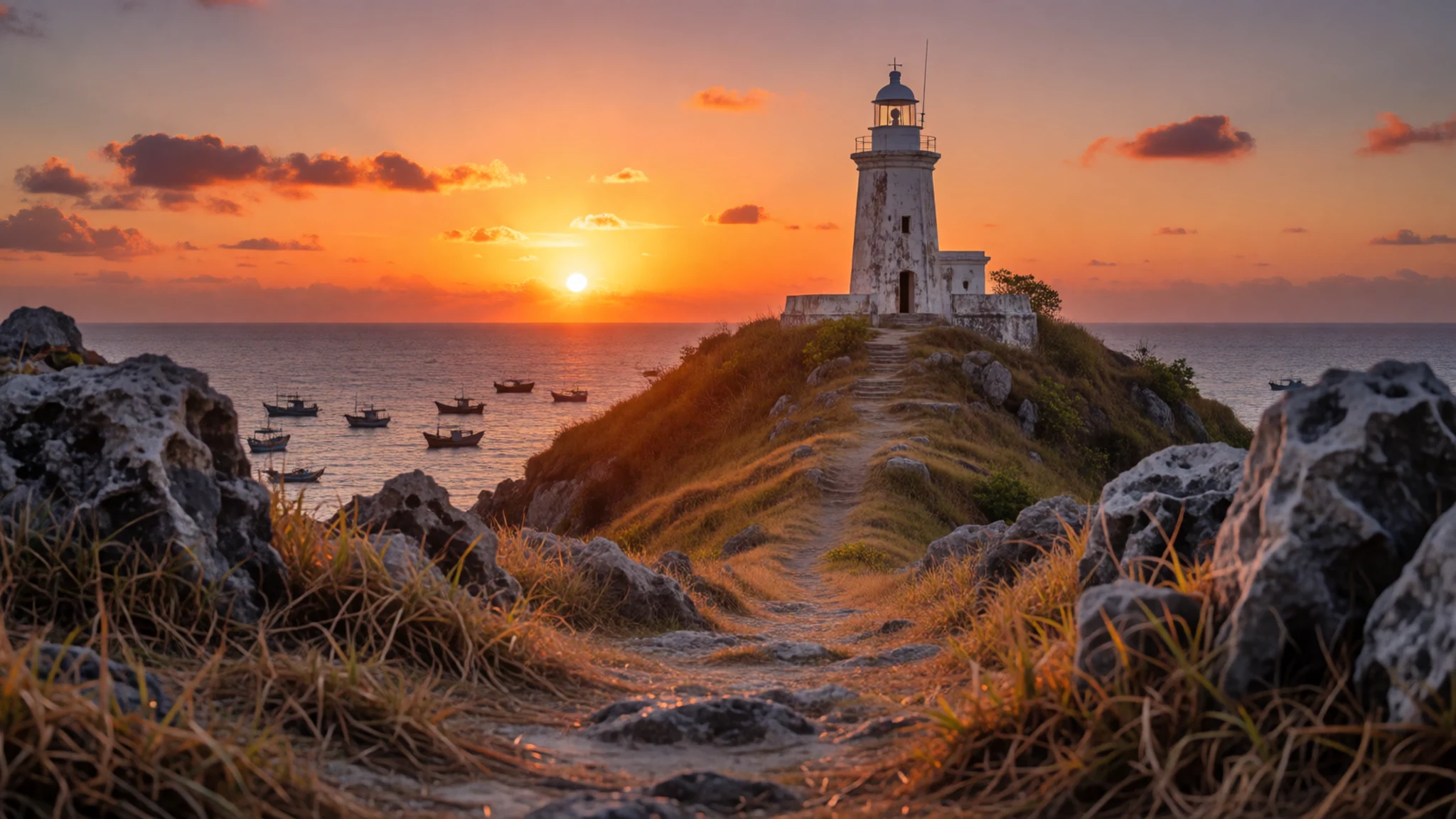
- Kimud Shoal — Offshore, reached by boat
Monad Shoal is the dive site most closely associated with thresher sharks, reached by boat from the island and visited on guided dives run by the local shops. These dives are generally for divers with certification, and the sharks are the main draw. The wider island reefs also hold mandarin fish, pygmy seahorses, nudibranchs and frogfish, so the diving rewards repeat visits.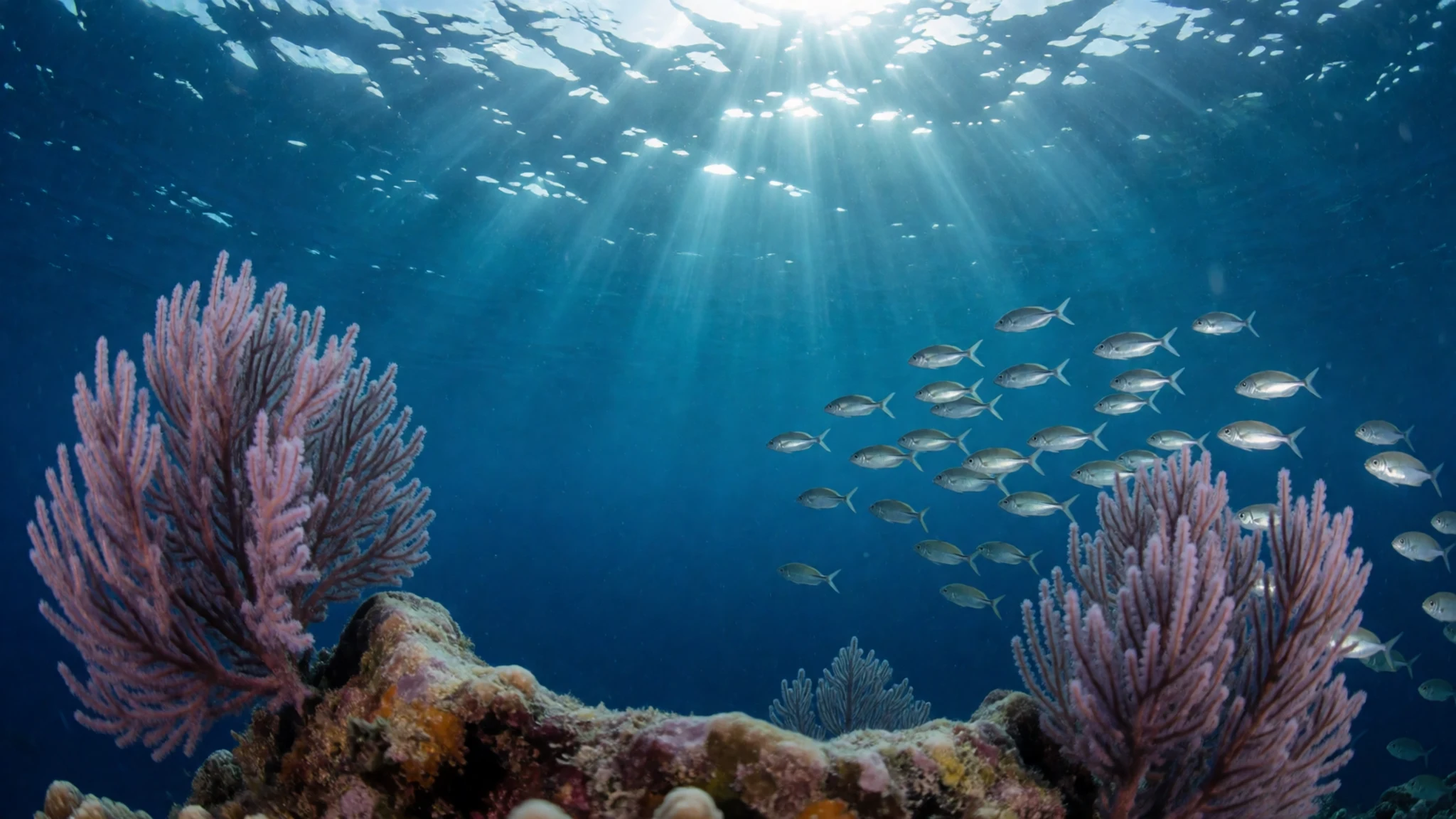
- Snorkelling spots: Coral Garden, Lapus Lapus and Dakit Dakit — East, northwest and southwest points
Snorkelling around Malapascua centres on marine protected areas. Coral Garden lies on the east side near Aabana Beach, Lapus Lapus on the northwest point near Los Bamboos Resort, and Dakit Dakit on the southwest point near Blue Corals Resort. Resorts rent boats, and local fishermen will sometimes take a small group out in their own boat.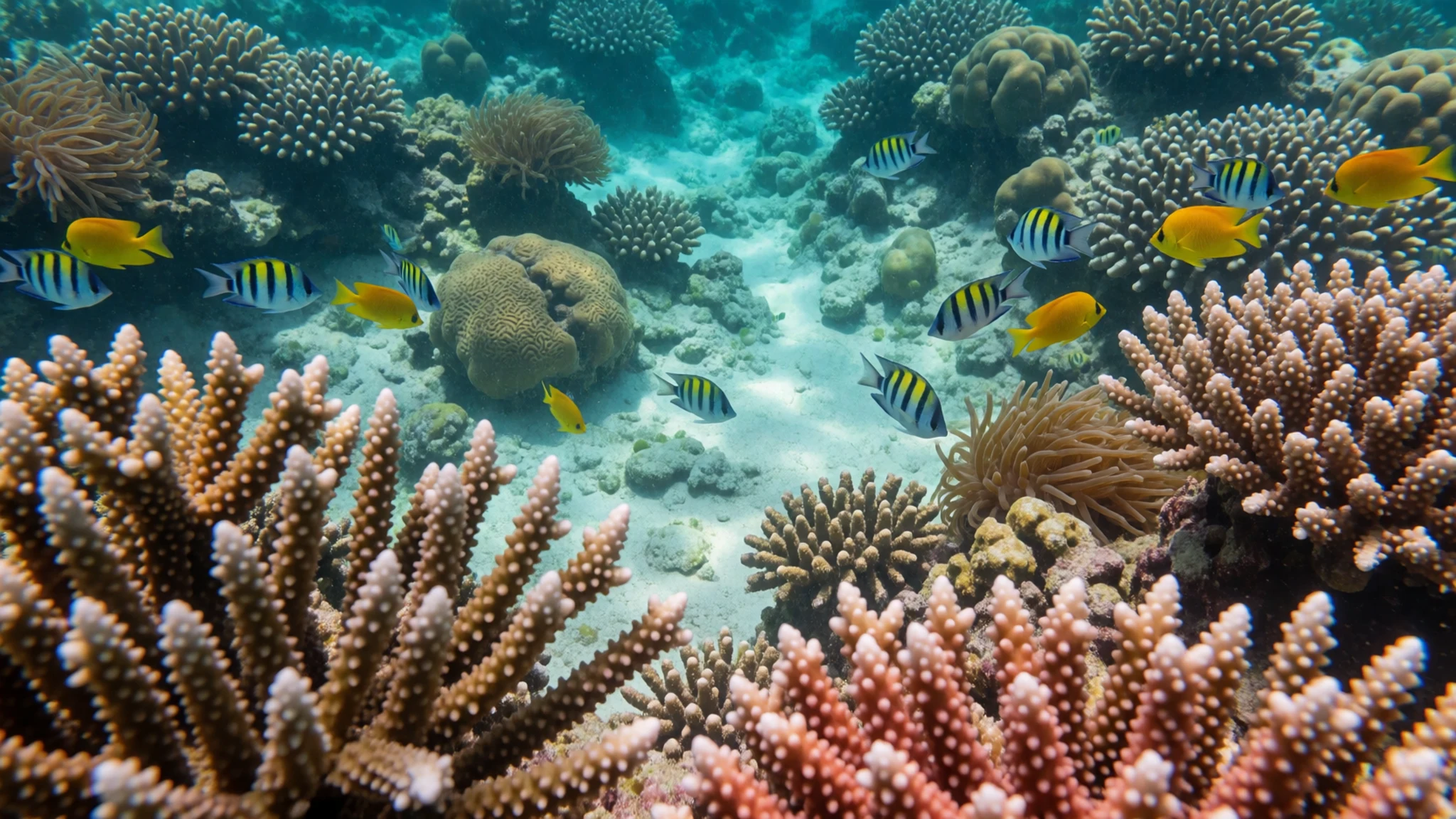
- Mangrove Bay — Quieter side of the island
Mangrove Bay is one of the quieter beaches on the island, reached on foot from the busier shore. Its name points to shelter and calmer water, which makes it a good place for an afternoon away from the dive-shop bustle. It works well as a counterpoint to a day spent on boats.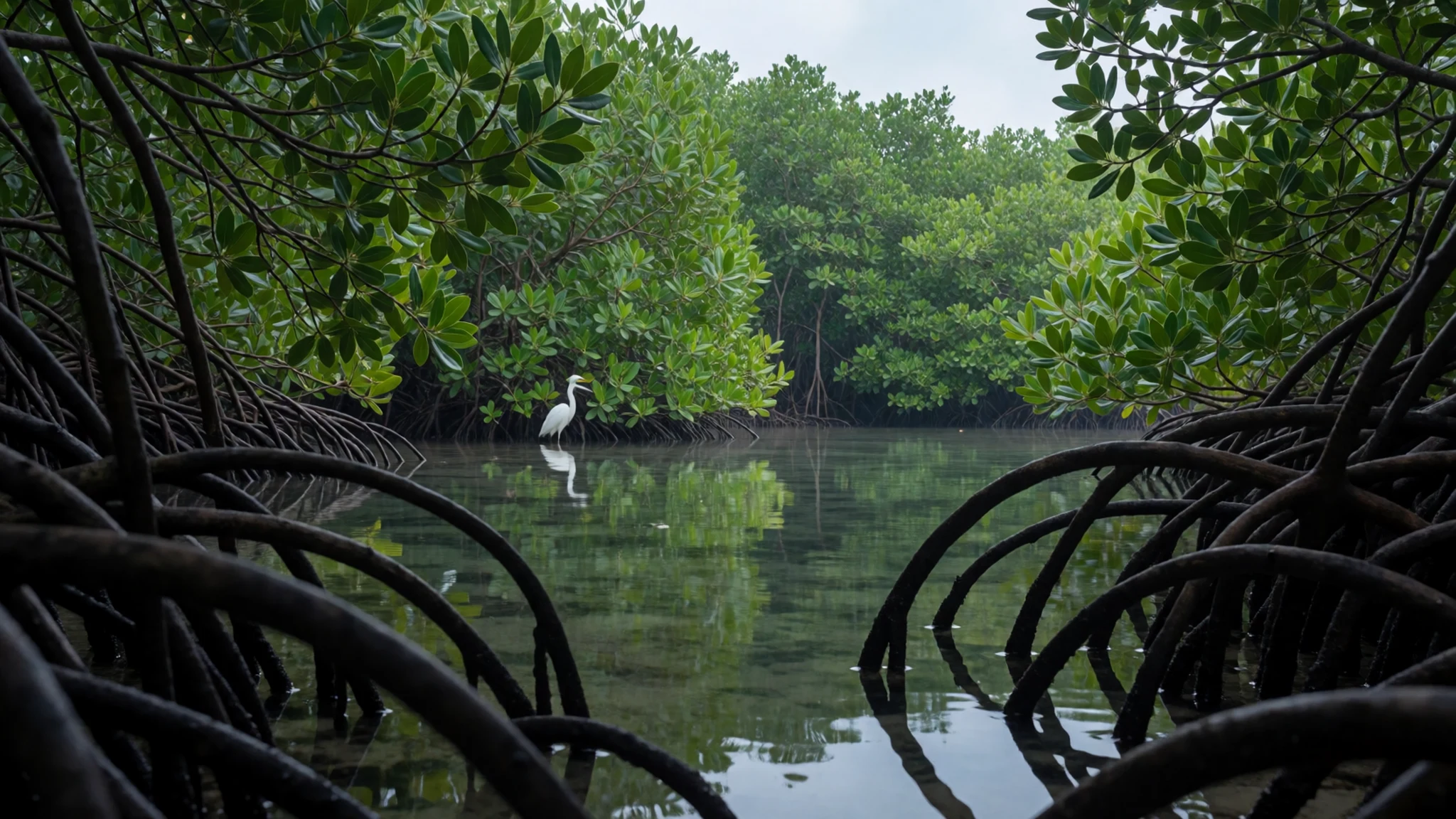
Culture
Malapascua's social life runs on the rhythms of fishing families and the small community that serves visitors. The island sits within the Cebu region, where Cebuano is the everyday language, and simple local phrases are welcomed in the hamlets, while English is common around the resorts and dive shops. Daily life is unhurried and largely outdoors. Boats are hauled up the sand, children play by the water, and neighbours talk in the shade of their houses. Religion and family matter here, and Sunday mornings in the village have a quieter feel than the beach areas. Local eateries are simple and rarely expect formal tipping, although dive guides and boat crews appreciate a tip for good service. Ferries leave only when enough passengers have arrived, so the island runs on a patient sense of time that many visitors find refreshing. Noise carries across the shore after dark, and the Saturday disco in high season is the main exception to a quiet evening. Ask before photographing fishing families, their boats or children, and cover up when you walk through the village away from the beach.
What to wear
In Malapascua, traditional dress is the national Filipino wear rather than anything specific to the island. The barong Tagalog is an embroidered shirt of light, semi-sheer fabric, often made from piña, a textile woven from pineapple-leaf fibre and long associated with the Visayas. Women's formal dress, the baro't saya, pairs a fitted blouse with a long skirt, and both are worn for weddings, church occasions and official events rather than daily life. Modest, sheer-sleeved pieces in piña or jusi are the traditional choice for those occasions.
What people wear now is practical. Fishing families wear shorts, faded T-shirts and rubber sandals, and women working in the markets or eateries often choose cotton sundresses or sleeveless tops. Church and school clothes are the most formal items most people own, and they come out on Sundays and festivals. Swimwear is common on the beach, but people tend to change back into everyday clothes before walking into the village.
Visitors should pack lightweight, breathable cotton or quick-dry fabrics suited to heat and humidity. A cover-up or sarong for walks through the village and to churches helps keep things respectful, and a loose shirt protects against the sun on boats. For the terrain, flat sandals work on the beach, while closed shoes with grip suit the rocky paths and the walk to the lighthouse. Reef-safe sun protection and a rash guard are sensible for snorkelling.
What to eat
- Rice with vegetables, meat or fish — Local family eateries across the island, away from the beachfront
Small local eateries are spread all over the island, serving rice with a choice of vegetables, meat or fish. Their plain fronts can look worn, but the food is simple, filling and good value. Ask what fish came in that day, because the catch changes with the boats and it is usually the freshest choice on the menu.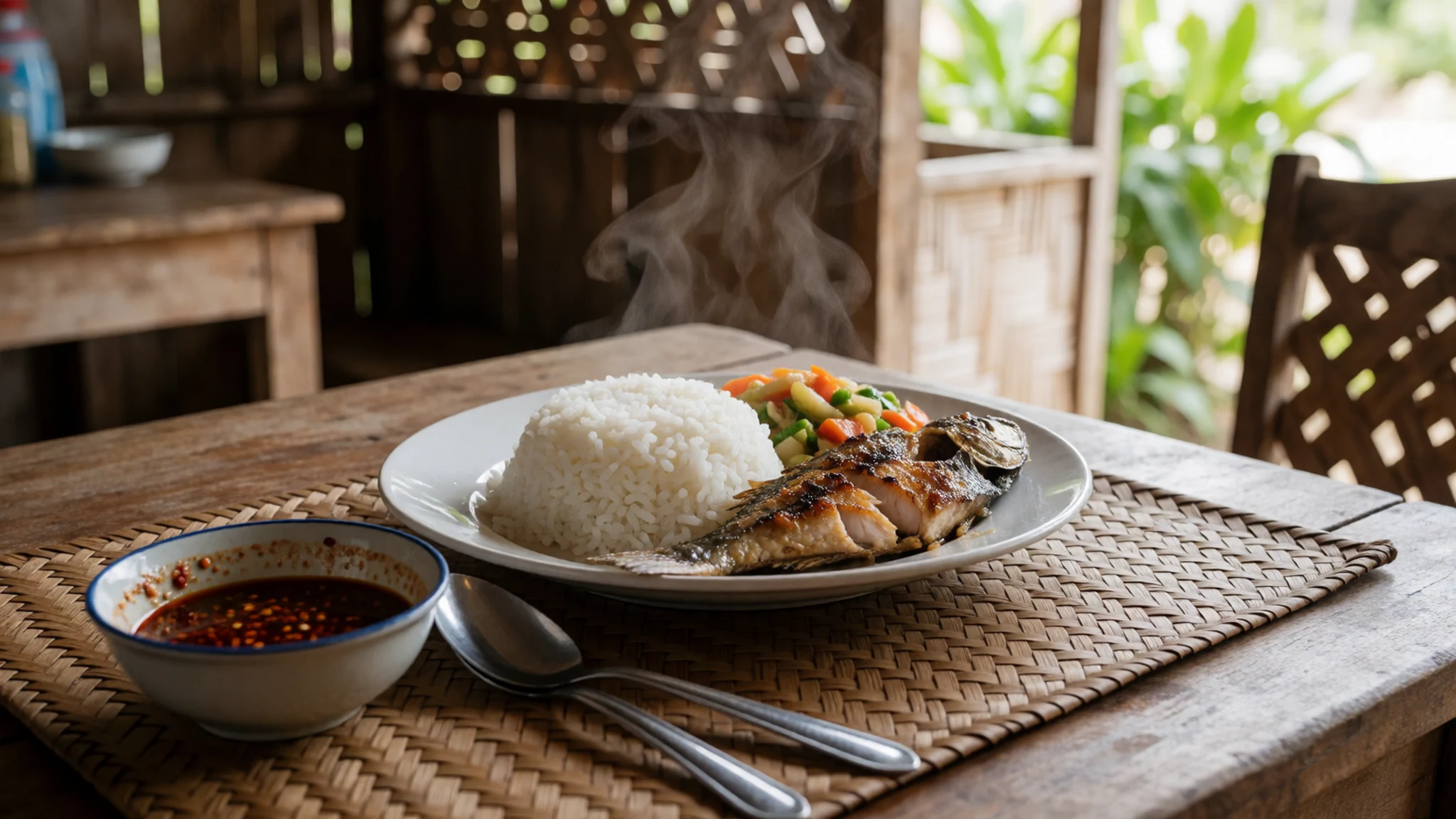
- Pork satay from evening stalls — Evening barbecue stalls around the island
Some evening stalls barbecue pork satay over charcoal, brushed with a sweet-salty glaze and served on skewers with a dipping sauce. The smell carries well, and a plate of skewers makes a cheap, filling supper eaten standing up at the stall. It is a good way to end a day on the water.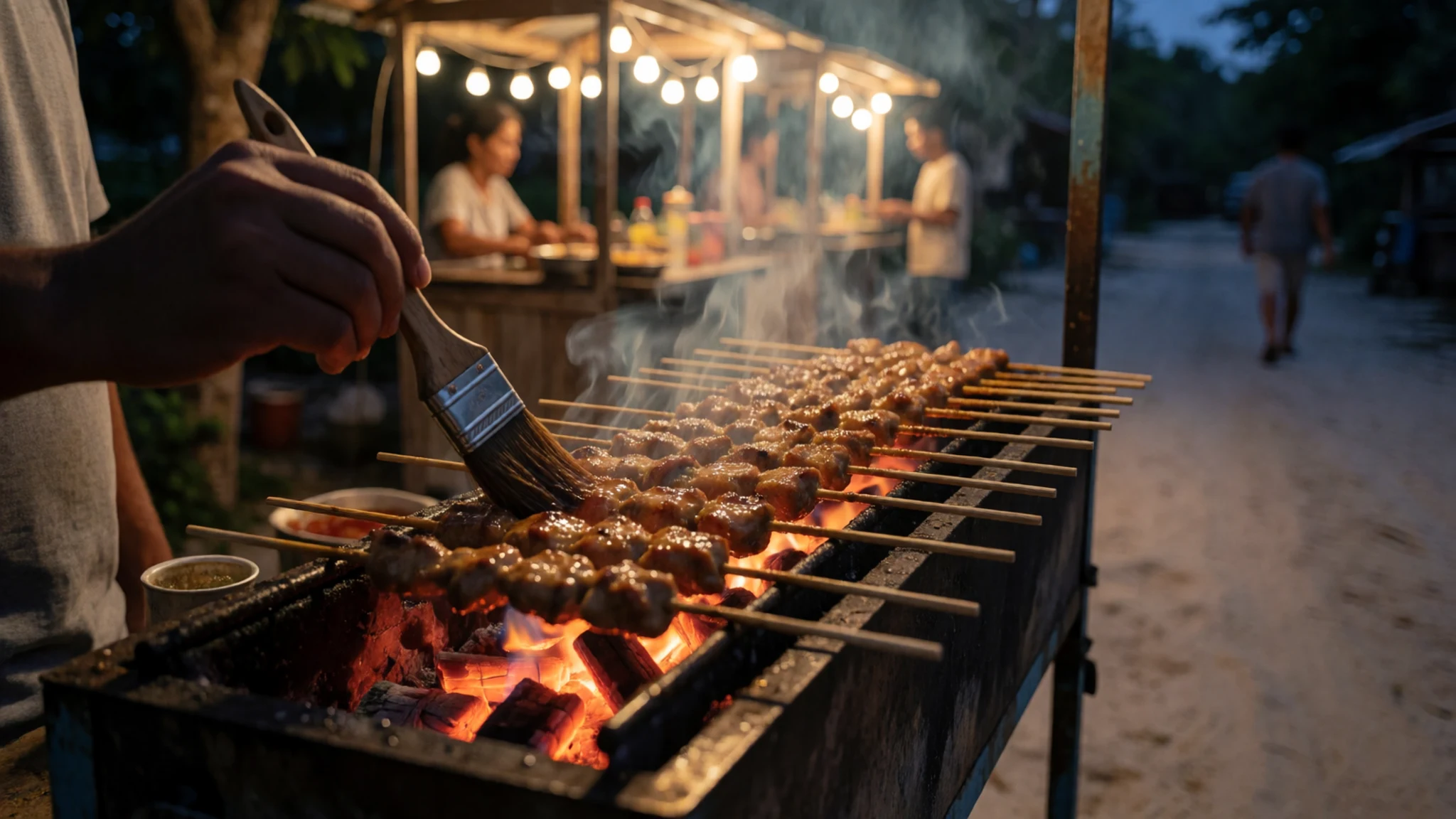
- Daily specials at The Craic House — Restaurant on the island, serving a daily menu
The Craic House builds its daily specials around local produce and imported ingredients that the owners source themselves. The menu shifts with what is available, so the day's dishes often differ from one visit to the next. It suits a relaxed dinner after a long dive. - Burgers and pizza at Purple Snapper — Bar and restaurant on the island
Purple Snapper Bar and Restaurant is known for its burgers, and its pizzas and chicken fettuccine alfredo are also popular. The menu covers the familiar comfort food that many divers want after several days of local meals. It is an easy choice for a casual lunch or an evening drink. - Philippine dishes at La Isla Bonita — Eatery on the island serving Philippine cooking and pizza
La Isla Bonita offers Philippine dishes alongside pizza, giving a lighter route into local flavours than the street stalls. The Filipino plates use the familiar combinations of rice, garlic, vinegar and grilled meat or seafood. It works well for trying several home-style dishes in one sitting. - Italian cooking at Angelina — Restaurant on the island specialising in Italian food
Angelina serves original Italian cooking, a welcome change after several days of rice-based meals. Its pasta and classic plates are made simply, and the pace suits a slow evening. It is a good place for a quiet meal away from the busiest part of the beach.
Plan it
Best time. March and April are the driest months, though April and May run hottest, while December and January bring the heaviest rain.
How long. 2–3
Getting there. Fly into Mactan-Cebu International Airport, then travel by road to Maya and take a local bangka across to the island, a crossing of about half an hour. The first boat leaves Maya early in the morning, and the last leg can mean wading or stepping onto a plank from the boat.
Budget. mid
Tips
- Catch an early bangka from Maya, because the ferries wait until they have enough passengers.
- Carry cash for small purchases, as ATMs and a money changer are on the island and many resorts take major cards.
- Schedule dives around the morning boats and check the weather, since crossings are wet and the bangkas offer little shelter.
- Book thresher shark dives through an established dive shop and allow time for the briefing.
- Bring a torch for walks after dark and reef-safe sun protection for snorkelling.
Etiquette
- Wade or step onto the plank calmly, keeping bags dry and waiting your turn.
- Ask before photographing people, especially children and fishing crews.
- Do not touch or chase marine life, and follow the dive shop's instructions underwater.
Nearby
Sources
- Wikidata Q1674142 (CC0)
- Wikipedia: Malapascua (rev 1374893198) (CC BY-SA 4.0)
- Wikivoyage: Malapascua (rev 5410260) (CC BY-SA 4.0)
- Malapascua (island), Tropical beach, Philippines — Vyacheslav Argenberg (CC BY 4.0)
- Malapascua (island), Tropical lagoon — Vyacheslav Argenberg (CC BY 4.0)
- Malapascua Island, Sunset on the beach with palms — Vyacheslav Argenberg (CC BY 4.0)
- Anemone fish in Anemone — Matt Kieffer (CC BY-SA 2.0)
- Anemone with Anemone fish — Matt Kieffer (CC BY-SA 2.0)
- Bangka in Malapascua 001 — Martin Michlmayr (CC BY-SA 4.0)
- Bangka in Malapascua 002 — Martin Michlmayr (CC BY-SA 4.0)
- Bangka in Malapascua 003 — Martin Michlmayr (CC BY-SA 4.0)


