Malacca City
Malacca City, Malaysia
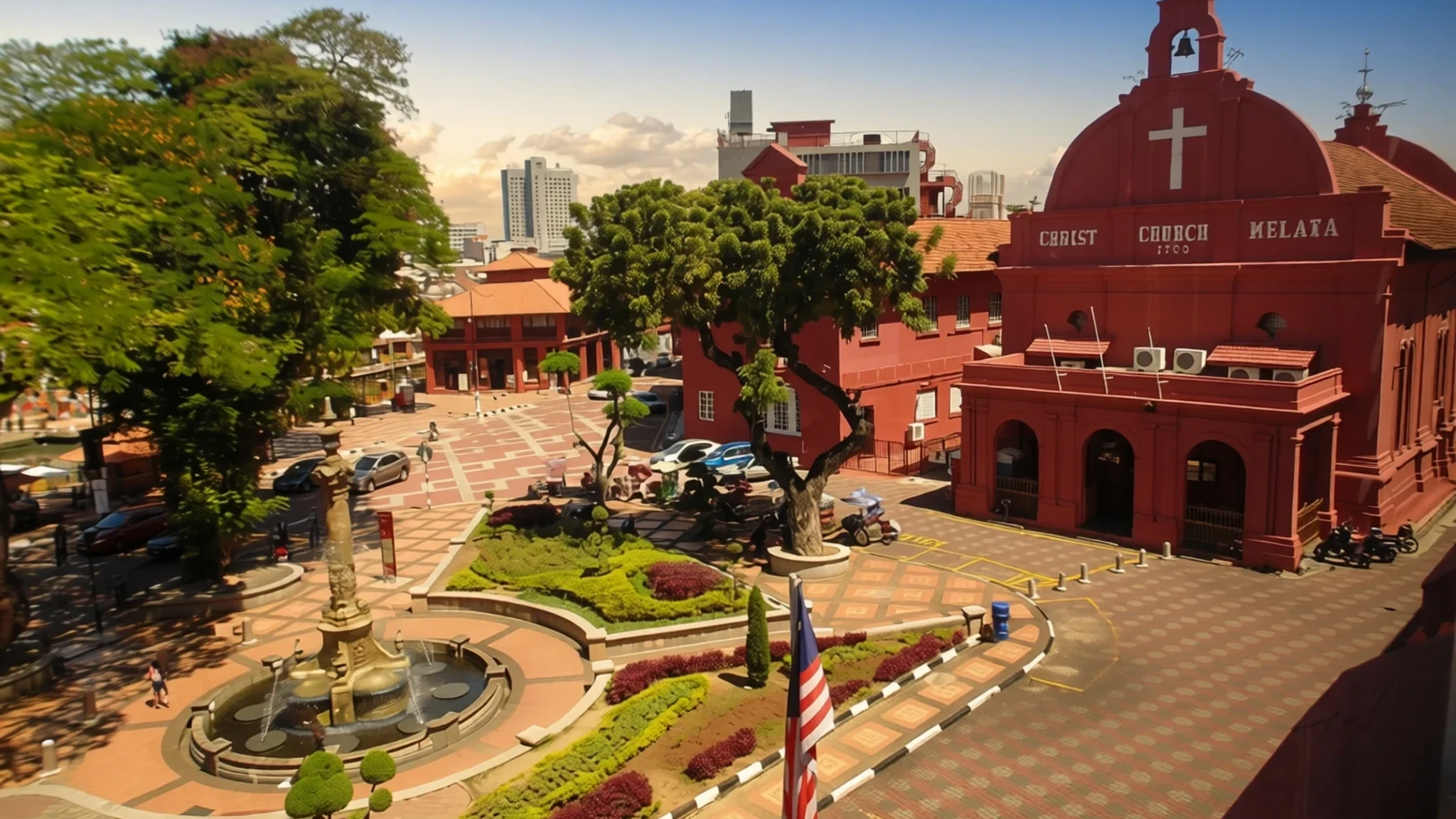
A walkable old town where Malay, Chinese, Portuguese and Dutch history sit side by side on the Strait of Malacca.
The place
Malacca City is the state capital of Malacca, on the western coast of the Malay Peninsula. With a population of about 455,000, it is big enough to feel like a real city but small enough to explore on foot. Most of what draws visitors sits in a compact historic core: Dutch Square, the Malacca River, and the lanes of Jonker Street and its neighbours. Expect a mix of colonial-era stone and brick, shophouses in faded pastel colours, Chinese clan temples, mosques, and a fortress gate standing on a hill. The city lies only about 14 metres above sea level, so it is flat and hot, and the humidity is the first thing most visitors notice. Mornings are the most comfortable time to walk, before the sun and the crowds build. Weekends and evenings bring the heaviest crowds, especially around the Jonker area, where food stalls and outdoor performances fill the street after dark. Weekday afternoons are calmer. Trishaws and taxis are easy to find for longer hops, and the outer districts are modern and residential, so check where your accommodation sits before you book.
Its story
The city's story begins with Parameswara, a prince from Palembang in Sumatra. After the Srivijaya realm fell in 1377 to attacks from Majapahit, he moved from place to place looking for a site for a new kingdom. A stay at Temasek ended in violence and fear of retaliation, so he travelled north along the peninsula, trying Muar and other spots before he found a fishing village at the mouth of the Bertam River, now the Malacca River. He founded the settlement in 1396. The timing mattered. The strait was a narrow passage that ships between China, India and the Middle East had to use, and a ruler who controlled the harbour could tax and trade with all of them. The Malacca Sultanate, established in 1400, turned that position into wealth. Traders from the Middle East, South Asia and East Asia gathered here, and the port became one of the great trading hubs of its age. That attention also drew the Portuguese, who wanted to dominate the spice routes, and they took the city in 1511. Rival sultanates of Aceh and Johor then fought over it for years. The Dutch later joined with Johor to drive out the Portuguese, taking the city in 1641 and holding it for much of the following century. Internal rivalries between Malay and Bugis groups later split Johor and Riau, and British involvement in the peninsula made that division permanent. Malacca passed through Straits Settlements rule, Japanese occupation during the Second World War, and the Malayan Union before joining independent Malaysia in 1963. That is why the old town holds layers of Malay, Portuguese, Dutch and British building.
What to see
- Dutch Square — Historic centre, Dutch Square
The old square at the heart of the historic core is ringed by the Stadhuys and Christ Church, and the Tang Beng Swee clock tower, built in 1886, stands among them. The tower looks Dutch but is not, which is worth knowing before you go looking for Dutch detail. Go early in the morning for photographs without a crowd. Benches around the edges make it an easy place to pause between sights.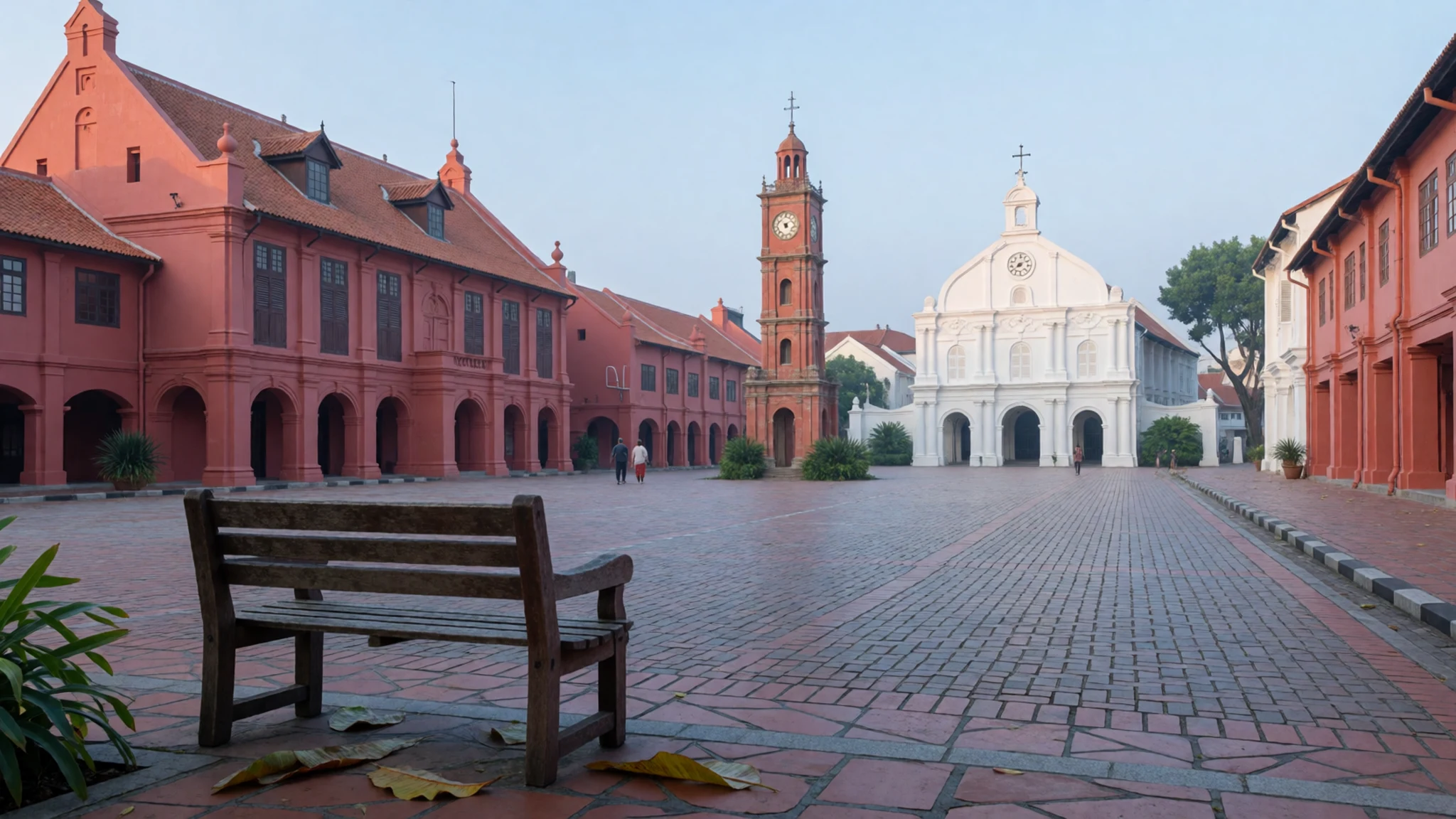
- Christ Church — Dutch Square, historic centre
Built in the mid-eighteenth century to replace an earlier Portuguese church, Christ Church was constructed from bricks shipped from the Netherlands. Dutch tombstones are set into the floor, so look down as you walk. The interior is plain and cool, and it is a welcome break from the midday heat. Keep your voice low and be prepared for the caretakers to keep an eye on the building.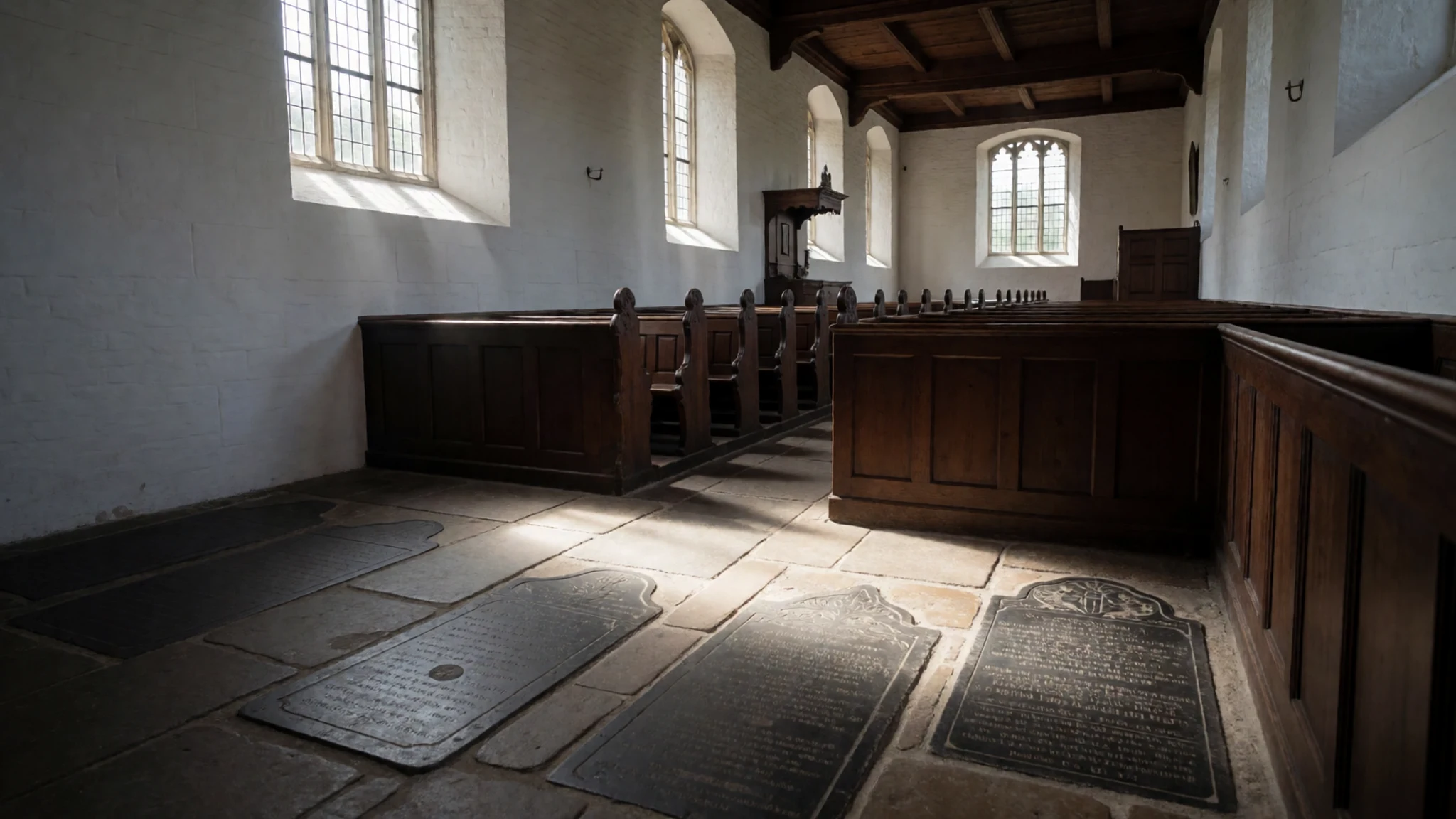
- Cheng Hoon Teng Temple — Chinatown, central Malacca
Cheng Hoon Teng is described as the oldest Chinese temple in Malaysia, and an inscription dating from 1685 records the deeds of Kapitan China Li Wei King. It is a working temple, so visitors should move quietly and stay out of the way of worshippers. Go before midday, when the courtyard is usually less busy. Take your shoes off at the threshold if signs ask you to.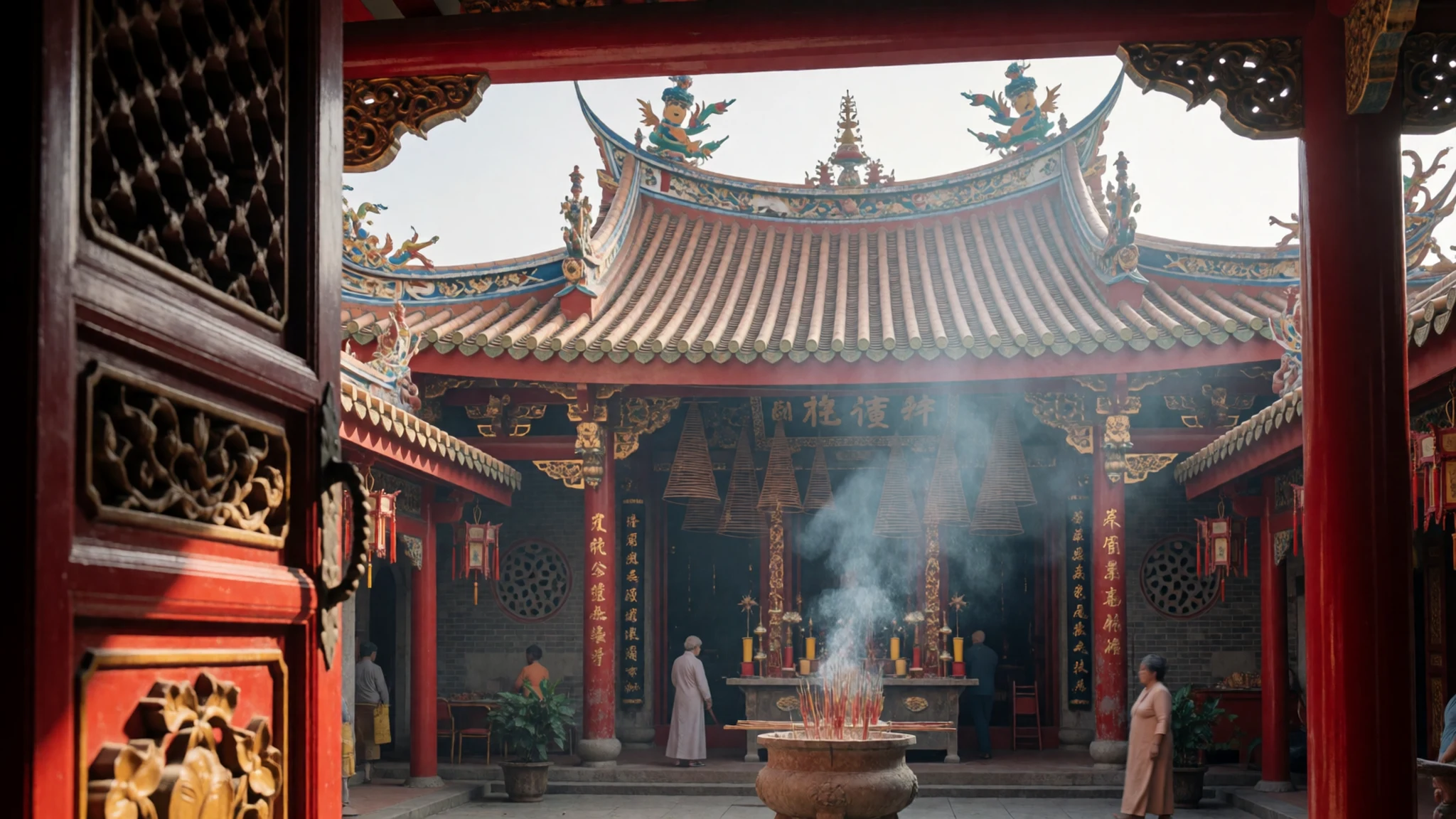
- Jonker and Heeren streets — Jonker Street and Heeren Street area, west of the river
This is the residential heart of Old Malacca, just west of the Malacca River. Narrow, winding lanes are lined with decorated houses, tiny shops, temples and mosques. Jonker Street is the busiest stretch, where outdoor stage performances and night stalls gather after dark. Walk the side lanes in daylight for quieter streets and a closer look at the carved details on the houses.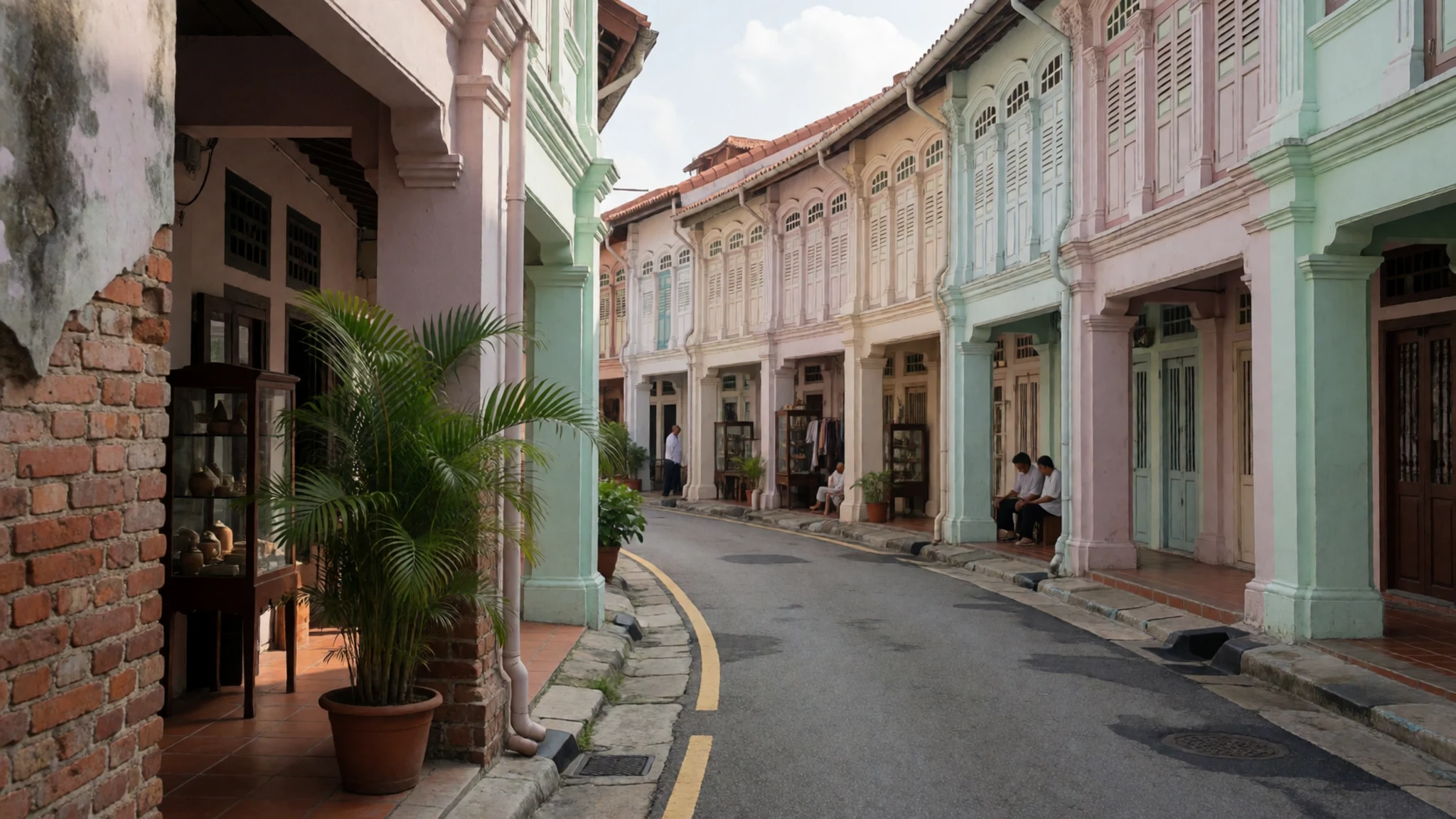
- Malacca Sultanate Palace Museum — Central Malacca, within the old town
This museum is a replica of a classic Malacca Sultanate palace, built to show Malay culture and the city's history in the sultanate era. The building was constructed without nails, a detail worth looking for in the joints as you go round. It gives a useful picture of court life before the Portuguese arrived. Check the official site for opening days and hours before you go.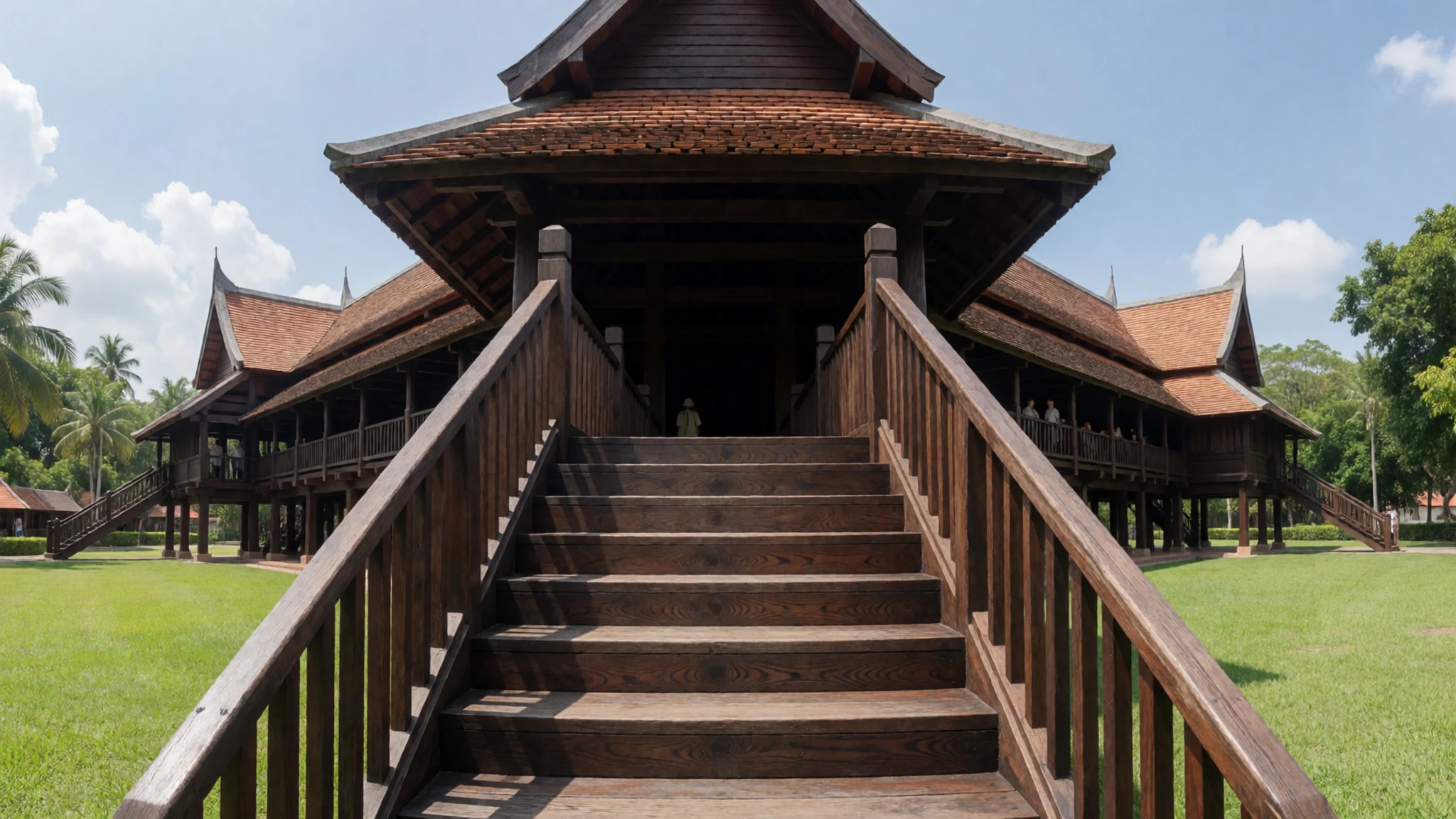
Culture
Malacca's culture is layered. Malay tradition, the Chinese communities that settled here with the sultanate's traders, and the Baba Nyonya families who blended the two all shape daily life. Chinatown carries strong Chinese influence, with clan associations, regional eateries and temples such as Cheng Hoon Teng close to where many traders settled. The Jonker area is the most recognisable stretch, and it hosts outdoor stage shows, especially at night. Little India and a Portuguese Settlement sit within the same town, so a single walk can move from temple to mosque to church. Kopitiam coffee shops serve Malay and Baba Nyonya dishes alongside Teochew-style Chinese food and European-style menus. Remove your shoes at temple and mosque doorways, cover your shoulders and knees, and ask before photographing anyone at prayer.
What to wear
Traditional dress in Malacca reflects its mixed communities. Malay men and women have long worn the baju kurung, a loose tunic over a long skirt, usually in cotton or light silk. Songket, a brocade woven with metallic thread, is kept for weddings and formal occasions. Among the Baba Nyonya, women wore the kebaya, a fitted embroidered blouse, with a batik sarong, and their beaded slippers, the kasut manek, remain a distinctive craft you will see in shop windows. Today most people in the old town wear ordinary Western clothes, while the baju kurung and tudung are worn for religious events and by many Muslim women every day. For your own visit, the climate is hot and humid, so choose loose cotton or linen in light colours. Cover shoulders and knees when visiting temples, mosques or churches, and carry a light scarf that doubles as a shawl. Wear closed shoes you can walk in on uneven pavements, and choose sandals that come off easily at doorways.
What to eat
- Homemade pineapple tarts — A family bakery in the old town that bakes on site
Small buttery pastry cases filled with pineapple jam, and in Malacca they are a favourite gift to take home. Choose a bakery that says it makes its tarts on site, which is usually the sign of a good one. Buy a box early in the day, as the popular shops can sell out in the afternoon.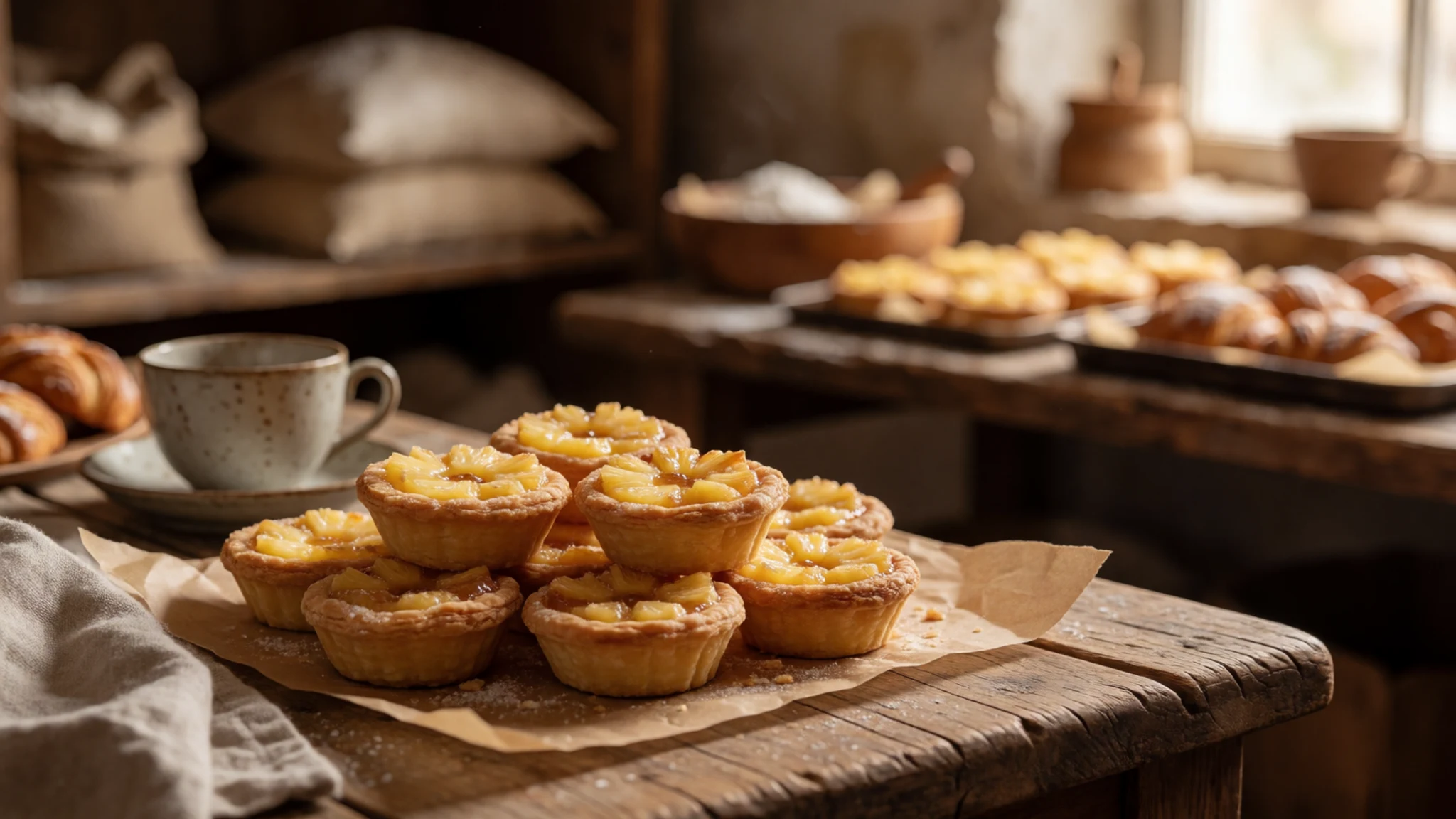
- Nyonya kuih — A Nyonya cake shop in the old town
Kuih are bite-sized cakes and snacks, and Nyonya kuih is the Peranakan version, often brightly coloured and built on coconut, glutinous rice and pandan. Shops that display many kinds under one roof are the easiest way to try several at once. Buy a small mixed box to share.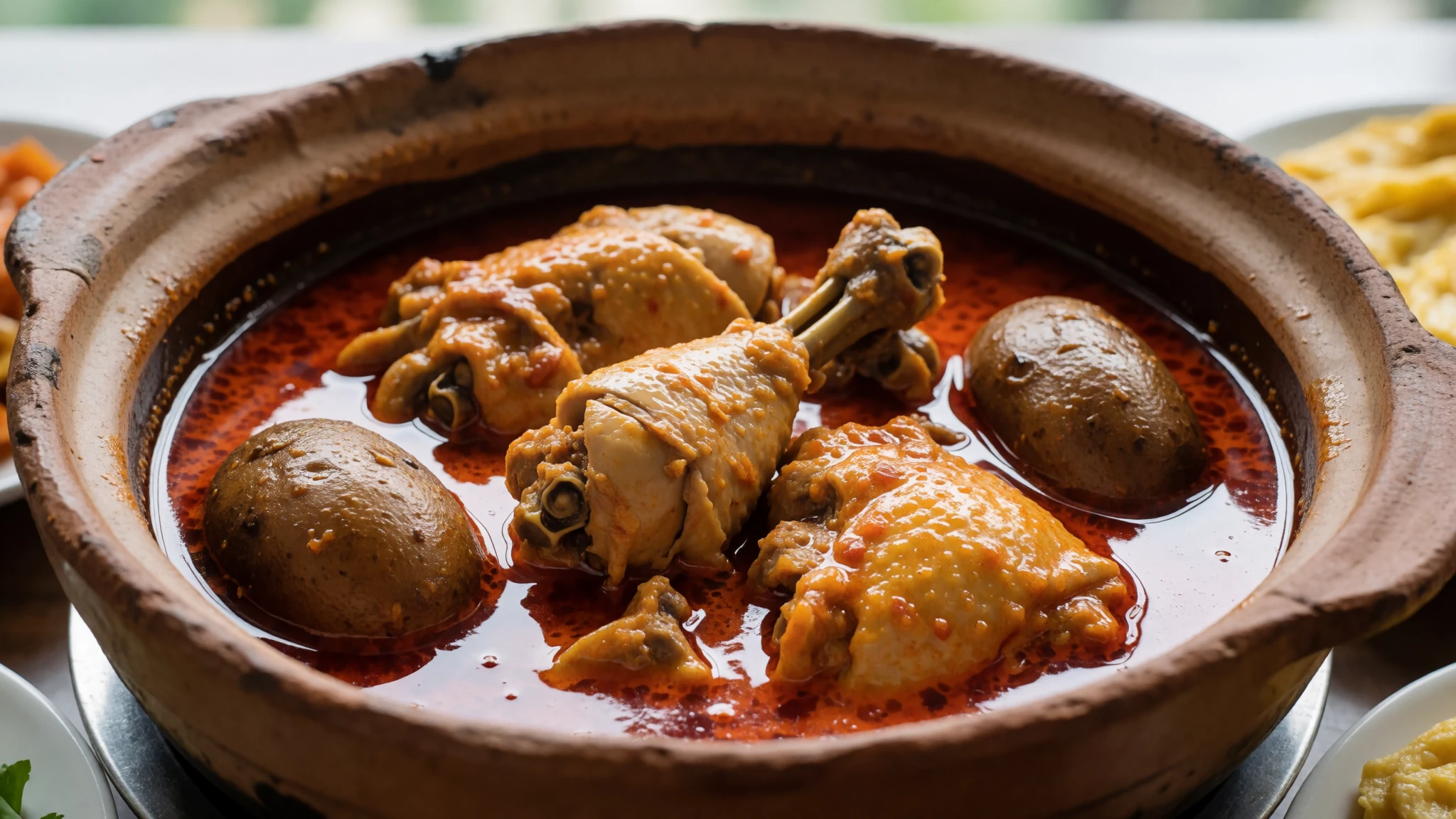
- Hainanese chicken rice balls — A chicken rice stall in the town centre
Rice is shaped into balls and served with poached chicken, a chilli and ginger sauce, and a clear soup. Quality varies from stall to stall, so ask a local which one they queue for. Eat at the stall itself while the rice is still warm. - Open-air hawker stalls — Jalan Kee Ann, in the town centre
Open-air stalls on Jalan Kee Ann serve locals and visitors alike, with noodles, rice and grilled dishes. It is a good place to eat slowly and watch the street. Order from two or three stalls and share, which lets you try more of the menu. - Taiwanese-style noodles — A noodle shop outside the town centre, reached by taxi
A noodle shop outside the town centre that has become popular with visitors from across Malaysia. It is a short taxi ride from the old town, so it works well as a change of pace from the historic lanes. Arrive outside peak mealtimes if you can, as the seating is limited.
Plan it
Best time. Rain falls in every month, with February the lightest and November the wettest, so aim for early in the year if you can. It stays hot and humid throughout, with April and October the hottest months, while January and February are the most comfortable, with the coolest nights. The wetter northeast monsoon from about November to January brings heavier showers, so pack a compact umbrella if you travel then.
How long. 2–3
Getting there. Kuala Lumpur International Airport is the nearest major airport, about 1½–2 hours away by car. From there, take a direct bus (about 2½ hours; check the operator's timetable) or a taxi from the official stand inside Domestic Arrivals (about 1½ hours, fixed fare). From the bus terminal, the M100 bus runs to the centre from the domestic side; have exact change, as the driver carries none.
Budget. low
Tips
- Walk the old town in the early morning, before the heat builds and the Jonker streets fill up
- Weekends and public holidays are busiest, so plan museum and temple visits for weekdays if you can
- Carry cash for small stalls and trishaw rides, and agree the fare before you set off
- Drink water steadily; humidity makes the heat feel heavier than the temperature suggests
- Use the official taxi stand at the bus terminal rather than flagging a cab on the street
- Check the official site for opening times of museums and temples before you go
Etiquette
- Remove your shoes at temple and mosque doorways and follow the signs
- Ask before photographing people, especially during prayers or ceremonies
Nearby
Sources
- Wikidata Q61089 (CC0)
- Wikipedia: Malacca City (rev 1382955868) (CC BY-SA 4.0)
- Wikivoyage: Malacca (rev 5410256) (CC BY-SA 4.0)
- Dutch Square photo, Marcin Konsek (CC BY-SA 4.0)
- Melaka View photo, Atlasmotor (CC BY-SA 4.0)
- Taming Sari Tower photo, Chongkian (CC BY-SA 4.0)
- Royal Palace of Malacca photo, Irwan Shah Bin Abdullah (CC BY-SA 4.0)
- A Famosa photo, CEphoto, Uwe Aranas (CC BY 3.0)
- Stadhuys photo, Bhirom Sughontha (CC BY-SA 4.0)
- St Paul's Church photo, CEphoto, Uwe Aranas (CC BY 3.0)
- Melaka Mosque photo, Mithun Ahamed (CC BY-SA 4.0)


