Madaba
Madaba, Jordan
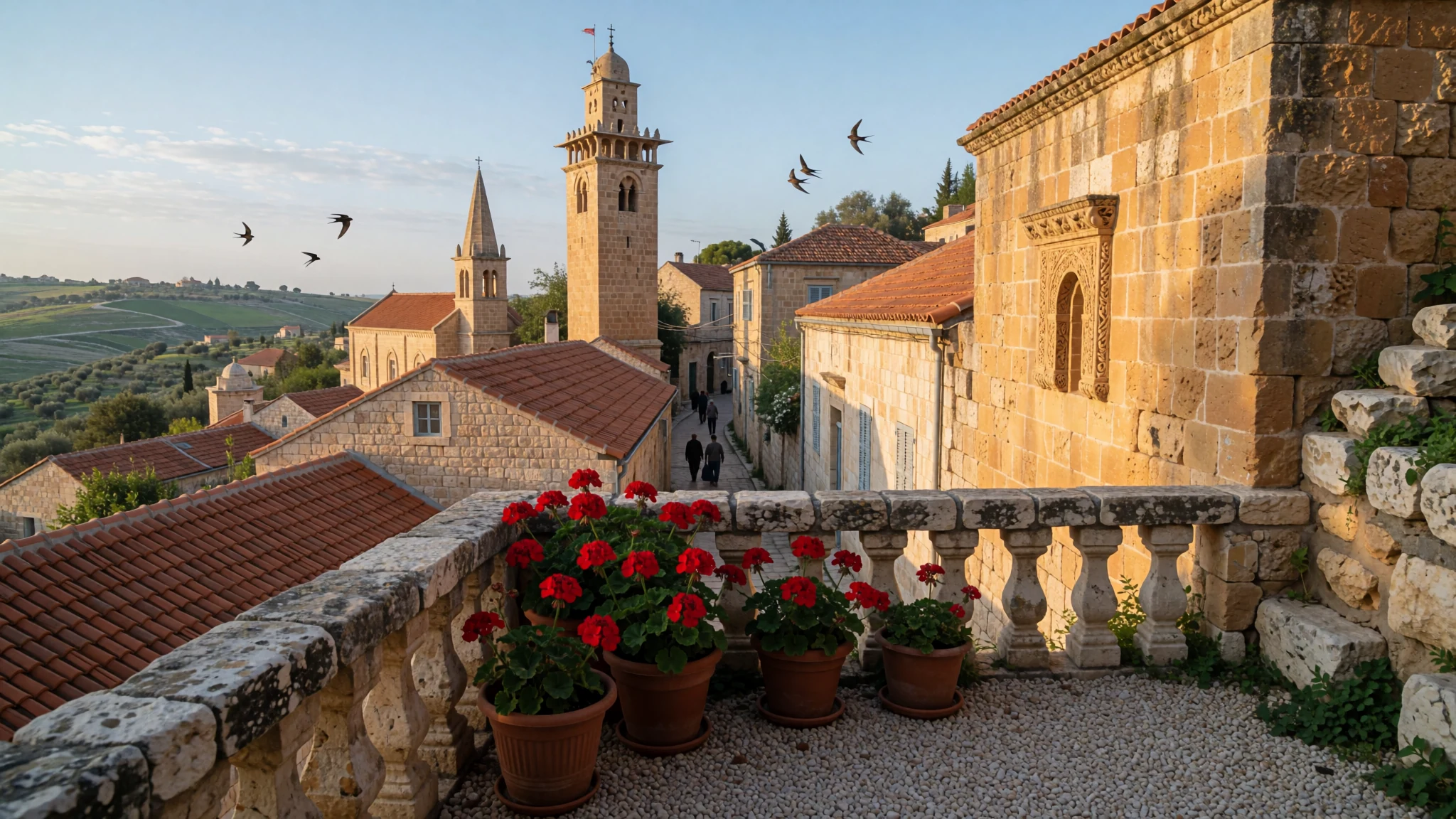
Madaba is a welcoming Jordanian town renowned for its extraordinary sixth-century Byzantine mosaic map and vibrant multi-faith cultural heritage.
The place
Madaba sits on a fertile high plateau in central Jordan, positioned as a quiet, welcoming market hub surrounded by rolling hills and olive groves. Unlike the bustling capital to the north, this compact city moves at an easygoing pace where ancient heritage and contemporary daily life exist side by side. Stone townhouses, local artisan workshops, and bustling fruit markets line the narrow streets, while church spires share the skyline with minarets.
The town serves as a crucial trading post for surrounding rural communities and Bedouin families who travel into the centre to buy supplies, sell textiles, and catch up on news. A gentle, walking-friendly scale defines the core, making it simple to wander between archaeological sites, family-owned eateries, and artisan craft shops without the heavy traffic of larger regional centres.
Madaba is particularly distinct in Jordan for its vibrant, multi-faith atmosphere, shaped by centuries of Christian and Muslim neighbours living in close harmony. Visiting the central districts reveals a relaxed street life where shopkeepers greet passers-by with tea and bakeries dish out hot flatbreads straight from wood-fired ovens. Its elevated location brings cooler evening breezes even in summer, creating a pleasant environment for evening strolls along stone-paved lanes. Positioned between the highlands and the Jordan Valley, the town offers an authentic, grounded look into everyday life in central Jordan.
Its story
Madaba possesses a rich historical trajectory that spans from the Middle Bronze Age through biblical antiquity to modern times. During the Iron Age, the settlement functioned as a contested border city for the Moabite Kingdom, changing hands repeatedly between neighbouring powers across the ancient Levantine landscape. Under Roman and Byzantine governance, the city expanded into a prominent regional centre within the province of Arabia Petraea.
By the fifth century, a thriving Christian community had established itself here, constructing magnificent basilicas and commissioning intricate floor mosaics that recorded geographic knowledge, classical myth, and sacred history. Following the early Islamic period and subsequent regional instability, a major earthquake devastated the settlement, causing residents to disperse and leaving the ancient structures covered in rubble for generations.
The modern revival of Madaba began when Arab Christian families relocated to the site from Al Karak during the late nineteenth century. While clearing the debris of long-ruined ancient structures to build new homes and places of worship, these settlers uncovered a treasure trove of pristine mosaic floors preserved beneath the soil. Among these discoveries was the famous floor depiction of Jerusalem and surrounding lands, which brought global attention to the town. Today, careful archaeological conservation keeps this mosaic heritage protected while the contemporary city flourishes around its ancient foundations.
What to see
- Basilica of St. George — City centre
Madaba's most celebrated church houses the famous sixth-century Byzantine floor mosaic mapping Jerusalem and the surrounding historical landscape. Built over earlier foundations, the nineteenth-century Greek Orthodox basilica allows visitors to observe intricate tesserae detailing ancient towns, rivers, and wildlife across the Levant. A side exhibition hall provides helpful contextual displays explaining the survival and rediscovery of this unique cartographic floor.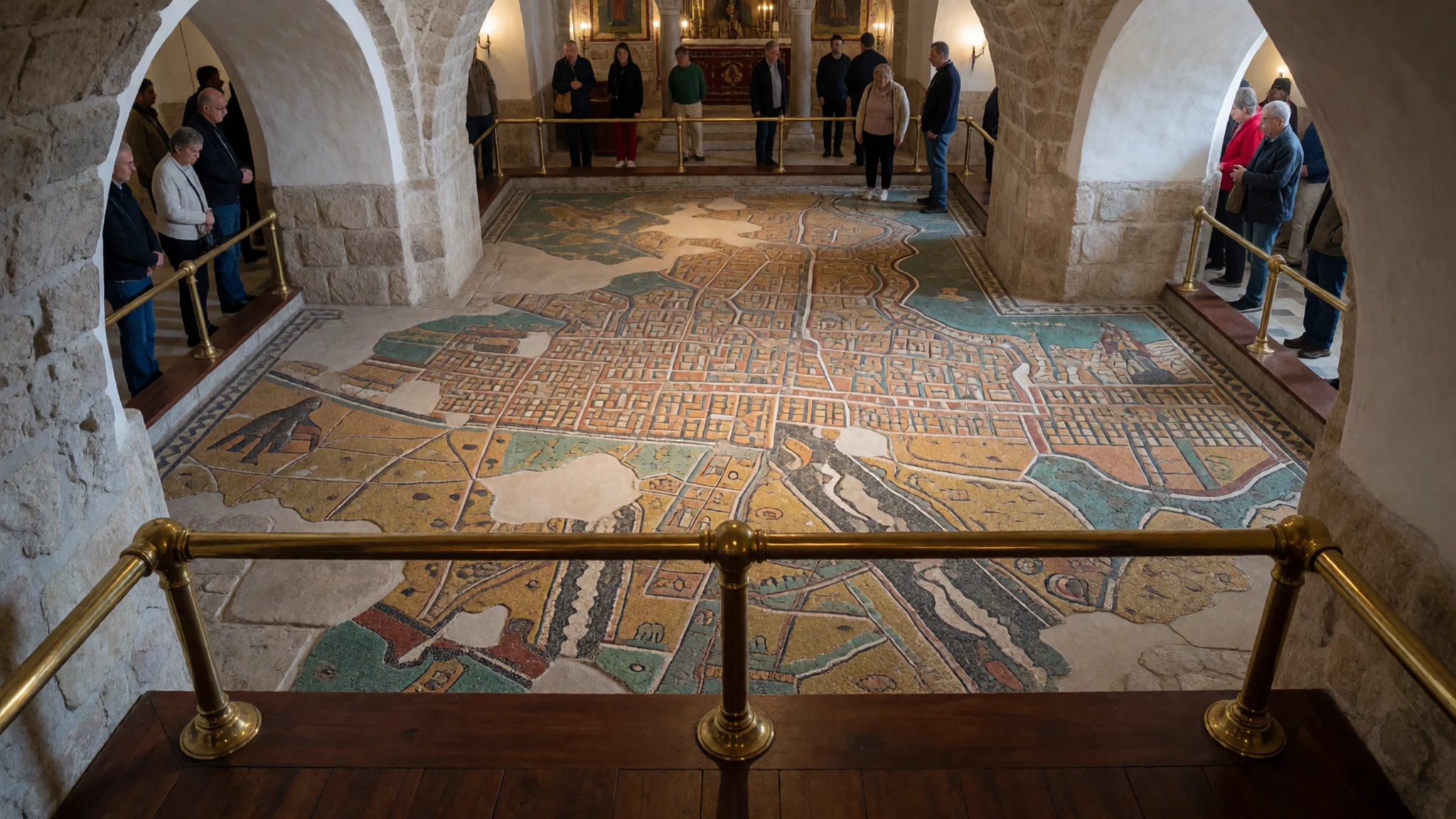
- Madaba Archaeological Park — Central archaeological district
Madaba Archaeological Park encompasses a stone courtyard and covered pavilions housing preserved Roman and Byzantine pavements. Key features include the Hippolytus Hall mosaic depicting Greco-Roman mythology and geometric designs from ancient private mansions. Raised walkways let observers view delicate tile work from above while preserving the delicate stone floors, accompanied by informative plaques detailing local archaeological excavation history.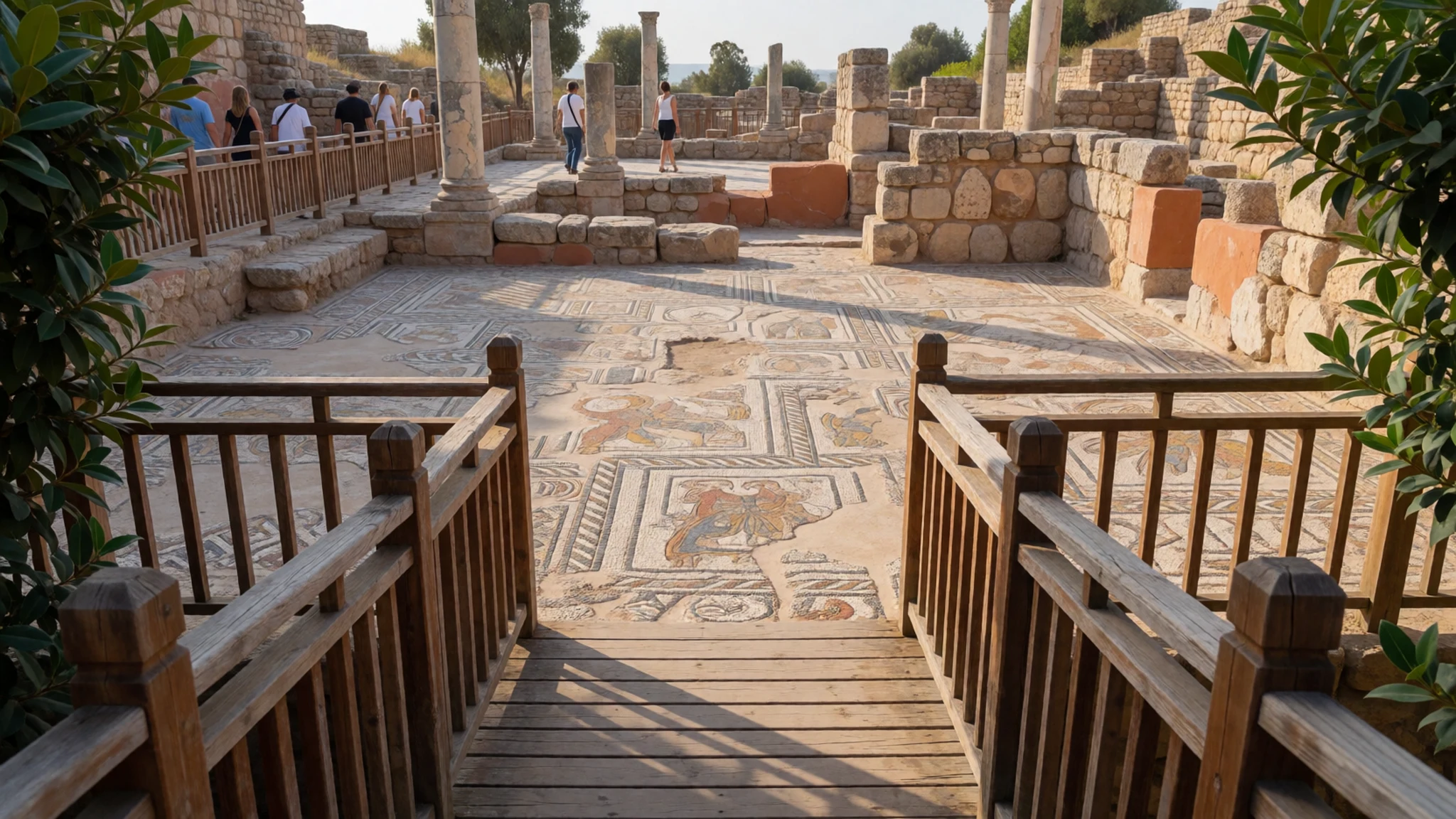
- Shrine of the Beheading of Saint John the Baptist — Old Town
This nineteenth-century Roman Catholic church features stone subterranean chambers housing an ancient well and historical displays. Visitors can climb the narrow bell tower steps to reach an open balcony that provides panoramic views across the rooftops of Madaba. The church remains an active place of worship for the local Catholic community, hosting regular services and community gatherings.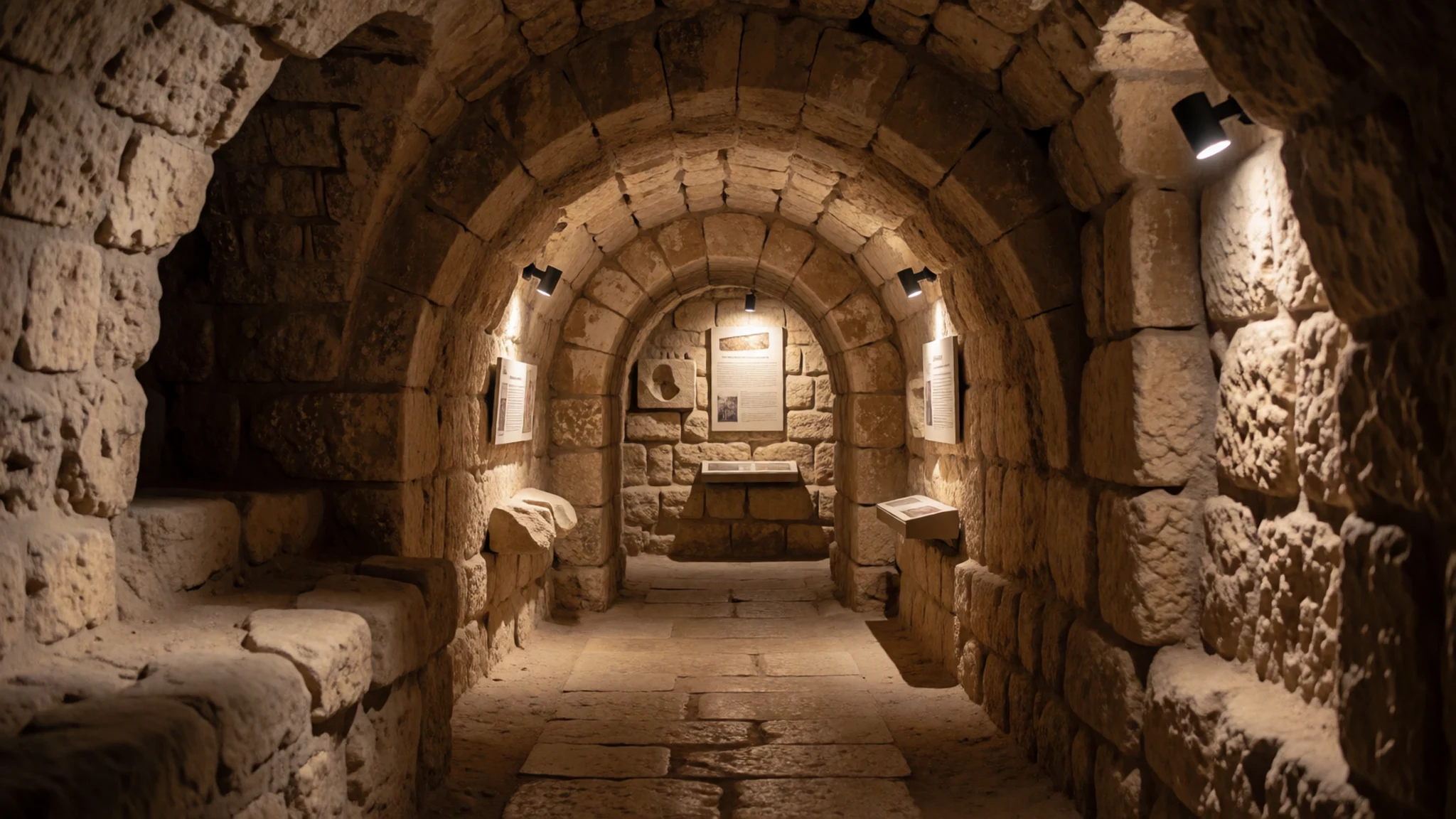
- Madaba Museum — Museum quarter
Tucked away near the city centre, Madaba Museum occupies traditional stone houses surrounding a pleasant courtyard filled with classical statues. The indoor galleries display regional pottery, ancient metalwork, Roman glassware, and intricate mosaic fragments retrieved from nearby archaeological digs. It offers a quiet, educational spot to understand the everyday life and material culture of ancient local communities.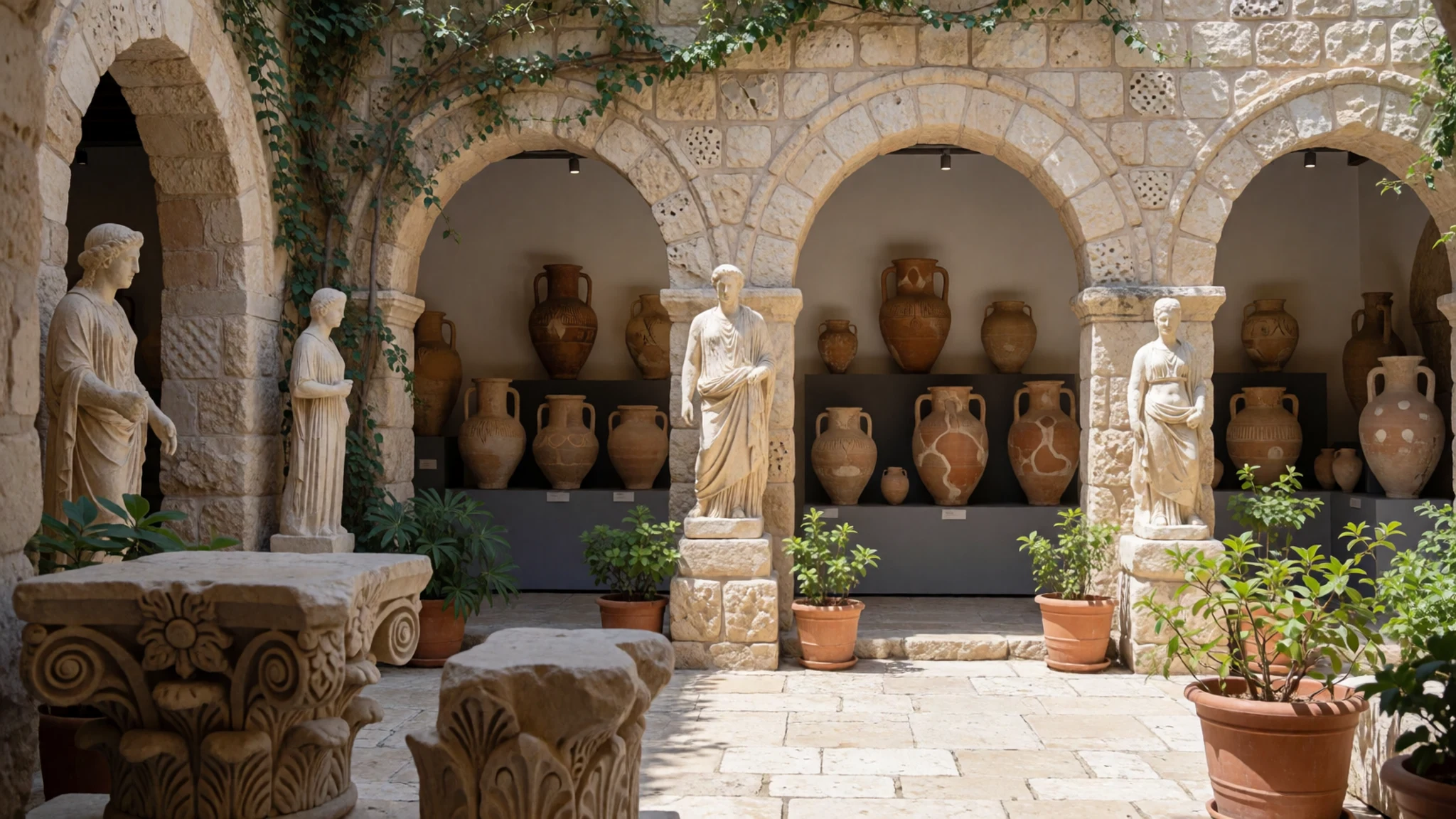
- Church of the Apostles — Southern district
Located slightly south of the main central district, this quiet church protects a massive sixth-century floor mosaic dedicated to the twelve apostles. The central medallion features a striking depiction of Thalassa, personifying the sea, surrounded by detailed marine life and intricate floral borders. The site sees far fewer tour groups than central attractions, allowing a peaceful viewing experience.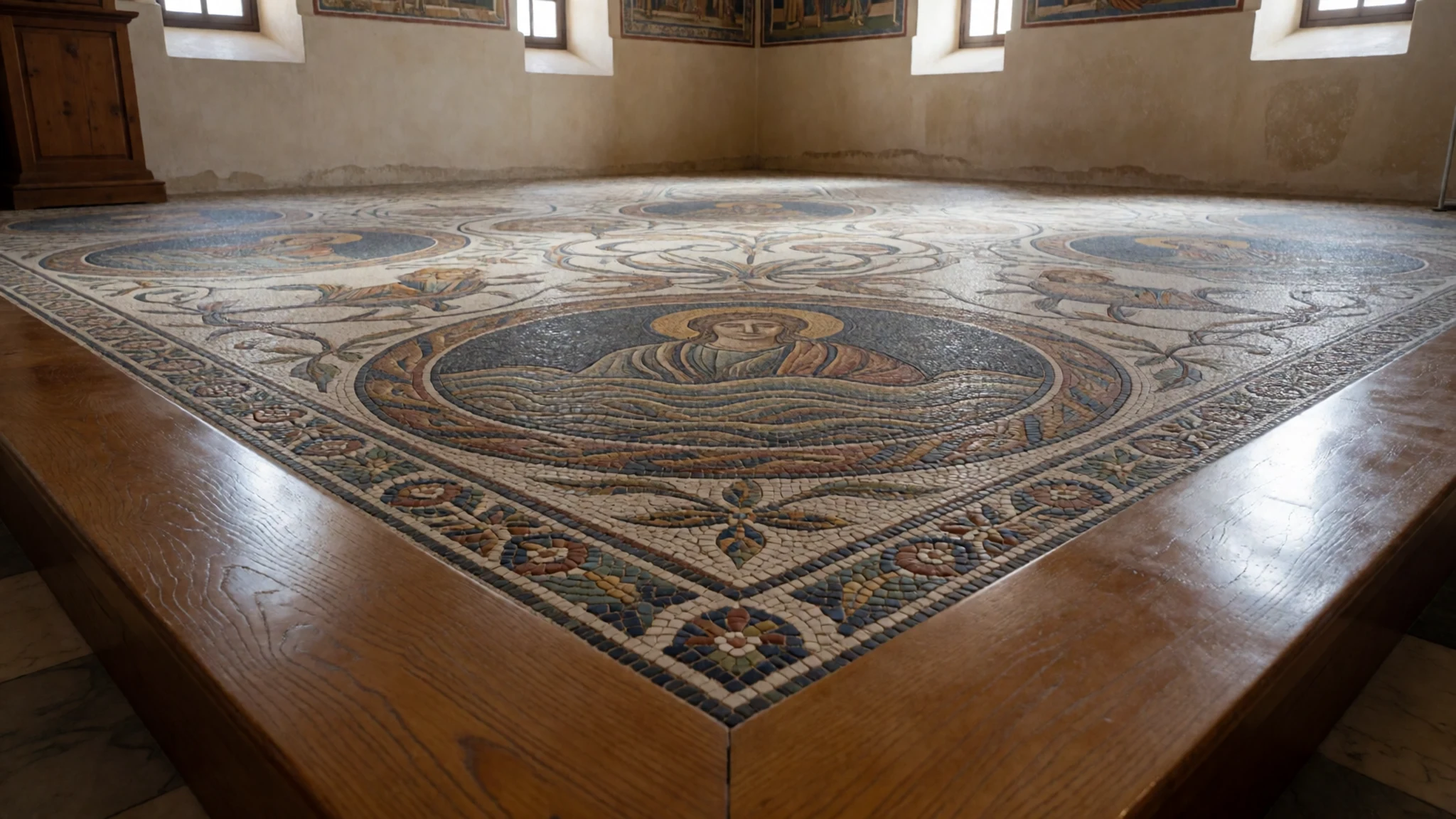
Culture
Madaba reflects a harmonious blending of Christian and Muslim traditions that shapes everyday community life. For generations, families of both faiths have lived side by side, sharing civic spaces, celebrating local holidays, and maintaining shared commercial districts. The calls to prayer from neighbourhood minarets mingle with church bells across the city, creating an atmosphere of deep mutual respect and shared town identity.
Bedouin culture also exerts a strong influence on the city's social rhythm. Rural community members regularly visit town to exchange goods, socialise in traditional coffeehouses, and purchase hand-woven textiles made using time-honoured techniques. Hospitality is central to daily interactions; shopkeepers and craftspeople frequently offer steaming glasses of spiced tea or fresh dates to anyone entering their shops, viewing guests with genuine warmth. Respecting this welcoming atmosphere requires taking time for relaxed conversation rather than rushing transactions.
When visiting active places of worship or traditional residential areas, cover shoulders and knees and remove hats inside churches or mosques out of respect for local customs.
What to wear
In Madaba, traditional clothing reflects both local Bedouin heritage and Levantine textile craft, notably seen in hand-woven floor coverings and embroidered garments. Traditional women's dress includes the thobe, a full-length cotton or wool tunic adorned with intricate cross-stitch embroidery known as tatreez. Different patterns and thread colours historically denoted a wearer's village or family lineage. Men traditionally wore the dishdasha, a loose full-length robe made from lightweight cotton, paired with a keffiyeh headscarf secured by an agal cord during formal gatherings and cultural festivals.
Today, residents typically dress in modern casual clothing, though modesty remains a guiding norm. Local men usually wear jeans or trousers with collared shirts, while women wear a combination of loose contemporary clothing, long skirts, and stylish headscarves.
Visitors should plan around the sun and modest local customs. Lightweight, breathable trousers, linen shirts, or maxi dresses made from cotton are ideal for navigating warm days while maintaining respect at religious landmarks. Sturdy walking shoes or broken-in leather sandals are essential for navigating uneven stone pavements and ancient mosaic floors comfortably.
What to eat
- Saj Flatbread and Pastries — bakeries along the main market streets
Freshly baked flatbreads cooked on a curved iron griddle called a saj are sold hot throughout morning bakeries. Stuffed with za'atar spices, white cheese, or minced meat, these breads make a warm, inexpensive breakfast on the move.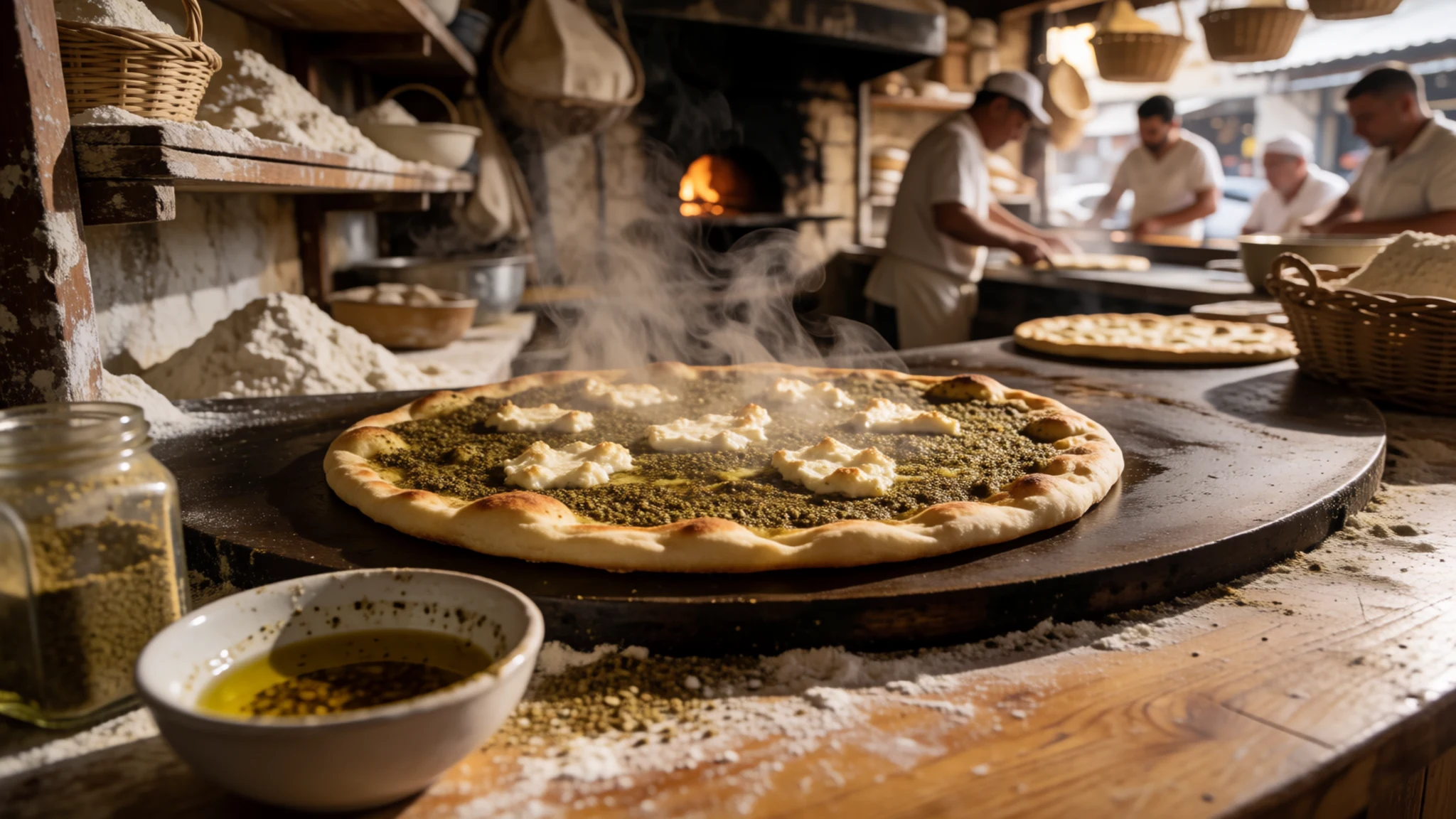
- Crispy Falafel and Hummus — neighbourhood fried-food stands and casual eateries
Freshly fried chickpea falafel patties, crispy on the outside and green with herbs inside, are served alongside smooth hummus drizzled with olive oil. Enjoy them wrapped in warm pita bread with pickled turnip and tahini.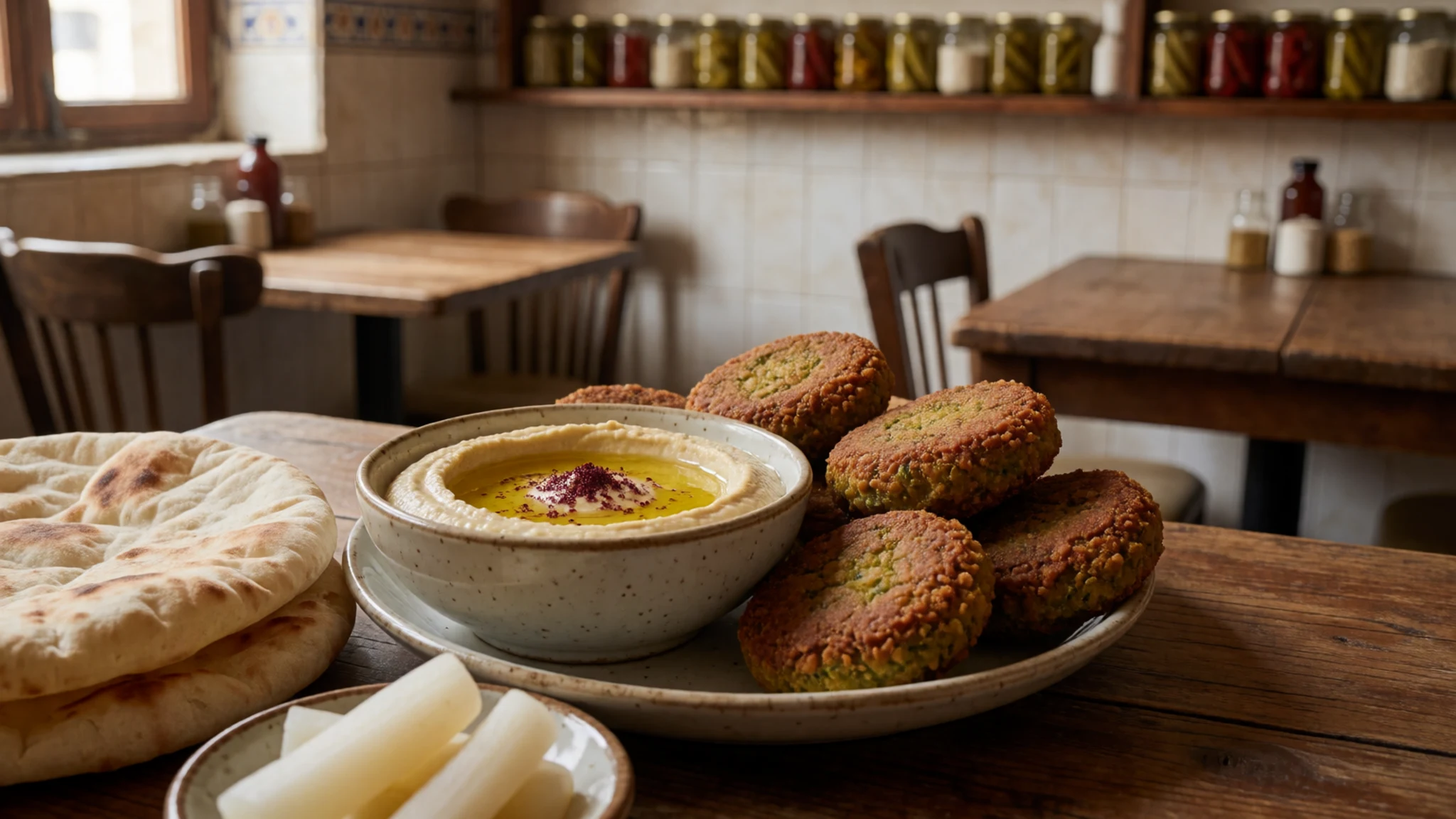
- Shwarma Wraps — street-side rotisserie stalls in the city centre
Thinly sliced marinated chicken or beef, slow-roasted on a vertical spit, is rolled in thin flatbread with garlic sauce and pickles. Stalls in the central shopping district wrap them hot for a quick, filling lunch. - Levantine Mixed Grill — family restaurants around the historic district
Skewers of spiced lamb kebabs, tender shish taook chicken, and seasoned kafta are grilled over charcoal and served over pita bread with grilled tomatoes and onions. It is a popular communal dinner across town. - Spiced Cardamom Coffee and Shisha — traditional outdoor cafes and rooftop terraces
Strong Arabica coffee brewed with crushed cardamom pods is served in small handleless cups across local cafes. Locals gather on open terraces to sip coffee, drink fresh fruit shakes, and share aromatic shisha pipes in the evening.
Plan it
Best time. March–May and October–November offer pleasant weather with mild daytime warmth; July and August bring intense dry summer heat.
How long. 1–2
Getting there. Queen Alia International Airport is about 25 km away; local minibuses and taxis connect Madaba regularly to central Amman.
Budget. low
Tips
- Purchase tickets for historic churches at the adjacent interpretive centres
- Start morning sightseeing early to view the St. George mosaic before tour buses arrive
- Carry cash in Jordanian dinars for small bakeries, taxis, and craft shops
- Combine your stay with day trips to nearby Mount Nebo or the Dead Sea
Etiquette
- Dress modestly when visiting active places of worship by covering shoulders and knees
- Ask permission before taking photographs of local residents, especially in market areas
- Accept offered tea gracefully when chatting with shopkeepers as a sign of hospitality
Nearby
Sources
- Wikidata Q1683958 (CC0)
- Wikipedia (rev 1374426801) (CC BY-SA 4.0)
- Wikivoyage (rev 5410076) (CC BY-SA 4.0)
- Photo photos/04-hippolytus-hall.jpg (CC BY-SA 2.5)
- Photo photos/05-madaba-jerusalem-mosaic.jpg (CC BY-SA 2.0)

