Lyon
Lyon, France
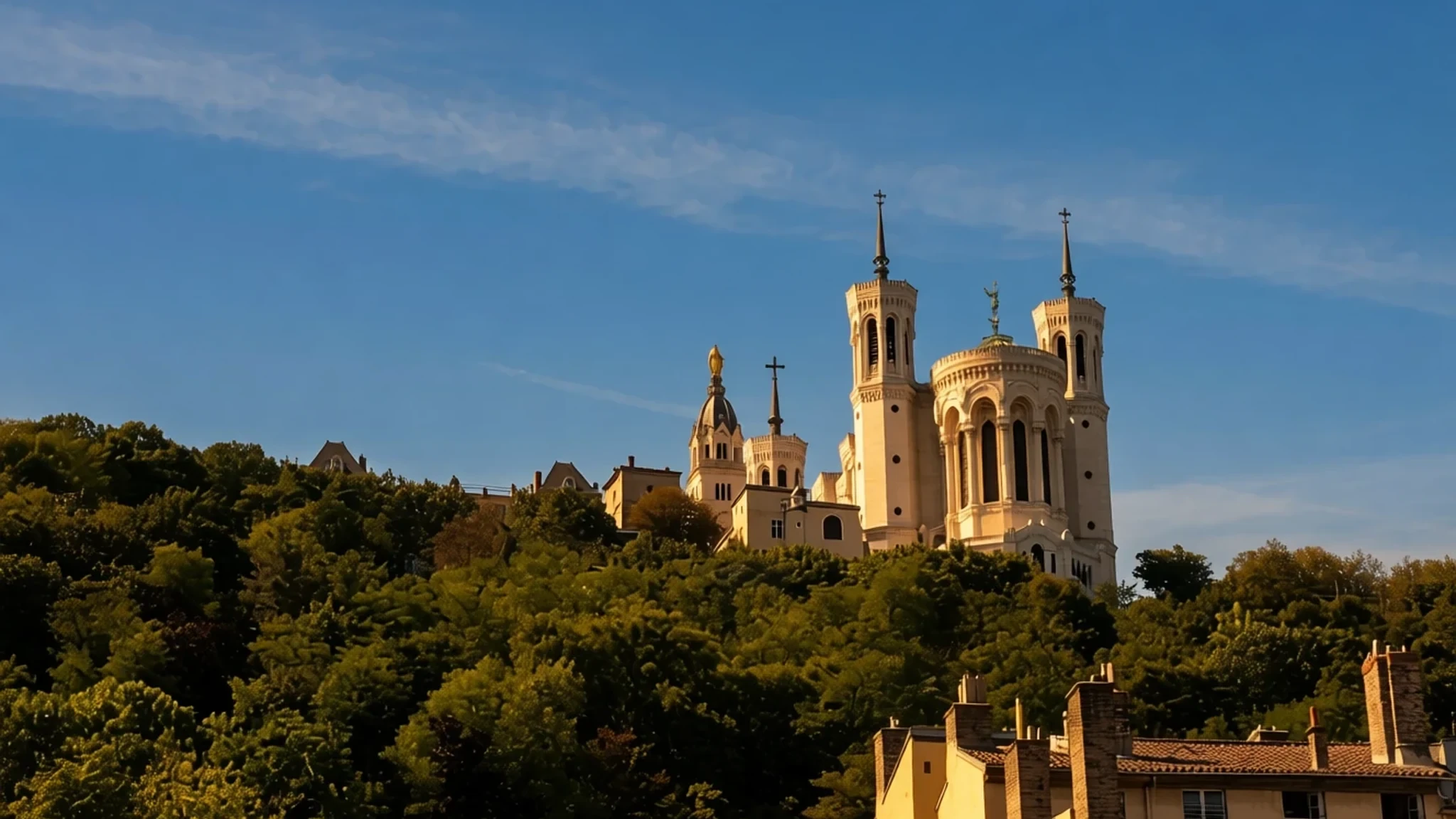
Lyon rewards slow walking: two rivers, Renaissance courtyards, a hilltop basilica and some of France's most serious food, all within an easy walk.
The place
Lyon sits where the Rhône and the Saône meet, in eastern France, 391 km (243 mi) south-east of Paris and not far from the Alps. The city proper is compact, with a population of roughly half a million, but its suburbs push the metropolitan area beyond two million, making it the second-largest urban area in the country after Paris. The municipal territory is small, so most of the city's life happens along the two rivers and on the slopes behind them.
The city divides into clear parts. On the western bank of the Saône, Vieux Lyon is a tangle of Renaissance houses and narrow lanes, with the cathedral of Saint-Jean at its heart. Across the river, the Presqu'île, the long peninsula between the two waters, holds the shopping streets, the squares and most of the restaurants. Further east, the Part-Dieu district has the railway station and a skyline of modern towers. Fourvière hill rises above the old town, crowned by its basilica, and funicular and steep staircases climb to it.
Lyon is less about single monuments than about walking. Expect lots of stairs, cobbles and short distances between a bakery, a courtyard and a lookout. The food scene is central to the city's identity, and the atmosphere is calmer than Paris, though the riverbanks fill up in summer. Cash is handy for small bakeries and market stalls, although cards are accepted almost everywhere else.
Its story
Lyon began on the hill of Fourvière, where the Romans later built their city on the foundations of a Gallic settlement. The name tells part of that story. It came from the Gallic Lugdunon, which was Latinised as Lugdunum, and it combines two elements: a word for fortress or hill, and a name that may refer to the Celtic god Lug, to crows, or to light. Scholars still disagree about which reading is right, and the same root may link to words for dark or marshy ground elsewhere in Europe. Over the centuries the name softened through Lugdon and Luon before settling as Lyon in the 13th century.
Under the Romans, Lugdunum became the capital of the Gauls, a status that gave the city a political weight far beyond its size. The church later took root on the same ground, and the archbishop still holds the honorary title of Primate of the Gauls, which explains why the cathedral is called the primatiale. Excavations beside Saint-Jean have uncovered the remains of earlier religious buildings on the same site.
The city's position on two rivers made it a trading hub. During the Renaissance, merchants and bankers turned Lyon into one of France's great economic centres, and wealthy families built the courtyards and staircases that still line the old town. That prosperity is visible in the stone and the proportions of the houses today.
In the modern era the city kept reinventing itself. The Lumière brothers pioneered cinema here in 1895, and the house built for Auguste Lumière now holds many of their early inventions along with other photographic and cinematic objects.
What to see
- St Jean Cathedral — Vieux Lyon
The cathedral is dedicated to John the Baptist and to Saint Stephen, and it carries the title primatiale because the Bishop of Lyon holds the honorary title of Primate of the Gauls. It stands in Vieux Lyon at the foot of Fourvière. Mornings tend to be quieter inside, and opening hours are best confirmed on the official site before a visit.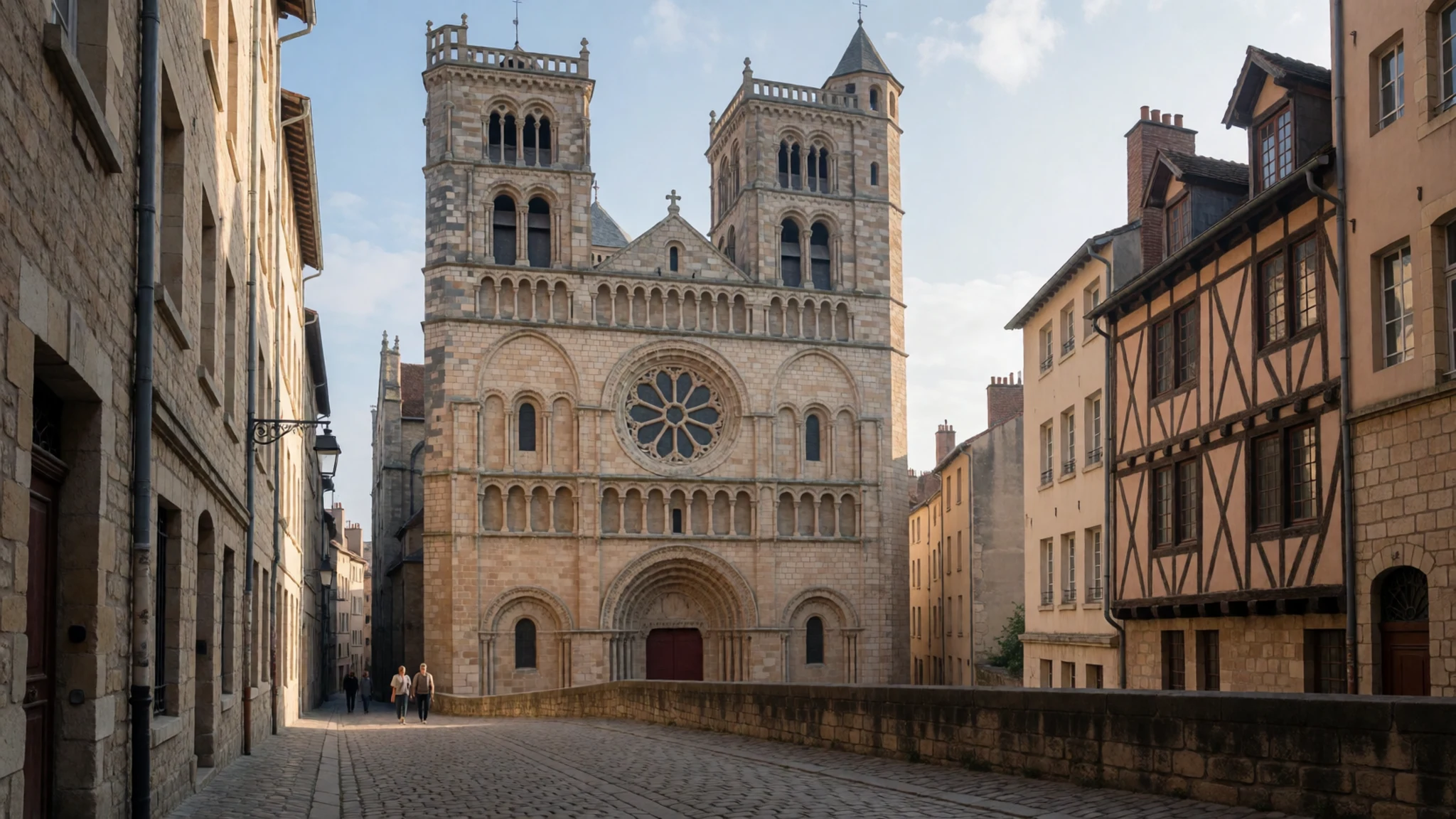
- St Jean archaeological garden — Beside St Jean Cathedral, Vieux Lyon
Beside the cathedral's northern side, this small garden shows the remains of the religious buildings that stood on the site before the cathedral was built. It is a quiet place to see how the layers of the city's religious history sit on top of one another. Entry arrangements change, so check the city's listings before going.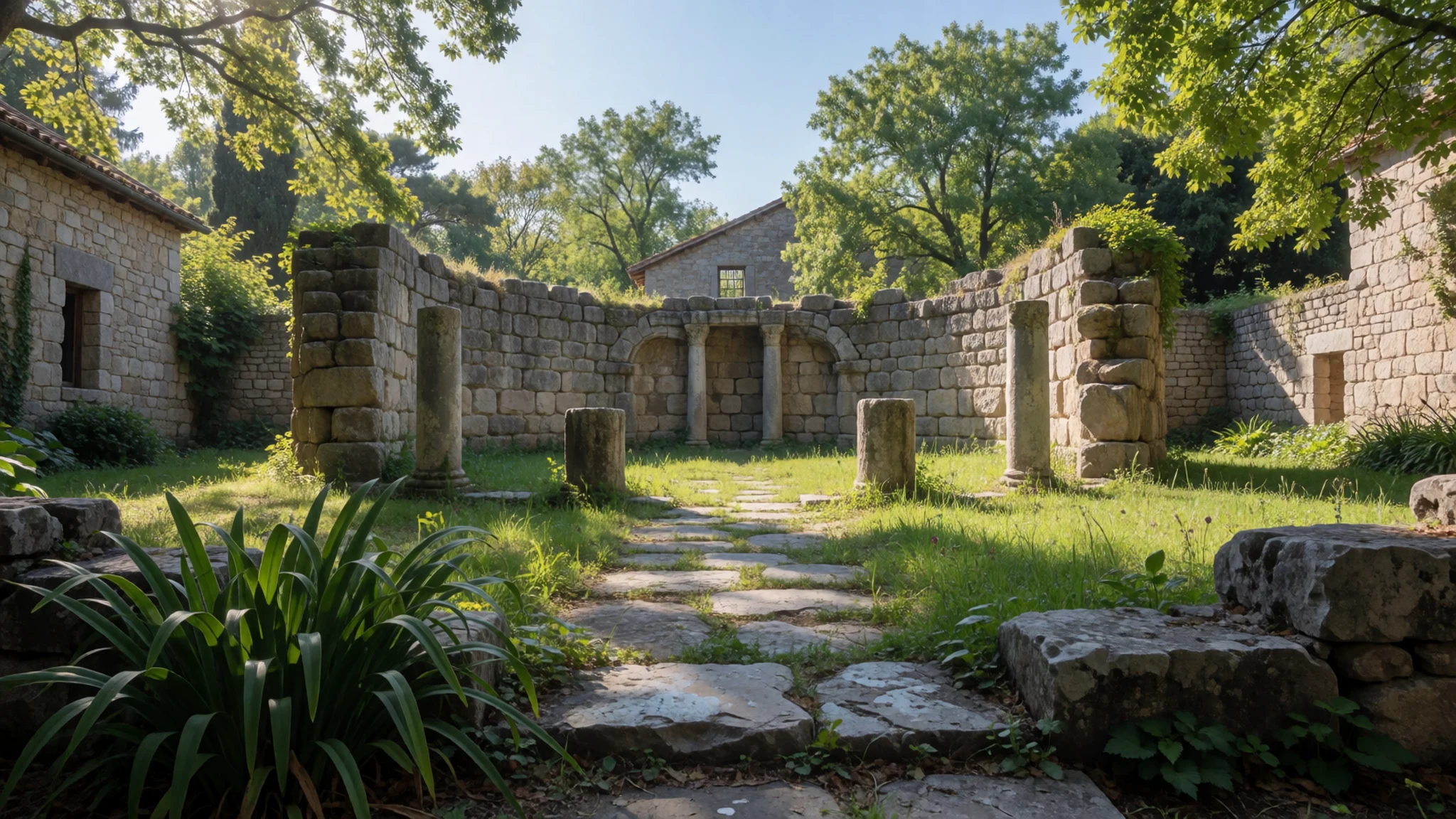
- Traboules — Vieux Lyon and the Croix-Rousse slopes
Traboules are passages that run through a building from one street to another, usually crossing a courtyard on the way. They are a typical feature of Lyon's historic buildings, especially in the old town. Not every fine courtyard has one, since some have no link to the street behind. Visitors should respect residents and move quietly through them.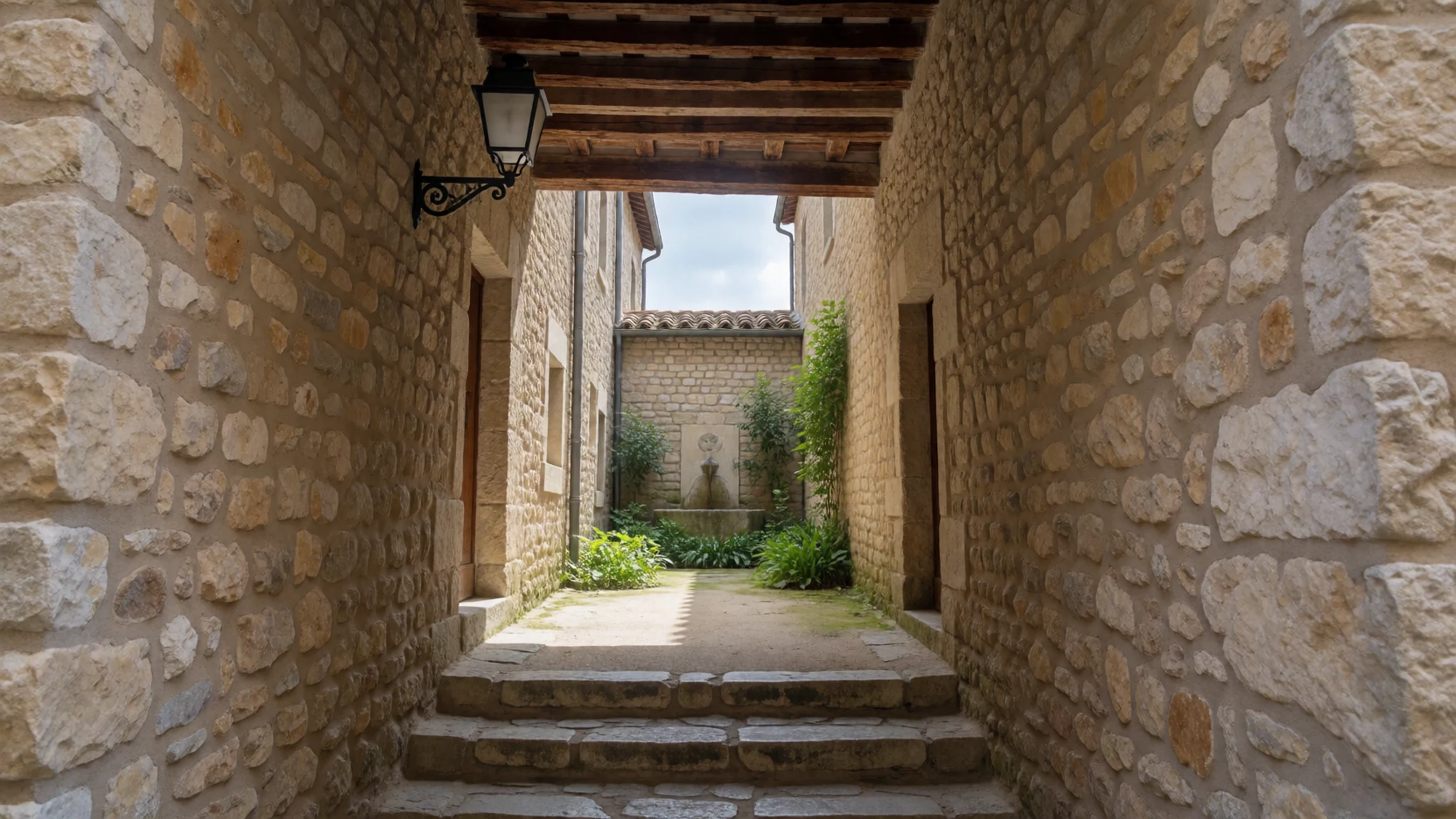
- Basilica of Notre-Dame de Fourvière — Fourvière hill, above Vieux Lyon
The basilica of Notre-Dame de Fourvière crowns the hill above the old town. It is a minor basilica, a title given by the Church, and it was built with private funds. From its terrace the view takes in the whole city, the two rivers and, on clear days, the surrounding hills. Expect a steep climb or a funicular ride to reach it.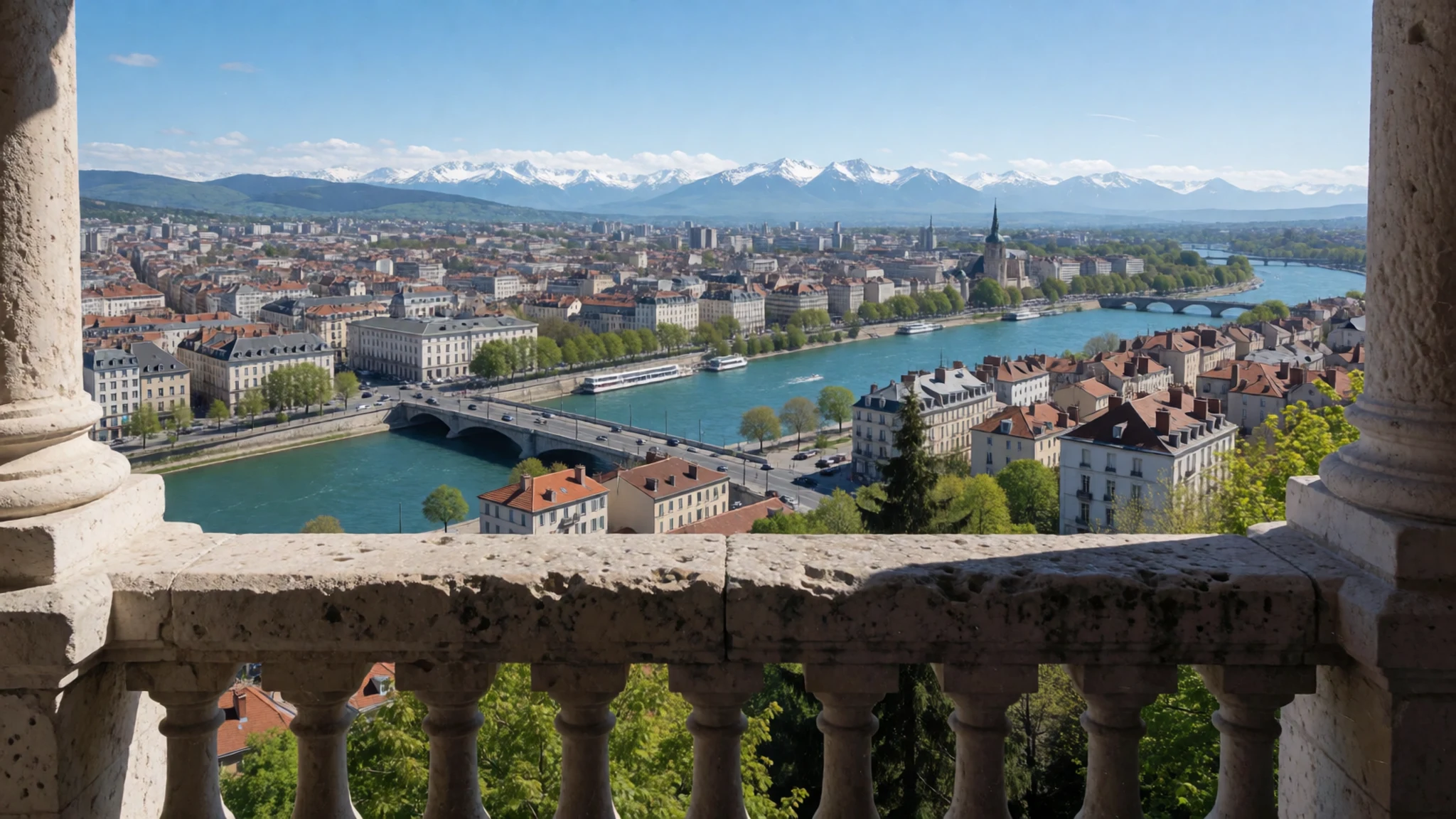
- Rue St Jean — Vieux Lyon
Rue Saint-Jean is a cobbled pedestrian street running through the heart of the old town, and it is the main axis of the area. Its shops and restaurants are aimed largely at tourists, with souvenirs in the windows. It is a convenient place to get oriented and a useful starting point for walks into the surrounding lanes, though the quieter streets nearby often offer better meals.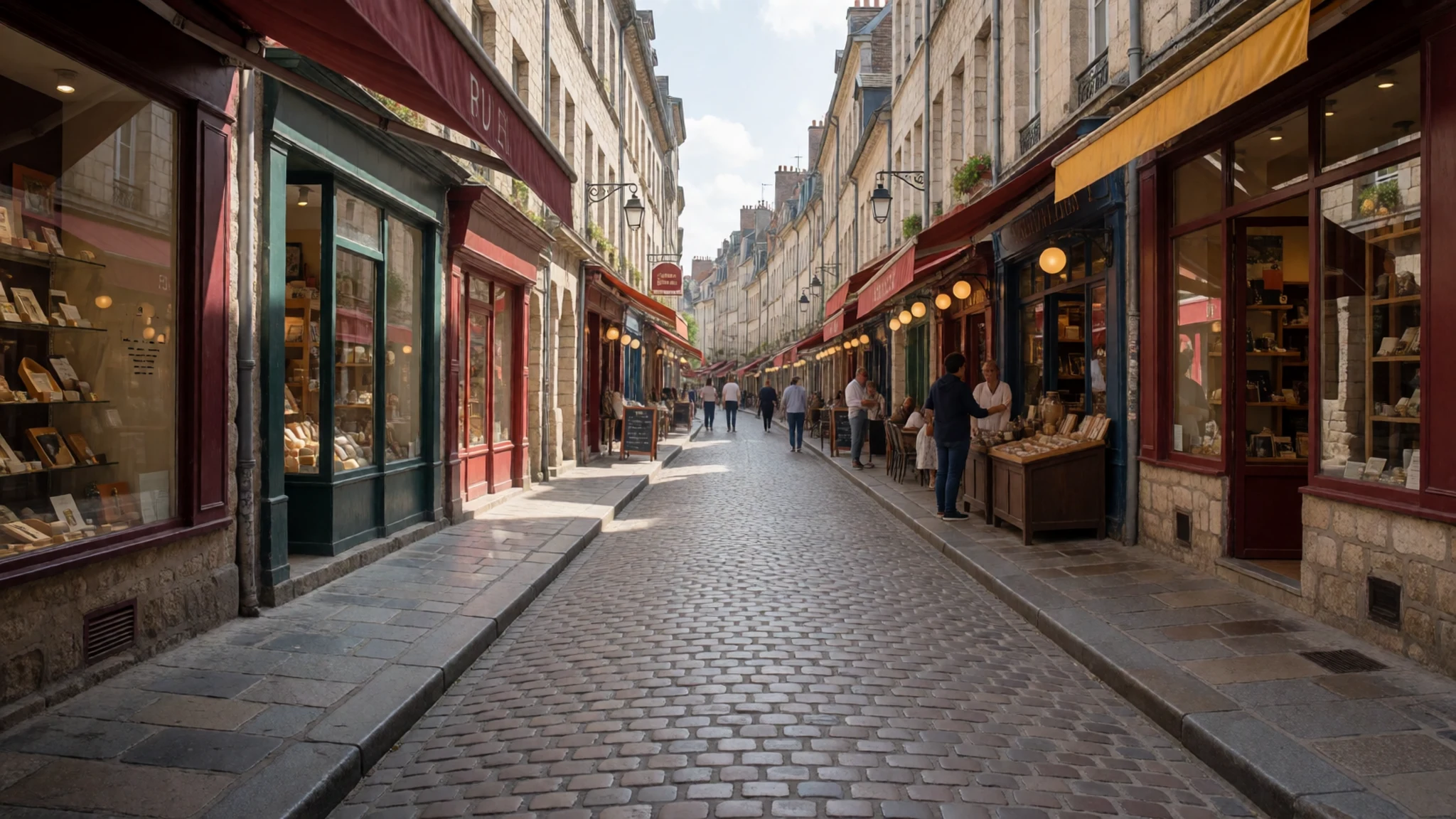
Culture
Lyon has its own linguistic heritage. For centuries the people of the region spoke several dialects of Franco-Provençal, and the Lyonnais dialect gave way to French as the city grew in importance. Traces survive in everyday speech: children are called gones and fenottes, words that sound unfamiliar even to visitors who have studied French.
The city's calendar is shaped by one night in particular. On 8 December, the Festival of Lights (la Fête des lumières) illuminates Lyon's streets and hills with candles and projections to thank the Virgin Mary for sparing the city from a fatal medieval plague. Crowds gather in the old town and climb towards Fourvière, and the streets are busiest in the evening.
Daily life runs on a rhythm of long lunches, bakery visits and conversation. Bouchons, the traditional restaurants, serve hearty cooking to tables that fill quickly, and many Lyonnais treat a meal as a social occasion rather than a quick stop. Keep your voice down in bouchons and ask before photographing people at market stalls.
What to wear
Lyon has no regional costume that people wear today, and its historic dress was mostly the everyday clothing of the city's trades. Its identity in textiles is silk. For centuries the city's weavers, known as canuts, worked silk on looms in workshops on the Croix-Rousse slopes, and their fabrics were sold across Europe. Brocade, velvet and taffeta are the names to know for the old craft, and many shops still sell scarves and ribbons in silk.
In everyday life, Lyonnais dress is neat and fairly understated. Dark coats appear in winter, tailored jackets for lunch and evenings, and sensible shoes for the cobbles and stairs. Stylish but practical describes most people on the streets, and younger crowds around the Presqu'île tend towards casual layers.
For a visit, pack for changeable weather. Spring and autumn call for a light jacket and an umbrella, summer can be hot in the streets, and winter is cold and damp by the rivers. Bring shoes with good grip, because cobbles and hill stairs are hard on thin soles. Modest dress is expected at the cathedral and the basilica, so covering shoulders and knees is sensible there.
What to eat
- Quenelle de brochet — Traditional bouchons across the Presqu'île and Vieux Lyon
A light dumpling of pike, poached and served in a creamy sauce. It is a classic of the traditional bouchons, where cooks have made it for generations. Order it as a starter and pair it with bread to soak up the sauce.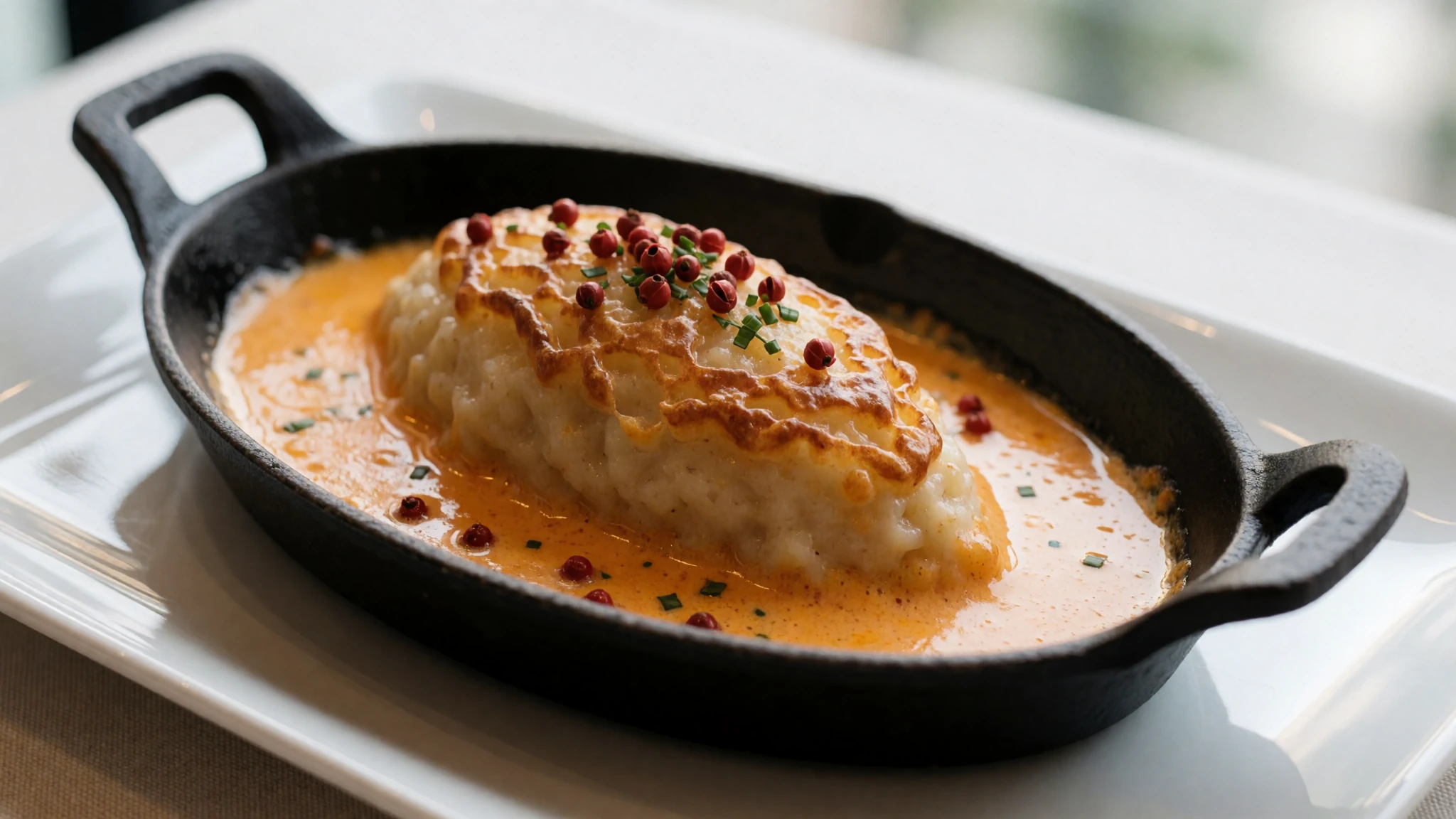
- Salade lyonnaise — Any bouchon, usually near the top of the menu
Crisp frisée lettuce tossed with warm bacon, croutons and a poached egg, dressed with a sharp vinaigrette made from the bacon fat. It is a simple dish that shows the bouchon style well, and portions are generous.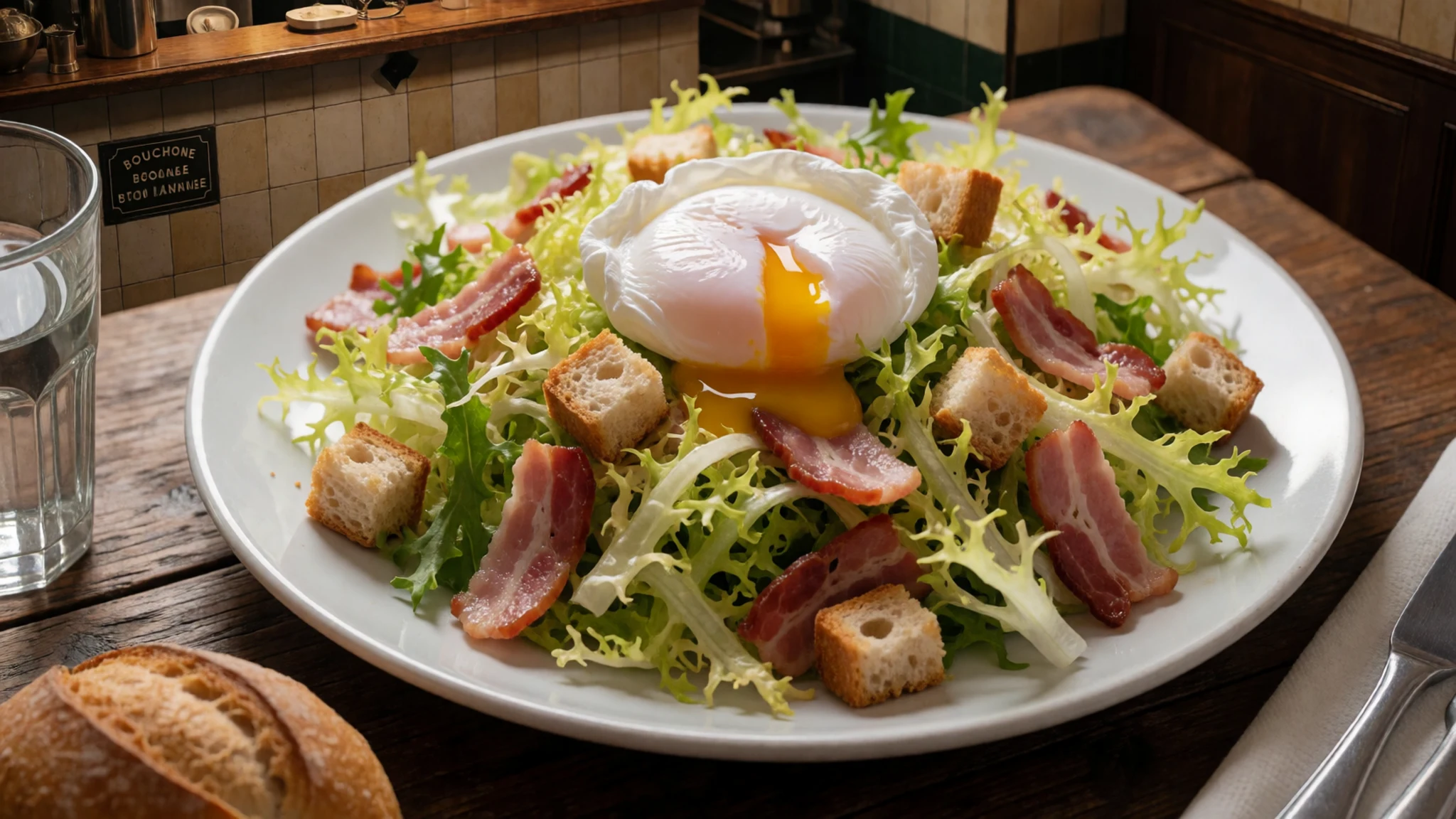
- Cervelle de canut — Market stalls and fromageries
A fresh, soft cheese lightly seasoned with herbs, shallots and white wine. Its name, meaning silk weaver's brain, refers to the canuts who worked the looms. Find it at market stalls and small cheese shops, and eat it spread on bread.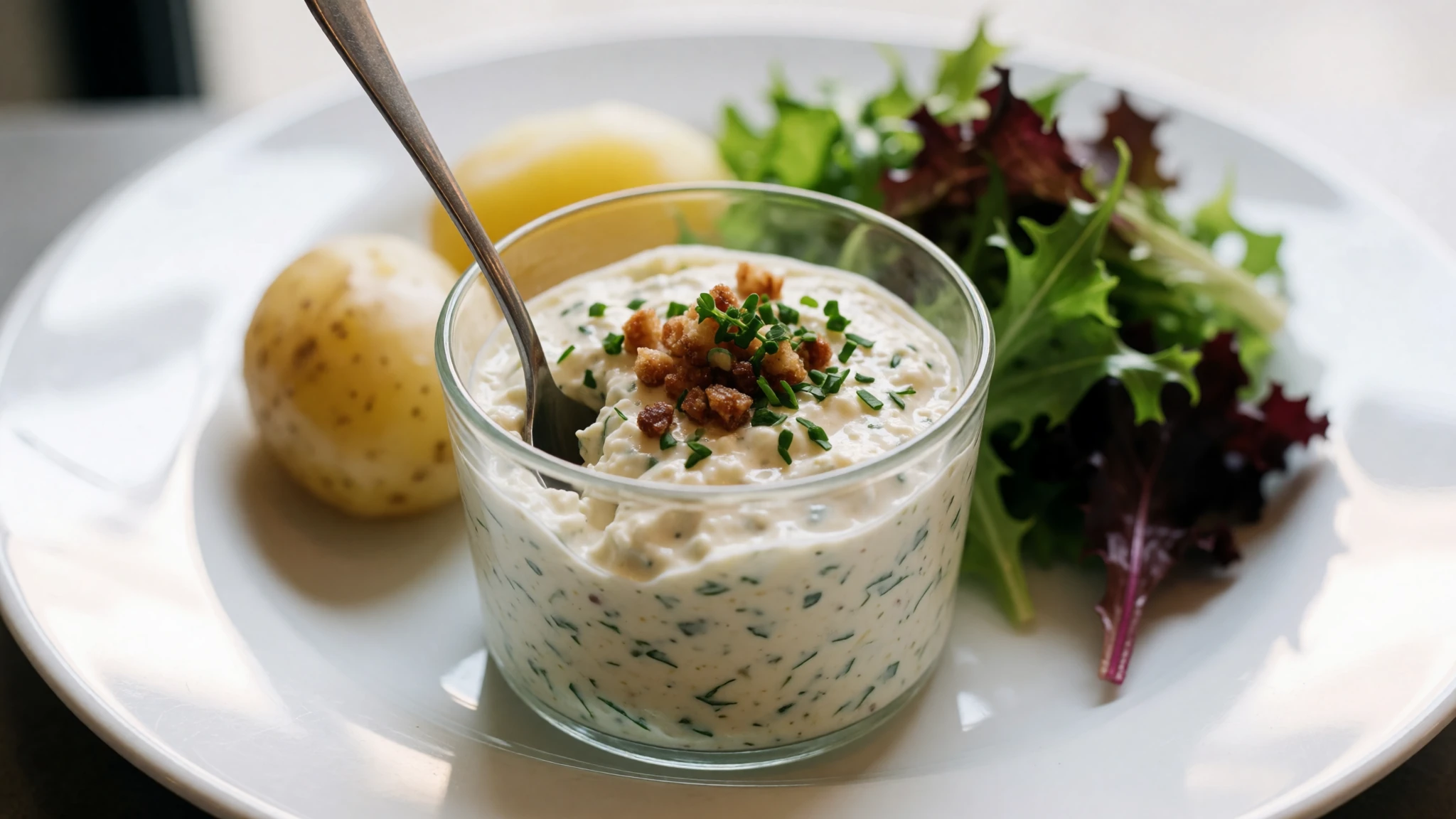
- Tarte aux pralines roses — Pâtisseries in Vieux Lyon and the Presqu'île
A sweet tart flavoured with pink pralines, the almond and sugar confection of the region. Its taste is nutty and sugary, with a bright pink colour. Find it in pâtisseries across Vieux Lyon and the Presqu'île, usually as a slice from the counter. - Charcuterie and market cheeses — Covered market halls and stalls across the Presqu'île
Lyon's charcuterie is among the foods visitors carry home. Saucisson, rosette and other dried sausages hang at market stalls alongside cheeses, pickles and seasonal vegetables. Buy a few slices to eat with bread on a bench by the river.
Plan it
Best time. March and April for mild weather, and October for pleasant days and autumn colour, since September is still very hot. July and August are hot and busy, and winter is grey and damp by the rivers.
How long. 2–3
Getting there. Fly into Lyon–Saint-Exupéry airport, then take the Rhônexpress light rail, the fastest public transport link into the city, which ends at Part-Dieu station. High-speed trains from Paris also arrive at Part-Dieu.
Budget. mid
Tips
- Book Rhônexpress tickets online in advance, since buying on board carries a surcharge
- Stay in the Presqu'île or Vieux Lyon so the old town and restaurants are within walking distance
- Climb to Fourvière early or in the evening, when the stairs are cooler and the light is better
- Carry some cash for small bakeries and market stalls, though cards work in most other places
- Wear shoes with good grip for cobbles and steep stairs
Etiquette
- Keep your voice down in bouchons and in the traboule passages, where people live
- Ask before photographing people, especially at market stalls
- Greet shopkeepers with a bonjour when you enter a shop
Nearby
Sources
- Wikidata Q456 (CC0)
- Wikipedia: Lyon (rev 1381819477) (CC BY-SA 4.0)
- Wikivoyage: Lyon (rev 5410011) (CC BY-SA 4.0)
- Panorama de Lyon depuis la Basilique Notre-Dame de Fourvière (Otourly) (CC BY-SA 2.0)
- Lyon-part-dieu-2023 (Aldg692VX) (CC BY-SA 4.0)
- France-003038 Basilica of Notre-Dame de Fourvière (Dennis Jarvis) (CC BY-SA 2.0)
- Fontaine Bartholdi Place des Terreaux (Qmin) (CC BY 3.0)
- Rue Juiverie, Vieux Lyon (Sgroey) (CC BY-SA 4.0)
- Grandes Serres, Parc de la Tête d'Or (TwoWings) (CC BY 3.0)
- Bassin nautique, Confluence, Lyon (Tibidibtibo) (CC BY 3.0)
- Statue de Louis XIV, Lyon 2026 (Corentin Eustacchi) (CC BY-SA 4.0)


