Lunenburg, Nova Scotia
Lunenburg, Nova Scotia, Canada
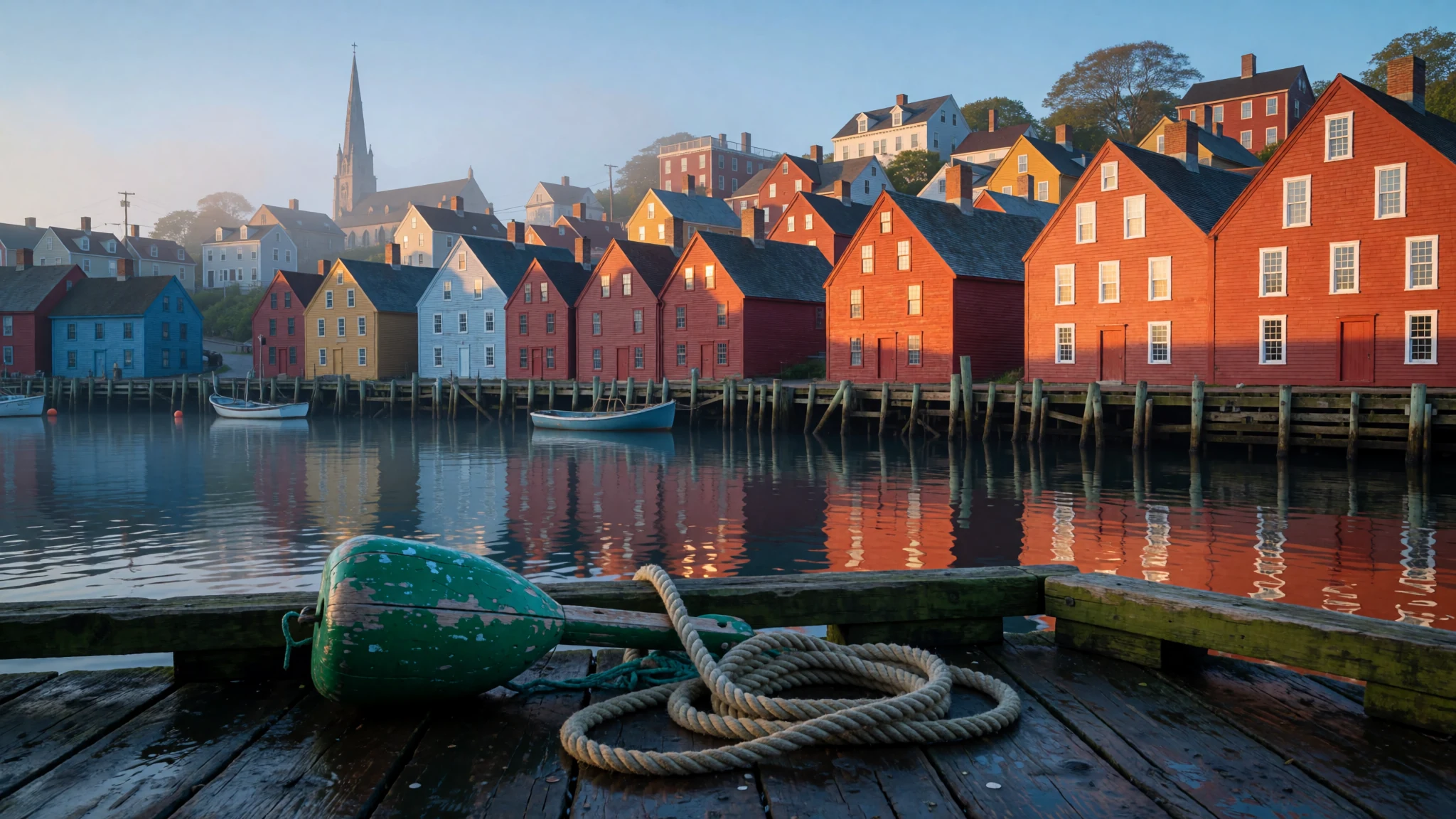
A painted fishing town on a Nova Scotia harbour, founded in 1753 and still built around the boats that once fed it.
The place
Lunenburg is a harbour town along Nova Scotia's South Shore. It lies on the western edge of Mahone Bay, a brief drive southwest of Halifax, and its harbour is a natural one. Founded in 1753, it was among the earliest British schemes to bring Protestant settlers into the province, and the street plan laid out then still shapes the old town. Most of the houses are wooden, clad in clapboard and painted in strong colours. Many date from a prosperous stretch in the late 1800s, when fishing and shipping brought money into the town.
The setting is much of the appeal. The town sits on a narrow isthmus on the Fairhaven Peninsula, with a harbour on either side, so the front and back of the old town look onto different water. The land is rocky and was shaped by glaciers, which left the low drumlins typical of the wider county. The coastline is heavily indented, and the climate is moderate because the sea softens extremes of heat and cold, which makes summer walking comfortable.
The population is small, about 2,400 people, and the economy has moved from fishing towards processing, health care, shops and visitors. Canada's largest secondary fish-processing plant operates here, a reminder that the working harbour still matters. The town is a UNESCO World Heritage Site, designated in 1995, and the historic core is also a National Historic Site of Canada. Expect a compact place: most of the sights sit within a few streets of the waterfront.
Its story
Long before the town had a name, the Mi'kmaq used this shore as a summer base, and at its busiest as many as 300 people gathered here in the warm months. From the 1620s, Acadian families settled the surrounding land, and for generations the two peoples lived alongside one another, trading and in some cases marrying. When the Governor of Nova Scotia, Edward Cornwallis, visited in 1749, he found Mi'kmaq and Acadian households sharing sturdy homes and noted that they seemed to be prospering.
Europe's rivalry between Britain and France crossed the Atlantic, and the region became a contested frontier. The 1713 Treaty of Utrecht gave peninsular Nova Scotia to Britain, and the new rulers answered the risk of attack by building forts and founding Halifax. They then wanted loyal settlers on the land. In 1753 they brought more than 1,400 Foreign Protestants from Europe, mostly craftsmen and farmers, to this harbour. Many of the settlers in Halifax had been left without the land they were owed, and they had grown restless. Led by Charles Lawrence, the party travelled with about 160 soldiers.
Settlement was only the start of a long relationship with the sea. The town's economy rested on the offshore fishery, and a prosperous stretch in the late 1800s paid for the houses, churches and schools that still line the streets. The fishery has since changed, but the town's identity still rests on its boats, its processing plant and the working waterfront that grew from that first harbour.
What to see
- Fisheries Museum of the Atlantic — Waterfront
On the waterfront, this museum tells the story of Atlantic Canada's fishing life. Its exhibits include the schooner Theresa E. Connor, an aquarium of native species and a working boat-building shop, where traditional craft is still made. It is a good first stop to understand why the harbour looks the way it does.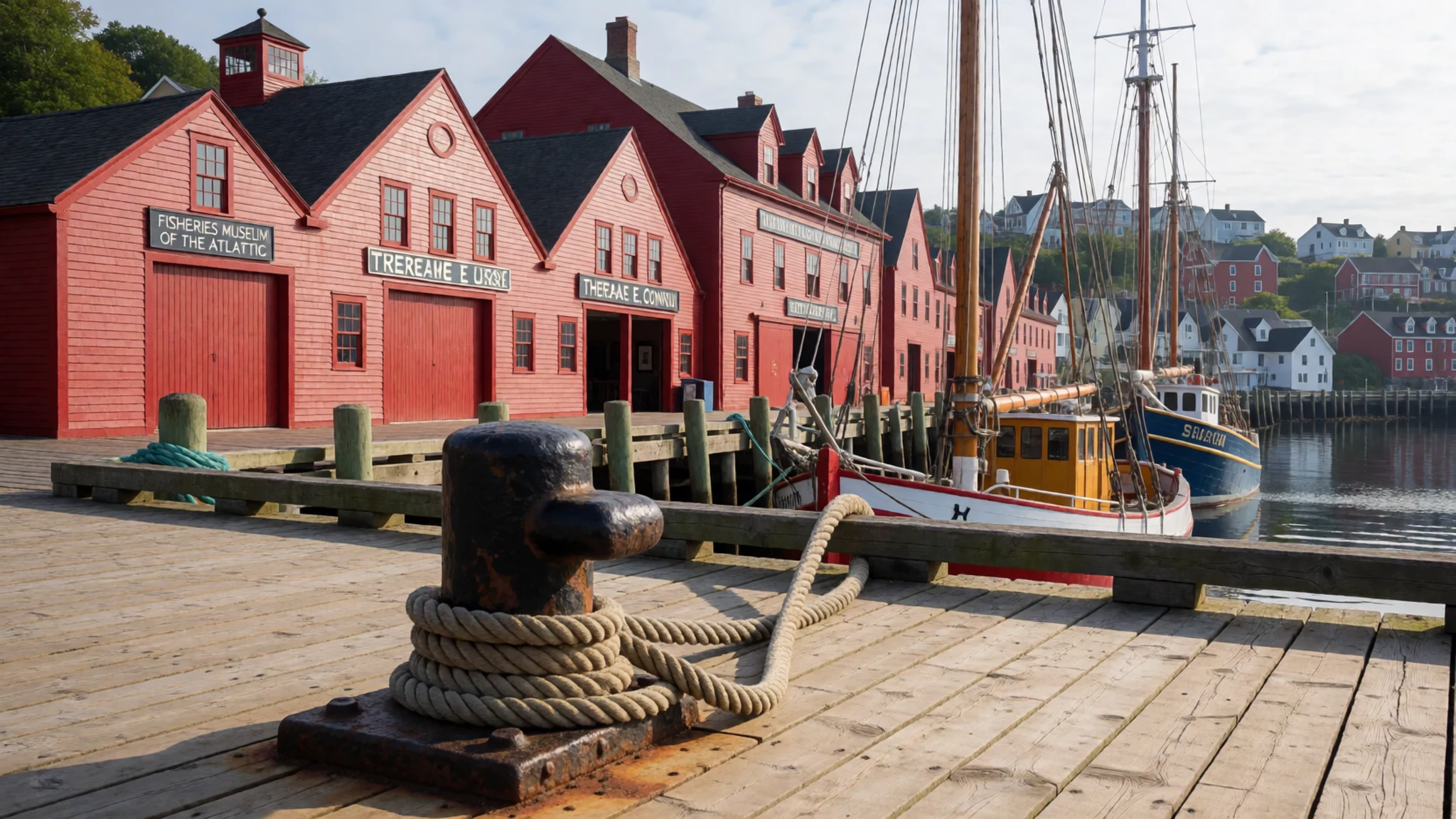
- Bluenose II — Harbour
A replica of the original Bluenose, the schooner pictured on the back of the Canadian dime, spends much of the sailing season based in Lunenburg, where she was built. When she is in port, morning and afternoon cruises run from the harbour, a good way to see the town's waterfront from the water rather than the quay.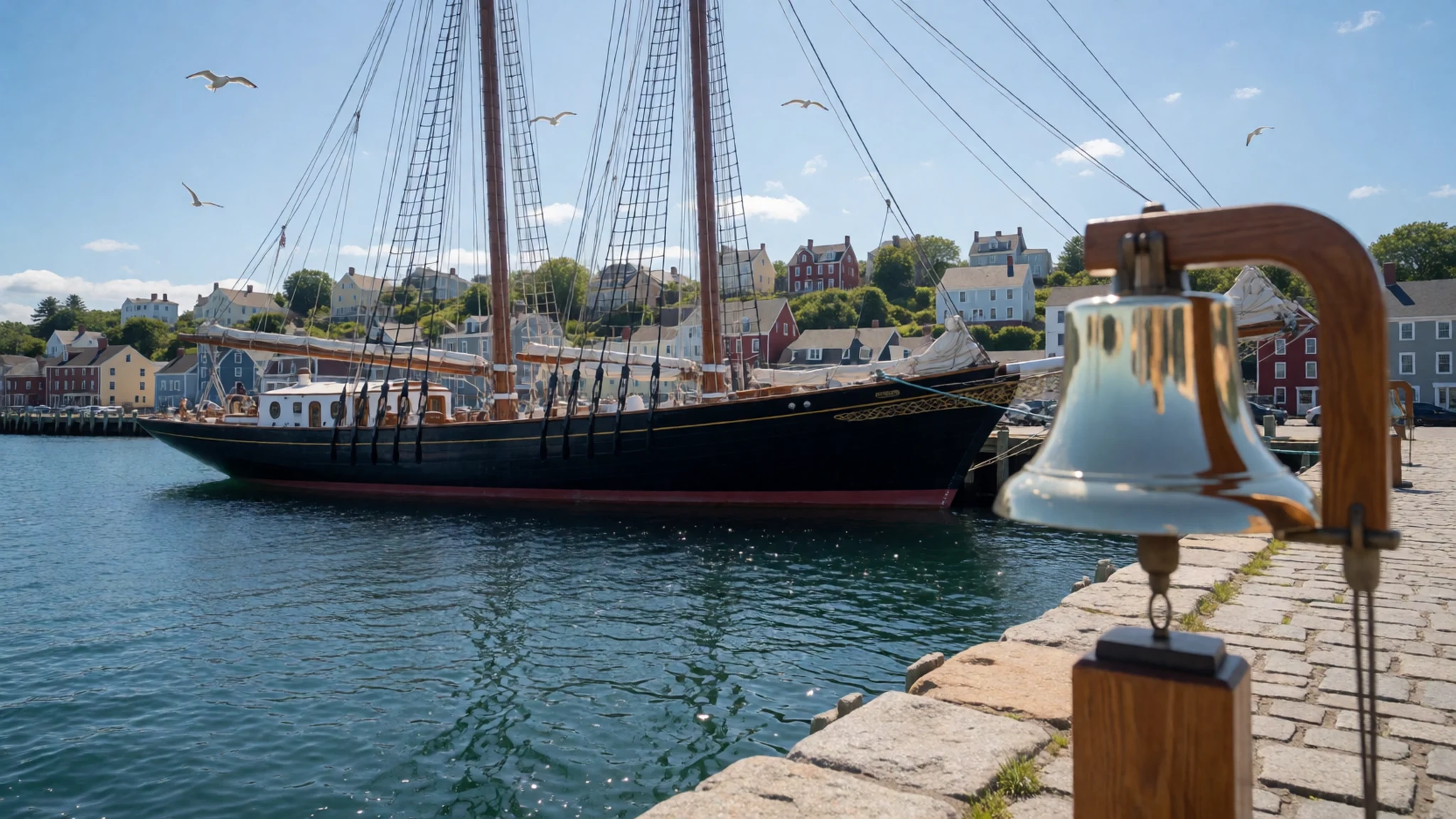
- St John's Anglican Church — Old town
Built in 1763, a decade after the town was founded, this church still anchors a lively congregation. Its bell was cast by the same London foundry responsible for Big Ben and the Liberty Bell, a detail that surprises many visitors who expect a local maker. It is a place of worship first and a sight second.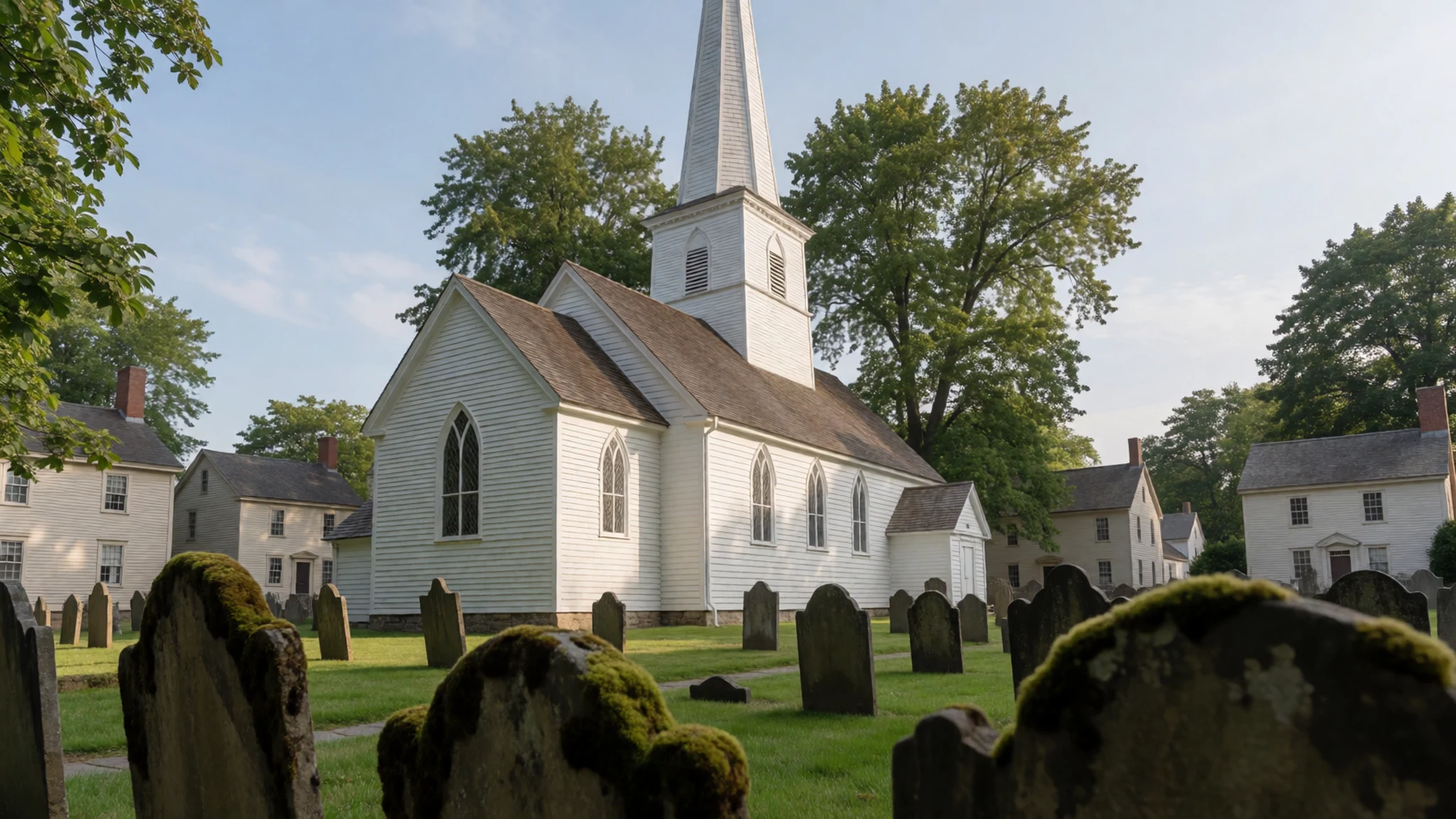
- Lunenburg Academy — Old town
Built in the mid-1890s, the Academy is a substantial school building that has been designated a Provincial Heritage Property. Its wooden construction and confident proportions are typical of the prosperous late-nineteenth-century town. It stands a short walk from the waterfront, so it fits easily into a morning of wandering.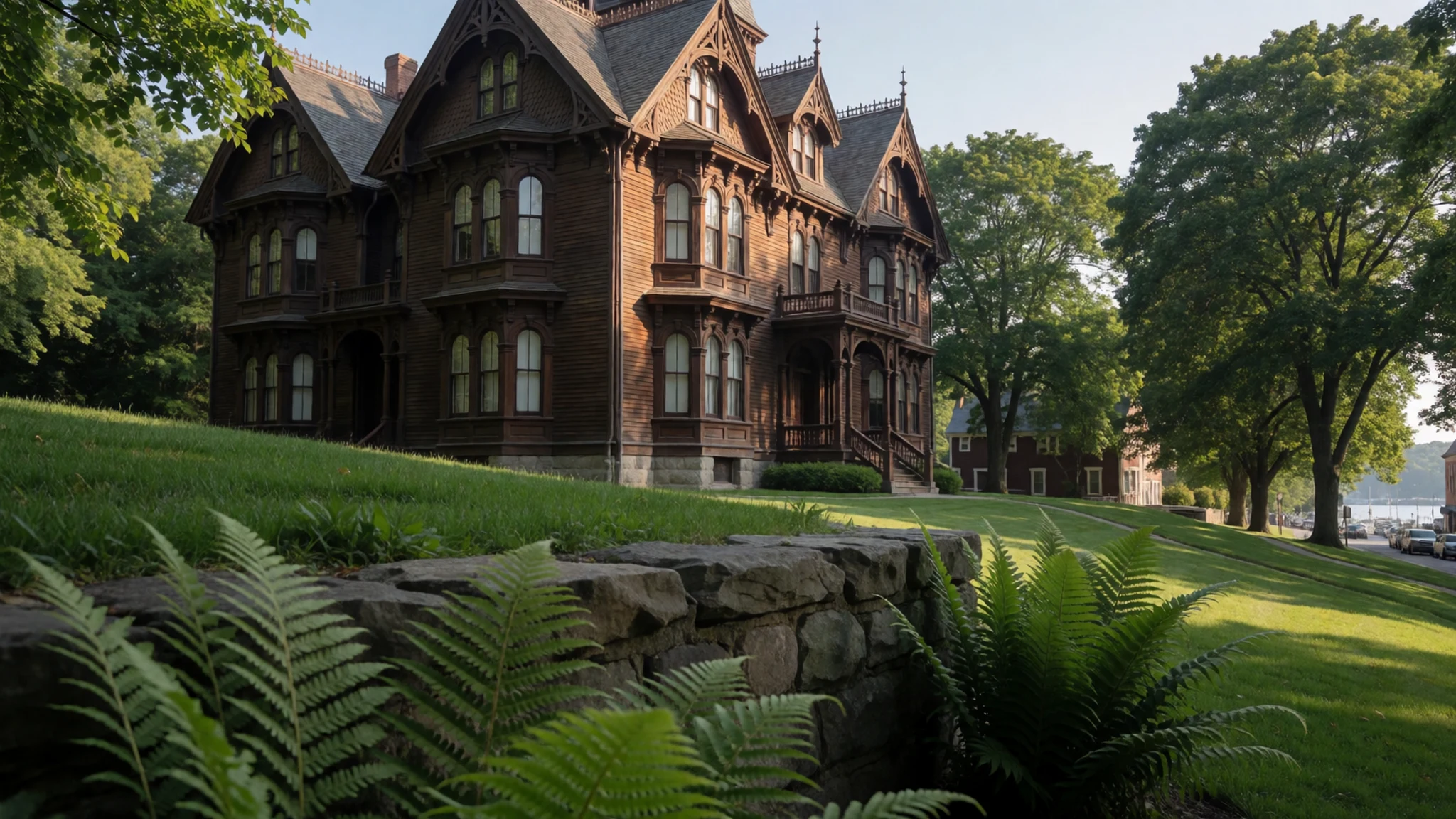
- Sophie McLachlan's grave — Town cemetery
Sophie McLachlan was fourteen when, in 1879, she was accused of stealing a significant sum from her employer. Everyone, including her own mother, believed the accuser. Her grave in town is a quiet place to reflect on how quickly a community can turn against one of its own, and it adds a sober note to the cheerful postcard view.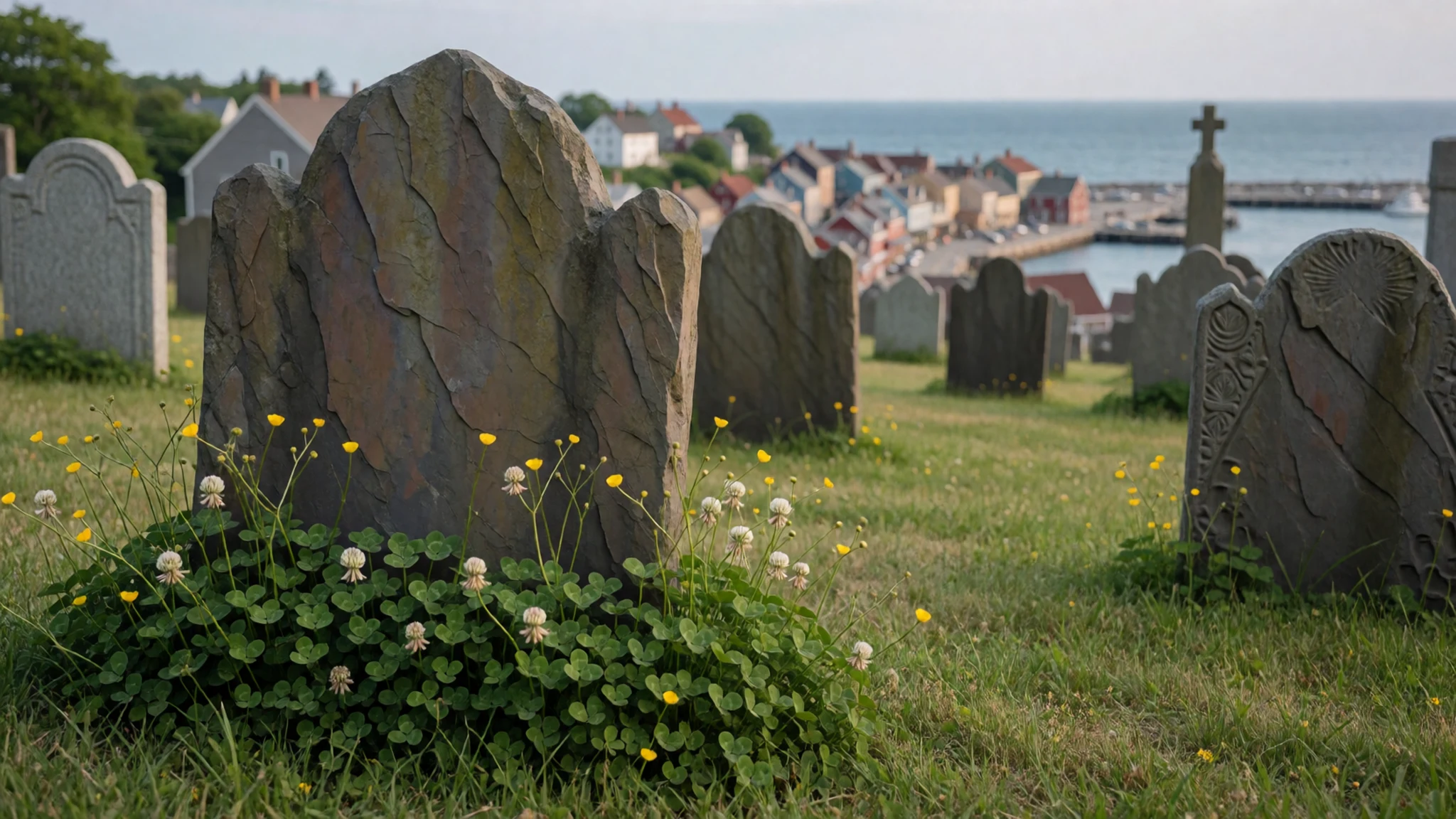
Culture
Lunenburg still runs on fishing and maritime habits, even as tourism has grown. The historic core is a UNESCO World Heritage Site, but much of the old town is residential, so the streets are where people live rather than a stage set. Locals tend to be friendly and unhurried, and a short conversation with a shopkeeper or a passer-by is a normal part of the day.
Religious life matters here too. St John's Anglican Church, built in 1763, still anchors a lively congregation, so treat it as a working place of worship. Keep voices low inside, follow any notices at the door, and check opening times before you go.
Much of the town's identity comes from the sea and from families who have worked it for generations. Talk about boats, fishing and the weather is a good way into conversation, and people often enjoy explaining the history of a house or a boat if asked. Small shops and restaurants are personal places, so a simple thank you goes a long way. Ask before photographing people at work on the wharves, and keep to public paths rather than walking into private gardens for a better angle.
What to wear
Lunenburg has no regional costume of its own, so the traditional clothing you can see here is the working clothing of the fishing life. Fishermen wore heavy knitted wool jumpers, similar to the ganseys of the wider North Atlantic, with oilskin jackets and sou'wester hats to keep out spray. Wool and oiled cotton were the materials of choice because wool kept its warmth when wet and oilskin shed the sea. The Fisheries Museum of the Atlantic is a good place to see working gear of this kind.
Today, people in the town dress much as they would anywhere in coastal Canada: jeans, fleece, waterproof jackets and sensible walking shoes. Fishing boots and woolly hats appear on the wharves in cooler months, and the summer look is relaxed and casual. Few people dress up except for weddings or church services, and you will see plenty of knitwear for sale in the shops.
For a visit, plan for layers. Even in summer the sea wind can turn cool quickly, so bring a waterproof shell and a warm top. The old town has slopes and uneven steps in places, so flat, grippy shoes are wise. Dress modestly for church, and save swimwear for the beaches rather than the shops and cafés.
What to eat
- Seafood chowder — Harbourside cafés and the fish-focused restaurants along the waterfront
A creamy chowder built on whatever the boats landed that day, usually haddock, scallops, mussels and potatoes in a milk-and-cream base. It is a staple across Nova Scotia and the easiest way to eat the local catch on a cold or windy afternoon.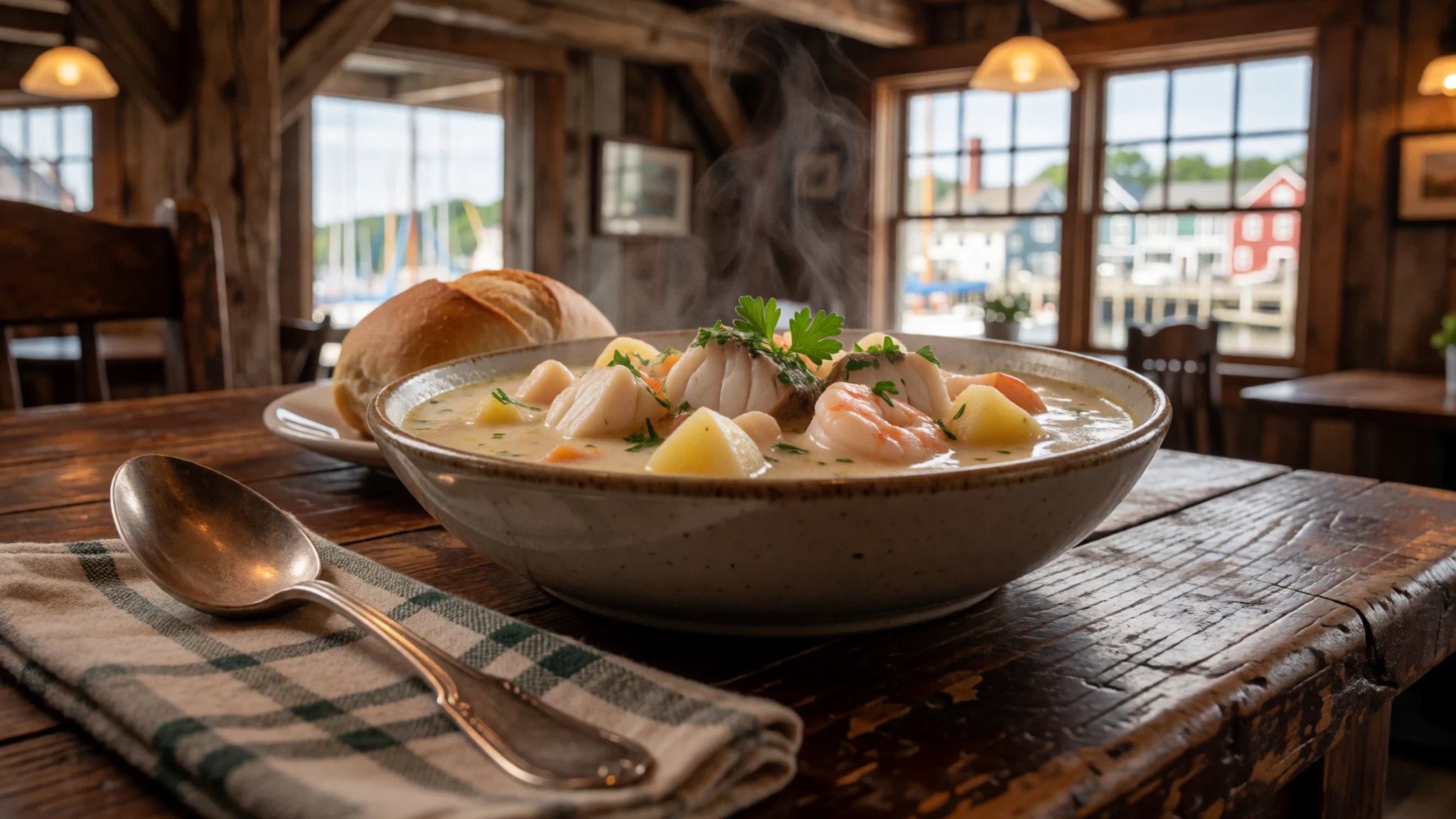
- Lobster roll — Waterfront takeaways and seasonal shacks near the wharves
Chunks of cold lobster dressed lightly in mayonnaise, packed into a split bun, often with a little celery or lemon. Summer is the season when it is easiest to find, and it is a messy, hand-held lunch best eaten on a bench overlooking the harbour.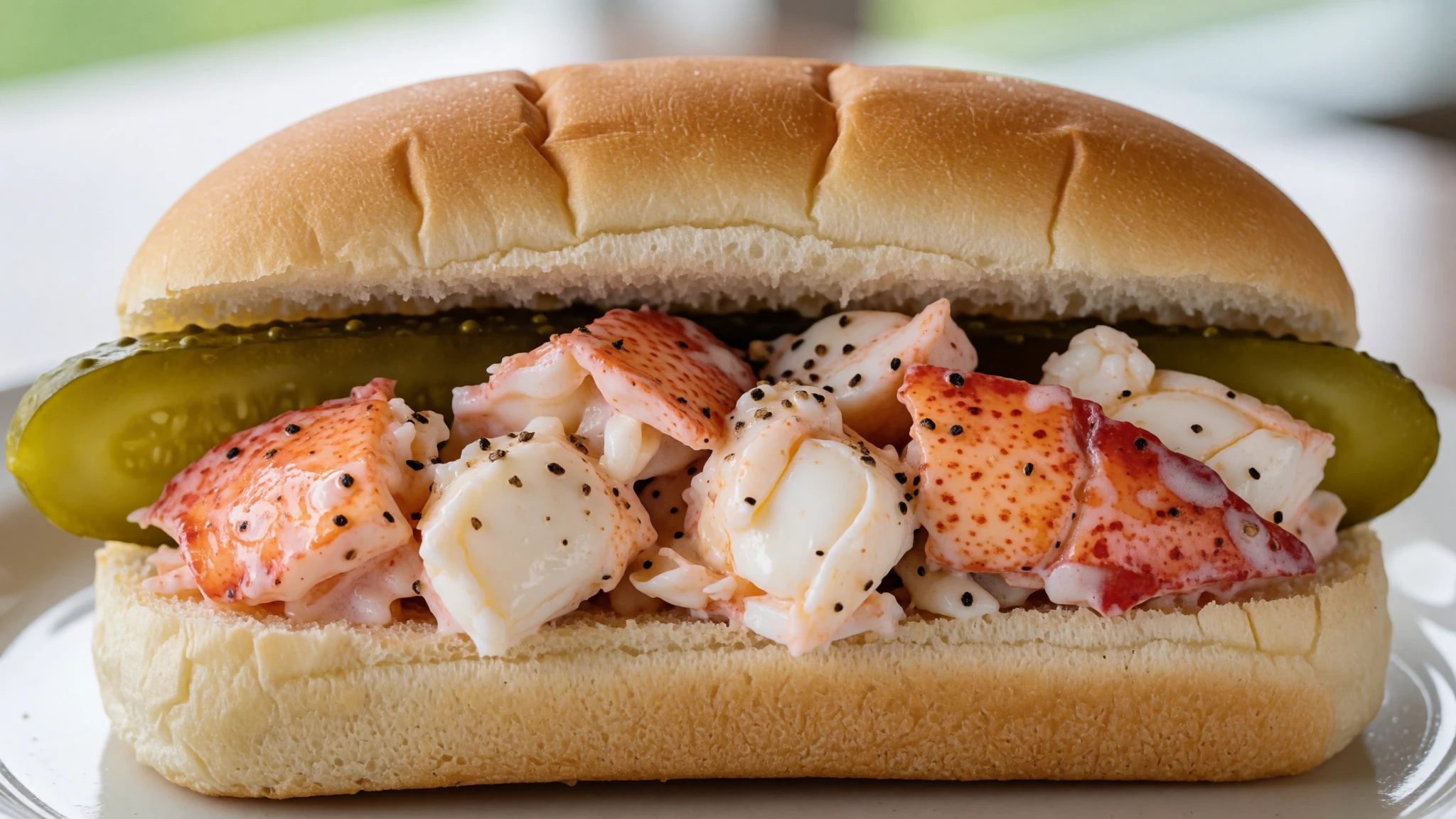
- Haddock or cod, fried or baked — Fish-and-chip counters and the harbourside restaurants
Atlantic groundfish cooked simply, the way the town has eaten it for generations. Haddock or cod is often pan-fried in a light coating or baked with butter and lemon. Ask what came in that morning, because menus often change with the boats. - Solomon Gundy — Family-run eateries and regional kitchens across the South Shore
A cold dish of salted herring and onion in a sweet-sour vinegar marinade, served as a starter or snack. It comes from the older Maritime habit of preserving fish, when salt and vinegar carried the catch through lean months. Look for it on menus that favour regional home cooking. - Blueberry grunt — Bakeries and cafés in summer, when wild blueberries are in season
A stewed blueberry dessert topped with soft dumplings and steamed on the stove until the dough is cooked through. It is a homely pudding that suits the season, when wild blueberries grow across the province. Serve it warm with cream.
Plan it
Best time. June to September brings the warmest and most settled weather; July and August are the busiest, while early autumn is calmer. The coast keeps temperatures moderate, so the shoulder months are pleasant but cool. Winter is quiet, so check what is open before you travel.
How long. 2–3
Getting there. Fly into Halifax, then take a rental car or the bus. The highway from Halifax runs southwest to the South Shore, and the scenic Lighthouse Route follows the coast directly through Lunenburg. Buses from Halifax stop in Chester and Bridgewater, and the trip from Chester takes about 50 minutes.
Budget. mid
Tips
- Book accommodation early for July and August, when the waterfront fills
- Walk the old town early in the morning, before the day visitors arrive
- Carry cash for smaller cafés and market stalls, and check card acceptance in advance
- Pack a rain layer and a warm top, even on a sunny day
- Bluenose II sails only when she is in port, so check her schedule before planning a day around her
- Check the official site at townoflunenburg.ca for events and opening times
Etiquette
- Keep voices low around St John's Anglican Church, a working place of worship
- Ask before photographing people at work on the wharves
- Stay on public paths and do not enter private gardens for photographs
Nearby
Sources
- Wikidata Q105441 (CC0)
- Wikipedia, Lunenburg, Nova Scotia (rev 1382901434) (CC BY-SA 4.0)
- Wikivoyage, Lunenburg (rev 5409915) (CC BY-SA 4.0)
- Aerial photo of Lunenburg, Jvienneau (CC BY 3.0)
- Lunenburg waterfront with Fisheries Museum, Bluenose II and Cape Sable, Elviroyage (CC BY-SA 4.0)
- Lunenburg waterfront in summer 2013, Ryan Tanner (CC BY-SA 4.0)
- 1998-07-19 Lunenburg-Campground1, Eduard47 (CC BY-SA 4.0)
- 1998-07-19 Lunenburg1, Eduard47 (CC BY-SA 4.0)
- 1998-07-19 Lunenburg6, Eduard47 (CC BY-SA 4.0)
- MCI J4300 operated by Maritime Bus, Kk70088 (CC BY-SA 4.0)
- A Survey of Lunenburg harbour, T. Backhouse (Public domain)


