Los Roques archipelago
Los Roques archipelago, Venezuela
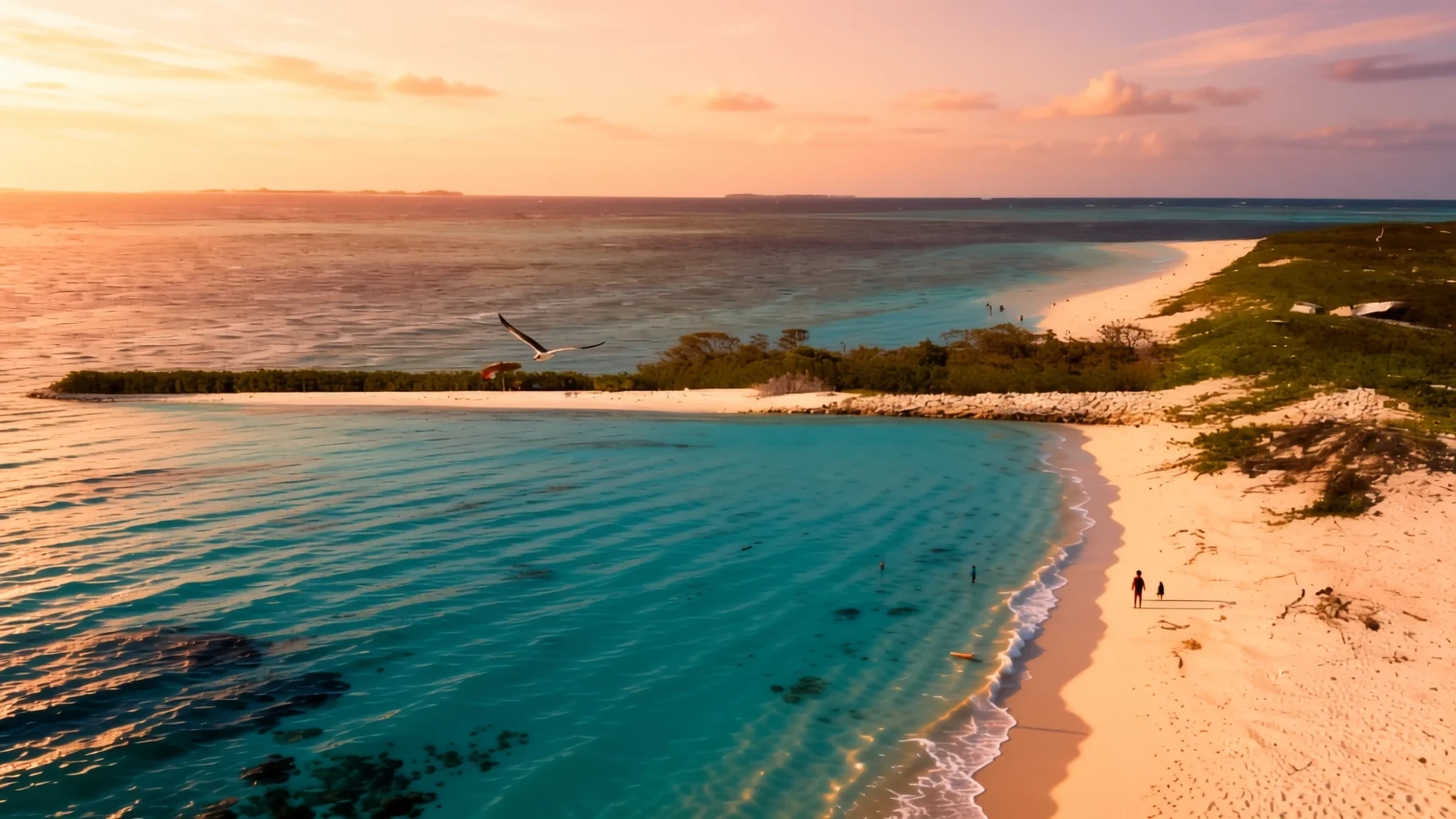
Los Roques is a ring of reef-fringed cays off Venezuela's coast, best for calm turquoise water, snorkelling and slow days on quiet sand.
The place
Los Roques is a federal dependency of Venezuela, made up of roughly 350 islands, cays and islets scattered across the Caribbean about 128 km north of the port of La Guaira. The land is small: the whole archipelago covers about 40 square kilometres, but it sits inside a far larger spread of coral reef and shallow lagoon. The islands form atoll-like rings, with two outer barriers of coral enclosing a sheltered central lagoon and sandy banks. Gran Roque, the largest settlement and the only place with a village, is the hub. The bigger islands, such as Cayo Grande and the Francisqui group, are mostly empty beach and low scrub.
The water is the reason people come. It is clear, shallow and protected, which suits anchoring, swimming and snorkelling in a way few open coasts do. Wealthy visitors, many arriving on their own yachts, have long favoured the inner lagoon. Development is tightly controlled, so the islands feel uncrowded, and most stays are in inns and posadas on Gran Roque or on a chartered boat.
The climate is hot but tempered. Average temperatures in July and August sit near 27 °C, and the wind blows almost constantly, which makes the heat bearable on the beach. Rain is heavier from June to November, peaking in August, with March the driest month.
Gran Roque has about 1,500 people, and it is small enough to cross on foot in minutes. Supplies come in by light aircraft or private boat, so day-to-day costs run higher than on the mainland. The outlying cays are reached by small boat, and a half-day on the water usually means turquoise shallows, a picnic and very little else.
Its story
Los Roques has been used for centuries before it became a destination. Its first people were Caribbean groups who came out to gather large sea snails, fish and turtles, and to extract salt. Traces of their salt flats, with dikes, stone paths and the remains of houses, can still be seen. Permanent settlement came later, when fishermen from Margarita Island began bringing their families to live on the islands.
Spanish navigators sighted the islands early in the colonial period, and in 1589 the governor of the Venezuelan province ordered their formal takeover on behalf of the colony. Ownership was contested in practice. Dutch writers treated the islands as part of Curaçao, because Bonaire, close by, was also Dutch, and a colonial-era account still listed Roques among the uninhabited islets belonging to Curaçao. Such claims mattered less than the local economy, which turned to salt and guano.
Many of the names still in use date from a commercial company that operated across the islands during the colonial period. Gran Roque, Carenero and Cayo Sal all received their names then. Temporary fishing crews came and went, and the exploitation of salt mines and guano became the islands' main work.
Independent Venezuela brought the islands under national administration. In 1871 the president Antonio Guzmán Blanco decreed the Territorio Colón, named for Columbus, which included Los Roques and other adjacent islands. Fishing and a little salt work continued, and the islands stayed remote enough to keep their character.
Tourism is the recent chapter. For much of the modern era access was limited to light aircraft and private boats, and outside buyers, many from Caracas and abroad, held the few cabins. Only in recent decades has the archipelago opened to visitors on a larger scale. Most now arrive by air, and Gran Roque is where the flights, inns and tour operators are concentrated.
What to see
- Dos Mosquises turtle sanctuary — Dos Mosquises, south of Gran Roque
The research station and turtle sanctuary on Dos Mosquises is run by the Fundación Científica Los Roques, and it is the most worthwhile half-day stop for anyone interested in the sea. Staff work on turtle conservation, and the visit gives a clear picture of the reef and the life it supports. Check the sanctuary's current visiting arrangements with the operator before you travel.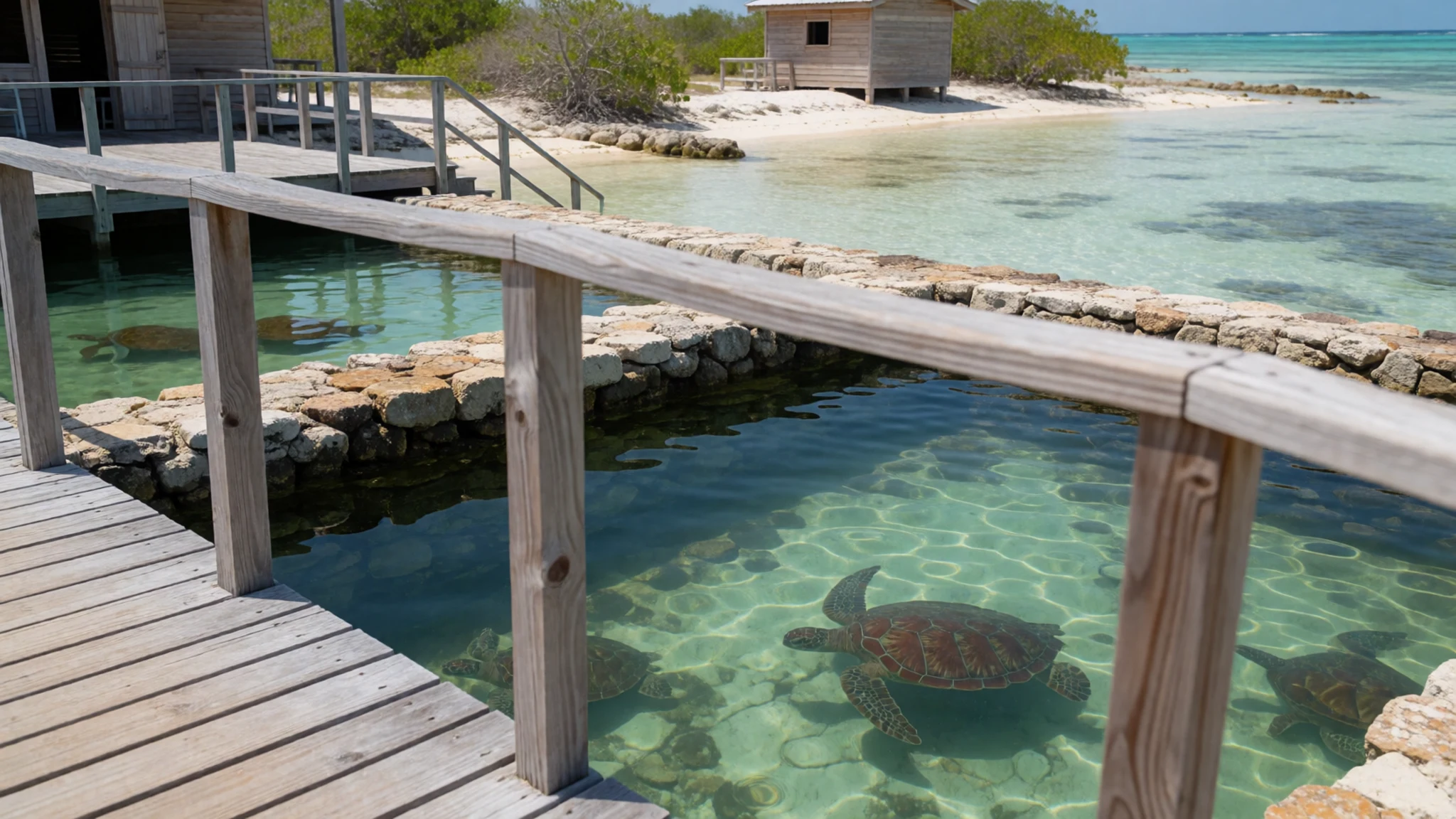
- Snorkelling on the reef — Beaches and cays around Gran Roque
Most beaches in the archipelago offer strong snorkelling straight off the sand, and the shallows around the cays are clear enough to see the reef below. Inns can usually arrange a mask and flippers, and a shop just outside the airport also hires gear. Go early, when the water is calmest and the light is best for seeing fish.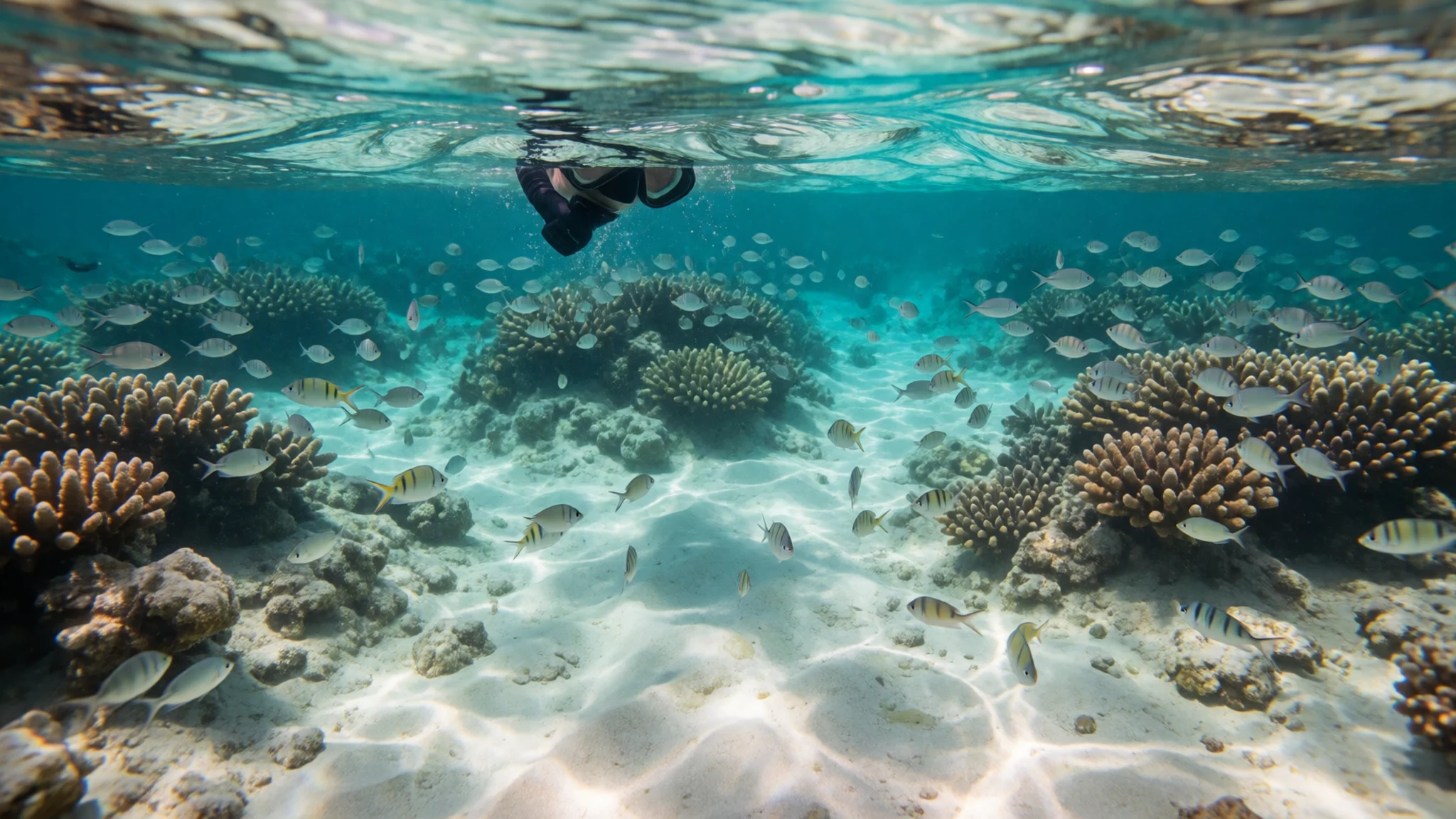
- Scuba diving — Dive operators in Gran Roque village
Several operators on Gran Roque run trips and courses for beginners and for people returning to diving, which makes the village a practical base for exploring the reef. Dive boats leave from the village, and the shallow lagoons suit first dives. Book ahead in high season, and confirm equipment standards and sea conditions with the operator before you pay.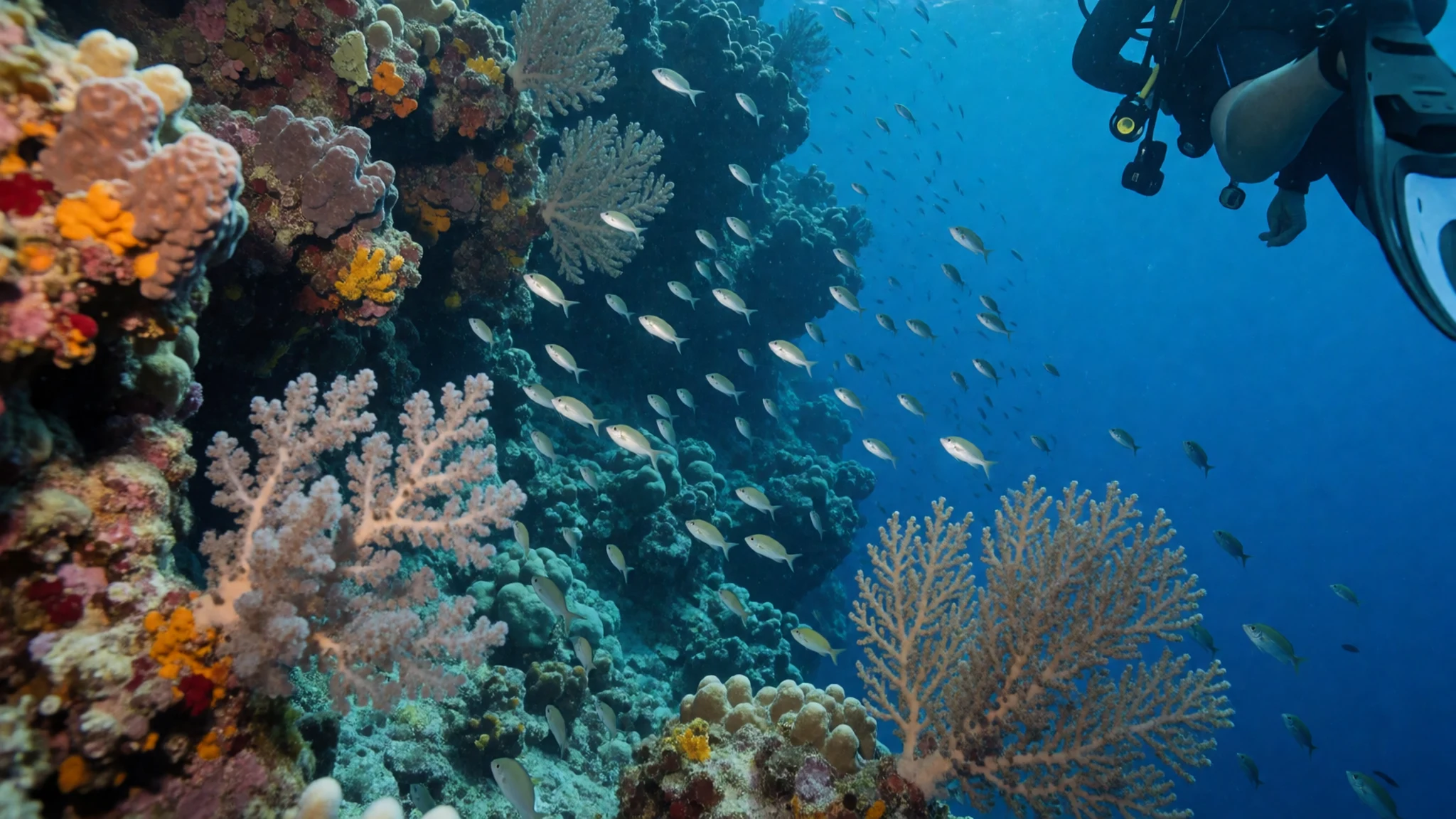
- Windsurfing and kitesurfing — Small island in the Francisqui group
On a small island in the Francisqui group, a short boat ride from Gran Roque, a centre hires windsurfing and kitesurfing kit. The steady trade winds that cool the heat make the lagoon suitable for beginners and experienced riders alike. Allow time for the boat transfer, and check the day's conditions with the centre before you set out.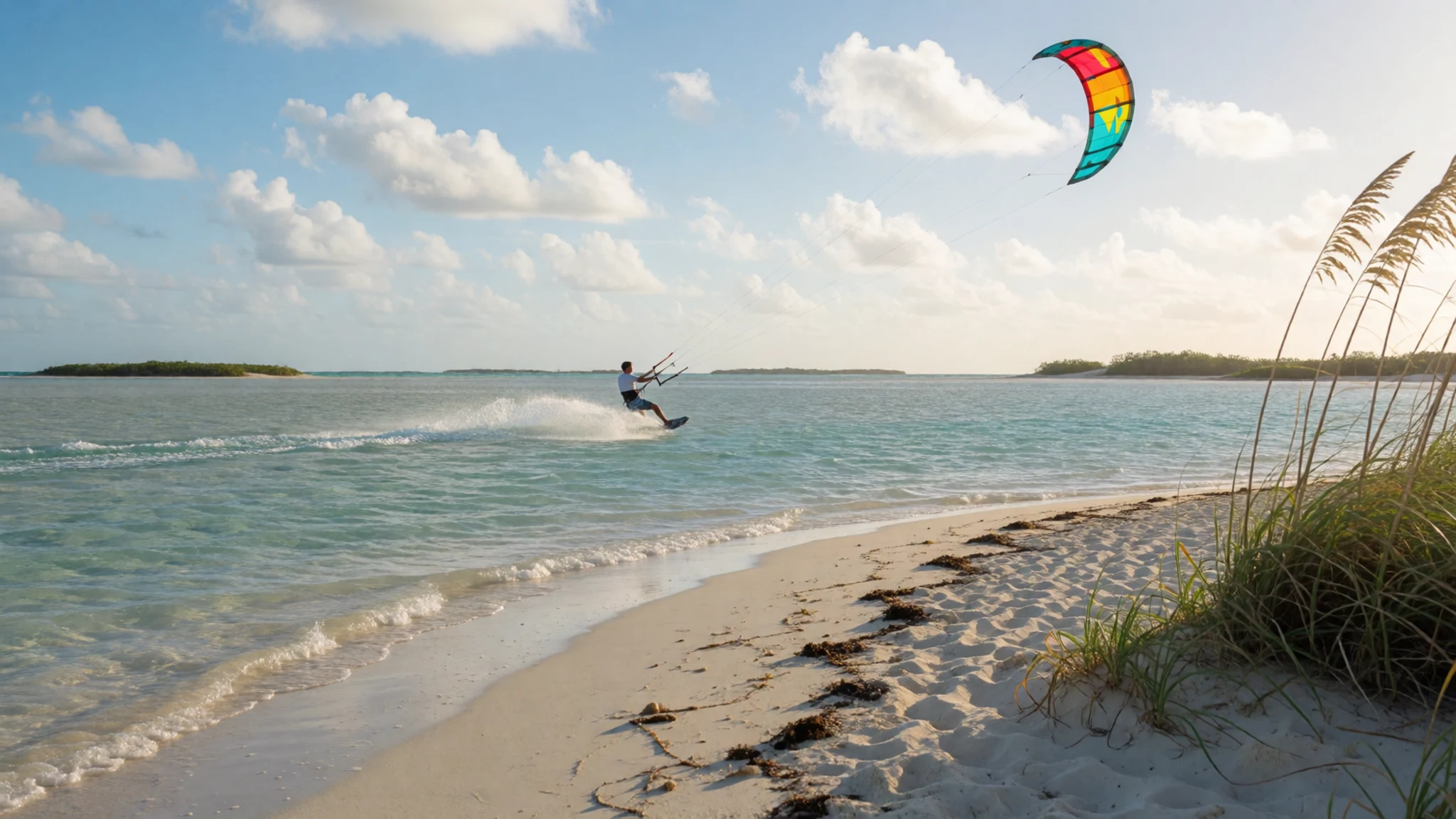
Culture
Los Roques is a small, close community of fishing families, boat crews and inn owners, and most visitors arrive as guests of its tourism economy. Spanish is the working language, and daily life runs on the rhythm of boats, weather and the afternoon. Islanders are used to visitors arriving for short stays, but the village still feels like a village rather than a resort.
The pace is slow, and that is part of the appeal. Conversation and music often carry into the evening on the sand or at small beach bars, and people greet one another easily. Venezuelan hospitality is warm, and a friendly greeting before any request goes a long way, whether at a shop, an inn or a boat.
Conservation shapes local rules. The reef and turtle populations are the reason the archipelago is managed carefully, and staff at the research station expect visitors to follow the rules on fishing, anchoring and waste. Take your rubbish back to the mainland, carry cash because card machines on remote islands are not always working, and do not touch or chase turtles or take coral and shells from the reef.
What to wear
Los Roques has no distinct costume that is still worn today, and documentation of a local dress tradition is thin, so the description below reflects general Venezuelan coastal practice. Fishing families who settled the islands came mainly from Margarita Island and the mainland coast, and their clothing was practical: cotton shirts and trousers for men, loose cotton dresses for women, and wide hats against the sun. Light cotton dried quickly after days at sea and in salt air, which is why it remained the standard fabric.
What people wear now is shaped by heat and boats. On Gran Roque, locals wear everyday clothes, typically shorts, cotton T-shirts and sandals or flip-flops for the village lanes. Fishermen and boat crews favour long sleeves, caps and sunglasses at sea. Restaurants and inns are relaxed, and islanders dress up only for church or official occasions.
A visitor should pack light, breathable cotton or linen, a wide-brimmed hat, sunglasses and a high-factor sunscreen, since the sun is strong even with the wind. Swimwear is fine on the beaches, but cover up when walking through the village. For snorkelling, a rash vest protects against sun on long sessions, and closed water shoes or sandals with straps suit coral rubble and boat decks.
What to eat
- Langosta (spiny lobster) — Inn kitchens and the fish sellers near the landing on Gran Roque, in season
Fresh lobster is the signature dish when it is in season. Ask at your inn or the fish sellers near the landing for the day's catch, which is often grilled with garlic and lime. Expect it to be priced as a treat, and check the price before you order.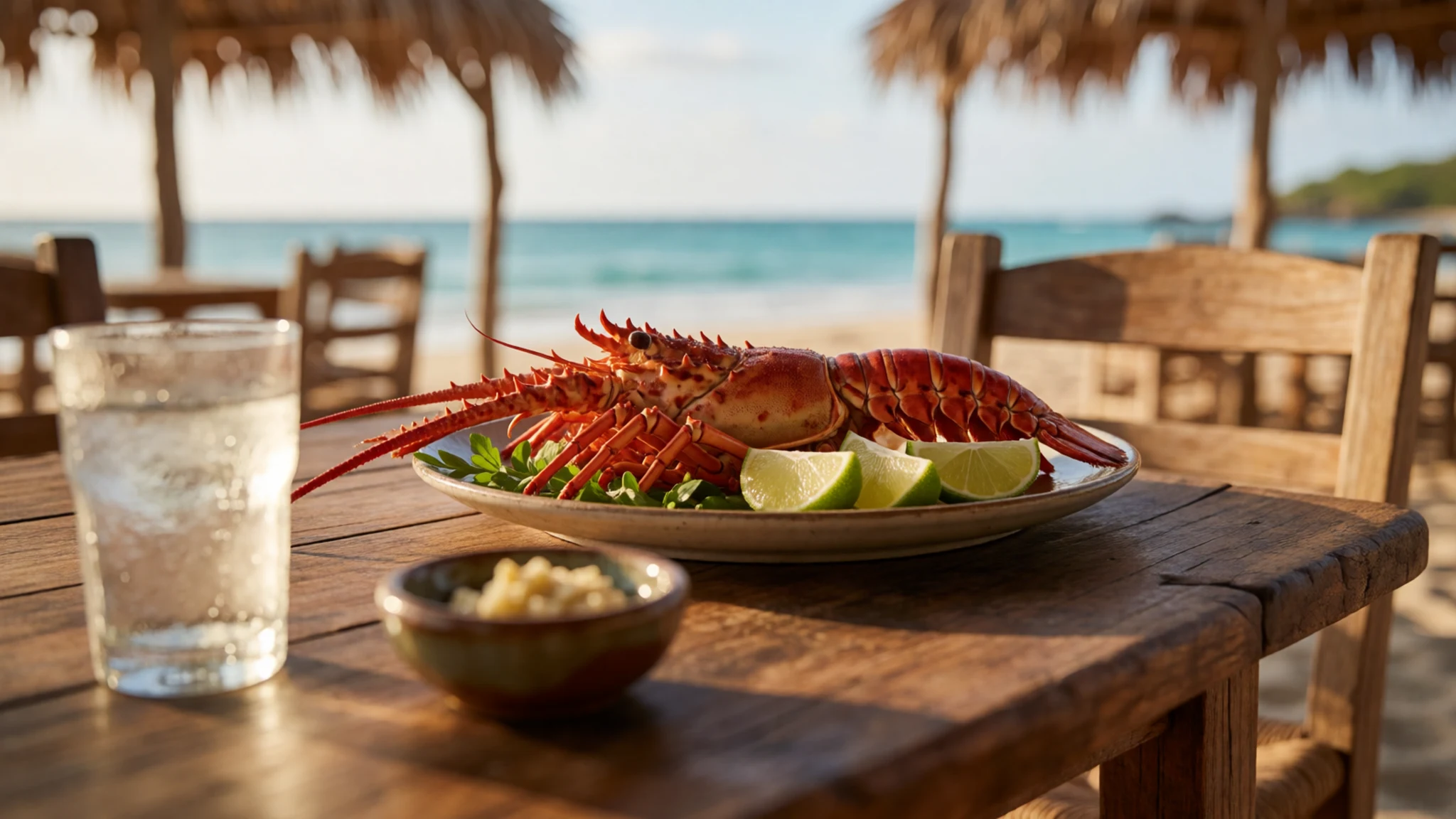
- Grilled reef fish — Small eateries and inns along Gran Roque's main lane
Catch of the day, grilled whole or as fillets, is the everyday meal on the islands. Local boats bring in snapper and other reef fish, and most small eateries serve it with rice, plantain and salad. It is simple, fresh and often the best value meal you will have.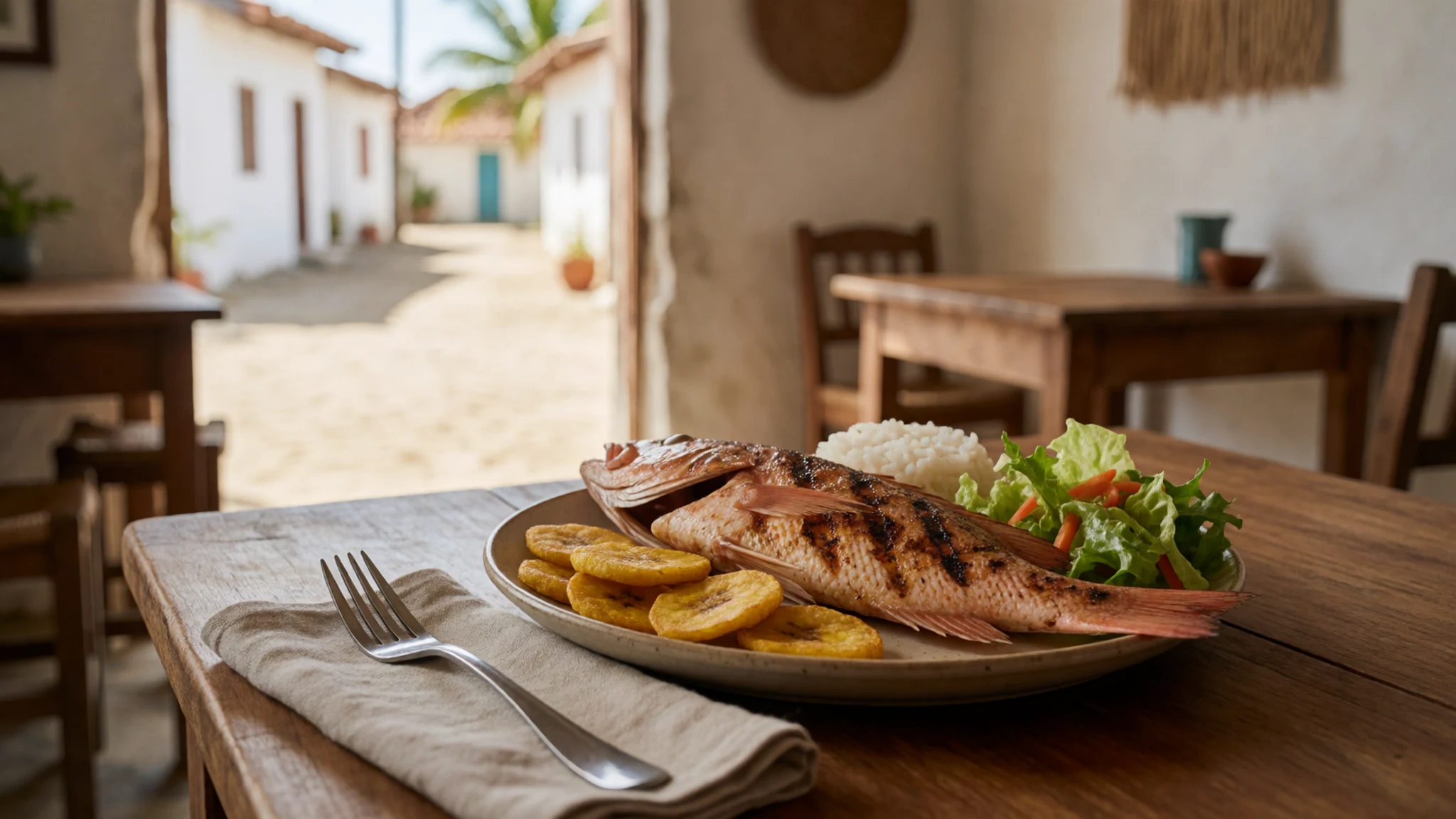
- Arepas — Breakfast counters and small eateries on Gran Roque
Corn cakes split and filled with cheese, shredded beef or avocado are a Venezuelan staple found across the country and on the islands. Order one at breakfast or as a snack between swims. They are filling, cheap by island standards and easy to eat on the beach.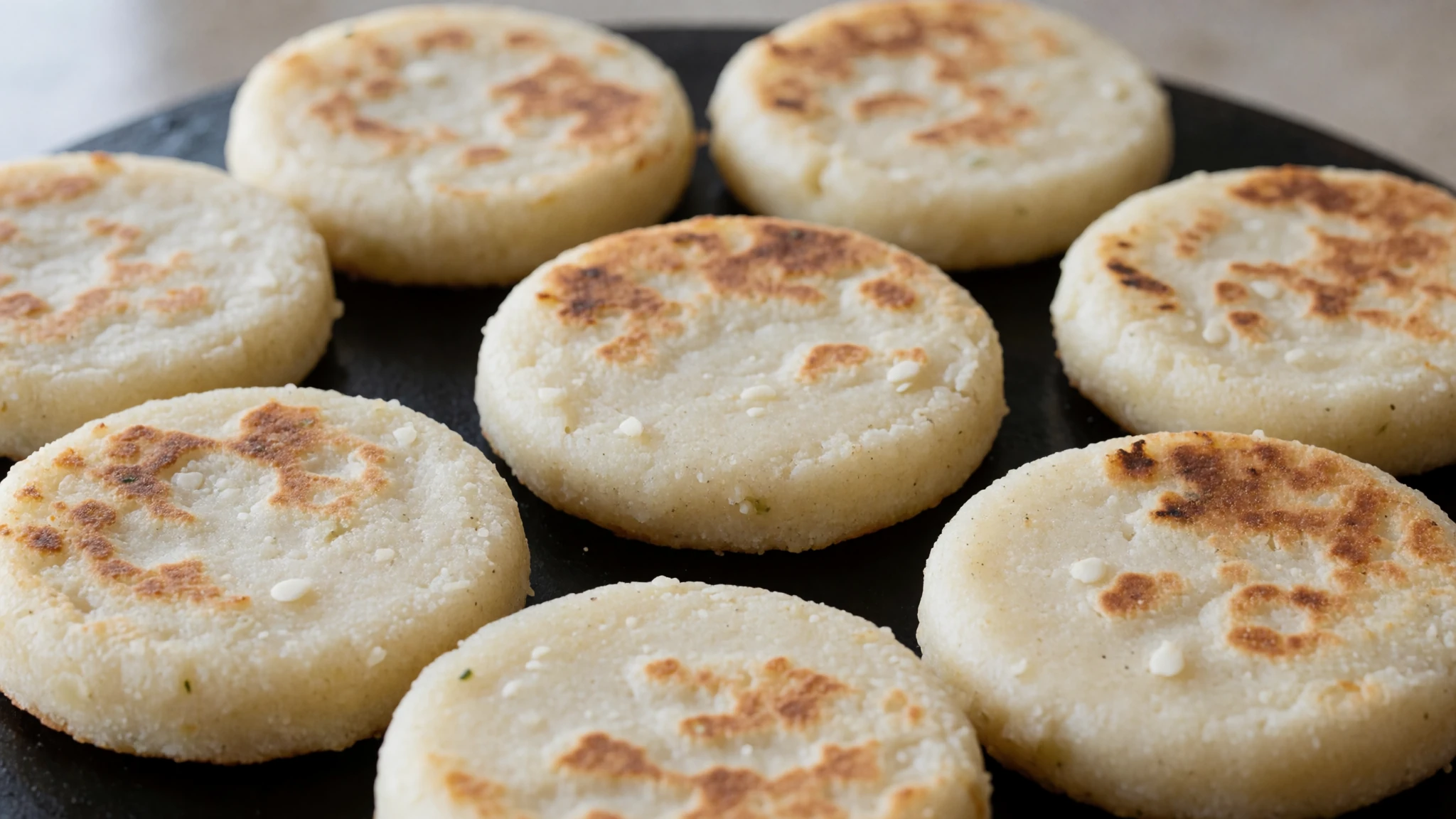
- Mojito at sunset — Beach bars on the Gran Roque shoreline
Beach bars on Gran Roque serve cocktails a few steps from the sea. Sit back on a beanbag, order a mojito and watch the sun drop over the lagoon. The mood is relaxed rather than lively, and prices are high for the islands, so arrive early for a seat.
Plan it
Best time. February to April is the drier, calmer stretch, with March the driest month and the water usually at its clearest. The wind blows through most of the year, tempering the heat. Rain is heaviest from June to November, and September to November are the warmest months, with October the hottest.
How long. 3–4
Getting there. Fly from Caracas to Gran Roque on a short flight of about 40 minutes in a small plane, landing on the island's airstrip. Flights also run from Porlamar on Margarita Island. Privately owned yachts stop by the archipelago, but no passenger boats run on a commercial schedule.
Budget. high
Tips
- Book flights and inns well ahead for high season, when small planes fill quickly
- Give at least one day to a boat trip to the outer cays and reef, leaving early when the water is calmest
- Carry enough cash, as card payment is not always reliable on the islands
- Drink plenty of water and use strong sun protection, since the wind hides how hot it is
- Reconfirm your return flight a day ahead, because small planes depend on the weather
Etiquette
- Keep off the coral and do not anchor on it; stay clear of turtles and do not feed wildlife
- Take all rubbish back with you when you leave the islands
- Keep noise down in the village in the evenings, as inns and homes share narrow lanes
Nearby
Sources
- Wikidata Q318678 (CC0)
- Wikipedia: Los Roques Archipelago (rev 1380343005) (CC BY-SA 4.0)
- Wikivoyage: Los Roques (rev 5409776) (CC BY-SA 4.0)
- Photo: la Isla del Gran Roque (Juan valero) (CC BY 3.0)
- Photo: Gran Roque from plane (BIT1982) (CC BY 3.0)
- Photo: Beautiful island in Los Roques (Tucanrecords) (CC BY 3.0)
- Photo: Island Crasqui (BIT1982) (CC BY 3.0)
- Photo: Village Gran Roque (Berrucomons) (CC BY-SA 2.0)
- Photo: Los Roques (M. Celeste Rabbat) (CC BY 3.0)
- Photo: Poblado del Gran Roque (Pedro Sá, as attributed) (CC BY-SA 1.0)
- Photo: Locator map of Los Roques (GilPe) (CC BY-SA 2.0)


