Lord Howe Island
Lord Howe Island, Australia
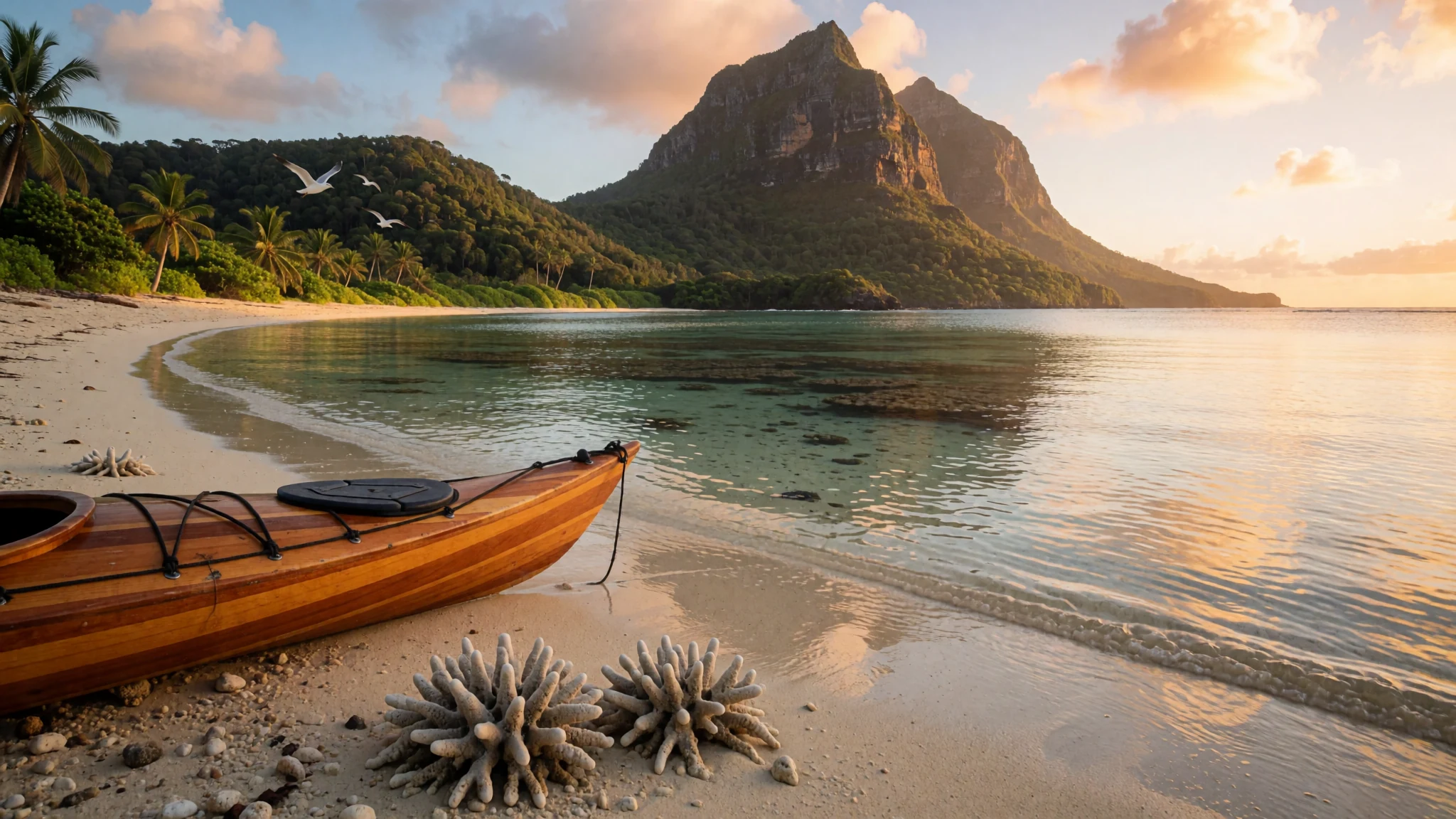
Go for a small, slow island with a lagoon, forested peaks and birdlife within easy reach, but book early and budget well.
The place
Lord Howe Island lies in the Tasman Sea, roughly between Australia and New Zealand, and belongs to the Australian state of New South Wales. It is a long, irregular crescent of volcanic land, narrow enough that the sea is never far from view. Most of the population lives in the north, on the flatter, low-lying ground, while the south is dominated by forested hills that rise steeply to Mount Gower, the island's highest point. Visitors tend to stay near the settlement and move around by bicycle, because the distances are short and the roads are quiet.
The western shore is the island's great draw. A sandy, semi-enclosed coral lagoon runs along the coast, sheltered from the open ocean by a reef, so the water is often calm enough for swimming and snorkelling while surf breaks beyond. Kayaking, reef walks and bird watching are part of the daily routine, and the sea is the main attraction on most days.
The land is just as striking. Pandanus and large banyan trees line the foreshore, and the whole island feels like one carefully kept garden, a point the island's museum makes clearly. Lookouts on the hill tracks give wide views over the lagoon, the reef and the peaks behind, and the cliffs that frame those views are unfenced, so walks need care.
Ball's Pyramid, a sheer volcanic stack, sits to the southeast and is uninhabited, a reminder of the island's volcanic origins. A cluster of uninhabited islets lies to the north. Life here moves to the pace of a small community and limited air and sea links, and that unhurried rhythm is much of the island's character.
Its story
The island was not settled by people before Europeans arrived. Archaeologists have searched for signs of earlier occupation and found none, which is unusual for a subtropical island of its size, and scholars still debate why Polynesian voyagers never made it a home. Whatever the reason, its plants and animals developed for a very long time without human interference, and that isolation shaped the island as it is today.
Its European history begins with a chance sighting. Lieutenant Henry Lidgbird Ball, commanding the armed tender HMS Supply, was sailing from Botany Bay with convicts bound for a new penal settlement on Norfolk Island when his crew spotted land. The Supply was the oldest and smallest ship of the First Fleet, so the discovery came from a vessel never meant to explore.
On the return voyage Ball landed a party to claim the island for Britain. The men captured numerous turtles and tame birds and carried them back to Sydney. The island was named after Richard Howe, the first Earl Howe, and was once written as Lord Howe's Island before the modern spelling took hold.
Ball also noticed the rock stack that now bears his name during that same return voyage. Today the island's history is told in a small museum, with one room on the people and their story and another on the environment and the island's World Heritage status.
What to see
- Wilson's Hire — The settlement, north end of the island
Bicycles are the usual way to get around the settlement and out to the beaches, and Wilson's is the place to hire them. Some accommodation provides bikes of its own, but Wilson's supplies most of the rest of the island. Stock is good but finite, and like everything here it runs short in busy periods, so book before arrival rather than hoping for a bike at the counter.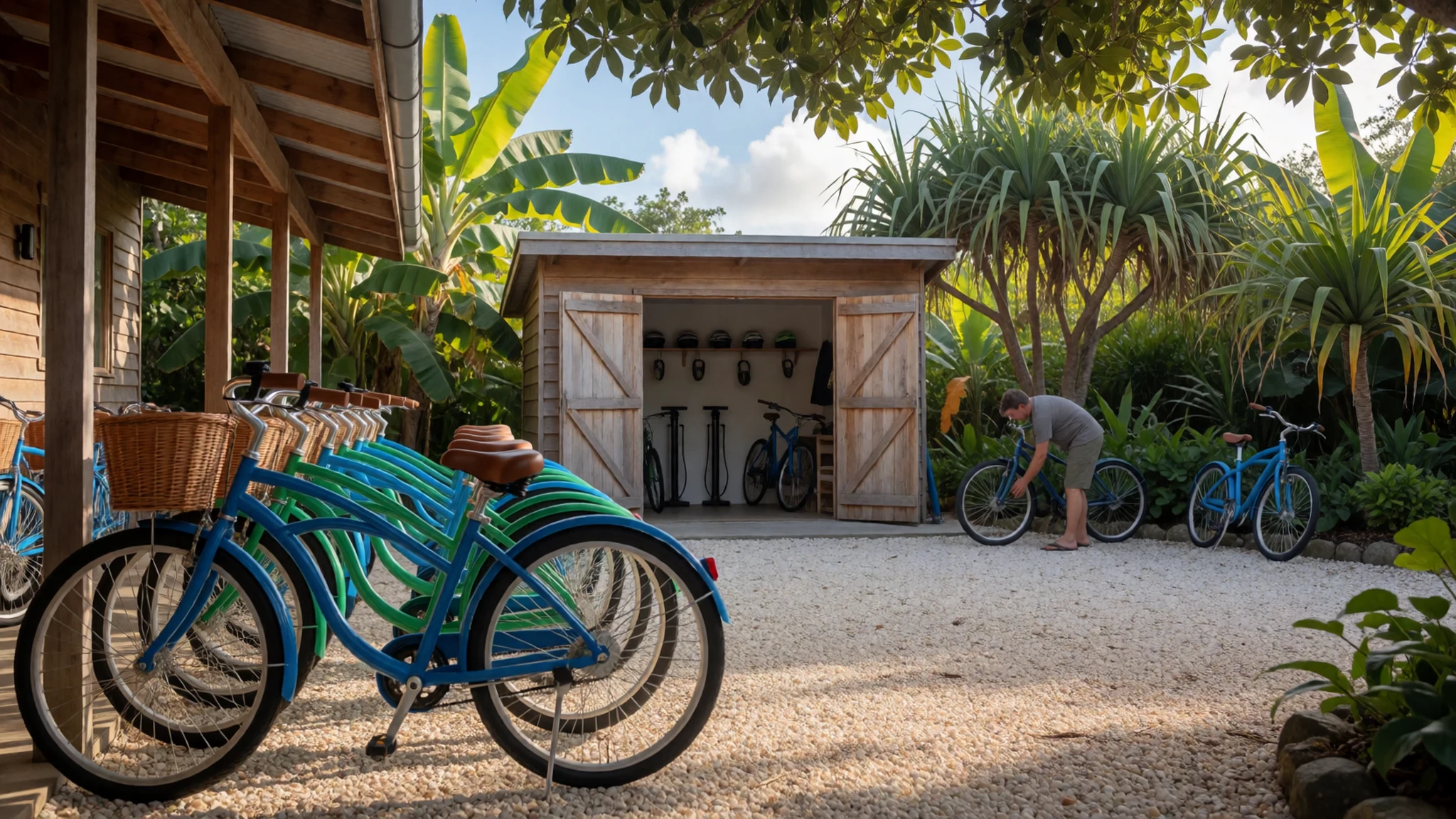
- Botanic Gardens and banyan trees — Lagoon Road, the settlement and the foreshore
Lagoon Road holds a small botanic garden just past the museum, but the whole island works as a garden too. Large banyan trees and pandanus line the foreshore and the paths, and their roots and aerial growth give the place its character. Go slowly, look up, and read the labels where they exist. It is a pleasant stop for anyone who likes plants, and the walk along the lagoon adds to it.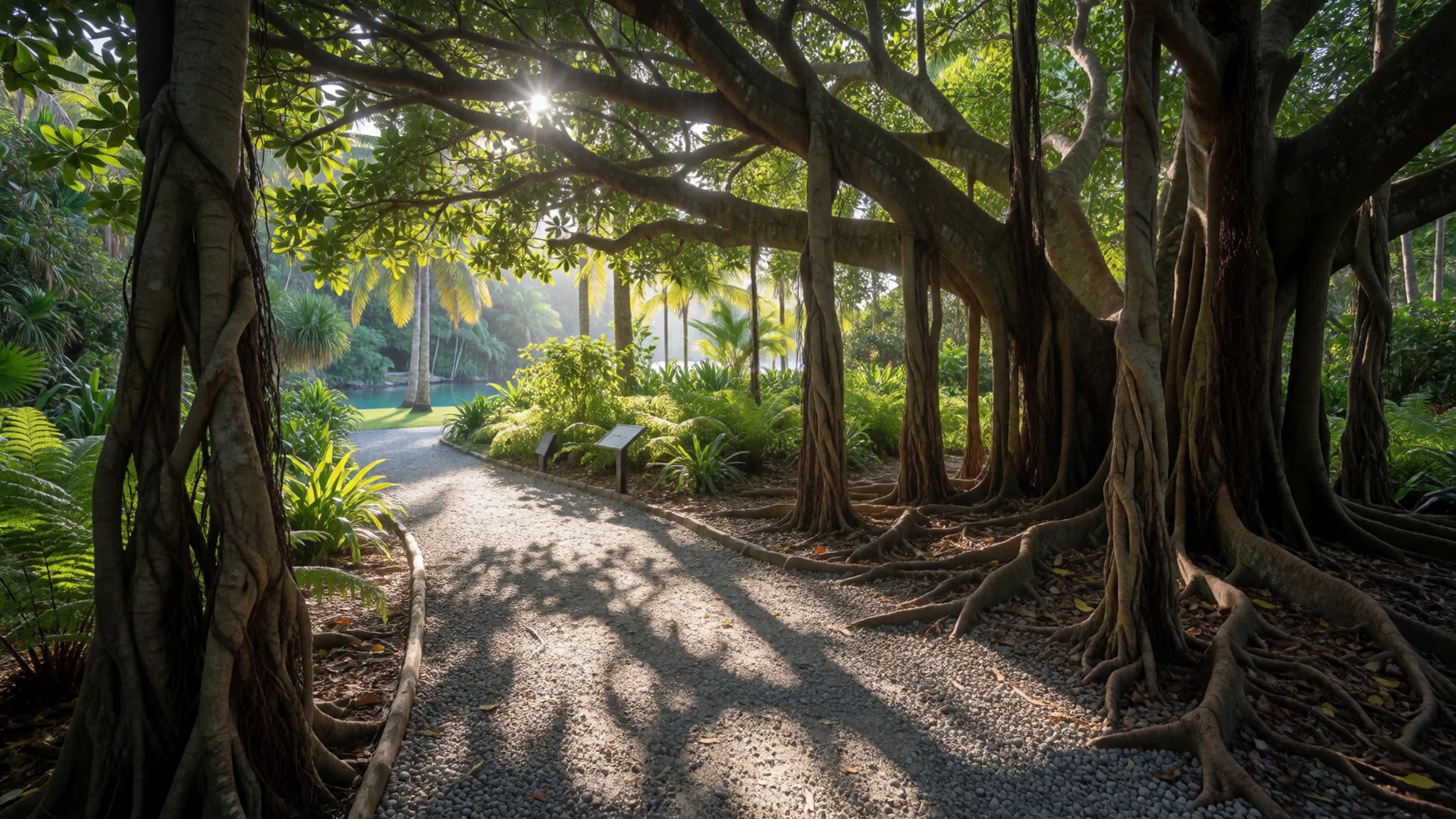
- Lord Howe Island Museum — Lagoon Road, near the botanic garden
The island museum is small, with one room on the history of the island from its first sighting onwards and another on its natural features and World Heritage status. It is an easy place to start a visit, because the exhibits explain why the lagoon, the forests and the seabirds matter. Allow time for the displays on the environment before heading out on a walk. Check opening times locally, since small museums keep irregular hours.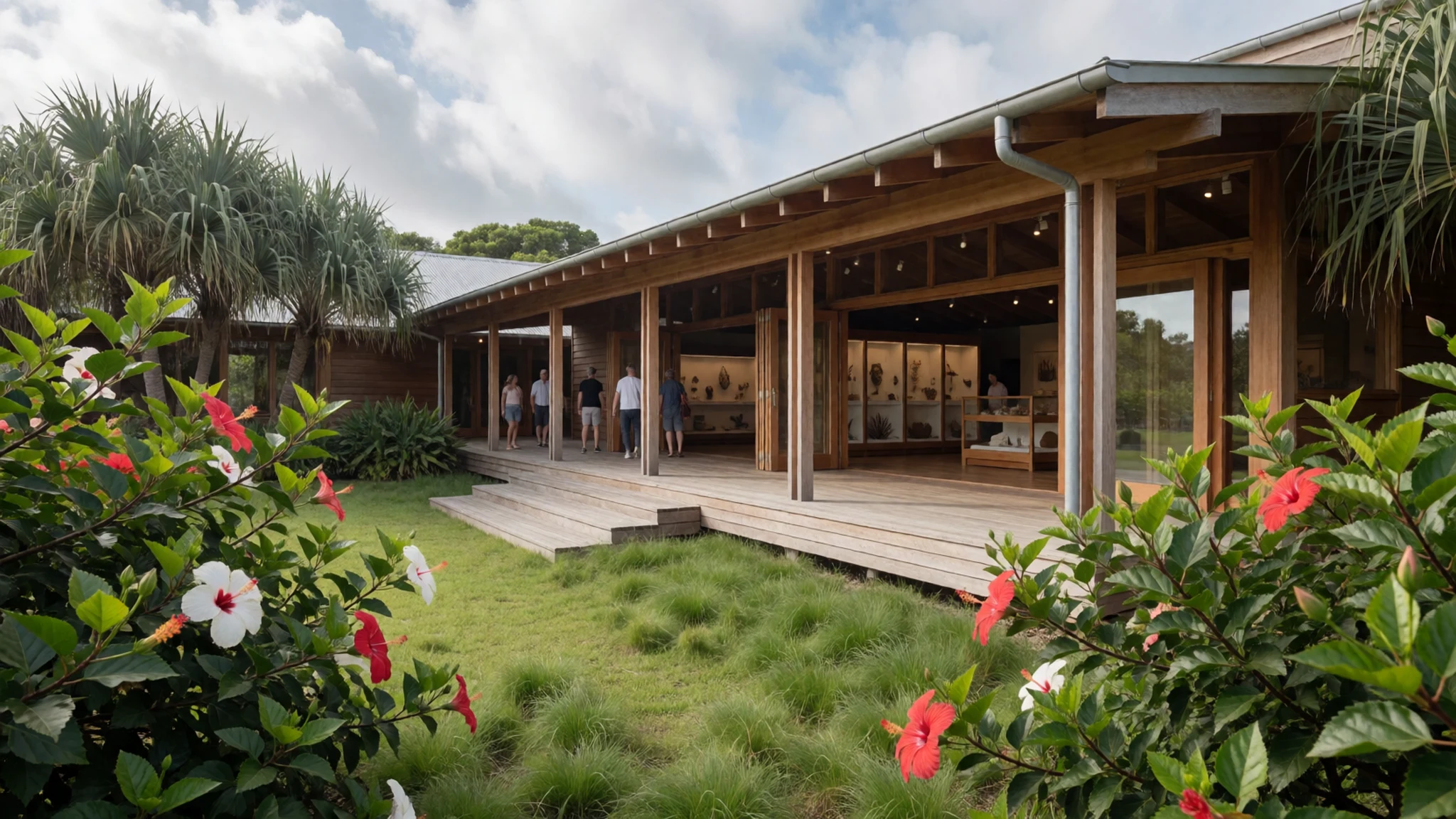
- Catalina wreckage memorial — Old Settlement Beach
A monument marks the wreck of a Catalina flying boat, an Australian Air Force aircraft that crashed while trying to land on the lagoon in bad weather. It struck the top of the Malabar Ridge before coming down, and the site makes a quiet, sobering stop beside the bike racks at Old Settlement Beach. Read the information panels, then walk the sand toward the lagoon.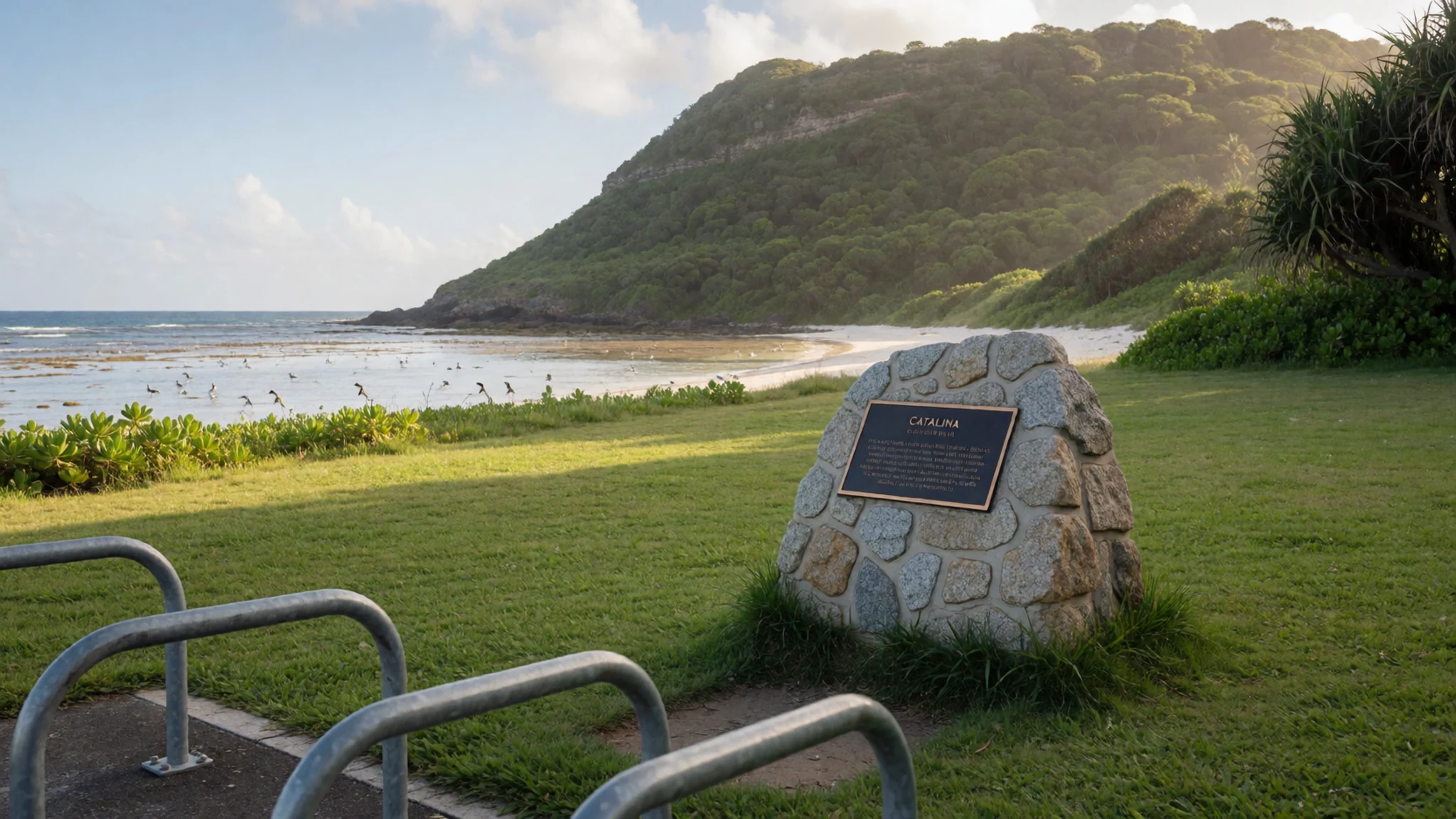
- The lagoon and reef — The west coast beaches
The sheltered lagoon along the west coast is the island's main reason for visiting. Its sand and coral make calm water for swimming and snorkelling, and guided reef walks reveal the marine life close to shore. Shade on the beach is limited, so bring a hat and plenty of water, and remember that conditions can shift with the wind. Keep to marked access points to protect the reef.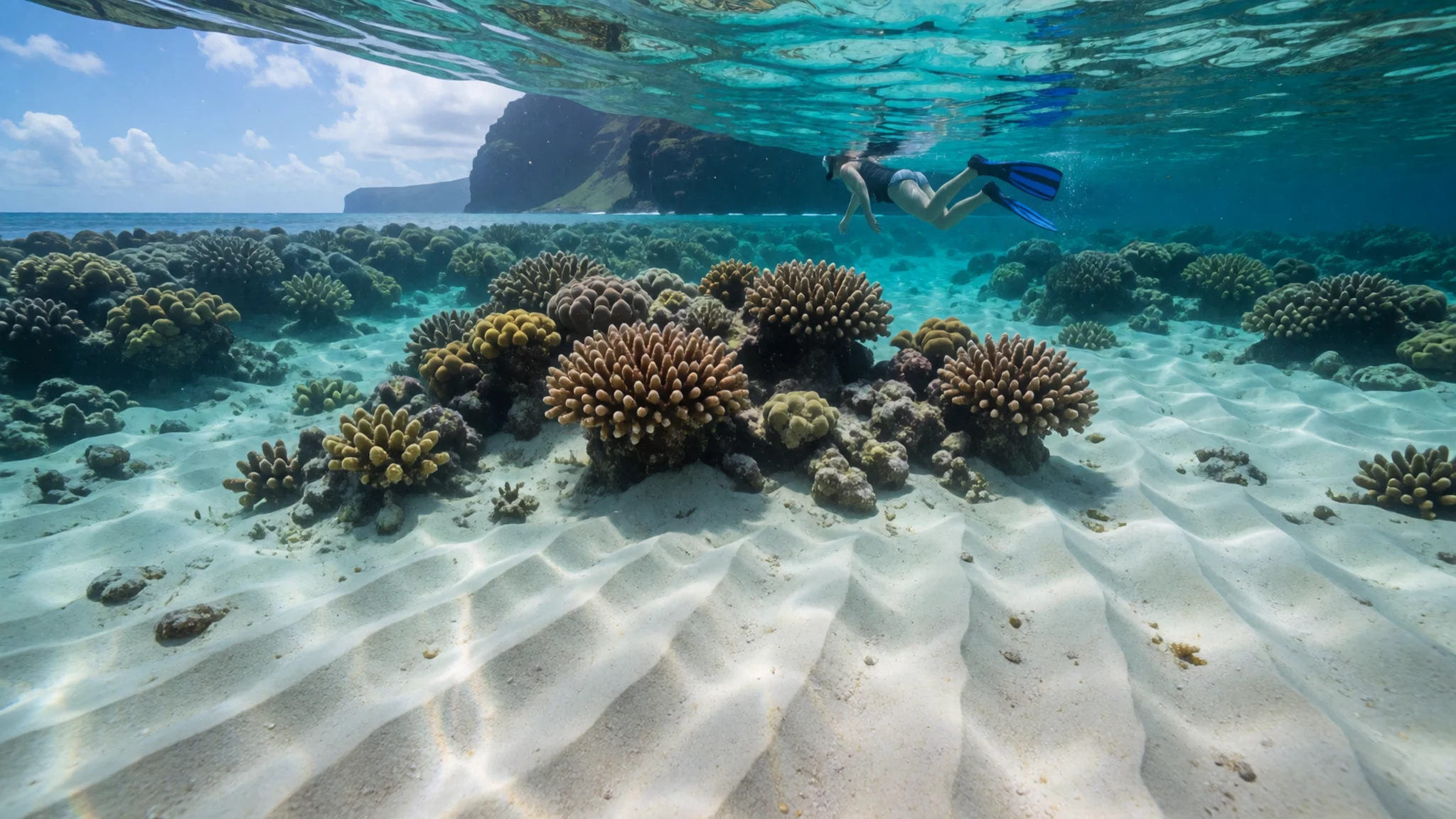
Culture
Lord Howe Island is a small, close community that depends on visitors without putting on a show for them. The island is a World Heritage area, and much of its character comes from keeping the forest, lagoon and birdlife undisturbed, so visitor behaviour matters more here than in most places. Residents know one another, and they expect a quiet, courteous manner in shops, on the roads and at the restaurants.
Daily life runs on a schedule set by flights and supply boats. Shops and restaurants have limited stock and set hours, and people plan ahead for everything from dinner to the lift home. Patience when a dish is off the menu or a bike is out of stock is part of fitting in.
The wildlife and the cliffs call for care. Stay on formed tracks, since the island's natural areas are sensitive, and remember that several lookouts are named after people who died there. Keep noise down in the evenings, because sound carries across the small settlement. Ask before photographing residents or their homes, and stay on the formed tracks around the forest and seabird areas.
What to wear
Lord Howe Island has no traditional costume of its own that the sources I drew on describe, so the story of its clothing is practical rather than ceremonial. People have long dressed for a warm, humid subtropical island: light cottons, shorts, and rubber sandals for the lagoon, with a jumper for cooler evenings. Any textile tradition belongs to the wider Australian heritage of the community rather than to a local craft.
What people wear now is relaxed. In the settlement you will see swimwear under shirts, bicycles ridden in sandals, and fleeces pulled over T-shirts after dark. Dress for dinner is casual at the island's restaurants, where a clean shirt and closed shoes are plenty. Nobody is expected to dress up, and overdressing draws more attention than it earns.
For a visit, pack for sun and wind. A broad-brimmed hat, sunglasses with UV protection, and a rash vest or long-sleeved shirt for snorkelling will cover most days. Sturdy closed shoes or trail runners suit the forested tracks and the steep, rooty climbs to the lookouts, where the ground can be slippery. Reef shoes protect your feet on the coral, and a light waterproof helps on exposed ridges, where the wind can be strong even when the lagoon is still.
What to eat
- Fish of the day — The island's restaurants, where the menu changes nightly
Expect a short menu each night, usually only four or so dishes, and about half built around locally caught fish. The fish of the day is the dish to order, served simply with whatever vegetables the kitchen has. Ask what came off the boats that morning.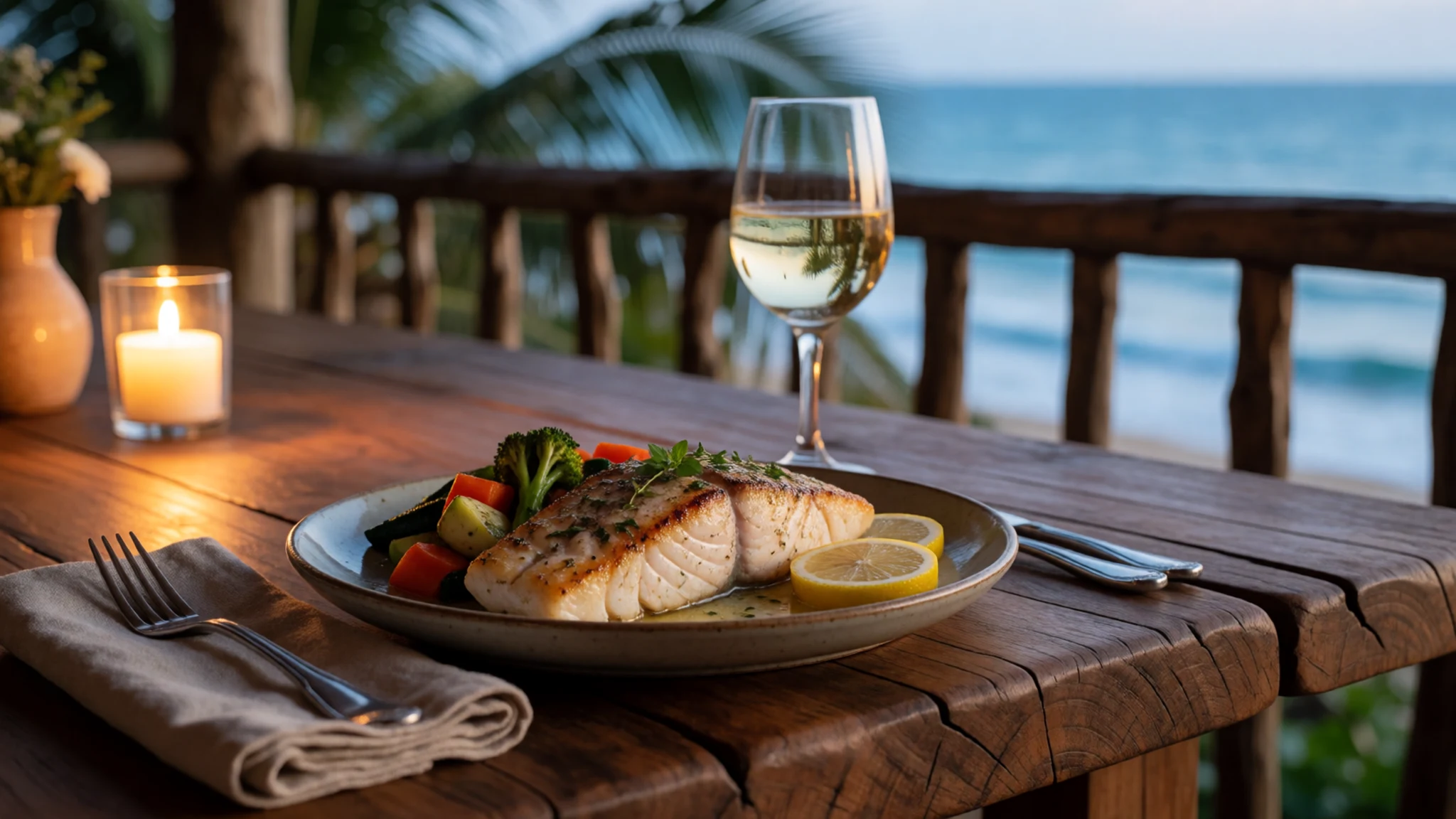
- Lunchtime hamburger — Thompson's Store, around midday
Thompson's Store serves hamburgers at lunchtime, a practical choice between bike rides and walks. They are simple and filling, and a welcome way to keep costs down on an island where most meals are not cheap. The service window is short, so check it before setting out.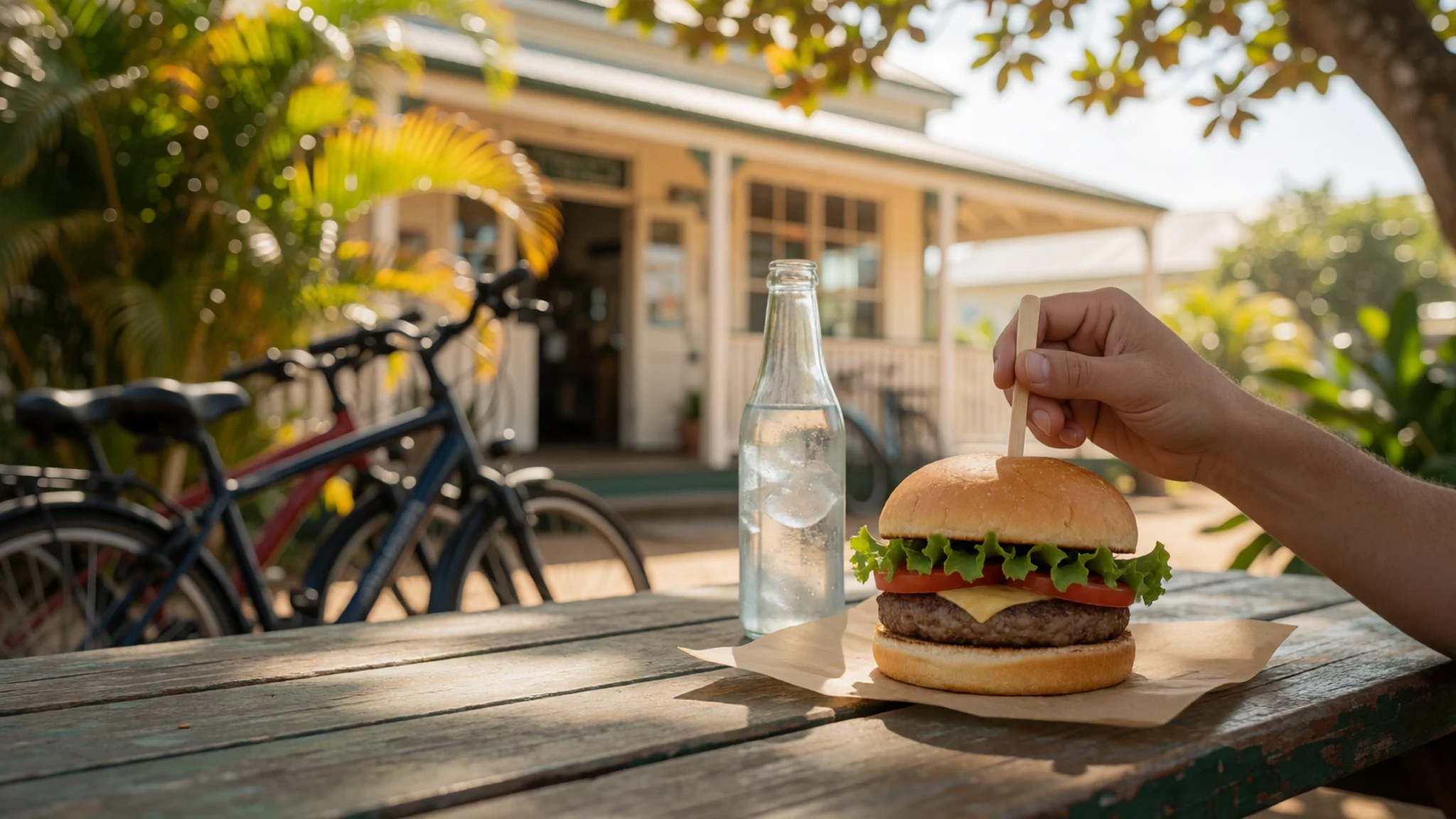
- Restaurant dinner — The island's restaurants and the clubs, booked before midday
Dinner is booked in advance, usually before midday for the same evening, using the sheets outside each restaurant or a call from the phone at Thompson's Store. Accommodation providers usually arrange a lift in the evening, and the restaurant arranges the ride home. Expect the evening to start early. - Self-catering staples — The shopping centre on Ned's Beach Road
The shopping centre on Ned's Beach Road is where to stock up for self-catering, from breakfast basics to snacks for the beach. Supplies arrive by sea and air, so the range can be thin and prices reflect the freight. Buy for each day rather than planning elaborate meals.
Plan it
Best time. Summer, roughly December to February, has the best weather, with January and February the warmest months. April to May and October to November are milder than midsummer, while June to August is cooler and wetter. Check current conditions before booking, as flights and the sea are both weather dependent.
How long. 3–4
Getting there. Fly from Sydney, usually on QantasLink, which runs daily and more often in summer. Smaller twin-engine planes also serve Newcastle, Port Macquarie and the Gold Coast on some days. The flight takes roughly two hours and lands at a small airstrip with a notoriously tricky approach.
Budget. high
Tips
- Book flights and accommodation together, since seats are few and both can sell out.
- Reserve a bike early in busy periods and check availability before you arrive.
- Book restaurant tables before midday for the same evening, and arrange your lift at the same time.
- Take cliff-top tracks slowly and stay back from unfenced edges, especially in wind or rain.
- Pack light, because small aircraft limit luggage, and carry sunscreen, a hat and plenty of water.
Etiquette
- Keep to formed tracks and marked access points in the forest and reef areas.
- Keep noise down in the evenings across the settlement.
- Ask before photographing residents or their homes.
- Take all your rubbish away with you.
Nearby
Sources
- Wikidata Q104784 (CC0)
- Wikipedia: Lord Howe Island (rev 1379374599) (CC BY-SA 4.0)
- Wikivoyage: Lord Howe Island (rev 5334108) (CC BY-SA 4.0)
- Photo: Lord Howe Island from Kim's Lookout (CC BY 3.0)
- Photo: NASA ISS006-E-5731 (Public domain)
- Photo: Representation of a Bird of the Coot kind (Public domain)
- Photo: Lord Howe Island maritime museum (CC BY 3.0)
- Photo: North Bay reef, Lord Howe Island (CC BY-SA 3.0 au)
- Photo: Island Trader provisioning Lord Howe Island (CC BY 3.0)
- Photo: Shopping Centre, Ned's Beach Road (CC BY 3.0)
- Photo: Lord Howe Golf Course (CC BY 3.0)


