Loarre Castle
Loarre Castle, Spain
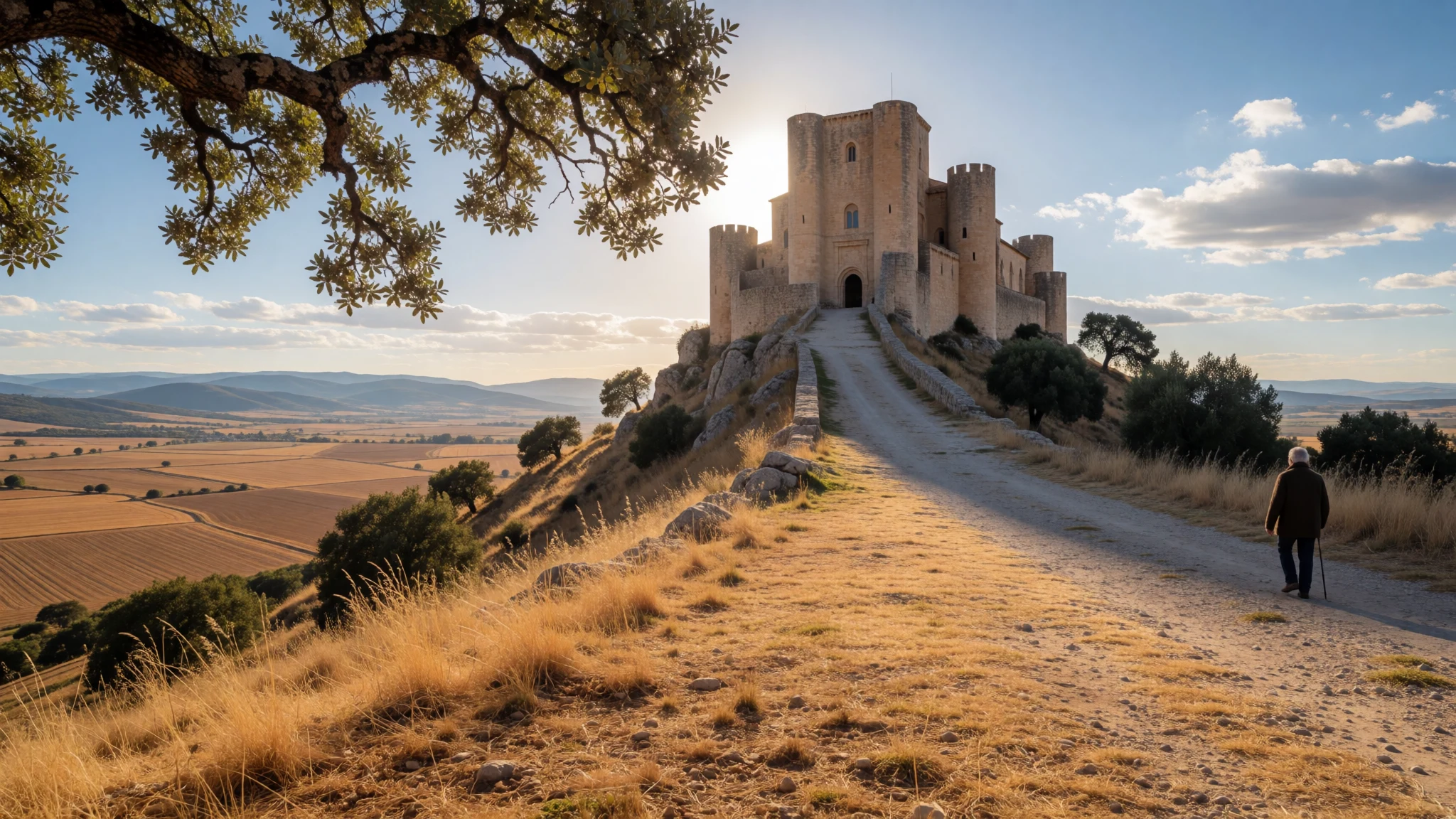
Loarre Castle is a Romanesque fortress-abbey in Aragon, built into the rock, with a church, a crypt and wide views over the plain.
The place
Loarre Castle stands on a rocky spur in the foothills of the Sierra de Loarre, in Huesca province in northern Aragon, just above the village that shares its name. It is a castle and an abbey in one, which is the key to reading it: soldiers and canons shared the same walls, and the layout shows both lives. A ring of walls with towers follows the crest, and inside it are a church, living quarters and a keep, all in pale local stone that seems to grow out of the hillside rather than sit on it. Wikidata also tags it as a rock castle, and in places the masonry meets bare rock and simply carries on from it.
The setting does half the work. Below the castle lies a broad farming plain, and from the walls the view runs out toward Huesca and the lowlands, which explains why anyone wanted this spot. Behind it the Pyrenean foothills rise.
Aragon around it is large and thinly settled. The region has about 1.4 million people, and over half of them live in the capital, Zaragoza, so the countryside here is quiet, with small villages, dry hills and big skies. Loarre village is small, and most visitors come for a day from Huesca or Zaragoza, or as one stop on a drive through the foothills.
The castle has also been a film location, so its silhouette is familiar to people who have never been. In person it is plainer and colder than on screen: bare stone, uneven floors, steep steps and chilly interiors even in summer.
Its story
Loarre Castle began as a frontier post. Building started around 1020, when lands in this part of Aragon were being won back from Muslim rule and the line between Christian and Muslim territory ran close by. A fortress on this rock could watch the plain below, and the early walls and towers belong to that first phase.
The castle took on a second life in the 1070s. In 1073 King Sancho Ramírez installed a community of Augustinian canons, and the site became a religious house as well as a stronghold. It was from Loarre that he prepared the campaign against Huesca, which fell in 1094. That is why the church here is so ambitious for a fortress: it was a place where soldiers and clergy lived side by side, and where royal power was meant to be visible in stone.
The arrangement did not last long in that form. In 1097 Peter I of Aragon and Navarre gave Loarre's possessions to a new royal monastery at Montearagon, and the royal focus moved elsewhere. Historians place a large share of the building between 1073 and 1097, but comparison with other Romanesque monuments shows that construction and decoration carried on into the 12th century, and the castle's main building phases run through to the 13th.
Once the frontier shifted south, a fortress here mattered less, and the buildings settled into their long afterlife as a ruin and then a monument. In 2005 the castle appeared in the film Kingdom of Heaven, which brought a different kind of visitor to a quiet corner of Huesca.
What to see
- The walls and the approach — Loarre village and the lower slope
The path up to Loarre Castle climbs from the village car park toward a long line of walls and towers. Walk it slowly and look back: the castle changes shape as the angle shifts, and the stone matches the rock below so closely that the joins are hard to find.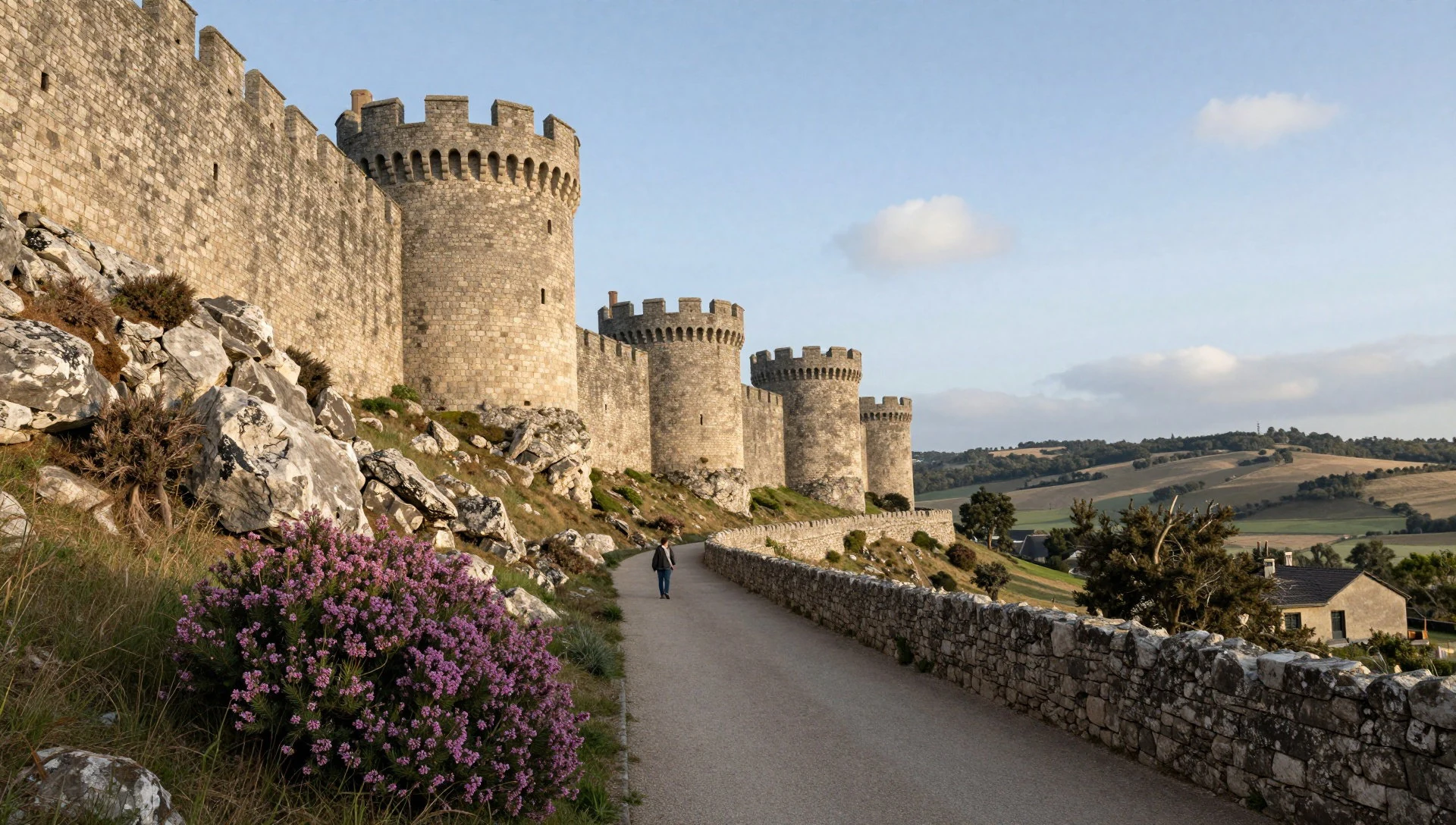
- The church — Inside the castle enclosure
The castle church is the part that explains the Augustinian canons and the royal ambitions of the 1070s. Round arches, thick walls and carved capitals give it a calm, heavy dignity. Stand still for a few minutes and let your eyes adjust to the dim light before looking at the carving.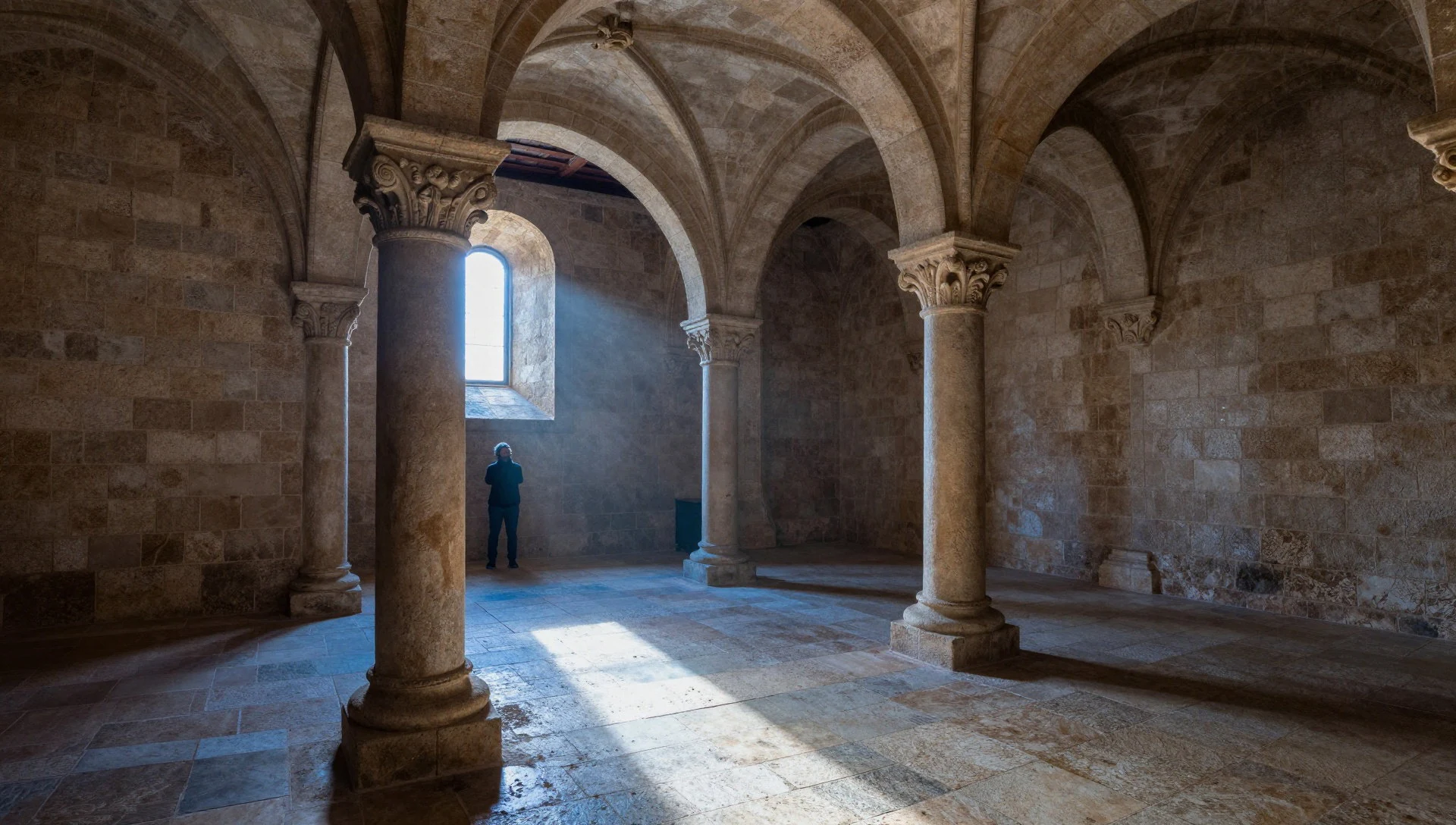
- Towers, keep and rooftop views — Upper levels of the castle
Narrow stairs lead up through the towers and the keep to the high walkways, where the plain opens out toward Huesca. This is where the castle's frontier purpose makes sense. The steps are steep and worn, and the wind can be strong, so wear shoes with a proper grip.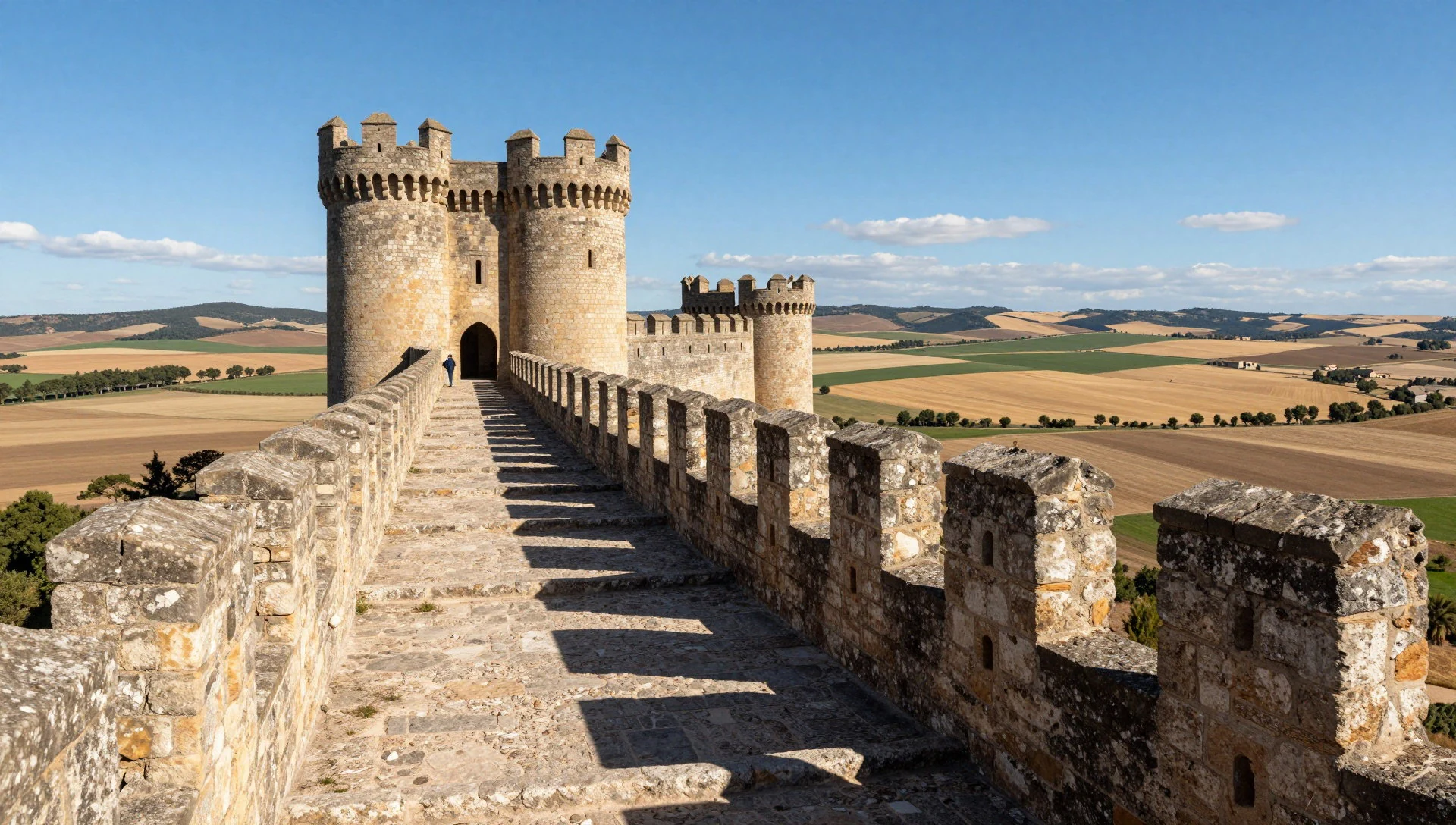
- Loarre village — Foot of the castle hill
The village below the castle is small and quiet, with narrow streets and a couple of simple places to eat. It works well as a base for a slow lunch before or after the climb, and it gives the castle its scale, since the walls loom over the roofs from almost every lane.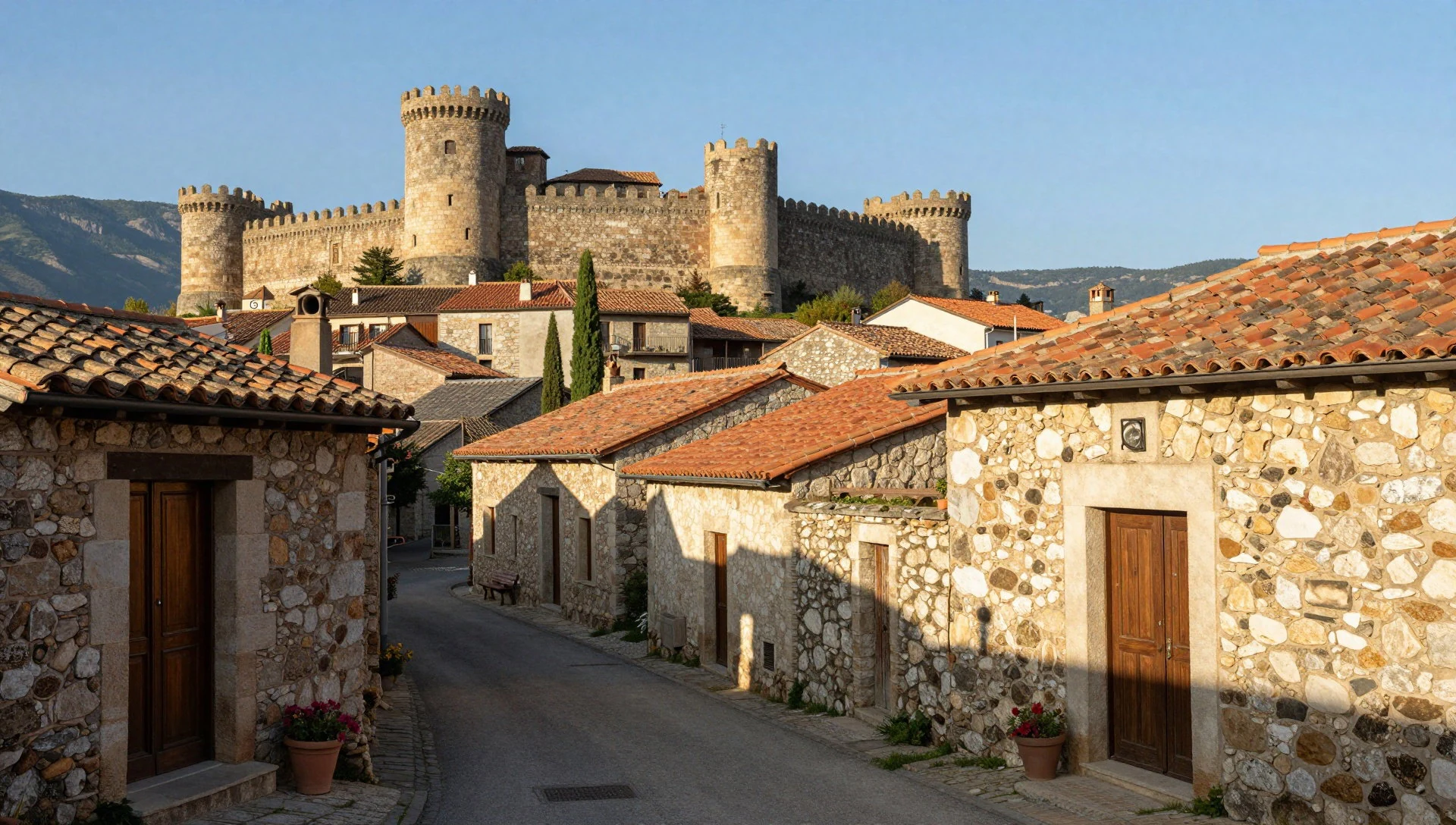
- Sierra de Guara and Ordesa — North and east of Loarre, towards the Pyrenees
For a second day, the wider region offers outdoor options. The Sierra de Guara is known for canyoning and hiking trails, with May often suggested as a good month for experienced canyoners. Further north, the Ordesa-Viñamala biosphere reserve and Monte Perdido on the French border suit longer mountain walks.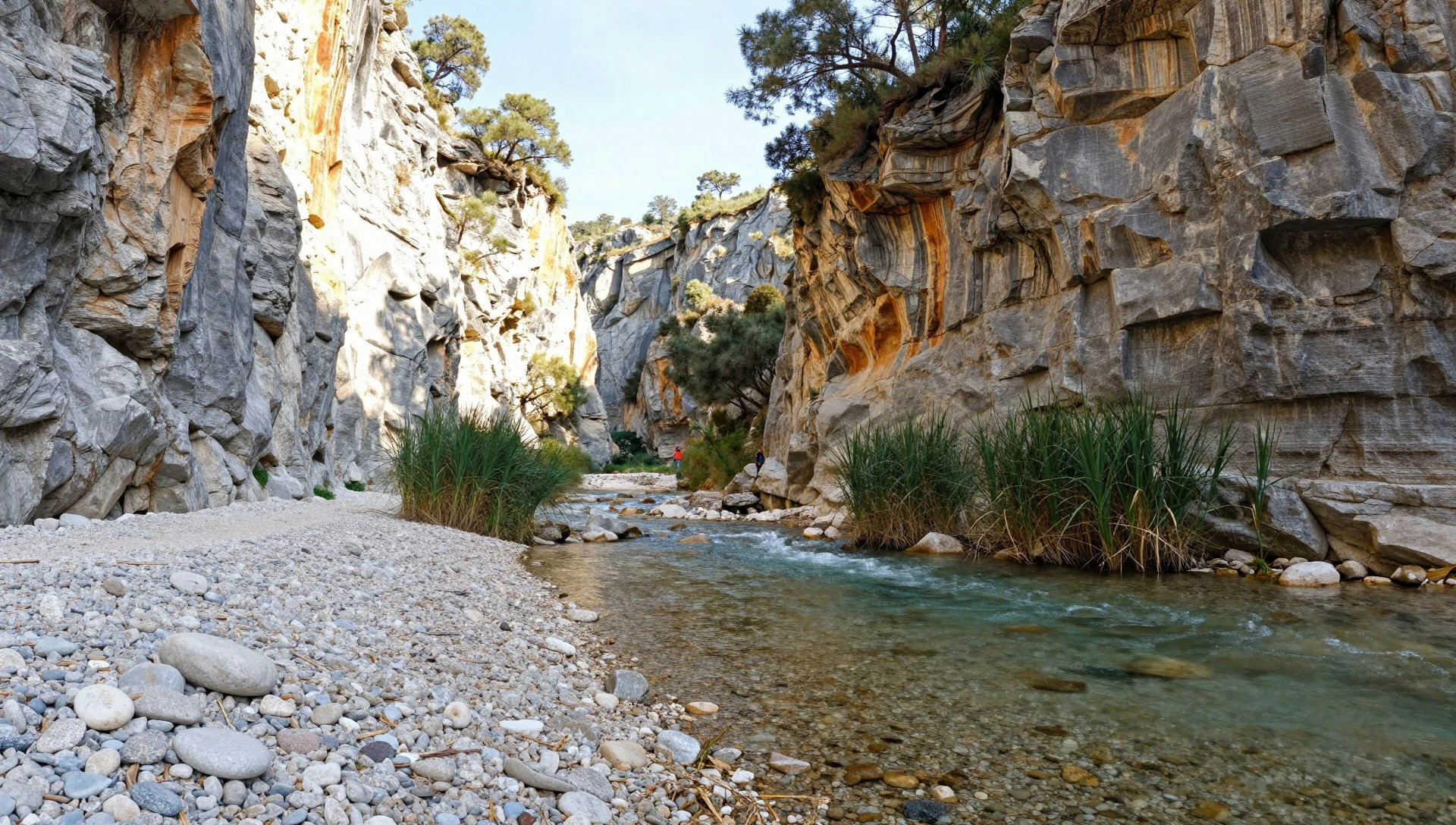
Culture
Loarre Castle belongs to the story of the Kingdom of Aragon, which grew into the Crown of Aragon and joined Castile through the marriage of Ferdinand and Isabel in the 15th century. Aragon once had its own language, Aragonese, and its own laws. Much of that faded over the centuries, though regional identity is still strongly felt and a few mountain valleys keep the language alive.
The castle's Romanesque style, with round arches, thick walls and sparing carved decoration, is part of a wider medieval tradition across the Pyrenean region that linked churches and monasteries on both sides of the mountains. The Augustinian canons who lived here add the religious layer, and the church remains the emotional centre of the site.
Daily life nearby follows the Spanish rhythm: a late lunch, a quiet early afternoon when many small shops close, and dinner after eight or nine in the evening. The jota, a fast folk song and dance, is the best-known Aragonese tradition, and it turns up at village fiestas, which are usually built around a patron saint, with processions, music and long shared meals. A midweek visit to the castle feels calmer than a weekend, when families and school groups fill the stairs.
Keep your voice low inside the church, stay off the walls and carved stone, and follow the marked route rather than stepping onto loose rock.
What to wear
Loarre Castle sits in a region with a strong folk-costume tradition, which is seen most clearly in jota dancing and at village fiestas. Traditional Aragonese dress for men typically includes a waistcoat, breeches, a sash at the waist, a headscarf and rope-soled alpargata shoes. Women wear full skirts, aprons and embroidered shawls. Wool, linen and cotton are common for everyday pieces, with silk and finer embroidery for festival wear. It is worn for fiestas, dance performances and parades rather than daily life.
In everyday life, people in Huesca province dress as in most of Spain: jeans, shirts, light jackets and trainers, with a little more care in the evening. Farm and outdoor work clothing is common in the villages, and walkers and climbers add bright technical gear on weekends.
For visitors, the main issues are terrain and weather. The castle floors are uneven and the stairs are steep and worn, so shoes with a good grip matter more than style. Bring layers: the stone interiors stay cool even on hot days, and the exposed walls can be windy. In summer add a hat, sunscreen and water. The church is a religious site, so shoulders and knees should be covered, and hats taken off inside.
What to eat
- Ternasco — Village and town restaurants around Huesca
Ternasco is young roast lamb, the dish most associated with Aragon. It is usually cooked simply, often with potatoes, and served in generous portions. Look for it on the menu at village restaurants in Huesca province, particularly at weekend lunch.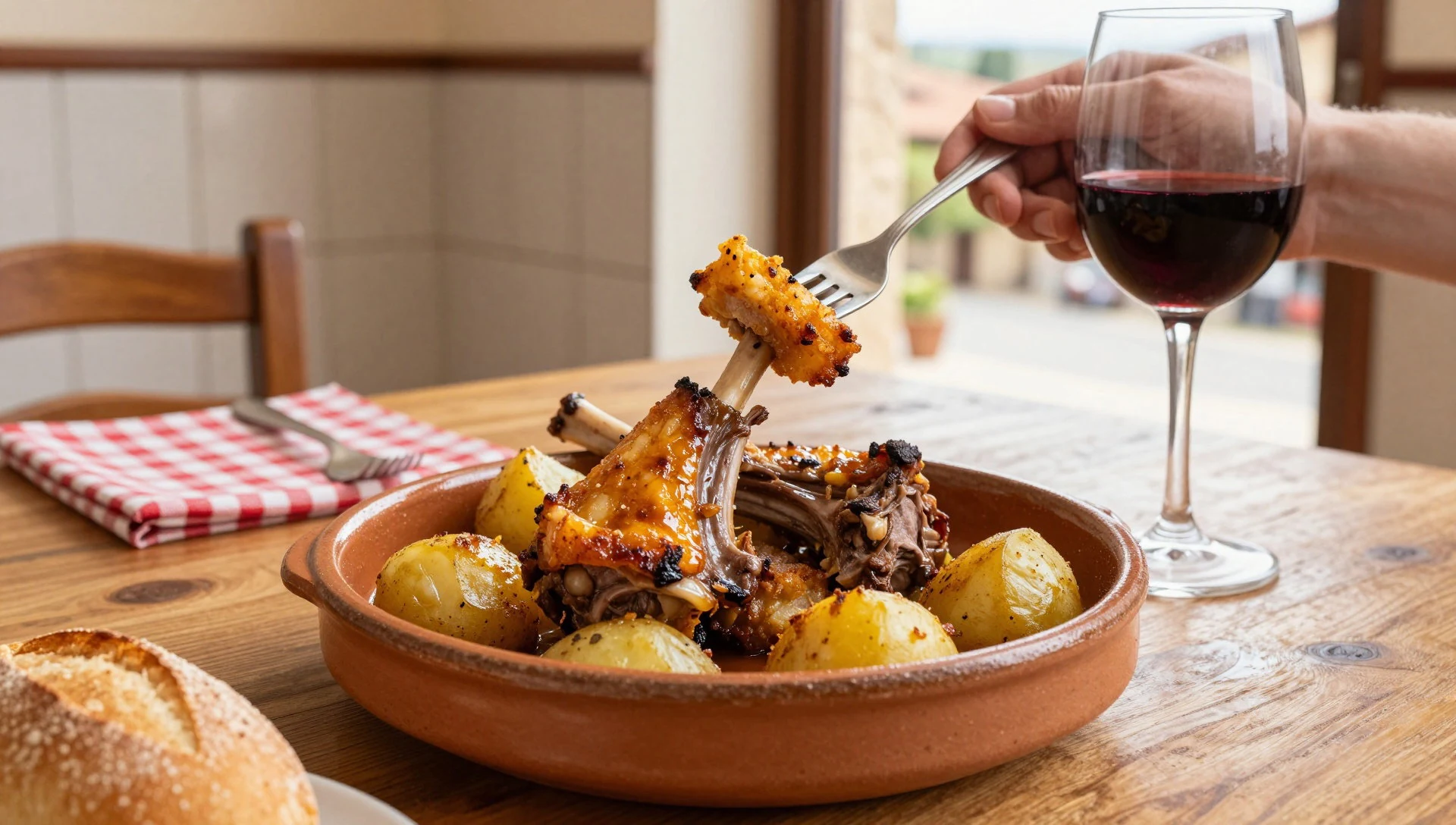
- Borraja — Restaurants serving traditional Aragonese cooking
Borraja, or borage, is a leafy vegetable that is a regional favourite. It is usually boiled and served with potatoes or in a simple dressing, and tastes mild and green. It makes a good lighter side beside heavier meat dishes.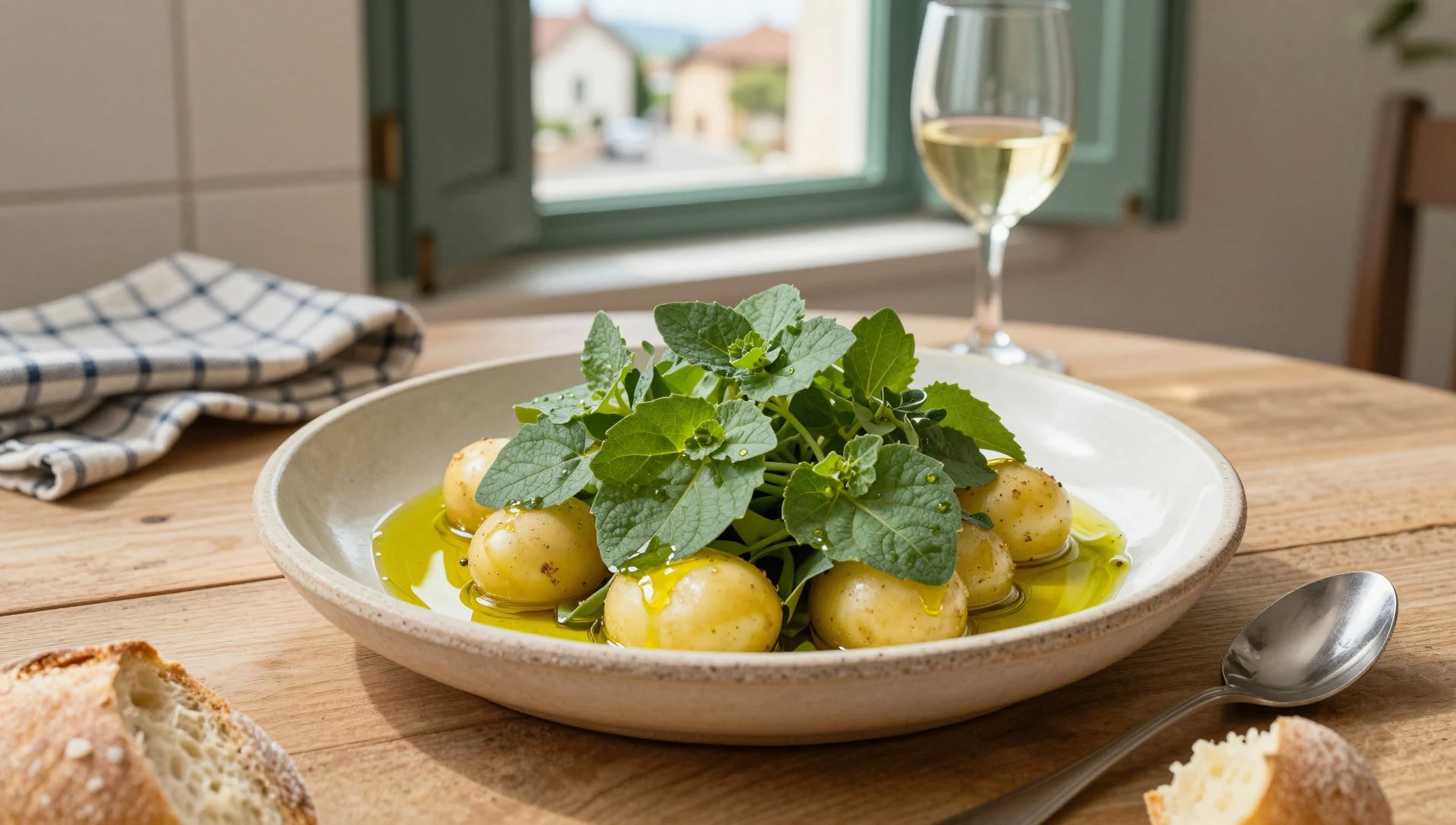
- Longaniza — Butchers, markets and bars in Huesca and Zaragoza
Longaniza is a long, thin pork sausage that is grilled or fried and eaten with bread or as part of a mixed plate. It is a standard picnic and tapas item in the region, and often sold by the length. - Trenza de Almudévar — Bakeries and pastry shops in Huesca
This sweet plaited pastry comes from Almudévar and is also associated with Huesca. It is soft and lightly sweet, good with coffee in the morning or as a snack before the climb up to the castle. - Frutas de Aragón — Confectioners and food shops in Huesca and Zaragoza
Frutas de Aragón are fruits that have been macerated and cooked until candied, then coated in chocolate. They are a regional sweet that travels well and makes a practical edible gift from the trip. - Somontano wine — Local bars, restaurants and wineries in the Somontano area
Somontano is one of several Aragonese wine regions, alongside Cariñena, Borja and Calatayud. Its vineyards lie in the foothills not far from Loarre, and local bars and restaurants pour it by the glass. Ask for a regional red or white with your meal.
Plan it
Best time. April–June and September–October for walking weather, with spring greener and autumn clearer; July and August can be hot on the exposed rock, and winter brings cold, wind and the chance of ice on the approach.
How long. 1–2
Getting there. Fly into Zaragoza (ZAZ), or into Madrid (MAD) or Barcelona (BCN) for more international connections. Zaragoza and Huesca are linked by road and rail, and the last leg to Loarre is easiest by hire car; check local bus options in advance.
Budget. low
Tips
- Check the official site, castillo-loarre.es, for opening times, tickets and booking before you set out
- Arrive early or on a weekday, as weekends and holidays can be crowded on the narrow stairs
- Wear shoes with a good grip, as the steps and floors are worn and uneven
- Carry water and a layer, since the castle is exposed and has little shelter
- Combine the visit with a night in Huesca or a hike in the Sierra de Guara
Etiquette
- Stay on the marked route and off the walls and carved stone
- Keep voices low in the church
- Take rubbish with you and do not climb on the ruins
Nearby
Sources
- Wikidata Q1049259 (CC0)
- Wikipedia: Castle of Loarre (rev 1365043640) (CC BY-SA 4.0)
- Wikivoyage: Aragon (rev 5381885) (CC BY-SA 4.0)
- Photo: Josue Mendivil, Castillo de Loarre 2 (CC BY-SA 2.0)
- Photo: Diego Delso, Loarre Castle, Loarre, Huesca, Spain (CC BY-SA 4.0)
- Photo: Daniel Feliciano, Castle of Loarre (CC BY-SA 2.5)
- Photo: Isidro Gil, Castillo de Loarre, vista general (cropped) (CC0 1.0)
- Photo: Isidro Gil, Castillo de Loarre, vista general (CC0 1.0)
- Photo: Saint-Saud, Aymard de, photographs of Catalonia, Aragon and others (Public domain)
- Photo: Castell de Loarre, cases dels voltants i pont sobre el riu (Public domain)
- Photo: Castell de Loarre (Public domain)


