Livorno
Livorno, Italy
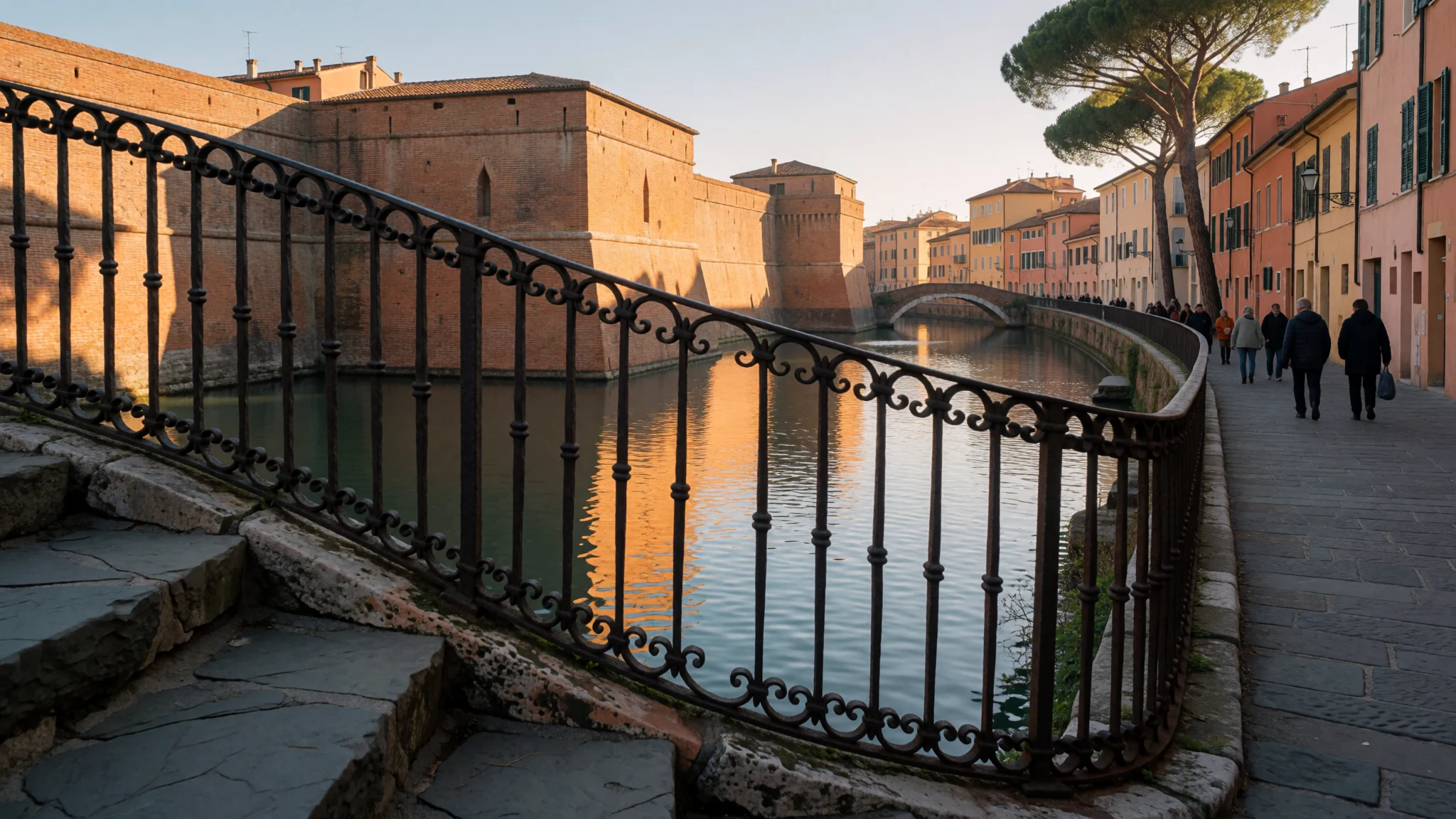
Livorno offers a breezy Tuscan coastal retreat defined by fortified harbour canals, centuries of maritime heritage, and a legendary seafood culture.
The place
Livorno sits along the Tyrrhenian coast as Tuscany's primary seaport, anchored by a vast harbour system and grid-like coastal quarters. Founded in 1577, the city was conceived during the Renaissance as a planned maritime hub, laid out with broad defensive ditches, imposing bastions, and sea-level channels designed for naval supply and merchant traffic. Unlike the hill towns inland, Livorno presents a working waterfront character where cargo docks, ferry terminals, and fishing skiffs meet historic neighbourhoods.
At the heart of the city lies the Venezia Nuova quarter, where brick bridges span narrow waterways bordered by tall pastel townhouses and vaulted storehouses. Canals cut directly through the urban core, connecting the old inner port with residential streets. Maritime squares open onto the water, offering wide promenades along the sea wall where coastal breezes temper the summer heat. The city balances its heritage as a busy trade port with quiet residential streets, grand neoclassical façades, and expansive waterside plazas.
Life in Livorno revolves around the water, from the daily activity at the central markets to evening strolls along the coastal esplanade. The town retains a distinctive identity within Tuscany, defined by its working docklands, airy open plazas, and deep connections to seafaring commerce rather than rural vineyards or medieval wall towers.
Its story
Livorno began as a modest fishing village along the Etruscan and Roman coastline, tucked behind natural protective coves near ancient sea lanes. Coastal watchtowers guarded the shore, while nearby settlements relied on coastal beacons to direct passing galleys into nearby anchorages. During the medieval era, regional powers recognised the strategic value of the shoreline, leading to the construction of coastal towers and defensive fortifications around the small harbour.
Control of the port shifted between rival city-states across the centuries, passing from Lucca and Pisa to Genoa before Florence acquired the settlement. Under Medici stewardship starting in 1577, Livorno transformed from a fortified outpost into a master-planned ideal harbour town. The ruling grand dukes expanded the port facilities, commissioned massive defensive walls, and cut a network of urban canals to facilitate trade. To attract global commerce, broad charter laws were enacted, granting sanctuary, commercial rights, and religious freedom to merchants, scholars, and political refugees from across Europe and the Mediterranean basin.
This open policy drew diverse merchant communities, turning the port into a thriving cosmopolitan enclave filled with foreign trading houses, diplomatic consulates, and varied houses of worship. As merchant fleets filled the harbour with grain, timber, and spices, Livorno grew into a vital maritime gateway for central Italy, leaving a legacy of architectural diversity and independent civic pride that endures across its historic quays.
What to see
- Fortezza Nuova — Venezia Nuova
Built by the ruling Medici family to reinforce coastal defences, this massive polygon-shaped brick fortress stands surrounded by water channels. Stone ramparts offer expansive views over the surrounding canals and town quarters, while public park grounds inside the curtain walls host shaded paths and open lawns. - Venezia Nuova Quarter — City Centre
This atmospheric district features historic grid canals, arched stone bridges, and multi-storey merchant warehouses that step down directly to the water. Built to accommodate maritime trade, the area retains its historic character, making it ideal for walking along water channels and exploring waterside squares. - Fortezza Vecchia — Port District
Standing at the edge of the historic harbour, this coastal fortress incorporates medieval watchtowers and Renaissance bastions built to protect the sea gates. Visitors can explore elevated stone walkways and climb historic towers that provide panoramic views across the busy docks and out toward the Tyrrhenian Sea.
- Chiesa di Santa Caterina — Venezia Nuova
Located in the canal district, this striking octagonal baroque church features an imposing dome that dominates the skyline. Inside, high vaulted ceilings, refined marble altars, and quiet chapels highlight the artistic patronage and civic investments that shaped Livorno during its peak maritime era.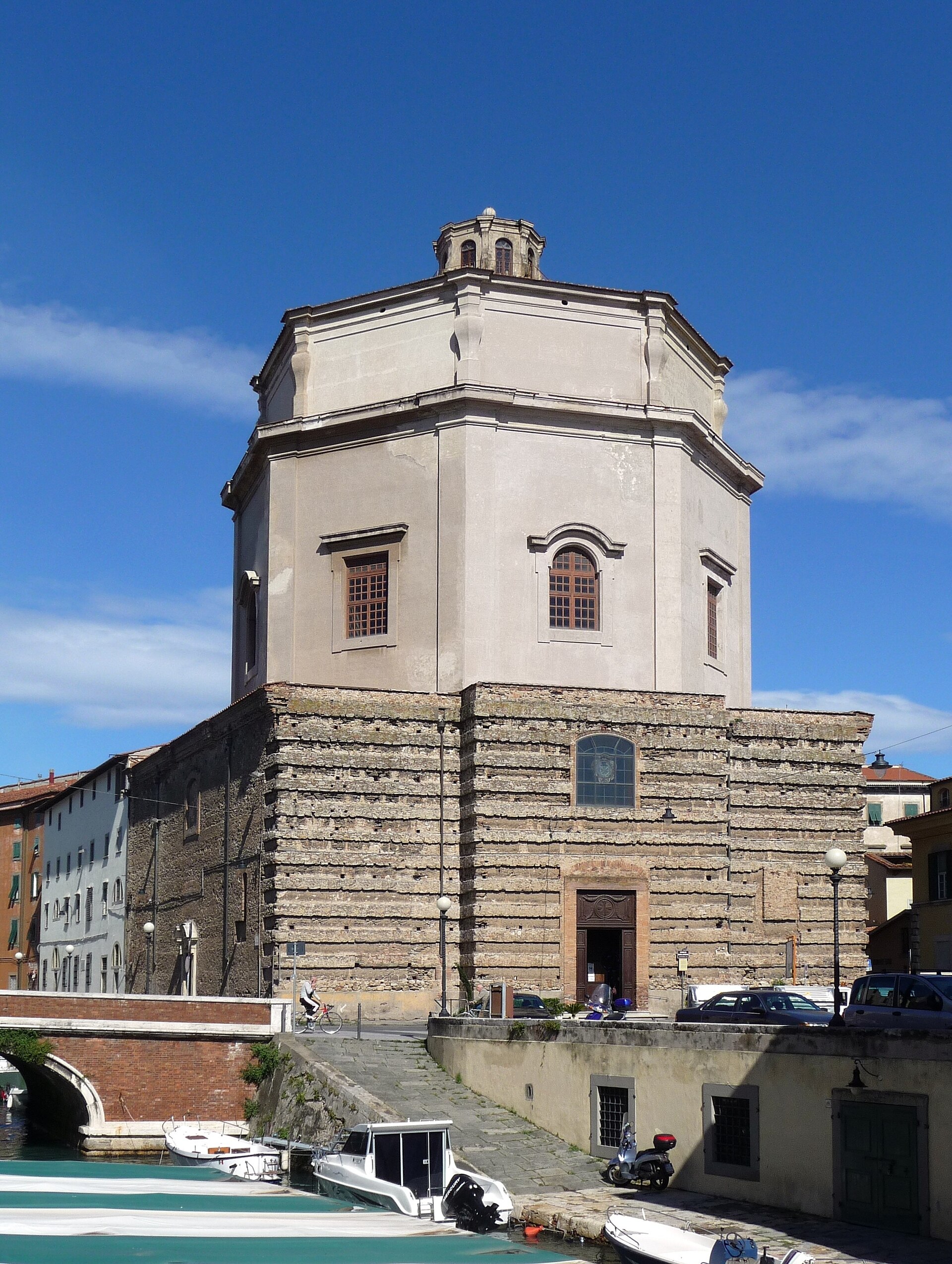
- Funicolare di Montenero — Montenero
This historic funicular railway carries passengers up the steep hillside to the sanctuary of Montenero overlooking the sea. Operating along a sloping track, the cable line provides a scenic ascent with views sweeping across the coastline, urban rooftops, and surrounding Tuscan hillsides.
Culture
Livorno carries a distinct maritime culture shaped by centuries of open port trade and an influx of international merchant communities. Unlike many Tuscan towns dominated by inland agricultural traditions, civic life here has long focused on the waterfront, sea trade, and communal gatherings in public squares. This open heritage created a relaxed, pragmatic atmosphere where direct conversation, local satire, and strong maritime pride define daily interactions across docks and residential districts.
Community activity centres around neighbourhood food markets, coastal promenades, and traditional rowing clubs that train along the canal network. Local festivals often feature boat races between historic city quarters, drawing residents to the water edge to cheer on their district crews. The city takes great pride in its working-class culinary traditions and informal social hubs, where morning espresso and late-afternoon gatherings along the sea wall form the rhythm of everyday life.
When visiting churches or historic religious sites in Livorno, cover your shoulders and knees out of respect for active worship spaces.
What to wear
Livorno reflects coastal Tuscan sartorial traditions historically influenced by seafaring trades and maritime wear. Traditional attire included sturdy canvas jackets, heavy woollen caps, and dense linen shirts worn by dock workers and sailors to withstand sea spray and damp winds. Woollen fabrics dyed in navy and earth tones dominated coastal working garments, while lightweight linen was favoured for warm summer seasons.
Today, residents dress in a relaxed yet refined Italian casual style suited to a Mediterranean port city. Tailored cotton trousers, breathable shirts, light knitwear, and leather shoes or sleek sneakers are common for daily errands and evening strolls along the water. Warm summer months see lightweight fabrics like linen and cotton dresses, though locals maintain neat, put-together attire even in warm weather.
Visitors to Livorno should pack lightweight, breathable clothing for hot summer days, along with a light jacket or sweater for cool sea breezes during spring and autumn evenings. Comfortable flat walking shoes or sturdy sandals are essential for navigating cobble streets, stone bridge steps, and harbour walkways. Bring a light scarf or shawl to cover shoulders when entering active churches or religious sites.
What to eat
- Cacciucco — traditional harbour taverns and canal-side trattorias
This hearty Tuscan fish stew combines multiple catches of the day simmered in a rich tomato, garlic, and red wine broth. Served over toasted country bread rubbed with fresh garlic, it remains Livorno's signature coastal dish. - Riso Nero — seafood eateries in the Venezia district
A classic coastal risotto cooked with tender cuttlefish and darkened with natural squid ink. The rich, savoury dish features creamy arborio rice infused with deep ocean flavours and aromatic garlic. - Ponce alla Livornese — historic coffee bars around public squares
A warming digestif drink created by warming rum, sugar, and lemon peel before pulling a shot of dark espresso over the hot mixture. It is traditionally enjoyed after meals as a coastal digestive. - Torta di Ceci — neighbourhood bakeries and street food shops
A thin, savoury pancake made from chickpea flour, water, olive oil, and sea salt, baked in copper pans until crisp outside and creamy within. It is often eaten warm inside soft focaccia.
Plan it
Best time. April to June and September to October offer pleasant weather and comfortable sightseeing; July and August can be hot and humid, while winter brings cooler rain.
How long. 2–3
Getting there. Fly into Pisa International Airport, then take a short 15-minute train ride directly to Livorno; frequent direct rail services also run from Florence in about 80 minutes.
Budget. mid
Tips
- Explore the Venezia Nuova canal quarter on foot early in the morning before daytime temperatures rise.
- Check official transport and museum websites in advance for updated seasonal opening schedules.
- Carry cash for small purchases at local food stalls and harbour cafes.
- Book ferry connections early if planning day trips to nearby Tuscan islands during summer.
Etiquette
- Cover shoulders and knees when visiting churches and active places of worship.
- Greet shopkeepers with a polite buongiorno or buonasera upon entering.
Nearby
Sources
- Wikidata Q6761 (CC0)
- Wikipedia (rev 1383132592) (CC BY-SA 4.0)
- Wikivoyage (rev 5410117) (CC BY-SA 4.0)
- Photo 01-livorno-dall-aereo-1.jpg (CC BY 3.0)
- Photo 02-livorno-veduta-aerea-2015.jpg (CC BY-SA 4.0)
- Photo 03-livorno-map-17th-century.jpg (Public domain)
- Photo 04-chiesa-santa-caterina-livorno.jpg (CC BY 3.0)
- Photo 05-livorno-map-of-the-town-1849-by-guesdon-01.jpg (Public domain)
- Photo 06-chiesa-di-s-gregorio-a-livorno.jpg (CC BY 3.0)
- Photo 07-livorno-panorama-dalla-fortezza-vecchia.jpg (CC BY 3.0)
- Photo 08-livorno-aquarium-diacinto-cestoni-01-chesi.jpg (CC BY 3.0)


