Lijiang
Lijiang, People's Republic of China
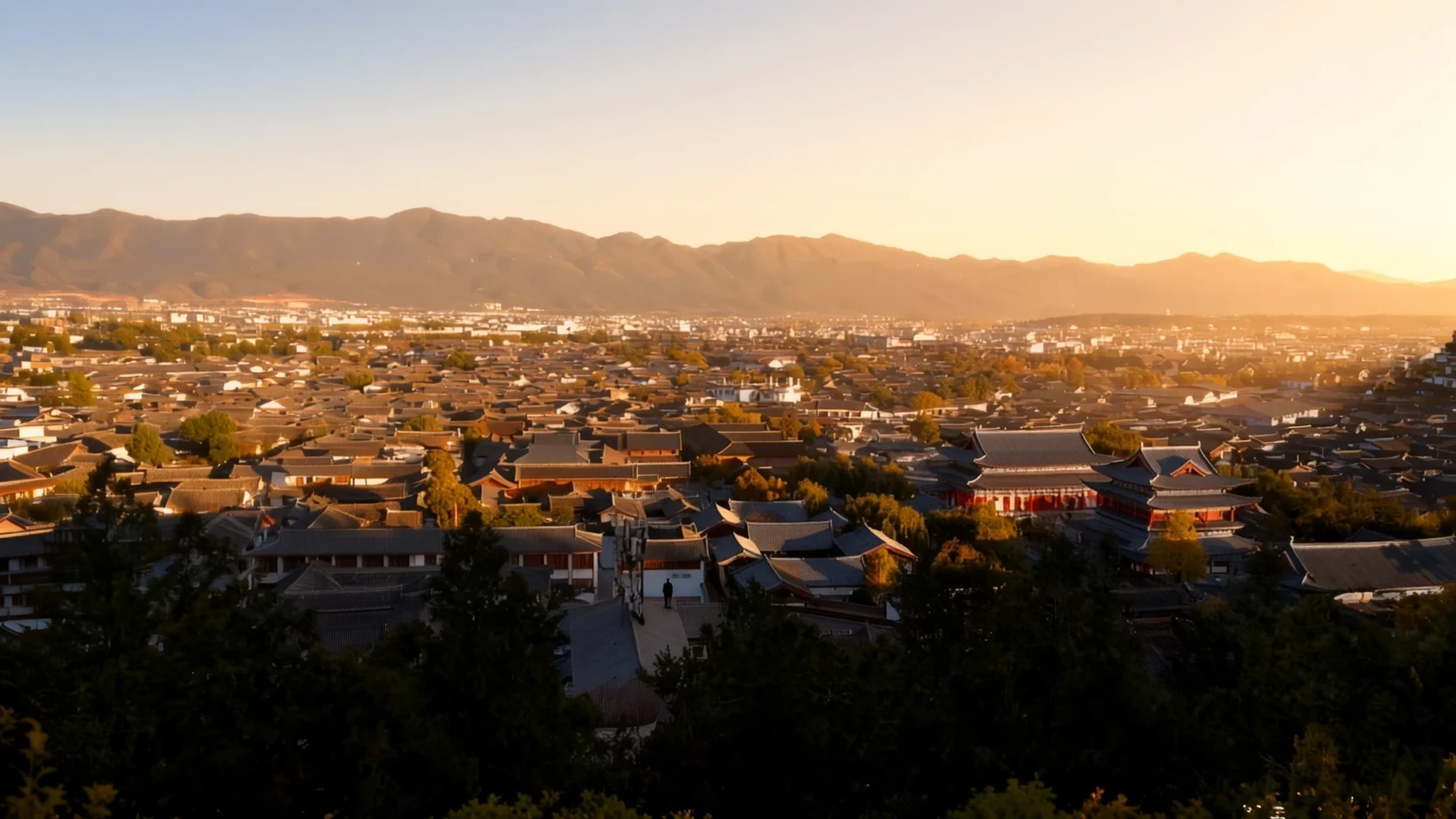
Lijiang is a high, cool Yunnan city where a UNESCO-listed old town of canals and timber houses sits beneath snowy peaks.
The place
Lijiang is a prefecture-level city in the north-west of Yunnan Province in south-western China, and most visitors know it through its old town. The city sits at about 2,400 metres on the Yungui Plateau, so the air is thin and the nights are cool, even though the latitude is low. The city has about 1.25 million people, but the old town feels far smaller: a maze of stone-paved lanes, timber houses and channels that carry mountain water along the streets.
The old town is a working place rather than a museum piece. Shopkeepers, guesthouse owners and restaurant staff often live above their businesses, and in the evenings the central square fills with people. Beyond the lanes the wider prefecture has much more to offer. Jade Dragon Snow Mountain rises to the north, the Black Dragon Pool sits at its foot, and the Jinsha River carves the Tiger Leaping Gorge further away. The region is home to 22 ethnic minority groups alongside the Han majority, and the Naxi are the most visible in town.
Expect crowds in the old town from late morning until late evening, and expect lane prices to reflect the tourist trade. Three or four days is a comfortable stay, with one day for the mountain and another for the gorge.
Its story
Lijiang's history reaches back a long way. Cave paintings in the Jinsha River valley, together with Neolithic stone tools and later bronze and iron objects, suggest the area was an important centre of early human activity in south-western China. The recorded past is more tangled, because the land passed between states and kingdoms that each drew their borders differently.
In the centuries before the common era the area lay on the edges of several polities. Under the Han it belonged to a commandery, and later it came under Tibetan influence and then the Nanzhao kingdom. The Naxi people moved into the region during the Northern and Southern dynasties period, and they built a political and cultural centre at Baisha, just north of the present old town. For centuries Baisha was the hub for the Naxi and other groups who lived there.
Later, the Mu family governed the area for generations and moved the seat of power to the valley where the modern town now stands. Their palace complex climbs the hill behind it and remains the best place to grasp that period. The old town's water system, with its channels running beside the lanes, belongs to this long settlement, and it is one reason the town has held together so well through its many changes of rule.
What to see
- Old Town of Lijiang — Gucheng district, old town
Walk the old town early, before the tour groups arrive, when the canals run clear and shopkeepers are sweeping their doorsteps. The central square, Si Fang Jie, is the heart of the place, and in the evening locals gather there to dance around a bonfire, which is worth staying for. If you can, sleep in a guesthouse inside the walls, because taxis cannot enter the gates and you will carry your bags the last stretch.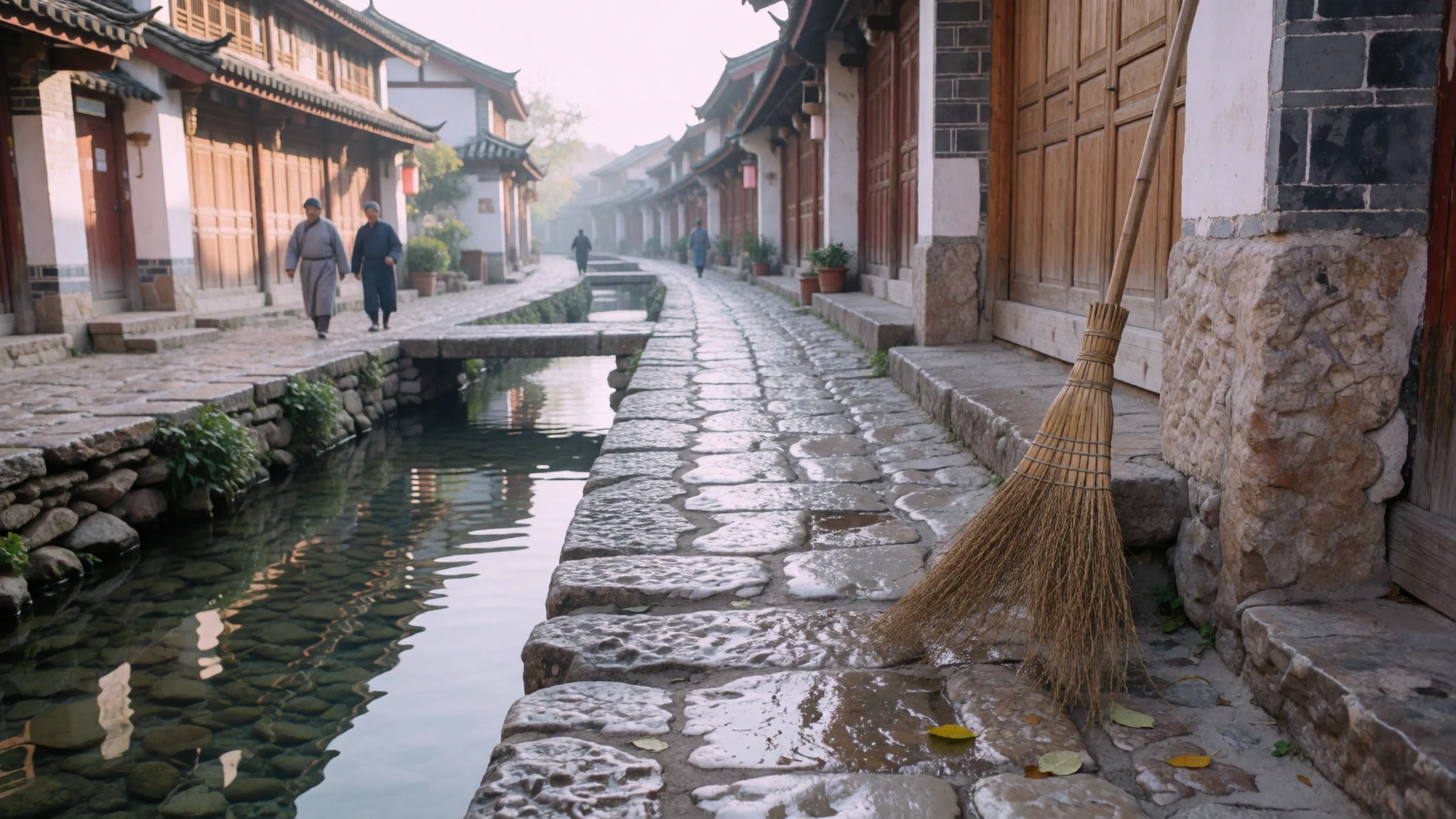
- Mu Palace — Old town, north-west edge
The Mu Palace was the residence of the Mu family, who governed the area for generations on behalf of the Naxi. The complex climbs part way up the hill behind it, so the upper courtyards give the best view back over the rooftops. Allow a couple of hours and wear shoes with good grip, because some of the steps are steep and uneven.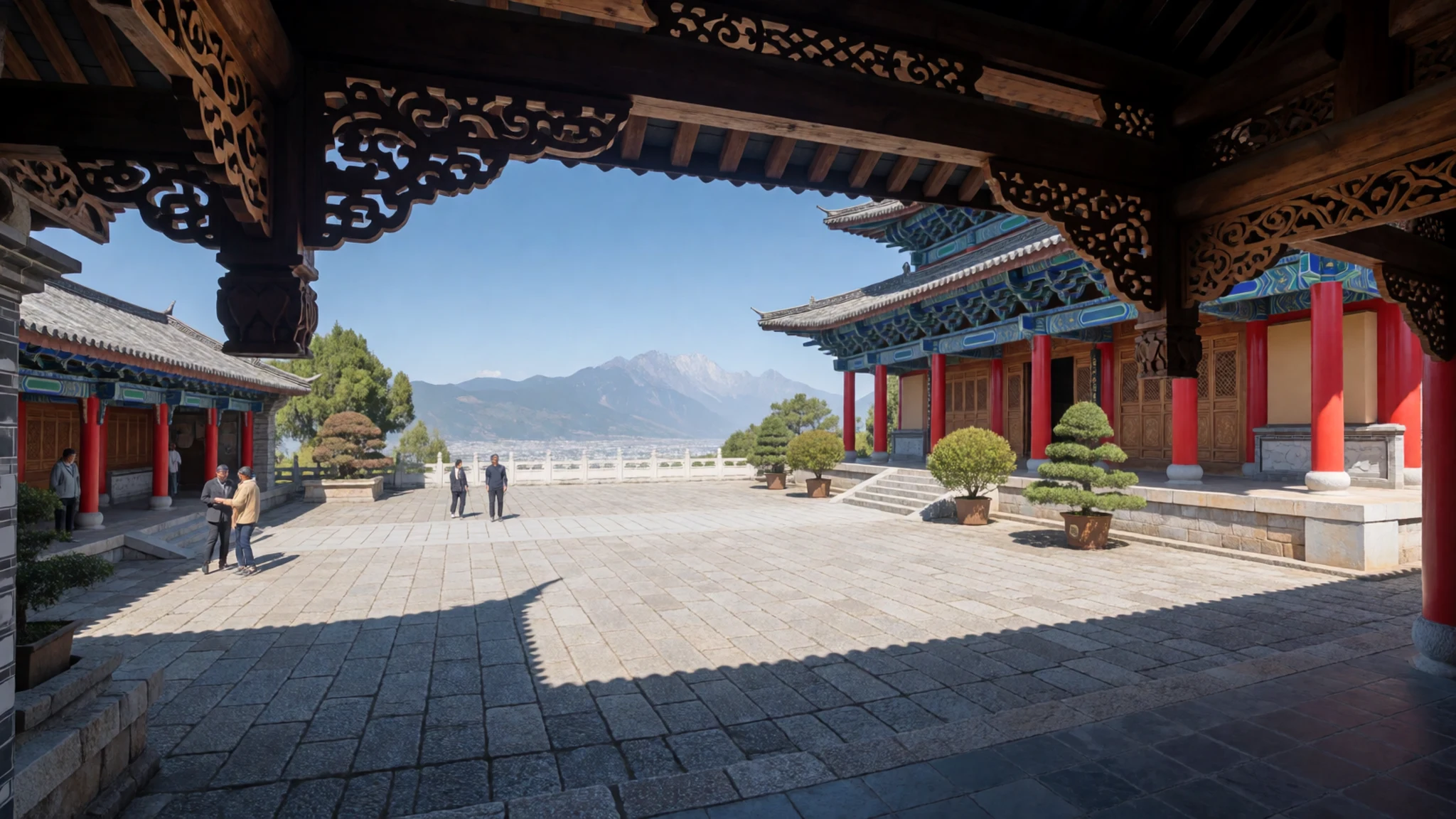
- Black Dragon Pool — North of the old town, at the foot of Jade Dragon Mountain
Heilong Tan, the Black Dragon Pool, is a park of still water, willows and traditional pavilions set against the snow peaks of Jade Dragon Mountain. Stand on the central bridge for the classic view, and come early, because the mountain is clearest before cloud builds in the afternoon. It is a short taxi ride north of the old town.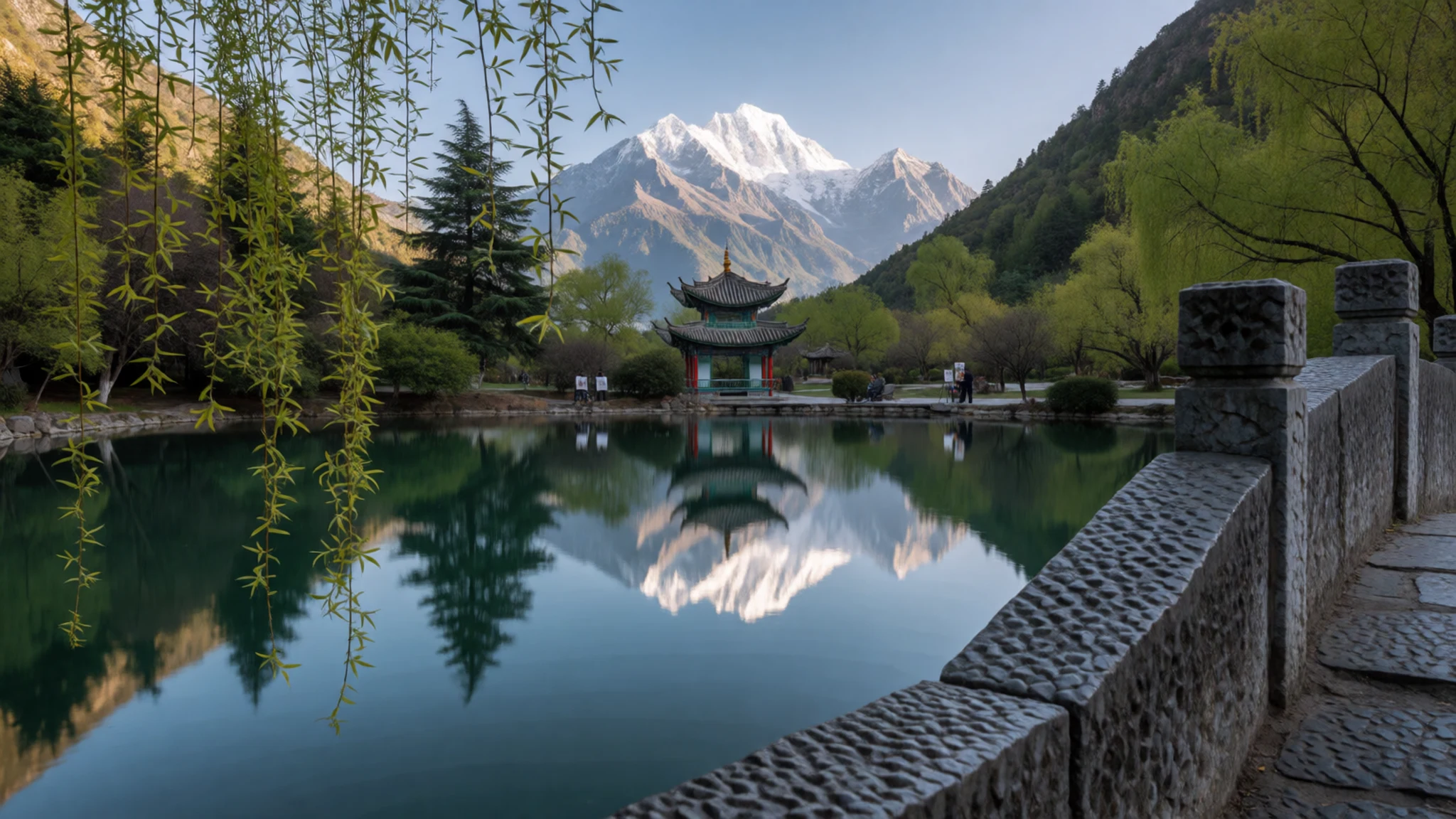
- Dongba Cultural Museum — Old town, near the Black Dragon Pool road
This small museum is devoted to the Dongba religion, the tradition of Naxi priests who recorded their rituals in pictographic script. It is compact, so an hour is enough, but it helps you make sense of the painted manuscripts and ritual objects you will see in shops around the old town. Look for the way Dongba belief absorbs elements of other Chinese traditions.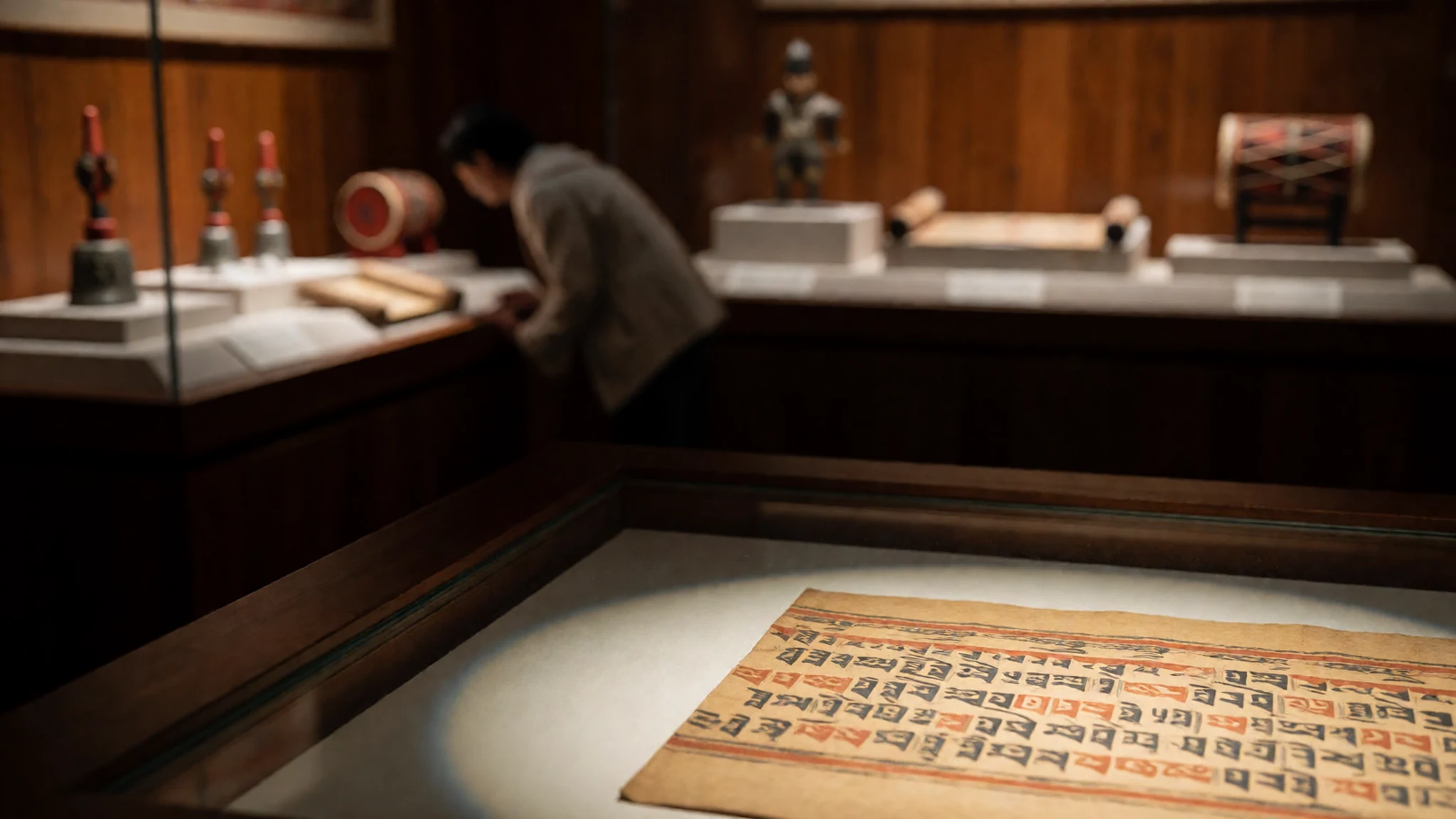
- Shuhe Old Town — Shuhe, north of Lijiang city
Shuhe is the quieter alternative: a smaller old town to the north with fewer shops and more of the feel of a working village. The Old Tea Horse Road Museum is its main attraction, and horse rides around the town are popular with families. Go in the morning, and check your return transport before you set off, because services can thin out in the afternoon.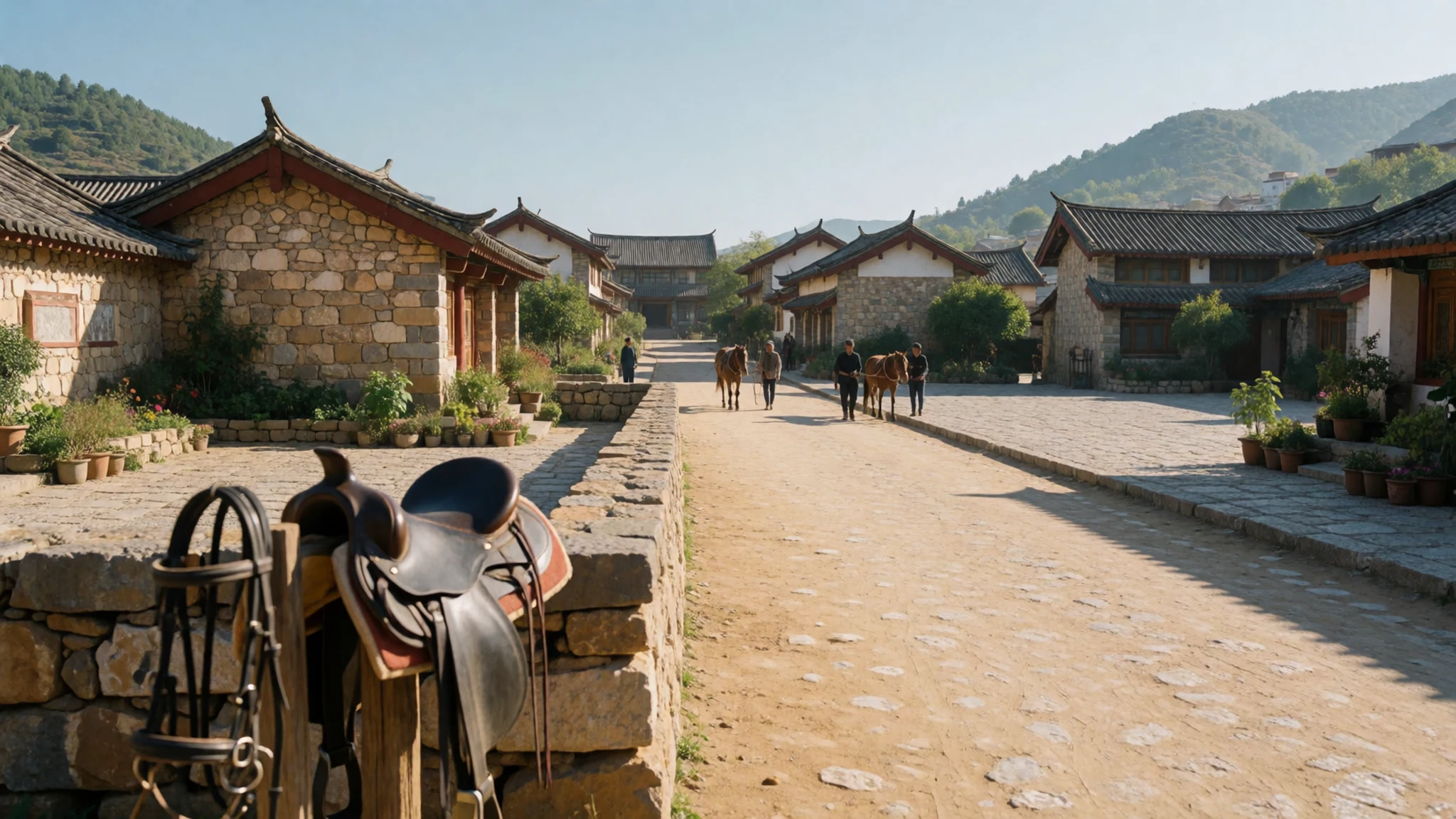
Culture
Lijiang's Naxi heritage shows in daily life: in the Dongba tradition, in the Naxi language spoken in homes, and in the family courtyards tucked behind the old town's main lanes. Many residents are proud of their culture, and tourism is central to the local economy, so visitors are generally welcome. Still, the old town is a living community rather than a stage set, and households and temples keep their own rhythms.
Food is a good way in. Black goat hot pot is sold throughout the streets and alleys, and Naxi roast pork has crisp skin and rich meat. Local salmon is raised in snowmelt-fed rivers, so it is a freshwater fish rather than the sea variety. The old town grows loud in the evenings with music and bars, so expect noise until late and choose your guesthouse with that in mind.
Ask before photographing people in their homes, at ritual spaces, or among the dancers in Si Fang Jie, and keep your voice low inside temples and museums.
What to wear
In Lijiang, the traditional dress of Naxi women is the most recognisable textile tradition. It is built around a dark blue or black cloth robe worn with a sheepskin cape, with the cape traditionally decorated with embroidered patterns. The cloth is usually cotton or hemp, dyed and woven by hand, and the outfit is worn for festivals, ceremonies and performances, and by older women in their everyday routines.
What people wear now is largely modern clothing, with the traditional dress reserved for special occasions and for dancers and staff at cultural shows. In the old town you will see plenty of tourists in layers, and a few locals in everyday outfits with a touch of the older style, such as a blue headscarf or an embroidered sash. The look is practical rather than decorative.
For a visit, dress in layers. Days can be warm and sunny at altitude, but evenings and winter mornings are cold, so bring a warm jacket. The sun is strong, so pack a hat and sunscreen. Wear shoes with good grip for the old town's stone lanes, which can be slippery after rain. At temples, cover shoulders and knees, and choose slip-on shoes, because you will often take them off at a threshold.
What to eat
- Black goat hot pot — Side lanes and alleys of the old town
A simmering broth of black goat, often with herbs and vegetables, is one of the most common dishes in the old town. Eat it in a hot pot restaurant on a side lane, where the broth is shared at the table and the meat is cooked in front of you. It is rich, so order a plate of greens alongside.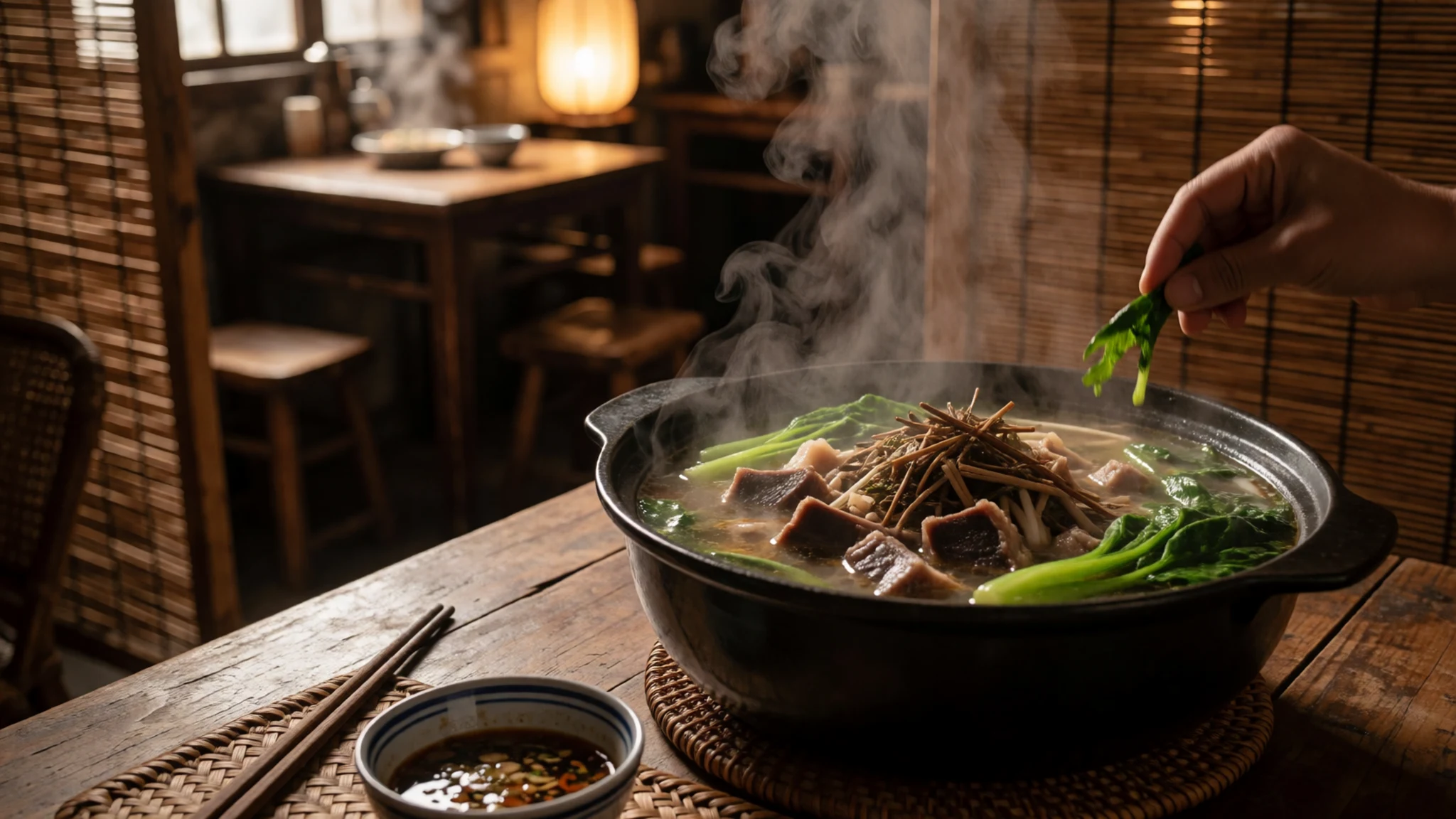
- Naxi roast pork — Naxi restaurants in the old town
Pork belly is roasted until the skin turns crisp and the meat stays tender, and it is the signature Naxi dish for many visitors. Look for it in restaurants that call themselves Naxi, especially those with a courtyard seating area in the old town.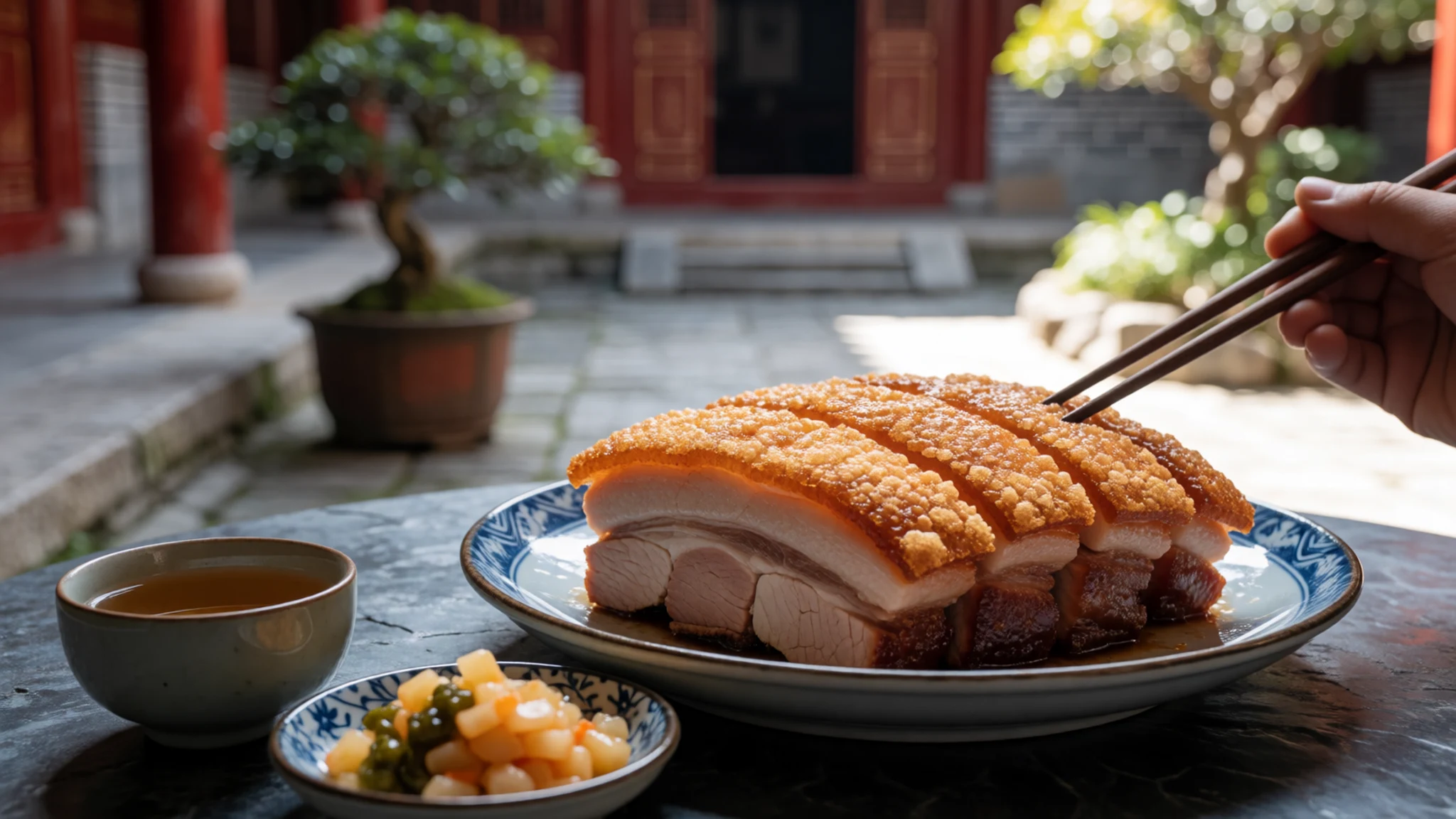
- Cured rib hot pot — Xiangshan Market
Cured pork ribs are simmered in a hot pot that locals treat as a comfort meal. Several vendors sell it at the Xiangshan Market, which is the best place to see the ingredients and talk to the stallholders about what they are cooking. - Chicken pea jelly salad — Morning market stalls and small street eateries
Ground legume flour is set into a firm jelly or cut into noodles, then sauced and served cold or stir-fried. It is a light, savoury dish that works well as a starter, and it is a good way to see how the region uses simple ingredients. - Lijiang baba — Street vendors around the old town square
This golden, crisp snack is fragrant and keeps its texture well, so vendors sell it to take away. It is a good daytime snack while you walk the lanes, and it makes a practical gift to carry home.
Plan it
Best time. March to May, when the days are dry and sunny before the rains, and October to November, when autumn clears the sky again. The rainy season runs from late May to September, with most of the year's rain falling then. January is the coolest month, so bring warm layers if you visit in winter.
How long. 3–4
Getting there. Fly into Lijiang Sanyi Airport, which connects to several large Chinese cities, then take a taxi to the old town. Taxis cannot enter the old town gates, so the final stretch is on foot.
Budget. mid
Tips
- Book a guesthouse inside the old town early for high season, and confirm whether it is reachable on foot
- Visit the old town early in the morning, before the tour groups arrive
- Carry cash for small stalls and taxis, and check that cards are accepted before ordering
- Carry water and sun protection, as the sun is strong at altitude
- If you are coming from sea level, take the first day slowly to adjust
Etiquette
- Ask before photographing people, especially at home, in ritual spaces or among dancers
- Remove shoes where you see a step up at temples and in some houses
- Keep noise low around temples and museums, even in the busy evenings
Nearby
Sources
- Wikidata Q205914 (CC0)
- Wikipedia: Lijiang (rev 1381568768) (CC BY-SA 4.0)
- Wikivoyage: Lijiang (rev 5409136) (CC BY-SA 4.0)
- Lijiang-canales-l02.jpg, Unknown author (CC BY-SA 2.1 es)
- Black Dragon 5496141333, Miltos Gikas (CC BY 2.5)
- 56040-Lijiang, xiquinhosilva (CC BY 2.5)
- Jinsha River Valley, Yunnan, Rod Waddington (CC BY-SA 2.0)
- Lijiang old town panorama 2012, chensiyuan (CC BY-SA 2.0)
- Tiger Leaping Gorge from above, August 2018, Jason Zhang (CC BY 3.0)
- 风景如画的白水河, Caihm (panoramio) (CC BY 3.0)
- Yulong, Lijiang - China, Chensiyuan (CC BY-SA 4.0)


