Lena Pillars
Lena Pillars, Russia
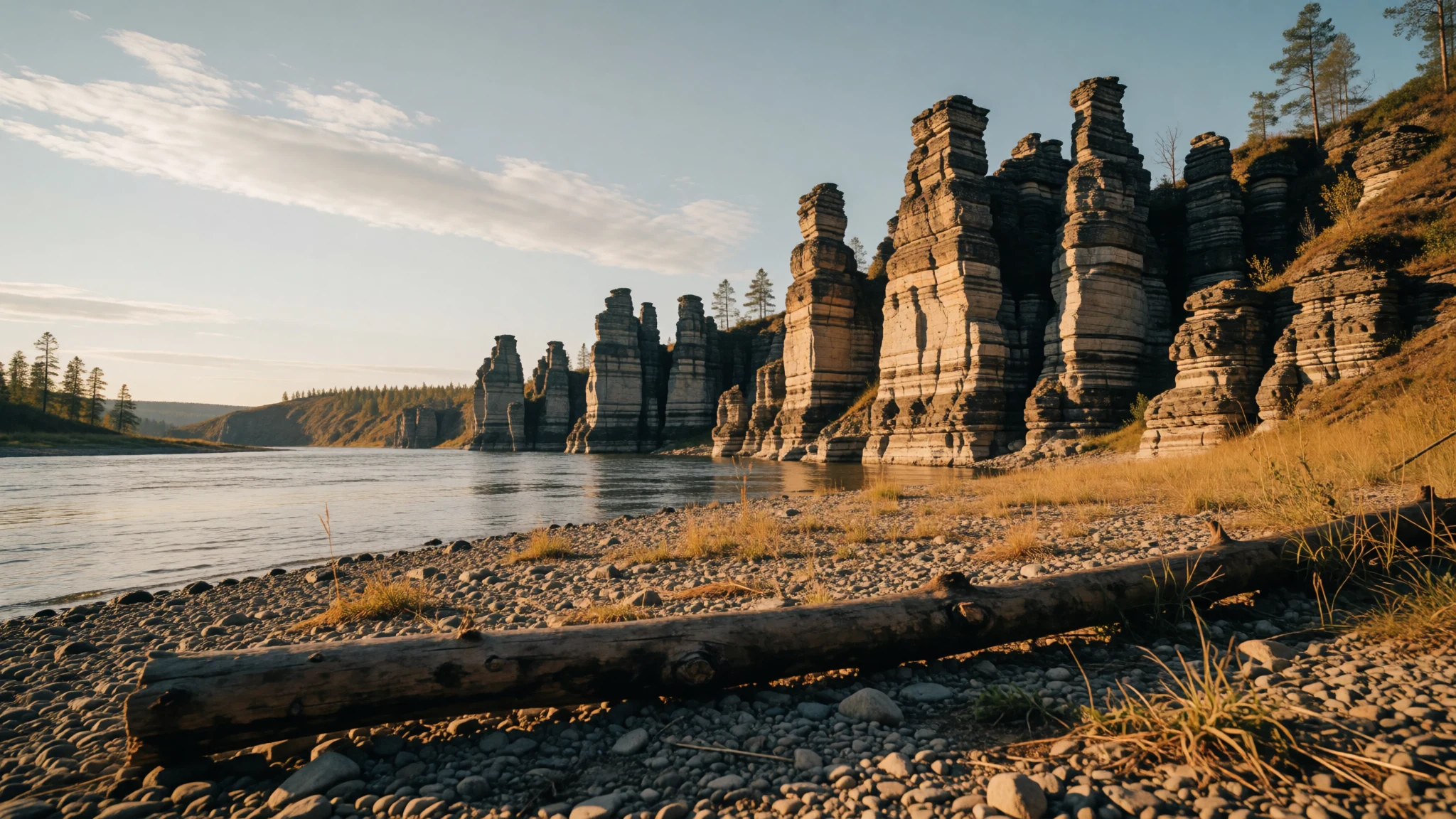
Lena Pillars is a rugged river landscape where layered rock rises in dense clusters, shaped by cold Siberian weather over deep time.
The place
Lena Pillars (Ле́нские столбы́, Lenskiye Stolby) is a protected natural area in far eastern Siberia, built around striking rock formations on the Lena River. It’s the kind of place where geography does the storytelling: the “pillars” are steep, jagged outcrops made from alternating layers of limestone, marlstone, dolomite and slate. Over long ages, erosion and the river’s changing conditions have carved them into an irregular forest of stone along the bank.
The densest concentration sits between the villages of Petrovskoye and Tit-Ary, so most itineraries aim to spend time in that stretch—either from viewpoints close to the water or by watching the river scenery slide past. The park is also recognised internationally (it’s on the World Heritage List), which helps explain the steady stream of visitors in summer even though the region itself has limited infrastructure.
What it feels like in practice is simple: a lot of open sky, big distances, and weather that can change your plans quickly. In summer it can still be brisk near the river, while winter turns the whole landscape into a different world—hard cold, quiet routes, and practical limits on time outside.
Lena Pillars is not a “walk in the city and pick a café” trip. It’s more like a nature journey: remote, seasonal, and best enjoyed at a slower pace, with the right layers, good footwear, and patience for logistics.
Its story
Lena Pillars tells a geologist’s story, but you don’t need technical language to feel it. On the Lena River, the stone doesn’t look like a single wall; it looks assembled from layers—horizontal bands interrupted by vertical fractures and uneven weathering. The result is a rugged skyline close to the waterline, where light and shadow make the contours look sharper in some places and softer in others.
Most visitors experience the area through a combination of viewpoints and river time. When you’re on or near the river, the formations seem to “move” because your perspective changes with every bend. Standing still near the bank, the scale hits differently: the rocks rise abruptly from the river valley, and the density of outcrops between Petrovskoye and Tit-Ary makes the stone feel almost continuous.
There’s also a sense of working with the land’s calendar. Siberia’s continental climate is extreme in both directions, and the Lena River route is very much about season and temperature. In winter, the landscape is harsh and the day’s usable hours shrink; in warmer months, river travel and daytime wandering become practical, but you still need to be ready for cool air, wind, and sudden clouds.
Lena Pillars became a World Heritage site in 2012, but the best souvenir isn’t a stamp—it’s the memory of how the river corridor concentrates so many different textures of rock into one dramatic strip of shoreline.
What to see
- Main riverbank outcrops
Lena Pillars is anchored by stone formations along the Lena River, where layered rock has been weathered into rugged outcrops. The best-looking areas cluster between Petrovskoye and Tit-Ary, so many visits focus on that segment.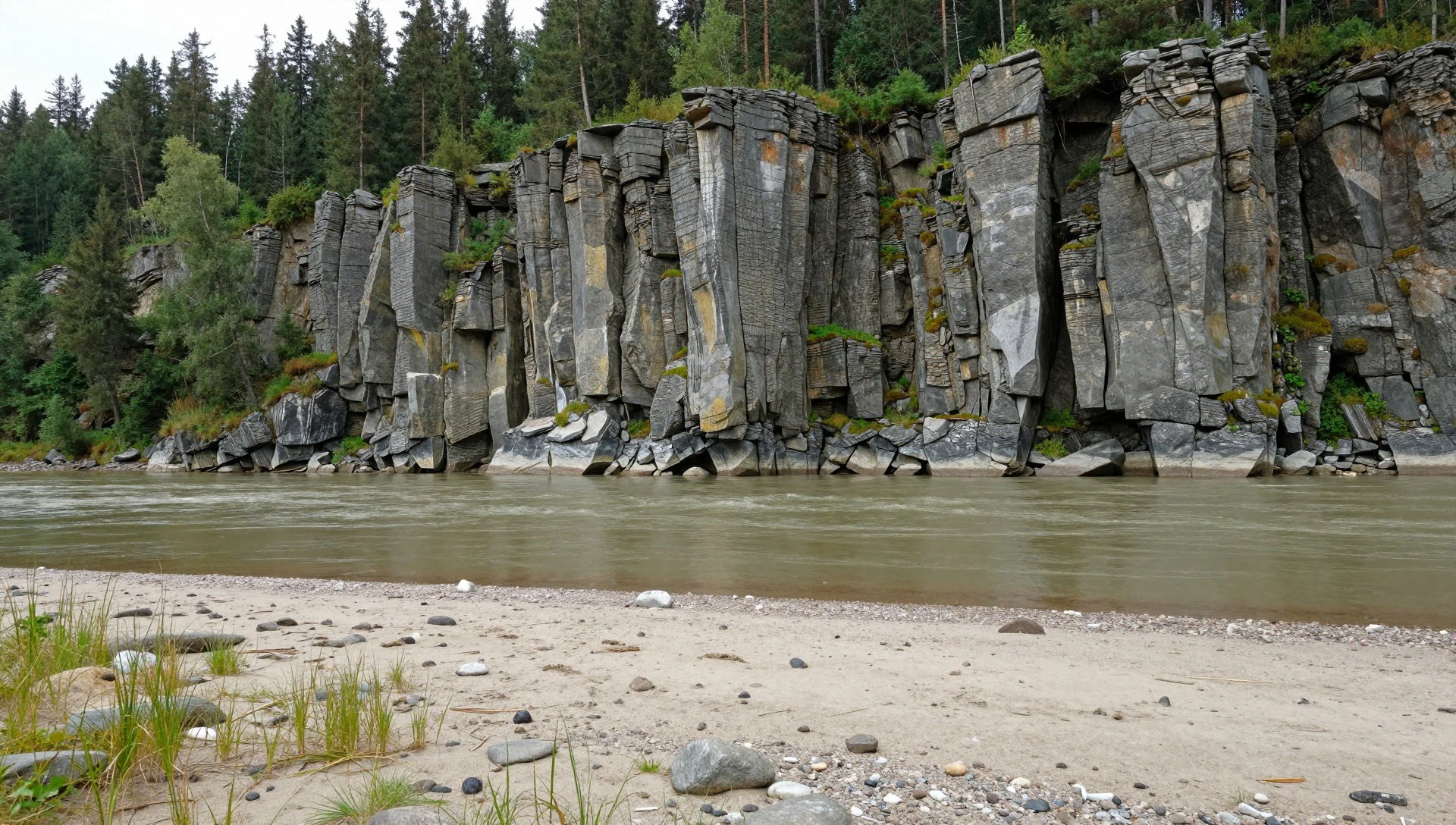
- River views from the Lena — On the Lena River route
From the river, the cliffs and pillar shapes read like a moving panorama. As the boat follows the shoreline, you get changing angles on cracks, ledges and vertical contours—often the easiest way to appreciate the overall density of the outcrops.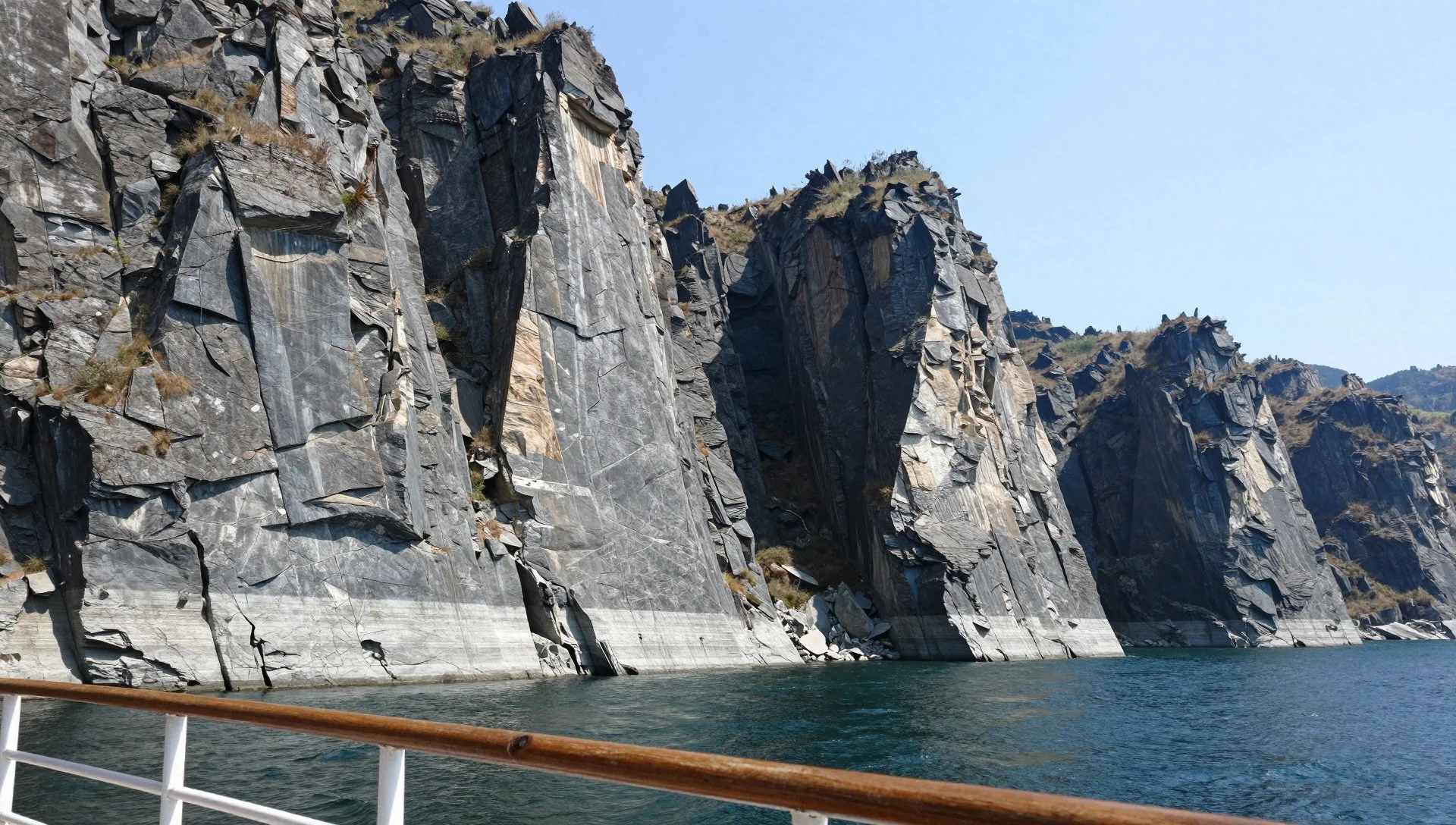
- Pillar density zone viewpoints — Petrovskoye to Tit-Ary
Lena Pillars feels most “concentrated” in the Petrovskoye–Tit-Ary stretch. Lookouts in that area help you understand why the landscape is famous for clustered stone—there’s less empty valley space and more continuous formations.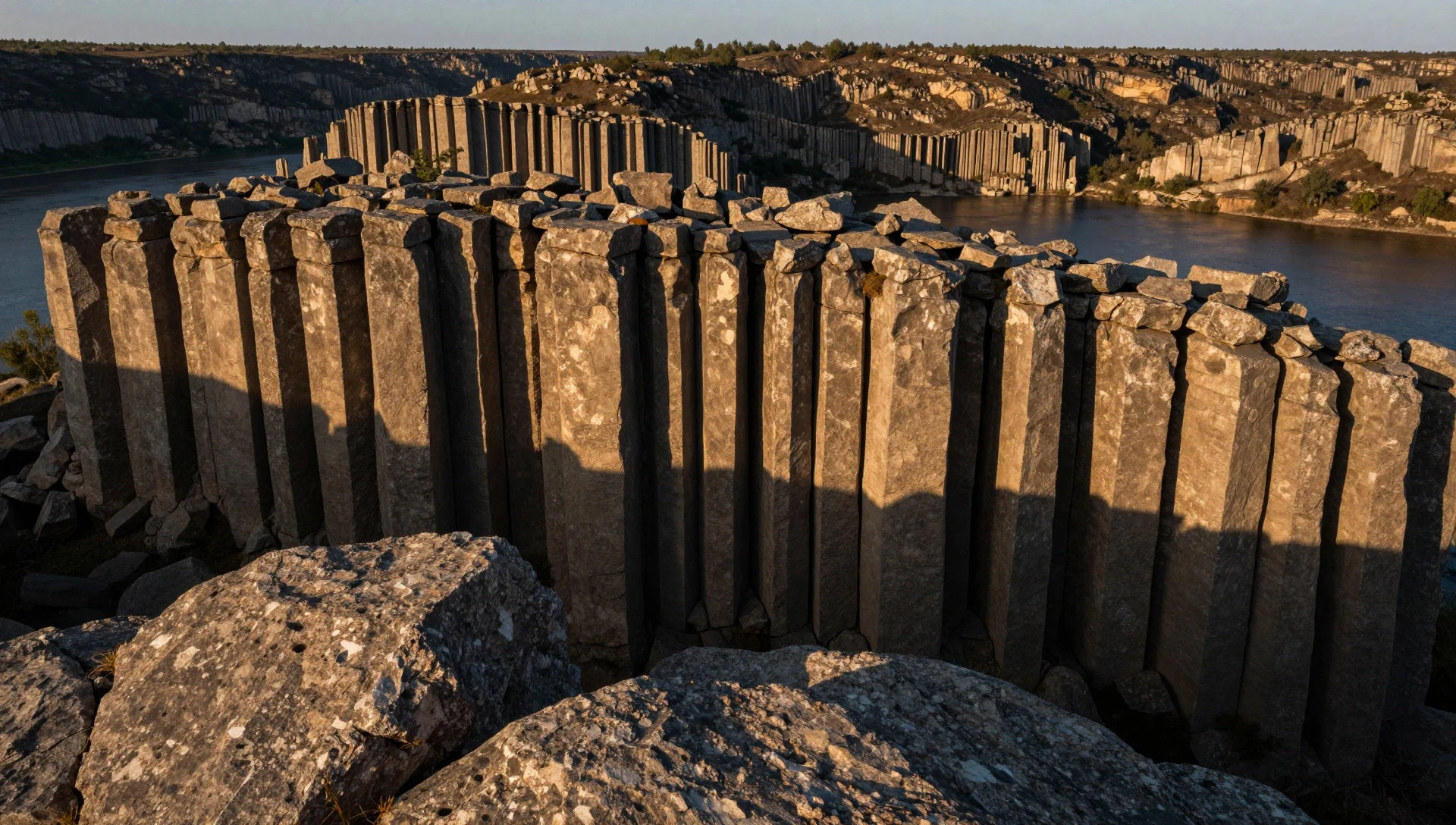
- Rock-layer close-ups — Selected accessible bank areas
In places where you can safely get closer to the bank, the layered structure becomes the main attraction. Different rock types create variations in colour and erosion patterns, so even small sections can show how the cliffs were built and then reshaped.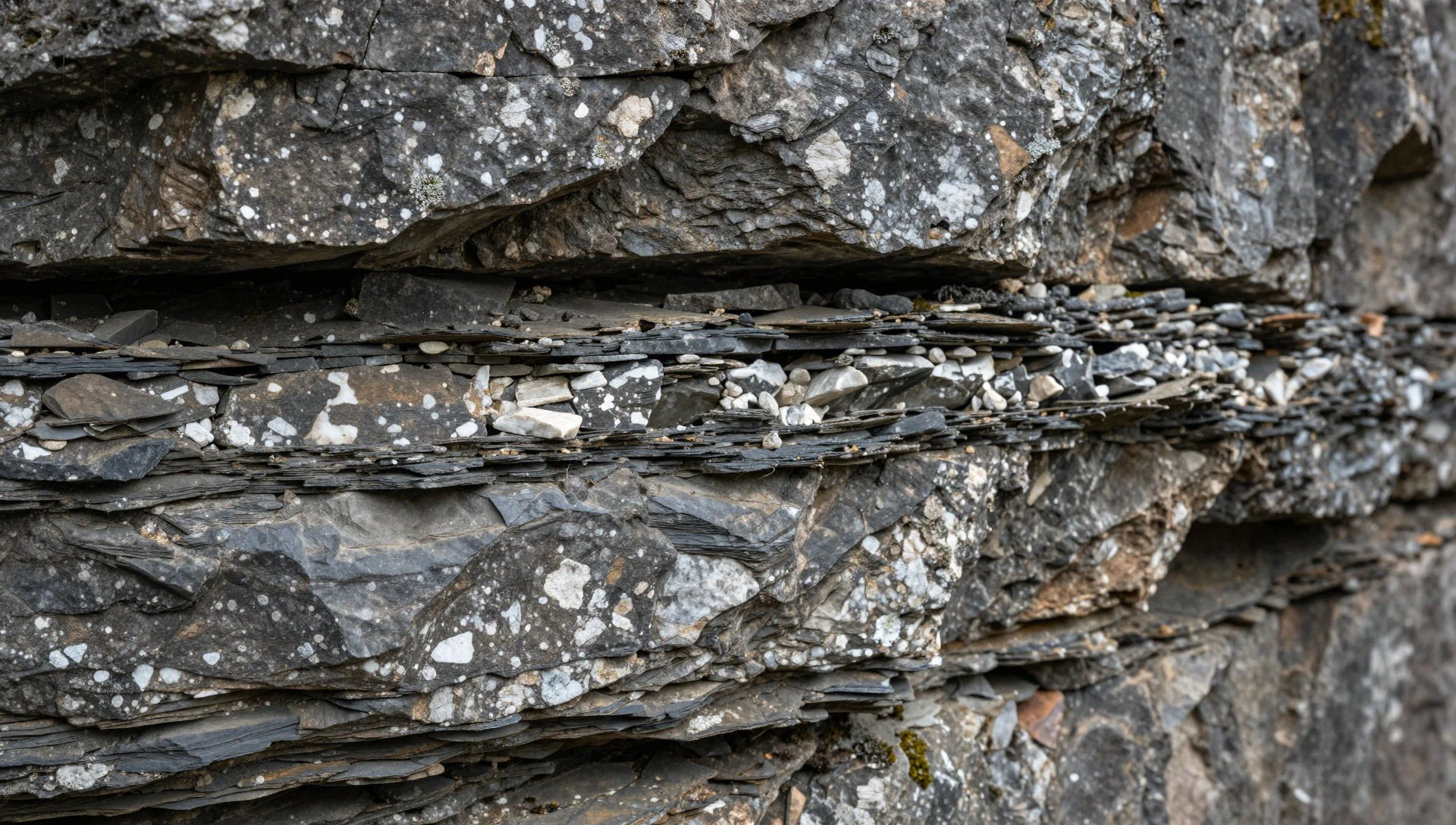
Culture
Lena Pillars is a nature park, not a town, so the “culture” here is mostly about moving respectfully through a remote landscape. Facilities are limited, and the journey depends on local transport options, so visitors tend to come prepared and follow whatever rules are set for access to riverbanks and viewpoints. Wildlife may be present around the park corridor, and the rock formations are the point—so staying on marked routes (and keeping a safe distance from cliff edges) is the practical way to protect both people and place.
Because winter can be extremely cold and summer still feels distinctly Siberian, most travellers experience the area in a tight window of workable daylight. That means queues are rarely a big issue, but time management is: plan for slower movement, add buffer time for weather, and avoid rushing between viewpoint spots.
Photography is usually fine, but the usual outdoor ethics apply—don’t disturb vegetation, don’t climb onto unstable rock, and be considerate around shared viewing areas.
Visitor etiquette: stay on approved paths, keep well back from cliff edges, and pack extra layers so you’re not lingering in unsafe conditions.
What to wear
Lena Pillars doesn’t have a single “traditional outfit” that’s worn here the way you’d expect in many cultural festivals. What matters instead is dressing for a continental Siberian climate and for time spent near water and uneven terrain.
In warm months, expect cool air and wind off the Lena River, plus long periods outdoors. Wear a breathable base layer, an insulating mid-layer, and a windproof outer shell. Choose trousers that can handle uneven ground, and trainers or hiking shoes with solid grip—mud and slick rock can be an issue in places.
In cold months, planning becomes more about survival than comfort: insulating layers, proper winter footwear, gloves, and eye protection are essential. The region can get extremely cold in winter, so “good enough” outerwear usually isn’t.
For any season, practical modesty helps too: keep your arms and legs covered to reduce sun/ windburn and to avoid scratches on coarse vegetation. If there’s snow or ice, bring traction aids if you have them, and consider that routes may be steeper or less stable near the riverbank.
What to eat
- Warm soup at a local stop — Along the way via Yakutsk before heading to the park
When food options are limited, look for simple hot meals like soup—usually the quickest way to warm up after time outside near the Lena. Aim for hearty, warming flavours rather than anything fancy.
- Grilled meat and simple sides — Eateries in Yakutsk
A practical Siberian meal format is grilled or pan-cooked meat with basic sides. It’s filling and tends to travel well if you’re caught waiting for transport, which can be the reality on remote trips.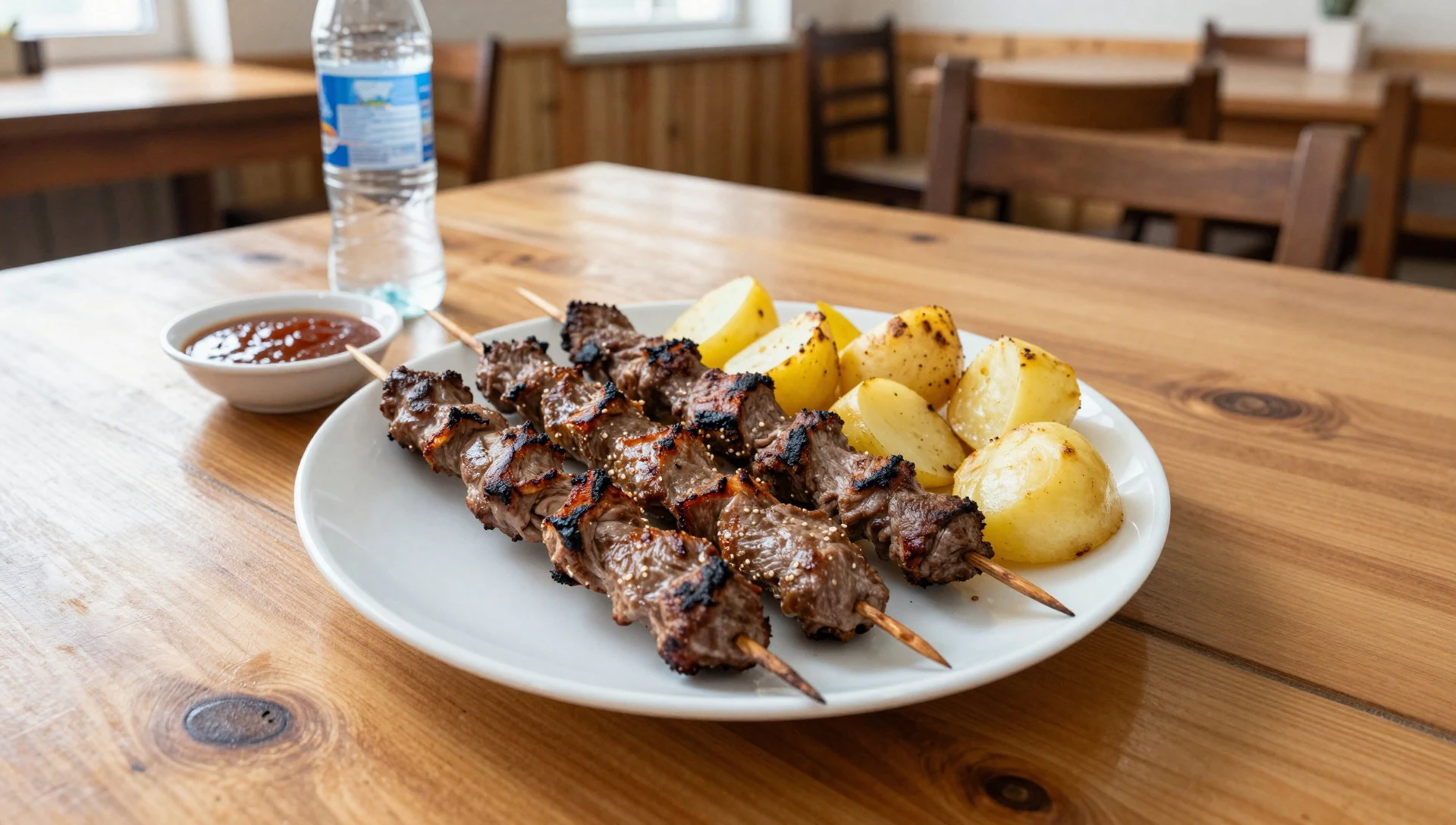
- Bread and dairy staples — Shops and small supermarkets in Yakutsk
On longer travel days, staples like bread and dairy-based foods can be useful for steady energy. They’re easy to find in towns and help bridge the gaps between planned meals. - River-journey snacks — On the boat or in day stops connected to river travel
During a river trip, plan for snack-style eating: things you can grab quickly between viewpoints, plus water for the day. Keep it simple—cold weather makes dehydration sneak up on people. - Tea and something sweet — Cafés and kiosks in Yakutsk
Tea culture matters when the temperature drops. Bring or buy sweet bakery items to go with it—comfort food that feels especially welcome after time in wind and shade.
Plan it
Best time. March–April for a chance of clearer cold days, and October–November for autumn-to-cold atmosphere; summer brings long daylight and the most comfortable outdoor conditions, while June is wetter and August can still feel very hot and humid.
How long. 3–4
Getting there. Fly into Yakutsk, then reach Lena Pillars by river boat for the upstream journey; the route is about 180 kilometres (less than a day by boat).
Budget. mid
Tips
- Plan the trip around daylight and weather—remote areas mean you can’t easily “switch plans”.
- If river travel is part of the plan, confirm timings and pickup instructions with local operators in advance.
- Pack thermals and a windproof layer even in warmer months near the river.
- Bring footwear with good grip; bank terrain can be uneven and slick.
- Carry some cash for small purchases, and keep water and snacks for viewpoint time.
Etiquette
- Stay on approved paths and keep well back from cliff edges.
- Avoid climbing on fragile outcrops for photos—rock can be deceptive from a distance.
- Keep voices down in quiet viewing areas so others can enjoy the outdoors.
Nearby
Sources
- Wikidata Q277683 (CC0)
- Wikipedia (Lena Pillars) (CC BY-SA 4.0)
- Wikivoyage (Lena Pillars Nature Park) (CC BY-SA 4.0)
- Photo photos/01-.jpg (CC BY-SA 4.0)
- Photo photos/02-2017-06-360.jpg (CC0 1.0)
- Photo photos/03-2015-070.jpg (CC BY-SA 4.0)
- Photo photos/04-2015-121.jpg (CC BY-SA 4.0)
- Photo photos/05-.jpg (CC BY-SA 4.0)
- Photo photos/06-2015-138.jpg (CC BY-SA 4.0)
- Photo photos/07-08-01-08-06-47-26.jpg (CC BY-SA 4.0)
- Photo photos/08-08-01-08-07-21-32.jpg (CC BY-SA 4.0)


