Las Vegas
Las Vegas, United States
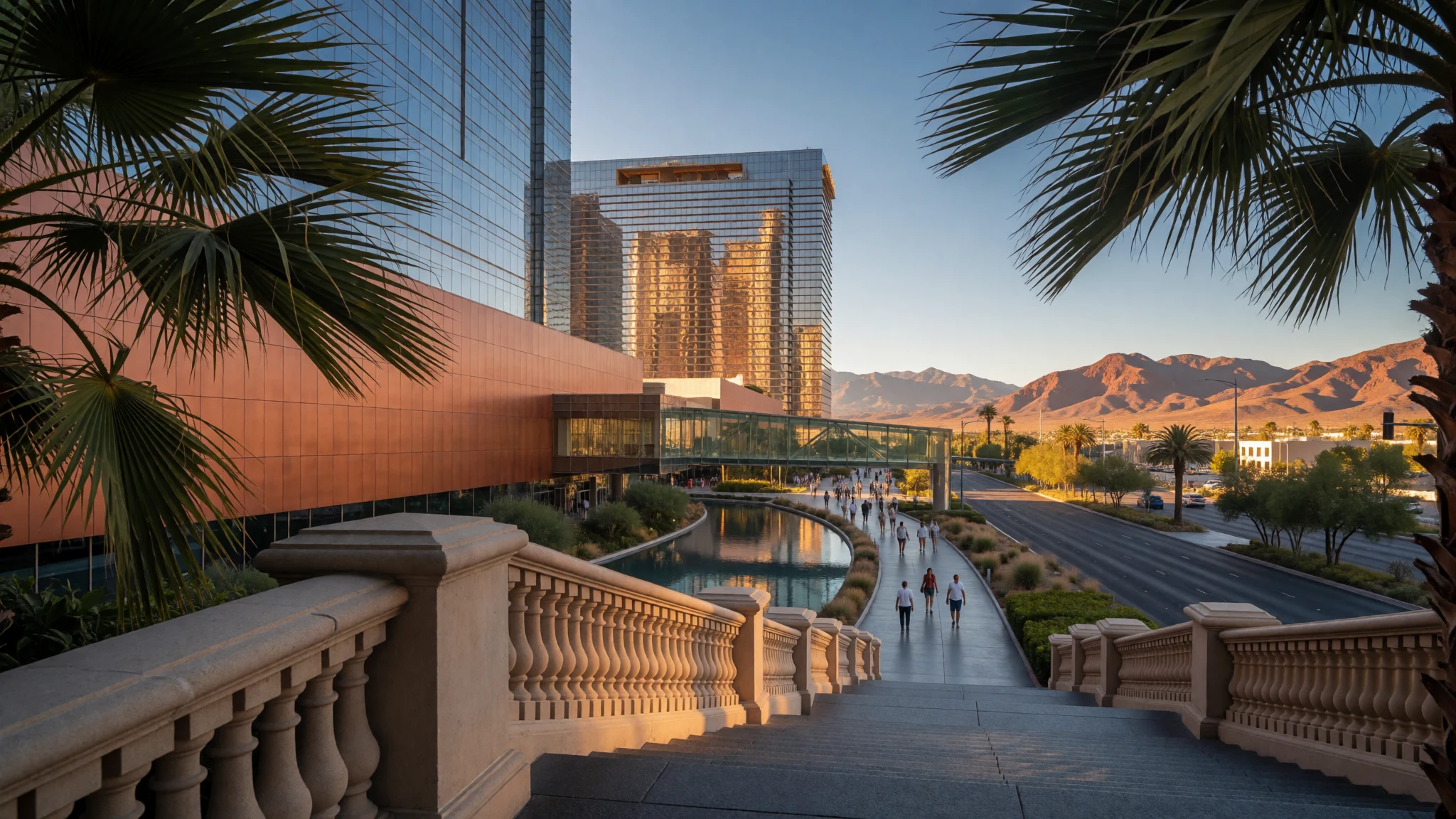
Las Vegas is a desert resort city where casinos, stages and neon sit beside a county seat of 641,903 people.
The place
Las Vegas occupies a wide desert valley in southern Nevada and serves as the seat of Clark County, the largest city in the state. 641,903 people live inside the city limits, at an elevation of 610 metres, with arid ranges closing the horizon. The resort people picture and the municipality on the map are different areas. Casino floors, stages, shops and late dining gather in downtown Las Vegas, which lies inside the city, and along the Las Vegas Strip, a run of casino-hotels that stands beyond the municipal boundary in Paradise and Winchester. Much of Nevada's banking, trade and cultural life also sits in this valley, so houses, offices and schools spread far past the neon.
The townsite dates from 1905. Through the later twentieth century, and on into the present one, the population rose quickly, and a small rail grid became a large desert city. Civic branding calls Las Vegas the Entertainment Capital of the World. Behind the phrase is a practical fact: a great many large casino-hotels, built to hold gambling, shows and overnight guests. Visitors move between the Strip and the older downtown streets. The city most residents use is the wider valley: low buildings, long roads and a hard clear light.
Heat sets the rhythm. Approaches cross open desert, and summer afternoons punish anyone on foot at midday. December, January and February are the easier months for walking.
Its story
Las Vegas grew out of a desert stopping place that people had known long before a city existed. Nomadic Paleo-Indians travelled this country in deep antiquity and left petroglyphs on the rock. Ancestral Puebloan communities and Paiute bands lived in the wider region for many generations before any Mexican or American party wrote the meadows into a route log.
In 1829 a Mexican scout, Rafael Rivera, reached the valley while scouting ahead of traders, and later accounts give him the first outsider's view of it. In the same year Antonio Armijo led a caravan along the Spanish Trail towards Los Angeles, and the grassy vegas entered the written life of that road. In 1844 John C. Frémont came through, and what he later published drew more migrants towards the meadows. Fremont Street in downtown Las Vegas still carries his name.
Later, members of the Church of Jesus Christ of Latter-day Saints picked the valley for a fort on the Mormon Road, the corridor between Salt Lake City and southern California. The post was abandoned in 1857. What remains of the Old Mormon Fort still stands at Las Vegas Boulevard and Washington Avenue, a modest trace of that earlier camp.
Las Vegas was founded in 1905, when plots beside the Union Pacific tracks were auctioned and the downtown grid took shape. Formal incorporation came soon after. The year 1931 redirected the economy: Nevada permitted casino gambling and shortened the residence needed before a divorce. A rail town thereby gained a legal basis for risk, nightlife and a rapid personal restart, which is the thread that runs from those statutes to the casino-hotels of today.
What to see
- Vegas Golden Knights — south of the city limits
The Vegas Golden Knights are Las Vegas's ice-hockey club, playing at a resort arena south of the city limits. They reached the championship final in their opening season and later won the trophy. A home night mixes a packed, noisy bowl with the casino complex around the building, so the match and the resort evening blur together. Fixtures change each year, so confirm dates before travelling.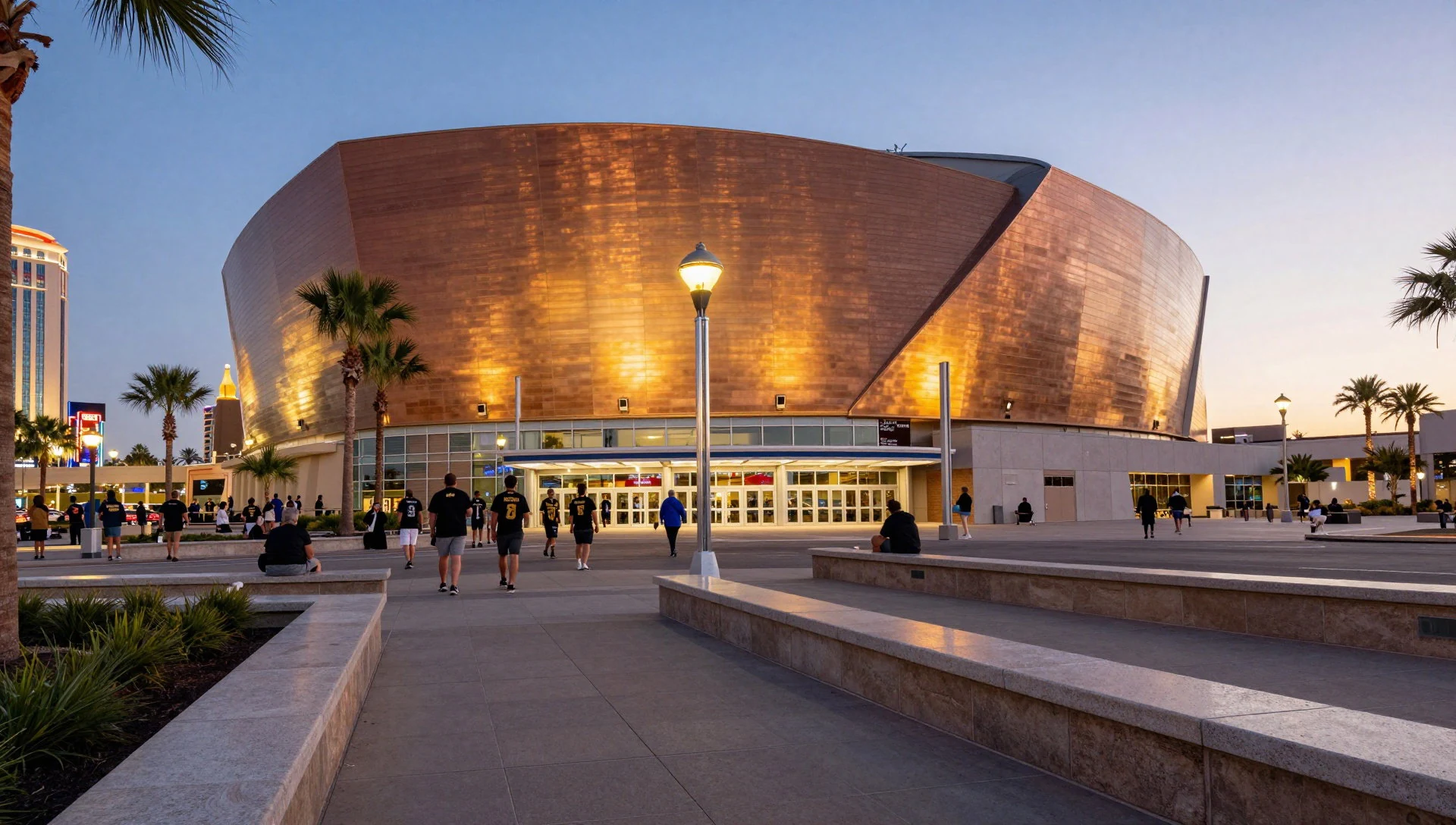
- Las Vegas Raiders — south of the Strip
The Las Vegas Raiders are the city's American-football club, playing in a stadium south of the Strip after a move from Oakland. Match days pull a national crowd into the same resort corridor as the casinos, with tailgate parties in the desert sun and a long walk from the car park to the gates. The building sits outside the municipal boundary, like much of the Strip itself.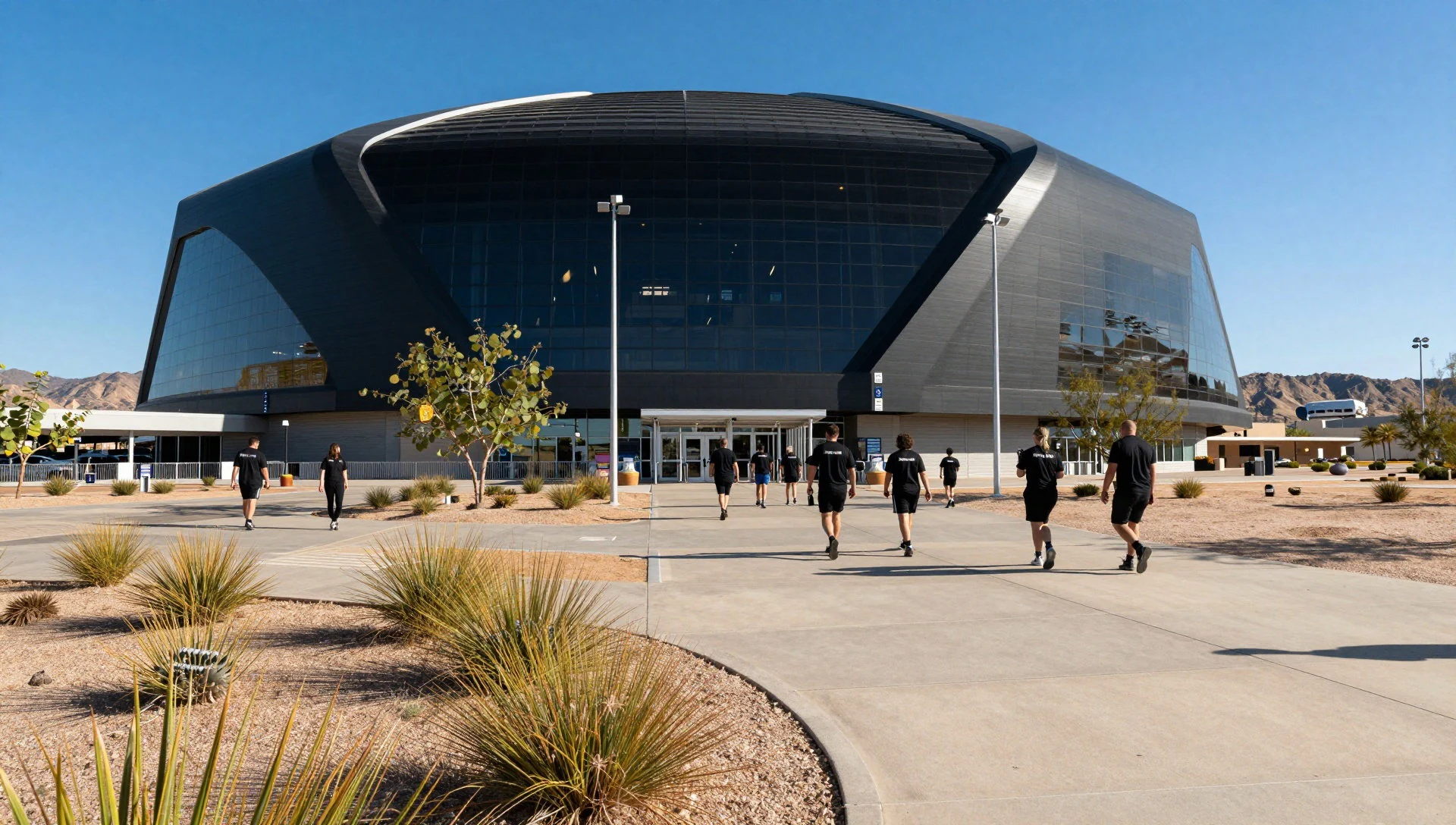
- Las Vegas Aces — Mandalay Bay, south end of the Strip
The Las Vegas Aces, the city's women's basketball side, came from San Antonio and play inside a casino resort at the south end of the Strip. Their arena is part of the Mandalay Bay complex, so a match sits among guest rooms, dining and the gaming floor. It is a straightforward way to see professional sport without leaving the resort corridor.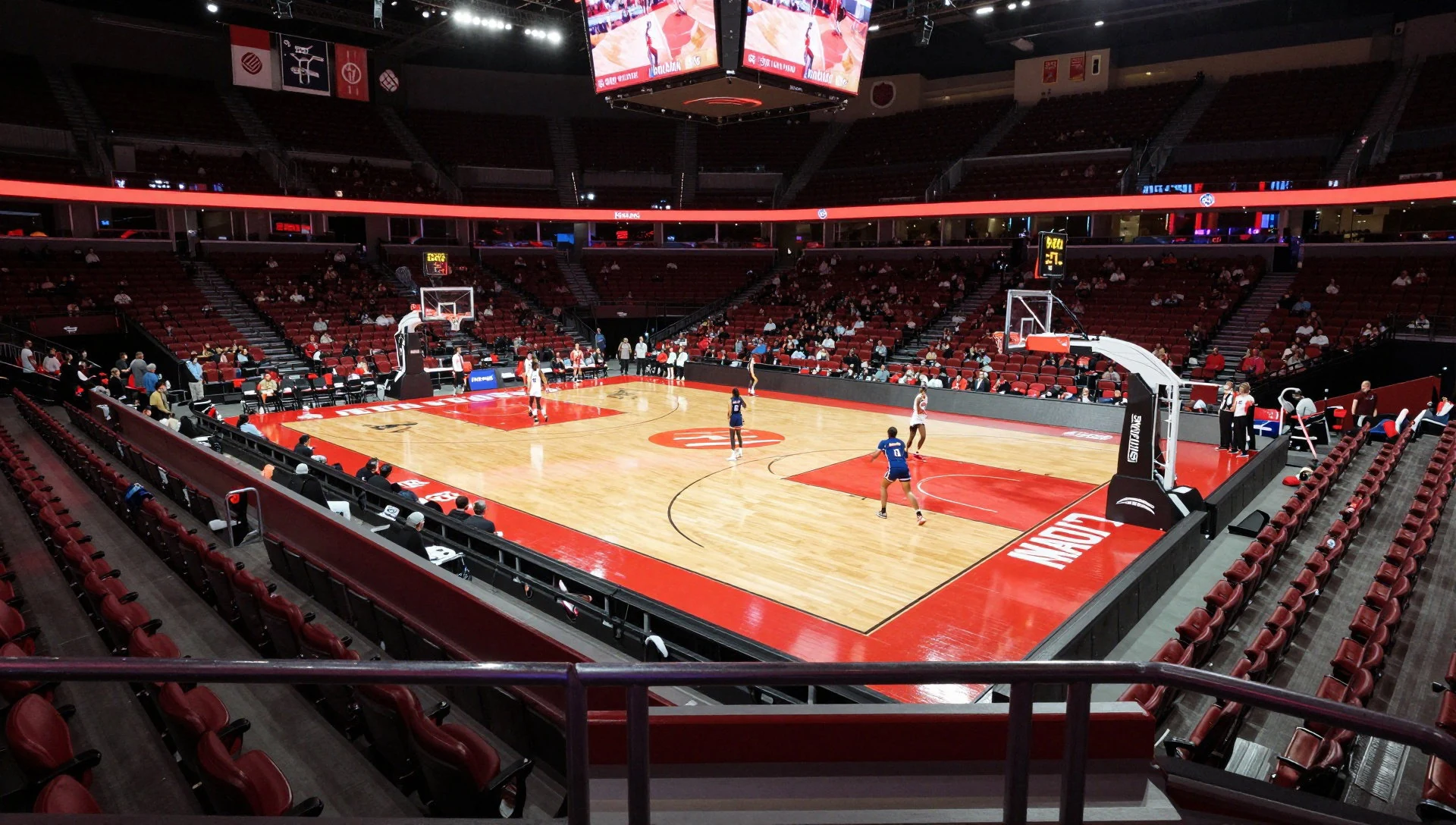
- Las Vegas Aviators — west of the urban core
The Las Vegas Aviators are the city's triple-A baseball club, and they have been here longer than any other professional side in town. Earlier names included the Stars and then the 51s, a nod to nearby desert lore about secret test ranges. Their ballpark lies west of the urban core, away from the Strip's foot traffic, with a summer evening game as the usual plan.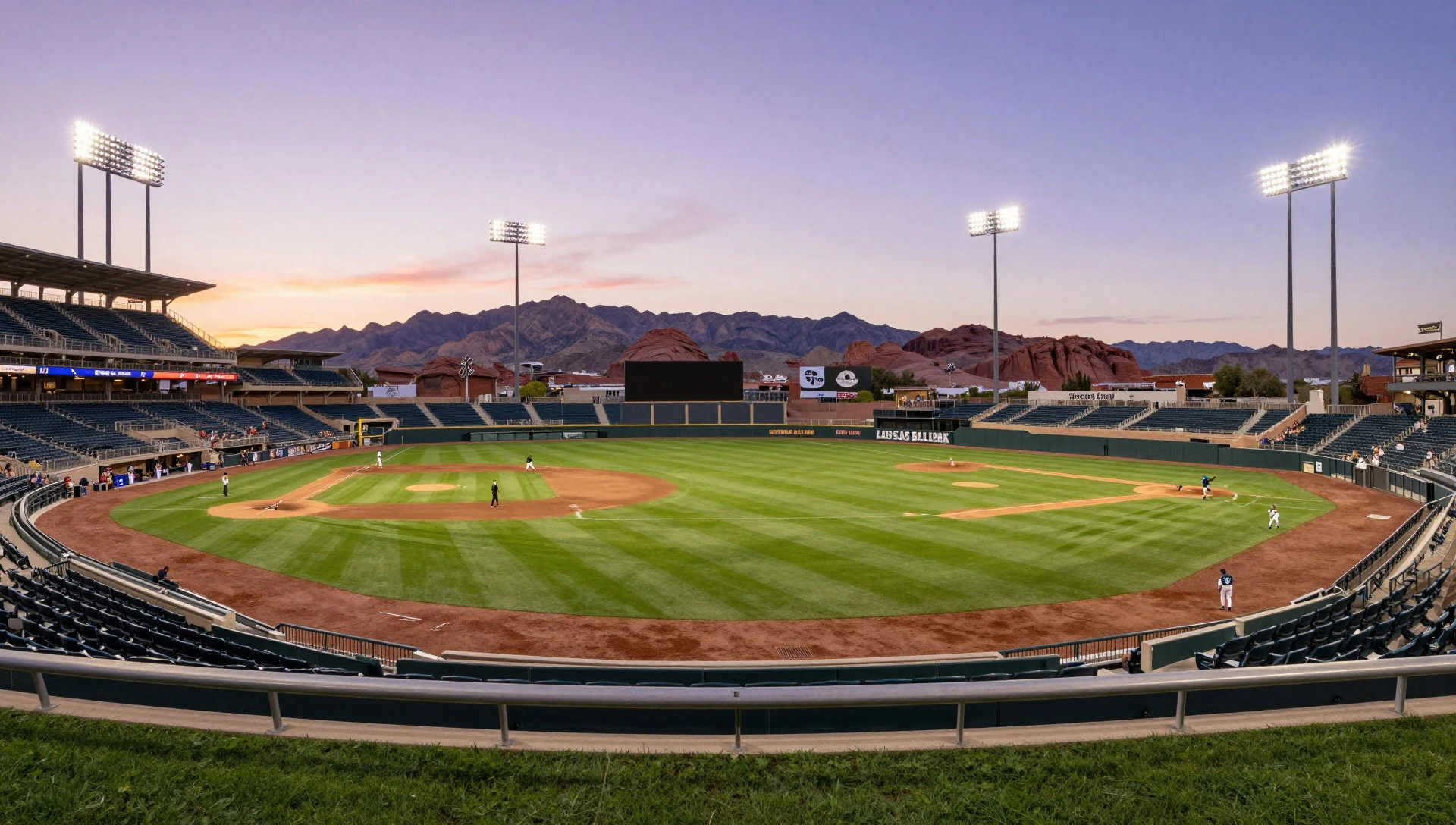
- NASCAR weekend — north-east of the valley
Las Vegas hosts two NASCAR Cup weekends a year, one in spring and a playoff race in the fall, at Las Vegas Motor Speedway north of the city. The meeting draws a very large visiting crowd and fills rooms well beyond the circuit itself. Days are long, the grounds are vast, and March sun can already be strong, so hats and water matter as much as tickets.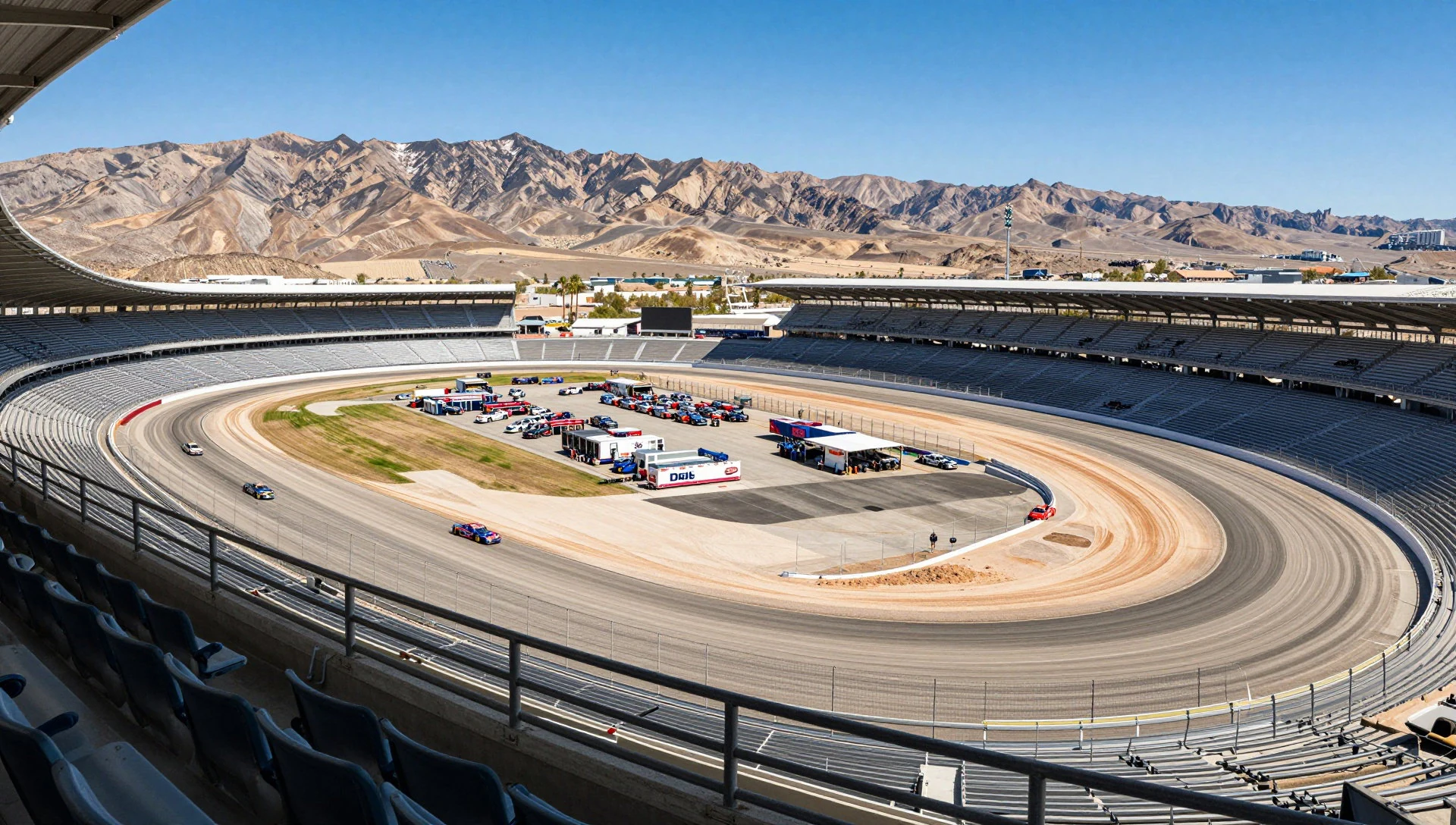
Culture
Las Vegas keeps two cultural lives side by side: the resort machine, and a downtown that behaves like a city. Several museums take the local story as their subject. The Neon Museum saves retired signs from the mid-century boom years. The Mob Museum looks at the crime economy that grew alongside gambling. The Las Vegas Natural History Museum, the Discovery Children's Museum and the Nevada State Museum cover desert ecology, family visits and the wider state. The Old Las Vegas Mormon Fort State Historic Park holds the surviving piece of the nineteenth-century fort.
The Downtown Arts District gives that civic Las Vegas a street presence. Galleries cluster there, the Las Vegas Film Festival uses the neighbourhood once a year, and First Friday is a monthly evening of art, music, talks and food. The night tends to spill towards the Fremont East Entertainment District, where the crowd is more local than the Strip's tightly staged version. People who live here treat these blocks as their own, not as a film set.
Casino custom is its own culture. Smoking remains common on many gaming floors, and a drink brought to the table is a service people are expected to acknowledge with a tip. Ask before photographing performers or other guests, and do not stop in a narrow walkway when a show lets out.
What to wear
Las Vegas never settled on one folk dress, but two clothing traditions explain the look of the place. Ranch and desert work in southern Nevada produced practical Western clothes: denim, cotton shirts, leather boots and a broad hat against the sun. The resort stages produced the other tradition: costume rather than daily wear. Sequins, feathers, satin and evening cloth were made to read under lights. Dancers and headliners wore them; people on ordinary errands did not. Those materials still appear in publicity and in revived stage shows, as a textile of performance.
What residents wear now follows the air-conditioning. Casino and office staff are in uniform or neat business cloth. Off shift, light fabrics, sandals or trainers, and a layer for icy interiors are the usual kit. After dark, especially along the Strip and in downtown clubs, dress tightens: darker clothes, a jacket, shoes that can cover the distance from a car park to a lobby. Pool decks are a separate code of swimwear and a cover-up, and that code stays at the water.
Visitors should pack for the same split. Breathable clothes, a hat and sun cream suit the daytime pavement. A light jacket earns its place indoors. Comfortable closed shoes matter more than a delicate heel on polished floors that run for long distances. Swimwear belongs at the pool; a cover-up is the right choice when crossing a lobby. The Mormon Fort and any church ask for covered shoulders and a quieter outfit than a pool party.
What to eat
- Resort buffet — Strip resort buffets, including Bellagio, Caesars Palace, the Cosmopolitan and Wynn
The resort buffet is the meal most closely tied to Las Vegas: a long row of stations, from carved meat and seafood to sweets, inside a large Strip casino. Lunch is the better-value sitting; breakfast is simpler still. Weekend evenings draw long queues.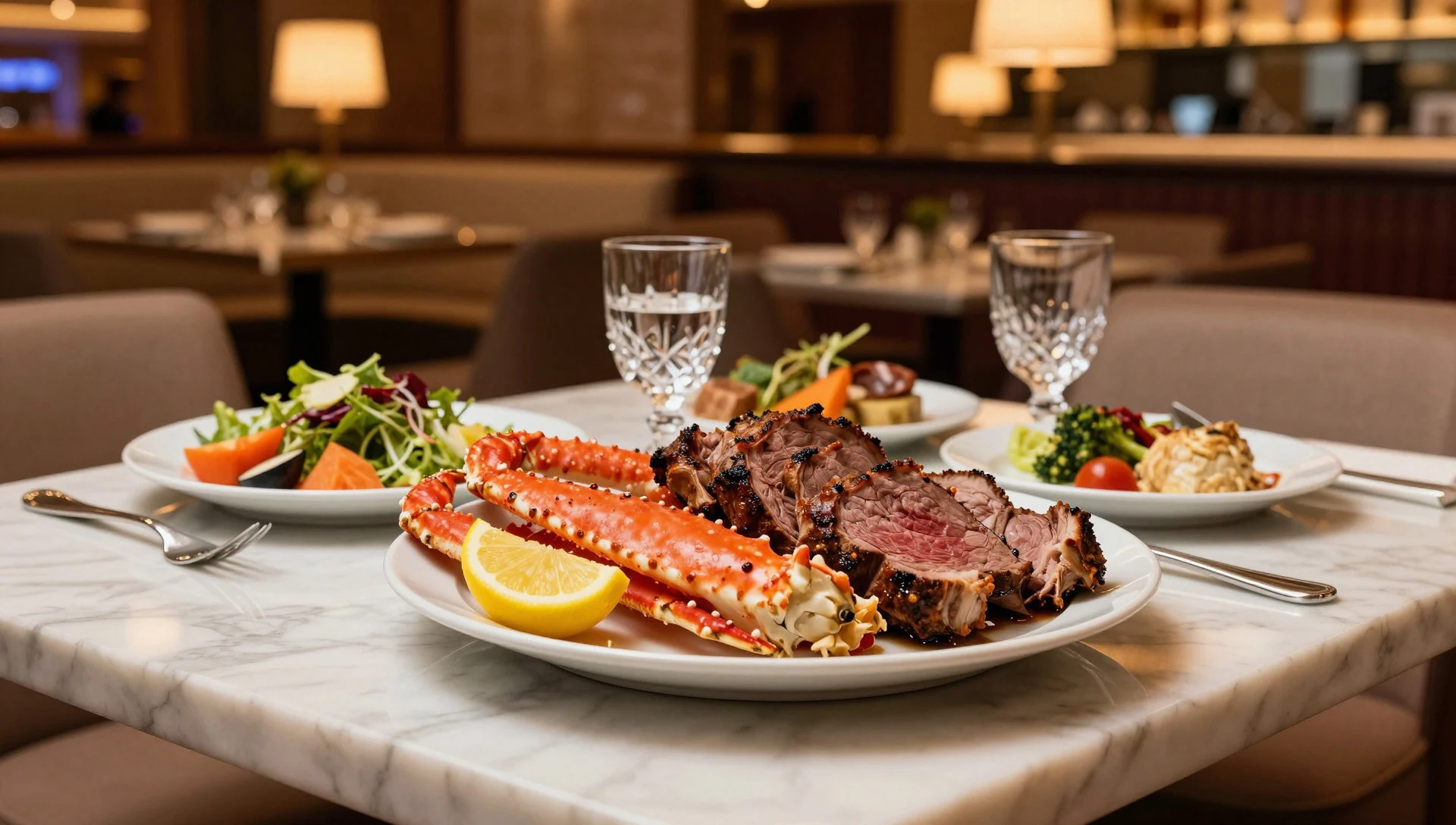
- Prime rib — steakhouses inside Strip and downtown resorts
Prime rib is the old casino-dining staple of Las Vegas, still carved in steakhouses inside Strip and downtown resorts. A thick slice, potato and a heavy sauce are the usual plate, built for a late sitting after a show. Rooms range from formal to relaxed.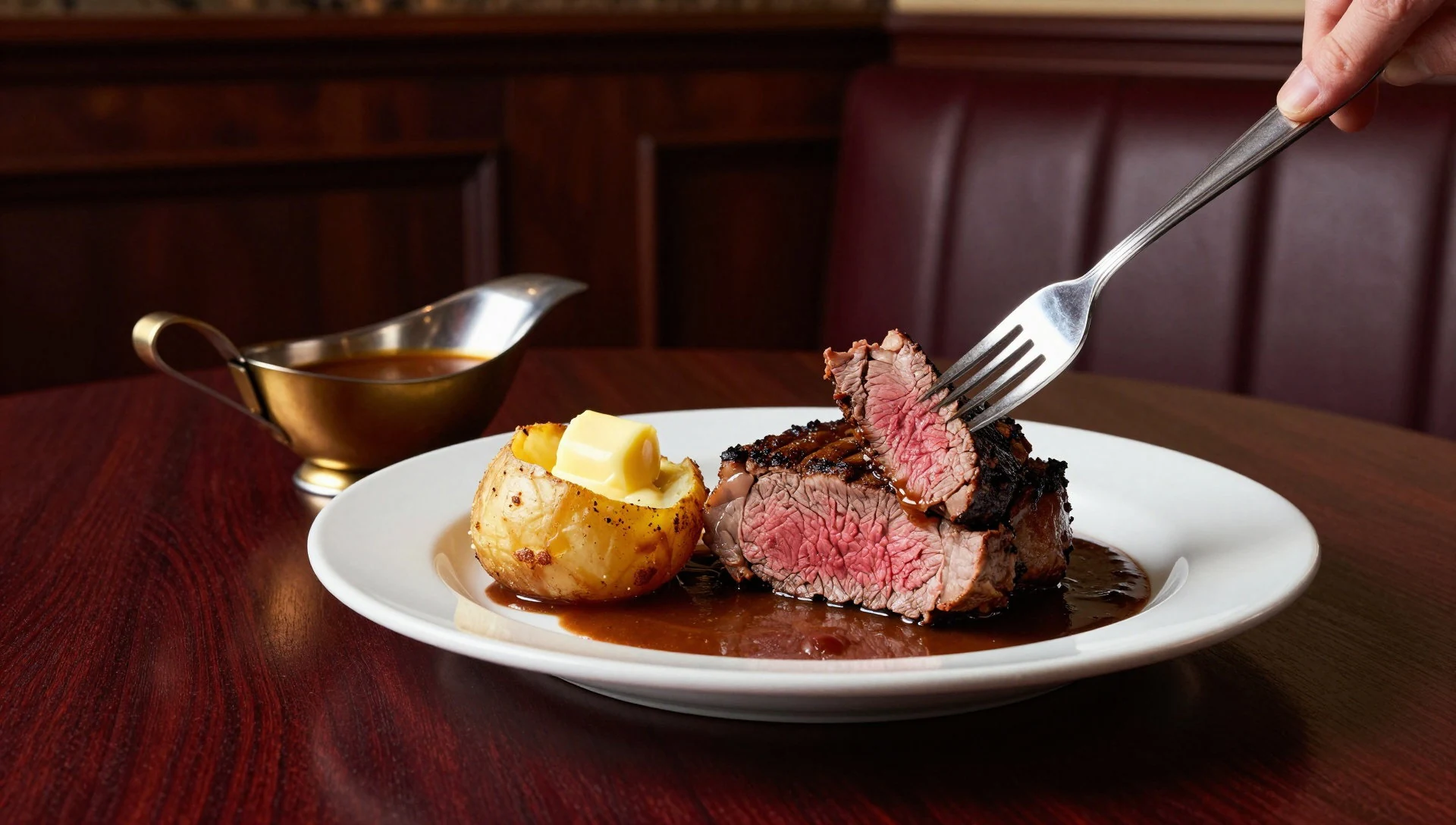
- Shrimp cocktail — long-running bars and cafes on the downtown grid
A shrimp cocktail is a downtown Las Vegas bar classic: a generous glass of prawns with a sharp red sauce, eaten standing up or at a counter. It belongs to the older grid rather than the newer mega-resorts, and it works as a snack between Fremont Street and a museum. - Korean barbecue and Chinese banquet dishes — restaurant rows west of the Strip
Away from the Strip, Las Vegas eats more broadly than the buffets suggest. Korean barbecue, noodle soups and Chinese banquet dishes are everyday meals in the restaurant rows west of the resort corridor, where local families actually book tables. The cooking is the point, not a theme. - Late breakfast plate — casino cafes and downtown diners
A late breakfast plate, eggs, pancakes or a burrito, is how a lot of Las Vegas recovers from the night before. Simple cafes inside casinos and downtown diners both serve it well past morning. It is ordinary food, which is the relief after a buffet or a show.
Plan it
Best time. December, January and February suit walking, and February is the wettest month. June and July are the hottest months, near 47°C on the desert roads and on the Strip, so treat May through September as an indoor and early-morning season.
How long. 3-4
Getting there. Fly into Las Vegas and take a taxi or rideshare from the airport to the Strip or downtown. By car, Southern California uses Interstate 15, crowded at weekends. From the Bay Area, drivers follow Interstate 5, State Route 58 east from Bakersfield, and Interstate 15 from Barstow. Fuel and food are scarce on the desert stretches, so carry water in summer.
Budget. high
Tips
- If driving, leave at off-peak hours to avoid weekend crowds on Interstate 15.
- Carry drinking water on desert drives, especially in summer.
- Book shows early and recheck times on each venue's own site.
- Walk outside early or after dark when summer heat peaks.
- Keep a little cash for tips; resorts otherwise take cards.
Etiquette
- Ask before photographing performers or other guests.
- Tip staff who bring drinks to a gaming table.
- Cover swimwear before walking through a lobby or a restaurant.
Nearby
Sources
- Wikidata Q23768 (CC0)
- Wikipedia: Las Vegas (CC BY-SA 4.0)
- Wikivoyage: Las Vegas (CC BY-SA 4.0)
- Photo: Downtown Las Vegas from the Stratosphere — Ken Lund (CC BY-SA 2.0)
- Photo: Las Vegas Center Strip before sunrise — Eric Kilby (CC BY-SA 2.0)
- Photo: Welcome to Fabulous Las Vegas sign — Christian David (CC BY-SA 4.0)
- Photo: Sahara — Ronnie Macdonald (CC BY 2.5)
- Photo: Clark County Government complex, aerial — Carol M. Highsmith (Public domain)
- Photo: Lou Ruvo building, south side — Cygnusloop99 (CC BY 3.0)
- Photo: Las Vegas Range and Aliante — Meridethmyers (Public domain)
- Photo: Rafael Rivera statue — The US Government (Public domain)


