Langkawi
Langkawi, Malaysia
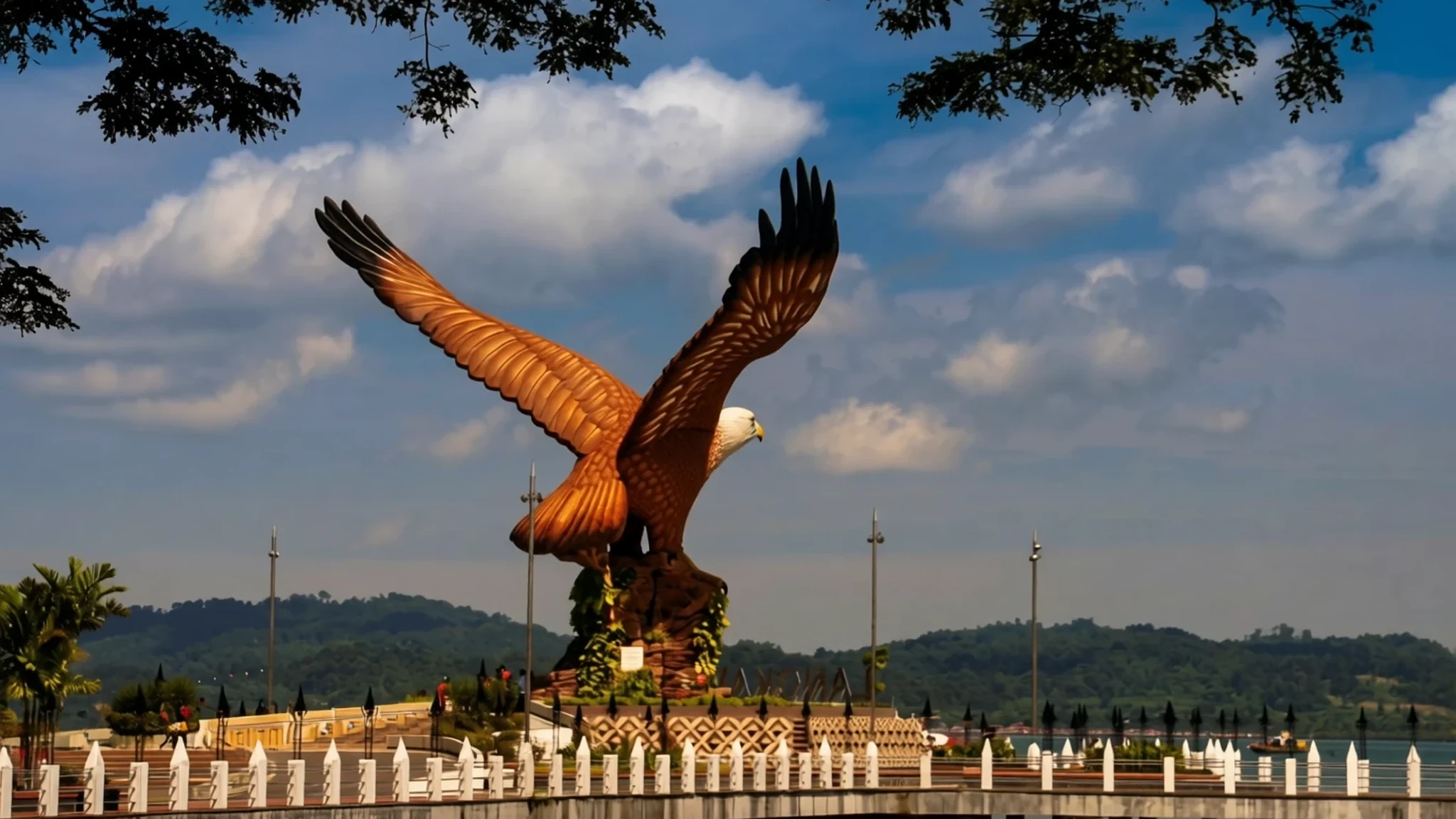
Langkawi offers ancient rainforests, duty-free shores, and legendary limestone peaks rising from the blue waters of the Strait of Malacca.
The place
Langkawi is an archipelago of islands situated in the blue waters of the Strait of Malacca, lying off the northwestern coast of the Malaysian mainland. Known locally as the Jewel of Kedah, this cluster operates as an administrative district under the state of Kedah, with Kuah serving as its primary commercial settlement and largest town. Travellers arrive to find a landscape divided between flat, fertile alluvial coastal strips and dramatic interior elevations. Roughly two-thirds of the terrain is given over to dense rainforests, steep hills, and rugged mountains sculpted by ancient geological forces. The oldest bedrock on the islands, known to geologists as the Machinchang Formation, represents the earliest landmass in Southeast Asia to emerge from the primordial seabed during the Cambrian period over half a billion years ago. Beyond its natural geography, the territory functions as a duty-free haven, drawing visitors who wander between bustling beach strips like Pantai Cenang and quieter rural lanes framed by paddy fields. The shoreline merges sandy stretches with mangrove estuaries, while inland ridges shelter diverse wildlife ranging from forest birds to macaques. Visitors navigate between coastal villages and forested interior roads that wind past limestone karsts and cascading waterfalls. Although modern tourism development has introduced comfortable resorts, ferry terminals, and paved highways across the main island, much of the interior remains shielded by natural vegetation and rugged terrain, preserving the wild character that first drew seafarers and traders to these northern Malaysian shores centuries ago.
Its story
For centuries, the islands sat on the maritime fringes of the Kedah Sultanate, serving as a quiet anchorage and trading post for passing vessels. Ancient logs and merchant records from distant empires note the archipelago under various names. Yuan dynasty chroniclers referred to the islands as Lóngyápútí, while the Ming dynasty admiral Zheng He charted them as Lóngyájiāoyǐ during his legendary voyages. By the fifteenth century, Acehnese traders and European merchants knew the shores as Pulau Lada, visiting to trade for local pepper under licences granted by the Kedah court and its regional chiefs. Beneath the mercantile history lies a deeper current of folklore, most notably the tragic tale of Mahsuri. According to local tradition, a young woman executed for a crime she did not commit laid a curse upon the islands before her death, decreeing that the territory would remain barren and troubled for seven generations. For decades, islanders attributed lean harvests and external conflicts to her dying words, until the curse supposedly expired in the late twentieth century just as modern tourism began to transform the local economy. Alongside tales of royal sacrifices made to a mythical guardian snake, these narratives continue to shape how residents view their heritage, blending maritime trade history with deeply rooted oral traditions that link the physical landscape to centuries of human memory.
What to see
- Telaga Tujuh Waterfalls — Northwestern mountain area
Named after the seven natural rock pools linked along its cascading mountain stream, this forest site offers cool waters surrounded by dense jungle. Local legend tells of fairies descending to bathe in the pools. Visitors can walk up concrete paths to explore the lower pools or climb further to reach the upper viewing areas.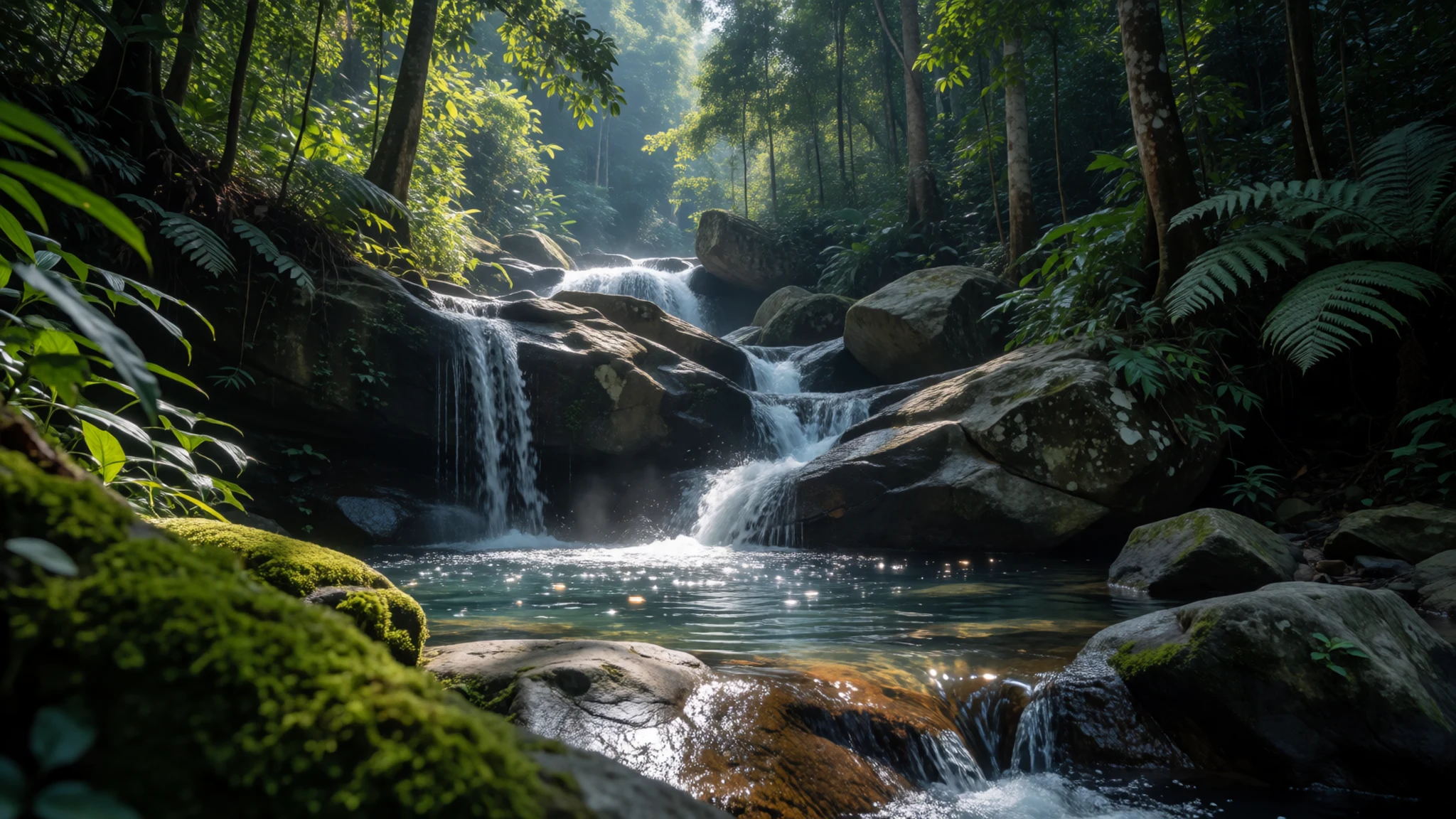
- Gunung Raya — Central interior highlands
Rising as the highest peak on the island through dense rainforest habitats, this mountain reaches an elevation that offers sweeping views across the surrounding sea and neighbouring islands. The summit can be approached by driving up a winding canopy-covered road lined with leafy trees or by tackling the steep stone staircase.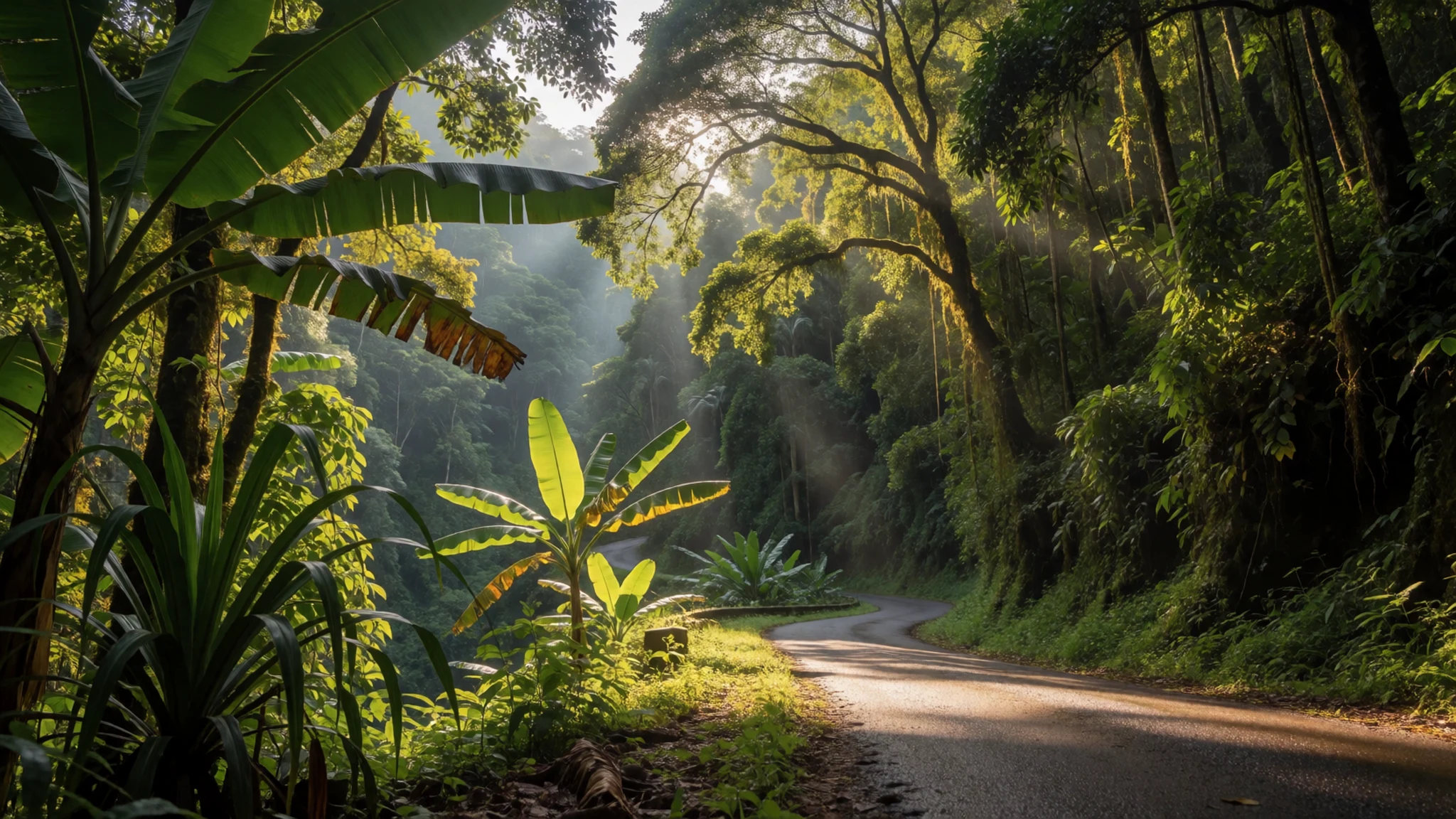
- Crocodile Adventureland — Northern rural district
This long-established farm and park houses a large population of crocodiles and alligators living across specially designed ponds and breeding enclosures. Visitors can walk along elevated boardwalks to observe the reptiles up close, watch educational feeding demonstrations, and learn about the conservation and biology of these apex predators in a secure environment.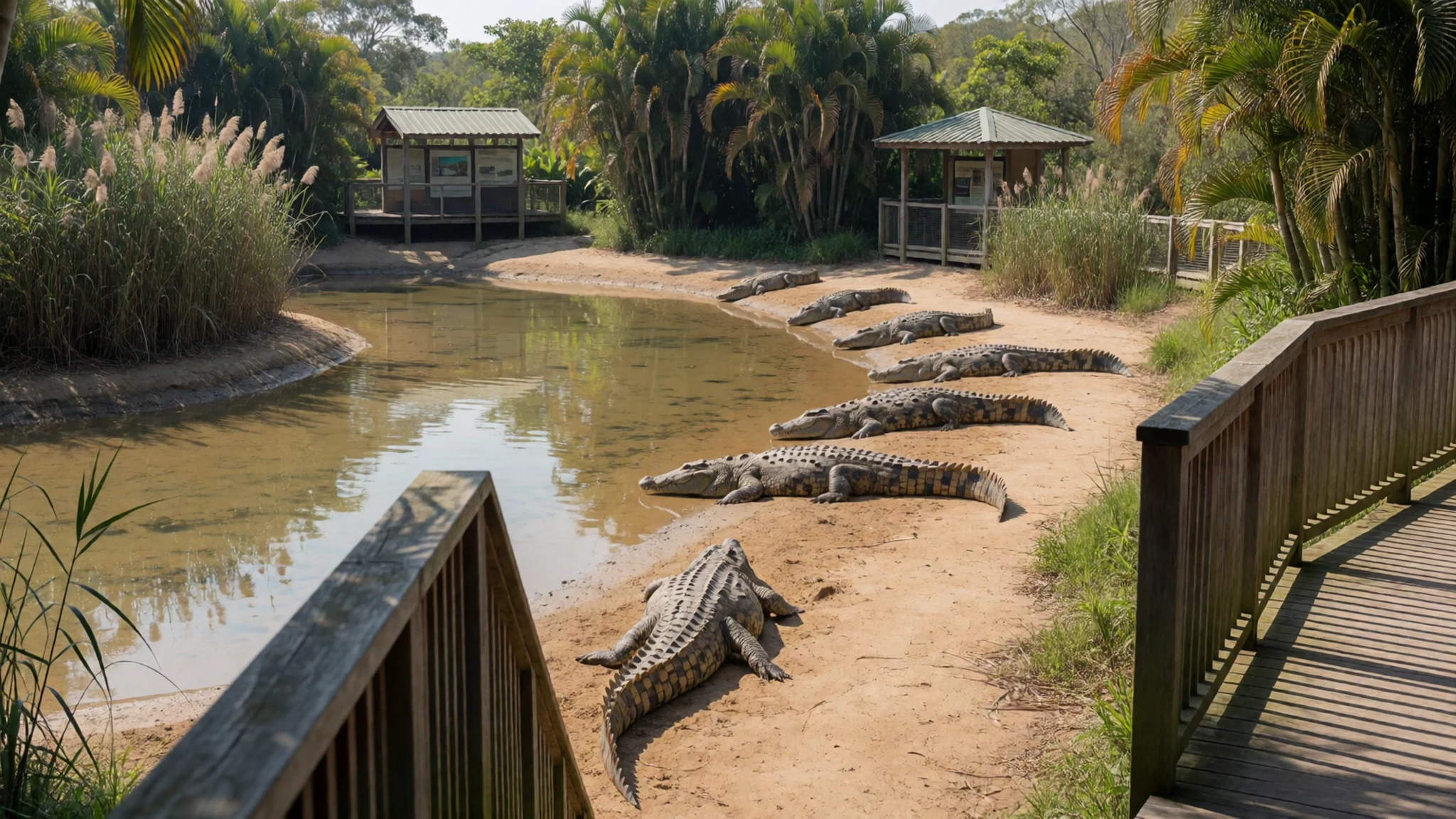
- Laman Padi Rice Garden — Pantai Cenang agricultural fringe
This agricultural heritage park showcases traditional paddy cultivation through working green fields, landscaped walkways, and educational displays. An onsite museum provides detailed exhibits in English explaining the planting, harvesting, and milling processes that once formed the backbone of rural Kedah agriculture before tourism arrived on the coast.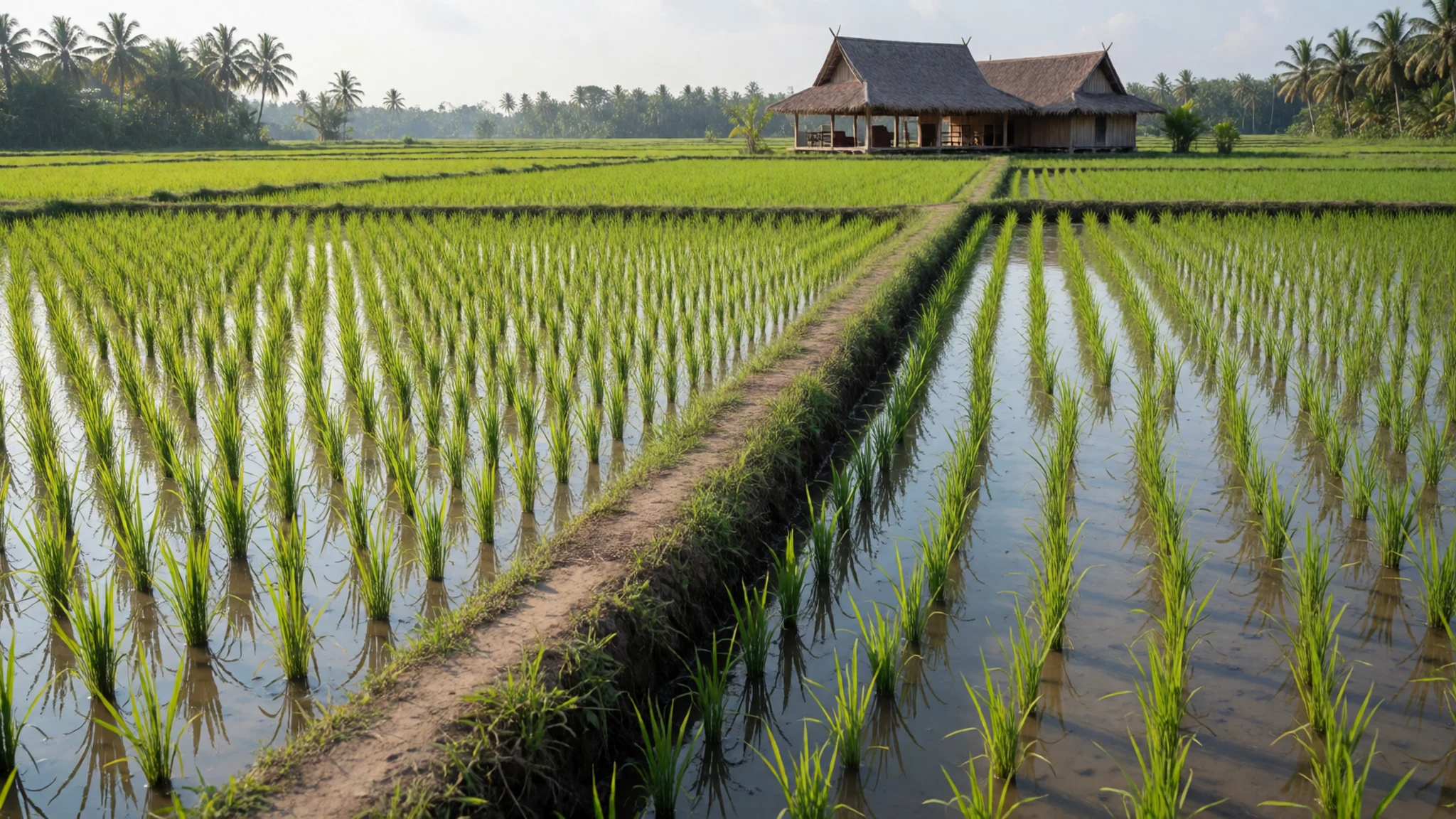
- Taman Lagenda — Kuah waterfront
Spread across a landscaped waterfront park near the main commercial town, this open-air garden is designed around the rich folklore and maritime history of the islands. Paved walking paths wind past statues, traditional architectural models, and fruit orchards that illustrate ancient local legends, royal tales, and mythical sea creatures.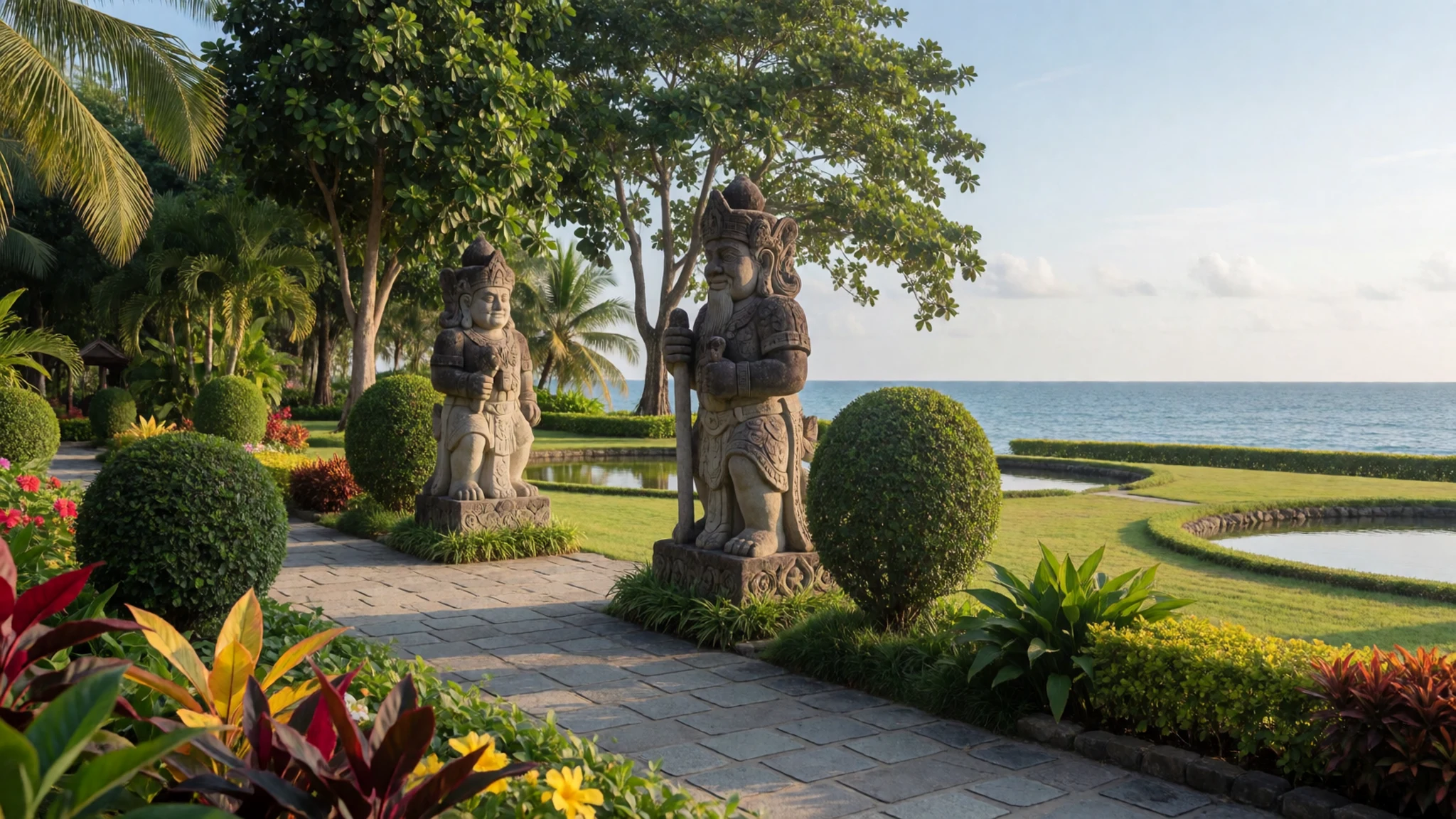
- Underwater World — Pantai Cenang commercial strip
Positioned near the popular western coast, this large indoor aquatic facility houses an extensive collection of marine life, freshwater fish, and coastal birds. Walk-through glass tunnels allow visitors to observe sharks, stingrays, and turtles swimming overhead, while indoor exhibits highlight aquatic ecosystems from tropical reefs to polar waters.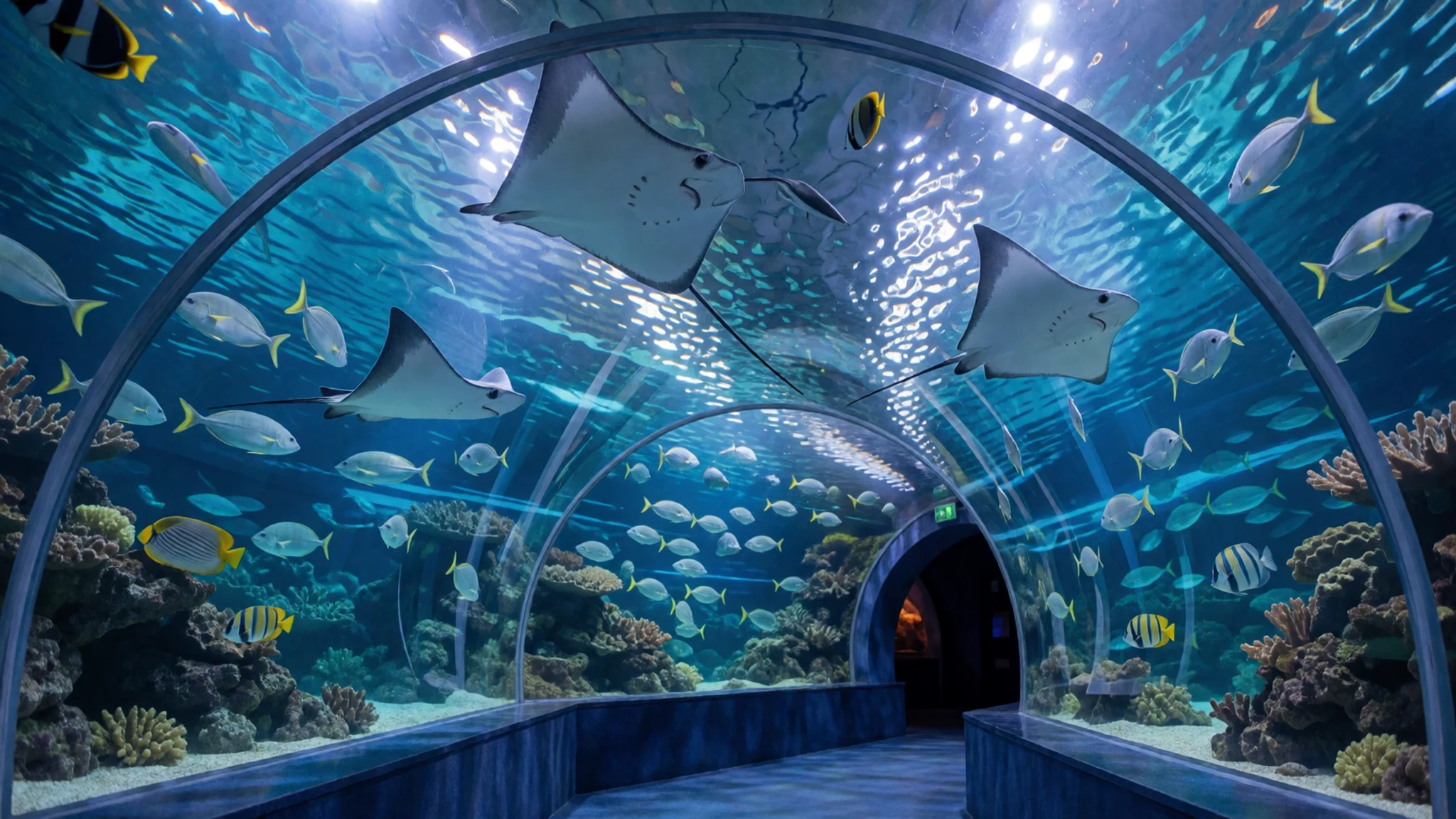
Culture
The social fabric of the islands reflects a predominantly Malay Muslim culture, blended with historic communities of Chinese, Indian, and indigenous heritage. Traditional village life, known locally as kampung culture, places high value on hospitality, community respect, and polite social interaction. While international tourism has brought a relaxed resort atmosphere to beaches like Pantai Cenang, traditional etiquette remains rooted in modest values, particularly away from the main hotel strips. Visitors are expected to dress respectfully when visiting local villages, mosques, or neighbourhood eateries, ensuring shoulders and knees are covered. The territory is designated as a protected geopark, yet environmental conservation remains an ongoing community effort, requiring travellers to respect local ecosystems and wildlife habitats. Always remove your shoes when entering a local home, village dwelling, or traditional place of worship.
What to wear
Traditional attire across the islands follows classic Malay dress customs, historically crafted from breathable cottons and lightweight textiles suited to a warm, humid monsoon climate. For formal occasions, community gatherings, and religious festivals, men traditionally wear the baju Melayu—a loose tunic paired trousers and a wrapped waist fabric called a sampin—often accompanied by a songkok cap. Women traditionally wear the baju kurung, consisting of a loose-fitting tunic worn over a long skirt, paired with a matching headscarf or tudung. In everyday modern life on the islands, residents and local workers dress in practical, casual clothing such as lightweight shirts, trousers, and skirts, balancing comfort in the tropical heat with modest sensibilities. Visitors should pack lightweight, breathable fabrics made from natural fibres like cotton to cope with the humidity and frequent rain showers. When exploring coastal areas and beach resorts, casual holiday wear is acceptable, but travellers should carry a light sarong or cover-up to slip on when moving away from the sand into local villages, markets, or religious sites where modest dress is expected.
What to eat
- Nasi Kandar — Casual neighbourhood coffee shops and town roadside stalls
A deeply satisfying Malaysian-Indian favourite featuring steamed rice served with an assortment of rich curries, fried chicken, hard-boiled eggs, and spiced vegetables. The sauces are often mixed directly onto the rice to create a complex, fragrant dish enjoyed at bustling roadside eateries.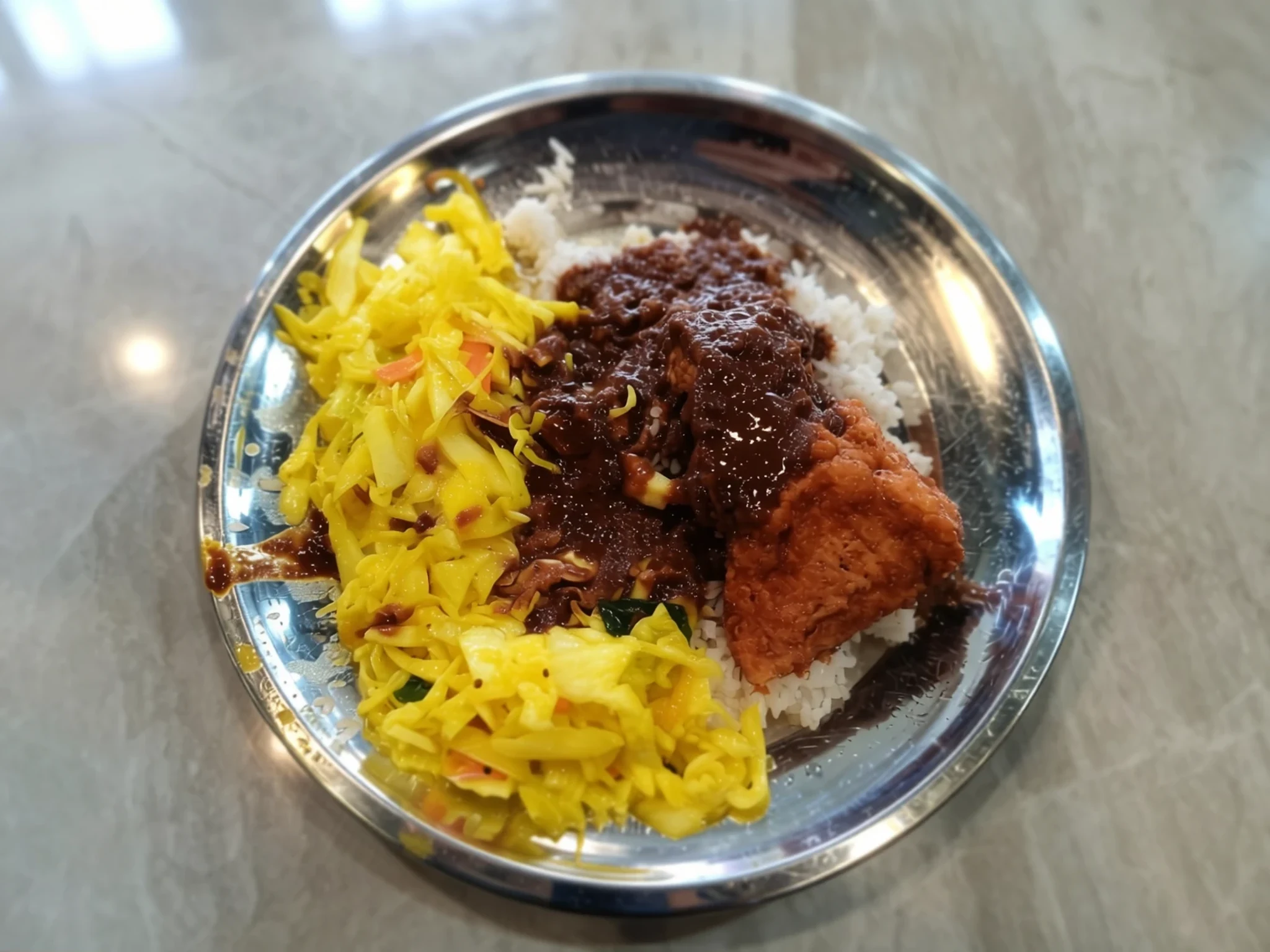
- Malay Mixed Rice — Daytime food stalls and traditional village coffee shops
Known locally as nasi campur, this staple meal offers a mound of plain white rice accompanied by a wide selection of self-served side dishes. Diners choose from beef rendang, spiced fried fish, curried jackfruit, and local greens simmered in coconut milk.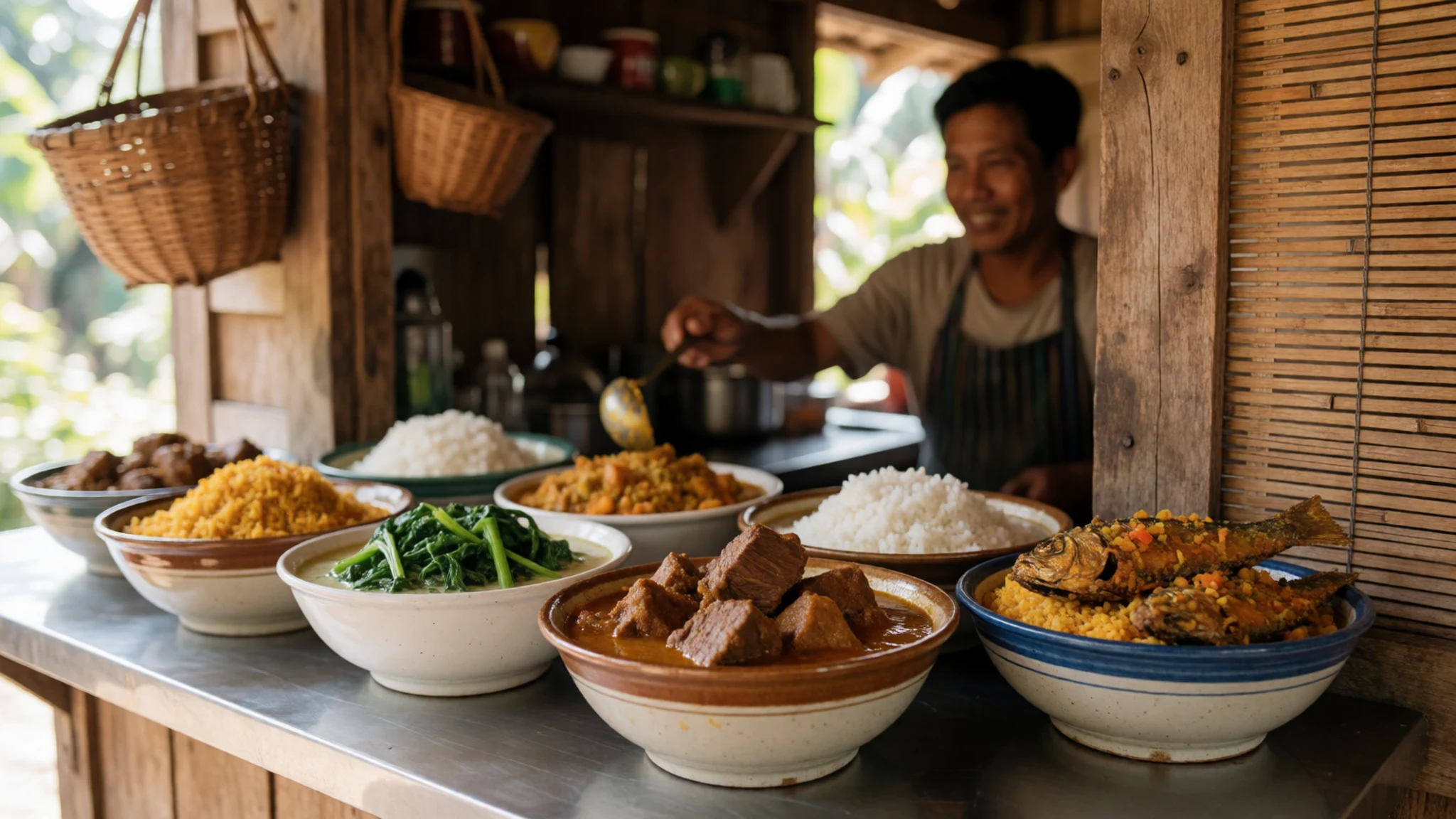
- Roti Canai — Open-air mamak stalls and morning breakfast cafes
A popular flatbread made by repeatedly tossing and stretching dough until paper-thin, then folding and pan-frying it on a hot griddle until crisp and flaky. It is served hot with small bowls of dal or thick meat curry for dipping.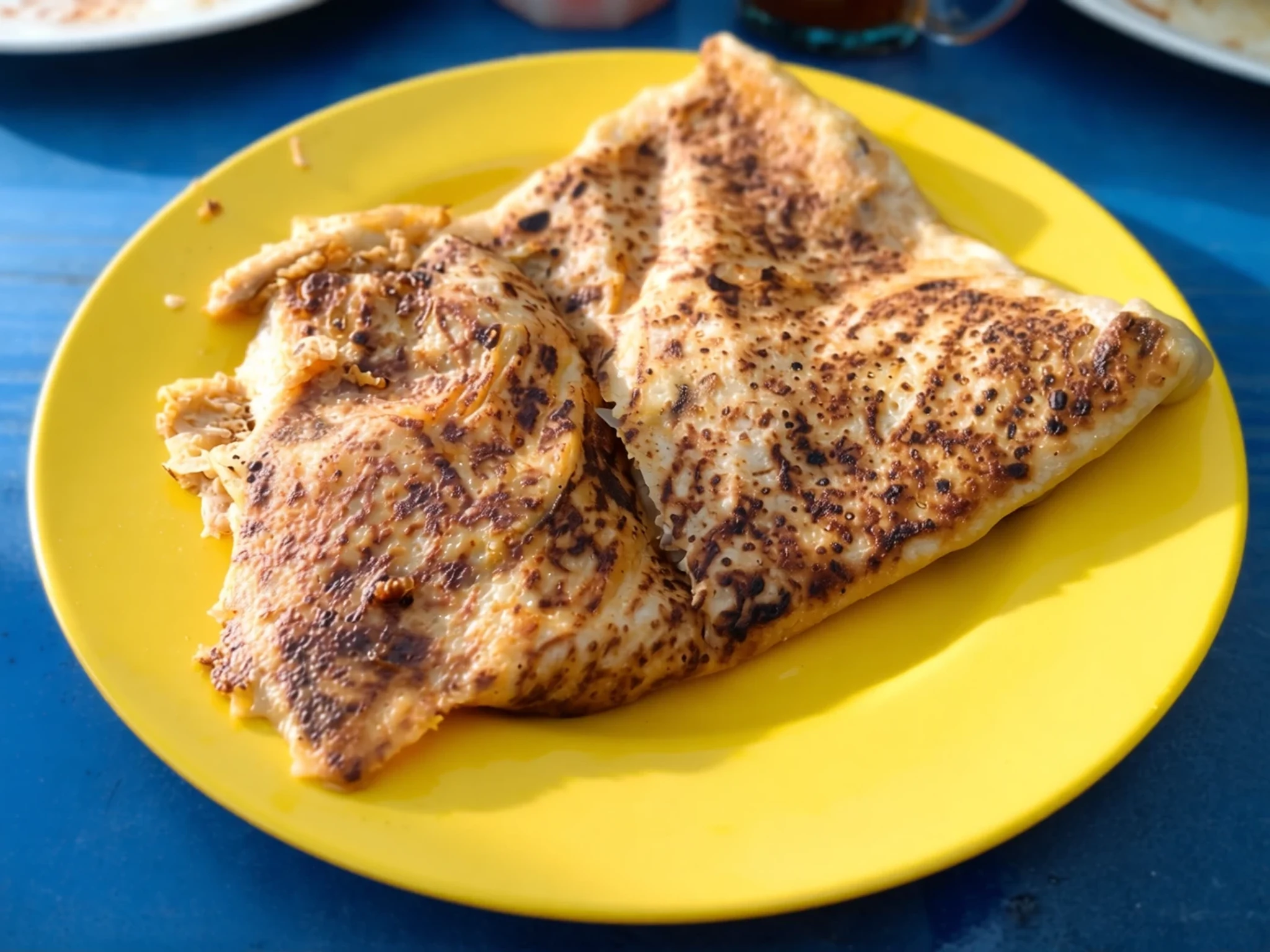
- Fresh Seafood — Open-air seaside restaurants and night market stalls
Given the island's coastal location, local kitchens prepare an abundance of marine catches including tiger prawns, squid, crabs, and reef fish. Dishes are typically stir-fried with sweet chilli sauce, steamed with ginger and soy, or grilled over charcoal. - Fusion Pizzas — Independent beachside cafes and relaxed village bistros
A creative local twist on Italian flatbreads, combining classic mozzarella and crusts with distinctly Malaysian toppings such as spicy sambal paste, chicken satay with peanut sauce, and local herbs, reflecting the island's multicultural culinary creativity.
Plan it
Best time. January and February offer the driest weather and clearest skies for beach visits and outdoor exploration, while April through December brings the long rainy monsoon season, peaking in October.
How long. 3–4
Getting there. Arrive by air at Langkawi International Airport or take a high-speed air-conditioned passenger ferry from mainland departure points such as Kuala Perlis or Kuala Kedah.
Budget. mid
Tips
- Bring warm layers because high-speed ferry cabins are heavily air-conditioned
- Book online ferry tickets in advance through official ticketing platforms
- Rent a car or scooter to navigate the winding interior roads comfortably
- Carry cash for small village stalls, night markets, and rural shops
Etiquette
- Remove your shoes before entering local homes, village dwellings, or places of worship
- Dress modestly with shoulders and knees covered when visiting local villages or mosques
Nearby
Sources
- Wikidata Q273303 (CC0)
- Wikipedia (CC-BY-SA 4.0)
- Wikivoyage (CC-BY-SA 4.0)