Lampedusa
Lampedusa, Italy
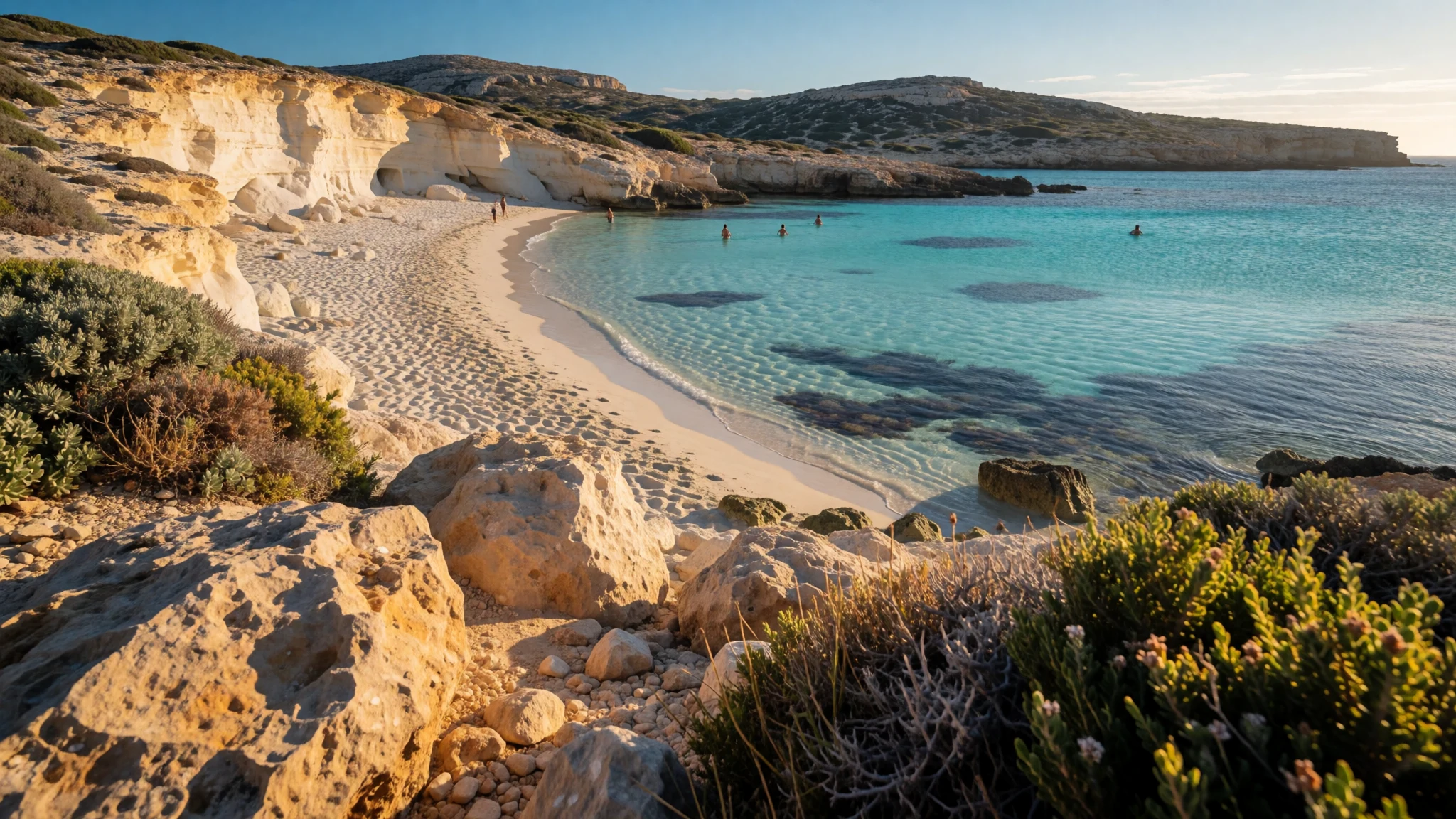
Lampedusa offers Italy's southernmost shores, dramatic limestone cliffs, and world-renowned turquoise waters where loggerhead turtles nest undisturbed.
The place
Lampedusa is the largest of the Pelagian Islands in the Mediterranean Sea, marking the southernmost point of Italy. Administratively part of the Sicilian province of Agrigento, this remote island sits closer to the coast of Tunisia than to the Italian mainland, while also lying west of Malta. With a compact territory and an elevation reaching up to the island's high point, the local community supports itself primarily through fishing, agriculture, and tourism. Visitors arrive by ferry from Porto Empedocle on the Sicilian mainland or via regular flights into the local airport.
The terrain is defined by rugged limestone uplands, sparse vegetation, and sweeping coastal views that drop into exceptionally clear turquoise waters. Its most famous stretch of sand, Spiaggia dei Conigli, has gained international acclaim for its striking natural beauty and shallow, translucent bays. Beyond the coastline, the interior remains quiet and sun-drenched, shaped by a semi-arid climate that nurtures hardy endemic flora and provides a crucial sanctuary for migrating wildlife crossing between Europe and Africa. The island functions as a bridge between two continents, both in its geography and its cultural heritage.
Its story
Historically, Lampedusa served as a natural maritime harbour and landing stage for ancient Mediterranean civilisations including the Phoenicians, Greeks, and Romans. Early Greek texts recorded watchtowers along its shores, while Roman engineers established production facilities for the prized fermented fish sauce known as garum. During the medieval period, changing powers left the island exposed to conflict, leading to devastating pirate raids by Saracens and later Barbary corsairs under the Ottoman Empire, which caused the island to remain uninhabited for long periods.
By the seventeenth century, sovereignty shifted when the territory was granted to a noble family who later acquired a princely title linked to the island. This family eventually initiated resettlement programs in the late eighteenth century, while the Order of St. John maintained a small outpost featuring a chapel dedicated to the Virgin Mary, manned by a priest and Maltese men who traded with passing mariners. In more recent decades, the island has transformed from a quiet fishing outpost into a significant maritime gateway and a poignant symbol of modern Mediterranean migration, commemorated by striking monuments along its rocky northern promontories.
What to see
- Riserva Naturale Orientata Isola di Lampedusa — Western coastal reserve
This protected semi-arid habitat shelters fragile endemic plants such as Apteranthes europaea alongside vital nesting grounds for loggerhead sea turtles. Walking paths wind through raw coastal terrain, offering sweeping vantage points over hidden coves and dramatic limestone cliffs dropping straight into the deep blue Mediterranean sea.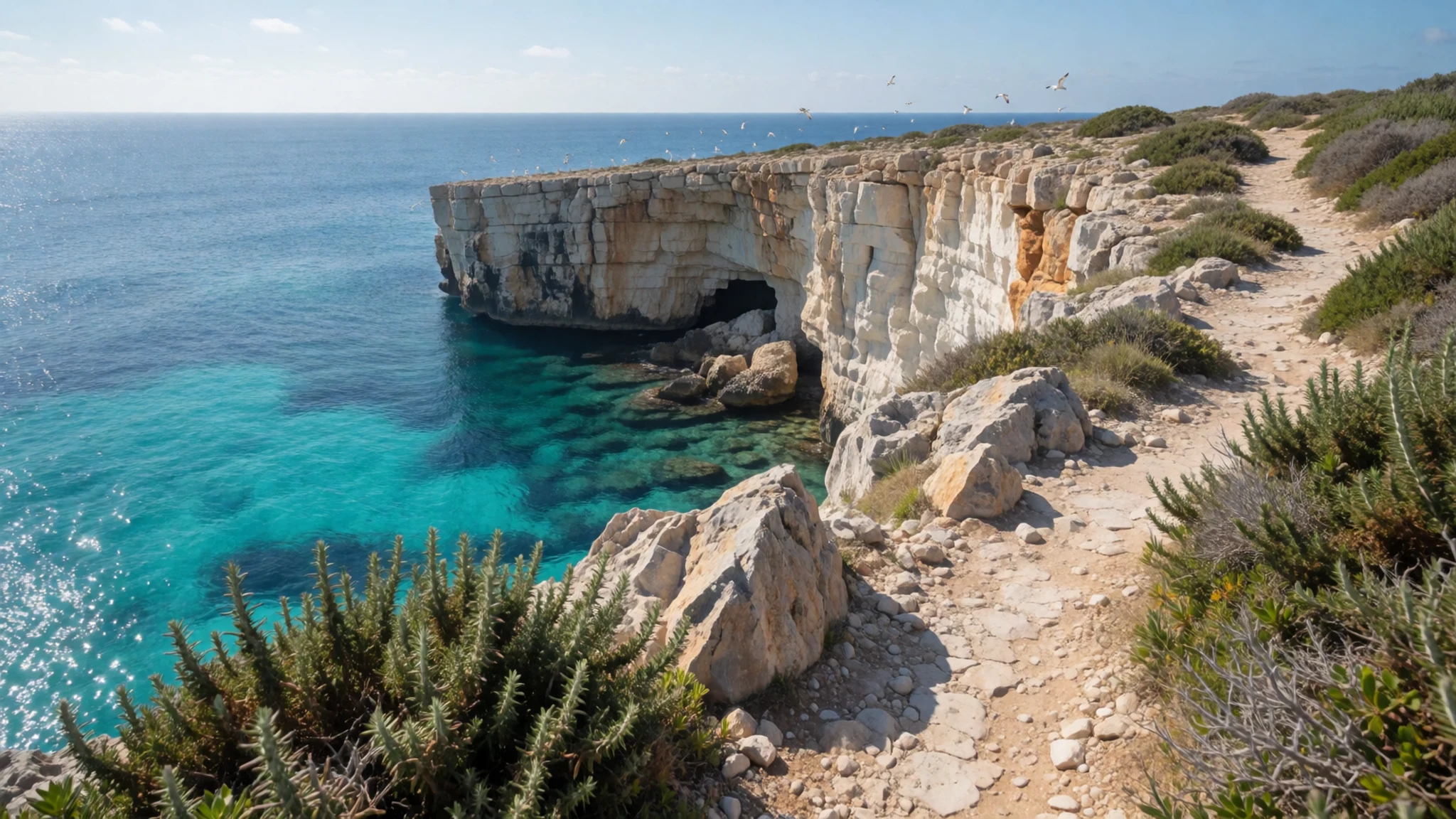
- Spiaggia dei Conigli — Southern coast
Widely celebrated as one of the finest beaches on earth, this stunning bay features powdery white sand and shallow, blindingly turquoise water. Protected as a nesting site for endangered sea turtles during the summer months, it delivers an unforgettable coastal landscape framed by pristine hills.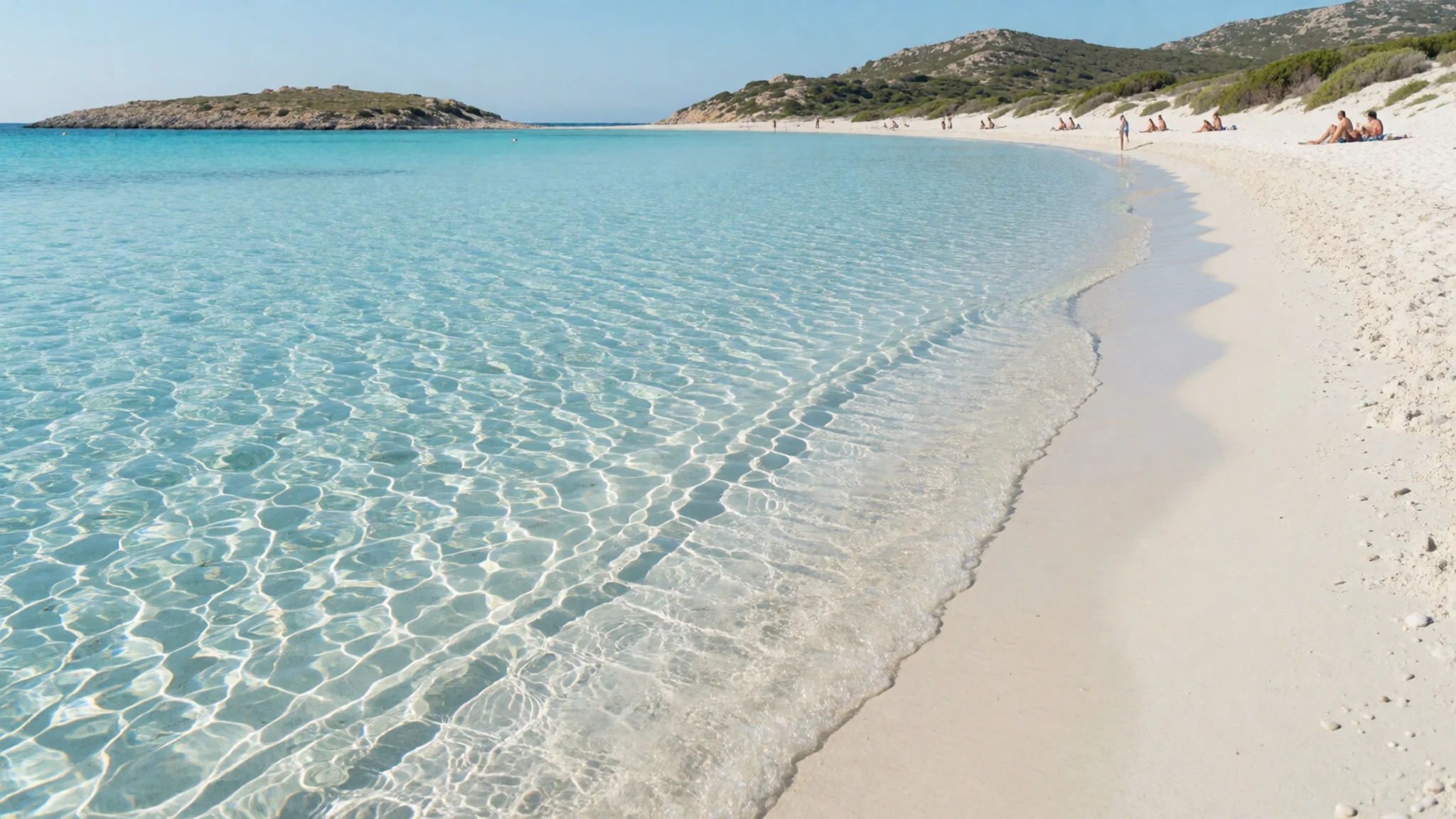
- Porta d’Europa — Northern headland
Created by artist Mimmo Paladino, this striking ceramic and iron memorial arch stands proudly on a windy headland. Serving as a solemn monument to migrants lost at sea, it acts as a powerful symbol of remembrance, hospitality, and the shared maritime destiny of Europe and Africa.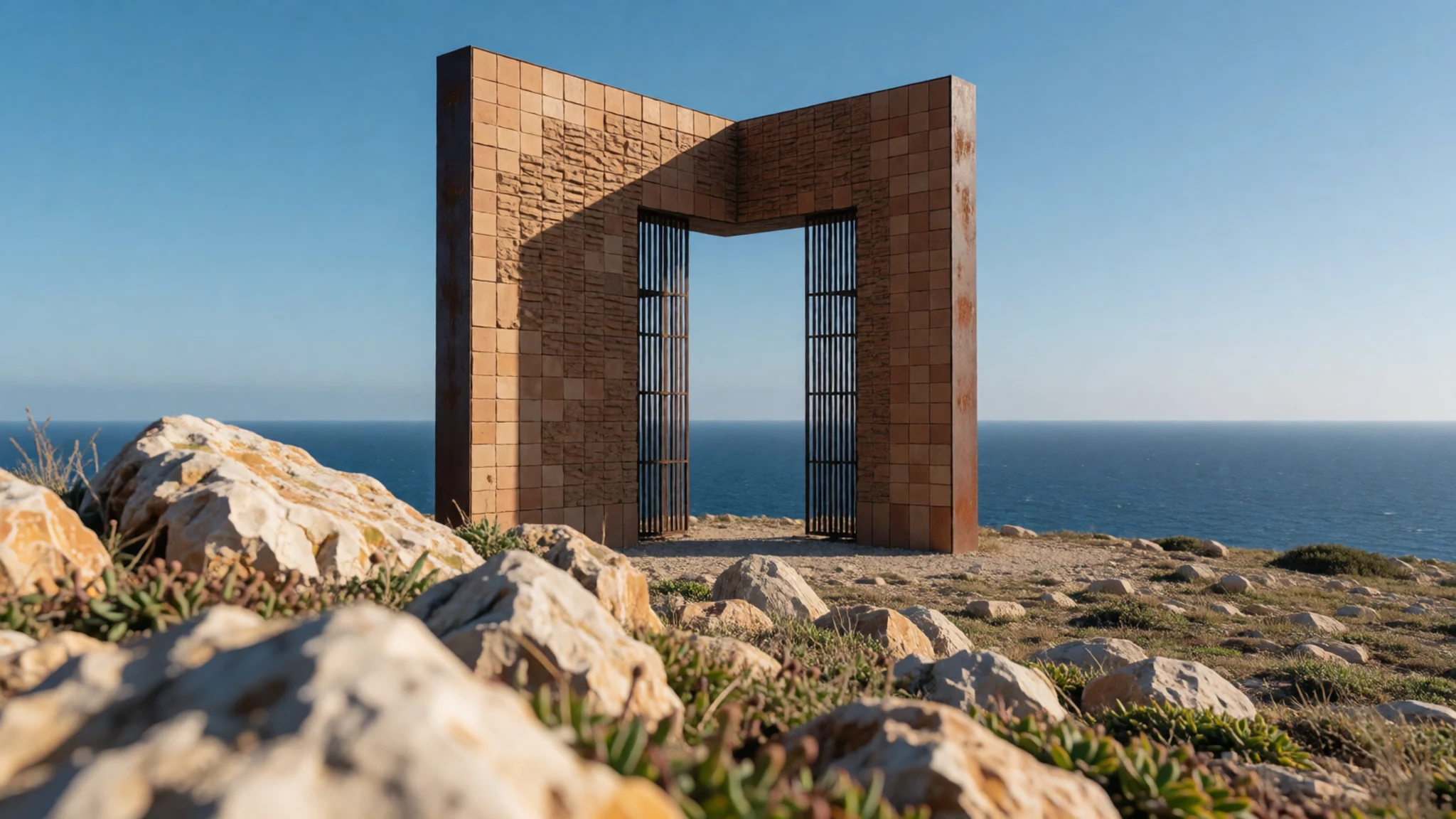
- Cala Pulcino — South-western shore
Tucked away at the end of a dramatic valley walk through the nature reserve, this secluded pebble beach rewards hikers with deep turquoise shallows and towering cliffs. It offers a wonderfully peaceful alternative to the busier southern bays, surrounded by untouched coastal wilderness.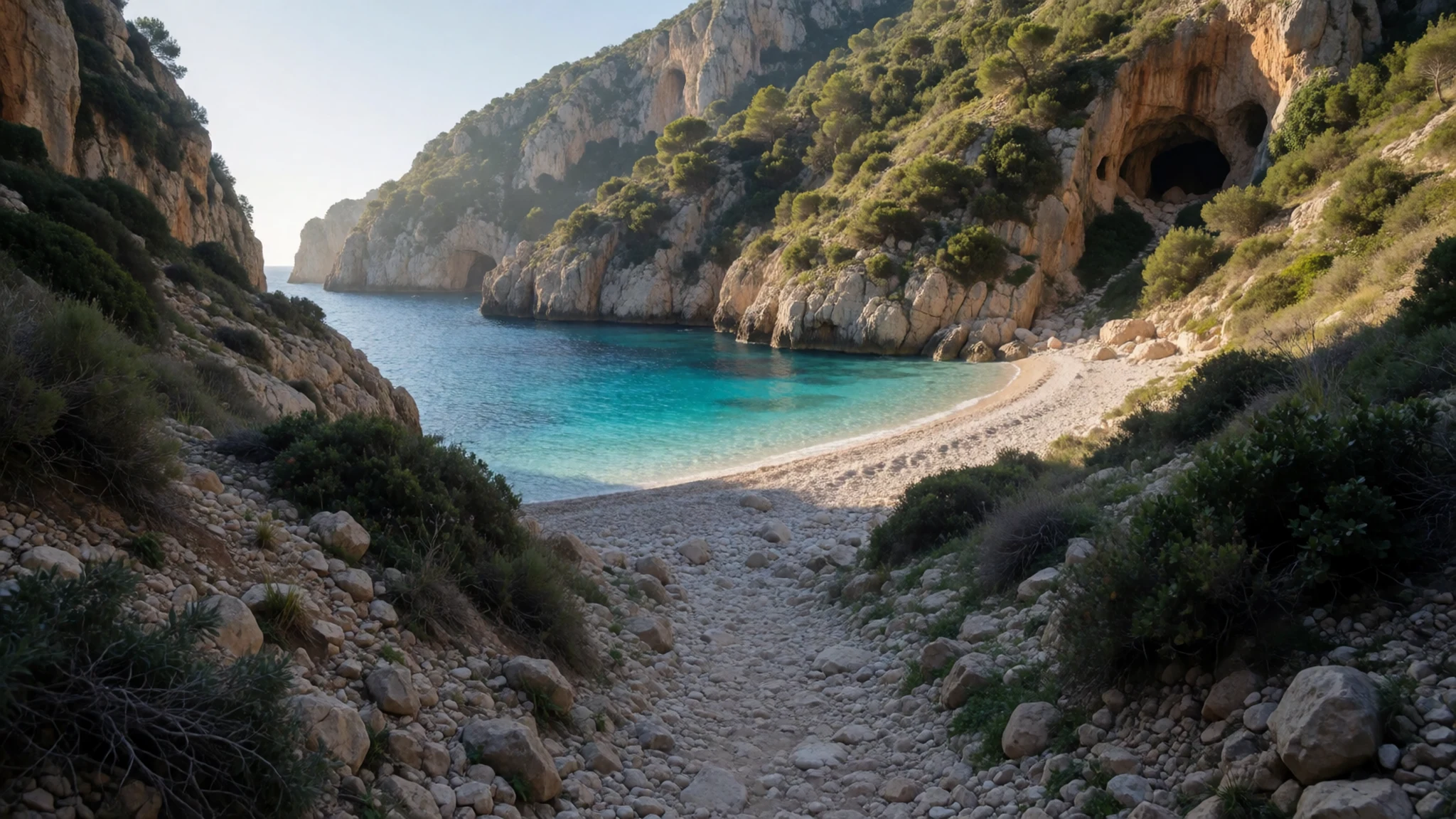
- Panchina gigante arancione — Harbour overlook
Part of a global art project, this oversized bright orange bench sits on an elevated coastal viewpoint overlooking the bustling harbour. It provides a playful resting spot to enjoy panoramic sea breezes, watch boats drift across the bay, and take memorable photographs.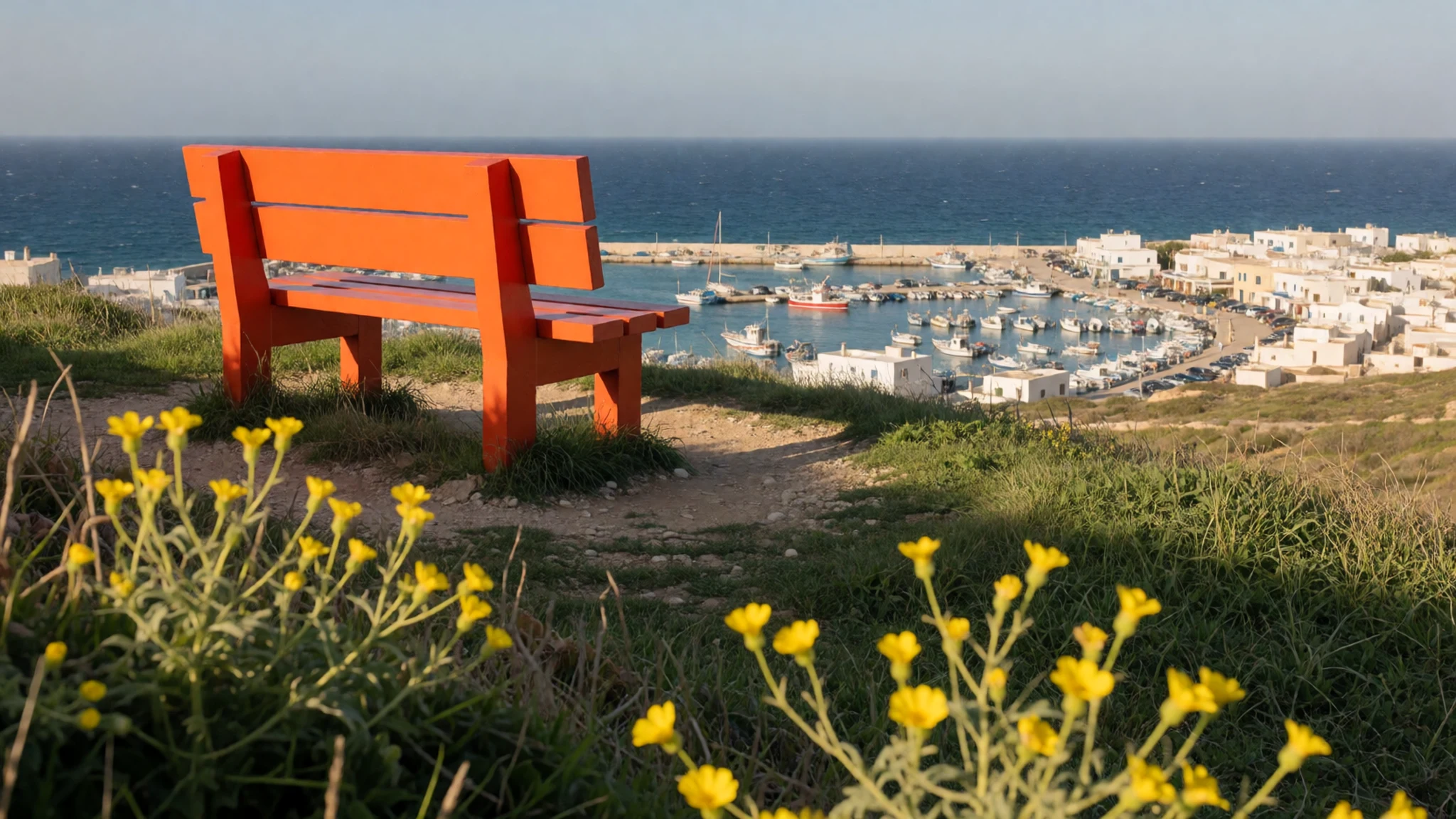
Culture
Lampedusa possesses a distinct cultural identity forged by centuries of maritime trade, Sicilian administration, and proximity to North Africa. The daily rhythm of life on the island revolves around the working port, local fishing fleets, and the changing tides of the Mediterranean Sea. Traditional crafts focus on maritime skills, net-making, and stonework, while social life naturally gravitates toward the public piazzas and outdoor cafes as the intense afternoon heat begins to fade. Islanders maintain a proud, welcoming demeanor, balancing generations of seafaring resilience with a relaxed coastal outlook that embraces visitors seeking natural beauty and quiet contemplation. When entering local churches or attending community gatherings, dress modestly with covered shoulders and knees.
What to wear
Traditional dress on Lampedusa historically favoured practical, lightweight garments suited to harsh sun and demanding maritime labour, crafted from durable cottons and linens that could withstand salt and wind. Today, locals and residents dress in casual, functional Mediterranean attire, prioritising breathable fabrics like cotton and linen to cope with the warm climate. For visitors exploring Lampedusa, the standard wardrobe should center on lightweight shorts, sundresses, linen shirts, and comfortable sandals or walking shoes for uneven coastal paths. Sun protection is essential, so wide-brimmed hats, sunglasses, and high-factor UV protection should always be packed. While casual beachwear is appropriate along the shore and around resort areas, visitors should wear light cover-ups when entering town shops, restaurants, or local places of worship.
What to eat
- Grilled Swordfish and Tuna — Portside trattorias and local seafood restaurants
Caught fresh daily by local fleets, swordfish and tuna form the backbone of the island's culinary tradition, typically seasoned simply with local olive oil, fresh lemon, and wild herbs before being charred over an open flame.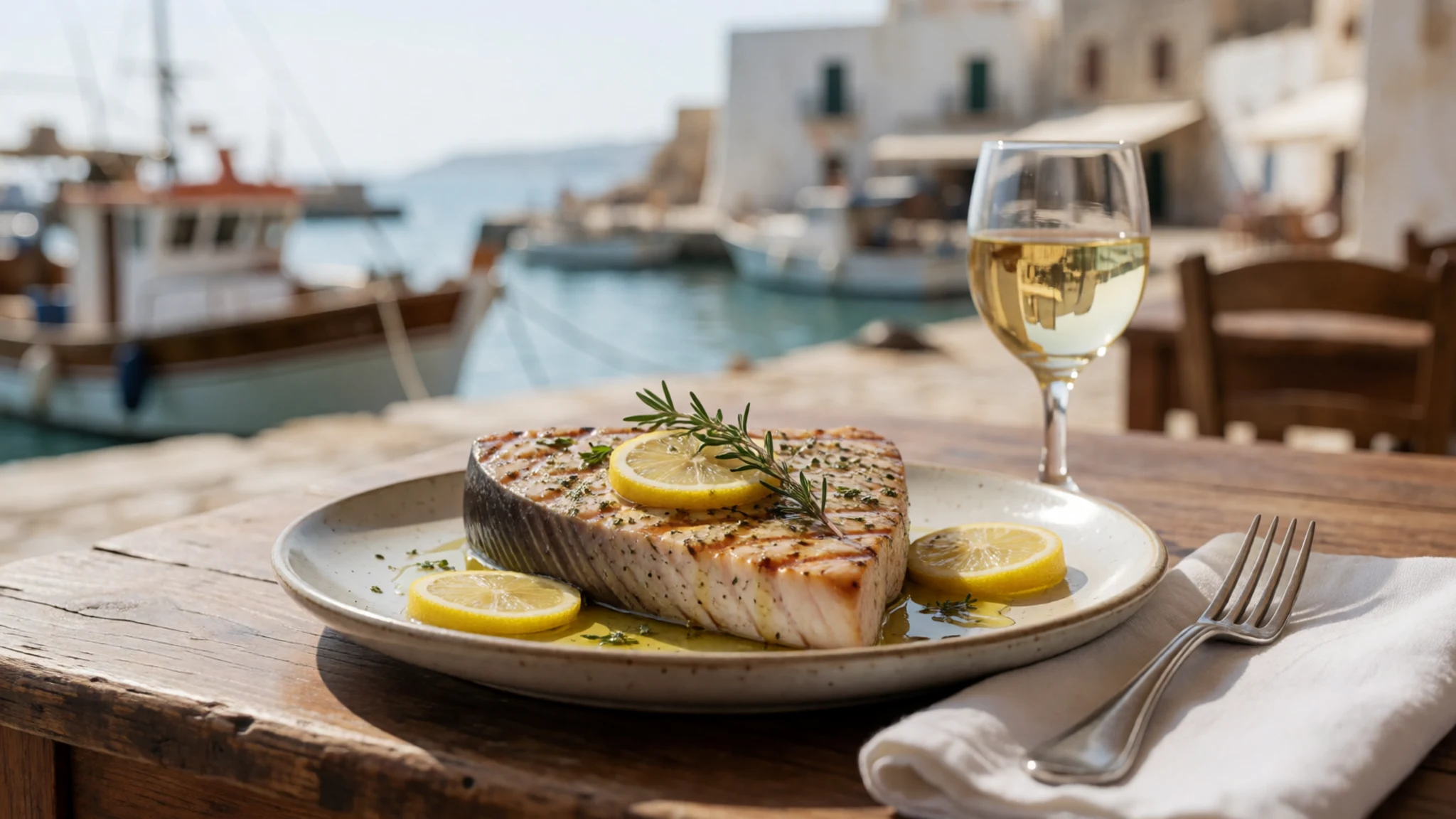
- Island Couscous — Traditional family-run eateries near the main harbour
Reflecting deep historical ties to North Africa, this local specialty features finely steamed semolina grains served alongside a rich, slow-simmered broth packed with fresh vegetables and tender chunks of local fish or meat.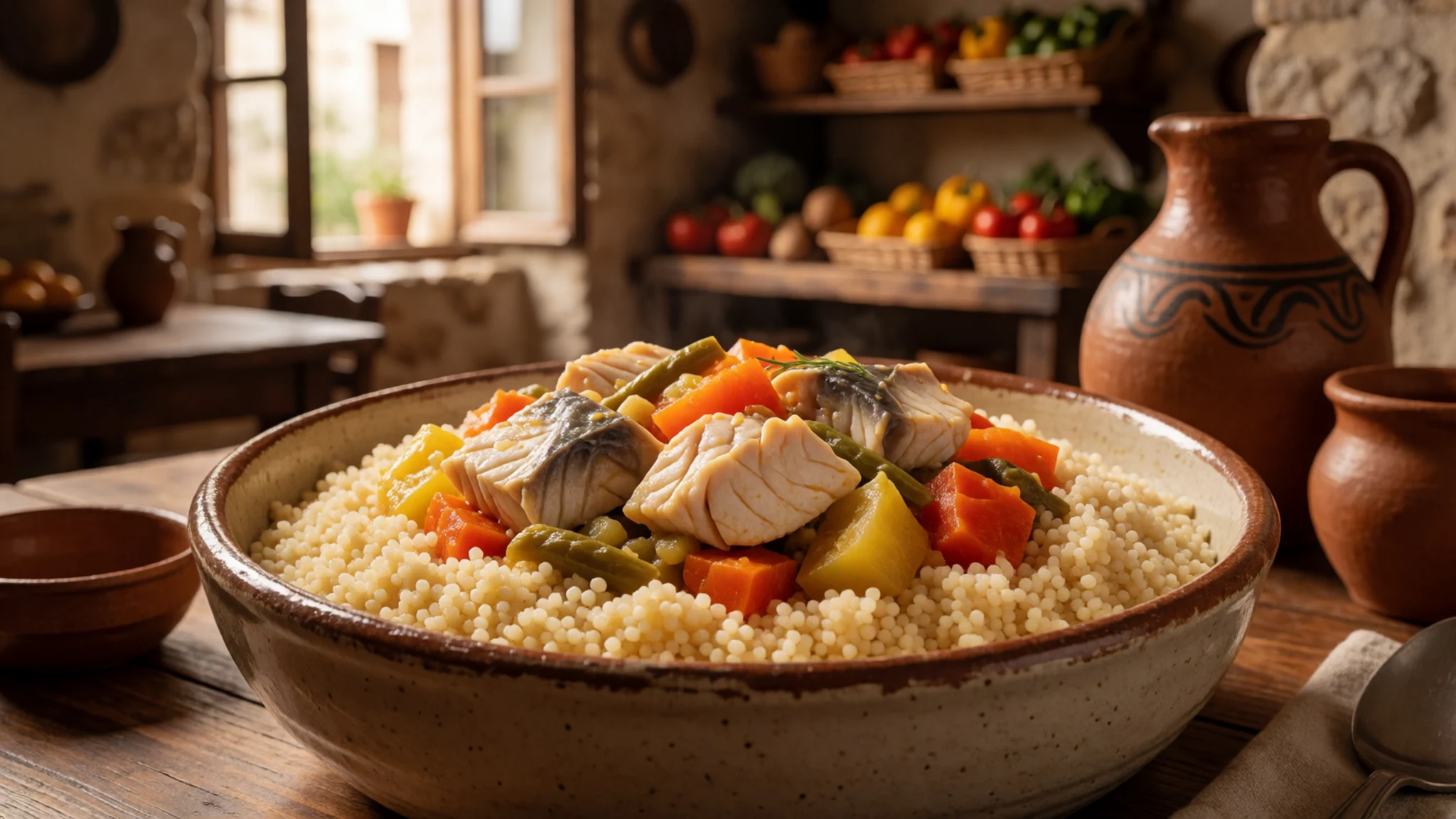
- Arancini and Caponata — Local bakeries, street food stalls, and casual cafes
Crispy, golden-fried rice balls stuffed with savory fillings sit alongside sweet-and-sour aubergine caponata, offering a classic taste of Sicilian culinary heritage adapted with fresh ingredients sourced directly from the surrounding region. - Cassatelle and Cannoli — Gelaterias and pastry shops around the town piazzas
Rich pastry treats filled with sweet ricotta cheese, chocolate chips, and candied citrus peel, providing a decadent sugary finish to traditional island dinners or a comforting sweet snack during afternoon strolls.
Plan it
Best time. May to September offers the most reliable warmth and sunshine for swimming and coastal exploration, though July and August bring peak crowds and higher temperatures.
How long. 3–4
Getting there. Fly directly into Lampedusa Airport from major Italian cities, or take the year-round ferry service operating from Porto Empedocle on the Sicilian mainland.
Budget. mid
Tips
- Book accommodation and rental cars well in advance if visiting during peak summer months.
- Carry high-SPF sunscreen, a wide-brimmed hat, and plenty of water when hiking coastal trails.
- Bring cash for smaller shops and cafes, as card machines are occasionally unreliable.
- Rent a scooter or small car to easily navigate the island's secluded coves and beaches.
Etiquette
- Respect local siesta hours when businesses may close during the middle of the afternoon.
- Always cover your shoulders and knees when visiting churches or religious sites.
- Pack out all rubbish when exploring the protected nature reserves and beaches.
Nearby
Sources
- Wikidata Q107338 (CC0)
- Wikipedia (rev 1381705090) (CC-BY-SA 4.0)
- Wikivoyage (rev 5426392) (CC-BY-SA 4.0)