Lakshadweep
Lakshadweep, India
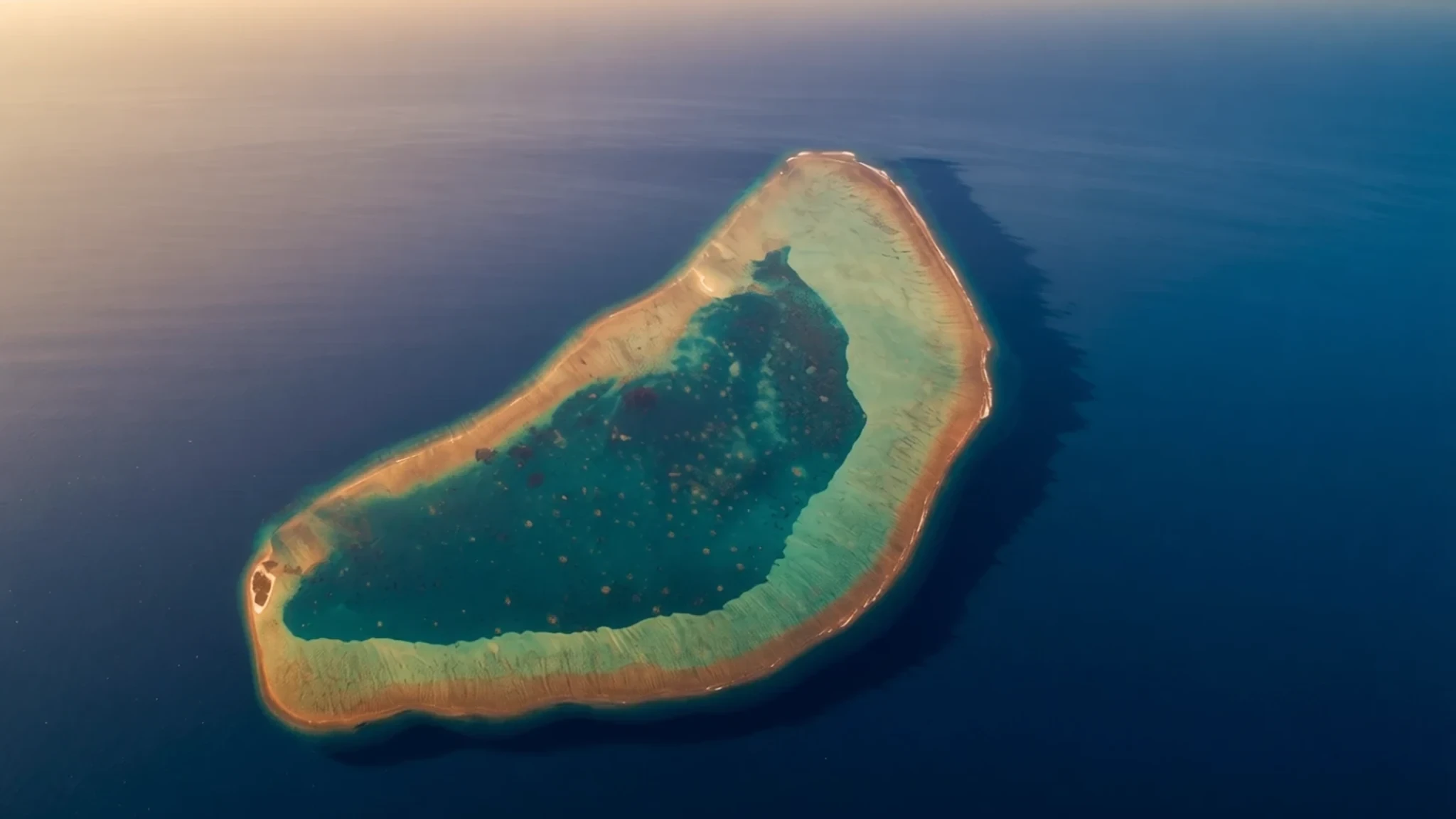
Lakshadweep is a slow, clear-lagoon archipelago where the permit is part of the trip.
The place
Lakshadweep is a union territory of India made up of 36 islands scattered across the Arabian Sea, roughly 220 to 440 km off the Malabar Coast of Kerala. Only ten of them are inhabited, so most of the archipelago is sand, reef and lagoon rather than towns. The islands fall into three groups: the Amindivi Islands in the north, the Laccadive Islands, and the atoll of Minicoy at the southern end. Kavaratti is the capital, and the whole territory is administered as a single district.
The land is tiny. Taken together the islands cover about 32 square kilometres, while the lagoon water around them is far larger than the dry ground. Nothing rises far above the sea; the land sits only about 16 m above sea level. Life follows the water, with fishing boats, coconut palms and a steady wind shaping the days.
The population is small and communities are close, so daily routines follow the tides and the seasons. Rainwater collected during the wet season is the main drinking supply, which is one reason the islands feel carefully managed and why some islands have never been settled. Most visitors come for the sea: swimming, snorkelling, diving and quiet beaches where the nights are dark and still.
Its story
Lakshadweep's story begins long before the islands appear on modern maps. Archaeological finds on Kalpeni point to people living here from at least 1500 BCE. Early Indian literature refers to the islands as a place known to travellers, and early Tamil writing describes them under the Chera dynasty, one of the three kingdoms of the ancient Tamil country, during the early centuries of the common era. Buddhist tradition also links the islands to the faith, with a suggestion that it arrived here during the time of Sanghamitra, daughter of Emperor Ashoka.
Sailors were aware of the islands by the first centuries of the common era. A Greek-language guide to the Indian Ocean trade mentions turtle shell being sourced from islands off a nearby coast, and later the geographer Ptolemy named several islands whose names still echo in today's place names. Trade routes linking the region with the Roman world passed through, and archaeologists have recovered material from that period on islands further north.
Genetic research has complicated the older idea that people reached the islands in a single wave from Africa. Most of the ancestry found here traces to South Asia. Islam is believed to have reached the islands in the 7th century with Muslim traders, and it shapes local life, customs and festivals today.
Later, the Portuguese Empire appears in the islands' record, and the territory eventually became part of independent India. Lakshadweep was made a union territory in 1956, a status it still holds, with Kavaratti serving as its administrative centre.
What to see
- Bangaram Island — Bangaram, lagoon atoll
Bangaram is one of the three islands where foreign visitors may stay, and its lagoon is the reason most people come. The water is shallow over pale sand near the shore and deepens toward the reef, so you can snorkel without a boat. The resort here runs diving through an operator on the island, and many guests spend their days in the water. Expect quiet, simple days rather than nightlife.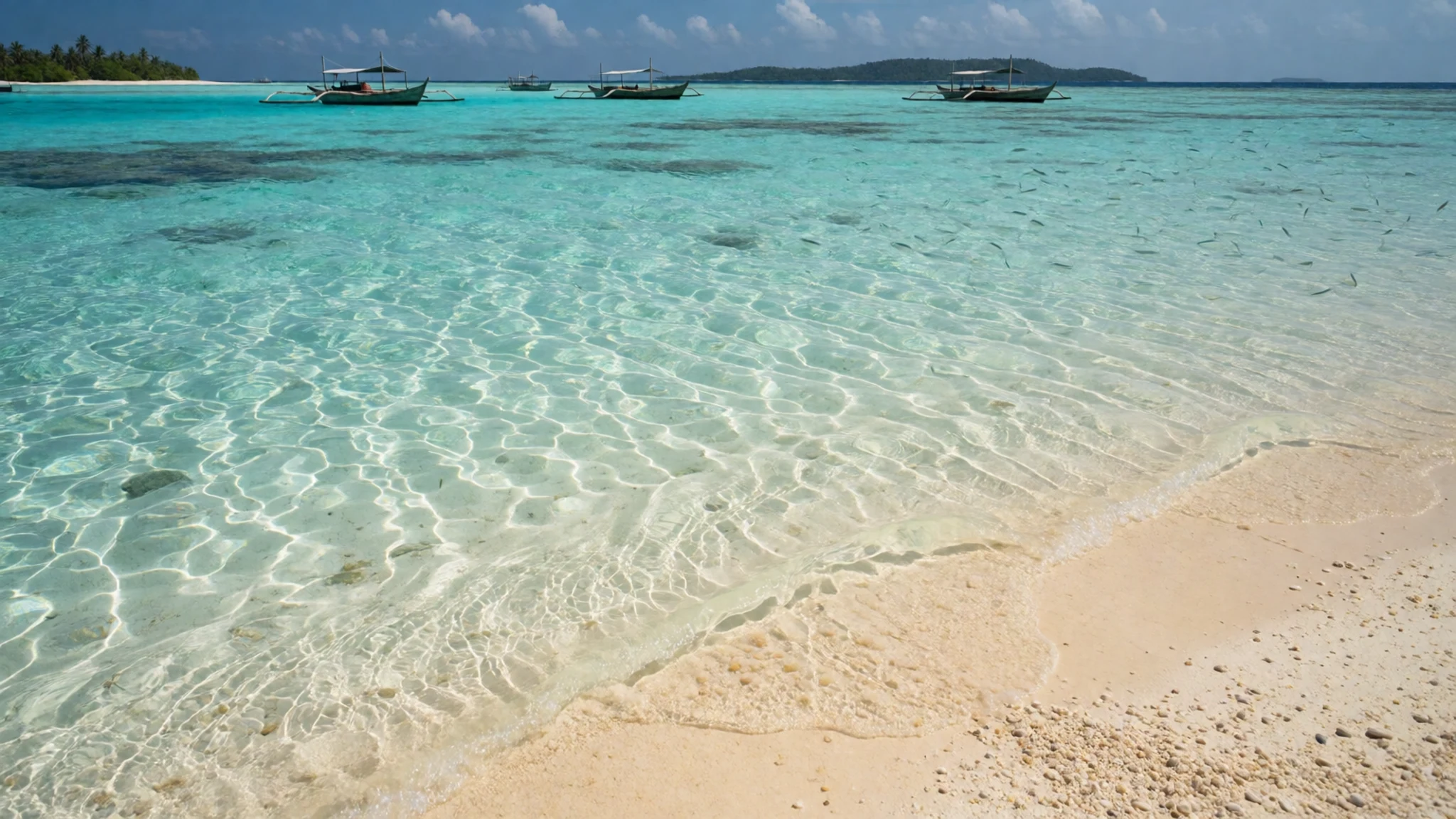
- Kadmat Island — Kadmat, lagoon atoll
Kadmat is another island open to foreign visitors, and its water is so clear that you can see the bottom even from the beach. The resort sits on the shore and offers diving through a shop run by a tour company. Calm lagoon sections suit beginners, while the open edges of the reef are for confident swimmers. Go early in the morning, when the light on the sand is at its best.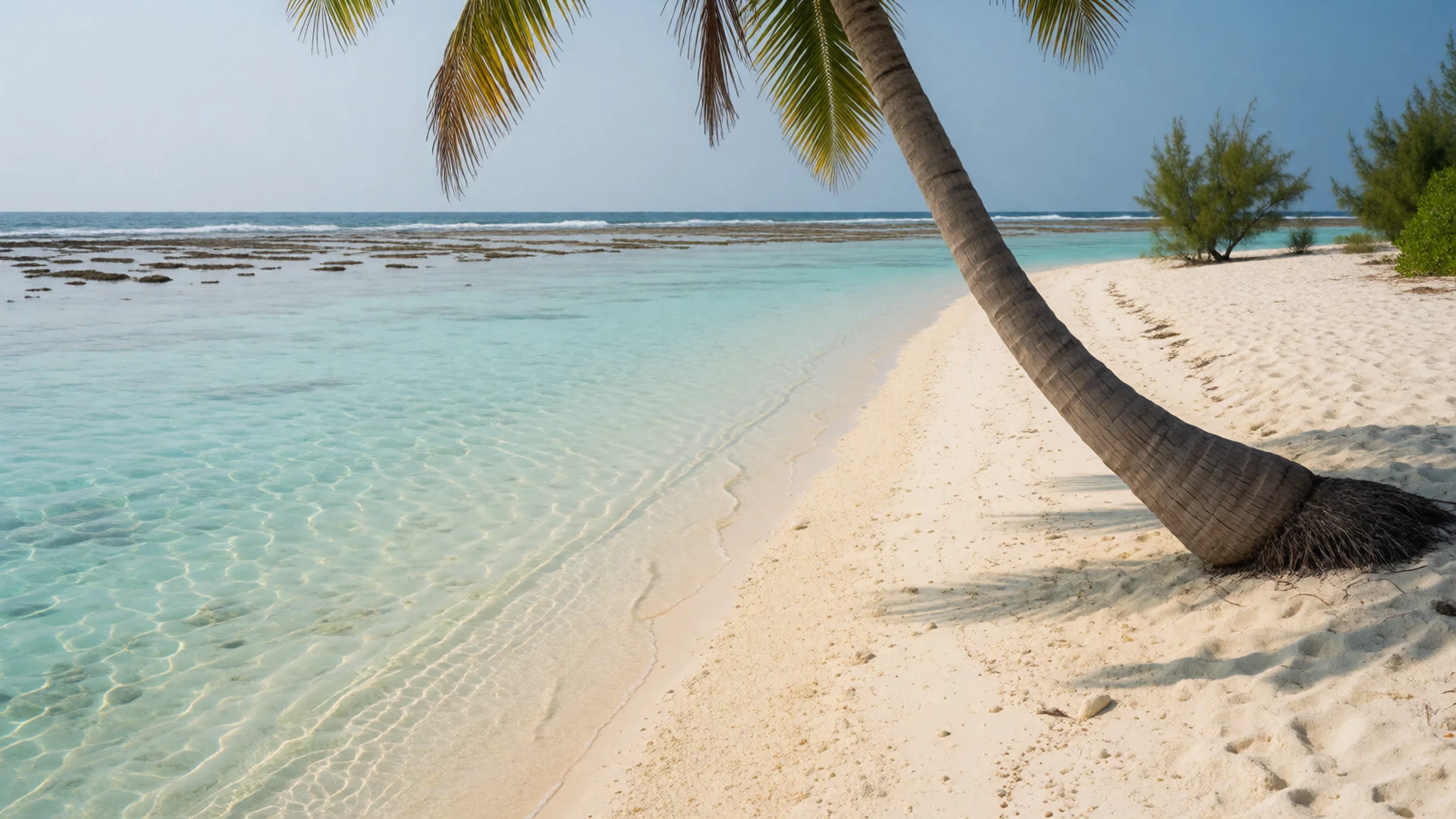
- Diving from Agatti — Agatti, the north-west lagoon
Agatti is the main gateway for foreign visitors, since its aerodrome handles the islands' air links. Diving schools operate from the island's resort and offer introductory dives as well as courses for people with some experience. Follow your instructor's briefing on currents and reef manners. Book dive days ahead, because the schedule depends on the weather and on boat availability.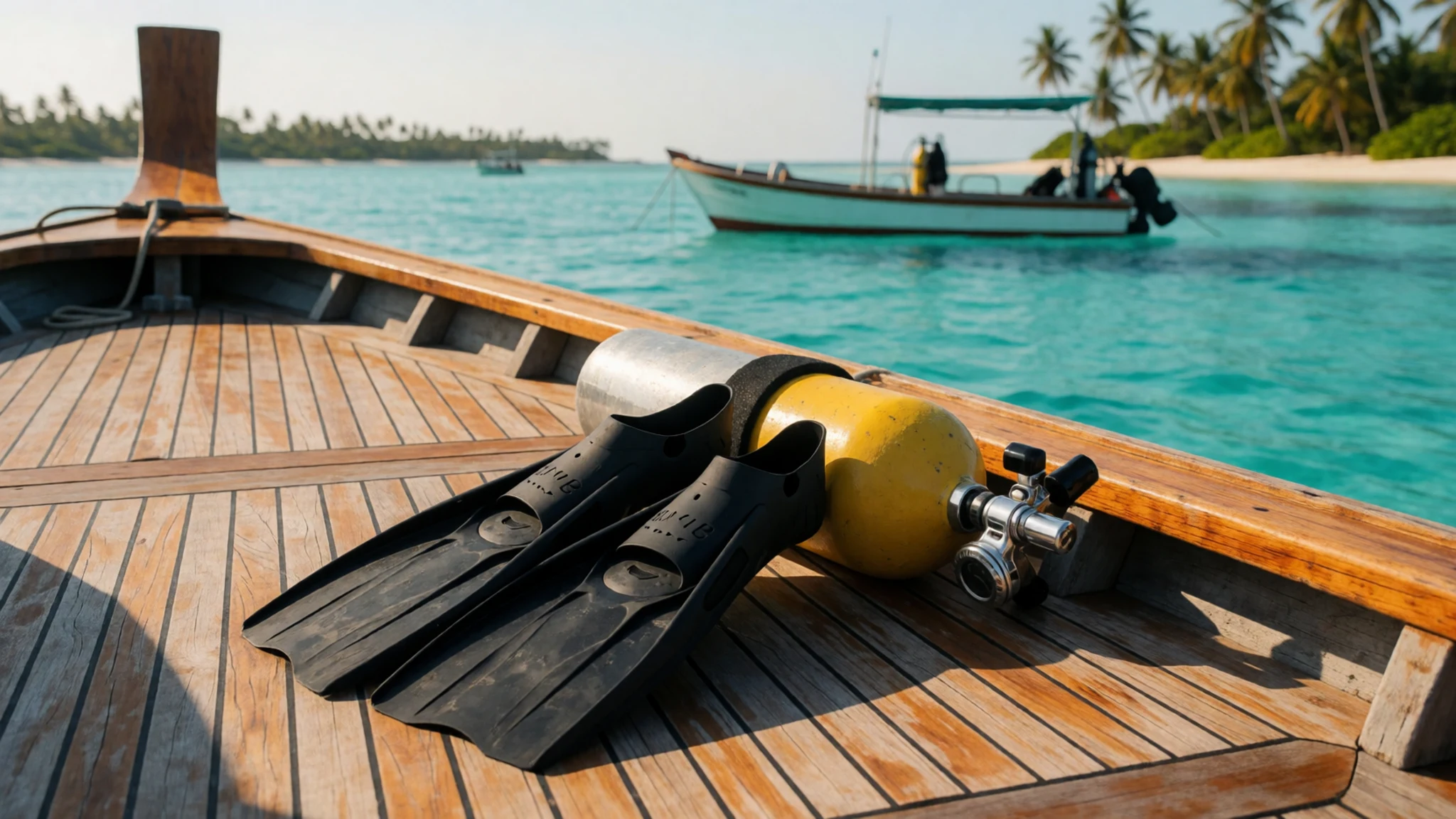
- Minicoy Island — Minicoy, the southern atoll
Minicoy lies south of the Nine Degree Channel and feels quite different from the northern islands. It is thickly green with vegetation, has a long shoreline and a distinctive local culture. Foreign visitors are not permitted to stay here, but Indian citizens can use a basic government resort. Plan the trip with the official tour operator, because boat times shape how long you can spend on the island.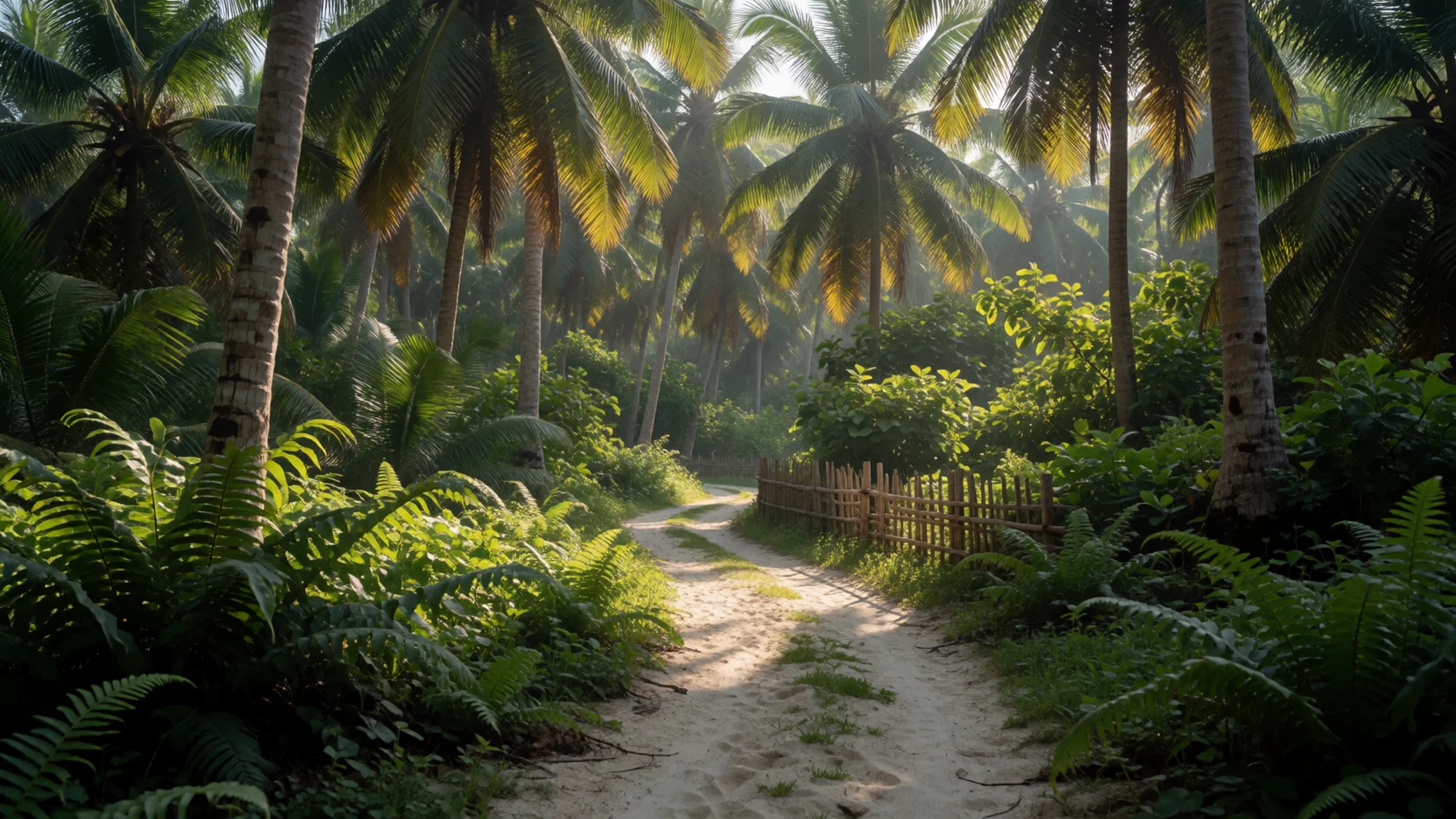
- Kalpeni Island — Kalpeni, the central lagoon
Kalpeni is one of the islands where archaeologists have found signs of early settlement, which gives it a deeper past than its size suggests. Its lagoon is good for boat rides, pedal boating and kayaking. Indian citizens can stay in a government resort here, while foreign visitors cannot. Ask locally before wandering inland, and check with your operator which parts of the island are open.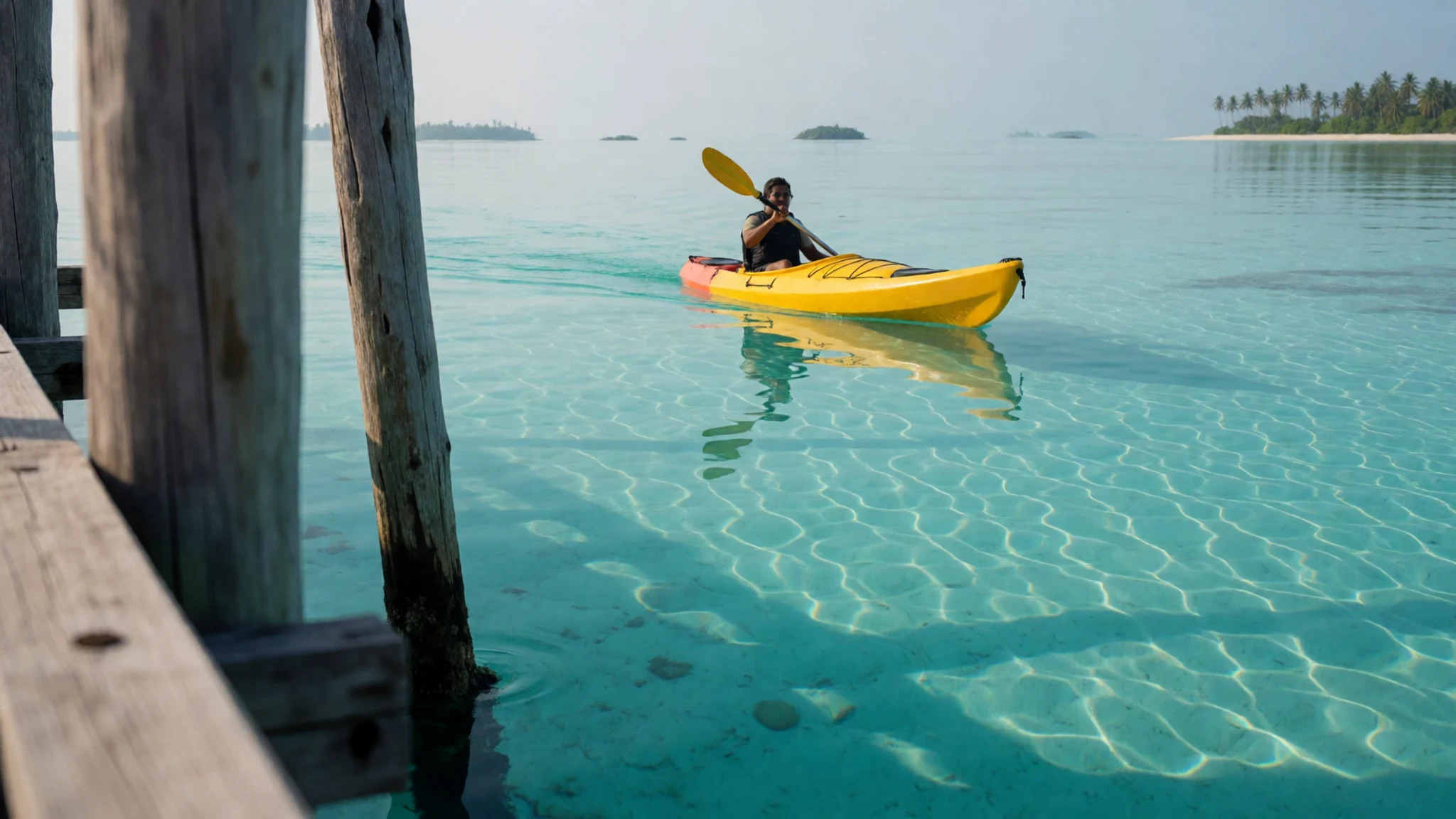
Culture
Lakshadweep is a predominantly Muslim territory, and daily life follows Islamic custom, with the mosque at the centre of many communities. Islanders are generally welcoming, but village life is conducted at a gentler pace than a resort, and privacy matters. Alcohol is banned across the territory, with exceptions only for approved hospitality venues and designated tourism zones, so do not expect to buy a drink at a village shop. Most visitors spend their time on resort beaches and boats, which is where the rules are most relaxed. Keep clothing modest when you walk through inhabited areas, and cover your shoulders and knees near the mosque. Ask before photographing people, especially women and children, and never disturb the reef. Picking up coral or shells is a punishable offence, so leave everything where you found it.
What to wear
Lakshadweep's dress grows out of the Malabar tradition of the southern Indian coast, where the mundu, a long cloth wrapped at the waist, is the everyday garment for men. Women traditionally wear long, loose garments with a head covering, and cotton is the main fabric because it suits the humid heat. Coir, the fibre from coconut husks, is woven into rope and mats here, so it is part of the islands' textile history as well as its trade.
Today, people wear a mix of Indian dress and Western clothes. Men often wear shirts and trousers for work and town errands, reserving the mundu for home, prayer and celebrations. Many women wear long tunics over trousers, with a dupatta or scarf to hand. Light, practical clothing is the norm, and people dress more formally for religious occasions.
For visitors, loose cotton or linen is the sensible choice. Women may find long skirts or trousers with a loose top more comfortable in villages, and men should carry shorts for the beach but keep their shoulders covered when visiting a mosque or village. Bring a sun hat, a rash top for snorkelling, and reef shoes for walking over coral and rocky edges.
What to eat
- Mus kavaab — a seafront eatery or home-style kitchen in Kavaratti
Mus kavaab is a spicy tuna curry, cooked with chunks of fish in a rich sauce. It is traditionally served with plain rice, which soaks up the gravy. The dish is deeply tied to island life, since the fish comes straight from local boats. Ask for it at a seafront eatery or a home-style place on the main island.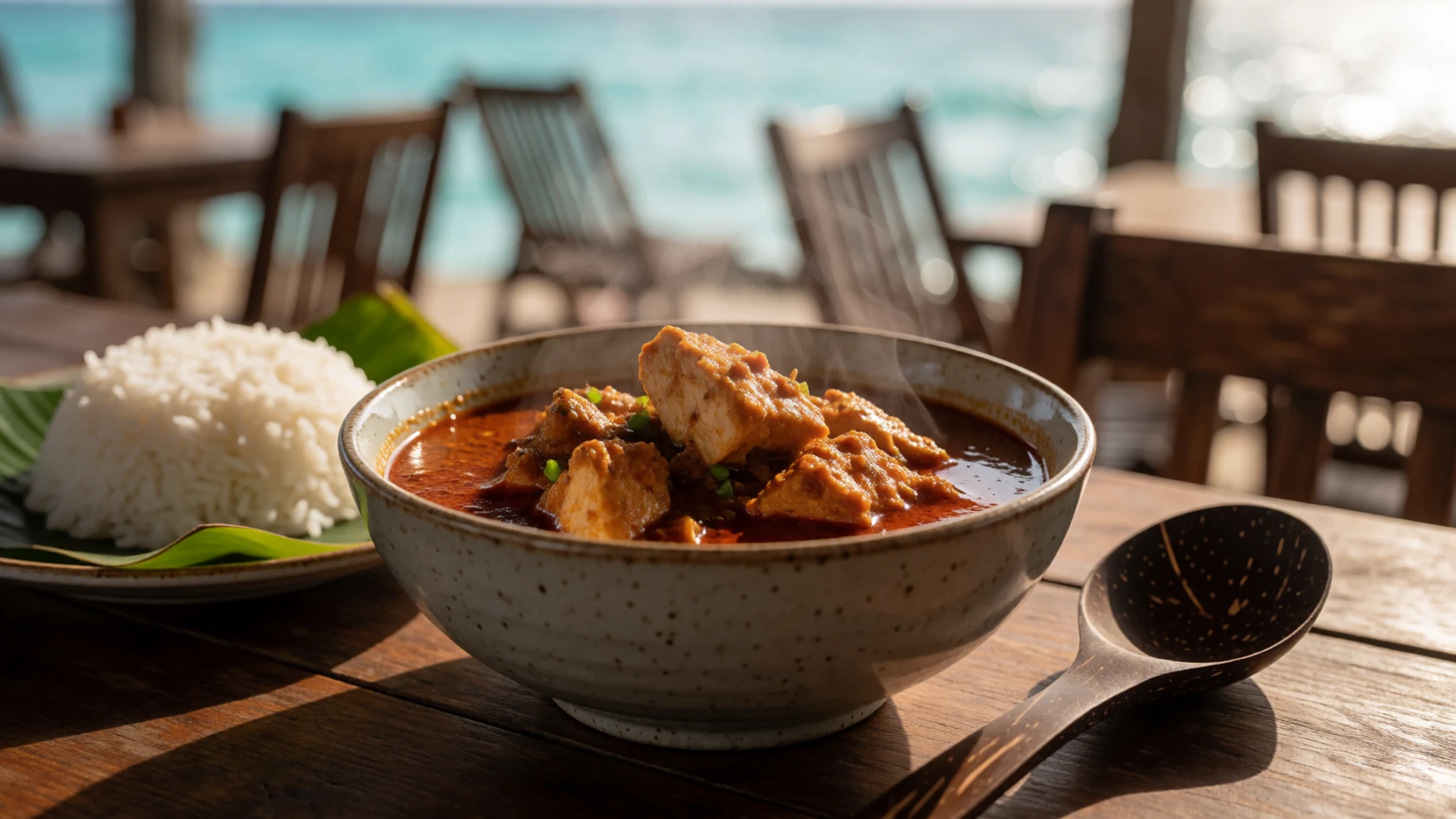
- Crispy fried octopus — harbour-side stalls and local resort kitchens
Octopus is caught around the reefs and fried until the outside is crisp and the inside stays tender. It is usually seasoned with local spices and eaten as a snack or a light main course. Order it fresh, when it is still warm from the pan. Look for it at stalls near the harbour or in resort kitchens that cook local catch.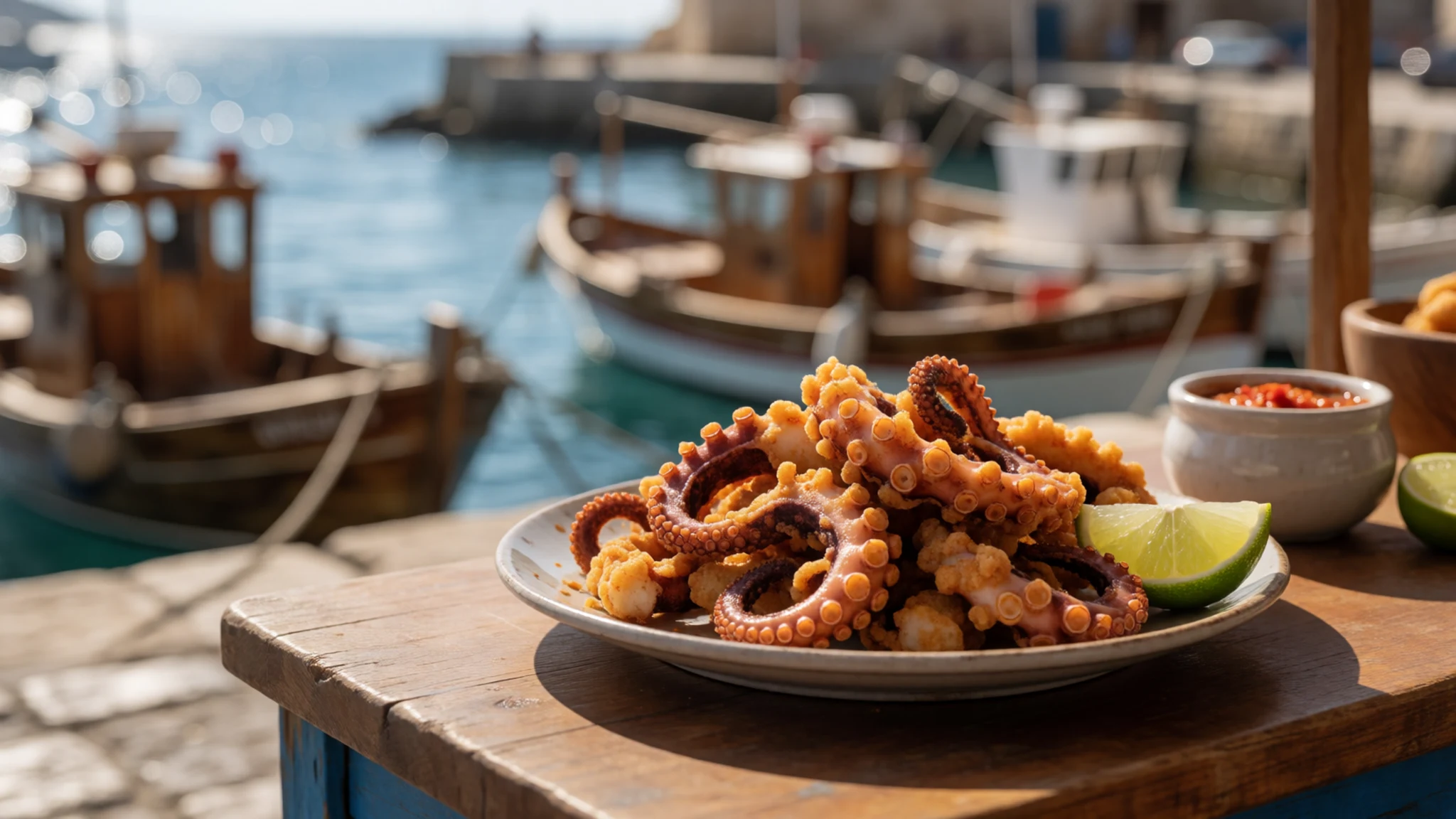
- Batla appam — tea stalls and home kitchens on Androth Island
Batla appam is a speciality of Androth Island and a sweet that is closer to a steamed cake than a pancake. It is made from eggs, flour, sugar and cardamom, and it has a soft, spongy texture. It makes a good afternoon treat with tea. Look for it at small tea stalls and home kitchens on Androth. - Fresh coconut water — roadside stalls and tea shops near the shore
Coconut water is the most common drink across the islands, served straight from the nut. It is cool, lightly sweet and refreshing in the heat. Drinking it is one of the simplest ways to keep hydrated. Buy it from roadside vendors or at a tea shop near the shore, and ask for a nut that has been cut open for you. - Fresh lime soda and juice — small cafés in Agatti and Kavaratti
Fresh lime soda, chilled fruit juice and simple milkshakes are popular, especially in Agatti and Kavaratti. Small cafés serve them through the day, and they make a good break between swims. Herbal teas and spiced milk appear in homes in the evenings, when the air cools a little. Ask for fewer sugars if you prefer a lighter drink.
Plan it
Best time. December to April is the most comfortable window, when the sea is calmer and rainfall stays low. The south-west monsoon brings heavy rain and rough seas, which can disrupt ferries and flights, so check schedules before you commit.
How long. 3–4
Getting there. Nearly everyone travels through Kochi in Kerala. From there, take a flight to Agatti or a ferry to the islands; the ferry crossing takes most of a day and a night, so choose a cabin if you can.
Budget. high
Tips
- Book a package through the government operator SPORTS, or let your accommodation arrange your permit, because foreign visitors must have accommodation booked in advance.
- Reserve resort rooms and dive slots early, since availability is limited on the islands.
- Carry cash for small stalls and tea shops, and confirm card acceptance with your resort.
- Drink bottled or resort-supplied water, as tap water is drawn from bore wells and tastes hard.
- Check the official site, lakshadweep.gov.in, for current permit rules before you travel.
Etiquette
- Do not collect coral or shells from the reef.
- Keep alcohol to approved venues, since it is banned elsewhere.
- Dress modestly when you walk through inhabited areas and visit places of worship.
Nearby
Sources
- Wikidata Q26927 (CC0)
- Wikipedia: Lakshadweep (rev 1375230606) (CC BY-SA 4.0)
- Wikivoyage: Lakshadweep (rev 5384611) (CC BY-SA 4.0)
- Photo: Bangaram Island, Lakshadweep (The.chhayachitrakar) (CC BY-SA 4.0)
- Photo: Kadmat Island, Lakshadweep (Manvendra Bhangui) (CC BY-SA 2.0)
- Photo: Boats at Kalpeni Island (SijiR) (CC BY-SA 4.0)
- Photo: Minicoy Island (Ajmal Hussain PKH) (CC BY 3.0)
- Photo: Anemone fish, Lakshadweep (PoojaRathod) (CC BY-SA 4.0)
- Photo: Agatti Airstrip (Julio) (CC BY-SA 2.0)
- Photo: Lakshadweep Banner (Gurvinder Singh brar GSB) (CC BY-SA 4.0)
- Photo: Admiralty Chart No 827 (UK Hydrographic Office) (Public domain)


