Lake Urmia
Lake Urmia, Iran
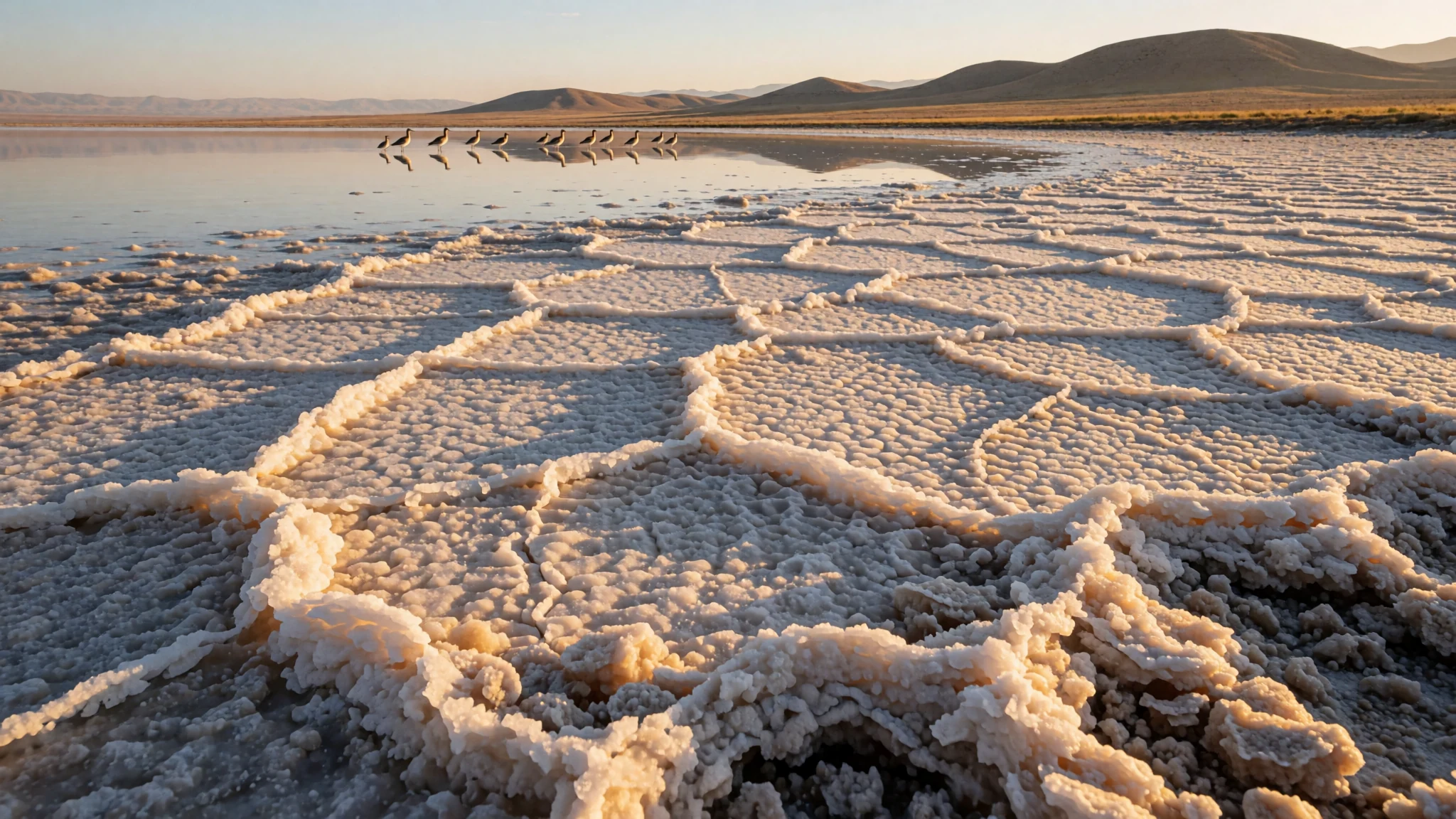
Lake Urmia, a salt lake in north-west Iran, is slowly recovering from near-total drying, so visit for its changing shoreline and its unusual wildlife.
The place
Lake Urmia lies in the Iranian region of Azerbaijan, in the north-west of the country, close to the Armenian border and a long way south of the Caspian Sea. It is an endorheic salt lake, which means it has no outlet to the sea. Rivers flow in, the sun and wind draw water back into the air, and the salt is left behind. At about 1,270 m above sea level, the air is often cool and dry, and in the warmer months the shallow water can look almost like a mirror under a pale sky.
The surrounding land is mountainous, with dry hills along much of the shore and small farming towns and villages between them. The lake itself has long held islands, the best known being Shahi Island, which is now a peninsula joined to the eastern shore as the water has fallen. Along with those islands, the lake is protected as a national park by Iran's Department of Environment, and it is also listed as a biosphere reserve.
The water is far too salty for fish, but it supports tiny brine shrimp, Artemia, which thrive in such conditions. Their presence explains why the lake has drawn scientists as well as walkers and holidaymakers. Most visitors come to see the shoreline, the causeways and the dried ground where water once stood, so expect a landscape of change rather than a postcard of open water.
Its story
For a long time Lake Urmia was a broad, shallow sheet of water fed by rivers and rain. Because it had no way out, its water slowly evaporated and its salt stayed behind, and over centuries the lake became one of the saltiest bodies of water on the planet. Its shape and depth shifted with the seasons, but it was always there, a fixed point on the map of north-west Iran.
That changed over the decades before the late 2010s. Persistent drought reduced the inflow from the rivers, dams were built on those rivers, and farmers and towns pumped more groundwater from the surrounding land. The lake shrank until only a fraction of its former size remained, and the volume of water fell far more sharply than the area did, because the shallow edges dried first.
A partial recovery followed. Heavy rain and water diverted from the Zab River under a national research programme brought the level back up. That recovery did not last. Drought and administrative mismanagement pushed the water down again, and satellite images showed the lake almost completely dry in the mid-2020s.
The story then turned once more. After exceptionally heavy rain across the wider region, together with releases of surplus water from dams and the dredging of canals, the lake rose to its highest level in several years. Recovery here is fragile, and local people will tell you that the lake's future depends as much on how water is managed as on the weather.
What to see
- The open shoreline near Shahi Island — Lake centre and nearby shore
The lake's main viewpoints lie along the western and eastern shores, where dry hills meet the water's edge. On clear mornings the rocky outline of Shahi Peninsula is visible along the eastern shore. Go early, since the light is softer and the heat builds quickly by midday. Bring water and a hat, as there is little shade on the open shore.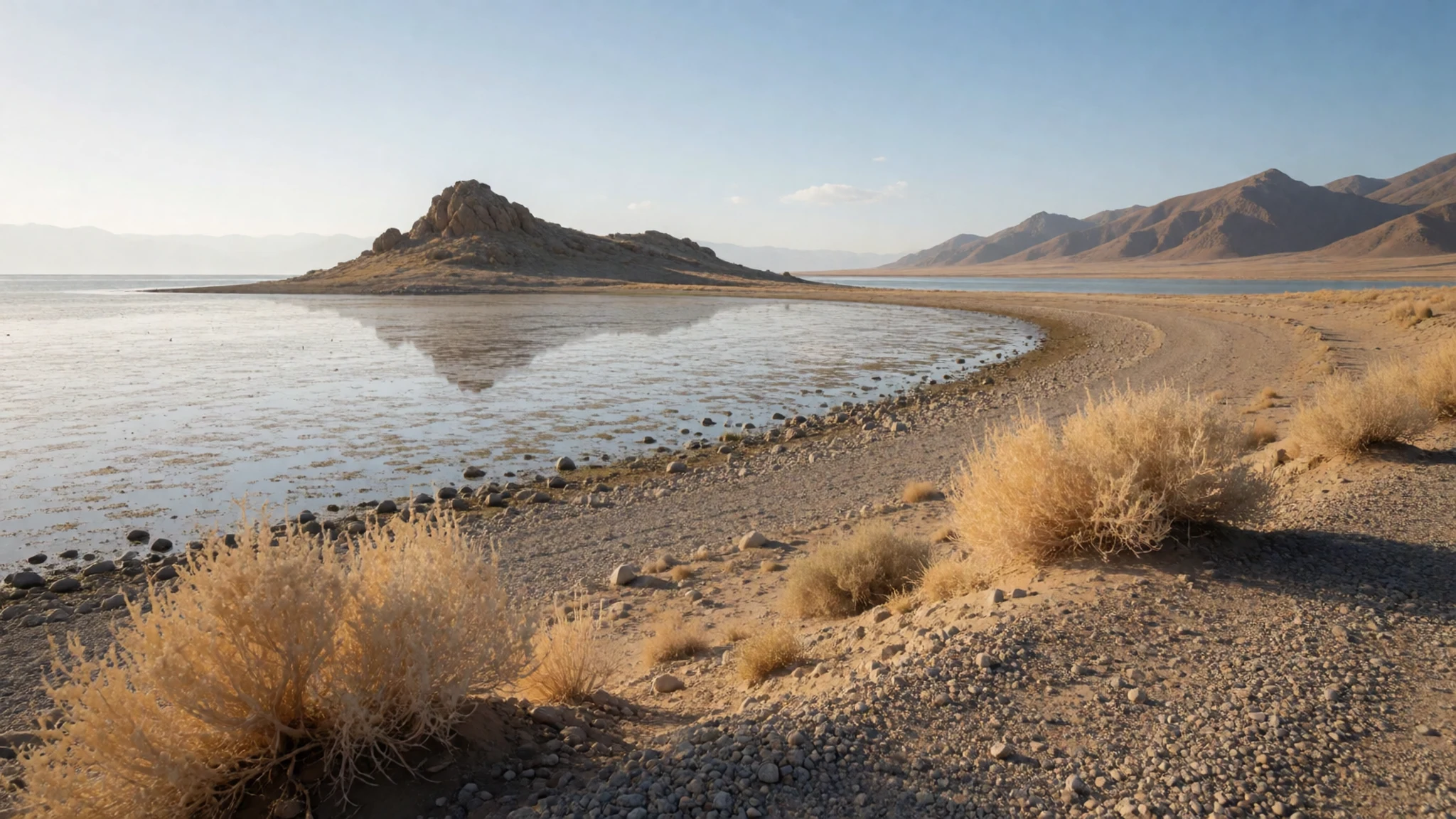
- The Shahid Kalantari highway — Along the lake's eastern shore road
The Shahid Kalantari highway runs beside stretches of the lake, and it is one of the places where Iranian visitors come at weekends and holidays to see whatever water remains. The road gives a long view across the shallows. Stop only in safe lay-bys, since traffic is fast and there is little verge.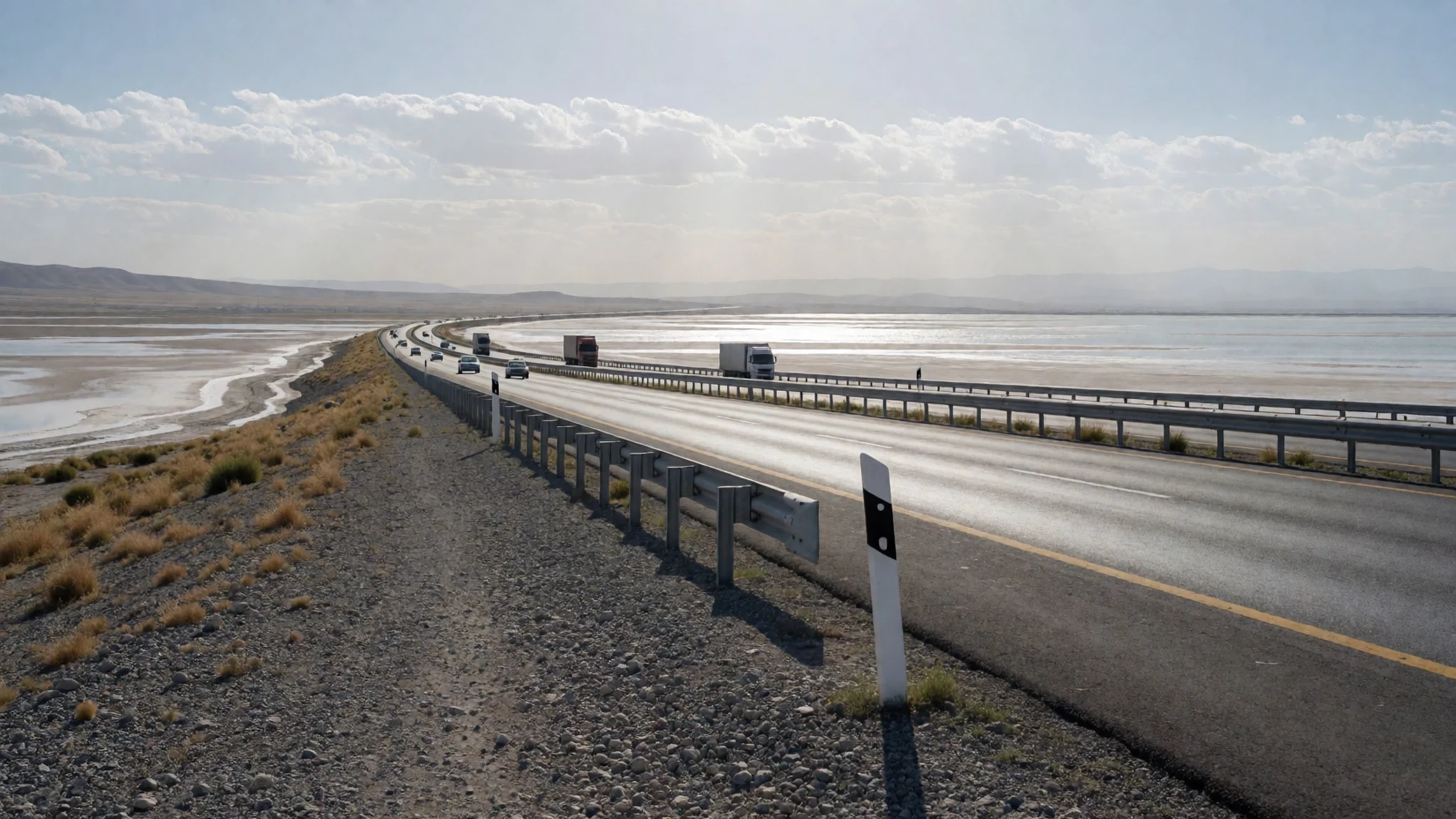
- The bridge across the lake — Middle of the lake
A finished bridge crosses the middle of the lake, and photographs show its piers rising from the water, with mountains behind. It is an unusual sight and a reminder of how the lake's shape has been altered by engineering. Do not climb on the bridge structures or enter restricted maintenance areas.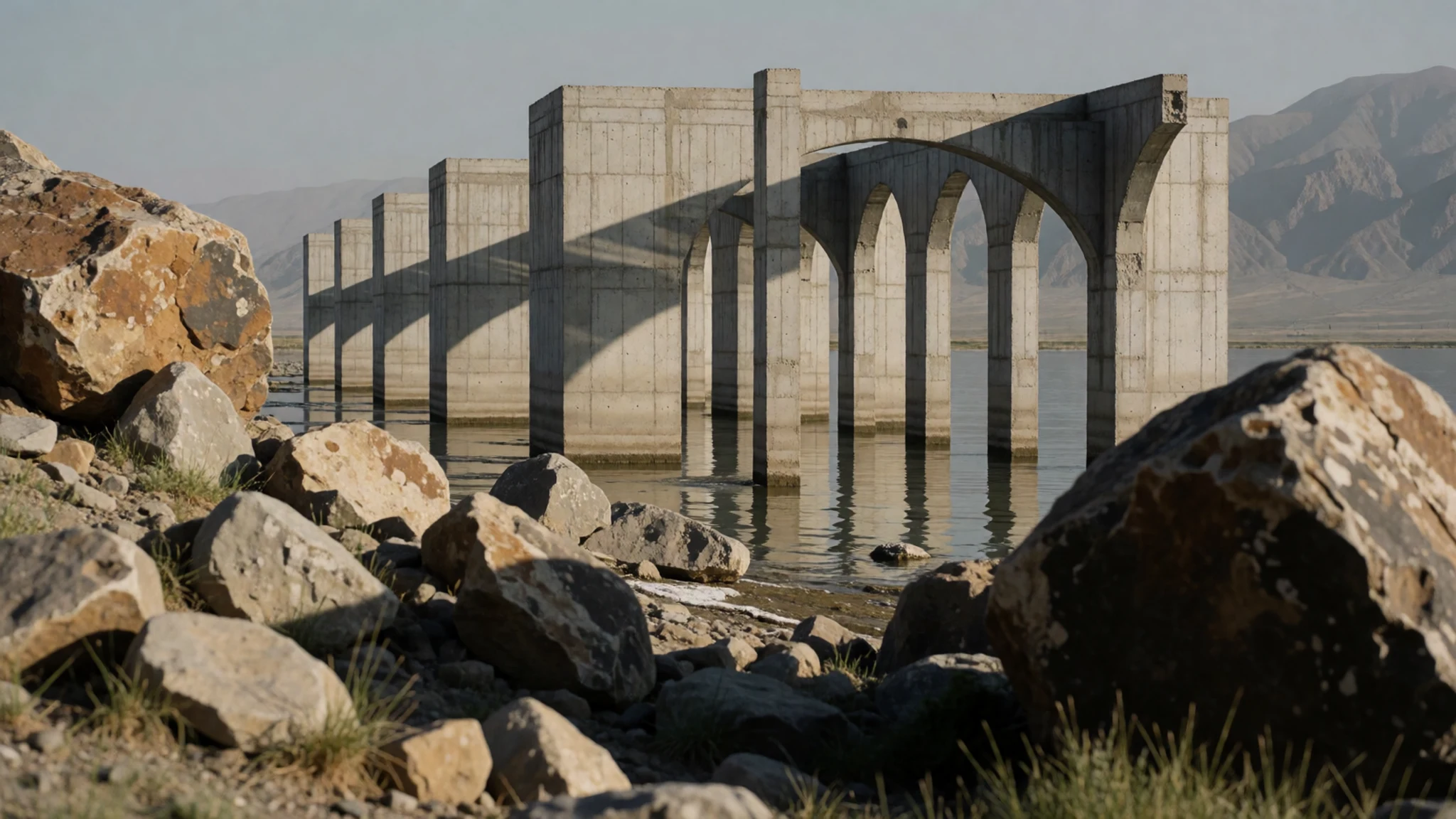
- The salt flats — Exposed lake bed on the southern and western margins
Where the water has retreated, white salt crust covers the ground, cracking into plates underfoot. Recent photographs taken in summer show how stark the scene can be, with the crust glaring under a hard sun. Wear closed shoes, because the crust can be sharp and slippery when damp, and keep to firm ground.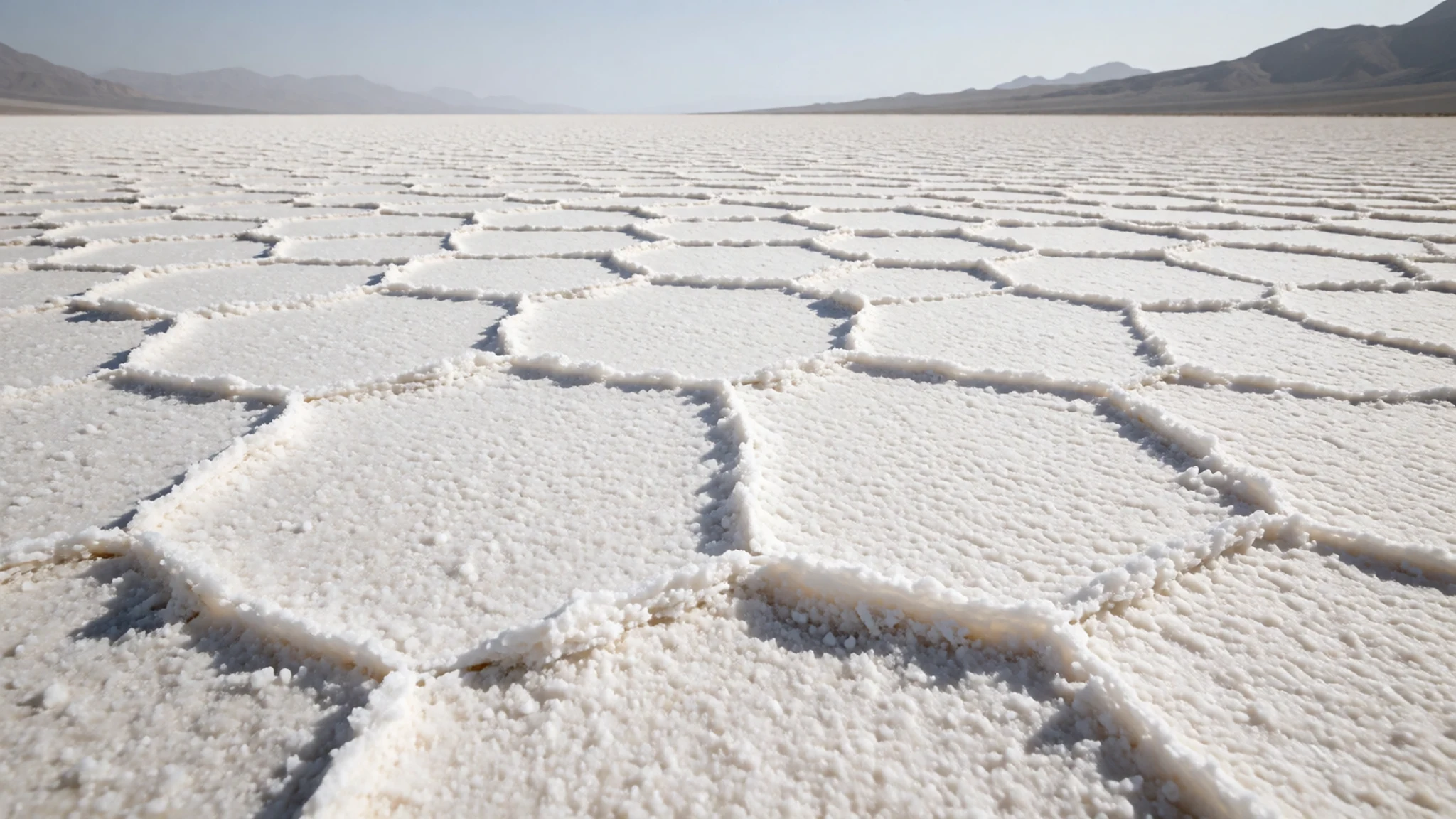
- The former shoreline — Former shoreline on the lake's edges
Several areas show the old waterline as a pale band across the land, where water stood for years and left salt behind. Walking this edge gives a clear sense of how much the lake has contracted. It is a quiet place for photographs, but respect the farms and private land that border it, and ask before walking across them.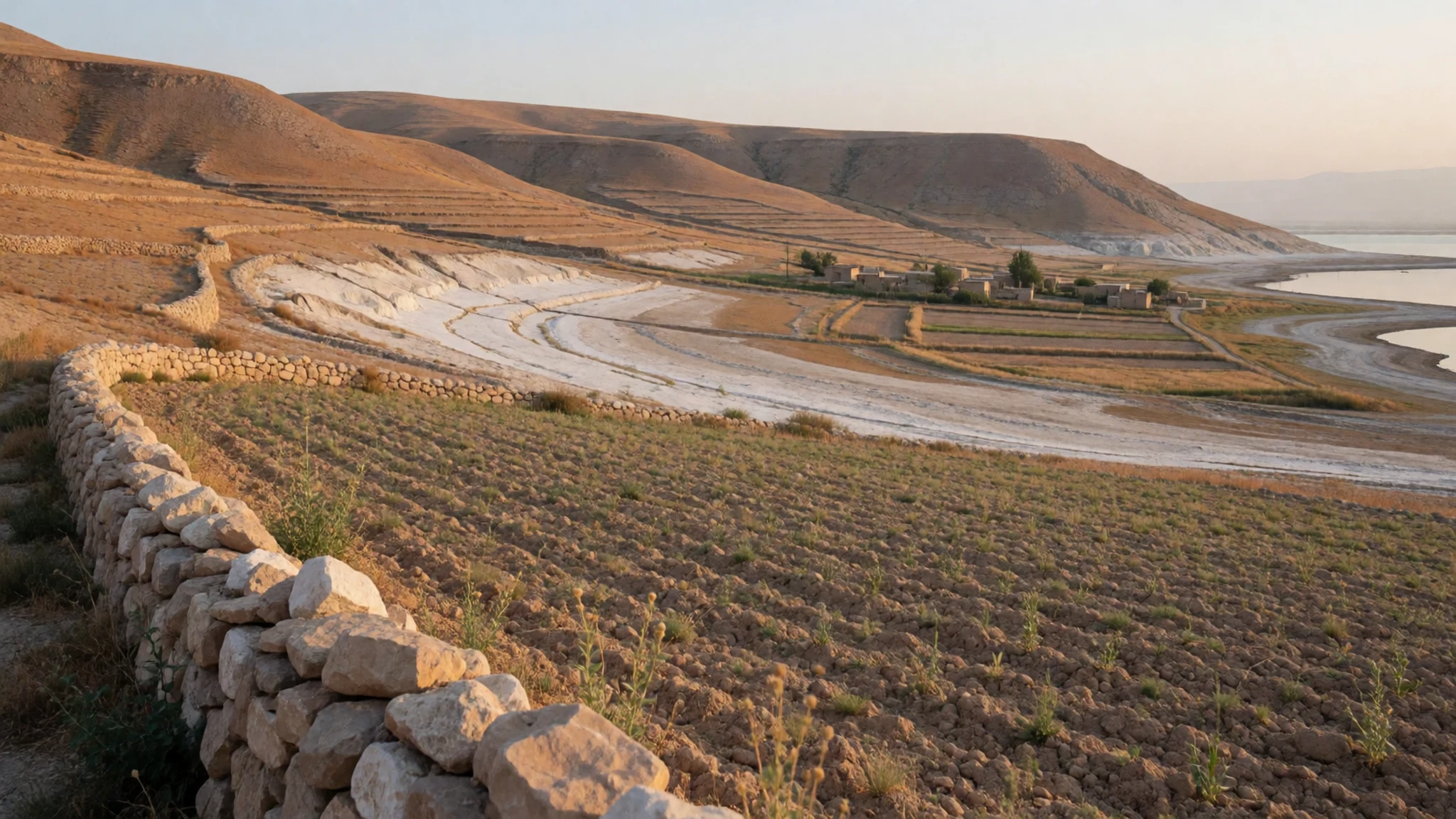
Culture
Lake Urmia sits in a country whose people are often warm and generous towards visitors, and a guest in the region can expect a welcome that may include tea, sweets and long conversation. Hospitality matters deeply in Iranian life, so an invitation into a home is a genuine honour rather than a formality. At the same time, outsiders are sometimes regarded with caution, and it helps to be patient and polite when meeting people.
Greetings follow certain customs. People often use Aghaye or Khanoom with a name as a mark of respect, and older people are usually greeted first. A man should not offer to shake hands with a woman unless she extends her hand first, and many people place a hand over the heart instead. When someone greets you while seated, it is polite to stand up.
Dress in public is governed by Islamic rules. Women are expected to cover their hair and to wear loose, long clothing, and modest dress is respected by men too. Photographing people, especially women and children, without asking is considered intrusive, so always request permission first.
What to wear
Traditional dress around Lake Urmia varies between the communities that live in north-west Iran, and the textiles most visitors meet are hand-woven rugs, flatweave kilims and embroidered cloth sold in local bazaars. Many older women wore long, layered garments in bright or dark cotton and wool, with headscarves and embroidered trims that marked village and family traditions. These pieces are now more often seen at weddings, festivals and in the bazaar than in everyday life.
What people wear now is largely modern and practical. In towns and on the roads around the lake, you will see jeans, shirts and coats alongside more traditional clothing, and women wear headscarves in public with considerable variety in how they are arranged. Men wear trousers and long-sleeved shirts in most settings.
For a visitor, the advice is simple. Women should carry a scarf, wear loose tops and trousers or long skirts that cover the arms and legs, and keep the headscarf on in public places. Men should wear long trousers rather than shorts. In summer, light layers help against the sun, while evenings and early mornings can be cool at this altitude. Choose closed, sturdy shoes for the salt crust and the stony shore.
What to eat
- Chelo kebab — A grill house on the main road in any town near the lake
Grilled kebabs, usually served with saffron rice, are the most common dish you will find. Lamb and chicken skewers are charcoal-grilled, and the rice is often topped with butter and a raw egg yolk. Expect a limited menu, as eateries in Iran tend to focus on a few well-made dishes rather than long lists.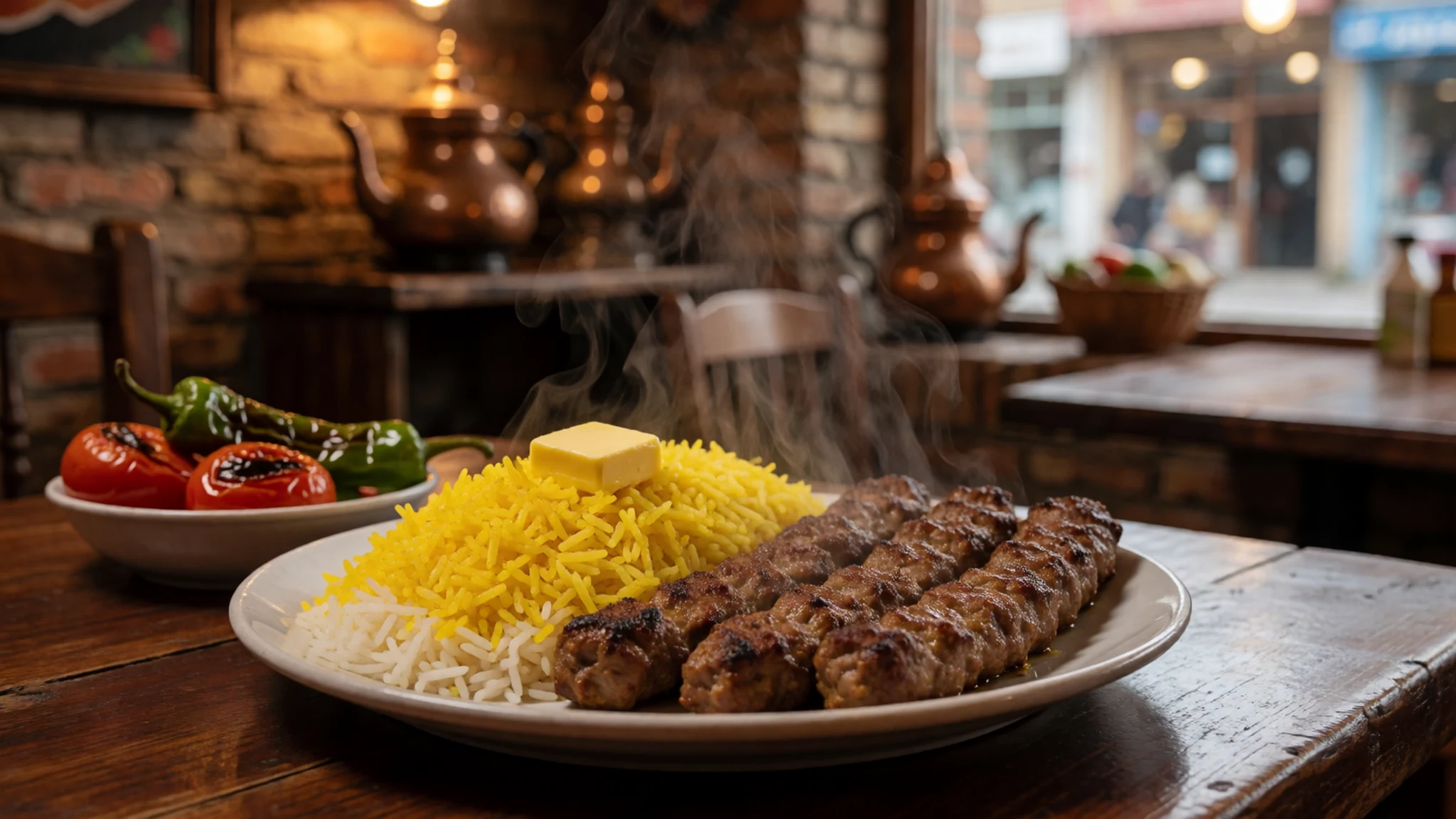
- Fresh herbs with flatbread — A bakery or the morning market in the nearest town
Bread is baked in the morning in traditional ovens, and it is often served warm with fresh green herbs, cheese and raw vegetables. Herbs feature strongly in Iranian cooking, so this simple plate shows the cuisine at its freshest. Buy bread early, as it sells out quickly.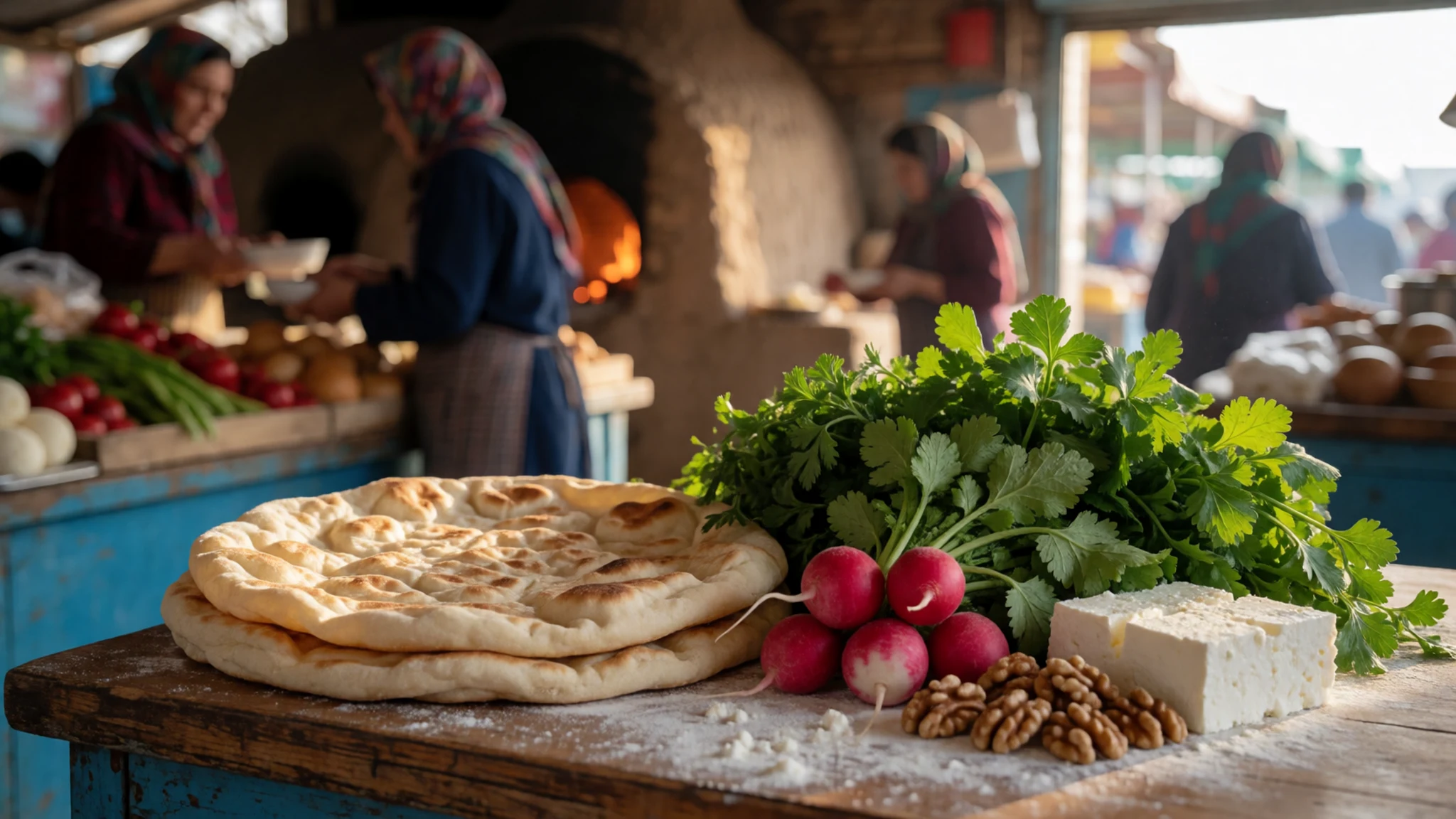
- Stews and rice dishes — A home-style eatery or a family table
Home-style stews with meat, vegetables and dried fruit, served over rice, are the everyday food of the region. These dishes are rarely found in restaurants, since many Iranians prefer to cook at home. Your best chance of tasting them is through a family invitation or a small local eatery. - Tea and pastries — A tea house in a town or a relative's home
Tea is offered almost everywhere, served in small glasses with sugar cubes, and it often arrives alongside pastries, fruit and nuts. Accept what you are offered, even if you only take a little. Tea houses in small towns are relaxed places to sit and watch the day go by.
Plan it
Best time. Early autumn, roughly October, is the most comfortable month, with highs near 29 C and cool nights, while April is the wettest month and July the hottest. Summer is hot and dry, and winter can be cold. Water levels depend heavily on rainfall, so check recent news about the lake before you travel, as the shoreline can look very different from one year to the next.
How long. 2–3
Getting there. Fly into Tabriz or Urmia, then continue by taxi or bus to the lake shore; road times vary, so confirm the last leg locally before you set off.
Budget. low
Tips
- Check current water levels and access routes before you go, since the shoreline changes quickly
- Carry cash, as small eateries and tea houses may not take cards
- Bring plenty of water and sun protection, because there is little shade on the open shore
- Check the official visa rules for your nationality well ahead, as entry conditions change
- Dual citizens of Iran and another country must enter on their Iranian passport
Etiquette
- Ask permission before photographing people, especially women and children
- Dress modestly, with a headscarf for women in public
- Do not walk across farmland or private property near the shore
Nearby
Sources
- Wikidata Q199551 (CC0)
- Wikipedia: Lake Urmia (rev 1376235552) (CC BY-SA 4.0)
- Wikivoyage: Iran (rev 5412767) (CC BY-SA 4.0)
- Photo: Urmia Lake, ERAllington (CC BY-SA 4.0)
- Photo: Urmia Lake bridge, M karzarj (CC BY 3.0)
- Photo: Lake Urmia, Solmaz Daryani (CC BY-SA 4.0)
- Photo: Urmia Salt Lake, Safa Daneshvar (IMG_7534) (CC0 1.0)
- Photo: Urmia Salt Lake, Safa Daneshvar (IMG_7536) (CC0 1.0)
- Photo: Urmia Salt Lake, Safa Daneshvar (IMG_7537) (CC0 1.0)
- Photo: Dried Lake Urmia, Anna-Freud (CC BY-SA 4.0)
- Photo: Artemia-Urmia, Atro S (CC BY-SA 4.0)


